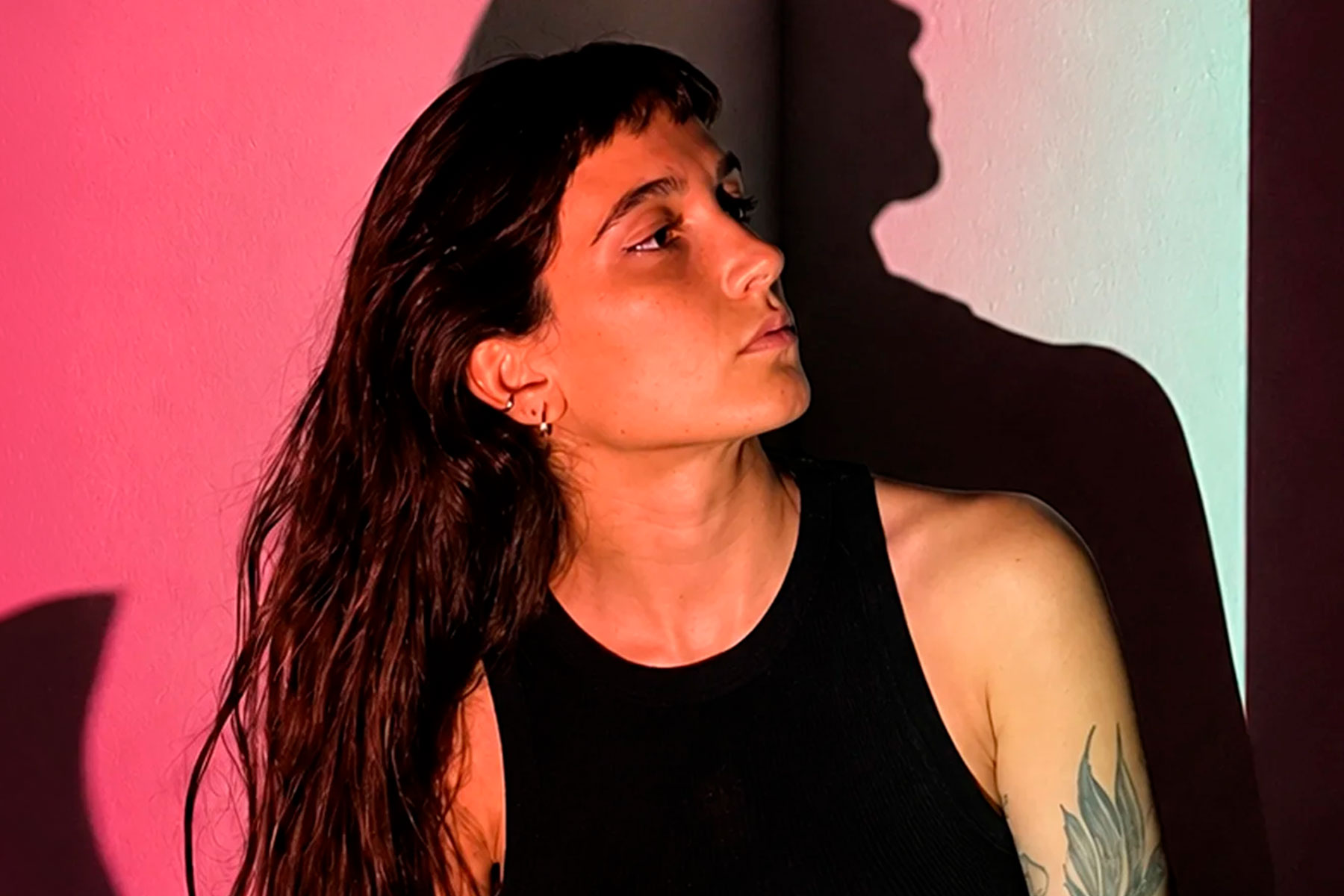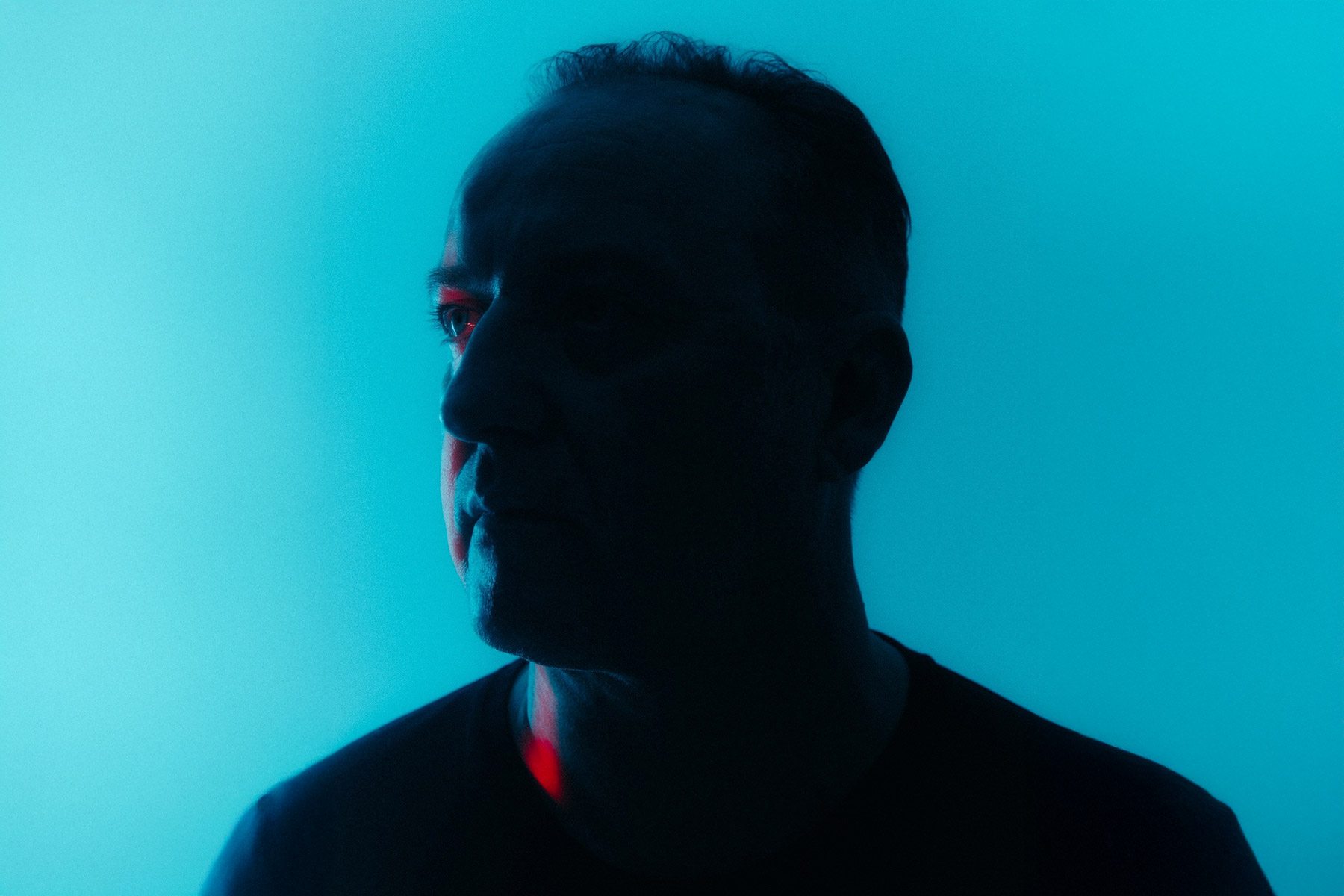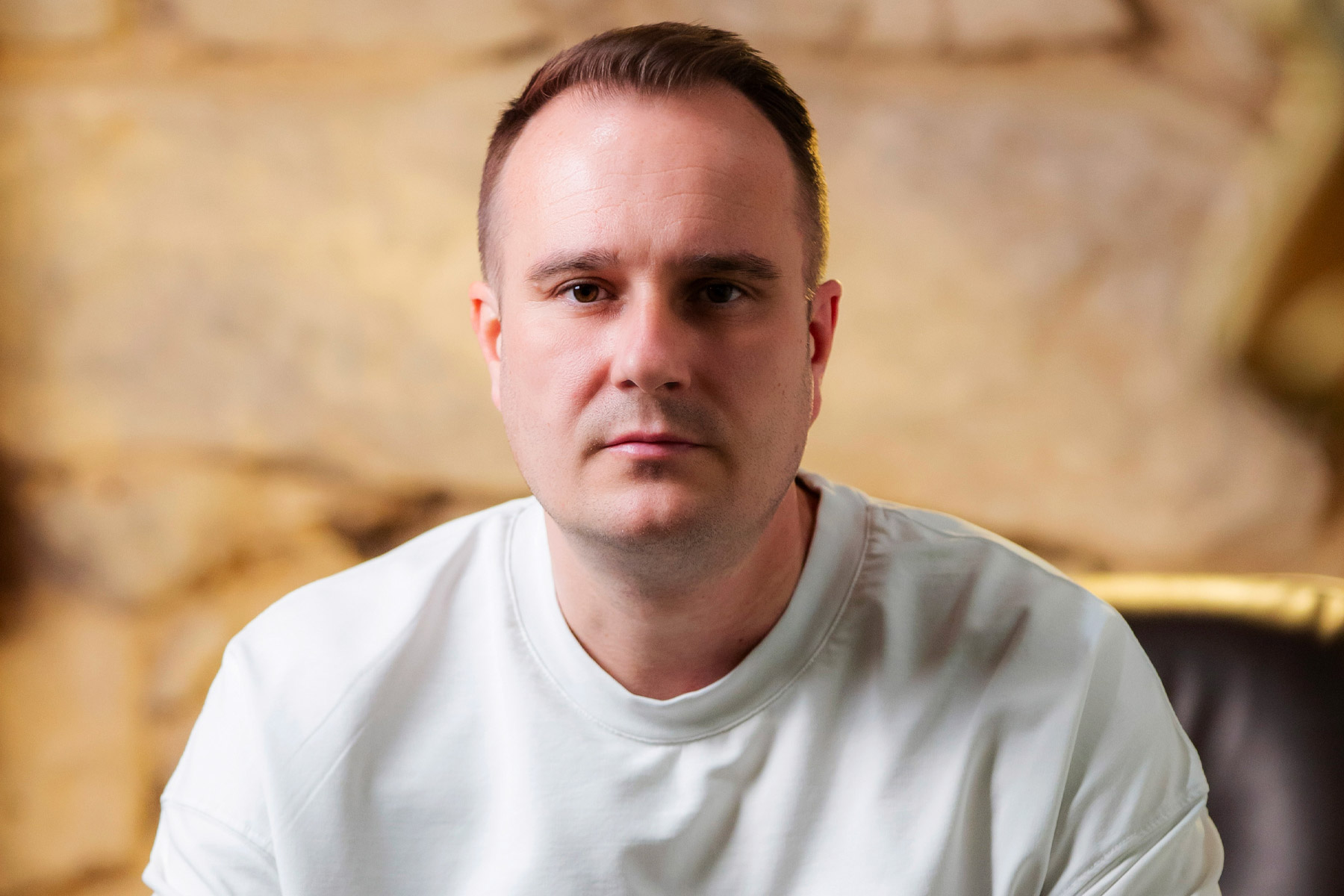
In electronic music, few journeys are as complex as the one Christopher Mohn has traveled. Known to many for his work as one half of Dance Spirit, the Los Angeles-based artist has spent the past few years rebuilding his creative world from the ground up. What followed was not just a return to music but the expansion of a broader artistic language that now moves fluidly between sound, poetry, and visual art.
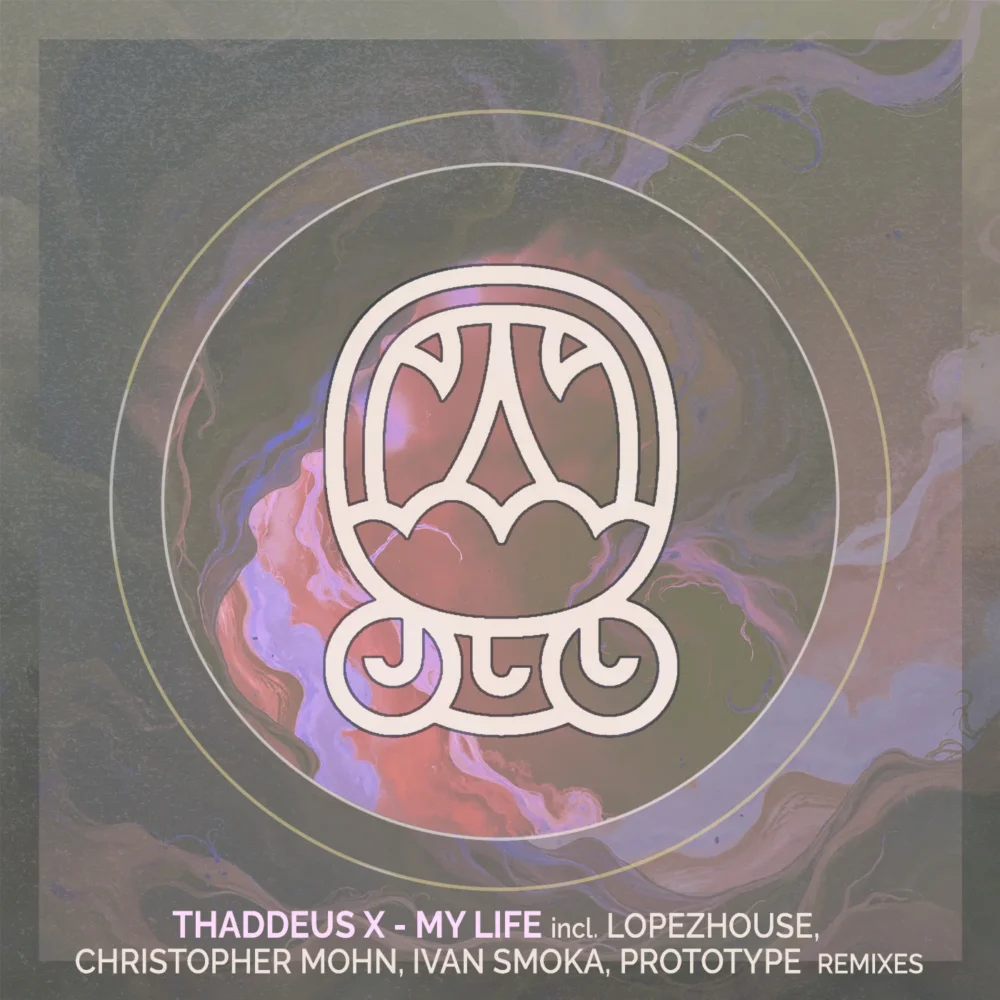
Through his platform Point, Line, and Plane, Mohn has been exploring this convergence with a renewed sense of purpose, allowing different disciplines to inform one another and reshape his approach to creation. His recent remix of Thaddeus X’s ‘My Life,’ released via Akbal Music Editions, arrives as part of that ongoing chapter. Hypnotic and atmospheric, the reinterpretation reflects the deeper, more reflective phase of his artistic evolution.
In this conversation with us, Mohn reflects on the end of Dance Spirit, the personal reset that followed, and how poetry, spirituality, and underground culture continue to shape the way he approaches music today.
EG: Welcome back to EG, Chris. Where do we find you today?
Christopher Mohn: Thank you for having me. It’s nice to be around after so many years since our last talk. Today, I am in Los Angeles. I live in a neighborhood on the East Side called Glassell Park. It’s an older Latino neighborhood that has slowly seen its share of gentrification over the last few years, so it’s a bit of old LA with the new.
EG: You’ve already lived more than one creative life. When Dance Spirit came to an end, and you began again under your own name, what was the hardest part of that transition?
CM: Everything. Dance Spirit was a project that was rooted in a long friendship that translated to brotherhood and international musical success. Reagan and I were driven by the deeper philosophies and altruism that we shared collectively. Like any partnership, I thought it would last “forever,” and even though our last few months together were tense, it was still a major blow to my psyche when it finally came to an end. After the split, I felt deep down inside that I wouldn’t be ready for music again for at least another year, and it took four.
EG: Reinvention can feel liberating, but also terrifying. In those first months after Dance Spirit ended, did you feel freedom first or fear?
CM: Fear.
The end of Dance Spirit was a major catalyst for a host of seemingly never-ending trials and tragedies in my life. The following years resulted in me stepping in for my family to help raise my nephews for almost a year, a short time of displacement, a short time of homelessness, and a never-ending barrage of manual labor and gig work that helped me step away from a lot of my creative ambition and take out my frustrations with hard work.
Reagan was also my mentor in music. He is a genius musically and technically, and taught me everything I know about making music and production, so it was frightening to lose that leadership in my life and have to figure it out on my own despite limitations and insecurity.
EG: Today, your work moves between music, poetry, and visual art. When you create, do those disciplines feel like separate languages, or are they all part of the same voice?
CM: At this point in my life, they are all starting to converge into a single expression. I had always written “poems” since my teen years, but even at their best, they sounded like whiny adolescent heartbreak without any real penetration in the language. It wasn’t until lockdown that I felt like I found my poetic voice. It was the first time in my collective history that my personal life and the sufferings of society were all part of one big dilemma, so in my writing, I found that when I was getting cathartic, my language was addressed to the population as a whole. It was in that moment that I became aware of that device in my imagination, where imagining speaking to everyone at once in my mind automatically gave my language and grammar a command that wasn’t there before.
So much poetry came spilling out of me because of the turmoil in my life that the work became project-oriented and evolved into the idea for a book, which I eventually illustrated and self-published called ‘This Is Love, Infinite.’ I felt that if I didn’t pursue my poetry before transitioning back to music, I would never get my work out the door, and it would be a pity for it to die on the vine.
I returned to music in 2024, launching my own imprint called Point, Line, and Plane that was strictly a therapeutic exercise in disciplining myself back into creating and releasing music again. I became neurotic about having a music video on YouTube for every track, and when I created the video for “Sometimes Change Sounds Like Thunder”, that was the moment all of my disciplines converged into a single expression of visual aesthetic, sound, and poetry. It was an exciting mark to hit privately because it was the first time in years that I was self-aware of my own creative potential for authenticity as a solo music artist.
I also think it’s a great lesson in allowing yourself to meander and pursue interests that might not be relative to your current goals, and how the pursuit of those interests eventually comes back as knowledge or tools to add to your repertoire, depending on what you are trying to do in your life.
EG: Your art often feels personal and exposed. How do you decide what stays private and what becomes public expression?
CM: That is a great question because I don’t really even think about that. I think art begins where the artist’s expression and the audience’s subjective experience interpret whatever they are consuming. I am just expressing my humanity, which in many ways is a universal language. Trauma, love, hate, anger, fear, joy, nostalgia, regret, faith, doubt, these are all things we grapple with daily. I find that when I am transparent in conversation or in art, I create deeper connections with people who aren’t afraid to share their vulnerabilities with me. It’s a beautiful reflection.
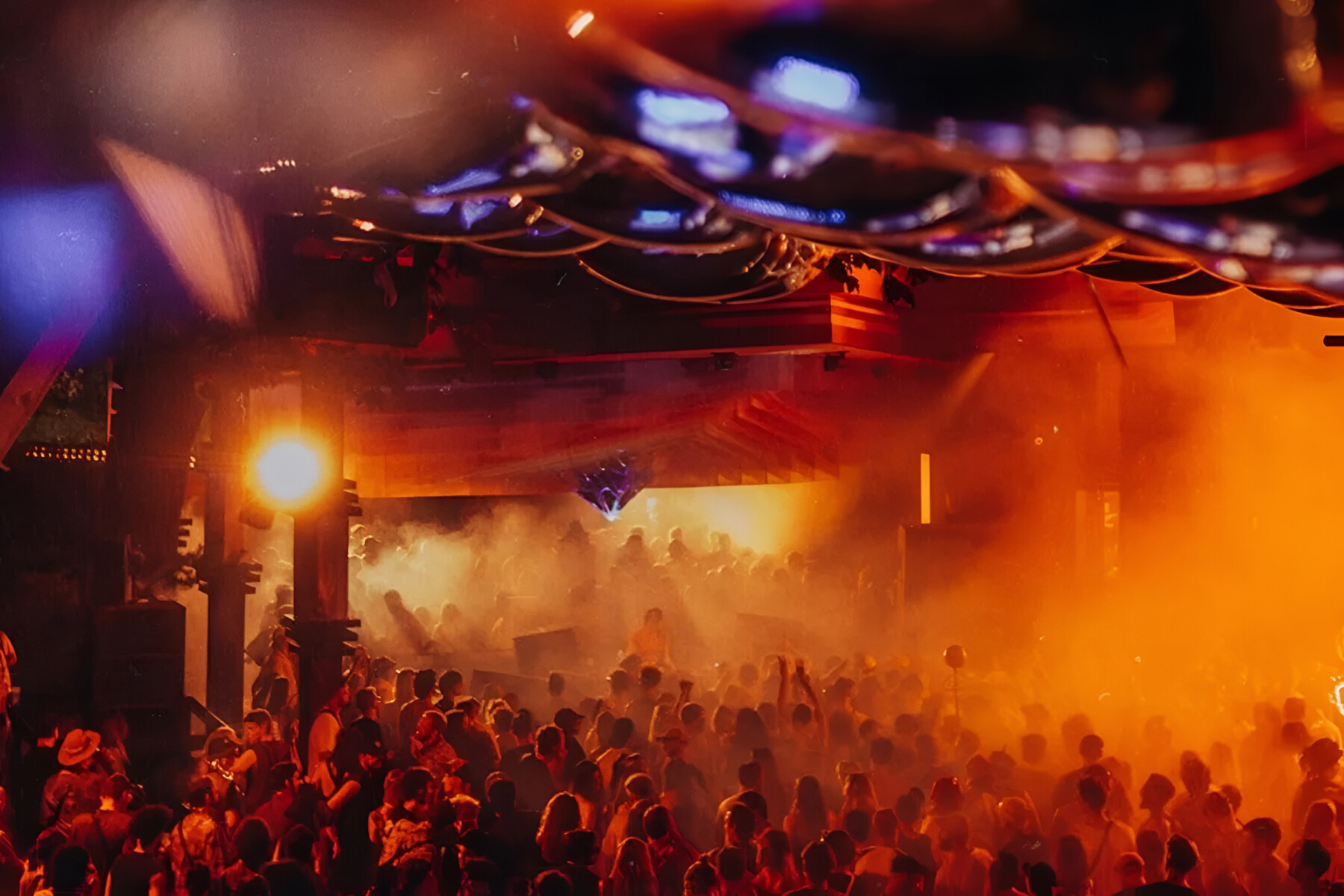
One of the projects I am practicing in the LA underground is called ‘Poetry On The Dancefloor.’ I originally started doing this at a Subcultr event when Yokoo and Atish approached me to do live art at their party in 2024. I bring a table, two chairs, my collage supplies, a typewriter, and tarot cards, and create live poems for people based on a series of questions I ask that give me information on my subject and lead to very deep talks. I type up a poem and collage it, and the person gets to go home with a piece of art.
Creating poems for people live has been a really cool thing to practice because even though it’s a bit self-serving to the degree that I love deep talks with strangers, raves, writing poems, and making collages, it also creates a very soft space in a hardcore atmosphere and allows people to be vulnerable and open. I have done many events and probably have 80 poems that contain words for cancer survivors, eulogies for parents, birthdays, and chihuahuas.
“Learning how to exist and find happiness in my own identity within was a journey I had to take apart from the culture and the scene”
EG: When you approached your remix of “My Life”, did you think about it more as a technical exercise, a storytelling process, or something else entirely?
CM: At this point in my life, I just open up the parts and dive right in and let the session take over. The first draft of the remix was actually turned down because it was too weird, and I obliged because the first consideration should always be for the dancefloor. What was accepted was a second draft that I tinkered with on and off for a few weeks. Sometimes it’s good to take breaks from a piece of music, even if it’s for days or weeks.
EG: What was it about the original track that made you want to reinterpret it?
CM: I am a major progressive house enthusiast. I have always loved the dreamy Pink Floyd side of the genre, and I am always a sucker for lush pads and female vocals. This track had all of the criteria for good parts to mess with; sometimes a remix is only as good as its parts, and I have learned that the hard way over the years.
This track is interesting because it really isn’t linear at all, and that is usually more my style, so it was a bit challenging to leave the track as a never-ending A, B, C kind of movement. The track is always changing and turning into something else without losing its “motif”, as I call it, the sound or hook that holds the track together.
Also, the opportunity to get on a good label like Akbal was appealing to me. I have been friends with the label for a while, so it’s nice to return.
EG: There is something powerful about a second act in an artist’s career. Do you feel more honest now than in your previous chapter?
CM: Yes. I have finally been able to frame my past as success and achievement instead of shame and failure. I have had full closure of all the trauma loops, Reagan and I are talking again, and the self-doubt I carried is gone, and I am back to making art and music full-time.
I have tons of work doing graphics, branding, and art for numerous clubs and promoters around the world, and it’s exciting to be contributing to the culture on that level. Visual art is my first love.
Musically, I’m staying very creative. I have tons of sessions started on my hard drive, and recently hooked up the machines back in the studio for the first time in almost five years. I was strictly in the box post Covid.
I am almost done with my third collection of poetry, but I won’t be releasing it for a while.
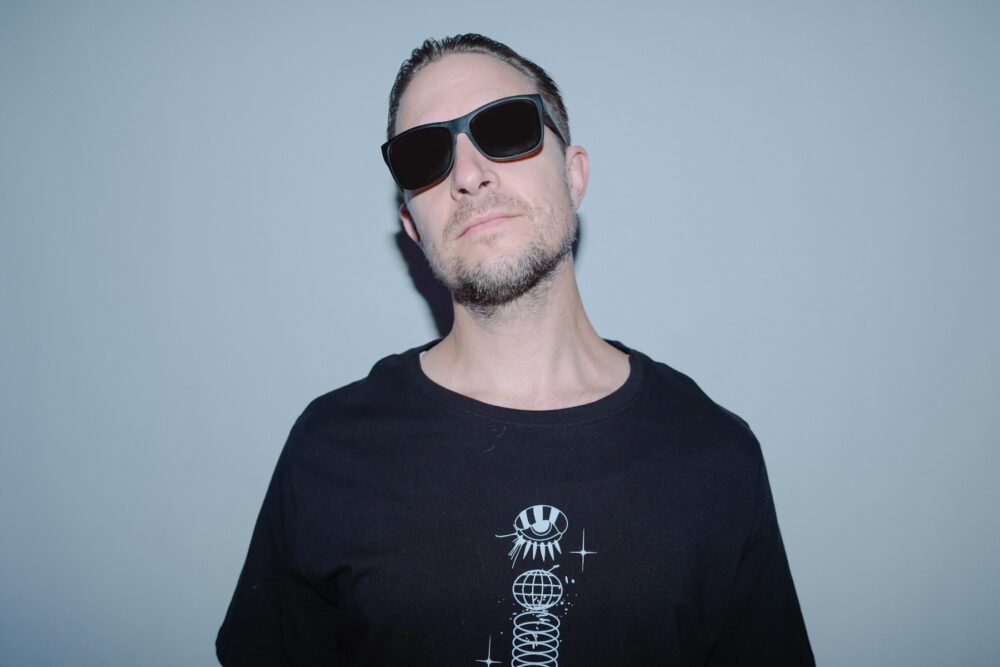
EG: Many artists struggle when the external validation slows down. During those years away from music, what kept you grounded?
CM: Honestly, I am grateful for that struggle. My identity was so wrapped up in being ‘Chris from Dance Spirit’ that it slowly became the basis for my own personal happiness. Learning how to exist and find happiness in my own personal identity within was a journey I had to take apart from the culture and the scene. Watching the train go by and all of your peers going back to work and back to business while I was back on the dancefloor or off to the side again as a wallflower, where it all began, was a great way to restart my love for the music and the rave.
I also kept my hand in the culture, creatively doing graphics for a host of crews and DJs over the years. Doc Martin, Visionquest, Kazbah, etc., allowed me to put a visual mark out into our world.
What really kept me grounded was my relationship with God; he’s my homie. Making time for prayer and meditation is an essential tool in my daily life.
Also, my friends, my chosen family, really stepped in. I wrote a short poem that goes:
“My soul is woven
With the fabric of friendship,
The thread from which
my life hangs.”
I couldn’t have made it through without the specific help of a few key friends over the years. God has blessed me with the best of friends and a great community.
EG: If someone reads your poetry and listens to your remix right after, what thread connects those two experiences?
CM: Hmm, I guess a combination of the transcendental experience parallel to a sense of beauty and melancholy.
EG: What is one truth you have learned about yourself through creating art?
CM: The main truth I have learned about myself through creating art is that I am supposed to be doing art with my life. And as obvious as it may seem to others, it has been a crazy journey of self-realization. I feel very lucky to have been blessed with this calling in life. It is not easy, especially when you build with an ethos of purism and integrity. It takes a lot of courage to endure the hardships of an artist’s life.
“There are too many yuppies and not enough freaks at the party”
EG: Looking ahead, do you feel your next evolution happening more in sound, in words, or somewhere unexpected?
CM: Right now, I am pivoting my journey into a new moniker called “King Freak”. My first EP is out and already getting support from John Digweed and others. It is functional house, techno, and minimal with my poetry spoken over the groove. Again, it is the convergence of my disciplines into a single expression. However, I am excited about this one because it is the first musical concept I have had for a project since Dance Spirit.
Conceptually, King Freak is a banner and a rebellion against the current status quo in our culture. Now that we have five or six years of rave history to review post Covid, we can see that big corporate money bought out the multimillion-dollar gateway brands that were either parties or festivals. Since the brands had relationships with big entertainment industries it wasn’t hard for them to use their nepotism to generate famous acts overnight and drop them into the machine, basically putting the original artists and culture creators off to the side, only to offer up a commodified and trendy version of rave culture that is proliferated by younger people with no actual connection to the heritage of rave culture and a lot of privilege.
In short, there are too many yuppies and not enough freaks at the party.
And while I think the dancefloor is for everyone, the lack of neurodivergent weirdos is slowly becoming more and more apparent.
I want to bring back the freaks to the dancefloor and remind people why we are here. It’s the old raver in me, but PLUR has always been something I practice and is what is missing in the current scene. Hugs, giving gifts, smiling at strangers, being open, dancing, the actual good vibes of the thing have evaporated into a type of modern fashion that is completely superficial.
The lack of authenticity is starting to show in acts and events that are manufactured and lack star power, cultural curation, and miss the mark when it comes to pioneering creativity that could be innovating the music into the next century.
EG: Thanks for such an insightful conversation. We wish you all the best!
CM: Thanks for having me.
Christopher Mohn’s remix of Thaddeus X’s ‘My Life’ is now available via Akbal Music. Download your copy here.
Follow Christopher Mohn: Instagram I Soundcloud I Spotify I Facebook