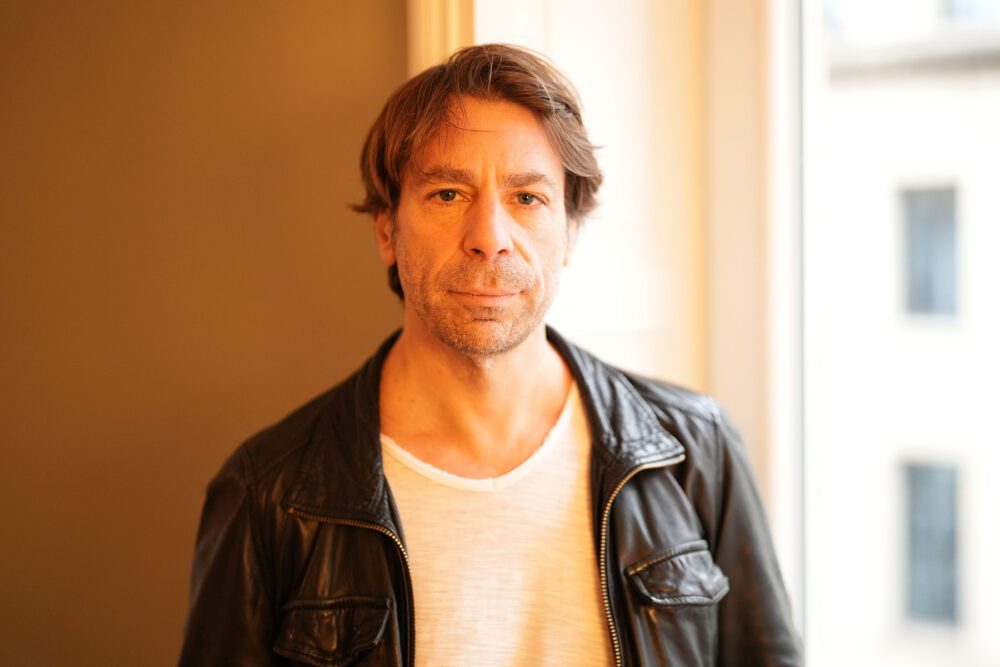
With a career spanning over three decades, Julien Veniel, better known as D’Julz, has built a reputation as a consistent force within electronic music.
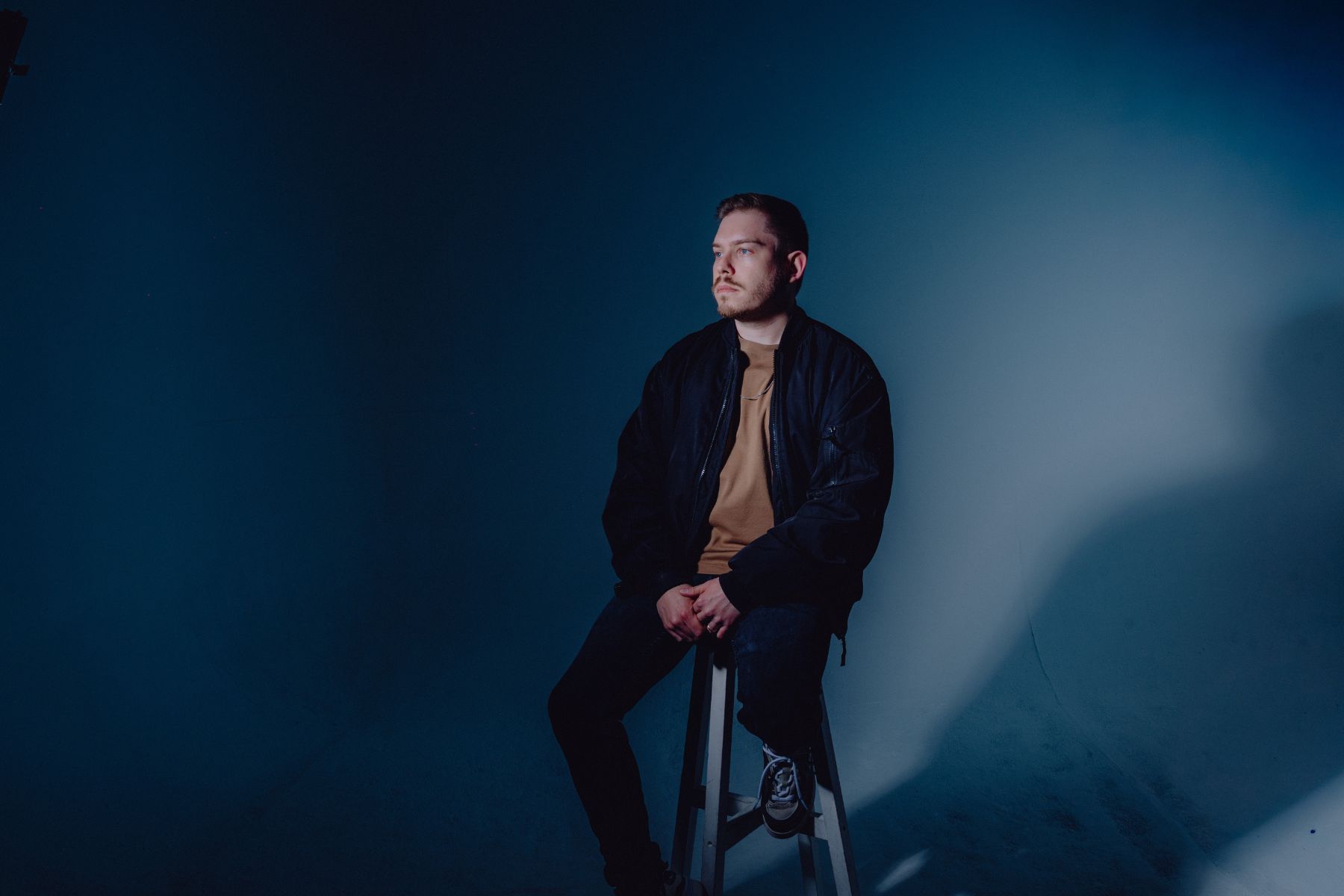
Photo credit: D’Julz – Official
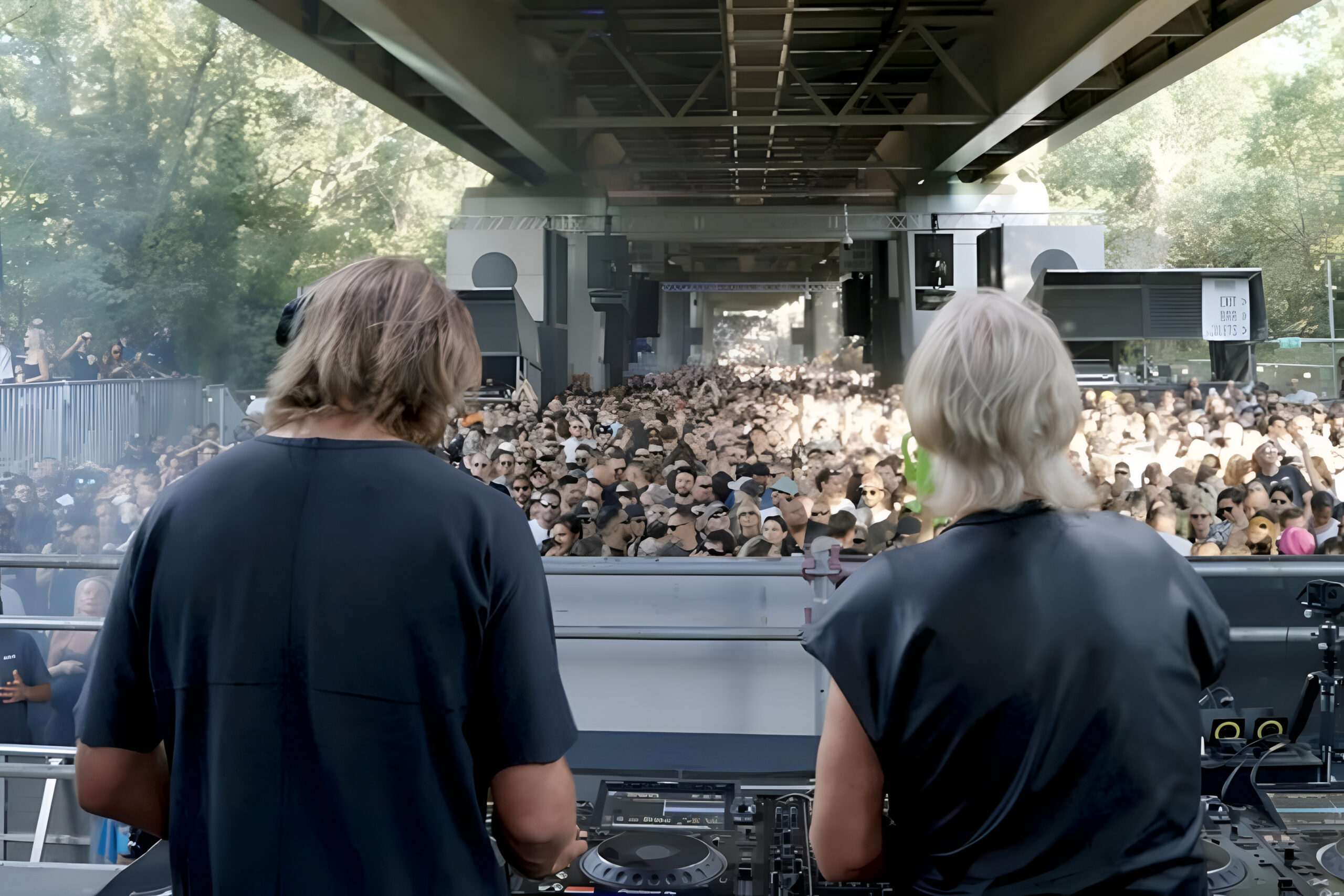
From his early days in Paris’ 90s rave circuit to refining his craft in New York, his trajectory reflects a long-standing commitment to DJing, production, and curation. His ongoing ‘Bass Culture’ residency at Rex Club, launched in 1997, remains a key fixture in the city’s nightlife.
Alongside his work as a DJ, D’Julz has developed an extensive catalog through labels such as Circus Company, Ovum, Rekids, and 20:20 Vision, while also founding Bass Culture Records in 2009. His projects extend into radio with initiatives like the Technopolis podcast for Arte Radio and ‘Home Diggin’ on Rinse. Across all formats, his approach has remained grounded in instinct, focusing on sound rather than trends.
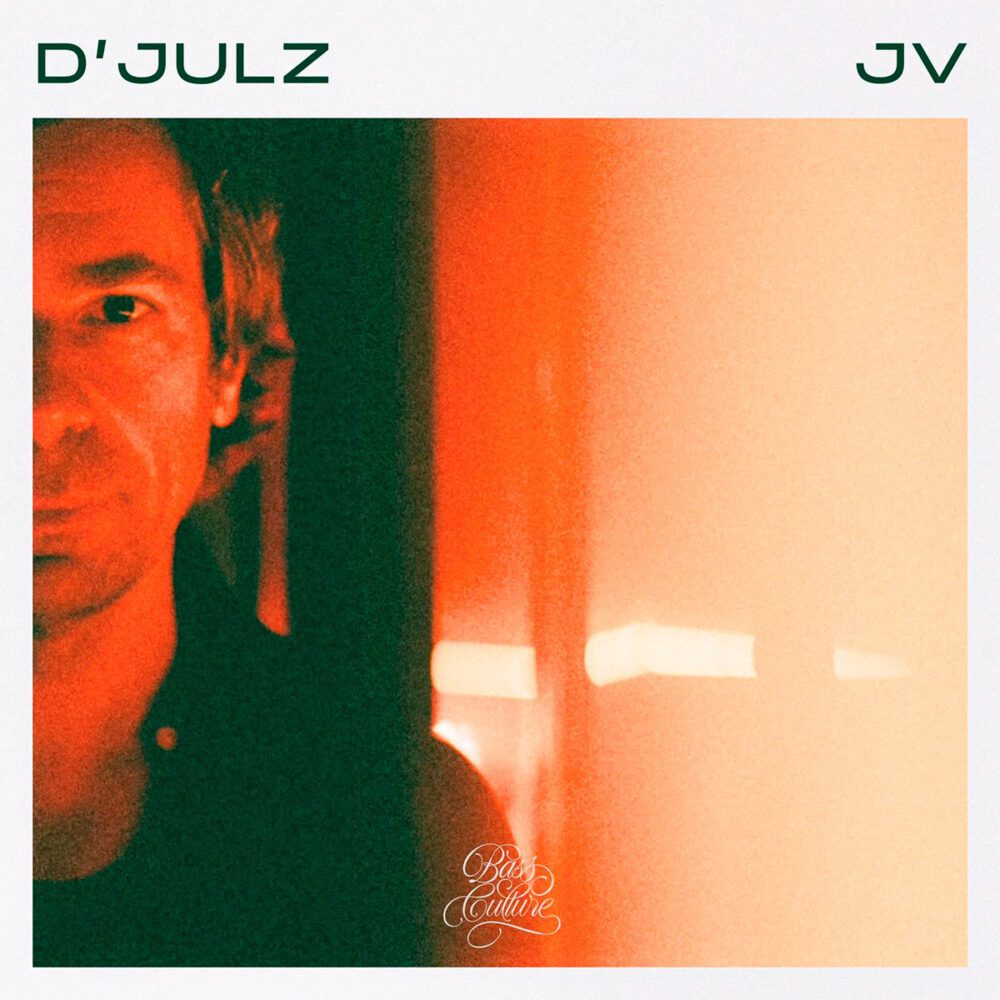
Now, with the release of his ‘JV’ LP on Bass Culture, he brings a previously vinyl-only project into the digital space, opening a new chapter for both his catalogue and his audience.
In this conversation, D’Julz opens up about the origins of ‘JV’, the philosophy behind Bass Culture, and how he approaches the future of independent music.
EG: Hi, D’Julz! Welcome to EG. It’s an absolute pleasure to have you here with us. How are you doing? What have you been up to?
D’Julz: Happy to be here. I’ve been good — finally back in the studio after a few months’ break. Feeling a bit rusty, but excited nonetheless.
EG: First of all, congratulations on the release of your ‘JV’ album on Bass Culture! This is quite a significant release, given it brings your JV Recordings catalogue together for the first time digitally. What has the initial reception been like so far?
D’Julz: Thanks. The reception has been great so far, sometimes even surprising. I didn’t expect this album to be supported by such a wide range of DJs… from Laurent Garnier to Francesco Del Garda, DJ Bone, or Dyed Soundorom to Ben UFO. I feel very grateful to have managed to break through some genre boundaries with this release.
EG: What can you tell us about this particular release? Why did you decide to bring the JV Recordings catalog to digital shelves via Bass Culture?
D’Julz: This album wasn’t part of the plan initially. I created the JV label as a platform to express myself freely, without thinking about timelines or specific musical styles. It was my own little laboratory. Only last year, while working on the sixth release of the label, I realized I had enough tracks that worked well together. That’s when I started thinking about an album. It also felt like a good way to introduce the JV catalog to the wider Bass Culture audience.
EG: Going back to the origins of Bass Culture… When and why did you develop the label? What was the landscape like at that point in time?
D’Julz: I started Bass Culture Records in 2009. The name came from the party I launched at Rex Club in 1997. I started the label because I wasn’t finding enough of the music I liked in record shops at the time. Minimal and techno were still dominant, and I was looking for something warmer and rawer that could bridge the gap between early house and techno. So I started reaching out to a few new artists who were already making that kind of sound, like Alex Picone, Lemos, John Dimas, or Anonym. I also contacted some of my favorite ‘veterans’ who hadn’t made their proper comeback yet, like Mr. G or Chez Damier. They all trusted me with their music, and the label grew quickly. The timing was right, I guess.
“Everything is changing so fast that it’s never been this hard to project into the future. I try to stay focused on the present, one release at a time”
EG: How would you define the evolution of the label over the years, both musically and visually? Did things develop the way you thought they would?
D’Julz: I didn’t have a master plan. I had no idea if the label would last one year, ten years, or more. It was my first time launching a label, so I had no real expectations. Over the years, I was lucky to receive many great demos, from both unknown and established artists. I mostly followed my ears and my instincts when selecting the music. I think the sound has stayed close to what it was at the beginning, but it’s also been diverse enough to move through trends without blindly committing to any of them. The foundations of this ‘house’ must be solid. In 2020, when everything paused, it gave me time to reflect on the label, which had just celebrated its 10th anniversary. I briefly thought about stopping it, but in the end, I decided to continue with fewer releases and a new logo. After three to four years of recalibrating things, I’m happy to say the label is doing very well at the moment and has fully entered its second chapter.
EG: By the way, next year, Bass Culture will be turning 30. Are there any special plans in the pipeline?
D’Julz: The Bass Culture party turns 30 next year, not the label… not yet. I’m still working on ideas, but I’m planning to organize several special events throughout the year, of course.
EG: As an independent record label, how do you navigate the challenges of balancing artistic vision and commercial success? What are some of the strategies you employ to achieve both?
D’Julz: Let’s be honest, with the kind of music I make or release on the label, the goal was never to make a fortune. I’ve never felt economic pressure that would interfere with my A&R, mainly because I’m lucky enough to make a living from DJing. I just want the label to sustain itself and not end up costing me or my distributor money.
EG: In your opinion, what does the future look like for labels in the next few years? Will music still be the main commodity?
D’Julz: Everything is changing so fast that it’s never been this hard to project into the future. I try to stay focused on the present, one release at a time. But I believe there will always be an audience for music made with heart. It’s a niche, yes, but I don’t see why it would disappear completely.
“With the kind of music I make or release on the label, the goal was never to make a fortune”
EG: What would be the best bit of advice you could give to other artists thinking about starting their own music label?
D’Julz: Think about what you miss in record shops instead of following today’s trends. It worked for me, and I don’t see why it wouldn’t work for you.
D’Julz’s ‘JV’ is out now on Bass Culture Records. Stream and download here.
Follow D’Julz: Spotify | Soundcloud | Instagram