Profetik steps back into the electronic music landscape with a clear sense of direction, introducing a project shaped by cinematic textures, atmospheric depth, and dancefloor intent.
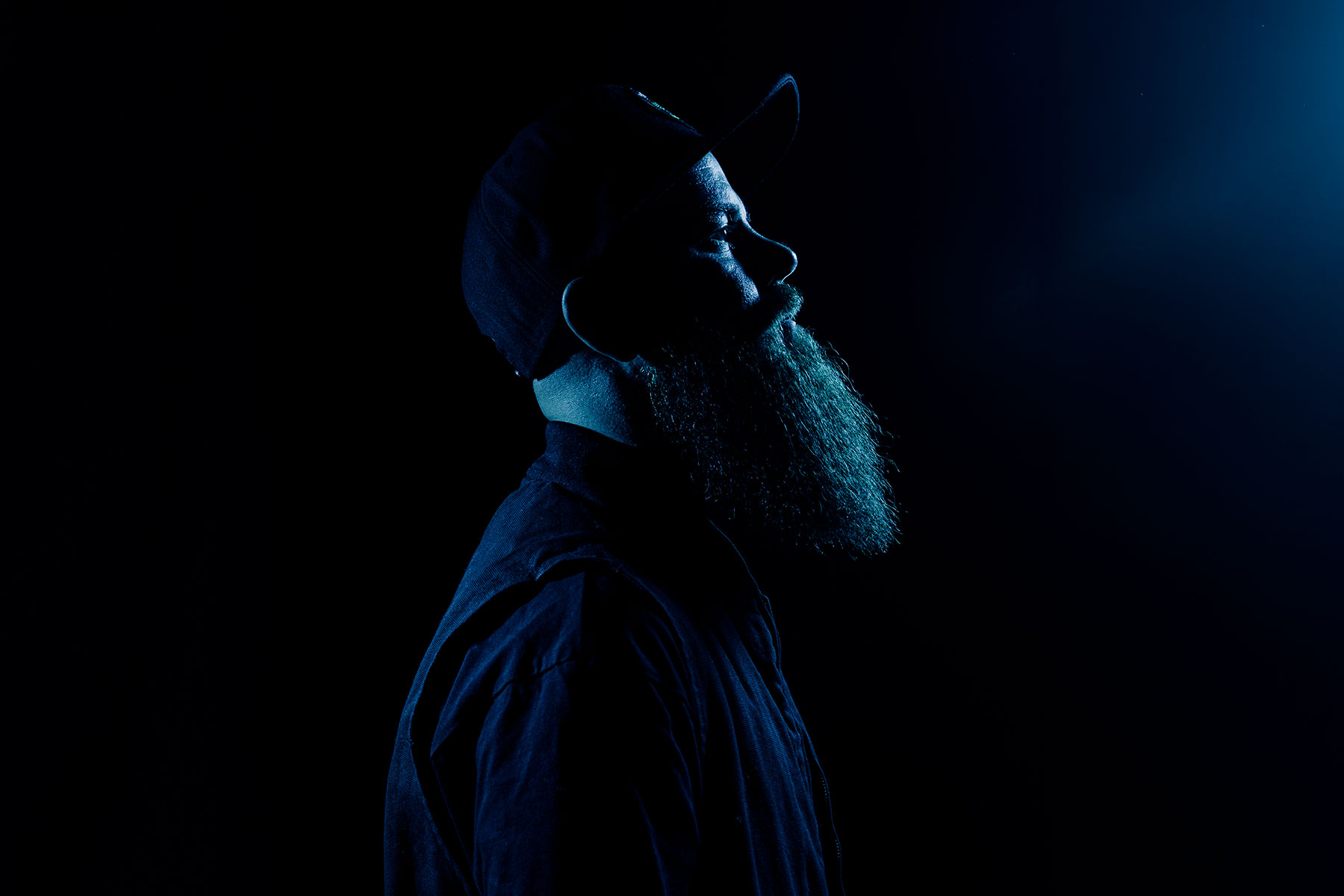
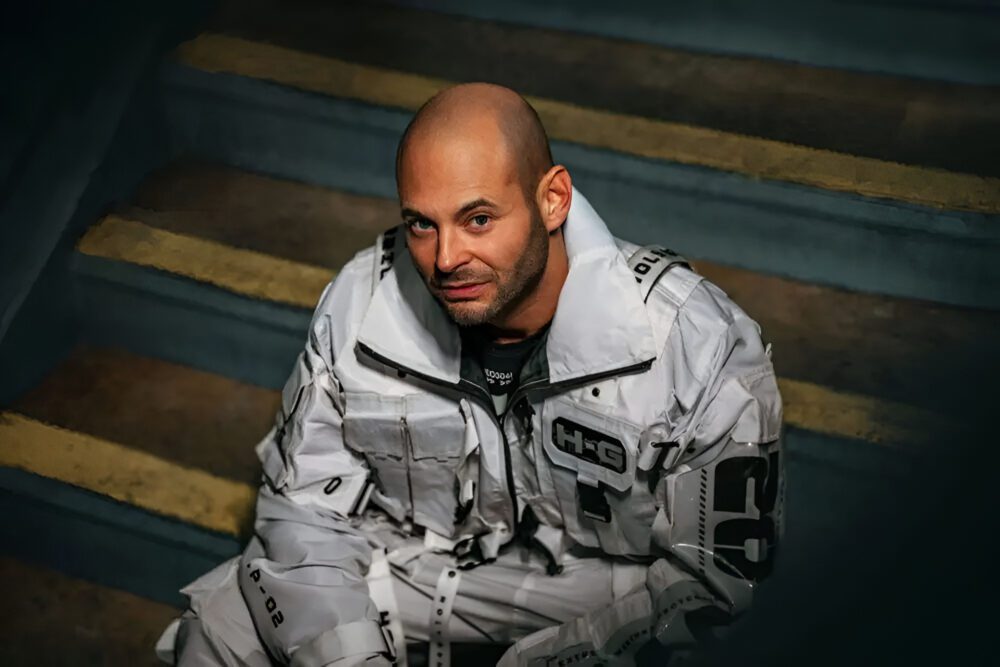
Photo credit: Profetik – Official
After a period away from releasing music, the artist has redefined his creative approach, focusing on building a body of work rooted in personal vision and long-term purpose.
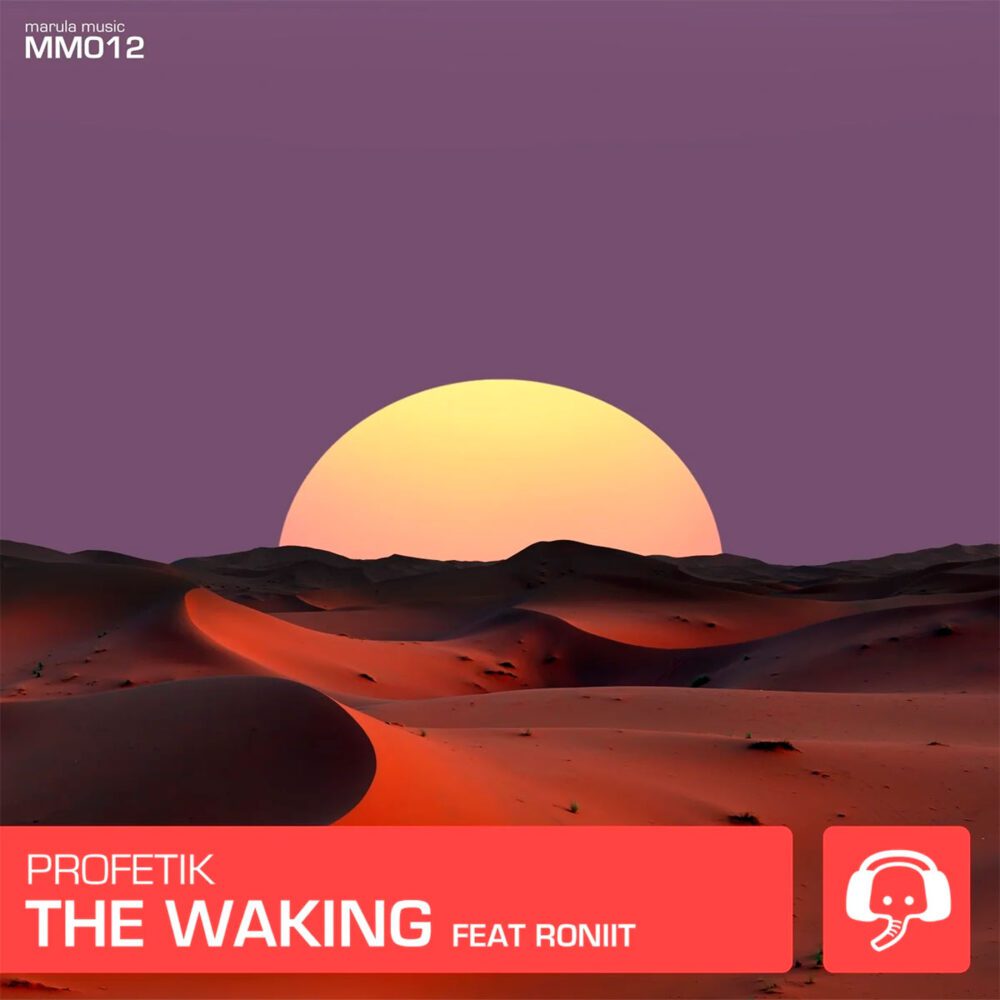
His upcoming single ‘The Waking’, featuring Roniit, marks the beginning of this new chapter and arrives via Marula Music.
In this conversation, Profetik opens up about his inspirations, workflow, and the mindset behind his return.
EG: Hi Profetik, welcome to EG. How are you feeling today?
Profetik: Feeling locked in. I just came off a long stretch away from releasing music, and right now the studio is the only place I want to be. There is a lot of new material ready to go, and I am genuinely excited about what is coming.
EG: What is the story behind the name Profetik, and how does it shape your perspective as a creator?
Profetik: The name comes from the Old Testament prophets. Ezekiel, Isaiah, Daniel, Jeremiah. Most people hear ‘prophet’ and think of someone predicting the future. But if you actually read what these men experienced, it is something completely different. They witnessed scenes that were terrifying, alien, beautiful, and overwhelming all at once.
Ezekiel saw living creatures with four faces surrounded by spinning wheels covered in eyes. Isaiah saw six-winged burning angels whose voices shook the foundations of a temple. This is about as far from a cute little cherub as you can get.
The meaning behind those passages matters deeply to me. But what drew me in as a producer was the depiction. What it would have actually looked and felt like to stand in those moments. I try to translate that into sound. Sometimes that is dark, cinematic, and immersive. Sometimes it is joyful and monumental. The source material has both, and the music reflects that range.
It shapes everything. The name is not a stage name I picked because it sounded cool. It is the entire creative framework.
EG: How do you want people to feel the moment they encounter your work for the first time?
Profetik: Transported. I want someone to hear a track and feel like they have been pulled out of wherever they are and dropped into a world they did not know existed. That is the benchmark I hold myself to in the studio. If a track does not take me somewhere, it is not finished.
The best compliment I can get is when someone tells me a song made them feel something they were not expecting. Not just ‘great track’ but something closer to ‘what was that?’ That curiosity is the whole point.
EG: What is one thing you want the world to know about you that isn’t immediately obvious from your art?
Profetik: The thing I really want people to know is that this is not new for me. I have been producing music for over a decade. I released records, got radio support from names I grew up listening to. And at some point, I realized I was making music to fit a mold. Writing for approval. Chasing what I thought other people wanted to hear rather than what I actually wanted to create.
I stepped away, built a company, and poured that same obsessive energy into something completely different for a few years. It was the reset I needed. When I came back to the studio, I had completely different ears and a sound that is genuinely mine. That is when Profetik became what it is now.
“Letting things go gives you the space to create the next thing”
EG: Walk us through a typical “day in the life” when you are in the middle of a project.
Profetik: By the time I sit down in the studio, I already have a theme or a scene I want to depict. A specific image or passage that the track needs to bring to life. I almost always start with drums and bass. Since this is dance music, starting there grounds everything in that world. It becomes the foundation that the rest of the scene is built on top of.
From there, I go deep into painting. Chords, melody, strange sounds that represent specific details in the scene, recording my own voice or guitar, and layering atmosphere. I am obsessed with atmosphere because it does more to place a listener inside a moment. I do a lot of recording of odd sounds in the studio and turn them into loops and textures that end up becoming the glue of a track.
Then, there is what my girlfriend and I call the Booty Shaker. Every track needs that element that just makes you want to move. In the Profetik sound, that tends to come from a big synth or bass patch that carries the energy of the drops. Atmosphere puts you inside the scene. The Booty Shaker makes you dance in it. Finding that balance between the two is probably where I spend the most creative energy.
Once I feel like I have enough raw material, I do a rough mixdown and then move into arrangement. That is where the story actually comes to life.
One thing people might not expect is that I work in 40-minute blocks with 15-to-20-minute breaks in between. I have tinnitus, so protecting my ears is something I take very seriously. But it turns out the breaks help creatively, too. Your ears reset. You come back and hear things you missed. Some of my best decisions happen in the first 30 seconds after stepping back in.
EG: Is there a specific non-musical art form that heavily influences how you build your projects?
Profetik: Visual design, honestly. Building the Profetik world has made me realize how much the visual side feeds back into the music. I spend a lot of time developing the imagery and aesthetic around the project. Dark, cinematic, and rooted in the same biblical scenes on which the music is built on. And what I have found is that the more clearly I can see a track, the better it sounds.
It goes both ways now. Sometimes I will be working on a visual concept, and it changes what I do in the studio the next day. The mood of an image pushes me toward a specific texture or atmosphere I would not have reached otherwise. Even photoshoots feed into it. The outfits, the color palette, the vibe. It all loops back into the world I am painting for listeners to walk through and experience. I did not expect that feedback loop when I started, but it has become one of my favorite parts of the process.
EG: If you could collaborate with any person from history, whom would it be and why?
Profetik: Hans Zimmer. Not even a question. The way he translates emotion into sound on a massive scale is exactly what I am trying to do in a completely different context. He scores a scene, and you do not just watch it; you feel it. That is the same thing I want happening on a dancefloor.
EG: What is the biggest risk you’ve taken in your career so far, and did it pay off?
Profetik: Walking away. I had some small traction, and I remember landing a track on Armin van Buuren’s State of Trance Year Mix. And I stepped back from all of it. That is a hard thing to do when you love the art so much.
Whether it paid off depends on how you define it. But I came back with a sound that is entirely mine, a studio I built from the ground up, and a level of clarity about what I want this project to be that I never had before. So yes. It paid off.
EG: What is the most valuable piece of advice you’ve ever received regarding your craft?
Profetik: Two things. A friend of mine who produces as one half of Elevven told me early on to stop being so precious with my work. His point was that creativity comes from a place of abundance, not scarcity. If you are clinging to one sound or one idea because you are afraid you will never make anything that good again, you are already working from the wrong mindset. Letting things go gives you the space to create the next thing. That changed how I approach every session.
The other is something Rick Rubin wrote toward the end of The Creative Act. He talks about keeping art as your hobby, but making it the most important thing in your life. That hit me hard. Making music is a luxury. Not everyone gets to do it.
“I want someone to hear a track and feel like they have been pulled out of wherever they are and dropped into a world they did not know existed”
EG: What is a goal you’ve set for yourself that has nothing to do with numbers or charts?
Profetik: To build something that is entirely mine. For years, I was making music that fit what I thought other people wanted to hear. The goal now is to look back at this body of work and know that every sound, every decision, every release came from a place that was honest. No chasing trends, no writing for approval. Just the music I actually want to make, executed at the highest level I am capable of. If I can do that consistently, everything else will sort itself out.
EG: Lastly, what can we expect to see from Profetik in the coming months?
Profetik: A lot. The first release is a track called ‘The Waking’ featuring vocalist Roniit, coming out on Marula Music later this month. Marula is Protoculture’s new label, and it felt like the right home for this one.
After that, I have a full slate of releases lined up through the rest of the year on my own label, Seraph Records. The music covers a lot of ground. There are dark, heavy, cinematic tracks. There are emotional vocal collaborations. There are some things that sit more in the Melodic House world. I do not want to be an artist who makes the same song over and over. The thread that connects everything is the Profetik world and the intention behind it. This is just the beginning.
Profetik’s ‘The Waking’ is set for release on Marula Music. Pre-order here.
Follow Profetik: Spotify | Soundcloud | Instagram