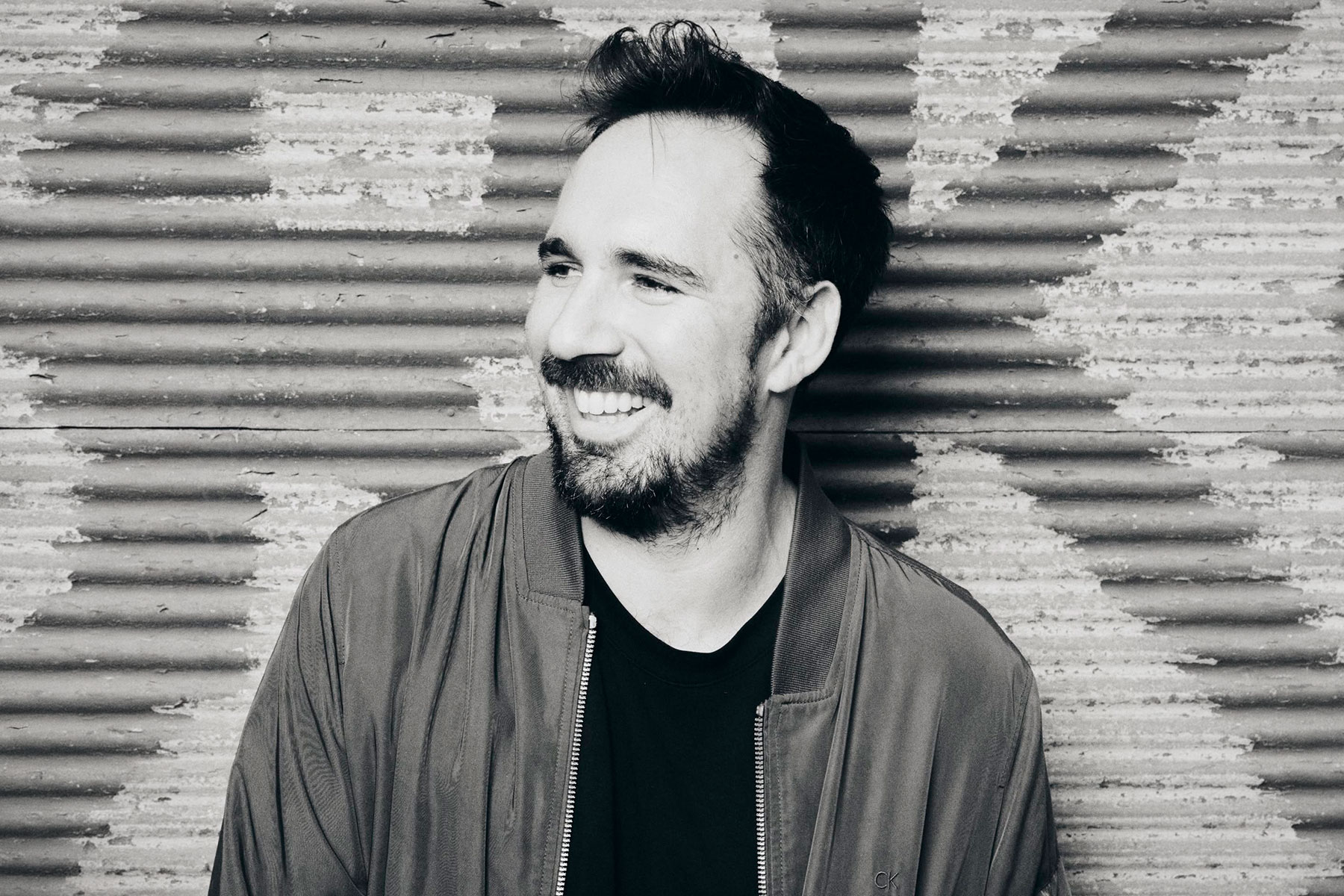

Norwegian producer and musician Helene Rickhard has been building a distinct voice within electronic music, blending ambient, techno, and experimental influences into a fluid, genre-crossing sound.
Photo credit: Helene Rickhard – Official
Her productions and DJ sets reflect a balance between structure and spontaneity, shaped by both technical precision and intuition.
Now, she returns to Snick Snack with her new LP ‘Everlasting High’, set for release on May 8th, 2026. The album’s lead single ‘Everlasting’ is already out, offering a first glimpse into this new chapter.
In this context, Rickhard shares five studio tips that reflect her creative process, offering insight into how she approaches sound design, workflow, and decision-making in the studio.
1. Creating some sense of movement and change in the sounds
I use a lot of touch or latch automation or record outboard tweakings to create variations in the sounds, both with filters, volume, panning, and modulation. I often experiment with some kind of modulation like phasers, flangers, or things like tremolo, ring modulation, etc., to make some movement. As well as outboard or software tape delays, slight detuning, and pitch drifters. Experimenting with transient designers, velocities, and accents can also be fun.
2. Control gain stages
One of the best tips I got that has helped me much is something as simple as having control over the input gain signals when mixing and recording. Just always making sure nothing is too hot or clipping and distorting anywhere, and adjusting the gain levels across all plugins, compressors, synths, EQs, etc. that the audio travels through, both in the DAW or outboard. Although analog distortion can sound good, it is best if it’s intentional. Using pre-fader metering can be useful for monitoring the gain level when recording, for instance. I’m still very much in a learning process, and have always had a bit of a fear of analog mixers and desks, but after getting an old 80s Soundtracs analog mixer, it has made my understanding of concepts like sends, busses, groups, and routing inside of the DAWs, and vice versa, a lot better.
3. Limitations
I think the notion that a lot of people have about creating some limitations on how much gear and possibilities you have is a good thing. It can end up both expensive and frustrating having too many possibilities in terms of presets and gear, and it’s not always that a new synth or plugin will help with inspiration. It can sometimes just end in flipping through endless presets or making everything overly complicated with unnecessary plugins. And hoarding too much vintage gear can end up with a lot of maintenance and repair instead of creativity.
4. Leave some imperfection and don’t think too much
I like to play as much as I can on the keyboard and then quantize, fixing velocity and errors. I prefer the physical approach more than programming, and I try to let go of thinking as much as possible and don’t have too many concrete plans ahead genre-wise about a track. But I guess a balance between intuition and a more functional approach, maybe, at least when you mix and collaborate, is good. My brain tends to fire up a lot of ideas for melodies and different directions for a track, most of the time, too many ideas, and I really found it hard early on (and still do) to make decisions on what to keep and what to scrap. At this point, I often try to mute or remove as many tracks to see what feels redundant. But I try to capture as much as possible and keep the different experimentations as hidden tracks instead of deleting them, at least until I’m sure they’re not needed. Also, with the Roland drum machines I use, I usually set them in play mode instead of step mode to have a more physical approach, and less button pressing, and then instead of going back and fixing things in step mode later.
5. Keep organized
I’m not by nature a very organized person, but I try to keep everything quite organized and name tracks and projects properly, and keep versions. Also organizing tracks into buses and stacks, keeping hard drives tidy, and always having a lot of disk space. It’s also good to keep elderly synthesizers and machines tidy, and give them a cleaning and some repair once in a while, so recordings won’t be ruined by crackling pot meters and faders, bad output ports, or any other silly problems that will ruin your creativity and recording!
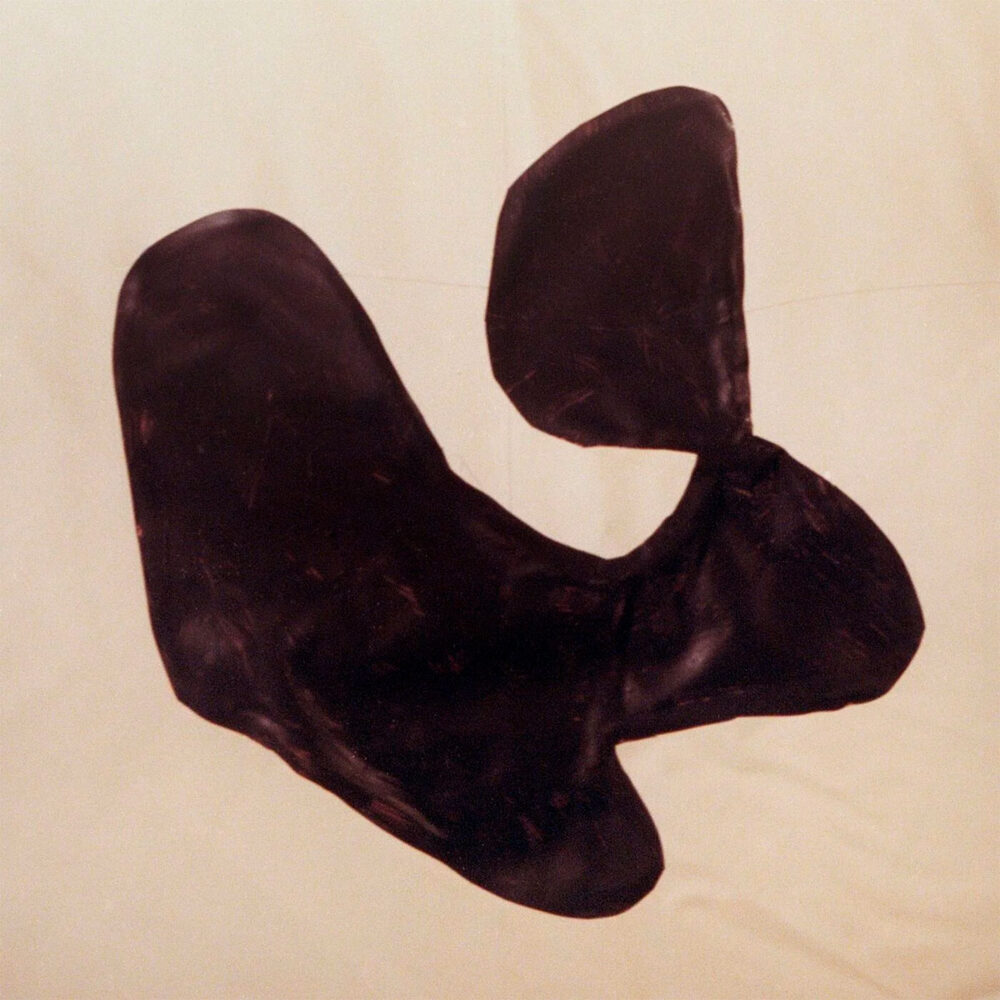
Helene Rickhard’s ‘Everlasting’ is out now on Snick Snack. Stream and download here.
Follow Helene Rickhard: Spotify | Soundcloud | Instagram