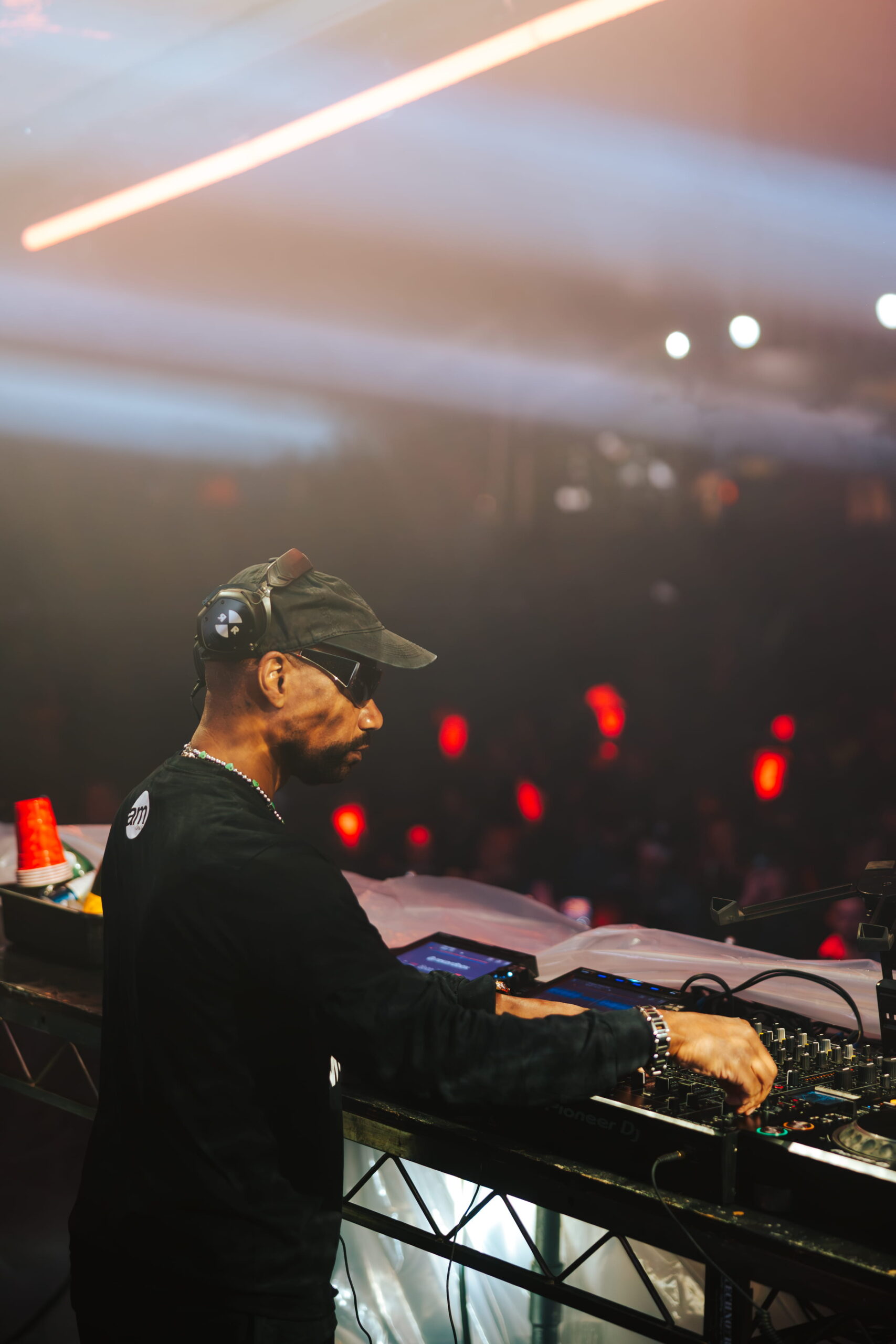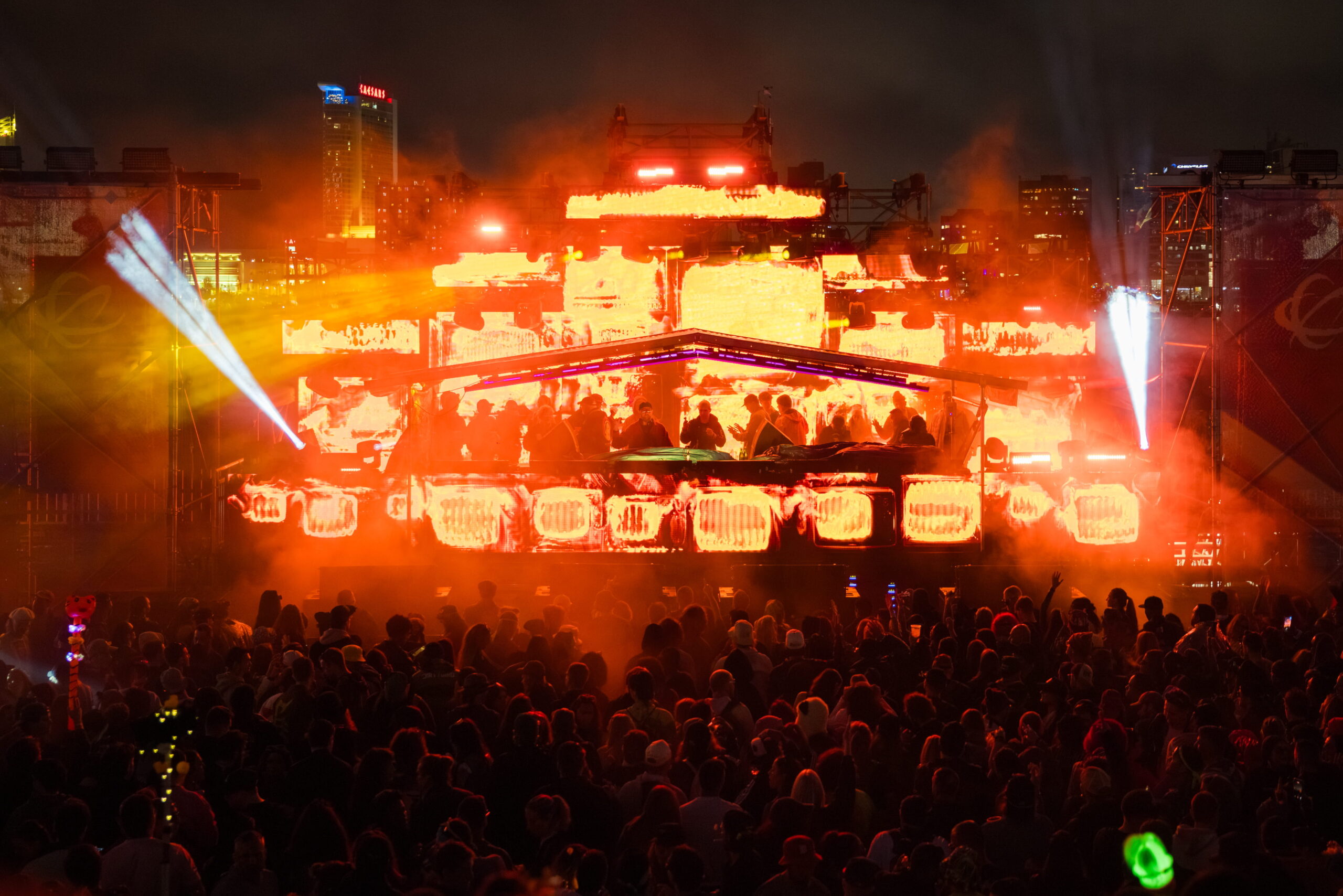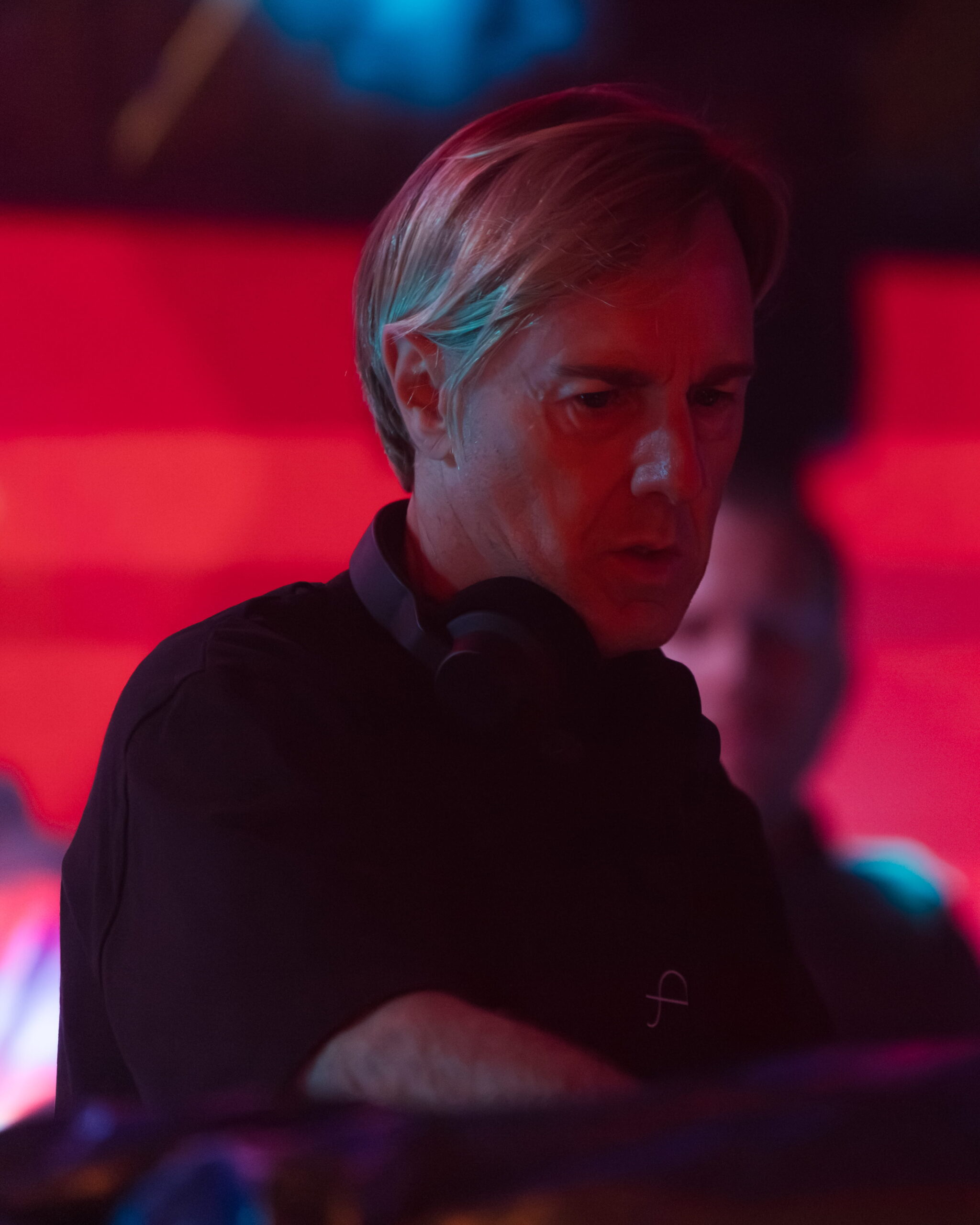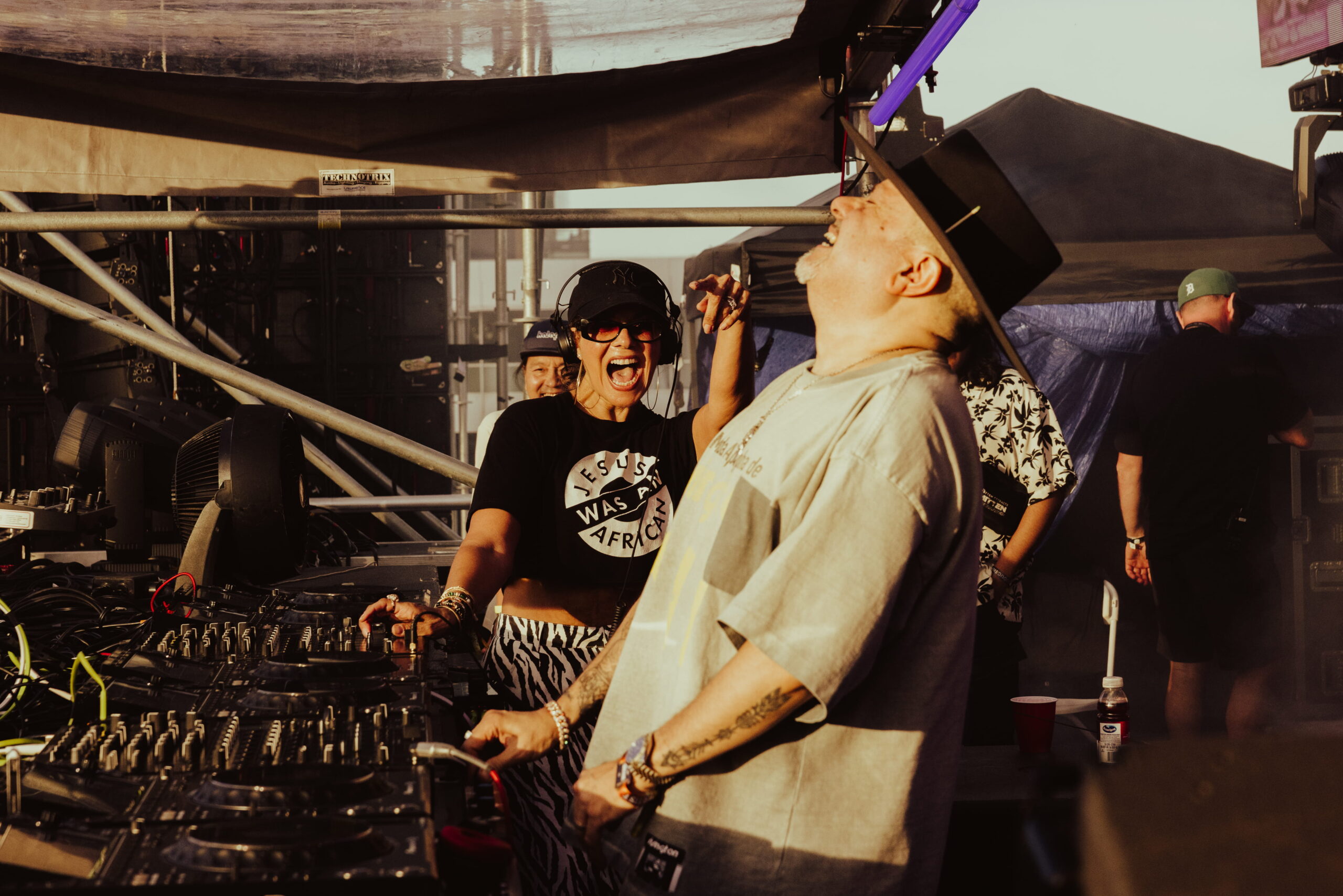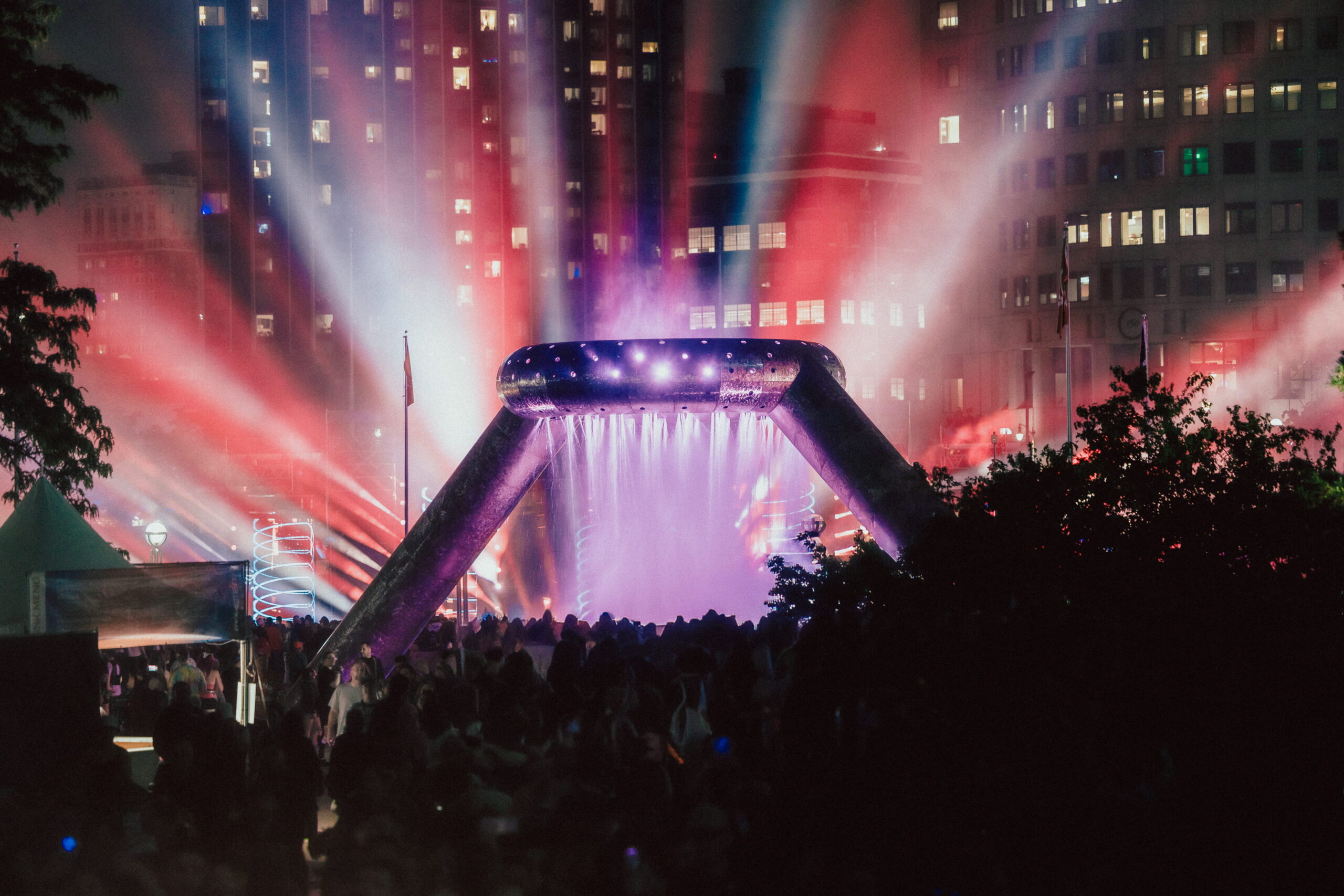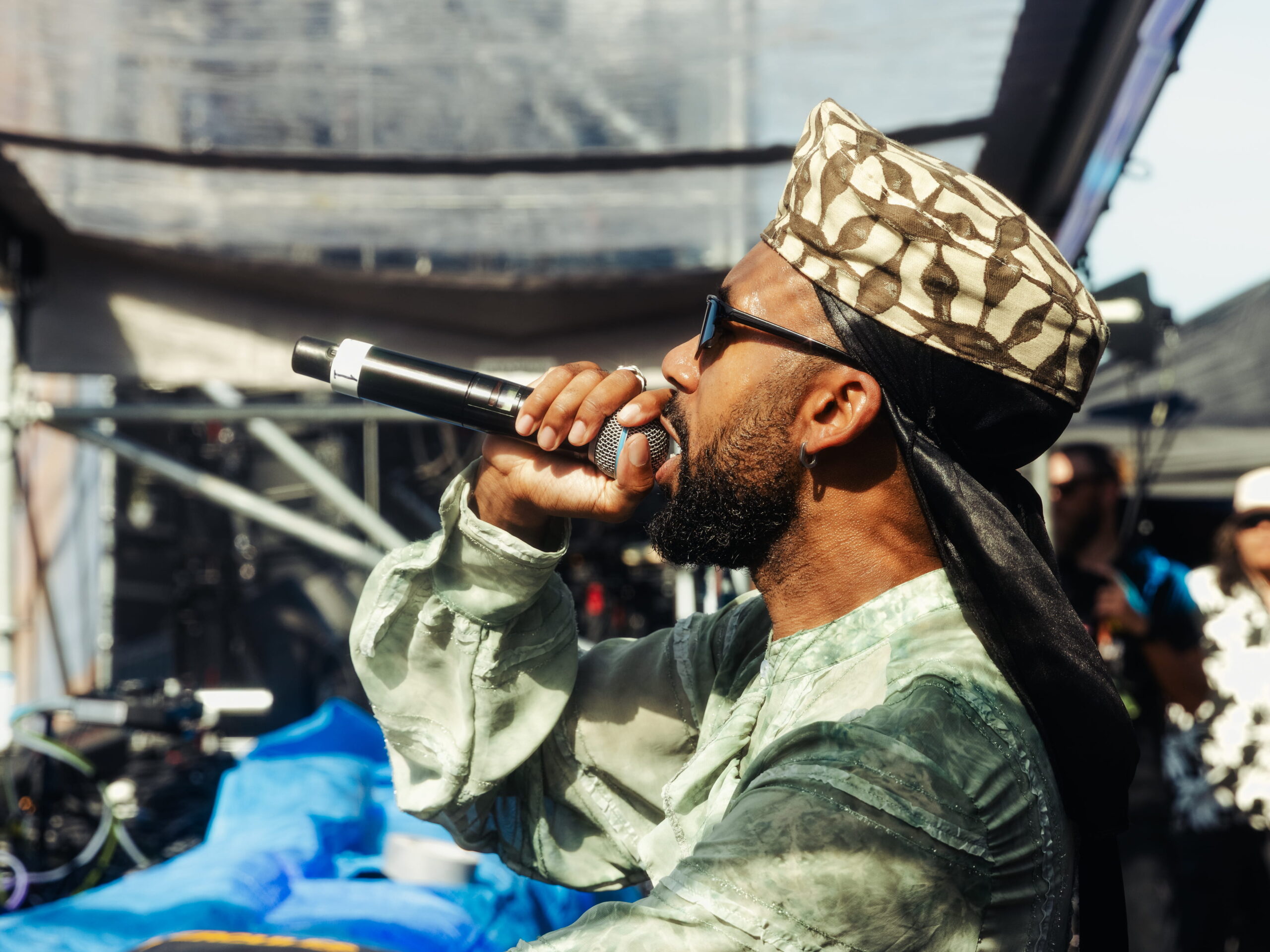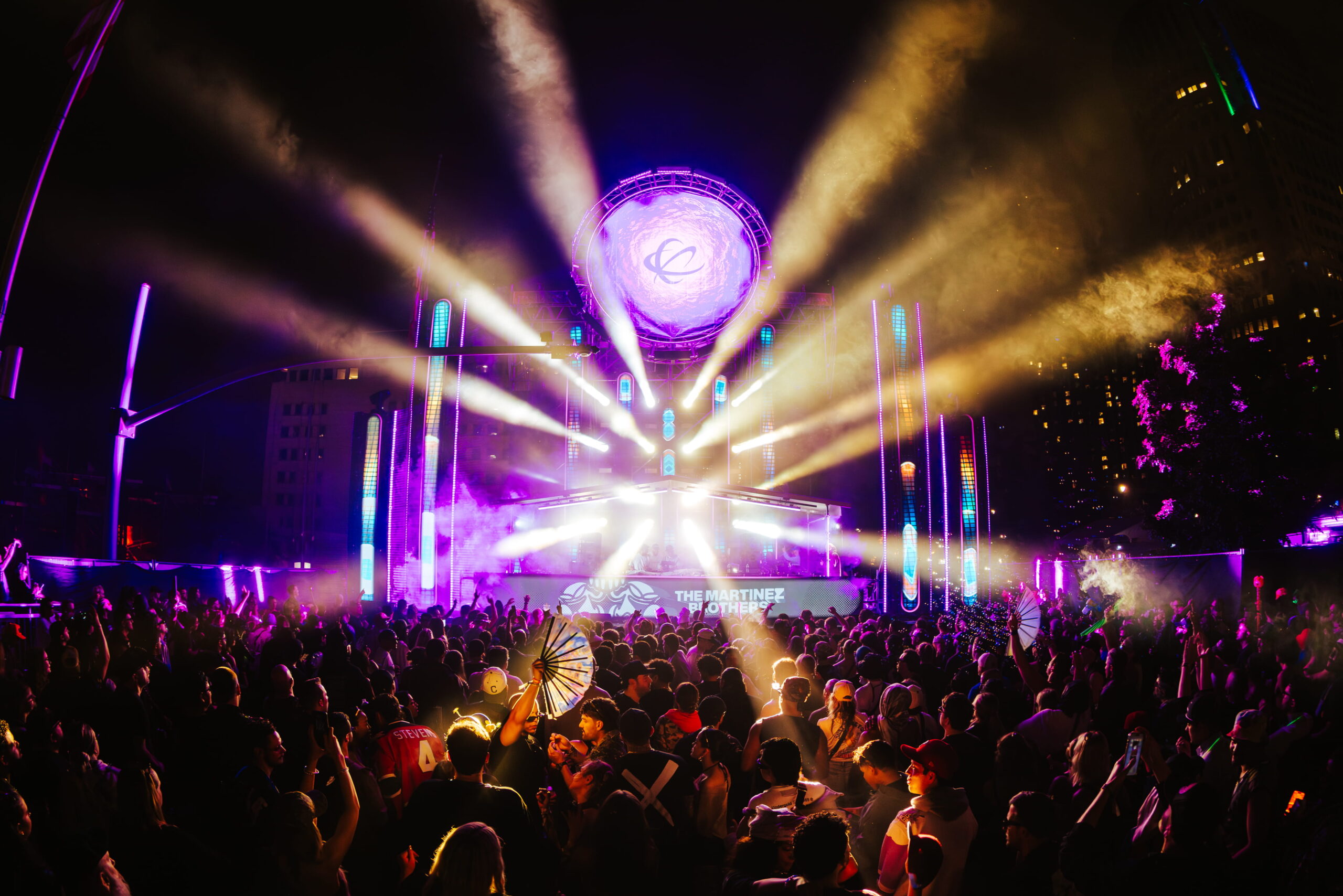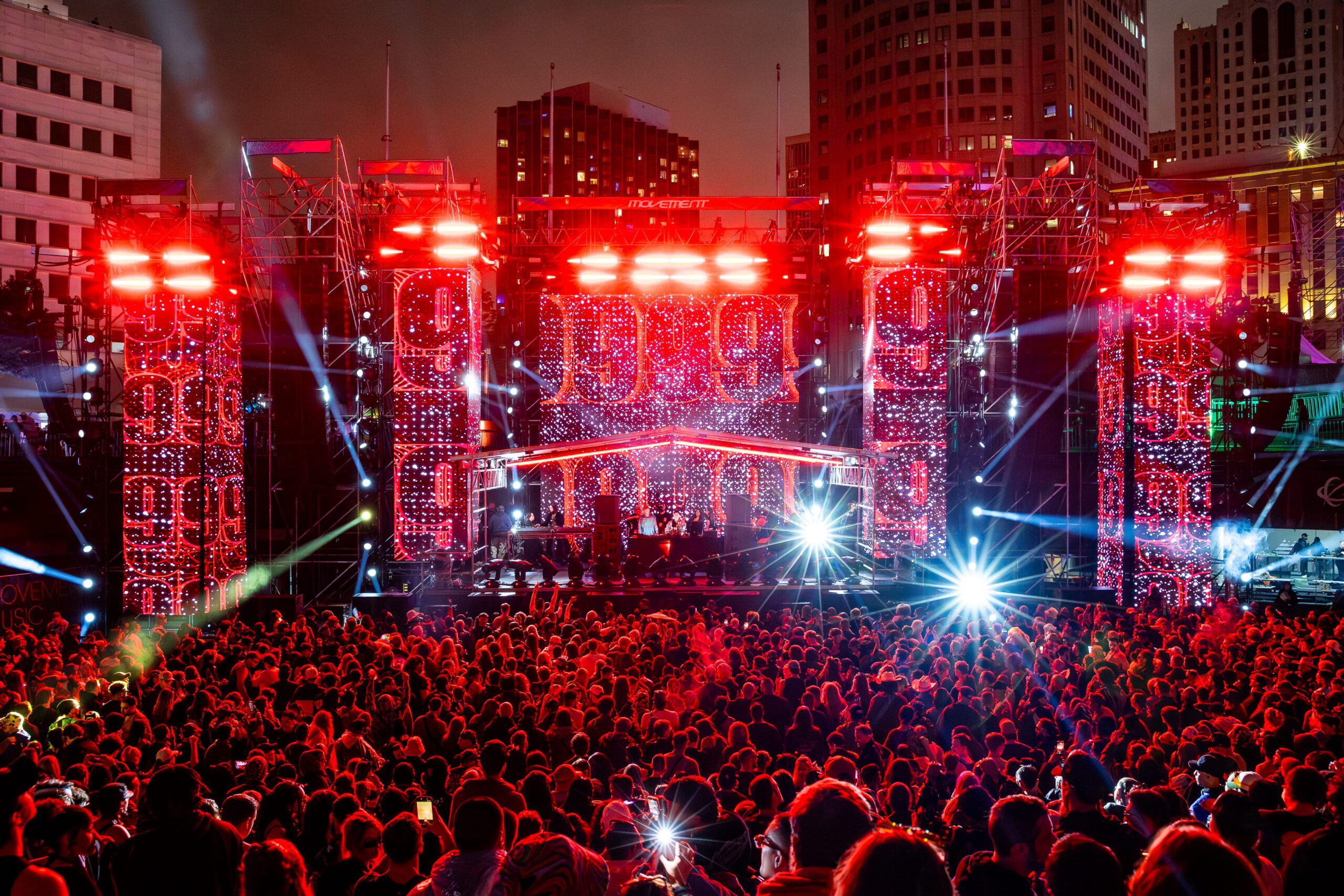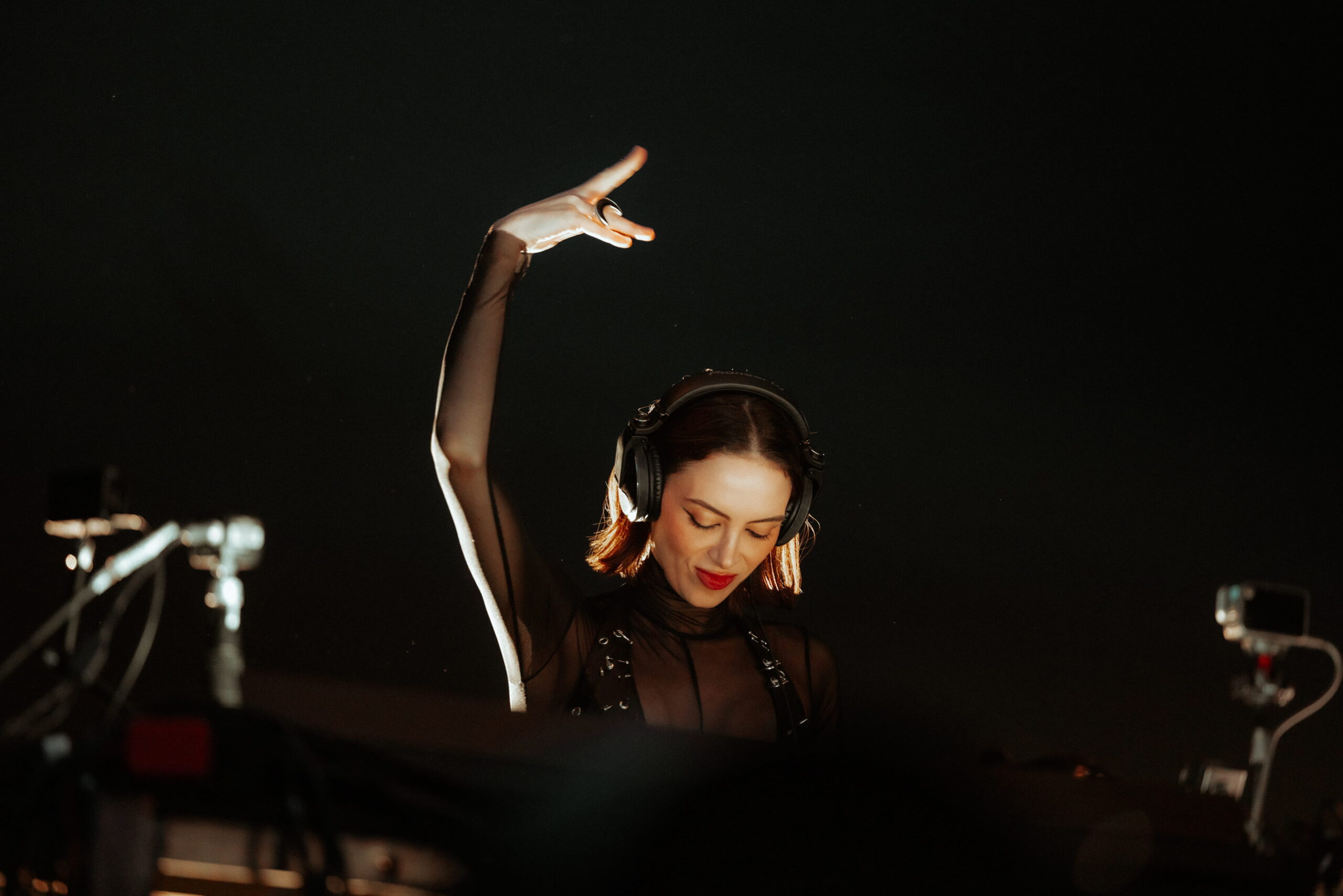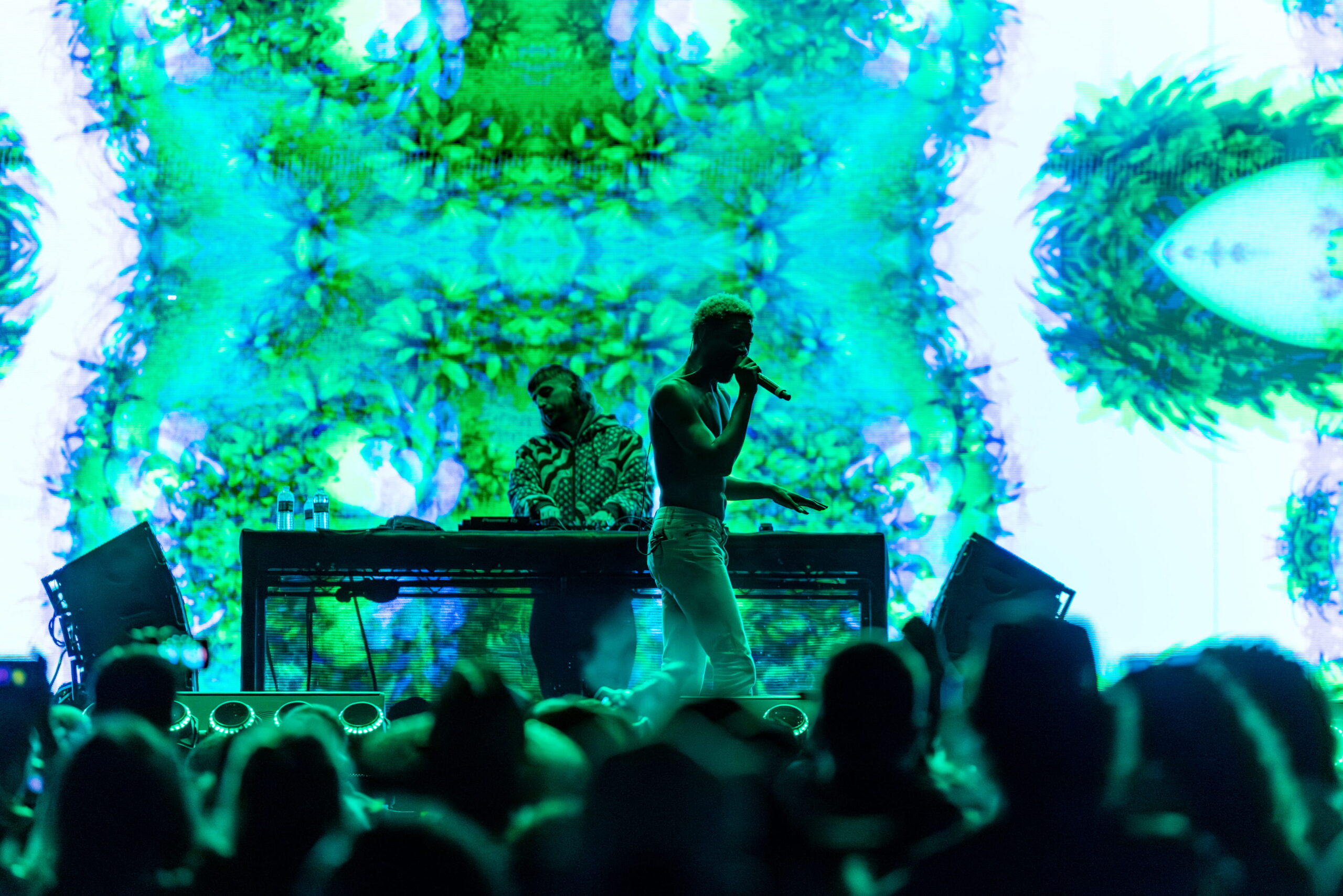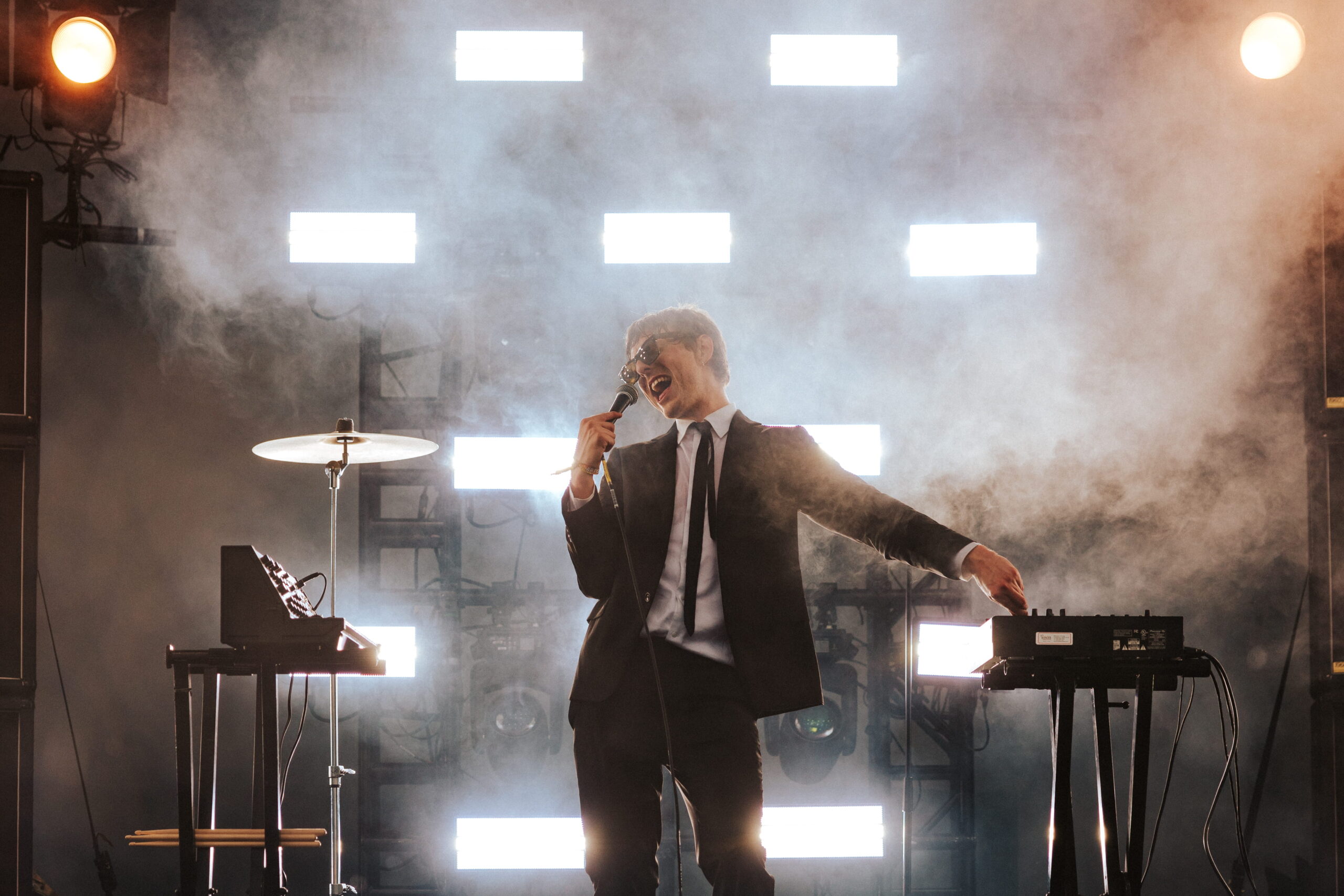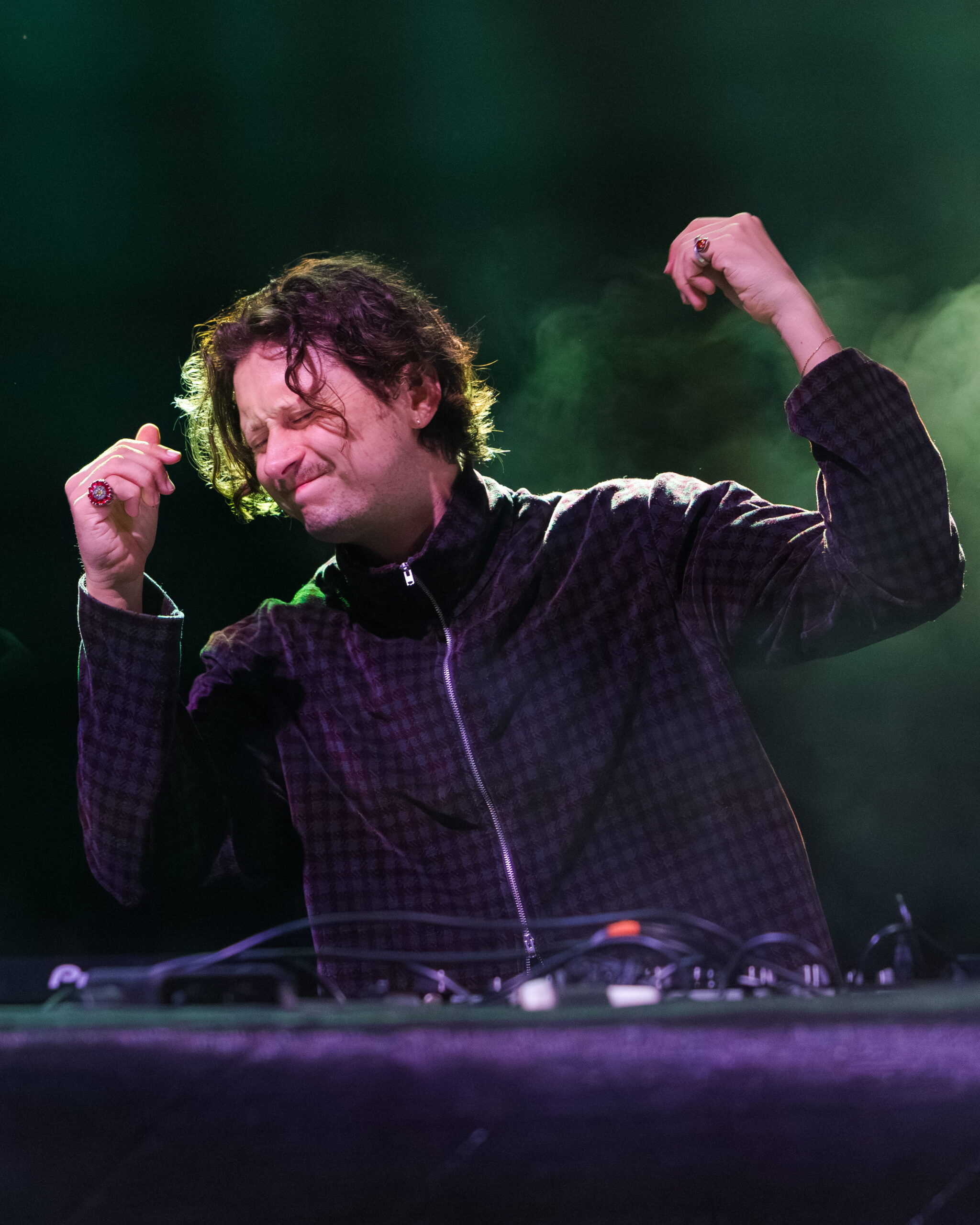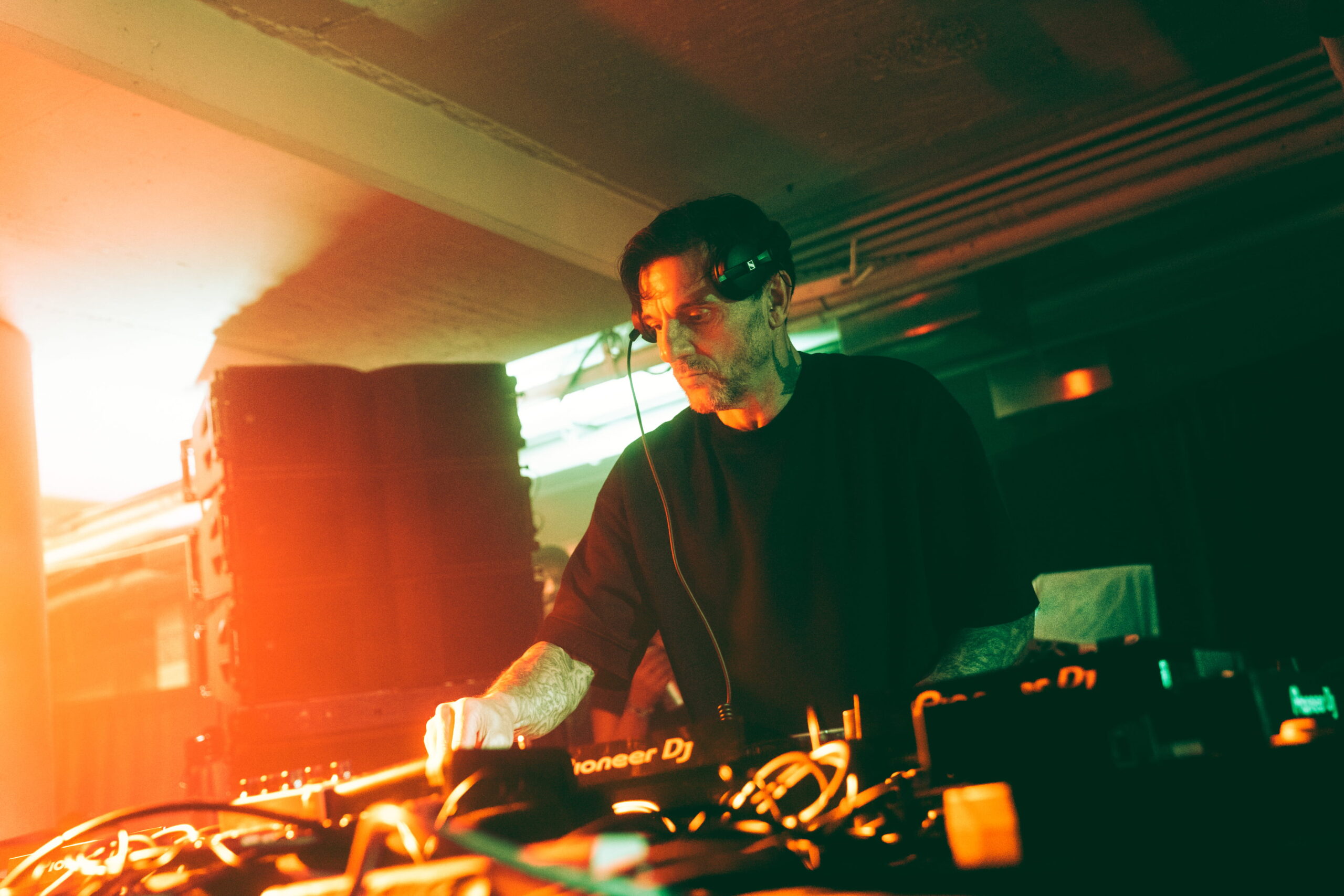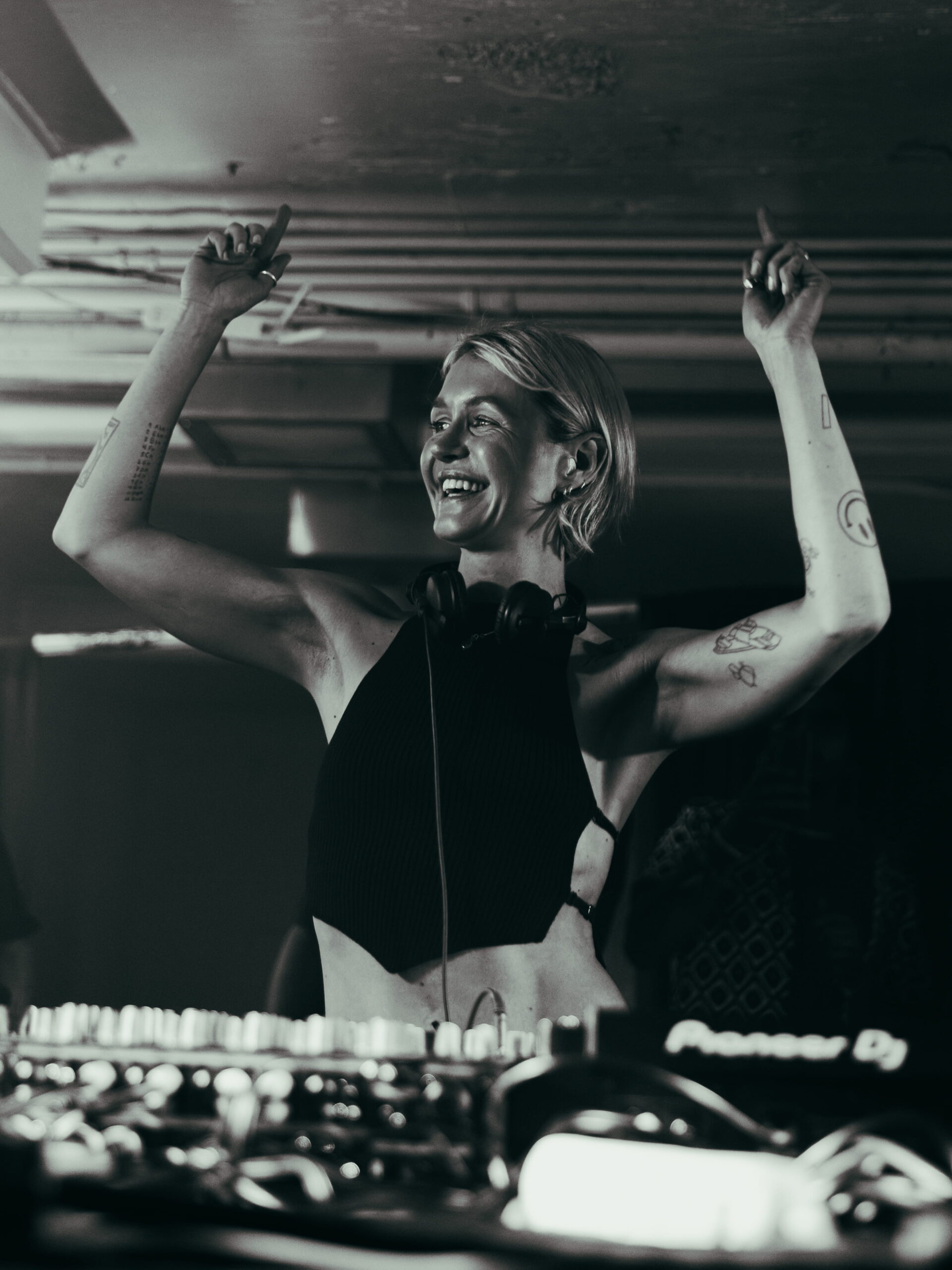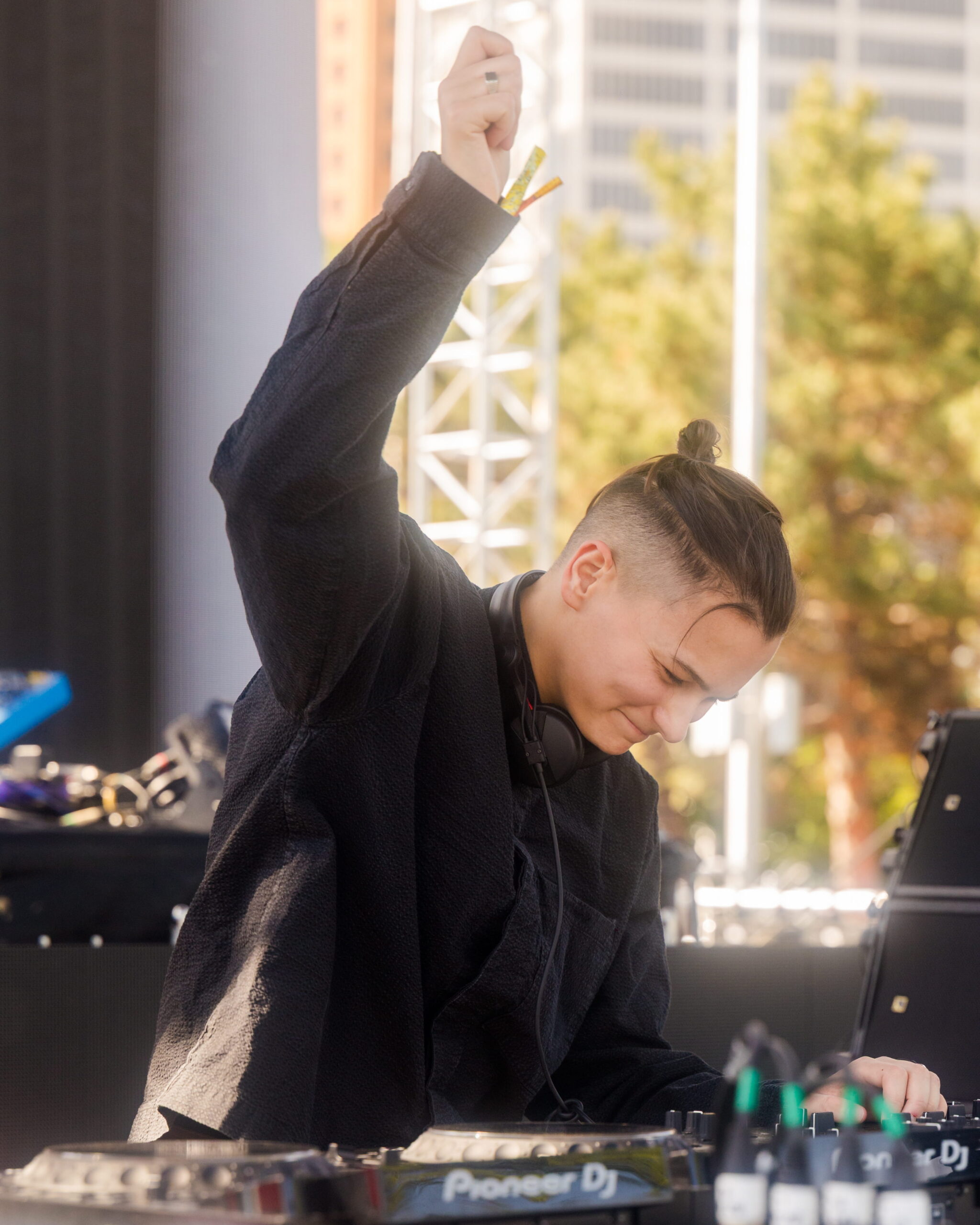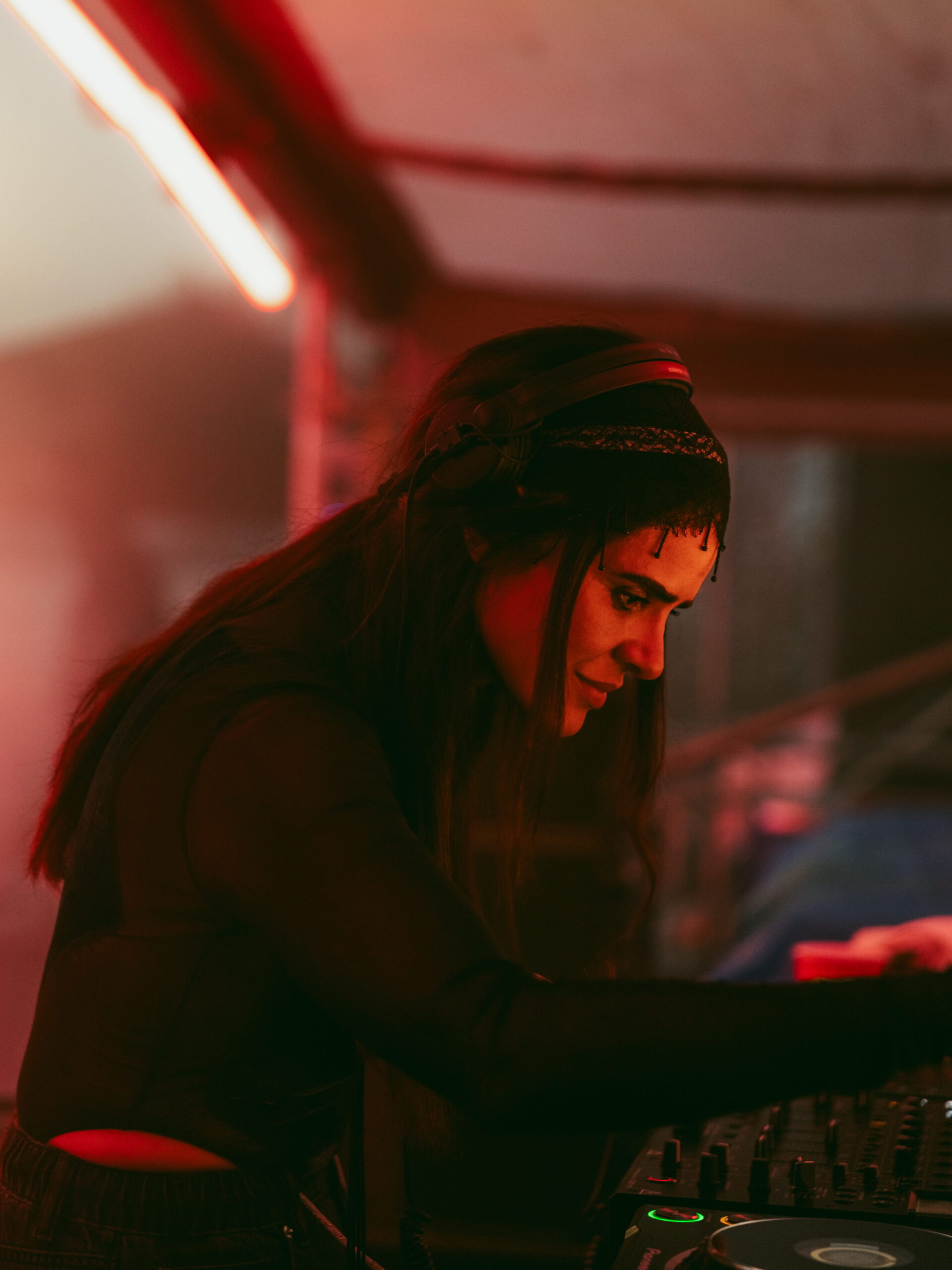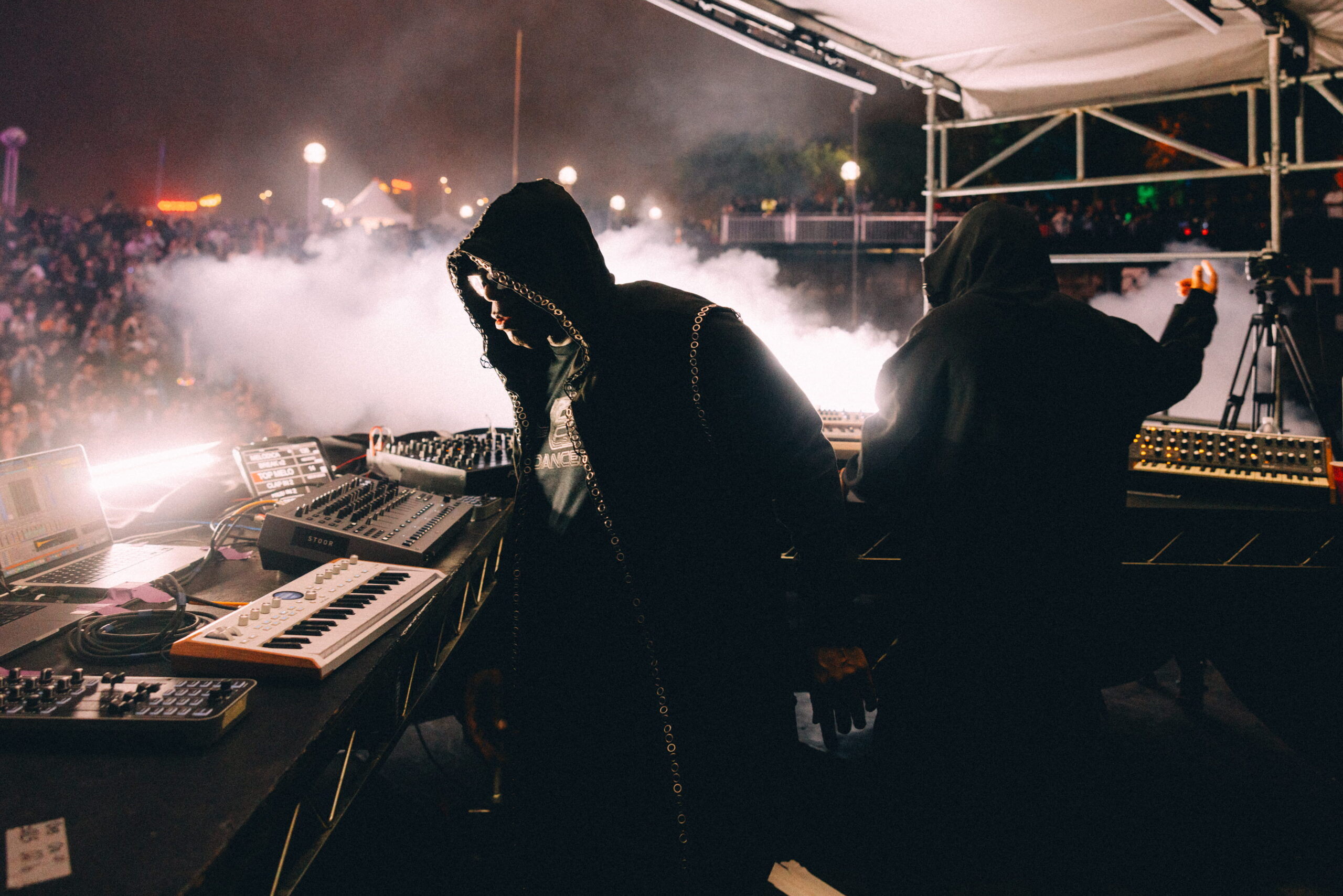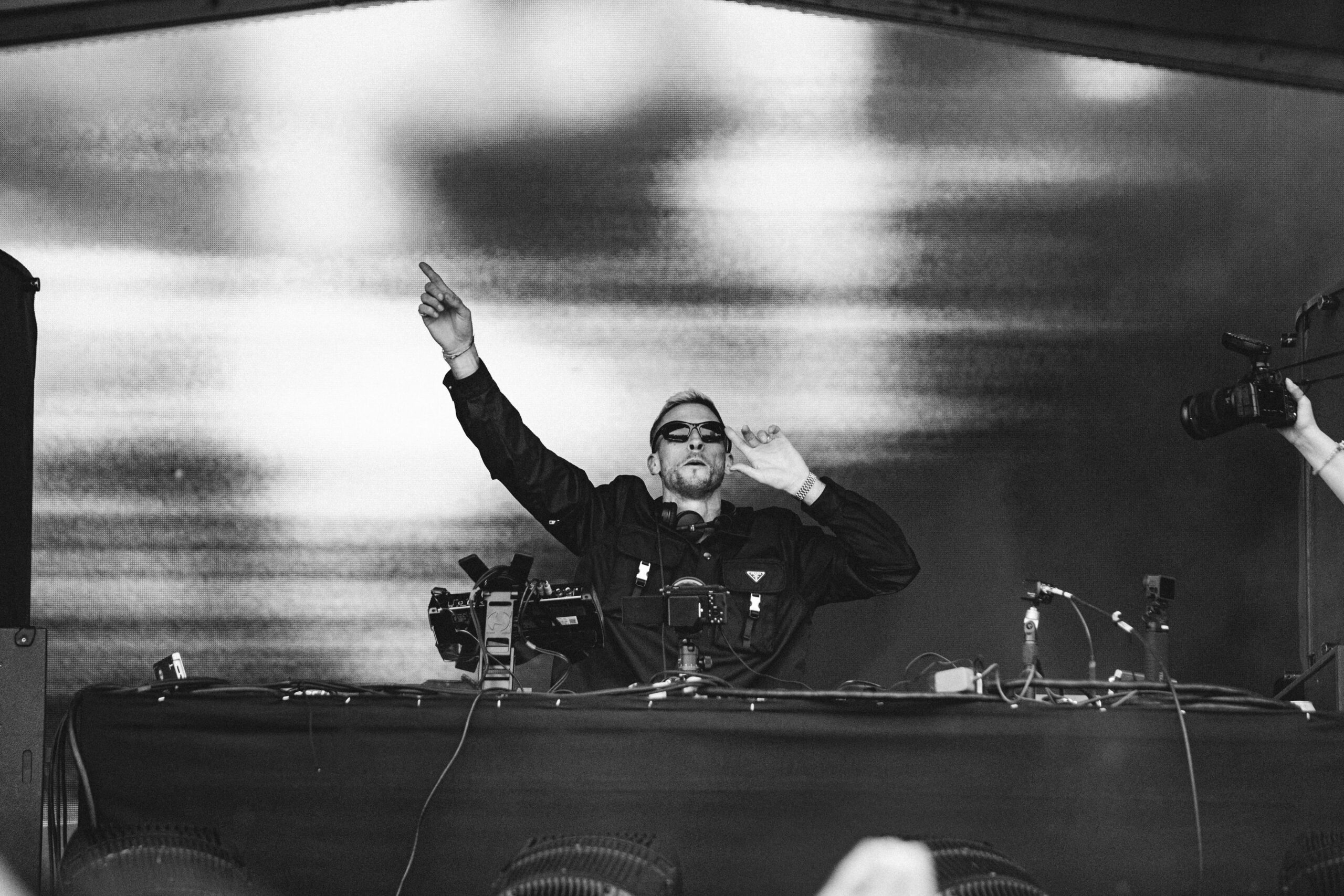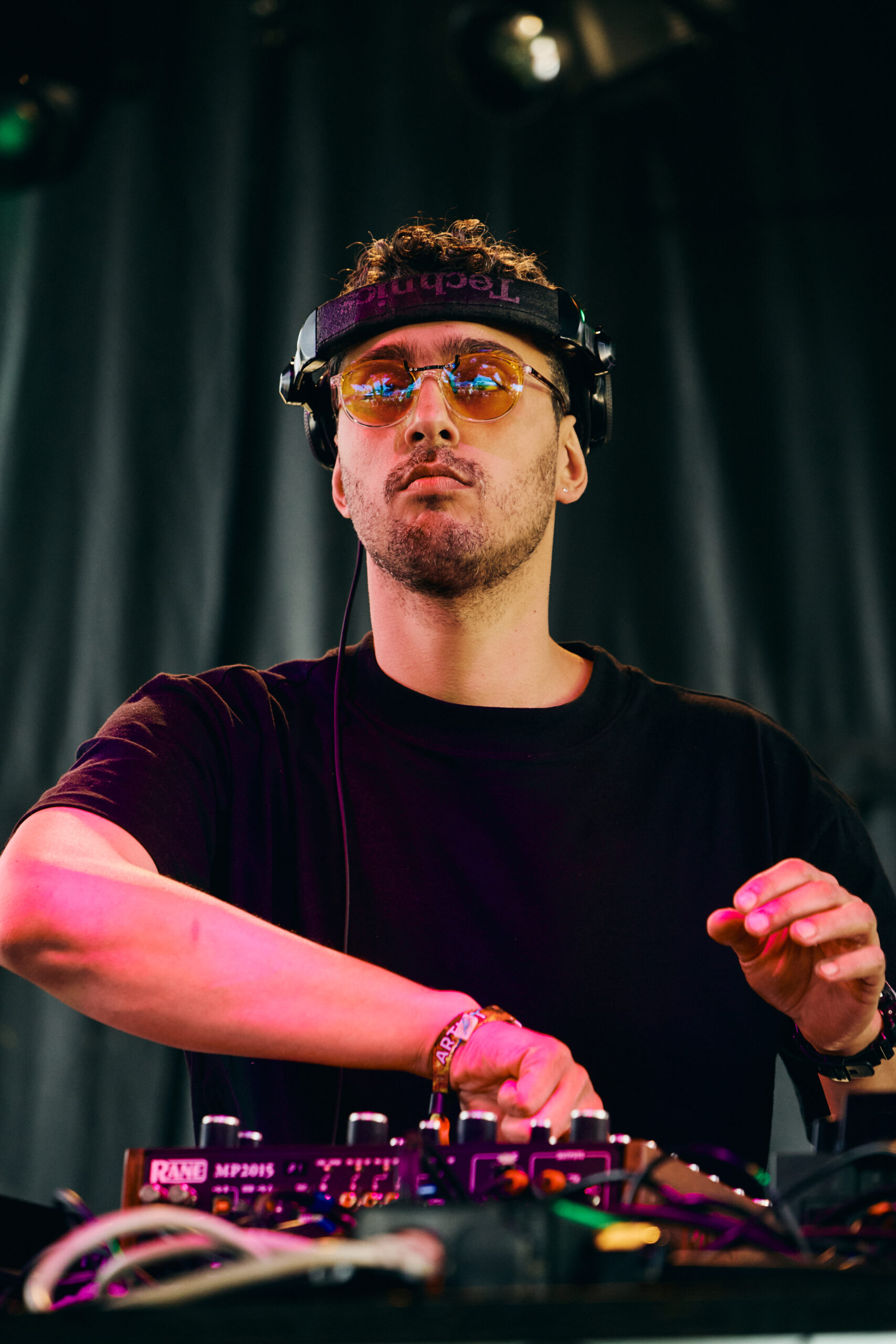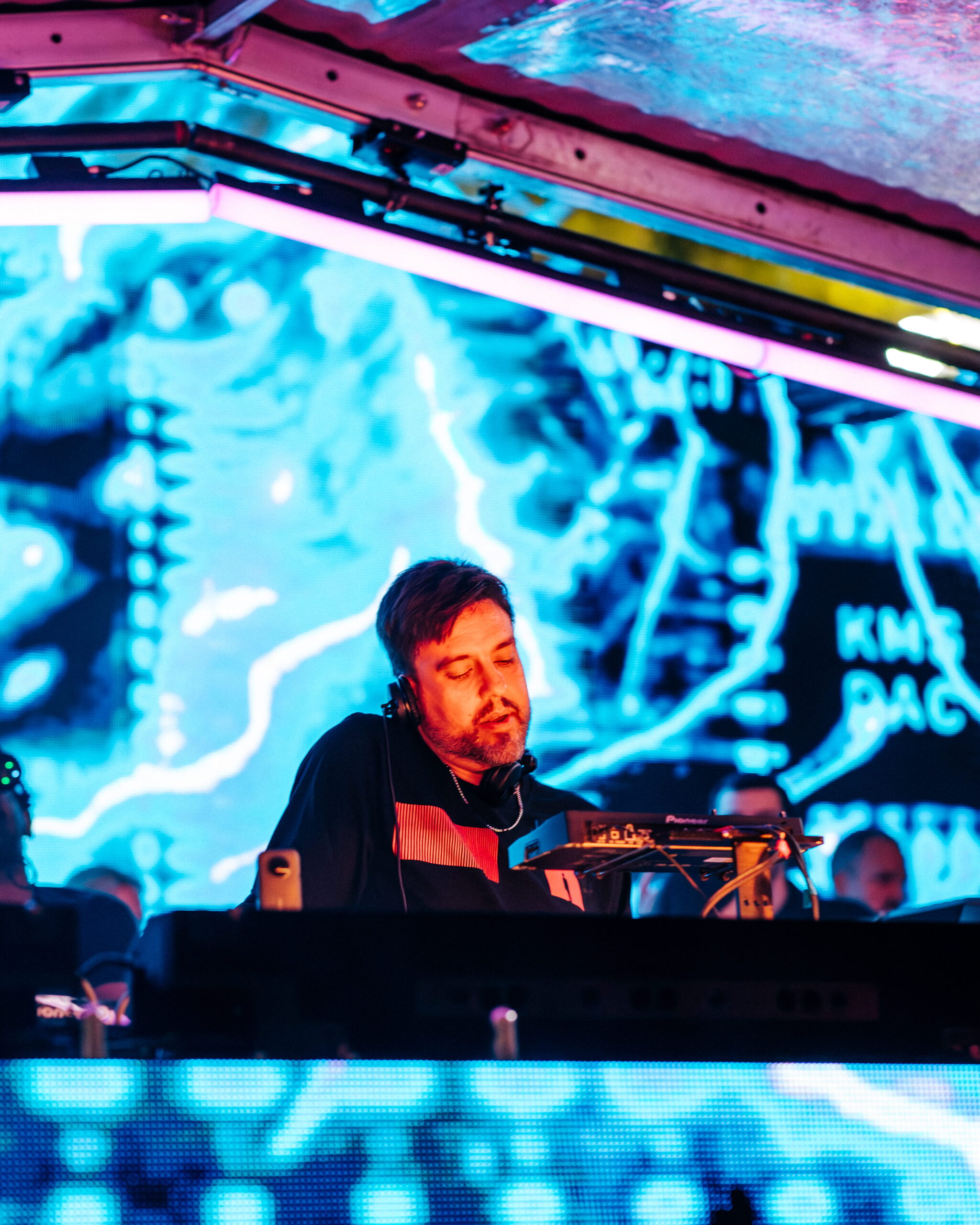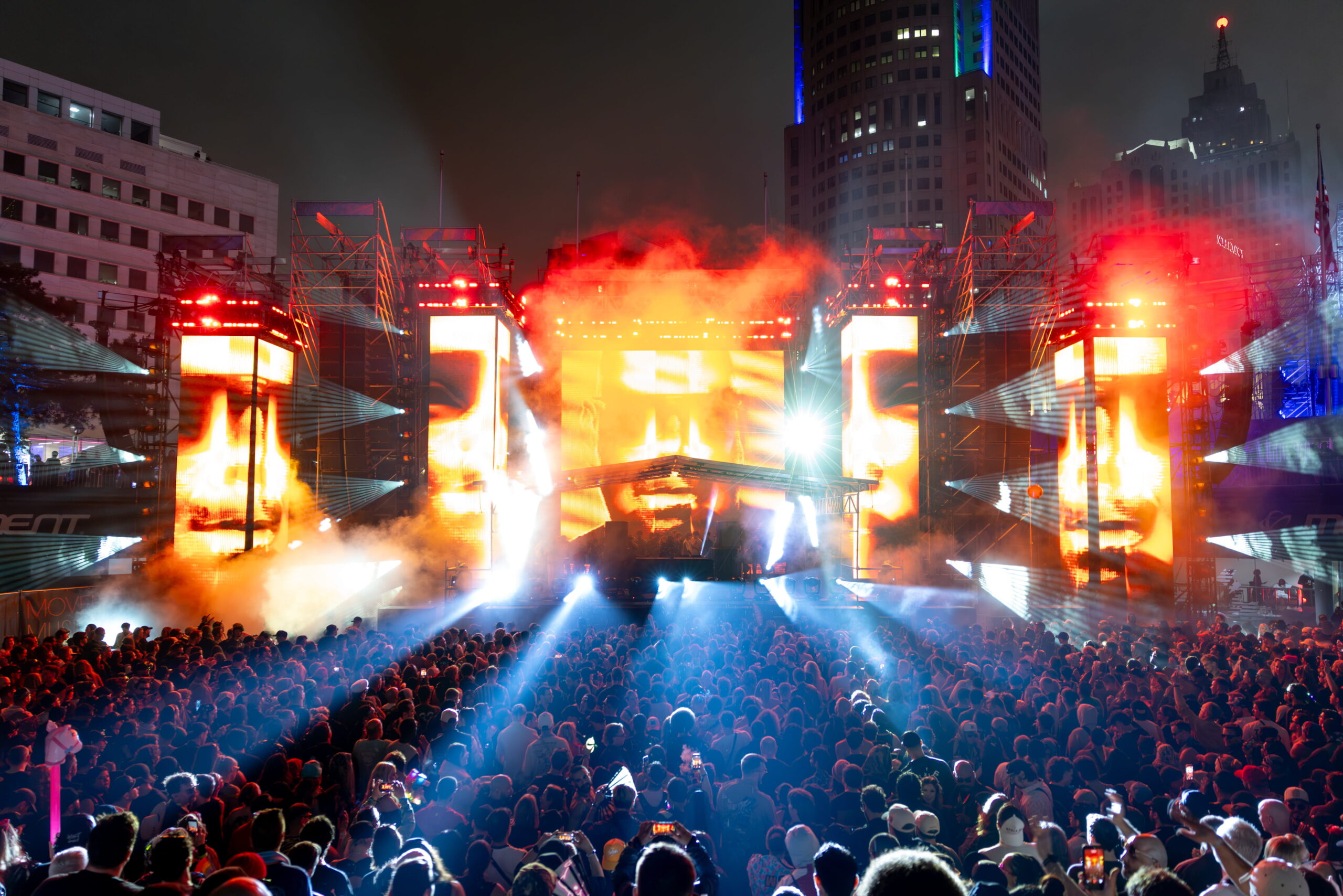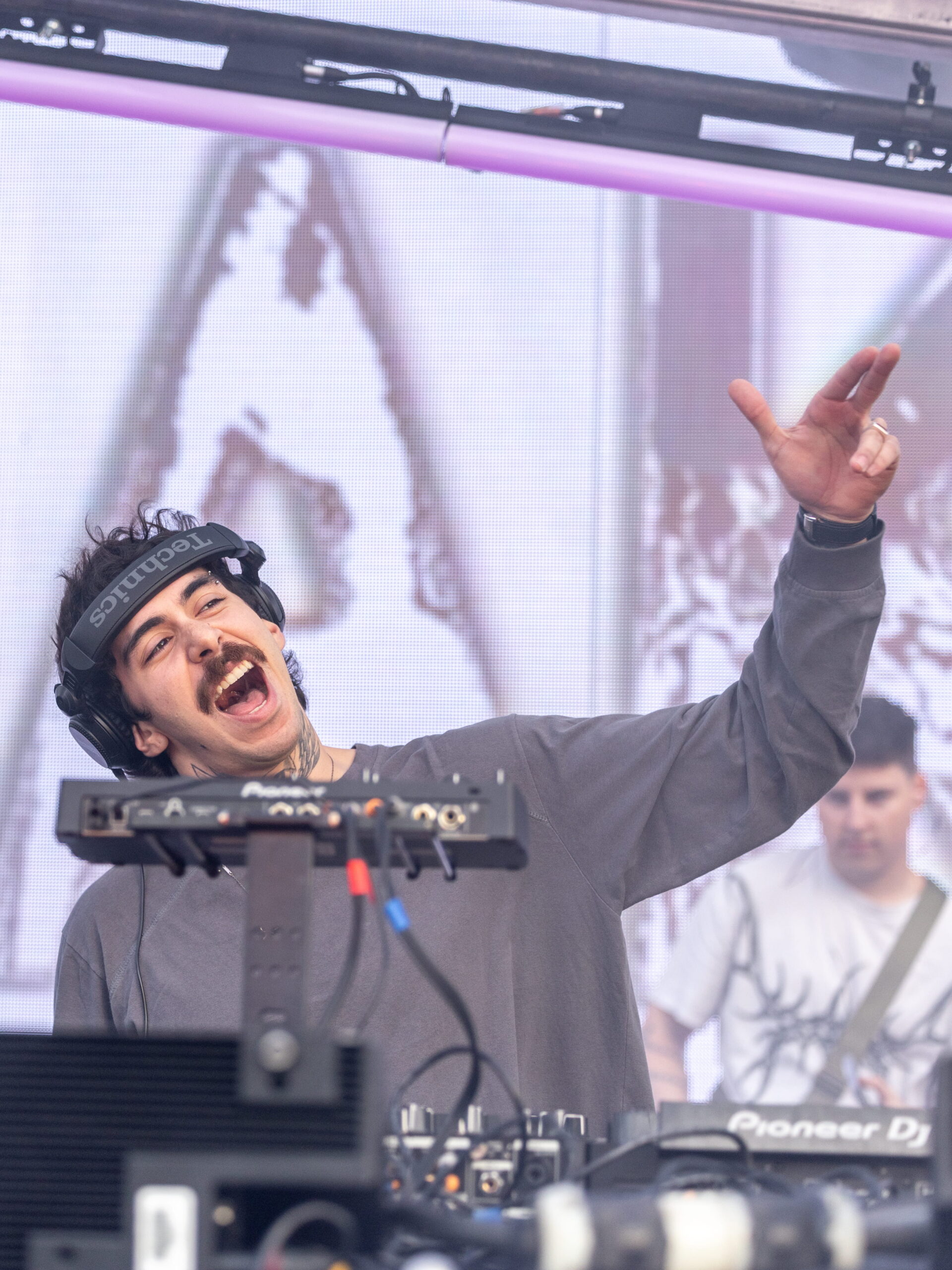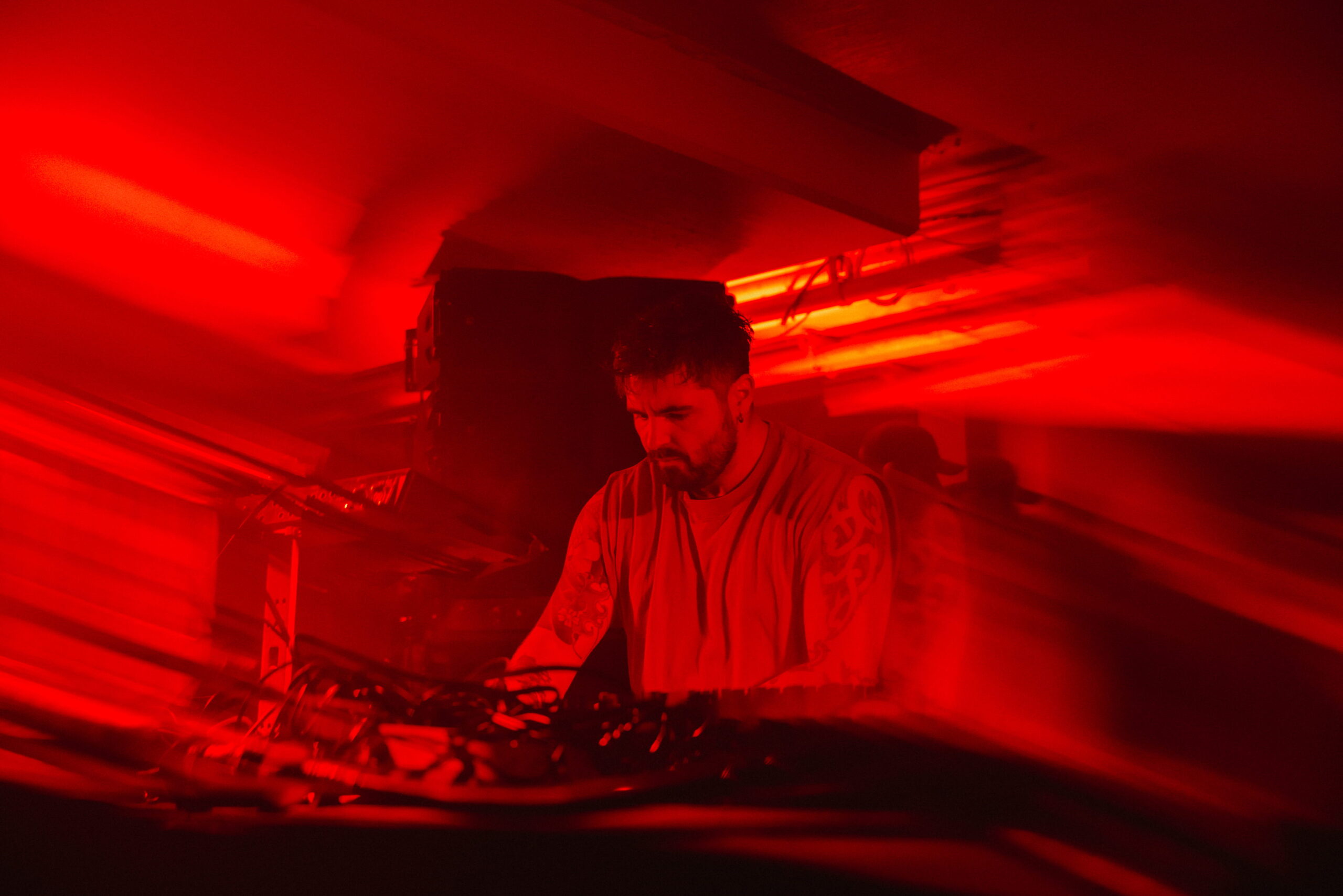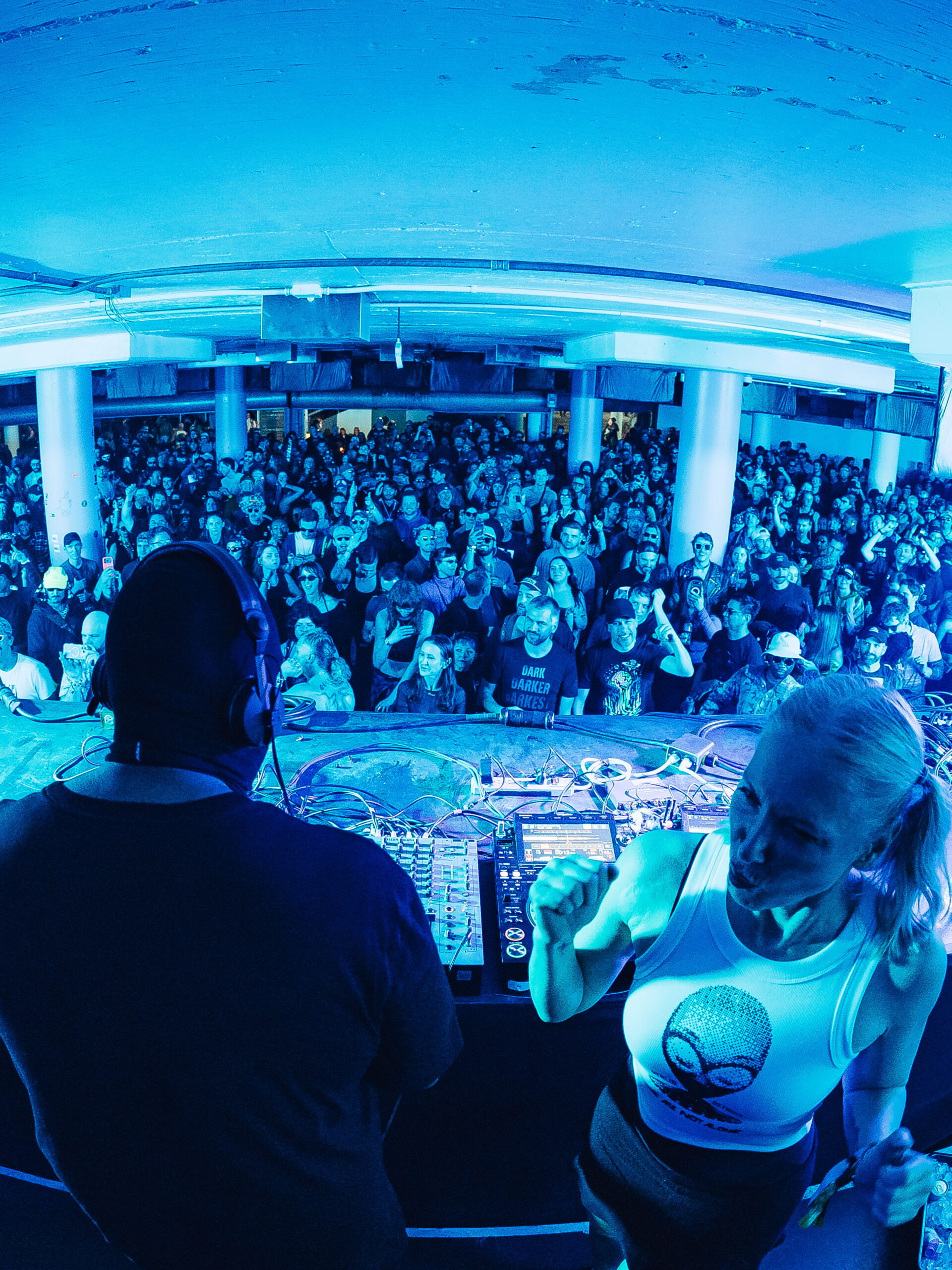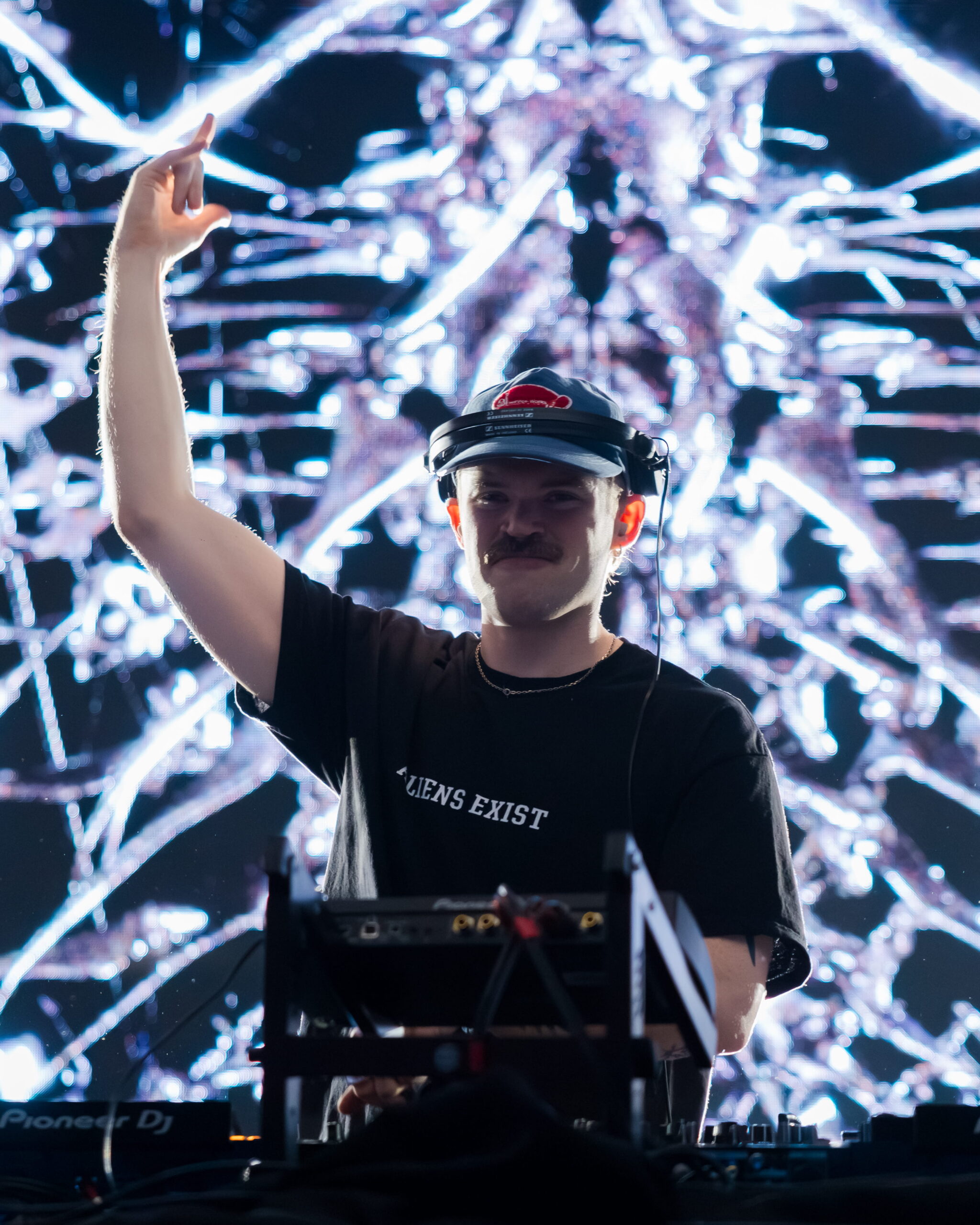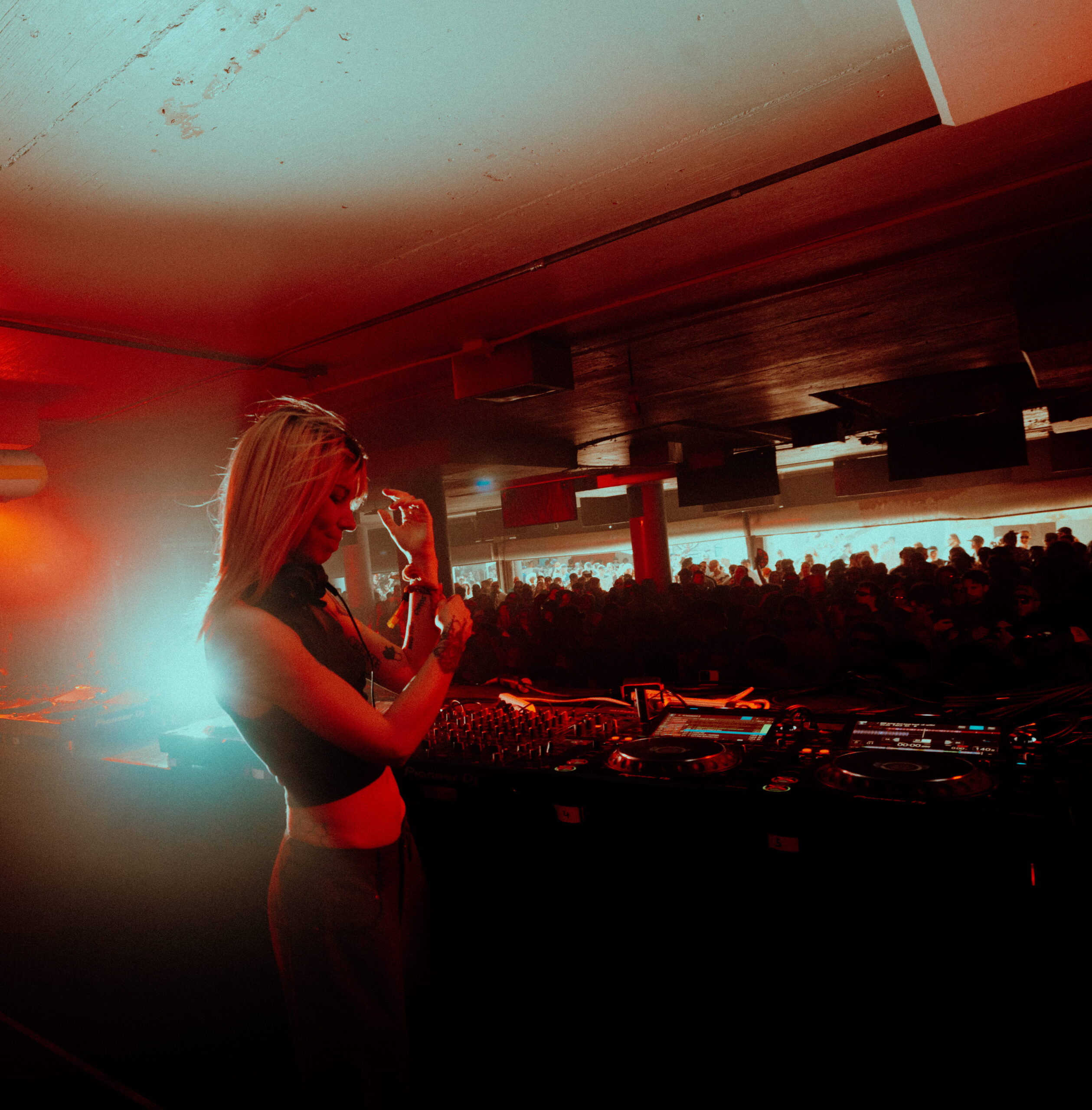
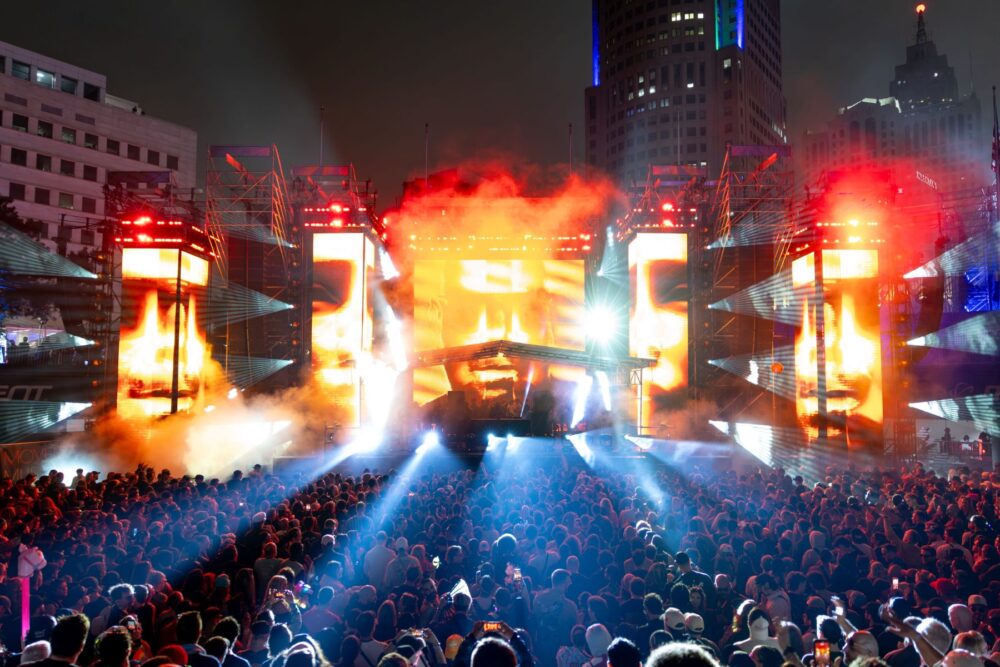
Movement returned to Hart Plaza with the kind of weight few festivals can carry. Twenty years in, it still feels less like a festival trying to impress and more like a city reminding the world what it gave to dance music.
Photo Credits: Anthony Rassam / Brenda Brooks / Chris Lavado / Christian Najjar / Douglas Wojciechowski / Jimmy Goldfingers / Jake Mulka / Karl Baker / Kristina Bakrevski / Katie Laskowska / Nick LeTellier / Nergal Youkhana / Rio Watkins / Steve Thrasher / Sam Siegel Stephen Bondio / Tatsumi Cline / Xavier Cuevas
Detroit is not just the setting here. It is the source. The concrete, the river, the weather, the history, and the crowd all shape the weekend. Even when rain moved through the first two days and wind cut across the plaza, the mood never broke. Ponchos came out, shoes got ruined, and the music kept doing what it was meant to do.
What continues to set Movement apart is its sense of purpose. It does not feel built around spectacle first. It feels built around roots, pressure, and memory. Techno remains at the center, but the programming gives space to house, electro, harder club sounds, and leftfield corners without losing its identity.
The crowd reflected that range. Veterans, first-timers, families, dancers, producers, old heads, and curious visitors moved through the festival with a rare sense of ease. There was no single uniform. No forced mood. Just people who understood, or were starting to understand, why this weekend matters.
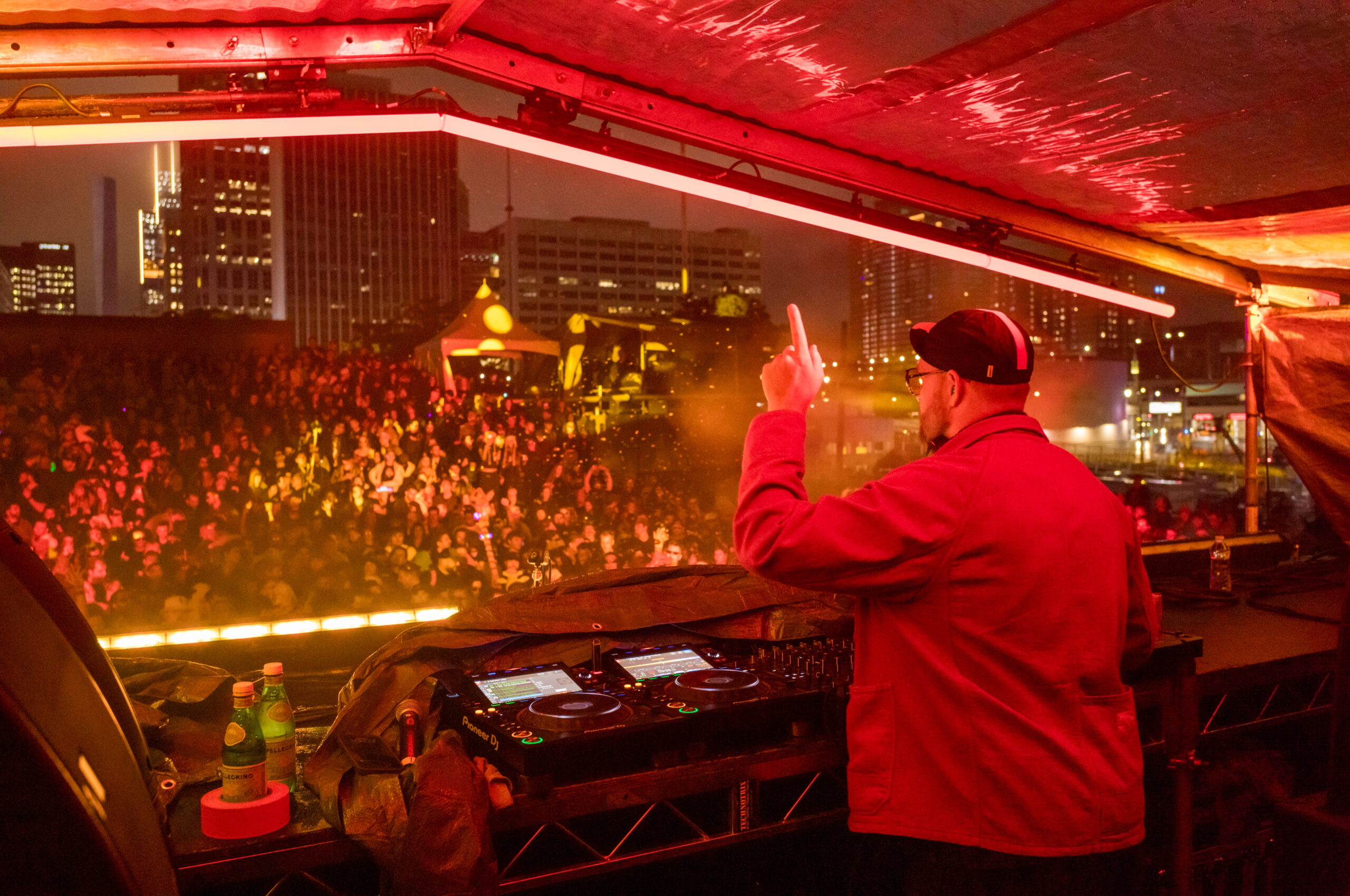
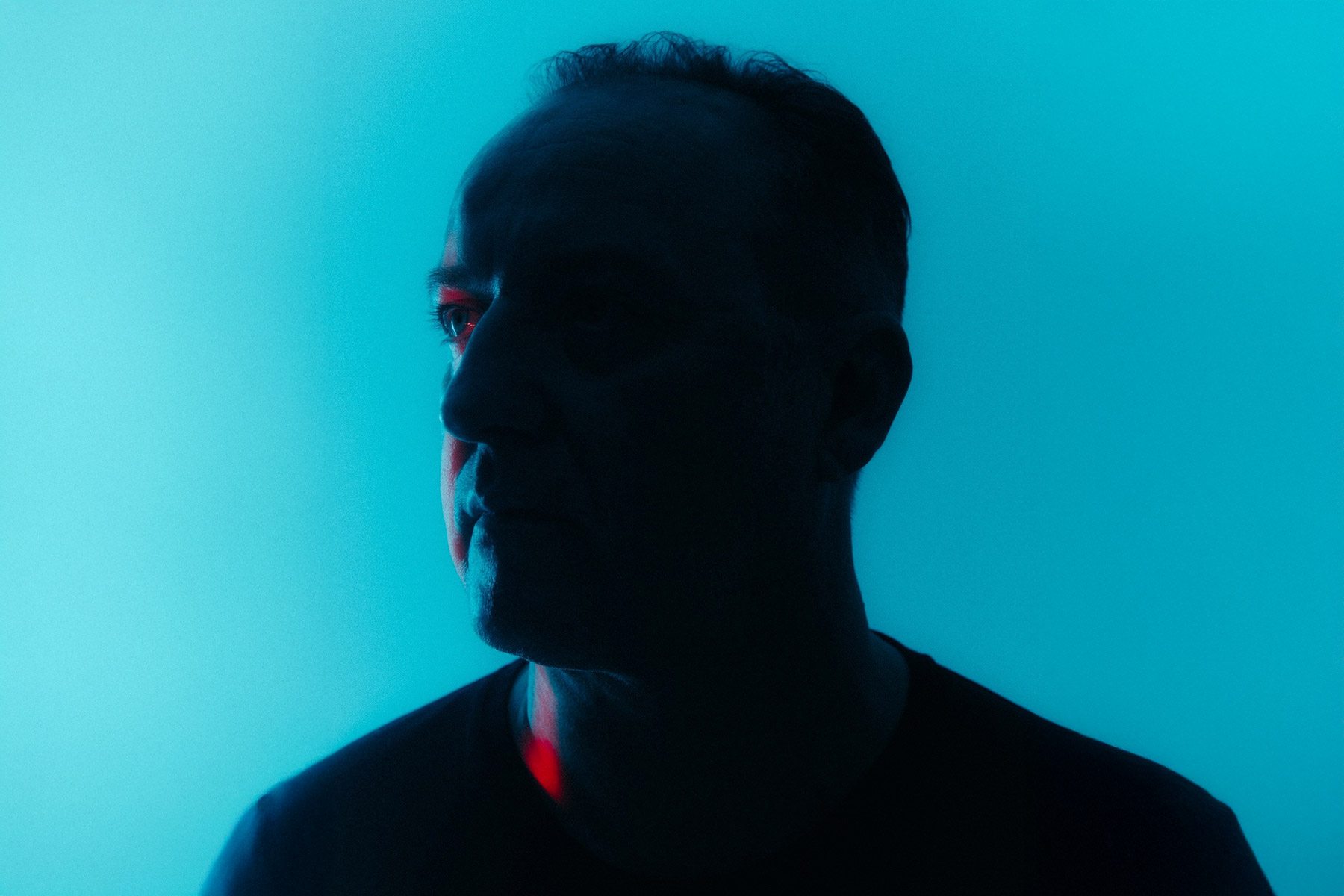
For the EG ear, Stacey Pullen delivered the defining set. His performance carried Detroit authority without needing to announce itself. It was patient, physical, and deeply controlled. He did not play for a cheap reaction. He built pressure, worked the crowd, and reminded everyone that mastery often lives in restraint.
Even under the rain, there was a feeling in the crowd that was hard to ignore. People were smiling, dancing, hugging, and giving themselves to the moment without fear. In a time where division feels loud and the world often carries a heavy mood, that scene said something simple and powerful. Life can still be good. We still have joy inside us. We still know how to gather, listen, and feel together. That is why music matters.
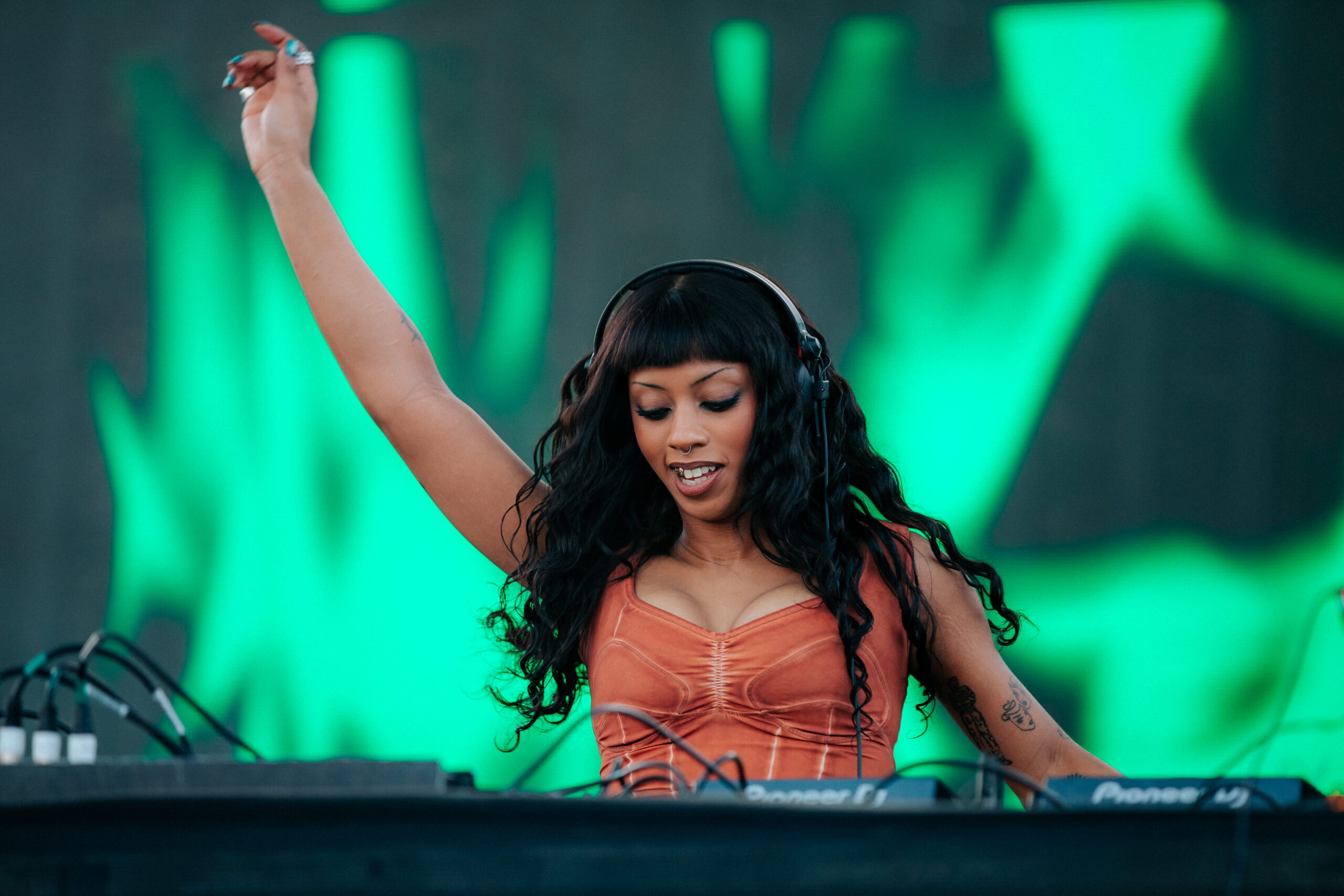
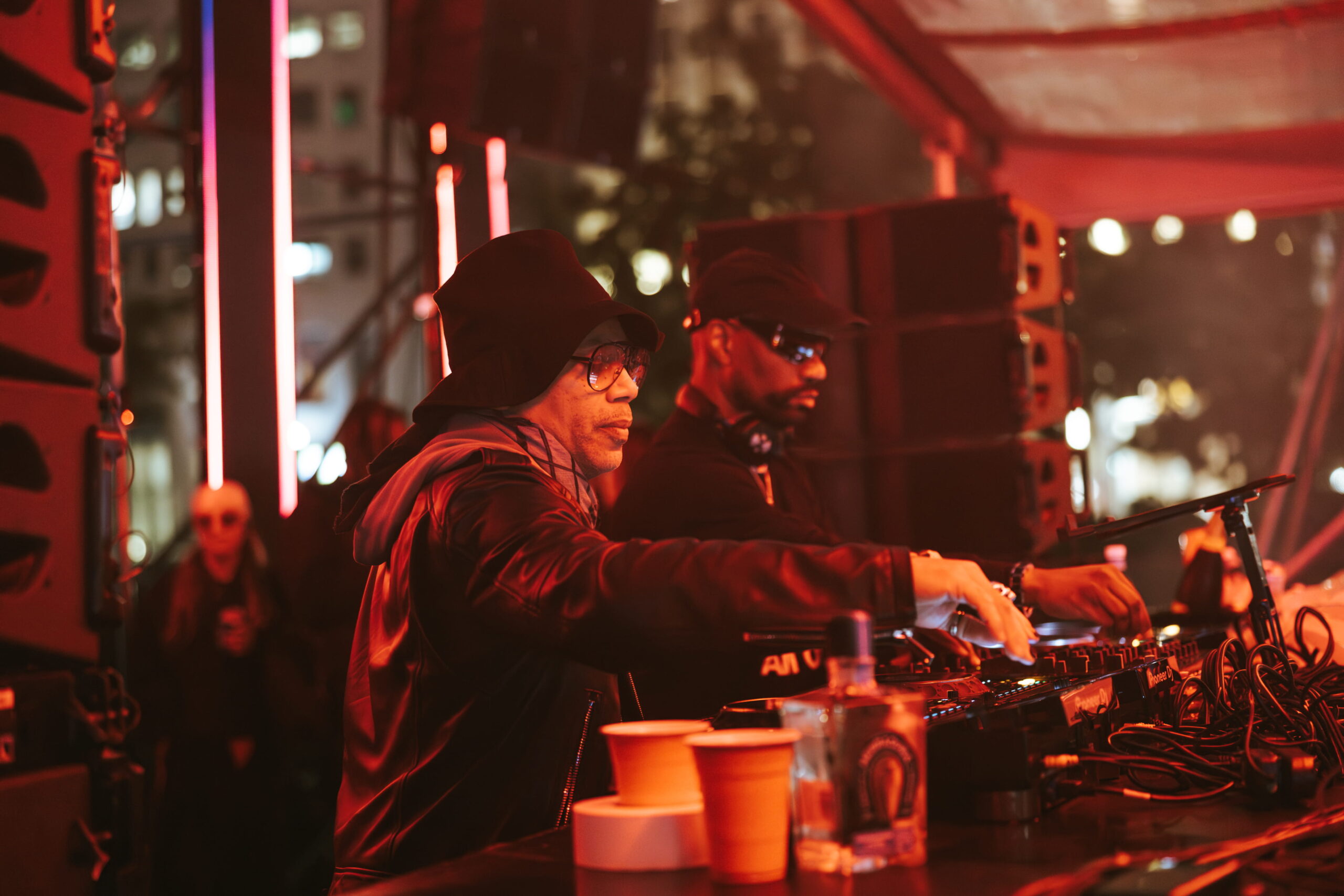
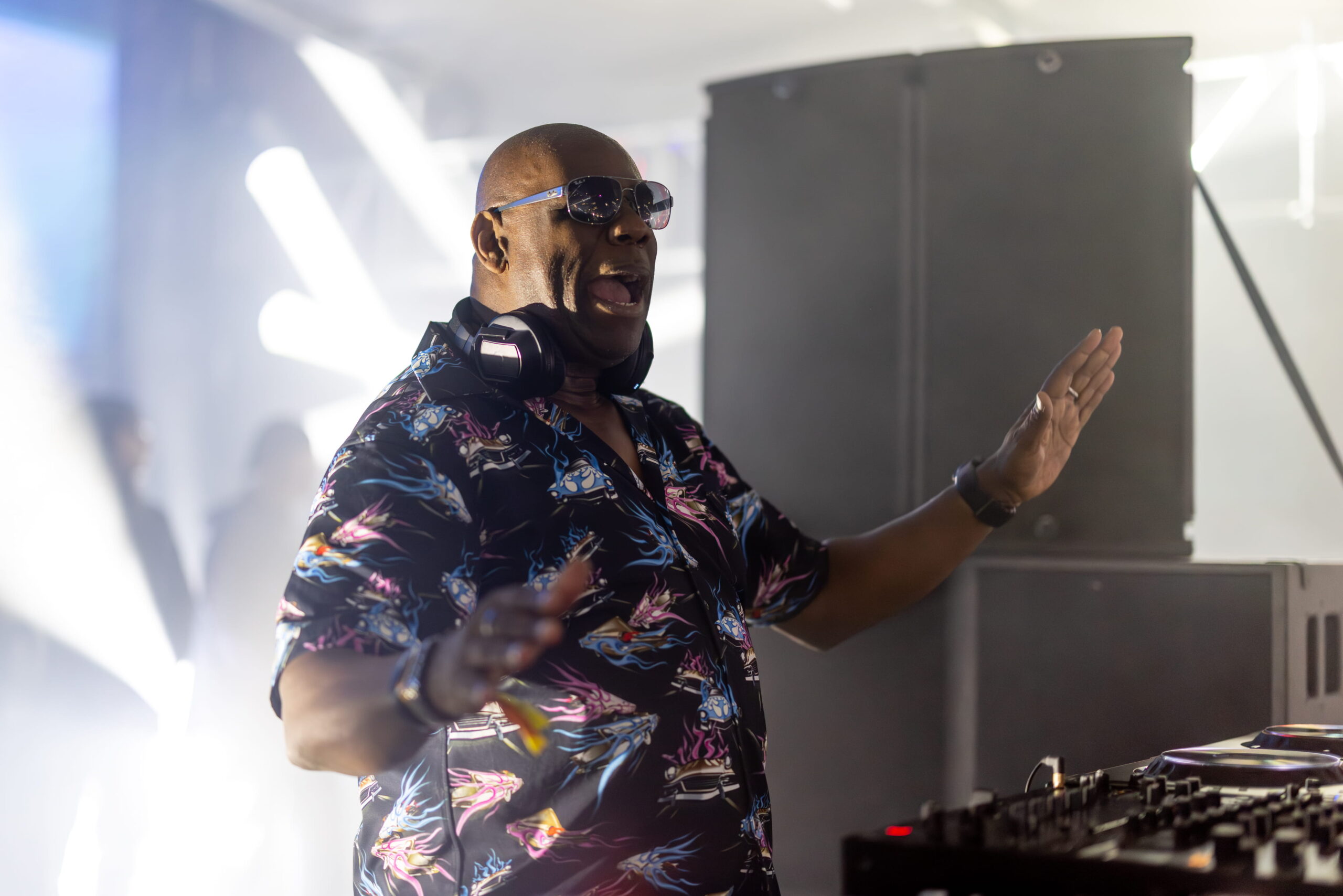
Around that central moment, Movement still offered plenty of range. Carl Craig and Cajmere carried the Detroit foundation with authority. Borderland brought a deeper live edge. Carl Cox delivered a magnificent set, while Louie Vega and Anané brought a warmer house music release. Barry Can’t Swim gave the program a fresher lift without pulling it away from its roots.
The stage experience also felt strong this year. The darker rooms gave the weekend its intensity, while the open-air areas offered room to breathe. The larger stages had more impact, but they did not erase the festival’s core. Even at its biggest, Movement still felt connected to place.
That is the rare part. Many dance festivals grow until they become almost interchangeable. Movement has grown without losing its accent. It can welcome large acts and younger audiences, but the center still belongs to Detroit.
By the time the final crowds left Hart Plaza and moved into the city’s after-hours circuit, the point was clear. Movement is not trying to be the loudest festival in America. It is trying to remain the one with the deepest roots.
Twenty years later, that still matters. And this year, under the rain, Stacey Pullen made that truth feel undeniable.