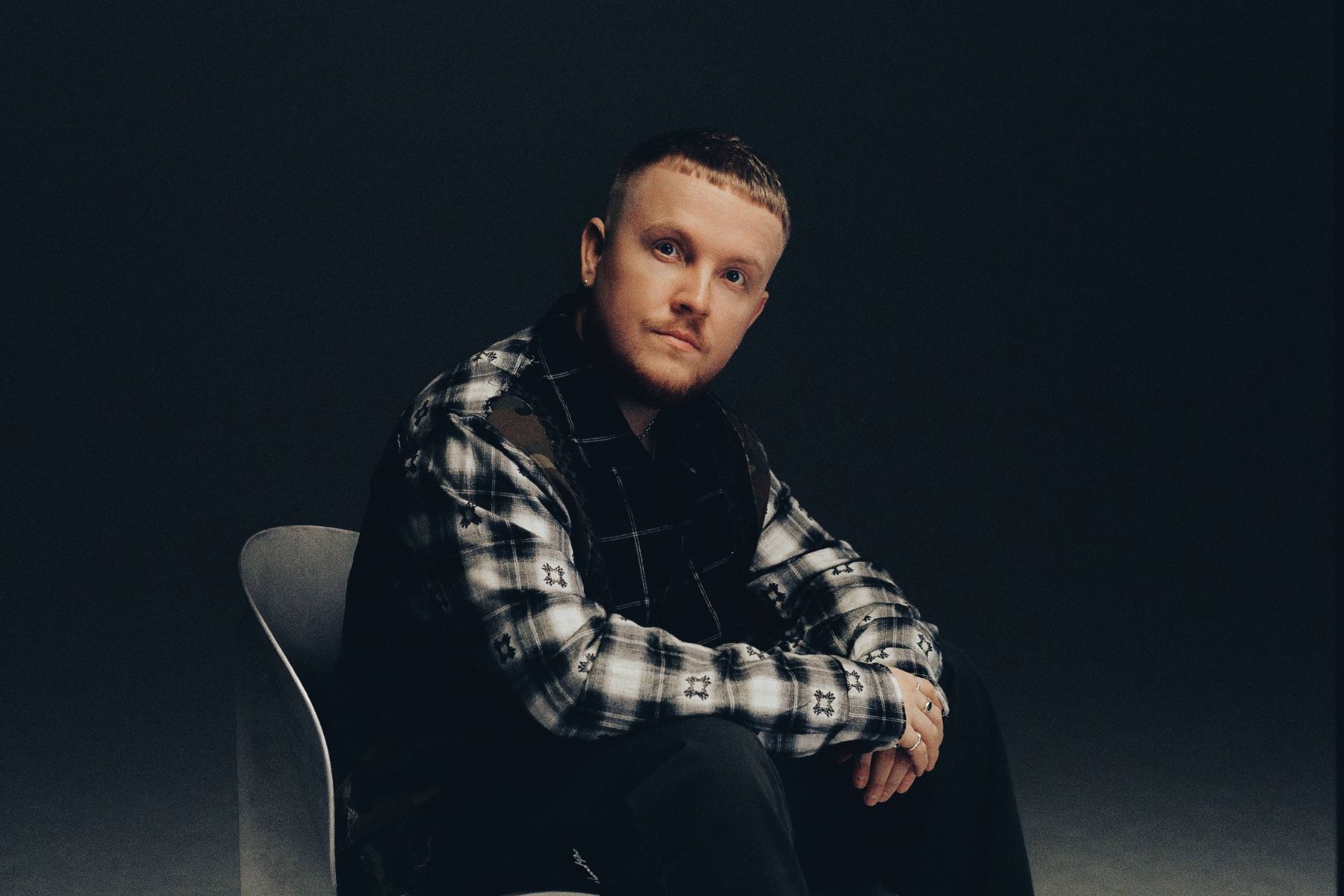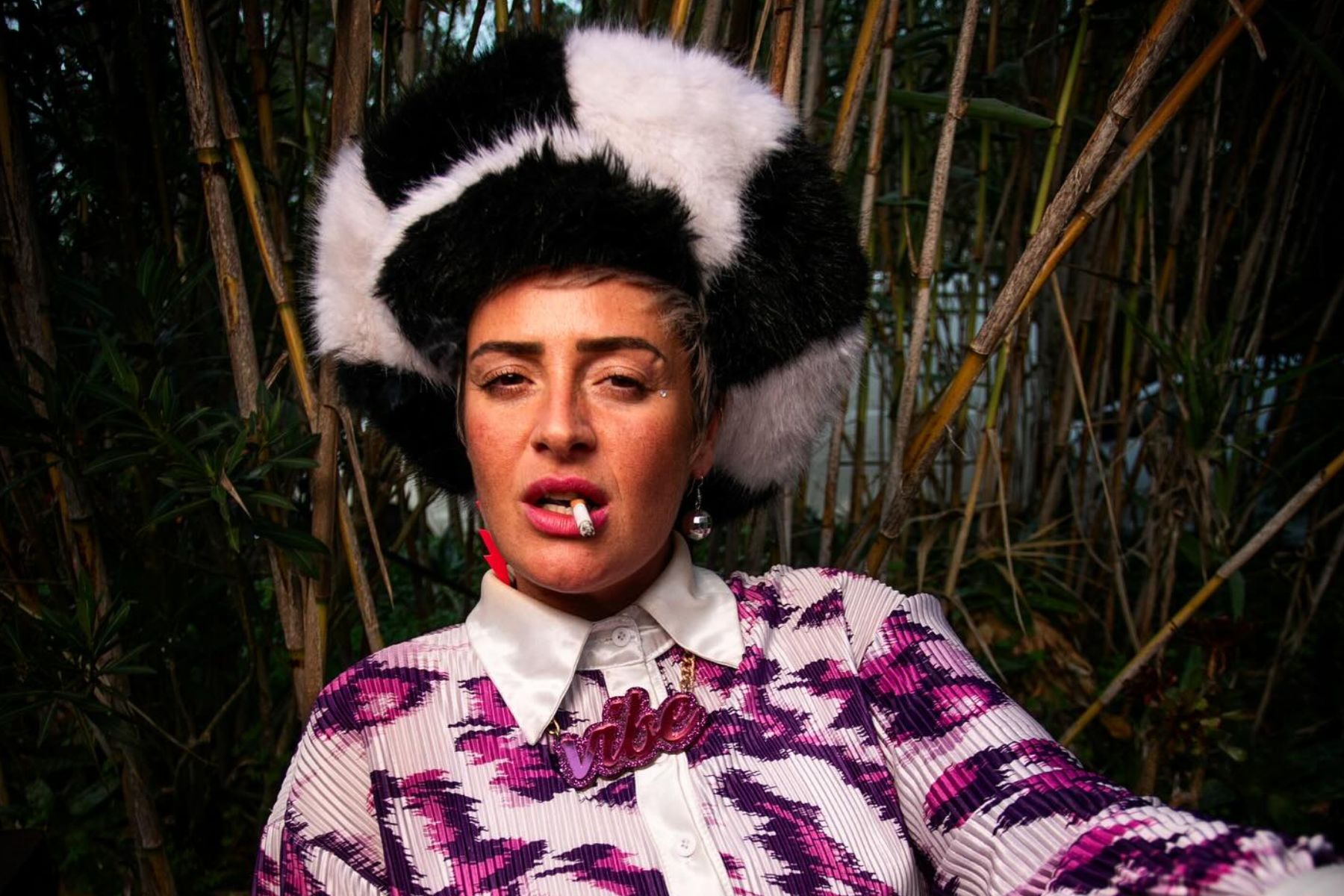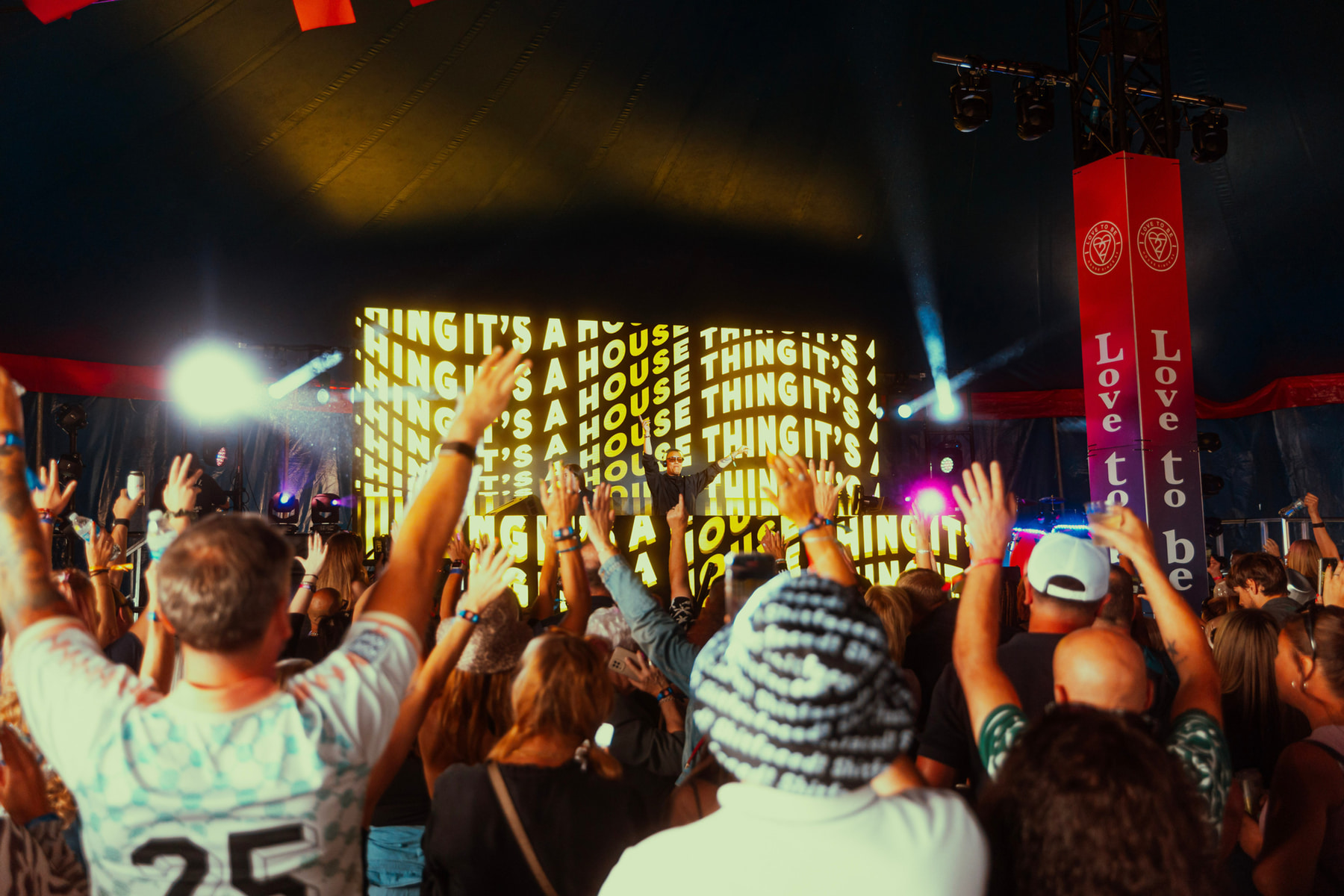
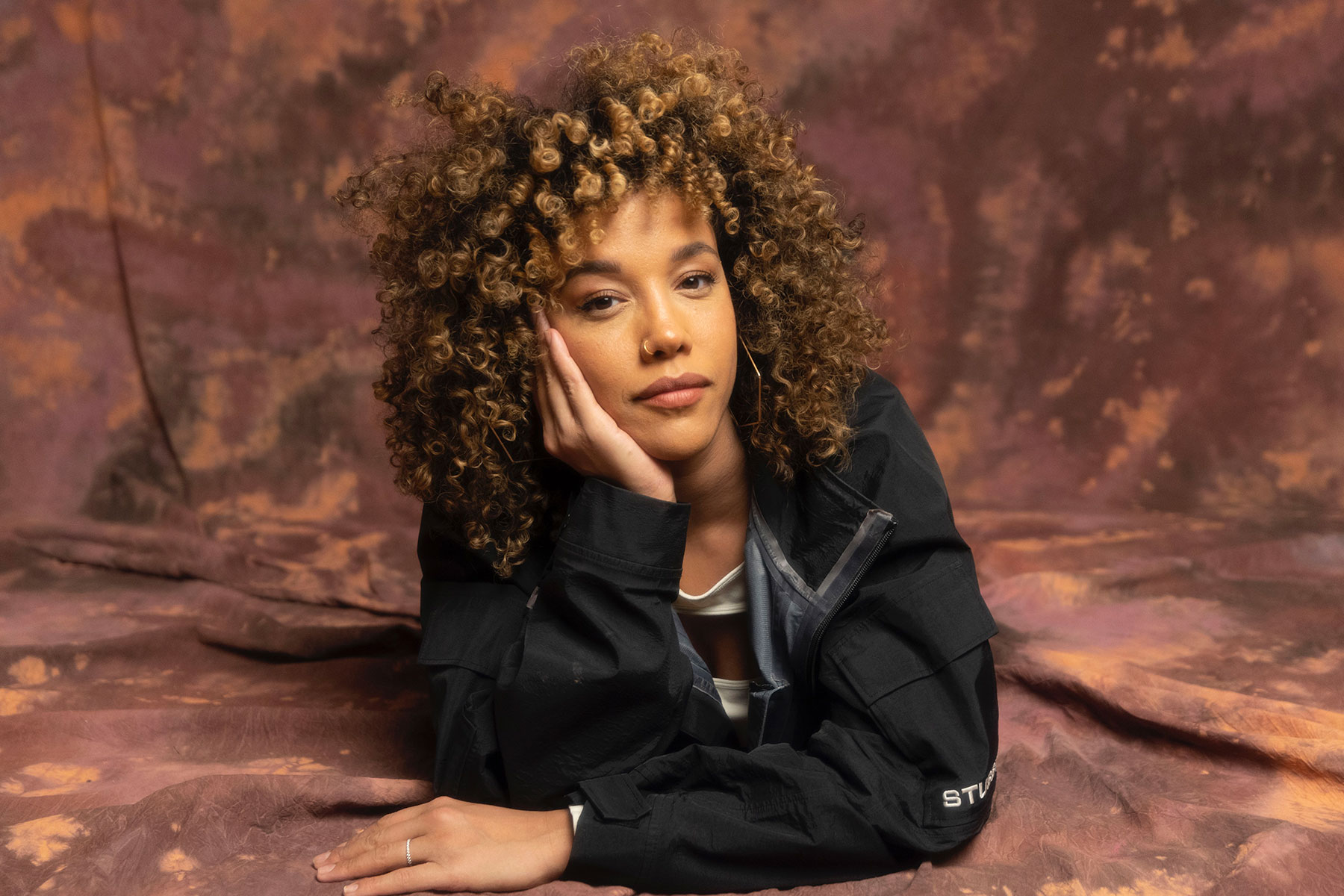
Nedda Sou is a Dutch DJ, producer, choreographer, and multidisciplinary artist whose work moves fluidly between dance, spoken word, electronic music, and community building.
Photo credit: Nedda Sou – Official
Raised in The Hague and now based in Amsterdam, she first found belonging through street culture, house dance, and hip-hop, experiences that continue to shape her creative identity today. Alongside her musical output, she works as a choreographer, mentors emerging talent around the world, and curates THE NARRATIVE, a platform dedicated to culture, storytelling, and connection.
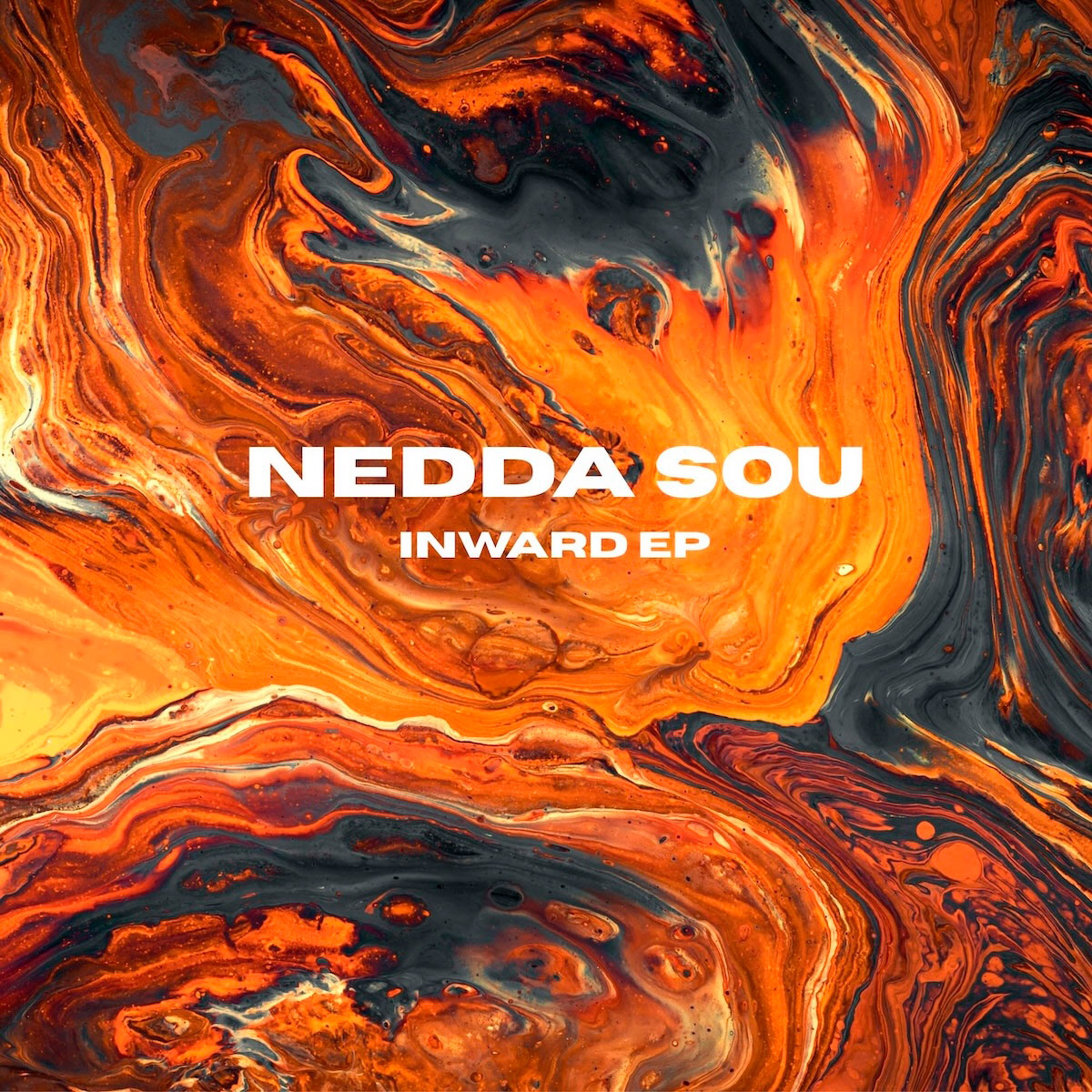
Following appearances at festivals such as Dekmantel Selectors and a residency on Worldwide FM, Nedda Sou returns with her new self-released three-track record, the ‘Inward’ EP. Blending deep house, broken beat, acid, and experimental textures, the release reflects a deeply personal creative process shaped by travel, introspection, and instinct.
In this conversation, Nedda opens up about the stories behind the EP, the importance of authenticity in club culture, and why community remains at the heart of everything she does.
EG: Hi Nedda, welcome to EG. Great to have you here. How have you been? Where are you speaking to us from today?
Nedda Sou: Hi EG! Thank you for having me! I am feeling blessed! Currently on my hiatus, speaking to y’all from Amsterdam.
EG: Let’s kick this one off… Congratulations on your new ‘Inward’ EP. The title alone suggests something deeply personal. What was happening in your life when these tracks began to take shape?
Nedda Sou: The time I was making the tracks, I didn’t have an EP in mind yet. The sole focus was to create for internal reasons: joy of playing on synthesisers and the creative spark that arises when I hear a sound that catches my enthusiasm. All three tracks have been made in different locations. I don’t have a studio (yet), so I have been taking my gear with me wherever I am.
‘Beyond the Gaze’ was made in Cape Town. I was born and raised in The Hague, the Netherlands, and have always been attracted to beaches. To me, every beach feels like home, and drum patterns have always been a fundamental sound in my household.
‘11:11’ was made at home. During this time, life was going well, but it felt like an endless loop of patterns. I knew I needed to change some things, but couldn’t yet figure out what. Still learning to find the balance between structure/control and space so that the wonders of the universe can take place. The repetition of prayers has played a major role in getting closer to finding that balance, and not only in understanding but in feeling, in my being, that all will be well.
‘Acid Shade’. This one is a mosaic of sounds created in different parts of the world. At the time, I didn’t know whether I would use it, just that I liked the sounds. When I got my Roland TR-08, it all came together, and ‘Acid Shade’ was born.
EG: Your work moves between dance, spoken word, electronic music, and community building in a very fluid way. At what point did you realise those different worlds didn’t need to be separated?
Nedda Sou: I always felt that those worlds should never have been separated. My upbringing is the core of that. It wasn’t till I was introduced to the way the industry/world sees black culture that I was introduced to its division. It has been, and still is, a weird way of moving through the industry because, on the one hand, it is championing authenticity, but in the same breath, it is being questioned, overlooked, and doubted constantly.
EG: Growing up in The Hague, you found connection through street culture, house dance, and hip-hop. What do you think those environments gave you that still lives inside your music today?
Nedda Sou: Those environments gave me a sense of belonging, a place where my core and my upbringing can exist unapologetically.
“I am quite troubled by people becoming more and more machine-like in interaction, and I see my creative process as a reflection of that concern”
EG: The EP blends deep house, broken beat, acid, and more without feeling confined to any one genre. When you’re creating, do you think in terms of style at all, or are you following something more instinctive?
Nedda Sou: Everything is instinct with a subconscious hint of preference. Going out to clubs at a young age and finding endless joy in collecting and dancing to music has provided me with a foundation that recognises what speaks to me. There is no doubt that I am subconsciously taking that with me into my creative process.
However, when I create, my main focus is on the story I want to tell through my lens and all the emotions it involves.
EG: Tracks like ‘Beyond The Gaze’ and ‘Acid Shade’ carry this tension between warmth and chaos, almost human emotion colliding with machinery. Is that contrast something you consciously explore?
Nedda Sou: Yes, I am at a stage in life where I love interacting with humans, but strongly dislike the moment when humans turn into machines. I guess this is my version of saying how much I appreciate keeping it real.
We are living in strange times, where I feel that we have become desensitised to the world and look for connections through machinery. Which I feel is causing this weird detachment and performative way of being.
Also, human emotions are among the most beautiful things we have, especially when they are connected to the core of our being: social connection. Long story short: I am quite troubled by people becoming more and more machine-like in interaction, and I see my creative process as a reflection of that concern.
EG: Alongside music, you’ve invested a lot of energy into mentorship and projects centered around young people and community. What responsibility, if any, do you think artists have beyond the music itself?
Nedda Sou: I feel that the moment we call ourselves artists, we have a responsibility to nurture, create, and make space for (potential) artists and ourselves to grow in ways that can go beyond our own envisioned path.
The industry has the power to hold people accountable for that. I am aware that the overall culture within the industry focuses on profit and aesthetic appearance. At some point, it became a weird loophole where the industry was holding talks about diversity, longevity in music, etc., etc. Yet forgets that, within the model of artistry, nurturing and investing in communities have always been the cure and the answer.
EG: You’ve played spaces like Dekmantel Selectors and held residencies on Worldwide FM, while also building your own platform through THE NARRATIVE. What have you learned about creating spaces where people genuinely feel seen? What is THE NARRATIVE all about?
Nedda Sou: Humans across the board function better when genuinely feeling seen. I am extremely grateful that I get to do it through my God-given talents. It gives me great joy to help create spaces where people feel seen because it feels like I am helping make the world a slightly better place (which always feels like an impossible task).
The Narrative is my creative, cultural child, raised by a village. What I mean by that is that it brings together all the elements that were passed on to me: diverse cultural backgrounds, dance (not just moving to music but actually tapping into the physical lingo of a cultural dance style), and the importance of how frequencies can unleash greatness in people (choosing music that is connected through storytelling instead of playing for the sake of playing).
“When I create, my main focus is on the story I want to tell through my lens and all the emotions it involves”
EG: Looking at the current landscape, what do you think people are craving most from dance music and club culture right now?
Nedda Sou: Realness, culture, and artistry that is tapped into storytelling. We are oversaturated with people who want to bring something new, drawn by the excitement they experienced while witnessing existing cultures, and fall into the trap of social media following, “what works,” and repetition, contributing to cultural appropriation and exclusion.
EG: Electronic music is constantly expanding into new contexts. What excites you most about where it can go next?
Nedda Sou: That when trends fade, culture remains. Trends are important because, if they stand the test of time, they can become part of culture. I think that the mishandling of trends is causing temporary highs and chase behaviour, which leads to neglect of the culture and weird temporary career highs, which, for some, could be a great financial model, where eventually artists lose.
EG: Thank you so much for your time, Nedda. We wish you all the best with ‘Inward’ and everything ahead. Take care!
Nedda Sou: Thank you for having me!
Nedda Sou’s ‘Inward’ EP is out now. Stream and download your copy here.
Follow Nedda Sou: Spotify | SoundCloud | Instagram