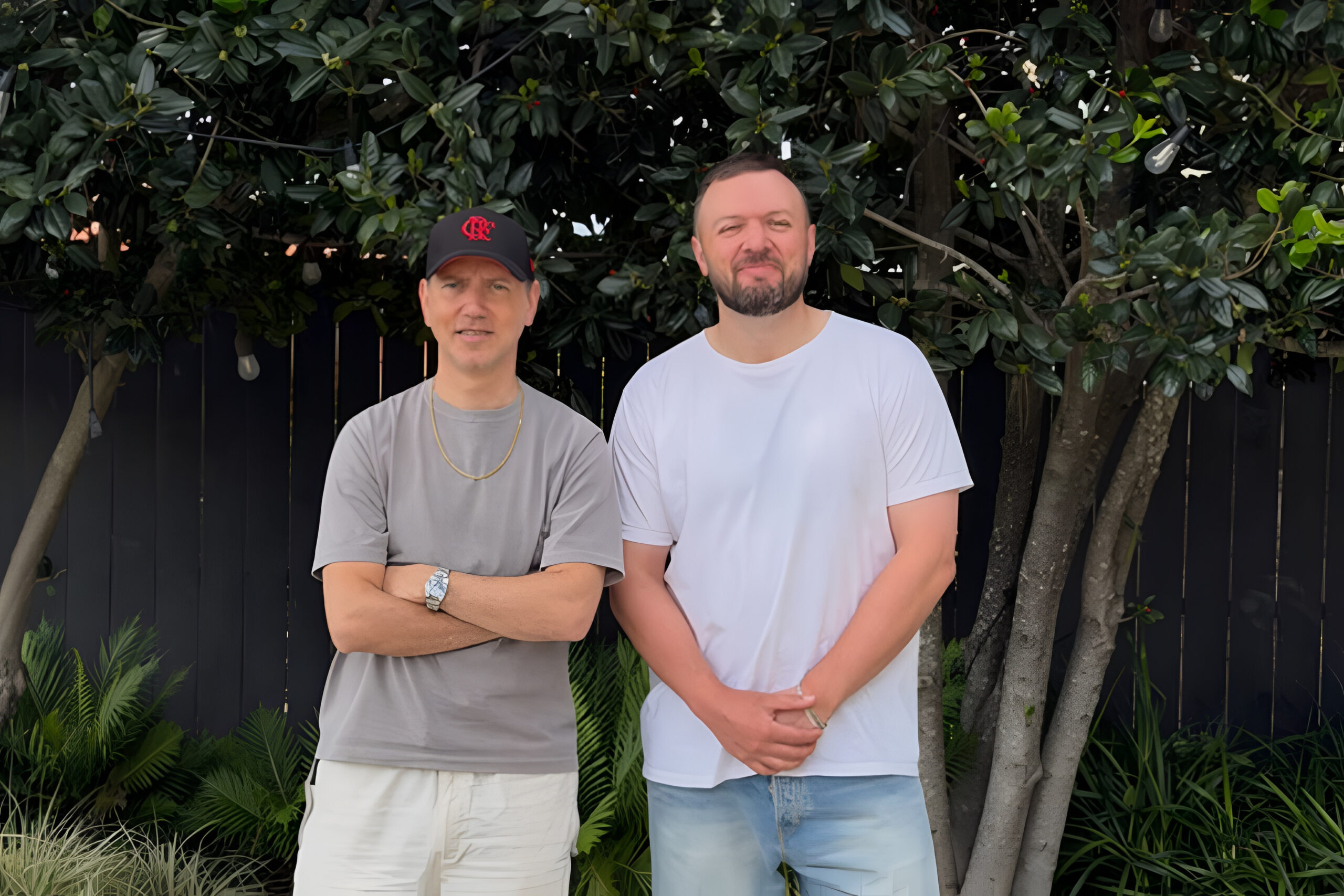
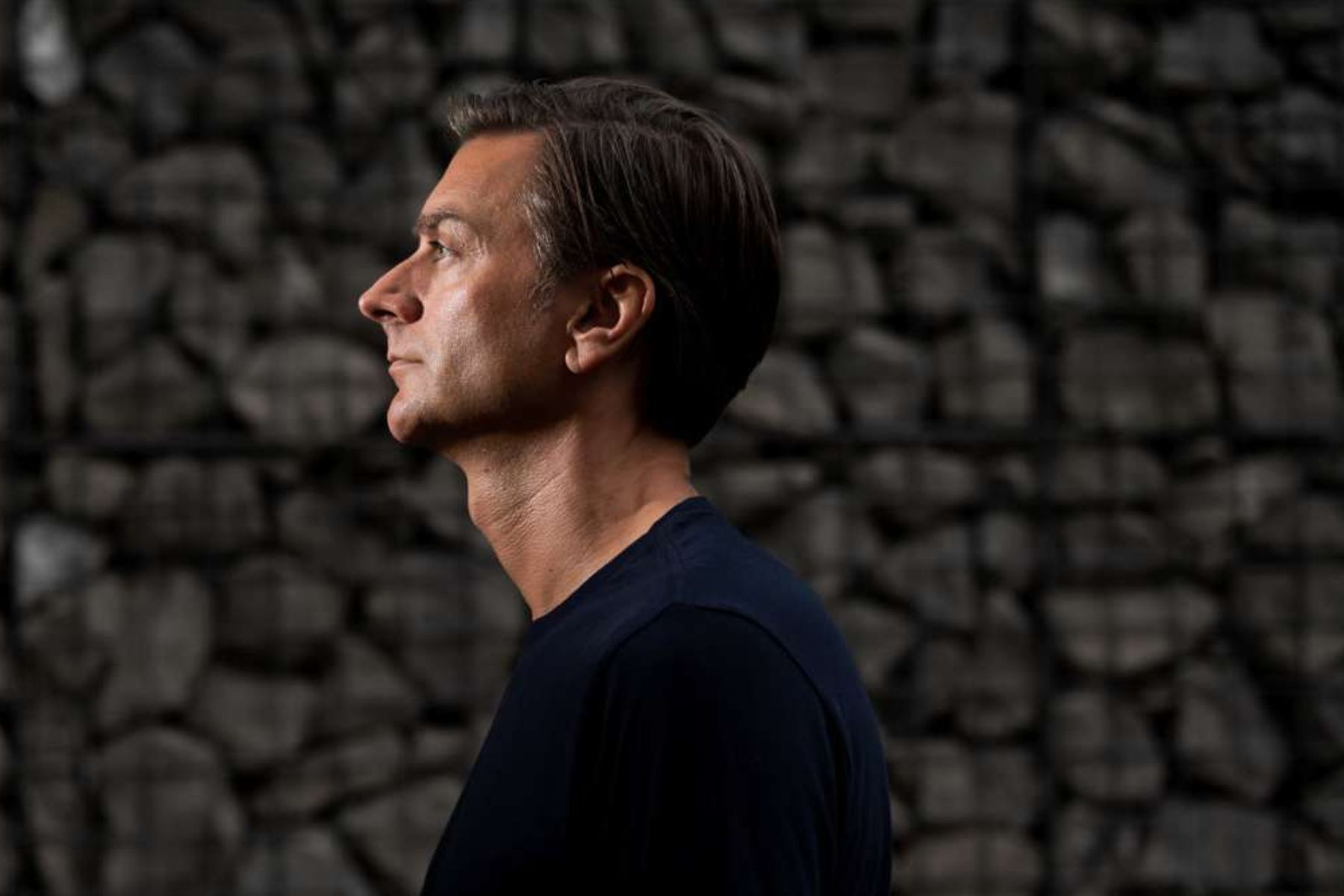
Dutch DJ, producer, and curator Bart van Rijn has spent years shaping underground electronic music through his work behind the decks, in the studio, and as the driving force behind STUG events and label.
Photo credit: Bart van Rijn – Official
Originally from The Hague and now based in Amsterdam, his approach connects house, techno, progressive, trance, and indie-inspired electronics through warmth, depth, and a strong sense of movement.
Since launching STUG Music in 2018, his releases have received support from Laurent Garnier, John Digweed, Sasha, Groove Armada, and others. His career has also included performances alongside Carl Craig, Luke Slater, Radio Slave, Joris Voorn, and Patrice Bäumel, as well as a monthly show on XT3 Radio Amsterdam.
In July 2026, Bart will release his debut album, ‘Sketches,’ a 13-track record shaped by years of experimentation, discipline, and reflection.
In this conversation, he discusses the album’s development, his relationship with genre, the meaning of longevity, and the values that continue to guide his work.
EG: Hi Bart, welcome back to Electronic Groove. Where are you today, and how does it feel to return now with your debut album ‘Sketches’?
Bart van Rijn: I’m at home in Amsterdam, Netherlands, where I’ve been based since October 2025 and spend most of my time between the studio and preparing new music. It feels special to be back at Electronic Groove. You’ve been part of my journey from the very beginning, supporting my first EP in 2018 and later inviting me to record my first EG mix. Returning now with my debut album and a second EG mix makes it feel like everything has come full circle.
‘Sketches’ has been years in the making. While I’ve been involved in electronic music for a long time as a DJ, curator, and through STUG, creating a full-length record is a completely different journey. It allowed me to step away from thinking about individual club tracks and instead focus on telling a story across an entire body of work.
Returning to Electronic Groove at this moment feels like the perfect way to share that next chapter.
EG: When we spoke in 2023, you said success meant seeing your ideas come to life. Now that ‘Sketches’ is arriving as a full album, does that definition feel different to you?
Bart van Rijn: I still believe that’s true. Seeing an idea come to life is what makes creating music so rewarding. But making ‘Sketches’ has definitely added another layer to that definition.
Success is no longer just about finishing a track or releasing music. It’s about creating something that feels honest and meaningful enough that I’m still proud of it long after it’s finished.
That’s really what ‘Sketches’ represents. It started as a series of small musical sketches with no clear destination. Over time, they became connected, and eventually they became an album. Looking back, I realise that the journey itself was just as important as the result.
EG: Back then, you were entering a new studio period, gathering ideas, watching producer courses, and slowly getting back into creation. Looking back now, did that moment plant the first seeds for this album?
Bart van Rijn: Absolutely. Looking back, that period was much more important than I realised at the time. I wasn’t trying to make an album yet. I was simply rebuilding my creative routine and permitting myself to experiment again.
I spent a lot of time learning, watching production courses, trying different workflows and, most importantly, finishing ideas instead of endlessly collecting them. That period reminded me that creativity isn’t about waiting for inspiration; it’s about showing up consistently.
EG: A single or EP can capture a moment, but an album often reveals a wider inner map. What did making ‘Sketches’ allow you to express that separate releases could not?
Bart van Rijn: As a DJ, I’ve always thought in terms of journeys rather than individual tracks. A great set isn’t about one record. It’s about how every record changes the meaning of the next.
I approached ‘Sketches’ in much the same way. The tracks were written to stand on their own, but they also speak to each other. Some are more introspective, others more rhythmic or playful, but together they create a narrative that unfolds over the course of the album.
That’s something I don’t think an EP or a single can fully achieve.
EG: The title ‘Sketches’ suggests something raw, immediate, and instinctive, yet the record feels very deliberate. What does that balance between impulse and structure mean to you as an artist?
Bart van Rijn: I think every track starts with instinct. It might be a groove, a chord progression, or a texture that immediately feels right.
The structure comes afterwards. Once I have that initial spark, I become much more analytical. I ask myself whether every element serves the track, whether the arrangement keeps the listener engaged, and whether the emotion is coming across in the way I intended.
So for me, ‘Sketches’ isn’t about unfinished ideas. It’s about respecting those first instincts while giving them the time and care to become fully realised pieces of music.
“For me, curiosity is part of having an artistic identity, not the opposite of it”
EG: You’ve always moved between different shades of electronic music without sounding trapped by one lane. At this point in your life, do you feel more interested in refining your identity or expanding it?
Bart van Rijn: I’d rather be recognised for my taste than for my genre. As a DJ, promoter, and producer, I’ve always enjoyed connecting different sounds rather than staying in one corner of electronic music. Of course, there are common elements in everything I play and produce: groove, atmosphere, and emotion – but I never want to feel restricted by labels.
For me, curiosity is part of having an artistic identity, not the opposite of it.
Running STUG for many years also taught me not to think in genres. When you’re programming artists and building nights, you’re thinking about atmosphere, storytelling, and connection, not categories. That mindset has naturally influenced the way I produce music.
EG: Your work as a DJ has always been part of how people understand you. Did years of reading rooms and building long sets shape the way this album moves from one idea to the next?
Bart van Rijn: Without a doubt. Years of DJing and curating nights with STUG taught me to think beyond individual records. You’re constantly reading the room, understanding tension, knowing when to surprise people, and when to let a groove breathe.
I realised those same instincts were guiding me in the studio. Not because I was trying to make an album that sounded like a DJ set, but because I naturally think in terms of flow, contrast, and storytelling. Those are qualities that matter just as much when you’re listening at home as they do on a dancefloor.
EG: The Hague has a very particular place in electronic music culture. Beyond its history, what has living and working there taught you about patience, taste, and independence?
Bart van Rijn: The Hague has always felt like a city that quietly does its own thing. It has a rich electronic music history, but there’s never been much pressure to follow trends or chase attention. That mindset has definitely influenced me.
Living there for twenty years taught me that it’s okay to take your time, trust your taste, and build something that feels authentic rather than immediate. Whether that’s through STUG, DJing, or making music, I’ve never been interested in following the fastest route. I’d rather create something that grows organically and has a longer life.
I think that sense of patience and independence is something The Hague has given me, and it’s become part of who I am as an artist.

EG: You once spoke about the relief of bringing an idea to completion. Was there a moment during this album where you felt the opposite, where the project asked more from you than expected?
Bart van Rijn: Definitely. I think the biggest challenge wasn’t writing the music. It was knowing when to stop.
As producers, we always feel that a track could be improved. You can keep changing a sound, adjusting a mix, or rewriting an arrangement forever. At some point, I had to accept that perfection isn’t really the goal. The goal is to capture a feeling honestly.
That was probably the biggest lesson ‘Sketches’ taught me: trust the work, let it go, and allow it to belong to the listener.
EG: You’ve had support from artists across different generations and scenes. Is there a particular moment of recognition, advice, or encouragement that still gives you confidence when you doubt yourself?
Bart van Rijn: There have been a few moments over the years that really stayed with me, but what I’ve learned is that recognition often comes when you’re least expecting it. Hearing that someone you admire has played your music or connected with it gives you confidence, not because it validates your work, but because it reminds you that music can travel much further than your own studio.
Whenever I doubt myself, I try to remember those moments. They remind me that the most important thing is to stay honest to your own taste. You can’t control how people respond, but you can control whether the music genuinely reflects who you are.
EG: Albums can become personal documents, even when they are built for clubs. What part of your life, your discipline, or your personality do you hear most clearly inside ‘Sketches’?
Bart van Rijn: I think the album reflects the way I am as a person. I’m naturally curious, but I’m also quite patient. I like to take my time, whether that’s discovering music, developing an idea, or understanding where it wants to go.
That probably explains why it took some years for ‘Sketches’ to become an album. Nothing was rushed. Every track had to earn its place. Looking back, I realise the record is a reflection of how I work, how I listen, and how I see creativity.
EG: Everyone talks about the underground, but not everything called underground still carries risk, patience, or community. What does that word mean to you today, and where do you think it is being misunderstood?
Bart van Rijn: One of the things I value most about the underground is its sense of community. Throughout my years with STUG, I’ve met artists, promoters, and listeners who genuinely care about discovering music and sharing ideas, rather than chasing attention.
Of course, the scene has changed, and that’s natural. Social media and streaming have transformed how music travels. But I still believe the underground exists wherever people are creating spaces for genuine musical discovery and meaningful connection.
“The goal is to capture a feeling honestly”
EG: We live in a time where artists are expected to release constantly, stay visible, and keep feeding the machine. Do you think this pace helps creativity, or is it making it harder for artists to build something with real weight?
Bart van Rijn: We’re living in an incredible time because artists have more freedom than ever to release music and connect directly with listeners. That’s something I really appreciate.
At the same time, I think it’s important not to confuse visibility with artistic growth. Being present is valuable, but creating something with real depth often requires time, reflection, and the willingness to leave ideas alone until they’re ready.
I’d rather build a body of work than a content calendar.
EG: What do you think younger artists often misunderstand about longevity in electronic music?
Bart van Rijn: I think it’s easy to believe that longevity comes from always being visible or always being relevant. But when I look at the artists I admire, they’ve stayed around because they never stopped being curious.
Their sound has evolved, technology has changed, audiences have changed, but they’ve continued learning and following their own instincts rather than chasing every new trend.
For me, longevity isn’t about surviving the industry. It’s about continuing to enjoy the process of discovering music, making music, and sharing it with people.
EG: When listeners discover ‘Sketches’ years from now, what do you hope they feel about the artist you were at this exact point in time?
Bart van Rijn: I hope they hear an artist who was searching rather than arriving.
‘Sketches’ isn’t meant to be a final statement. It’s a snapshot of a particular moment in my creative life. It’s the sound of someone exploring ideas, trusting his instincts, and allowing those ideas to evolve naturally.
If that sense of curiosity still comes across years from now, then I think the album has done exactly what I hoped it would.
EG: Congratulations, Bart! Thanks for the time, and all the best!
Bart van Rijn: Thank you! It’s always a pleasure to be part of Electronic Groove. Thank you for supporting my journey over the years, from my first EP to my debut album. I hope everyone enjoys both the new EG mix and the ‘Sketches’ album.
Bart van Rijn’s new album ‘Sketches’ will be out on July 31st, 2026 via STUG Music. Pre-order here.
Follow Bart van Rijn: Spotify | SoundCloud | Instagram