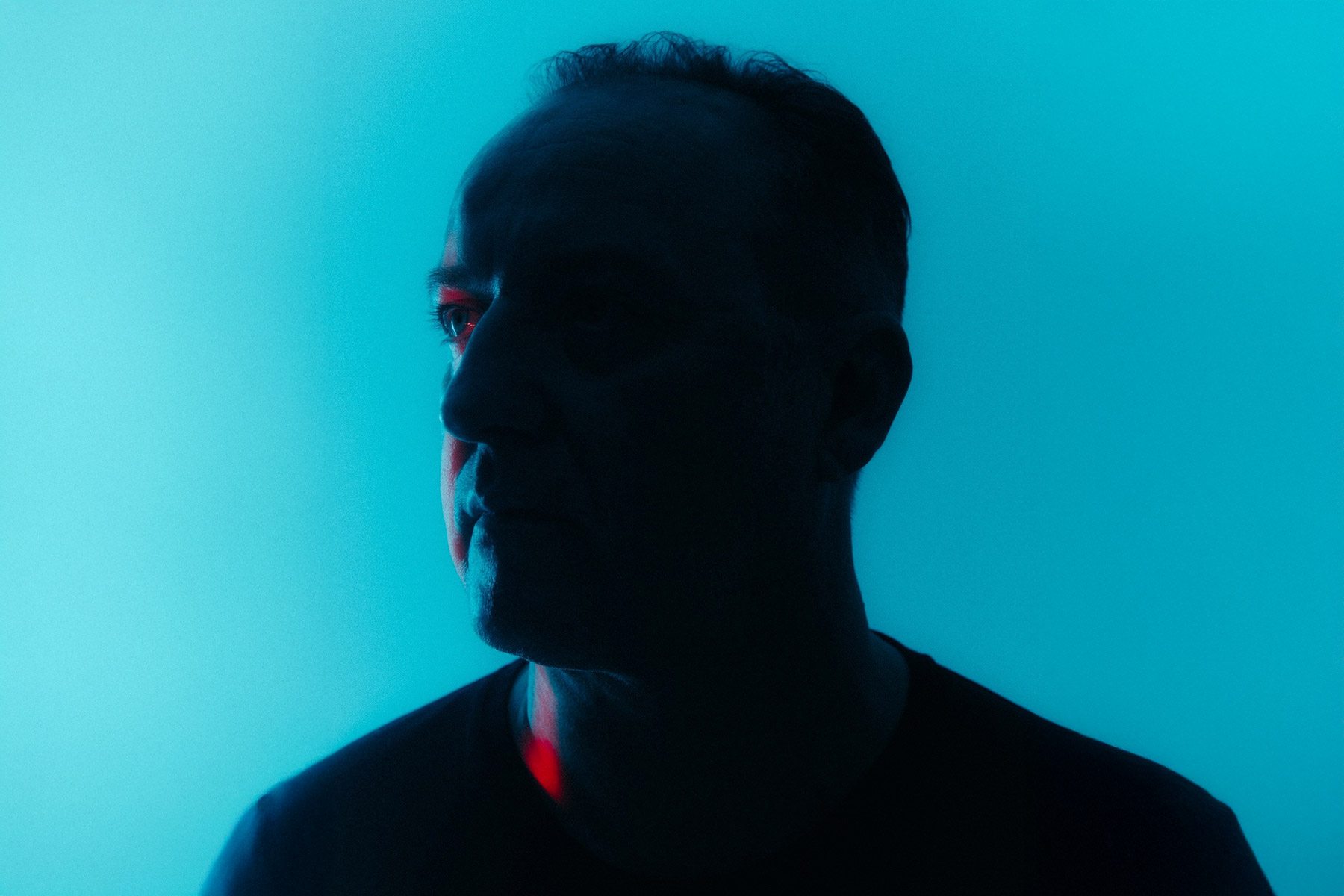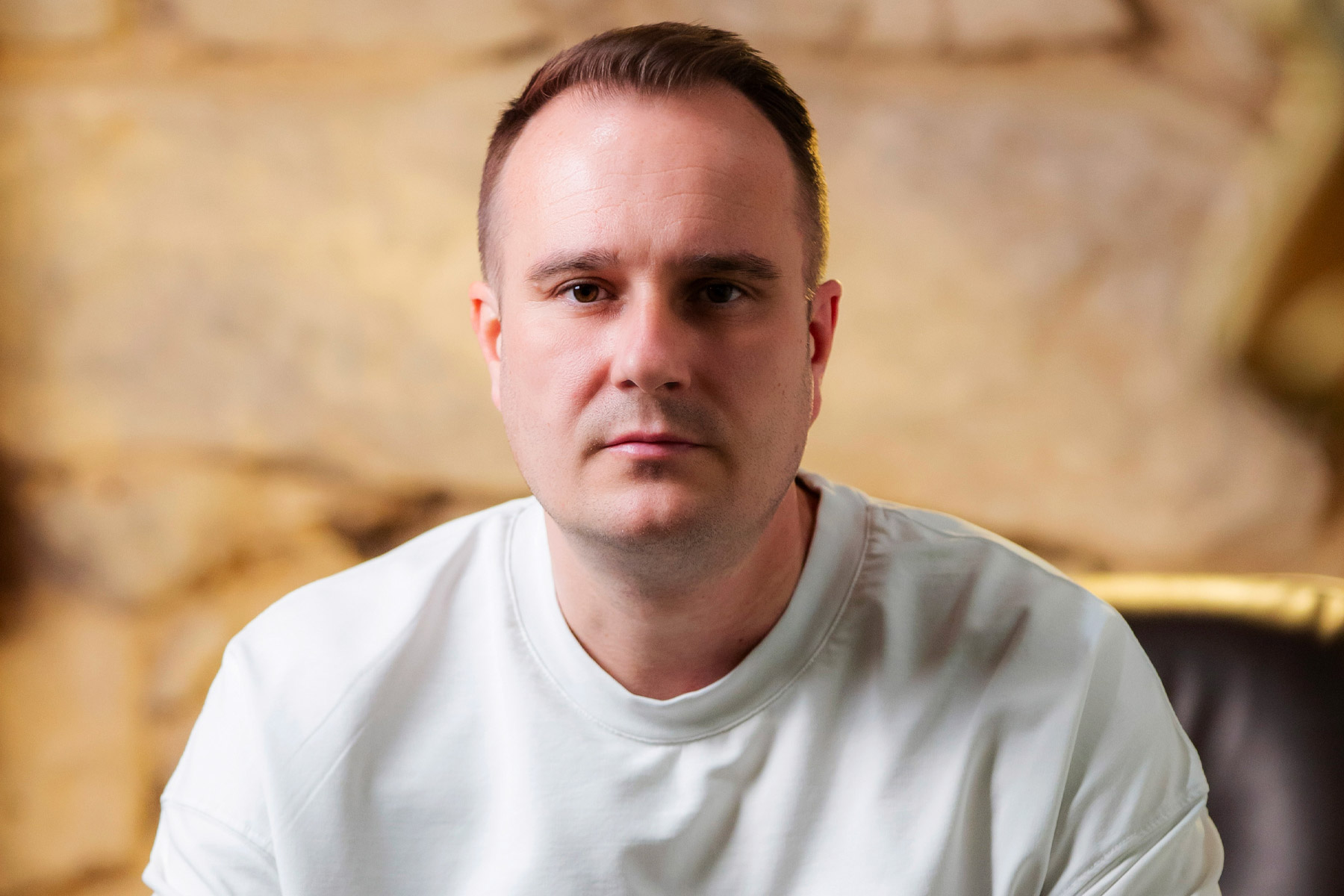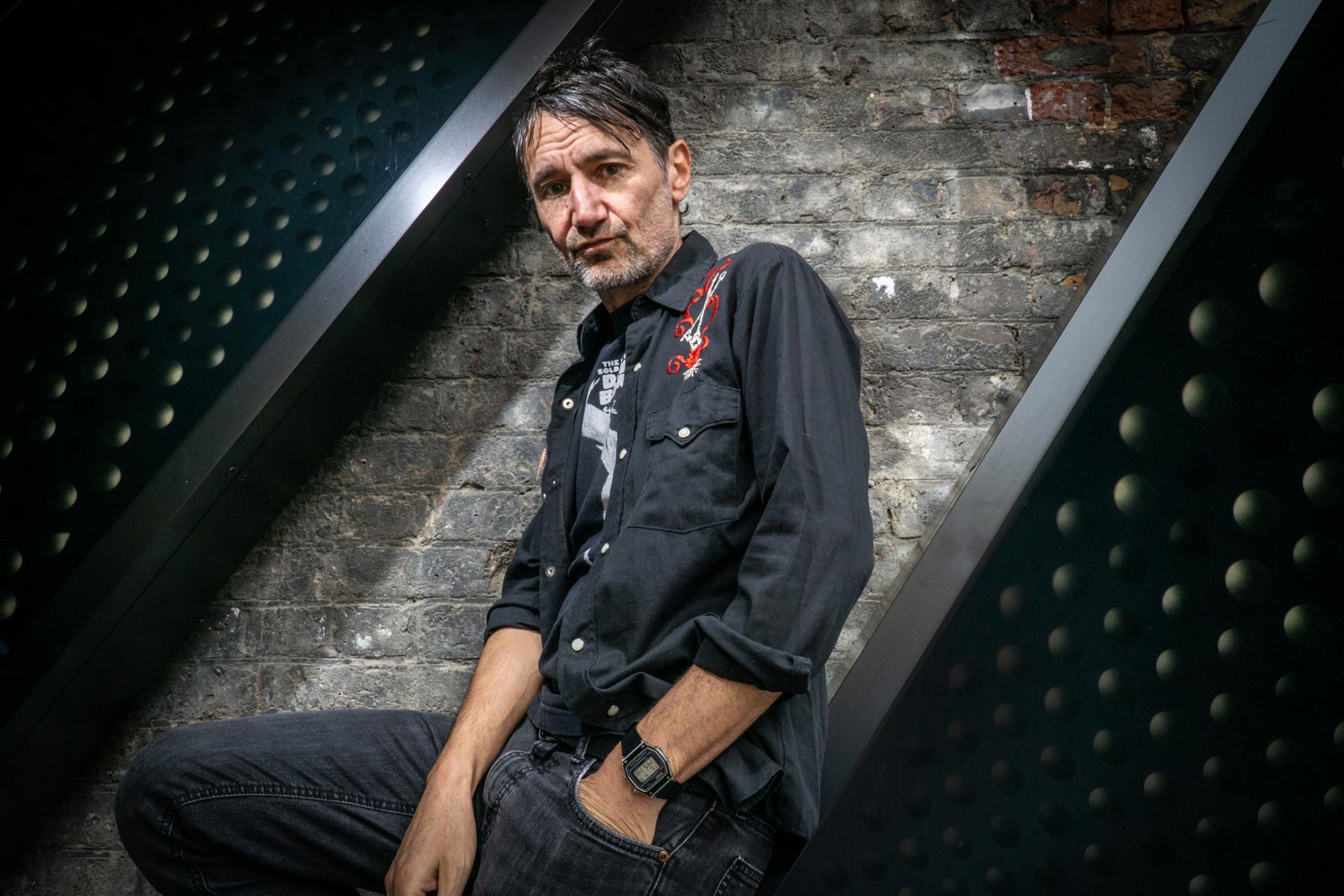
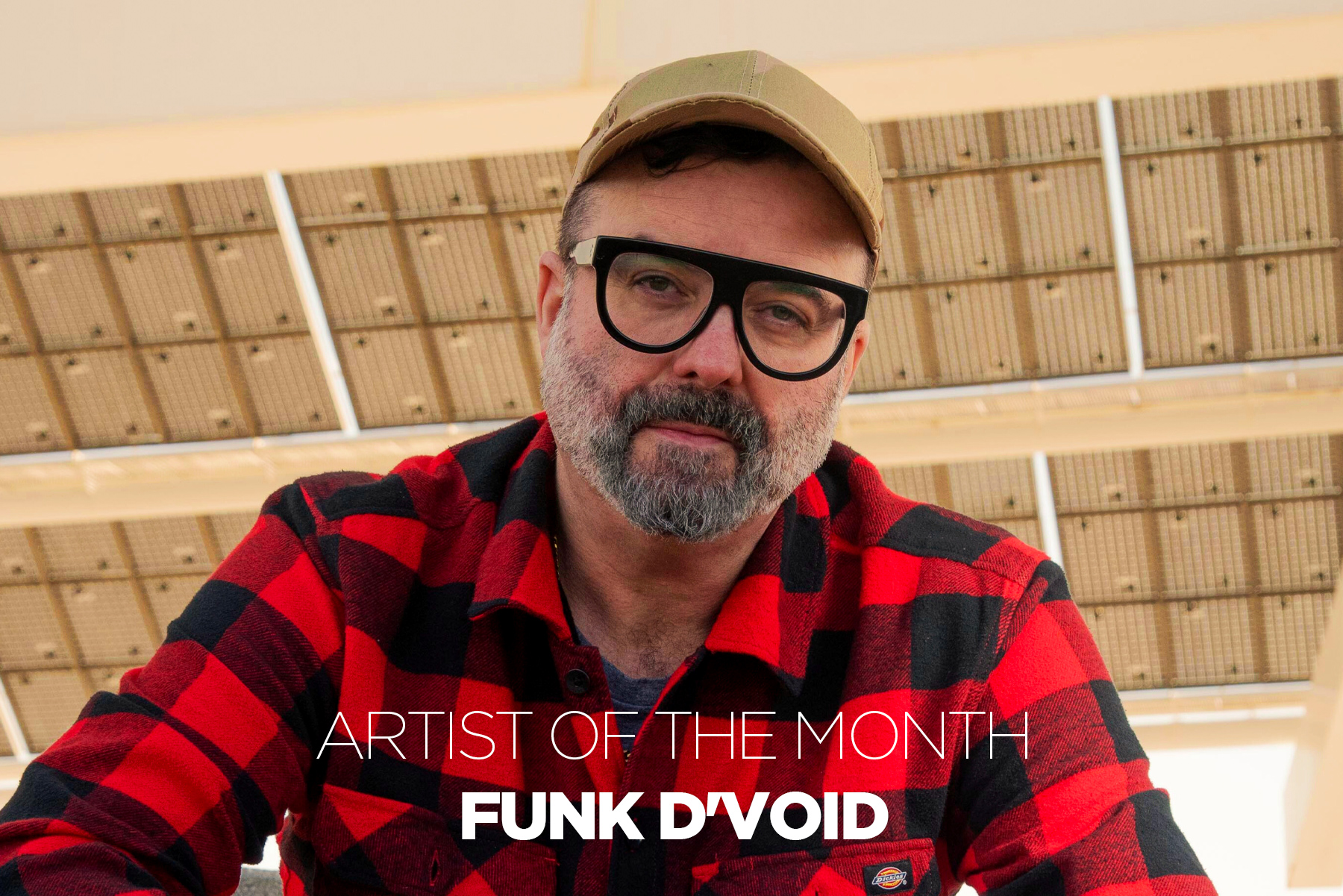
Some careers are built around ambition. Others begin with a moment of recognition; a sudden realization that the music coming through the speakers is speaking directly to you. For Lars Sandberg, better known as Funk D’Void, that moment arrived in a nightclub during the late 1980s. Decades later, after helping define generations of house and techno through seminal productions, globe-spanning DJ sets, and an enduring commitment to underground culture, he still traces everything back to that feeling: the instinctive pull toward a sound that seemed to contain an entire future within it.
Raised during the golden age of synth-pop, Sandberg’s earliest musical experiences were shaped by artists who blurred the boundaries between technology and emotion. “I was brought up during the 80s synth-pop era, so my early heroes were The Human League, Heaven 17 and Tangerine Dream,” he recalls. The seeds were planted even earlier when his mother, a pianist working for the BBC, brought home a Roland Juno synthesizer. Fascinated by its possibilities, he spent hours exploring the instrument, unknowingly laying the groundwork for a lifelong relationship with electronic sound. The decade itself felt transformative. Hip-hop, breakdancing, acid house, Chicago house, and Detroit techno were all erupting simultaneously, creating a cultural landscape unlike anything that had come before. “Being a teenager in the 80s was something magical,” he reflects. Yet among all those influences, one stood above the rest. Detroit techno arrived in 1987 and changed everything.
There was one moment in particular that crystallized his path. While standing in Glasgow’s Fury Murry’s club, he heard DJ Robin Burrowes play Rhythim Is Rhythim’s seminal ‘Nude Photo.‘ It was, as he describes it, “that defining moment where I had to follow that sound coming out of the speakers.” The experience felt almost spiritual, less a conscious decision than an instinctive calling toward a new musical language. The DJ booth itself became an object of fascination. “It was like being on deck of a spaceship for me,” he says. Thanks to figures such as Keith Robinson of Desert Storm and Colin Barr at The Choice, he was given opportunities to step behind the decks during the formative years of Scotland’s club scene. Looking back, he remembers a culture that was still finding its shape, where proximity and enthusiasm often mattered more than credentials. Being present during those foundational years allowed him to witness electronic music’s rapid evolution from the inside and, more importantly, to become part of it.
Production arrived somewhat later, but the foundations were laid through a combination of mentorship, curiosity, and immersion. Sandberg was fortunate enough to be guided by the head of music technology at Glasgow University, who introduced him to the fundamentals of studio production and MIDI programming, effectively opening the door to a craft that would soon become central to his life. At the same time, he was working at Glasgow’s legendary FOPP Records, eventually becoming a buyer and surrounding himself with an extraordinary range of music on a daily basis. The shop became an education in itself, exposing him to everything from soul and jazz to classical music and contemporary dance records. Looking back, he describes the experience as formative, noting that “FOPP basically became my backbone for music knowledge.” Together, those experiences helped shape a broader musical perspective than many of his contemporaries, one that would later become evident in both his productions and his DJ sets.
By the late 1990s, that foundation began paying dividends. The release of ‘Jack Me Off’ on Soma Records marked his first major breakthrough and launched a career that would soon take him far beyond Scotland. “When I released my first single on Soma Records, that was me off to the races,” he says. Not long afterward came his first international booking at Berlin’s E-Werk, one of the era’s defining techno institutions. The club became an important fixture in his career, and the experience confirmed that music could become something more than a passion; it could become his livelihood. What followed was a steady ascent that established Funk D’Void as one of the defining voices of progressive house and techno’s late-’90s and early-2000s golden era. His productions balanced emotional depth with dancefloor functionality, pairing hypnotic grooves with melodic sophistication in a way that resonated across scenes and continents. Among them, ‘Diabla’ remains the track most closely associated with his name. Released in 2001, it became an enduring favorite whose appeal has outlasted multiple cycles of electronic music trends, recently finding renewed life through a remix by Joris Voorn.
Yet Sandberg’s perspective on releases remains notably detached from conventional measures of success. Rather than viewing records as milestones, he places greater value on the creative process itself. “Being happy with your productions does bring a sense of relief once you learn when something has been completed to the best of your abilities,” he explains. The satisfaction comes not from numbers or accolades, but from knowing a piece of music has reached its fullest expression. That mindset has allowed him to navigate decades of shifting trends without becoming captive to them. He rarely approaches music with audience expectations in mind, preferring instead to create from a place of personal curiosity and fulfillment. At the same time, he remains fascinated by the way listeners connect with sound. “Since I was a kid, I’ve always been fascinated by people’s reactions to music,” he says, a fascination that continues to inform both his productions and his performances. It is perhaps this balance between introspection and communication that has allowed his work to remain relevant across multiple generations of club culture.
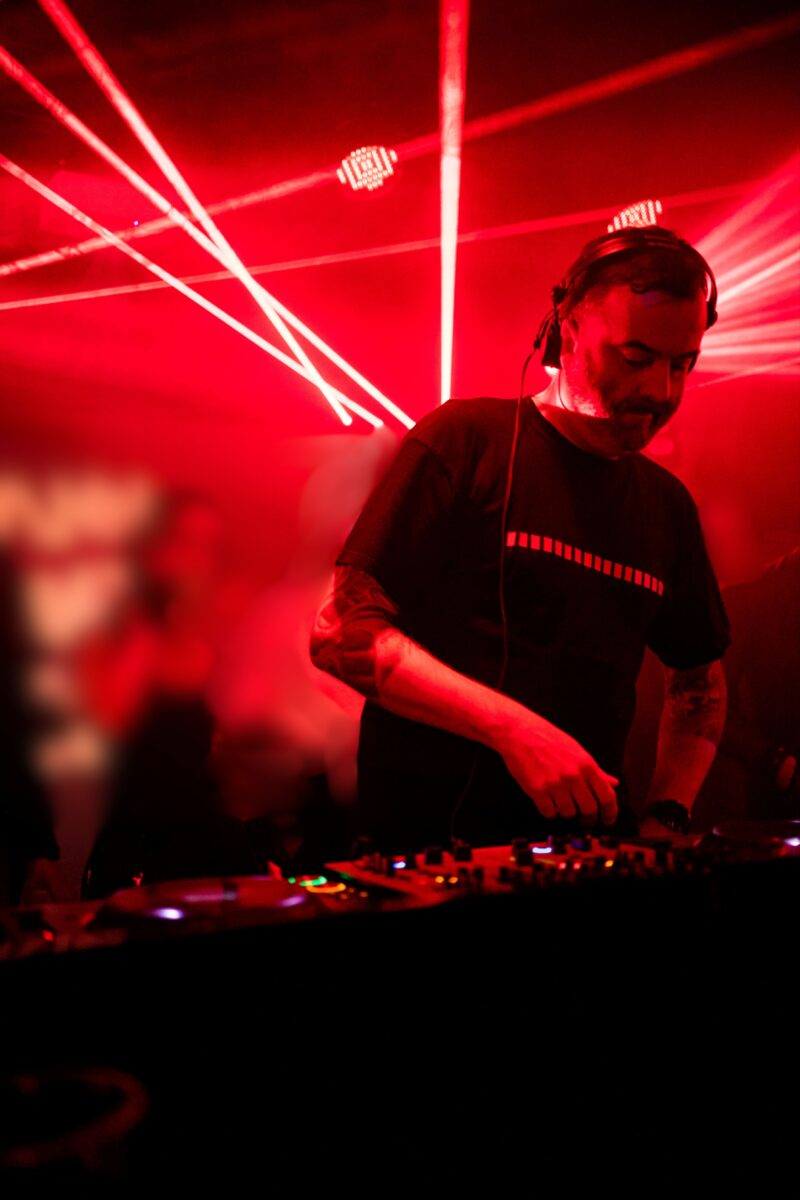
As a DJ, that curiosity evolved into a highly refined understanding of crowd psychology. For Sandberg, a great set is built on a combination of intuition, preparation, and adaptability. The ability to read a room, manage momentum, recognize shifts in energy, and make brave programming decisions remains central to his philosophy. Those skills earned him invitations from labels such as Soma, Cocoon, and Balance to curate acclaimed mix compilations, while countless recorded sets have demonstrated his ability to construct long-form musical narratives. “Setting the pace and being able to map out the journey successfully” remains one of the aspects of DJing he values most, and his reputation as a selector has often rested on that ability to guide listeners through subtle shifts in mood and atmosphere rather than relying on obvious peaks and drops. Still, despite his accomplishments behind the decks, he admits that “I prefer to be known as a music producer these days,” revealing where his deepest creative investment ultimately resides.
Like many artists who built careers within the underground, Sandberg has witnessed dramatic changes in the economics of electronic music. Sustaining a career has become increasingly complex, requiring artists to diversify beyond touring and record sales. “Financially surviving in music does create many challenges,” he acknowledges. The reality of modern electronic music has forced many veteran artists to rethink how they engage with the culture, but rather than resist those changes, Sandberg has embraced new opportunities that align with his interests and experience. One of the most significant developments arrived during the pandemic with the creation of Fixed By Funk, a mentoring and educational platform designed to help producers sharpen their skills and navigate their own creative journeys. The idea emerged organically as more artists found themselves with time to focus on production, and what began as a practical response to lockdown conditions quickly grew into a thriving community centered around feedback sessions, Twitch streams, and one-on-one mentoring.
The project reflects a side of Sandberg that has become increasingly important over the years. “I get a similar buzz from showing people tips and advice as I do from performing a good gig,” he says. Whether helping producers identify their strongest ideas, encouraging them to push beyond creative roadblocks, or simply providing guidance accumulated through decades of experience, Fixed By Funk has become another avenue through which he contributes to the culture that shaped him. In many ways, the platform embodies the same spirit that characterized his early years in record shops, clubs, and studios: a belief that knowledge grows when it is shared. For an artist whose career has spanned multiple eras of electronic music, passing that knowledge forward has become just as rewarding as creating new records of his own.
Despite the challenges of maintaining a long-term career in music, his enthusiasm remains remarkably intact. “I don’t chase fame or monetary success,” he says. What motivates him now is less about external validation and more about meaningful engagement; with music, with people, and with new experiences. The perspective comes from decades spent navigating an industry that rarely stands still while remaining connected to the reasons he entered it in the first place. Looking ahead, his ambitions are refreshingly uncomplicated. “A change of scenery is in the cards,” he says. “I’m feeling a longing to walk the earth, retelling funny stories and listening to other people’s.”
From discovering Detroit techno in a Glasgow nightclub to becoming one of electronic music’s most respected producers, DJs, and educators, Funk D’Void’s story has always been driven by curiosity. The technology has changed, the scenes have evolved, and the industry itself bears little resemblance to the one he entered decades ago. Yet the impulse that first drew him toward those futuristic sounds remains unchanged. For the teenager who once stood mesmerized as ‘Nude Photo’ echoed through a crowded club, the journey has been long, unpredictable, and deeply rewarding. Through every chapter, Funk D’Void has remained guided by the same instinct that first captured his imagination: the pursuit of music not as a destination, but as an endless source of discovery.
Follow Funk D’Void: Spotify | Instagram | Fixed By Funk | SoundCloud