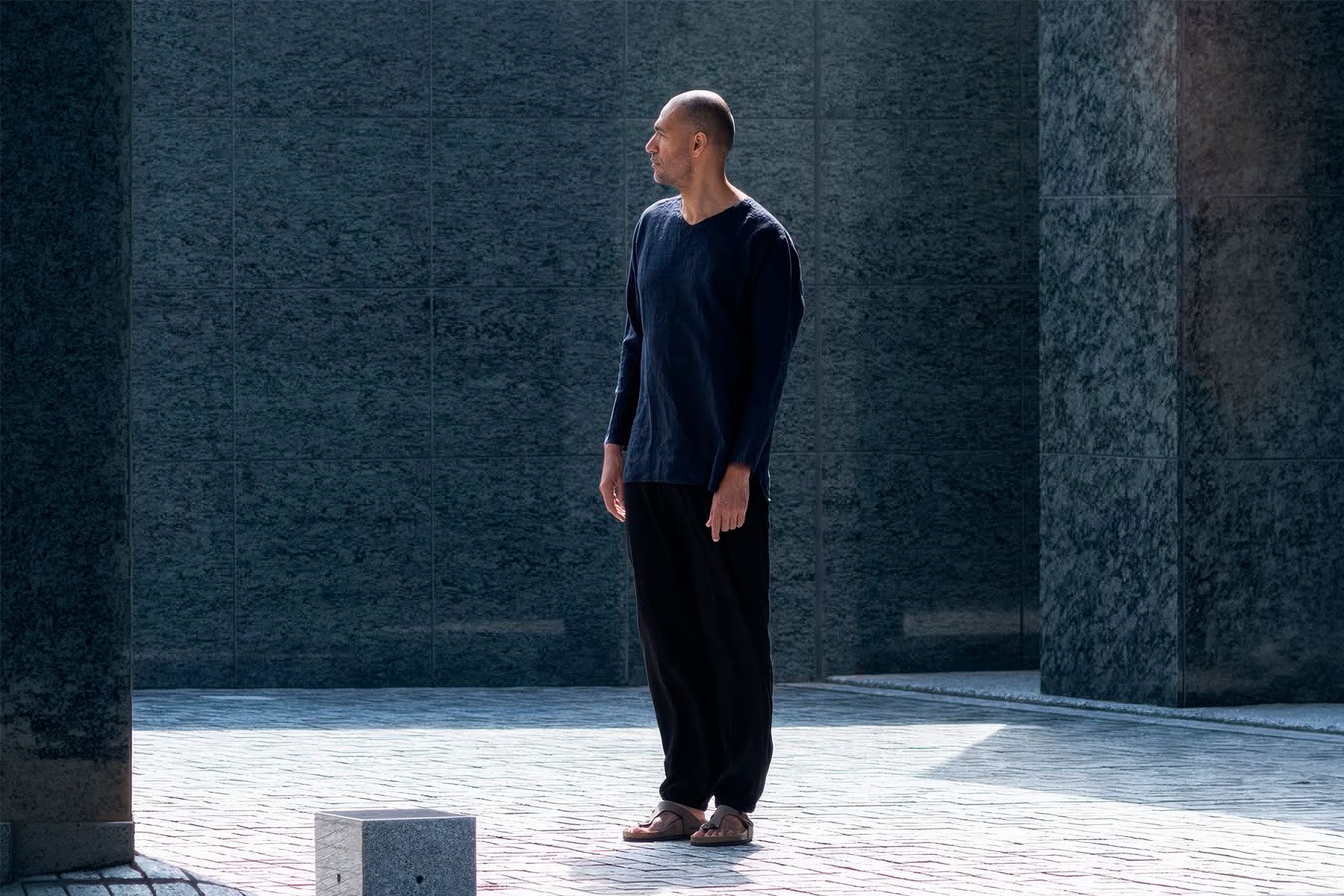
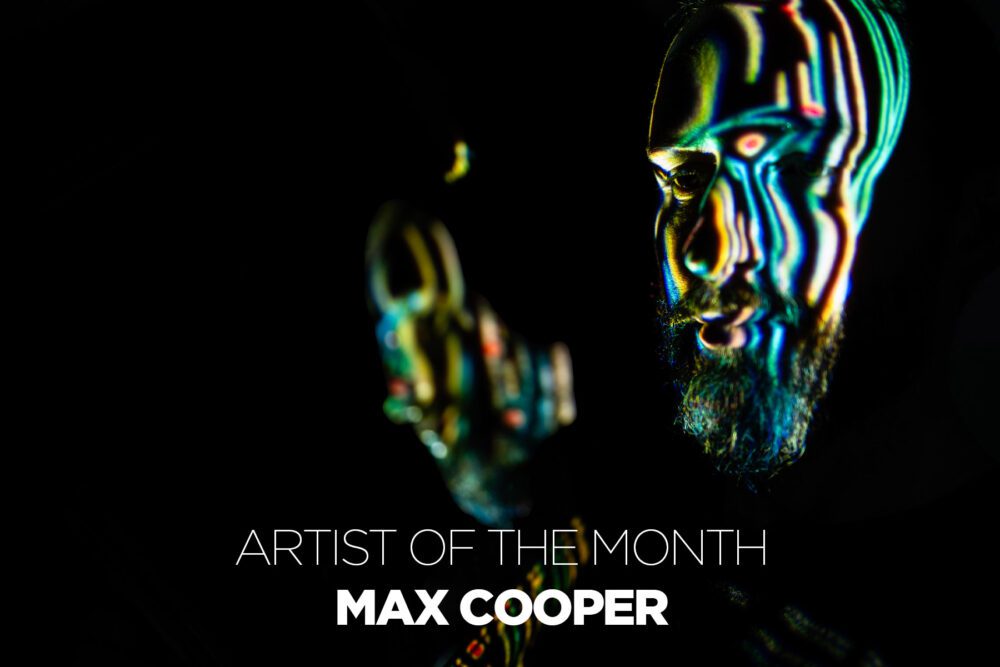
Max Cooper has never approached electronic music as a fixed discipline. Across a career that now spans more than two decades, his work has unfolded as a continuous investigation into sound, perception, emotion, and the invisible systems that govern both human experience and the natural world. While often framed through the lens of science or technology, Cooper’s music ultimately operates on a more fundamental level: it asks how complex ideas can be translated into something felt.
Before music became his primary medium, Cooper trained as a computational biologist, completing a PhD that immersed him in the study of complex systems, emergence, and pattern formation. That way of thinking never left. Rather than abandoning scientific logic for artistic intuition, Max folded the two together. Composition, for him, became a process of exploration: iterative, analytical, and deeply attentive to how small changes propagate over time.
His earliest releases emerged in the early 2000s, shaped through a connection with Sasha and releases on labels such as Traum and later Sasha’s Last Night On Earth. These tracks placed Cooper within a lineage of melodic, detail-driven techno that prioritised flow and long-form development over immediacy. Even then, his music resisted obvious climaxes. Instead, it unfolded patiently, built from gradual shifts in texture, harmony, and rhythm that rewarded sustained listening.
As his catalogue expanded, so did his frame of reference. Cooper began to move beyond the functional constraints of the club, not by rejecting them outright, but by questioning their limits. His music became increasingly concerned with structure as narrative, with how tension accumulates, how patterns evolve, and how listeners perceive time itself.
That evolution became explicit with ‘Human’ (2014), a record that marked a turning point in both scale and intent. Built around themes of identity, individuality, and shared experience, the album drew together club-rooted production with conceptual framing. It was followed by ‘Emergence’ (2016), which leaned more heavily into ideas borrowed from complexity science: repetition, mutation, and the gradual formation of order from apparent chaos. These were not abstract exercises, but carefully shaped emotional arcs, using systems as compositional tools rather than conceptual decoration.
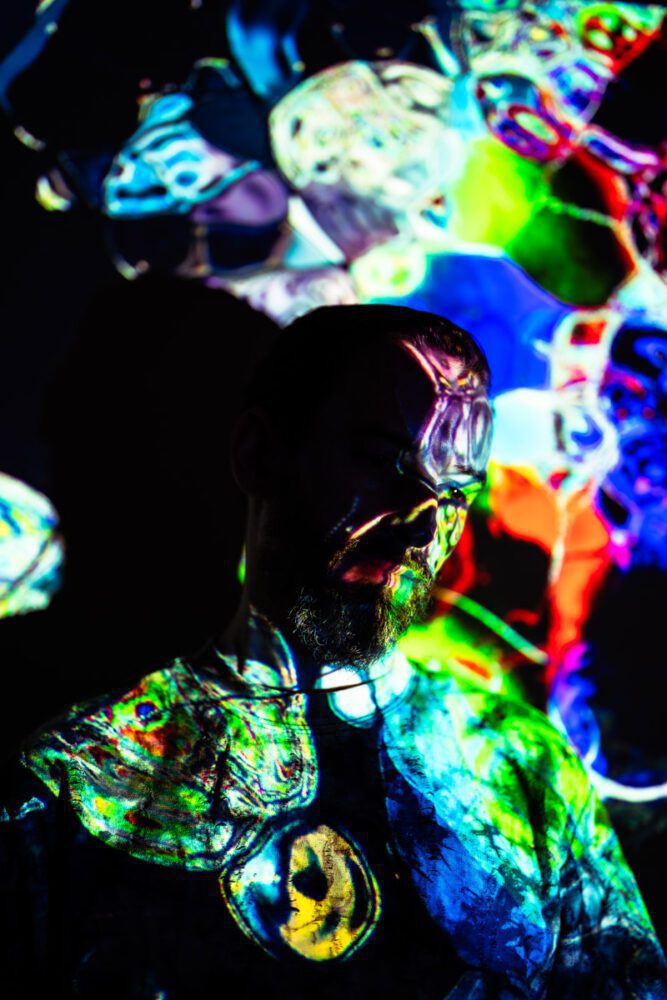
Visual work became inseparable from this process. Rather than treating visuals as an accompaniment to music, Cooper positioned sound and image as parallel expressions of the same underlying logic. His collaborations with digital artists, mathematicians, and generative designers transformed his live performances into tightly synchronised audiovisual environments, where every element responded to a central idea.
This approach reached one of its clearest articulations in ‘Yearning for the Infinite’ (2019). Structured around concepts drawn from mathematics, physics, and philosophy, the album explored desire, repetition, and transcendence, not as lyrical themes, but as structural forces. Loops stretched toward infinity, patterns pushed against their own constraints, and emotion emerged from the tension between motion and stasis. The accompanying visual works reinforced this sense of scale, situating human feeling within much larger systems.
View this post on Instagram
If ‘Yearning for the Infinite’ looked outward, ‘Unspoken Words’ (2022) turned inward. Here, Cooper shifted focus toward intimacy, vulnerability, and the emotional content that exists beyond language. Melodies became more exposed, harmonies more fragile, and space more prominent. Vocals appeared not as carriers of narrative, but as texture. Hints of presence rather than statements. The systems remained, but they receded into the background, serving as quiet scaffolding for a more direct emotional exchange.
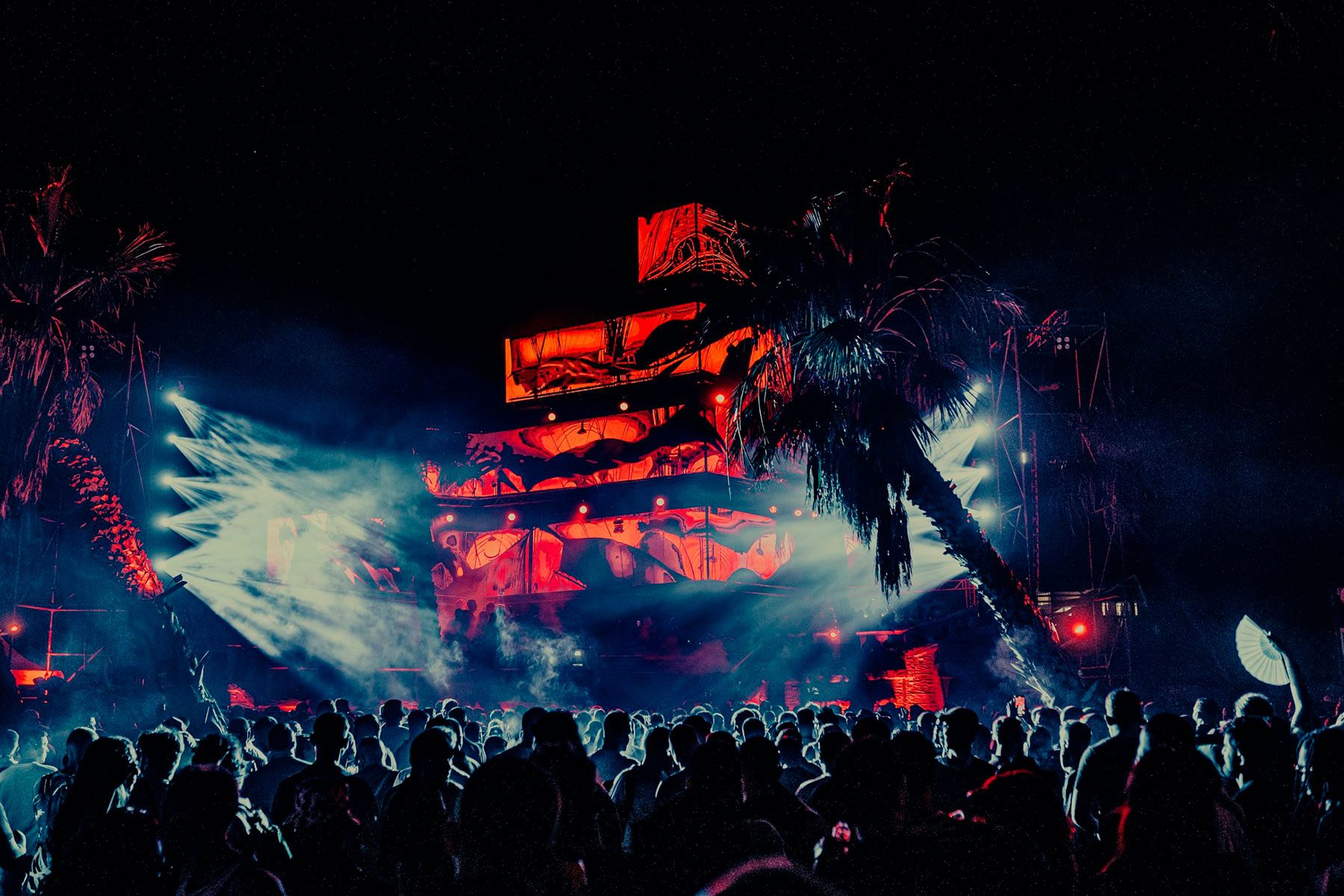
Live performance continues to be a central laboratory for these ideas. Cooper’s shows are not static presentations, but evolving experiments, refined through repetition and response. Each performance functions as a feedback loop, informing future compositions and visual structures. This research-oriented mindset extends to his label, Mesh, which operates less as a traditional imprint and more as a platform for interdisciplinary exploration, releasing music, audiovisual projects, and collaborations that sit outside conventional genre frameworks.
What sets Cooper apart is not the use of scientific language or technical sophistication, but restraint. His work avoids spectacle for its own sake. Identity is secondary to ideas; process outweighs persona. In an era where electronic music is increasingly shaped by immediacy and visibility, Cooper’s practice insists on patience — on the value of slow development, careful listening, and sustained engagement.
By translating systems into sensation, Max Cooper has carved out a singular space within electronic music. One where complexity becomes emotional, abstraction becomes intimate, and sound becomes a means of understanding how we relate to the world around us.
You can pre-order Max Cooper’s upcoming full-length album ‘Feeling is Structure’ here.