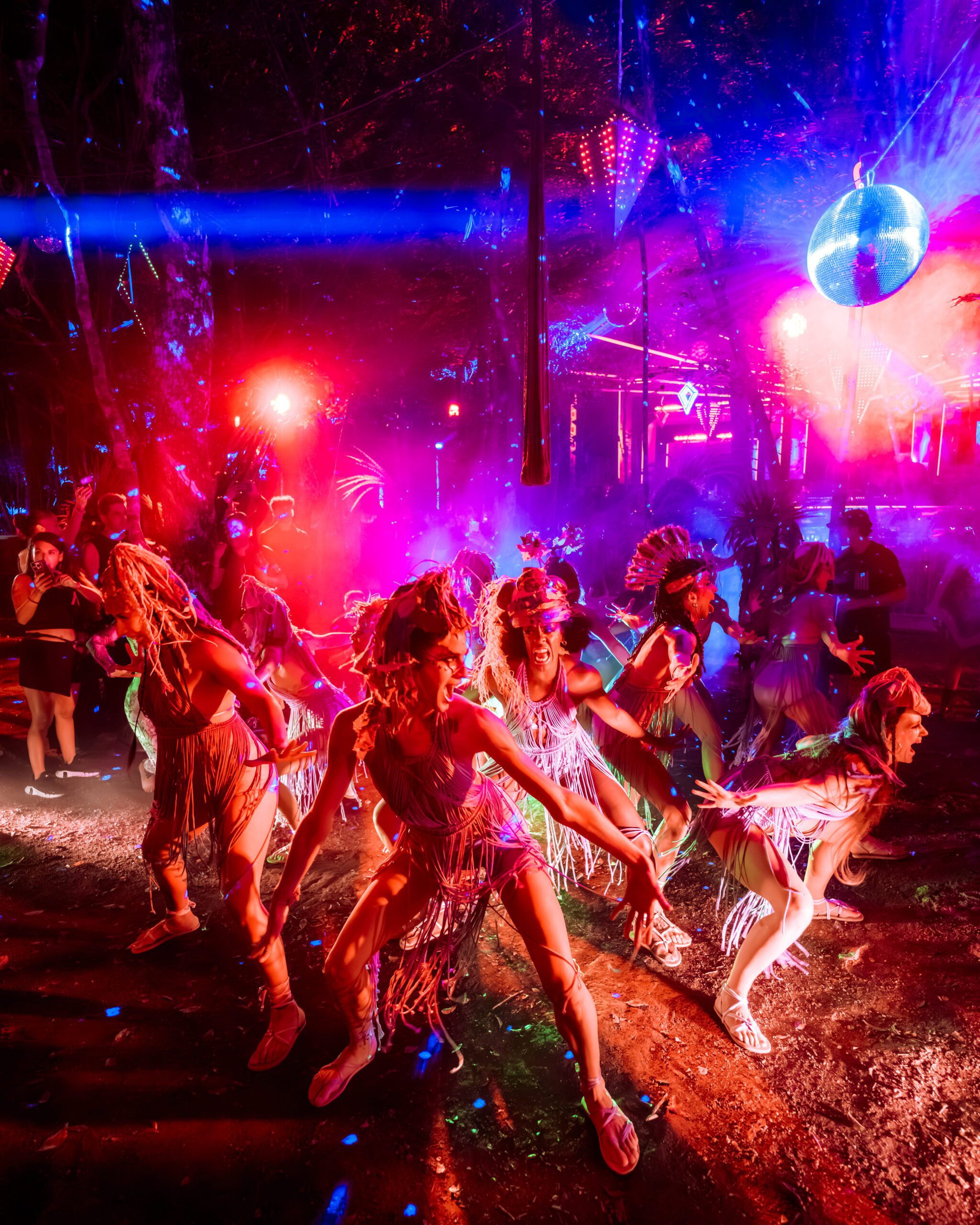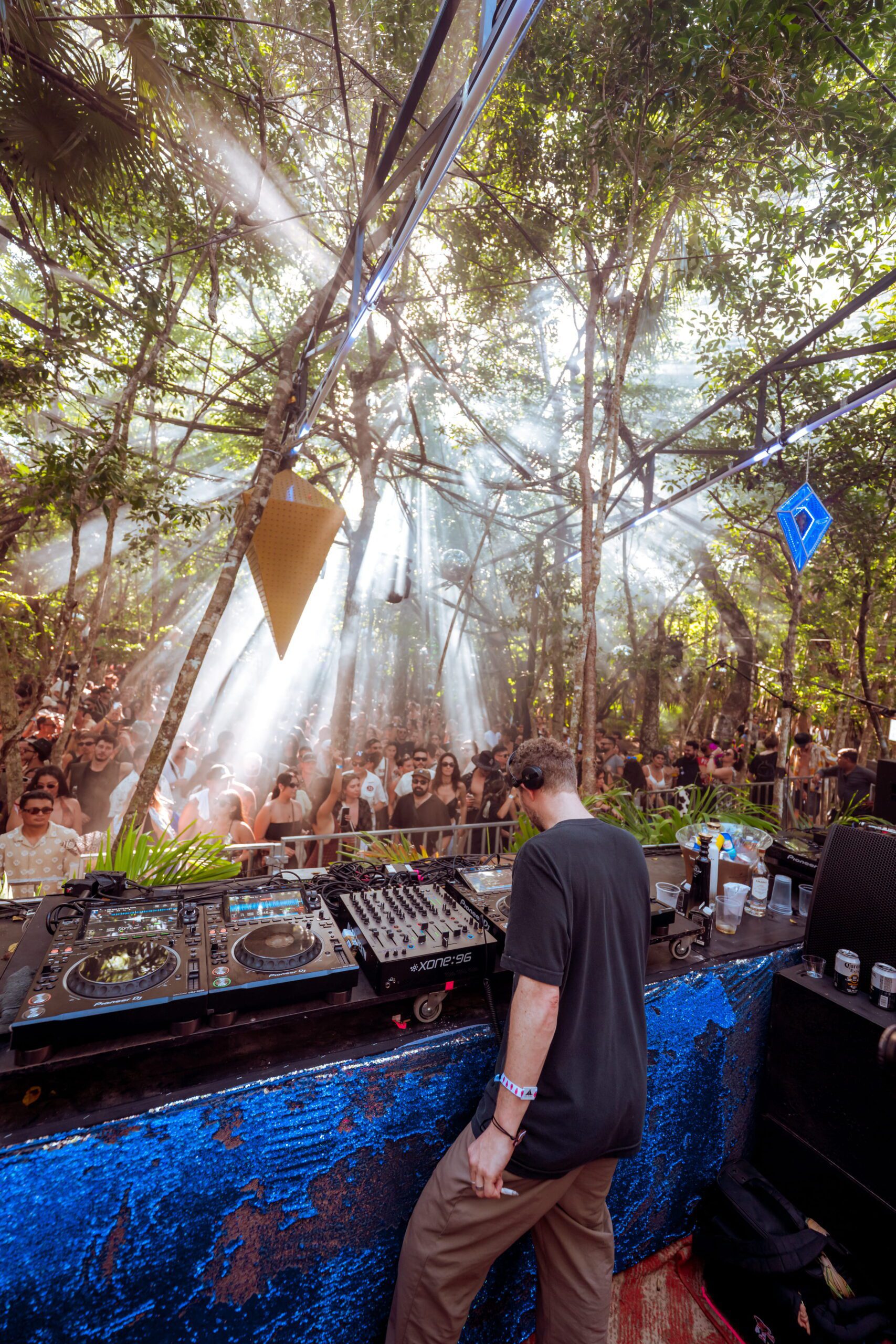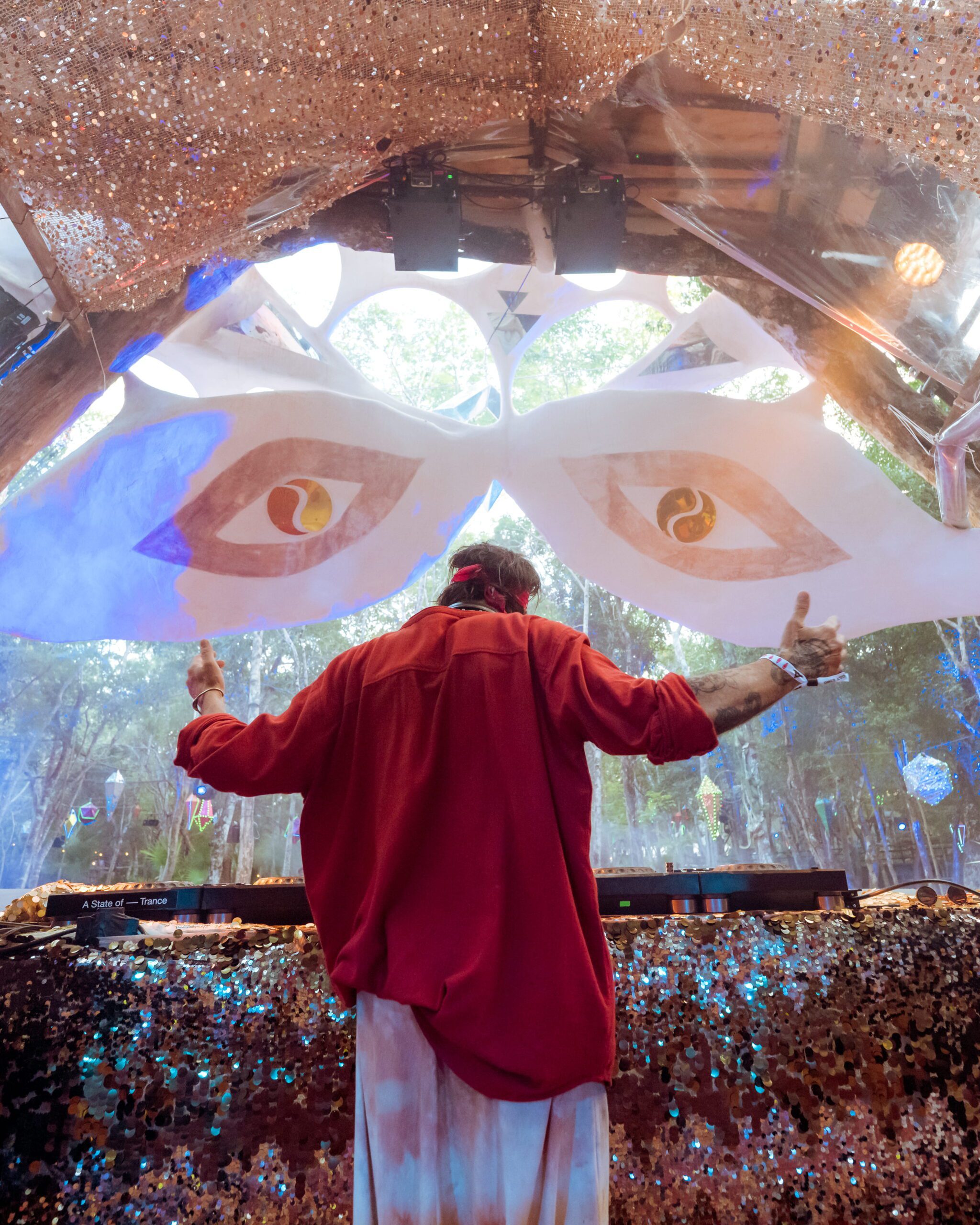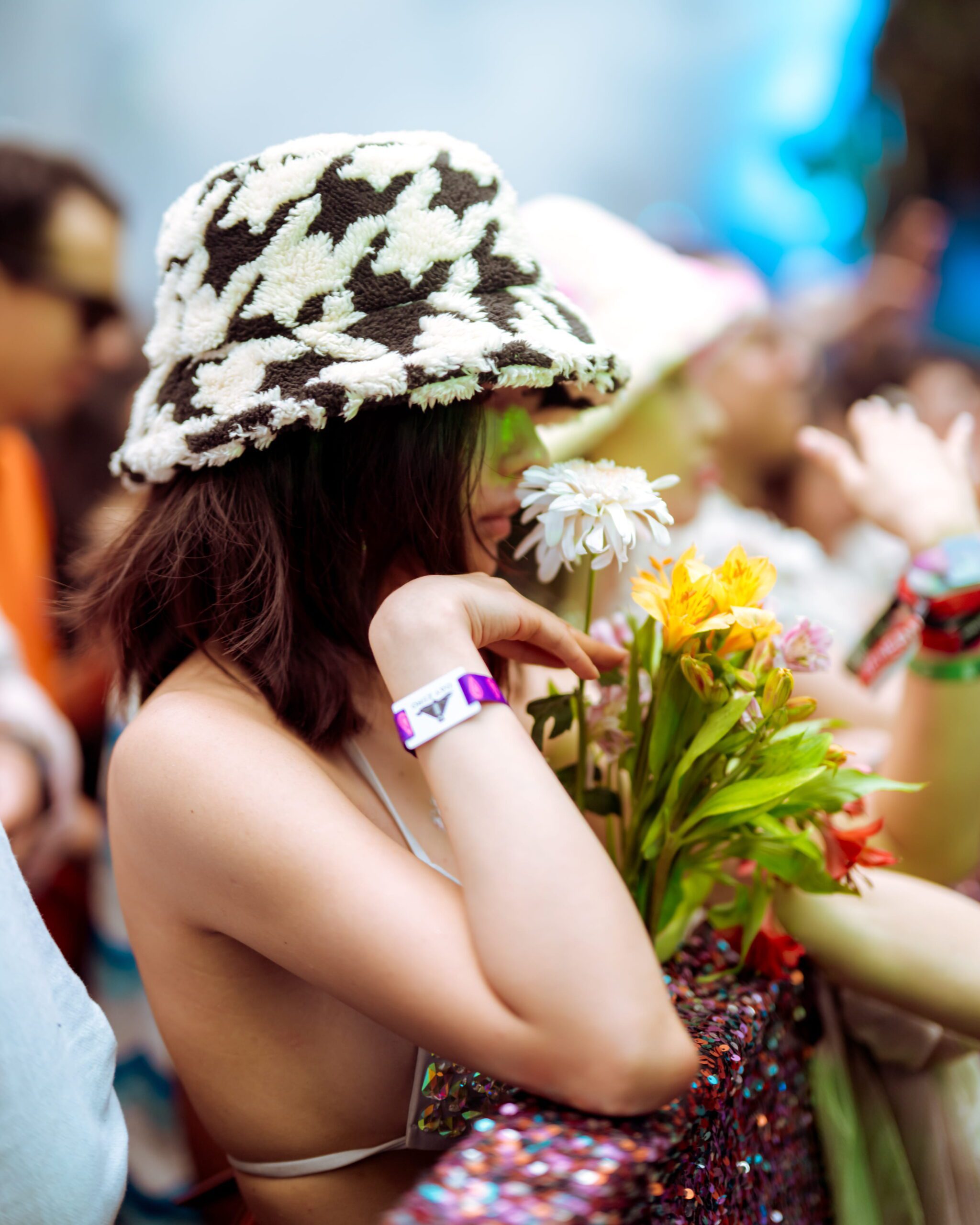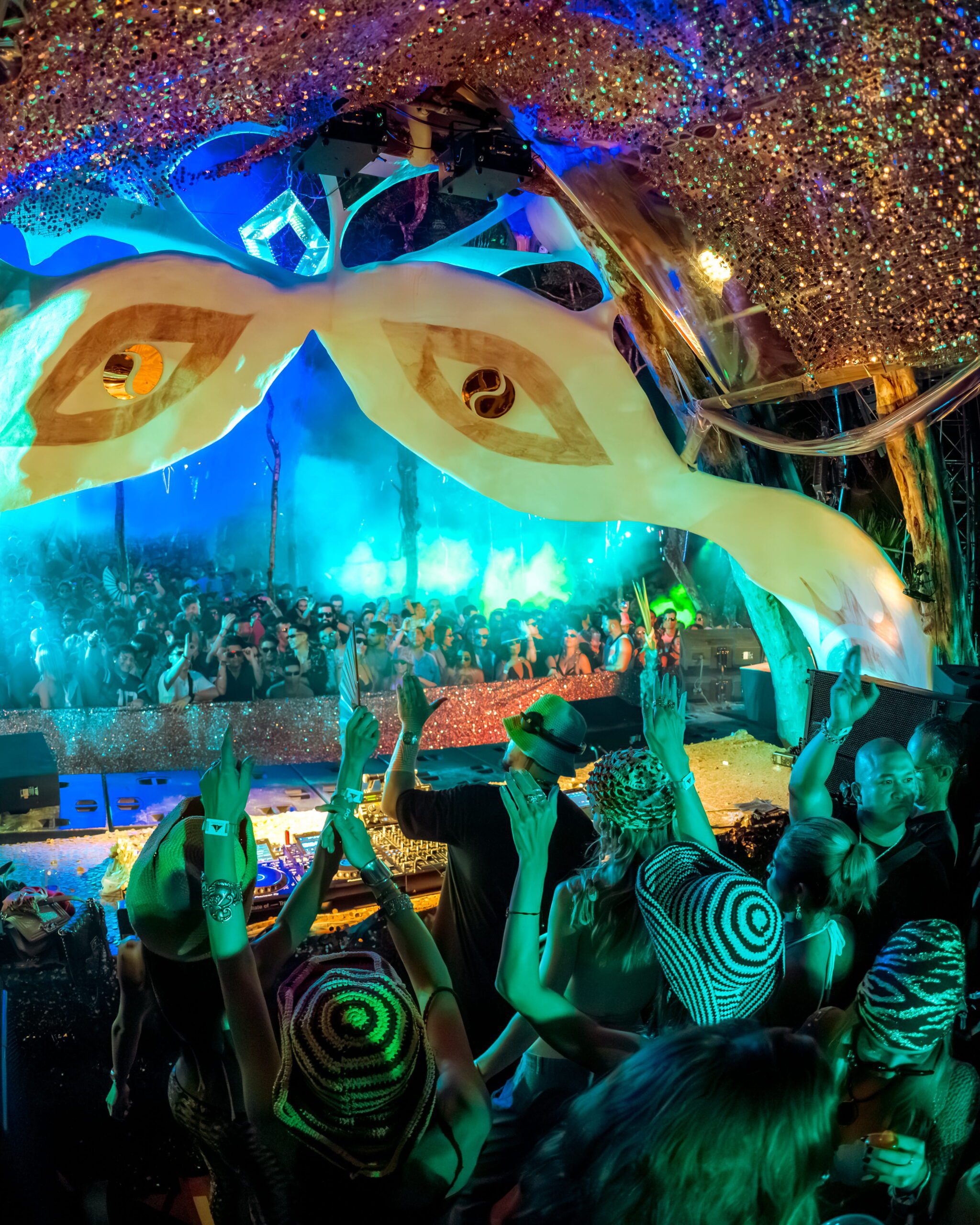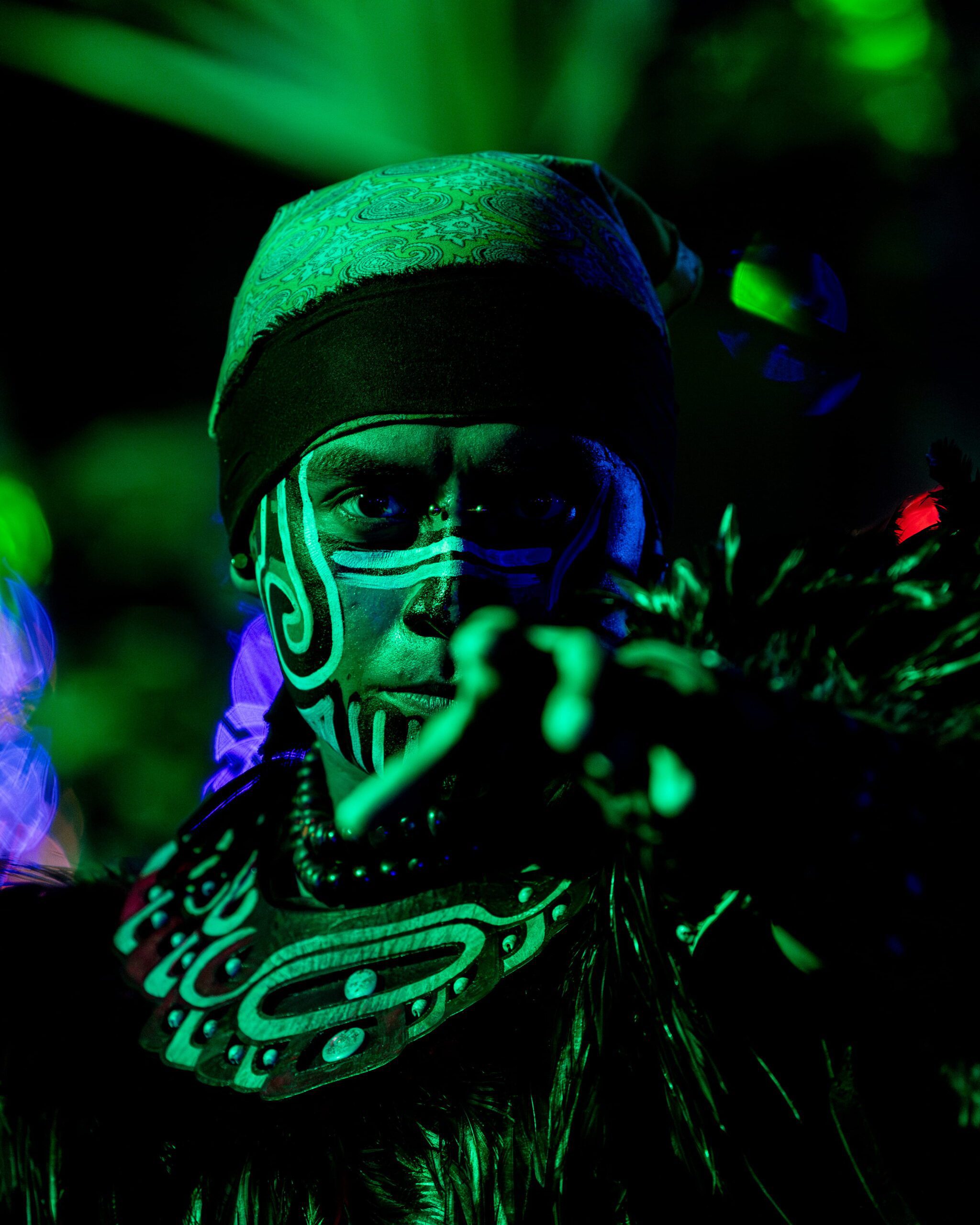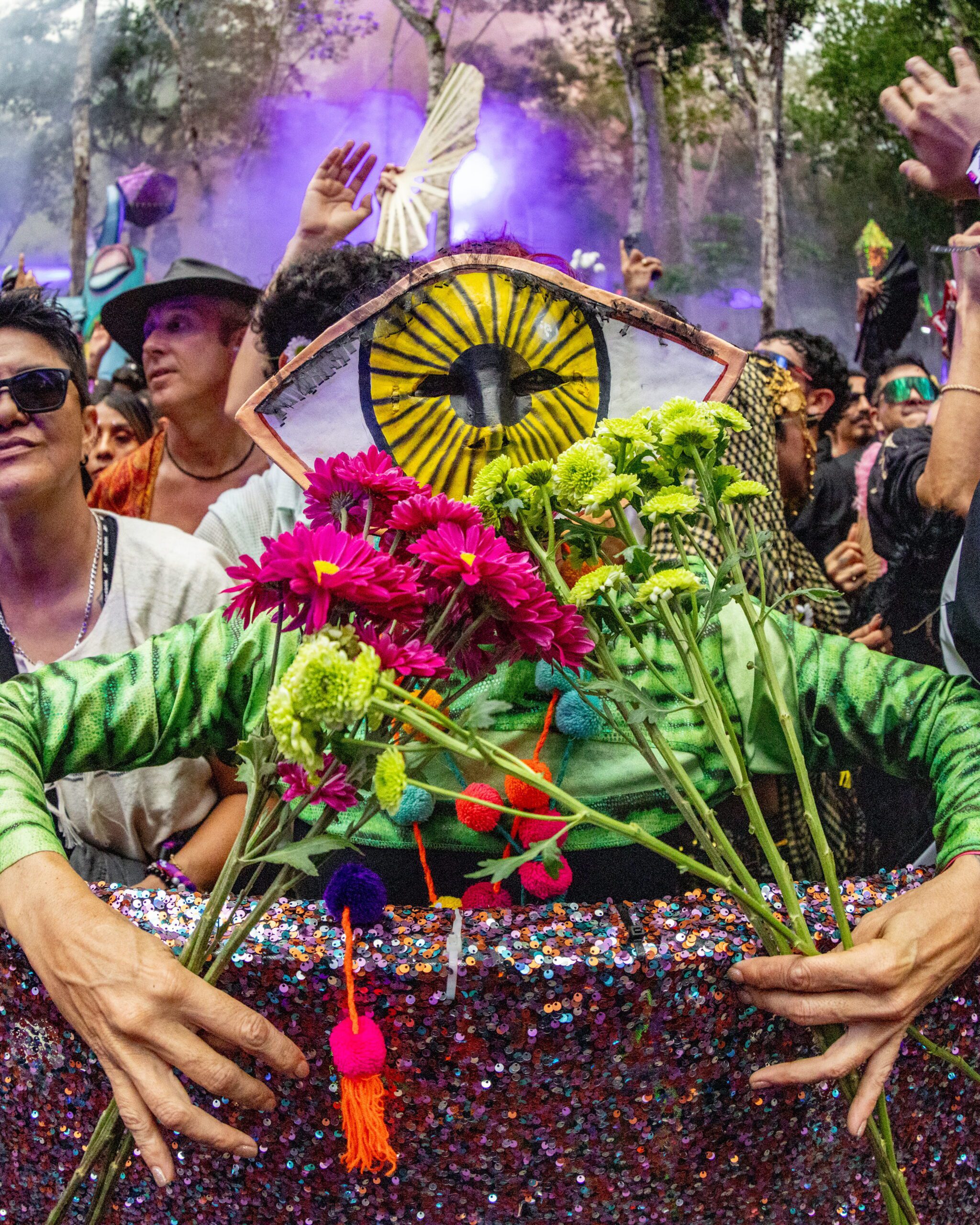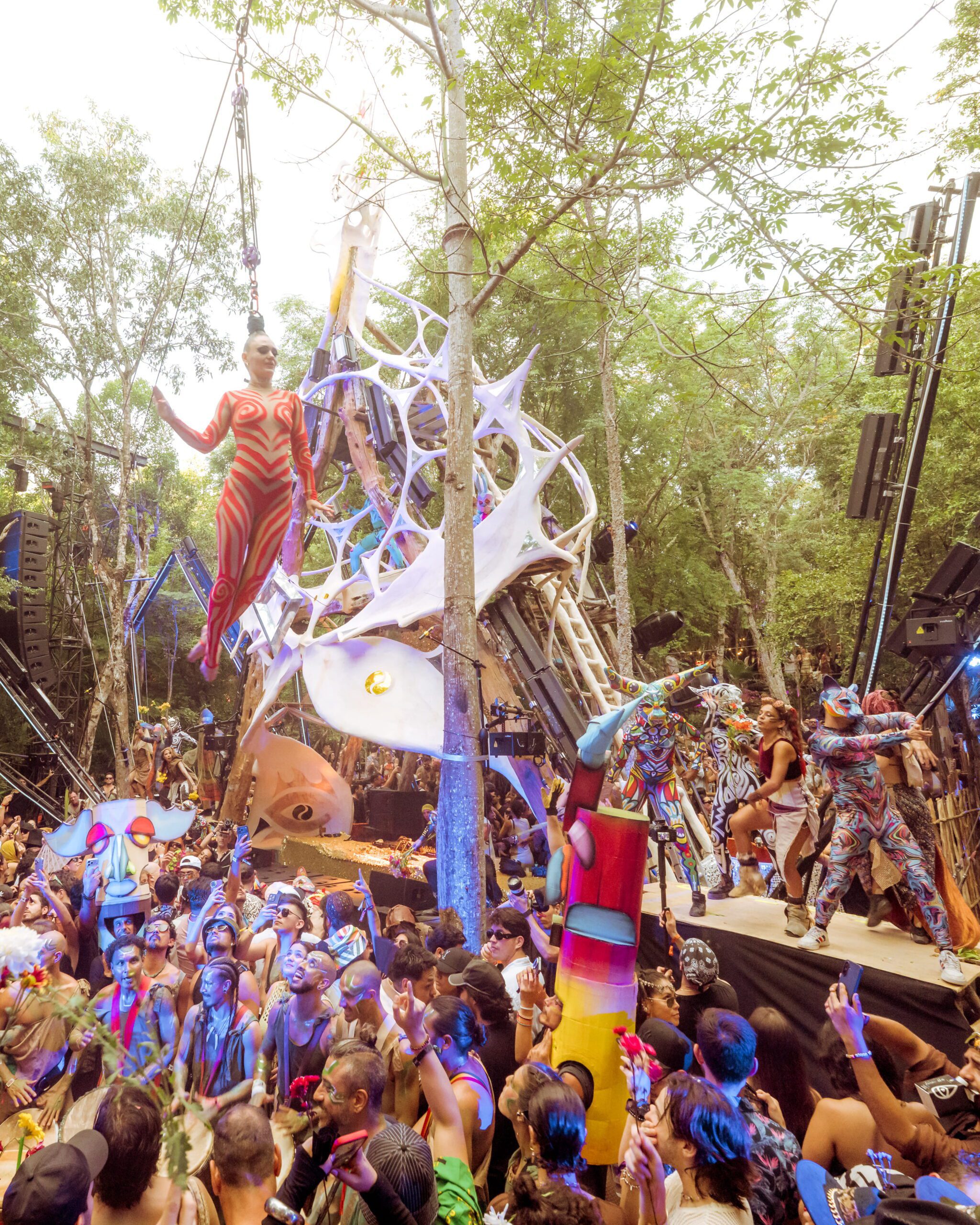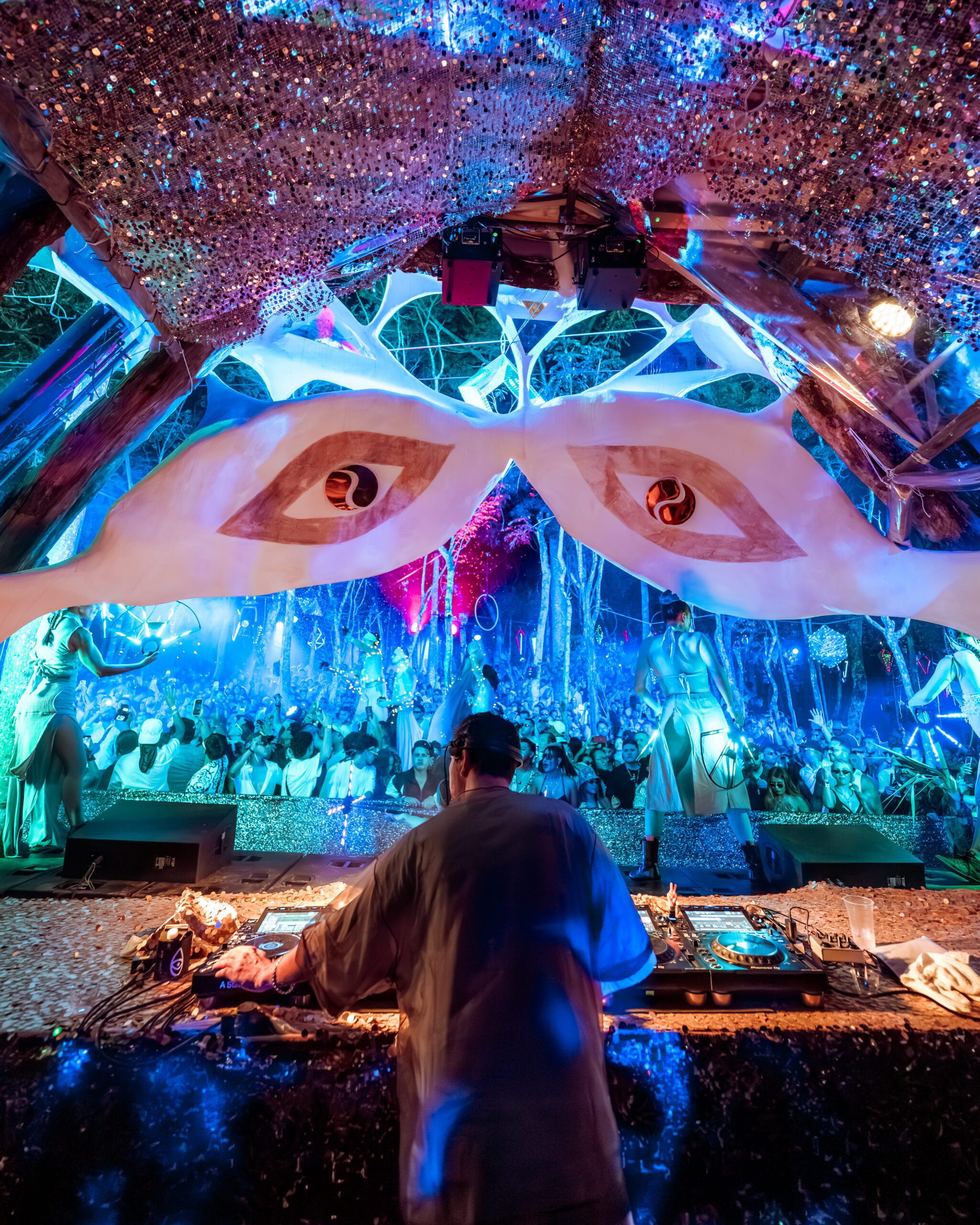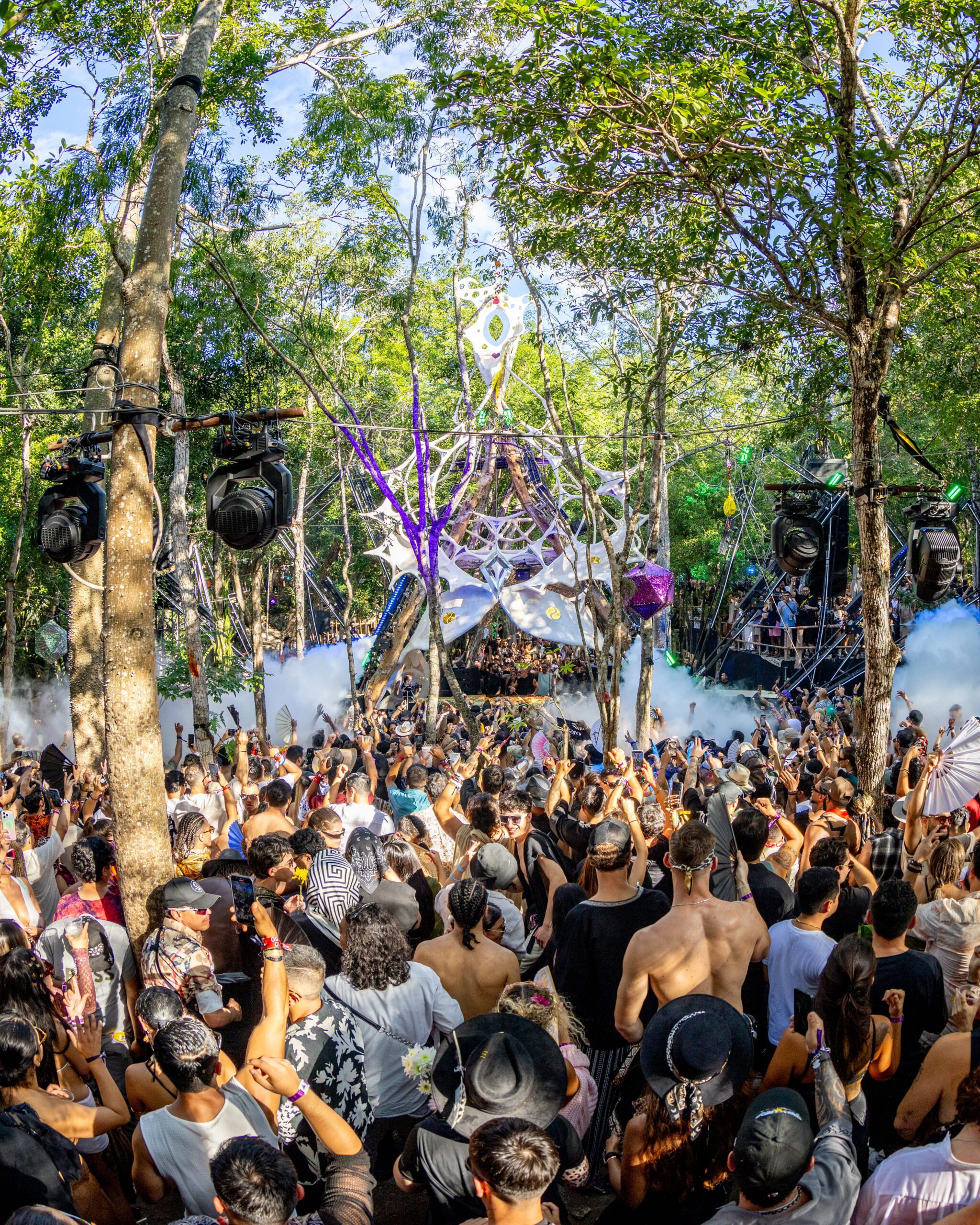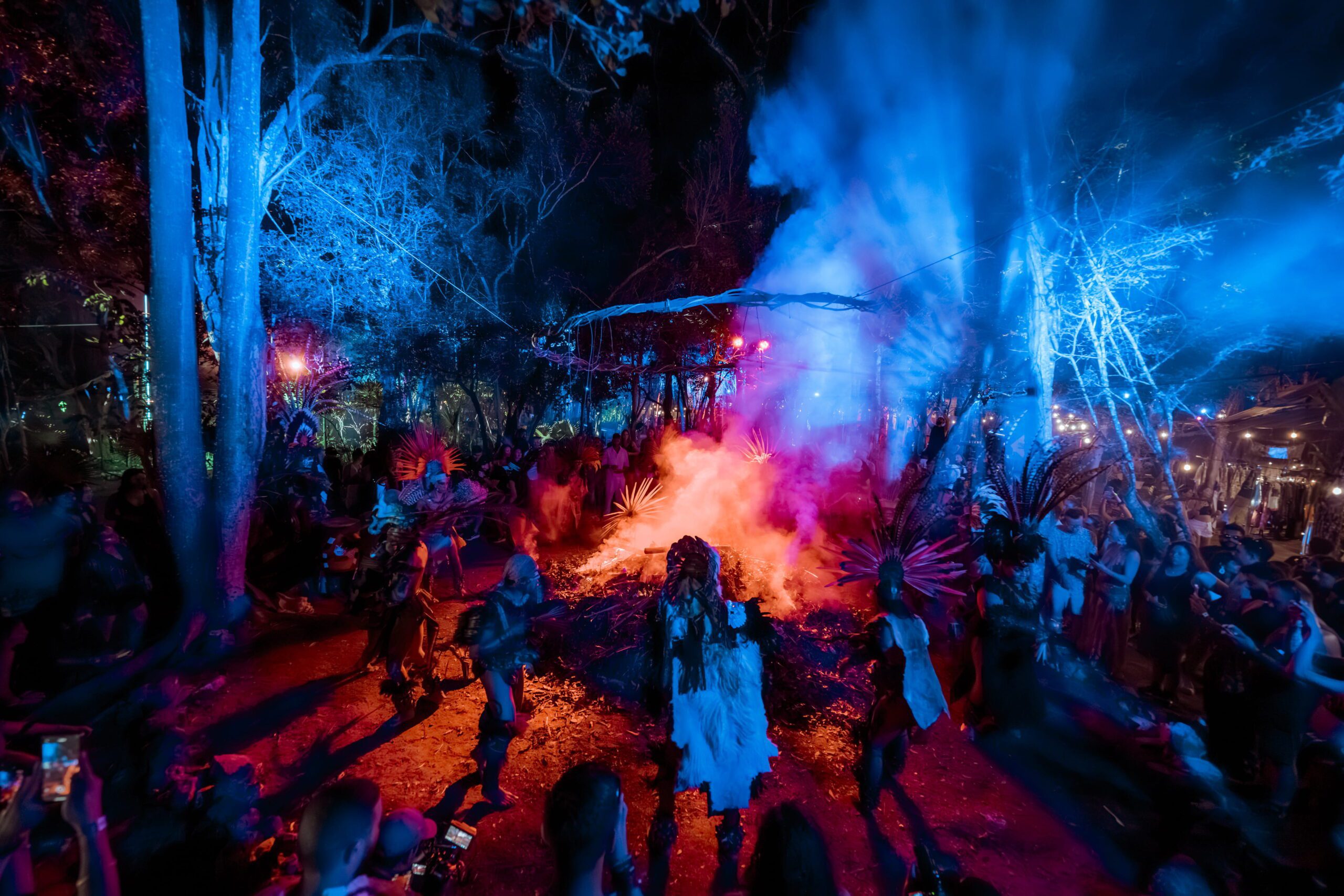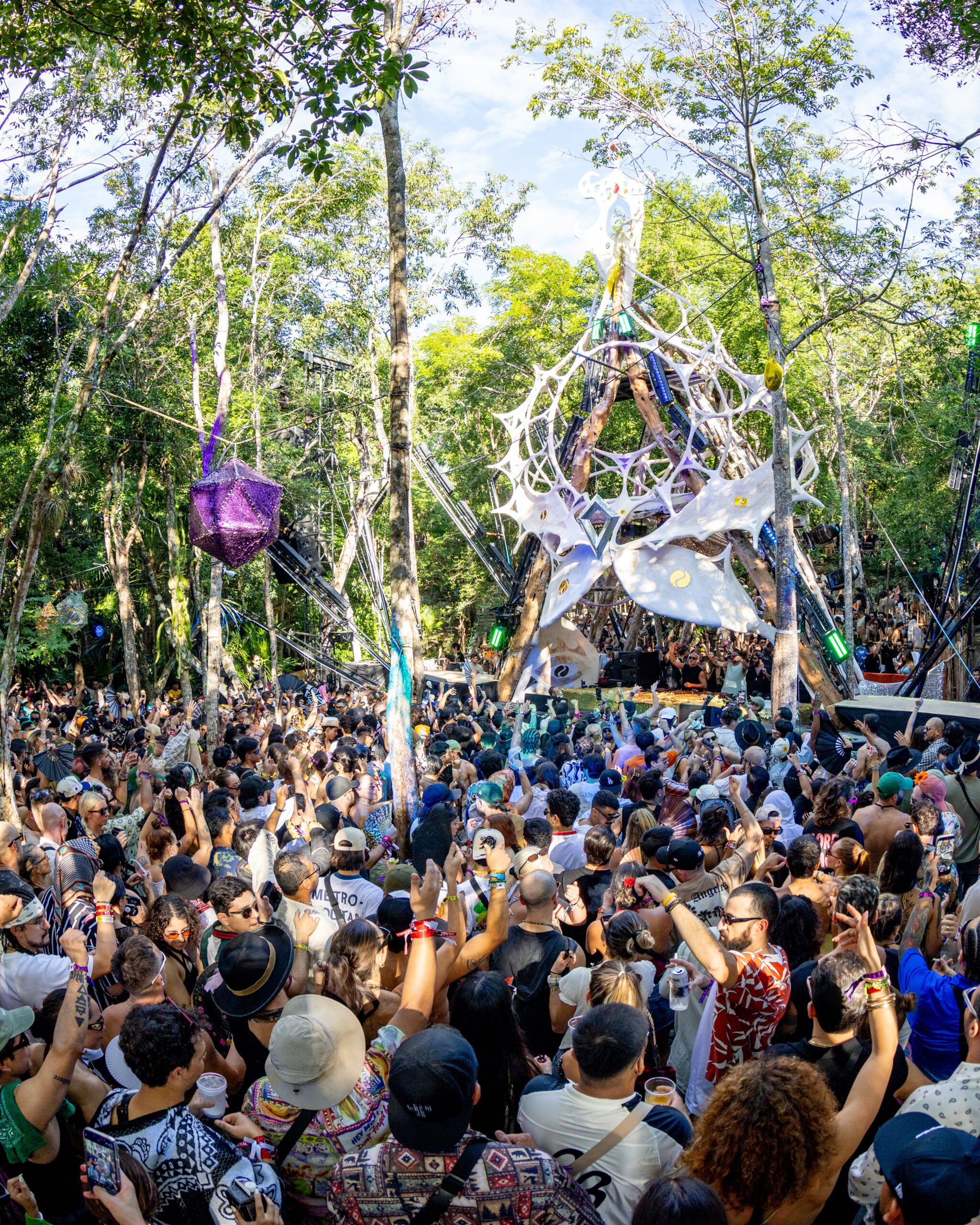
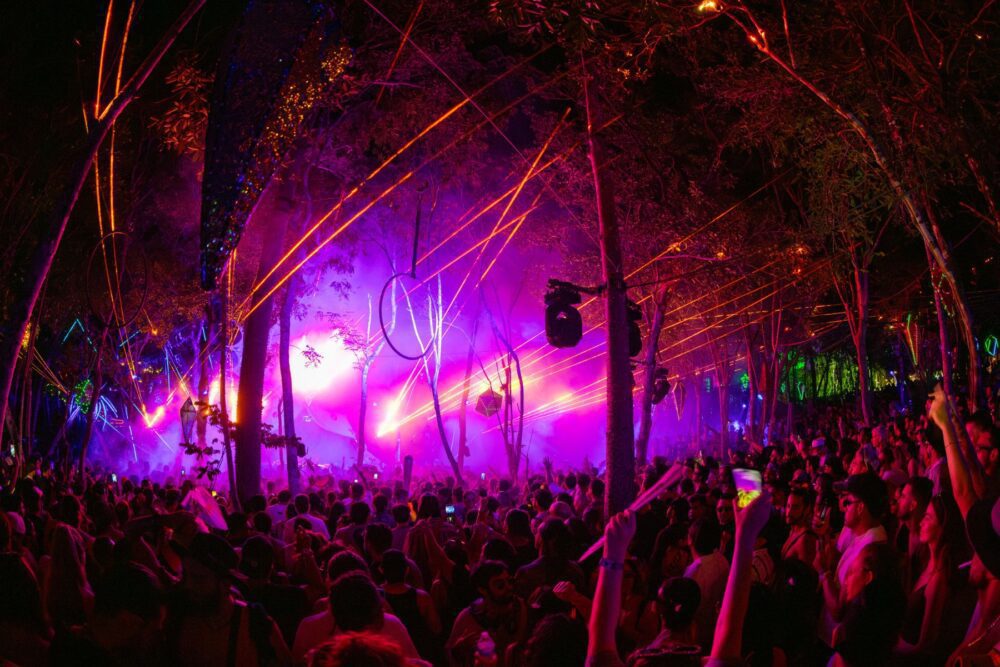
Day Zero is not a place you casually arrive at. It is an entry point. You show up with regular festival habits: pace, shortcuts, quick resets. The jungle negotiates them away. The terrain slows you down. The humidity keeps you honest. The design makes it clear this is built for presence, not consumption.
Photo Credit: Alive Coverage
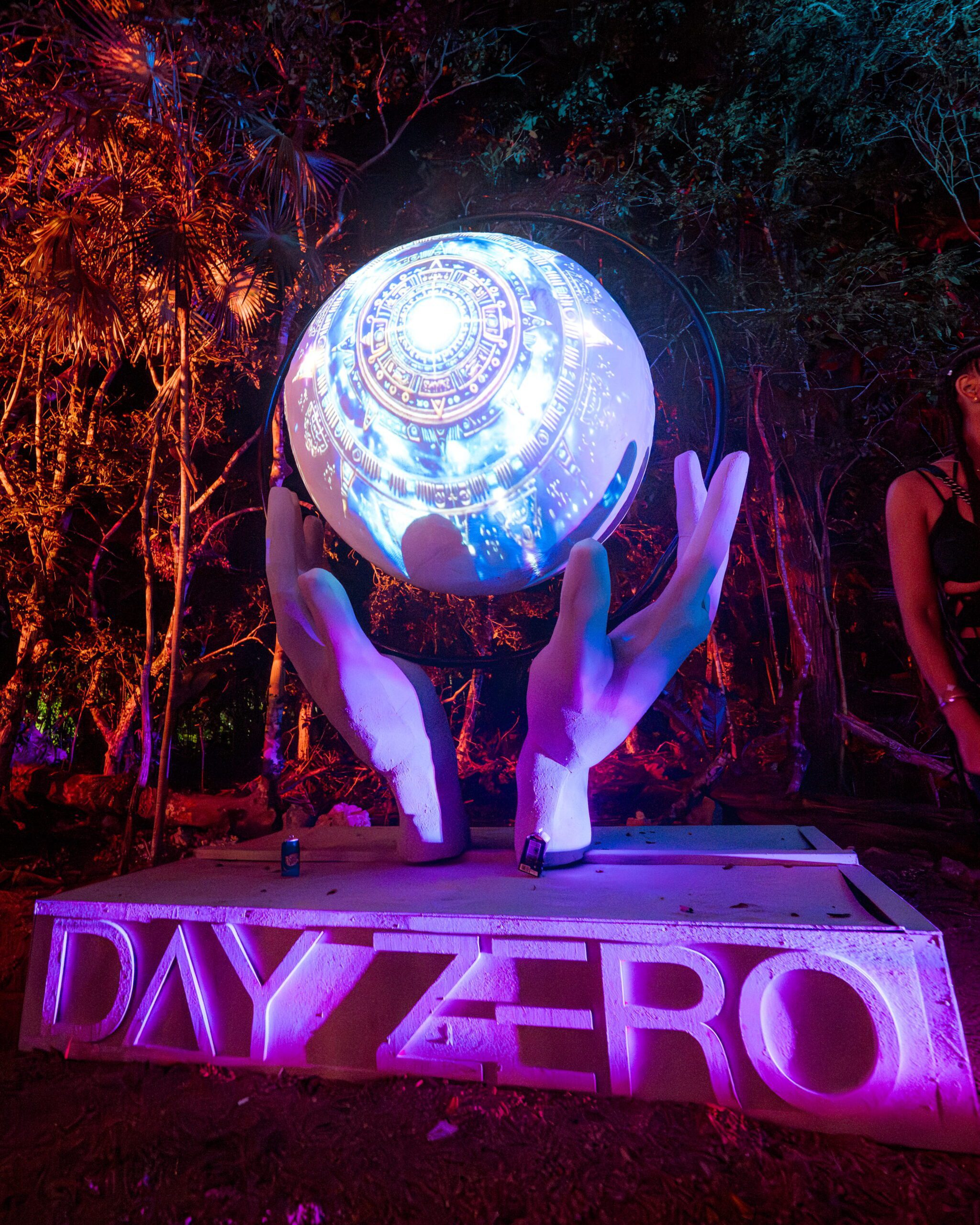
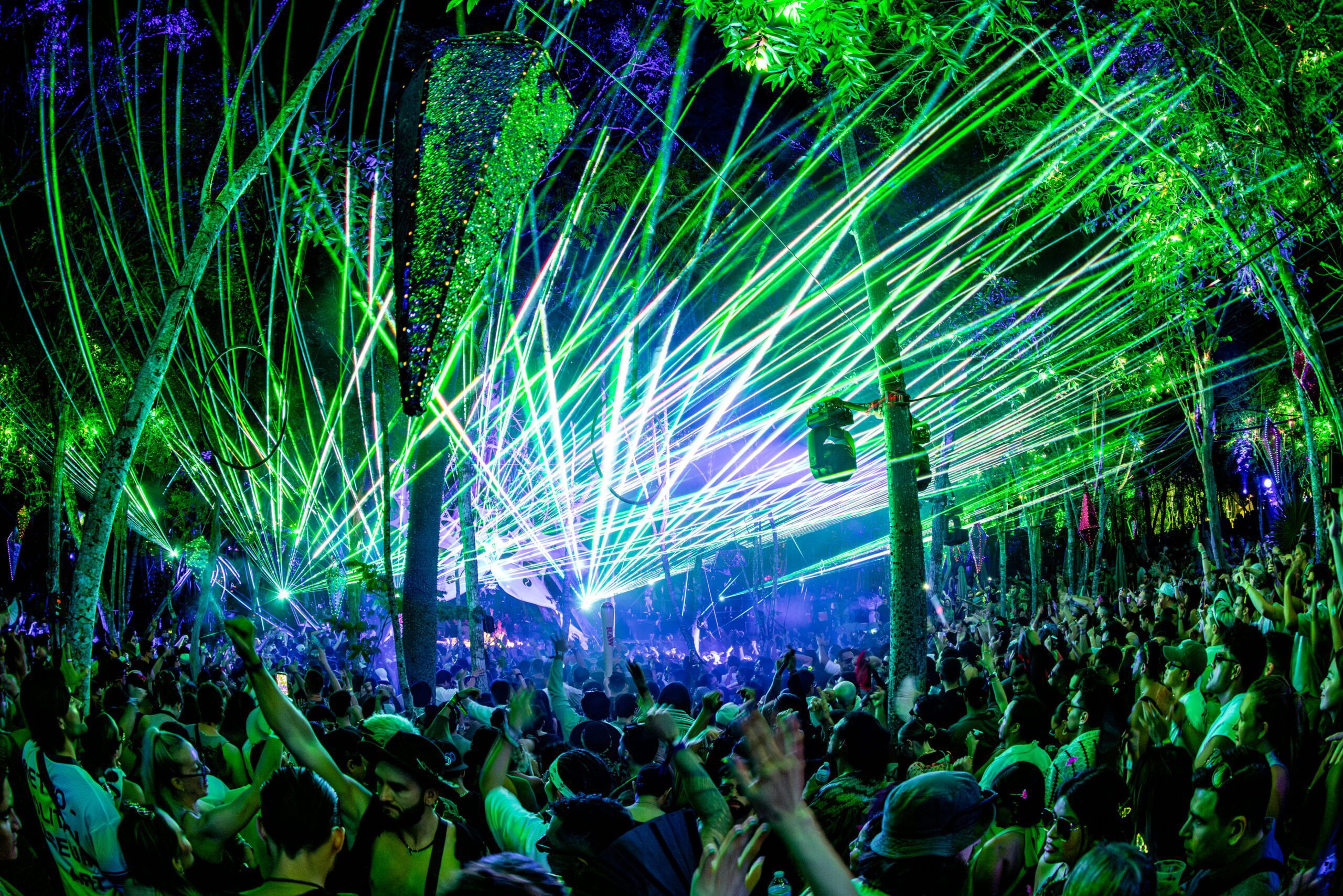
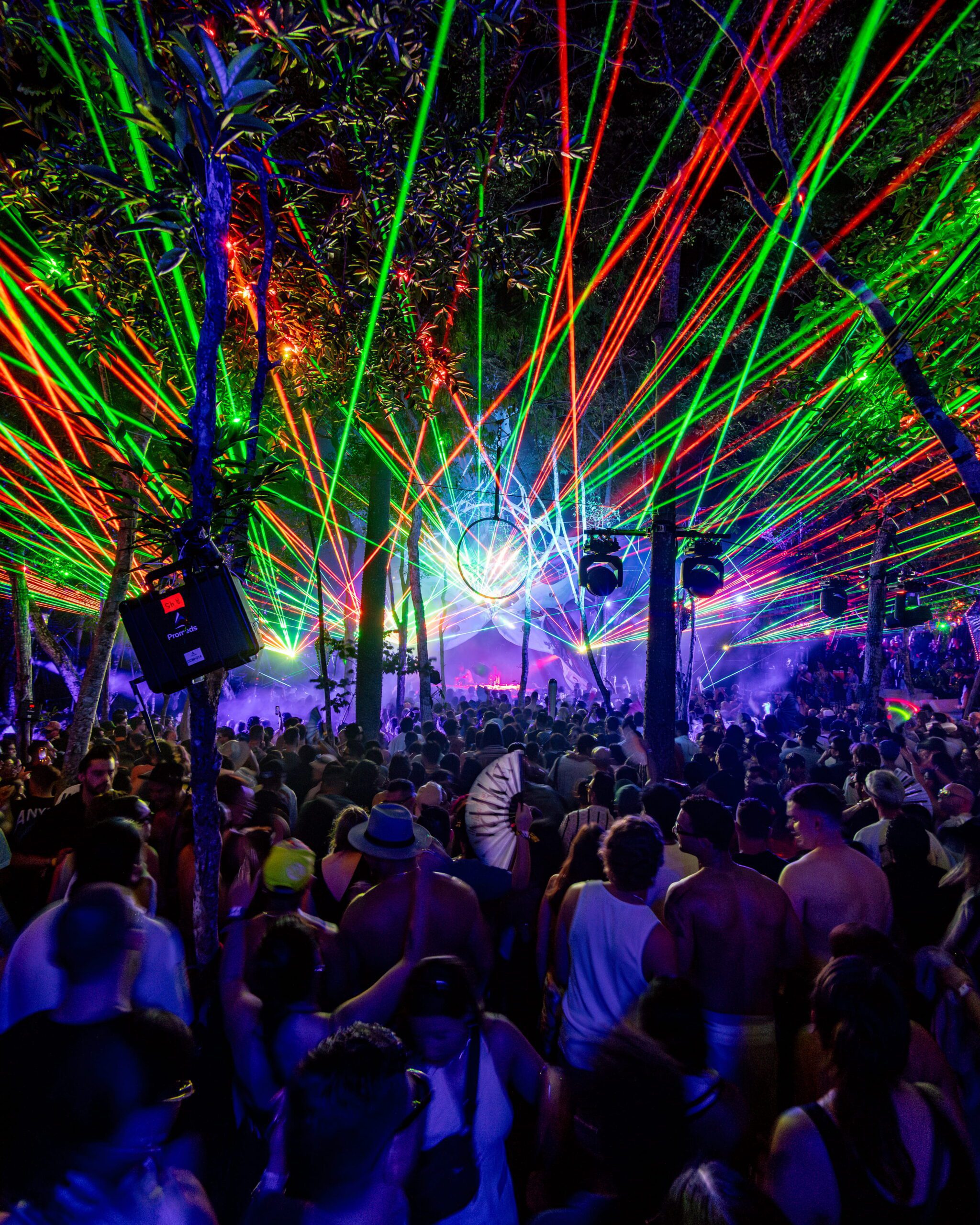
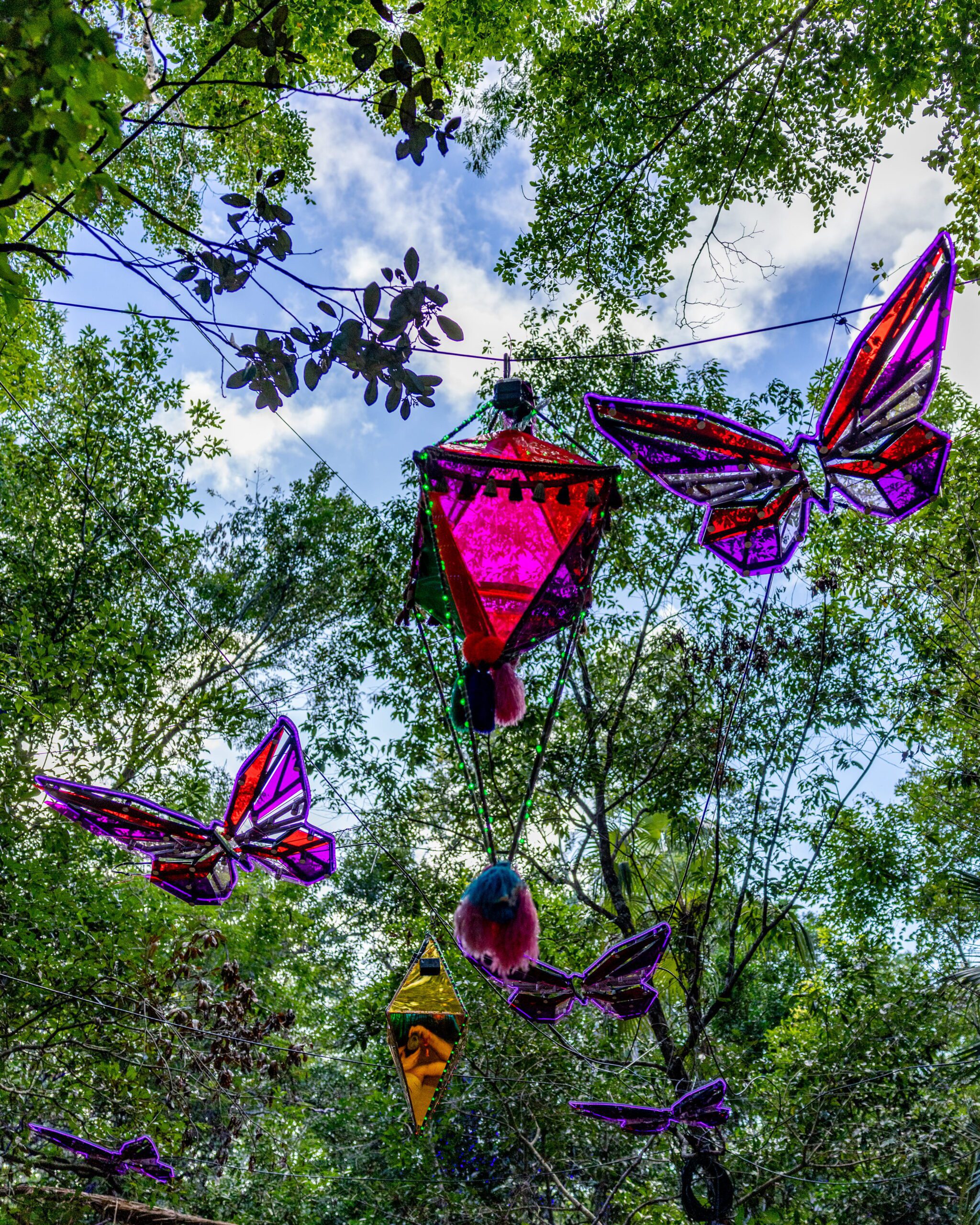
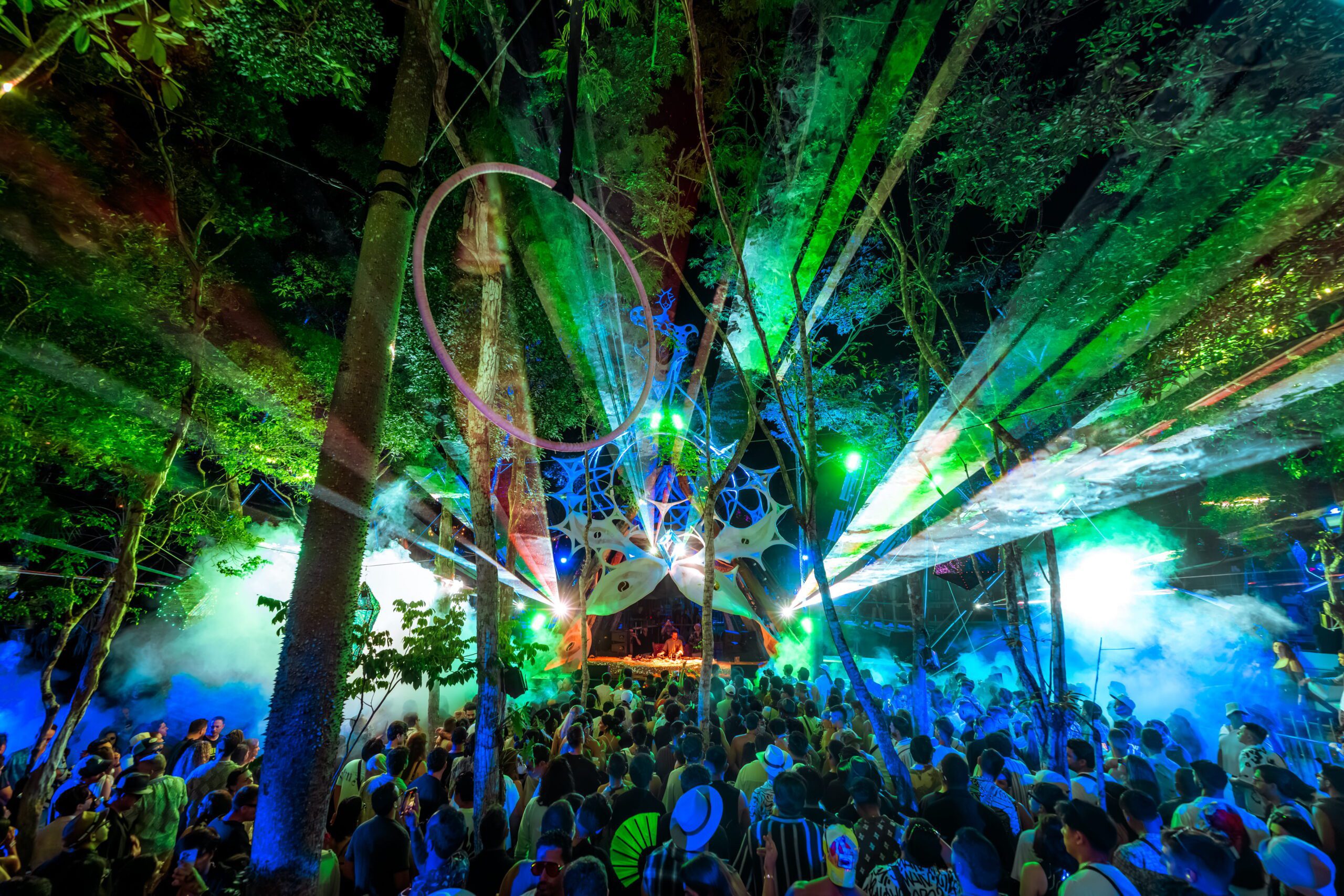
What hits first is the way Day Zero uses nature as a collaborator. Lighting does not fight the canopy. It threads through it. Paths feel like corridors rather than walkways, and the sound does not sit on top of the environment. It lives inside it. Before you even reach a stage, the intention is obvious: keep people anchored in the moment.
The festival unfolds across three distinct worlds that form a cohesive narrative.
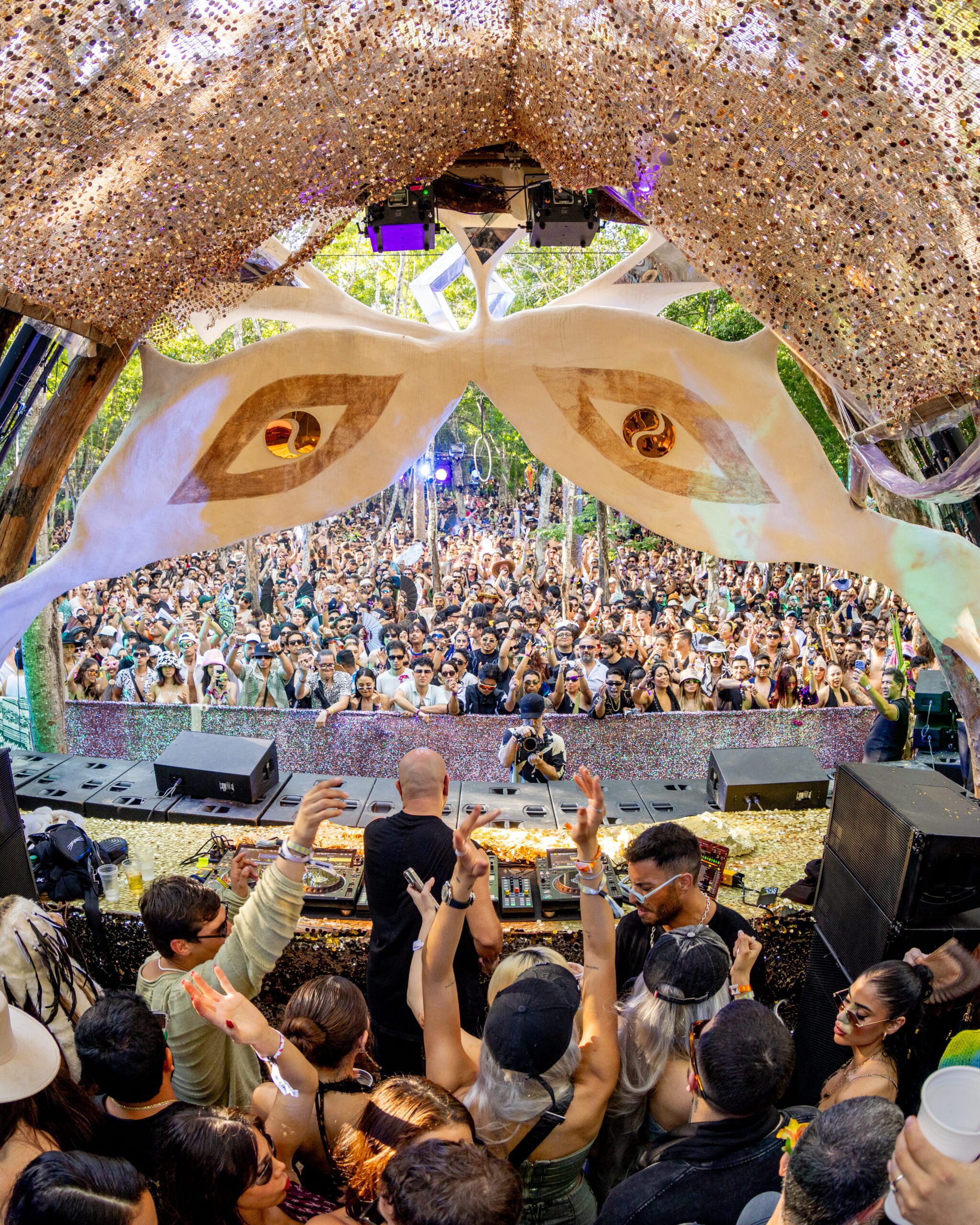
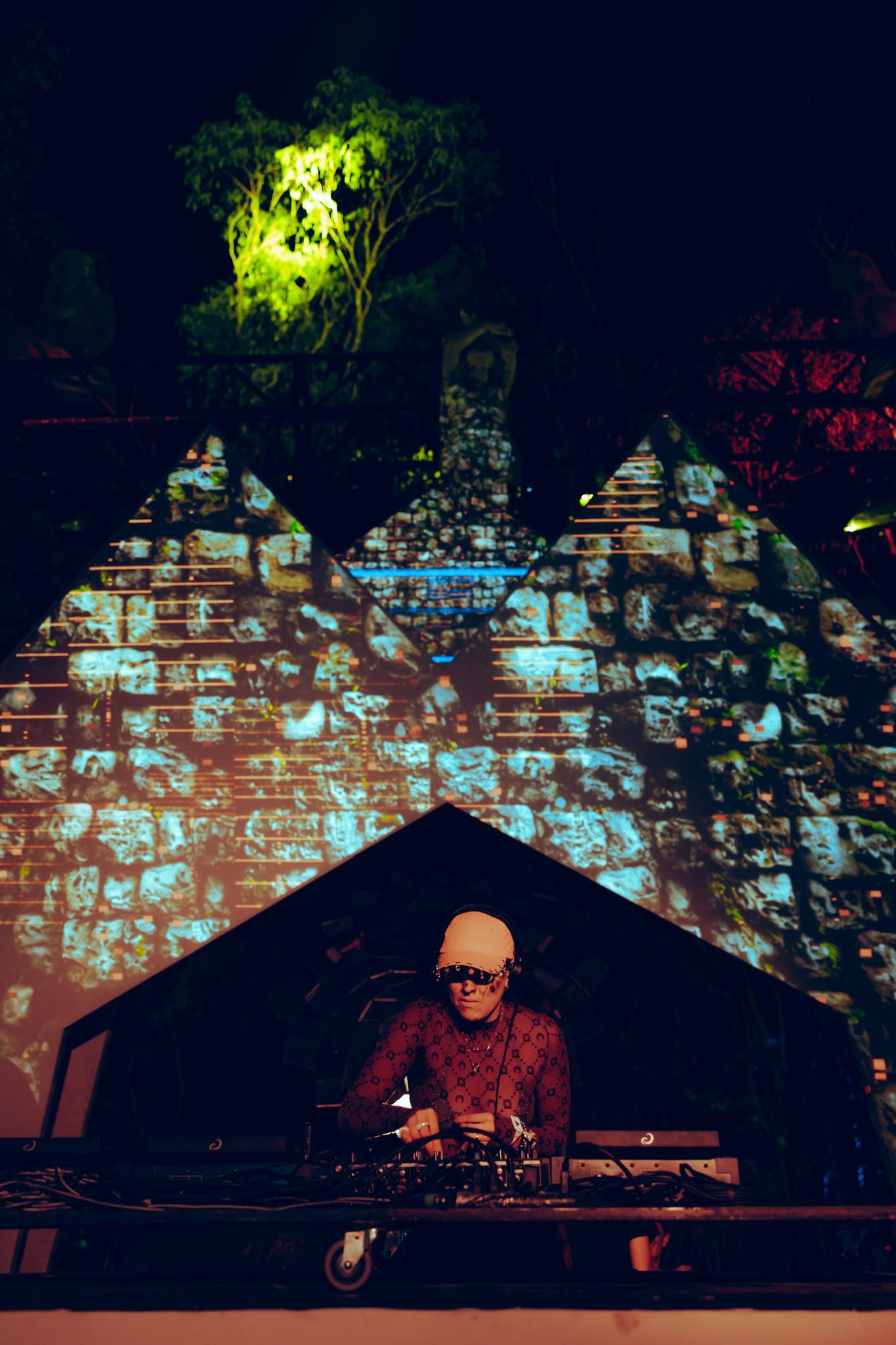
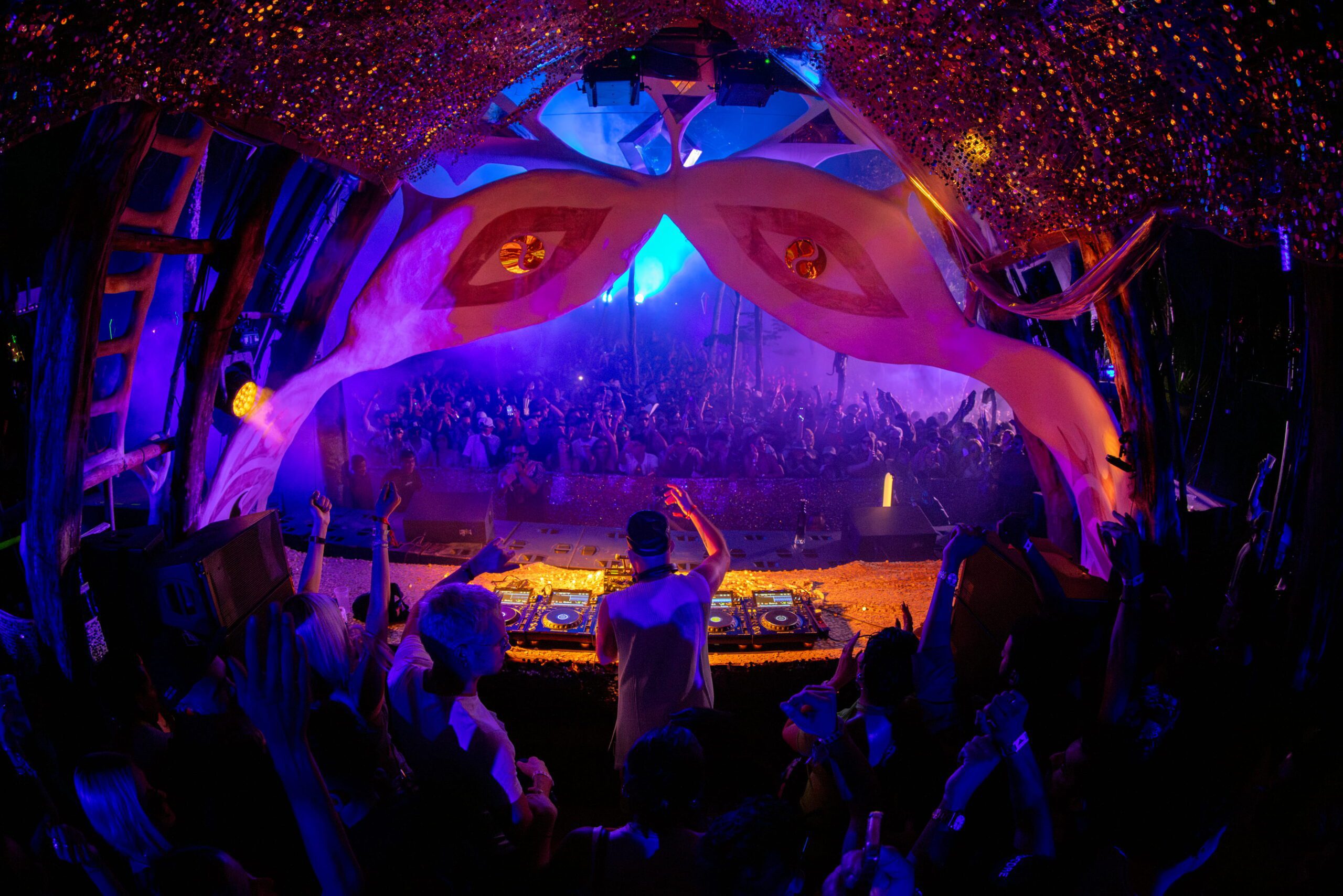
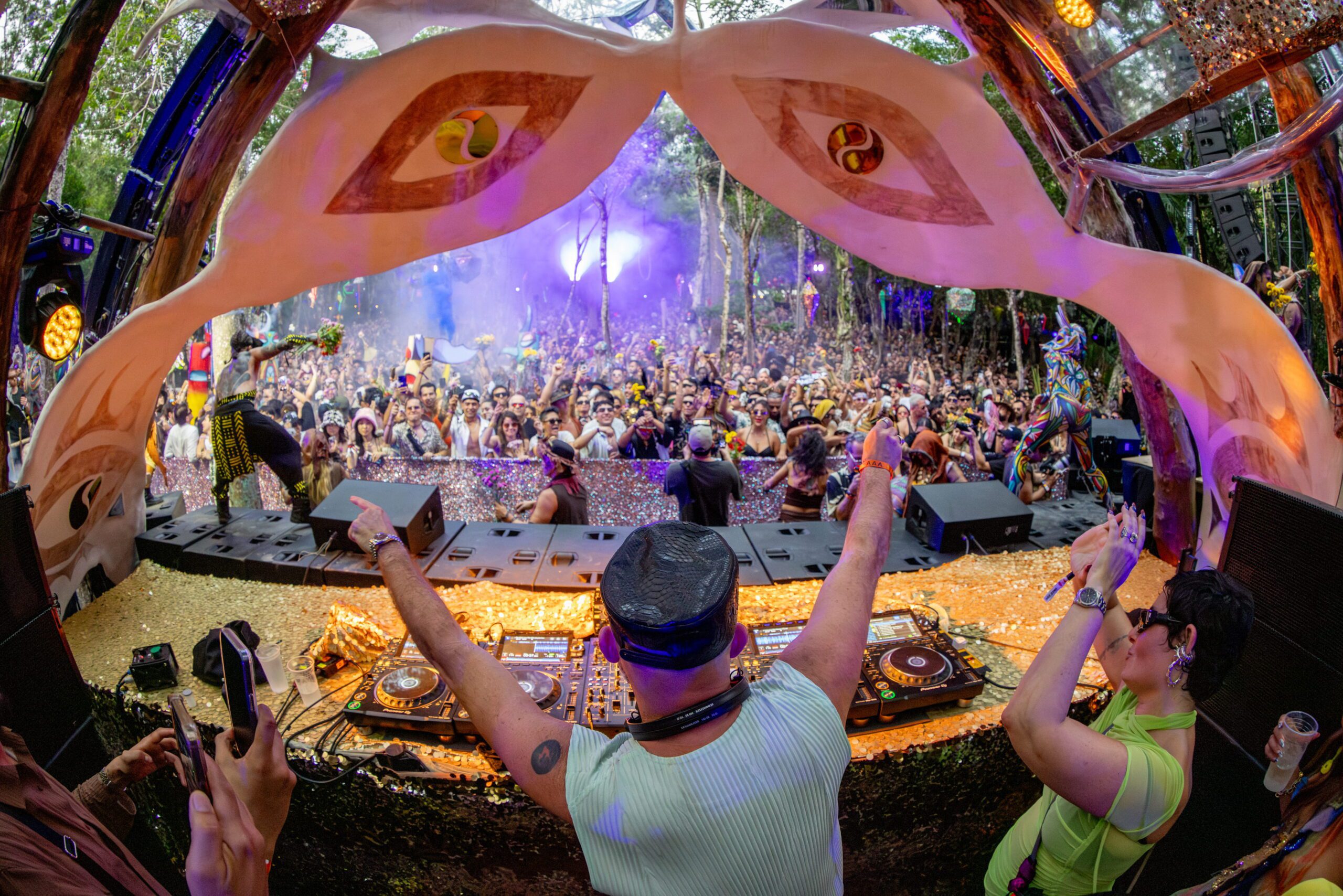
The Main Stage is the night’s backbone: wide, ceremonial, and tuned for long-form pacing. It is less about constant peaks and more about maintaining tension without forcing it. When it locks in, the crowd behaves like a single organism, and the canopy feels like a ceiling built for bass.
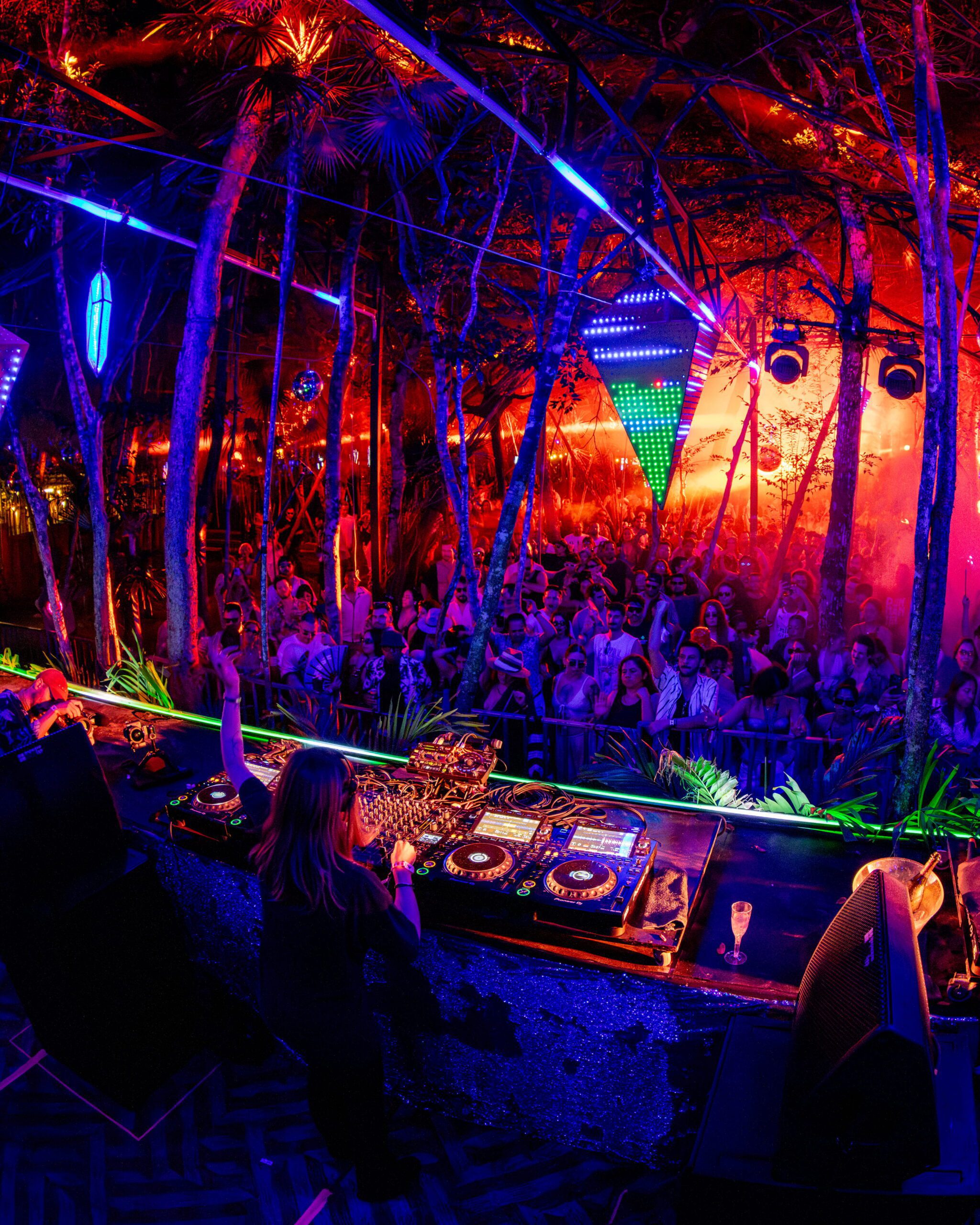
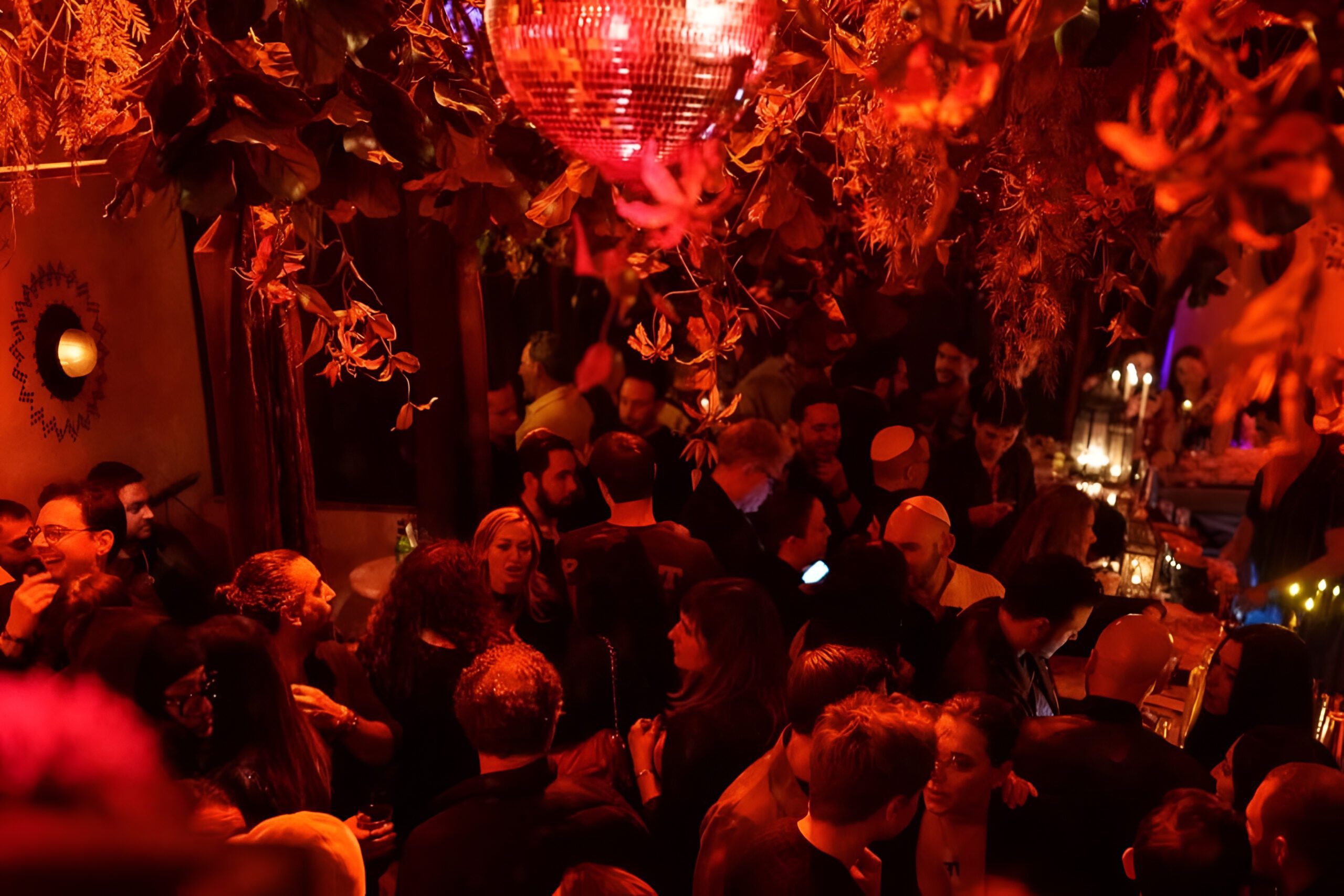
The Club Stage is the pressure point. Closer, sharper, physical. If the Main Stage is a panoramic story, the Club is a close-up: sweat, groove, momentum. Time compresses here, and the phone stays away for practical reasons. Your body is already keeping the score.
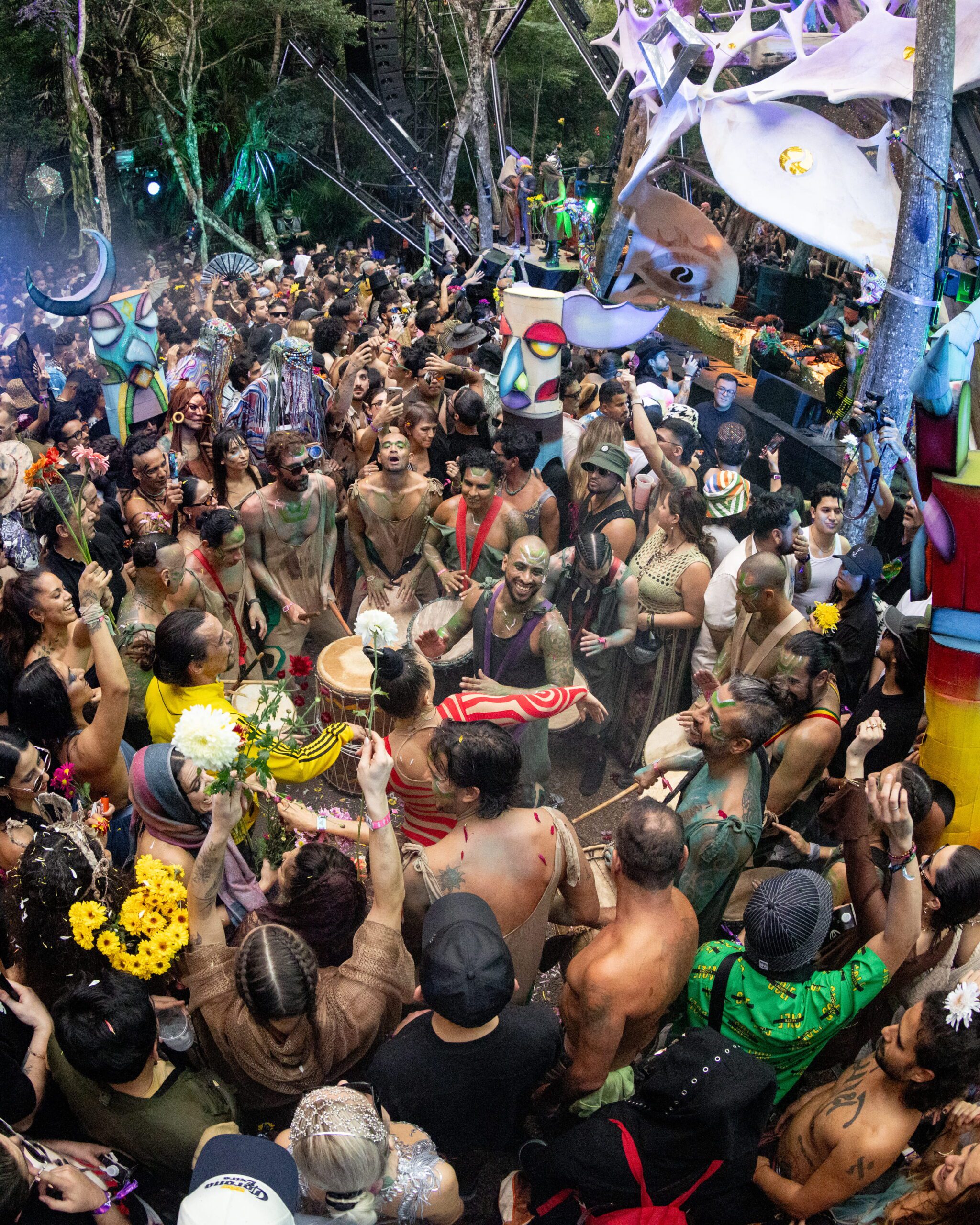
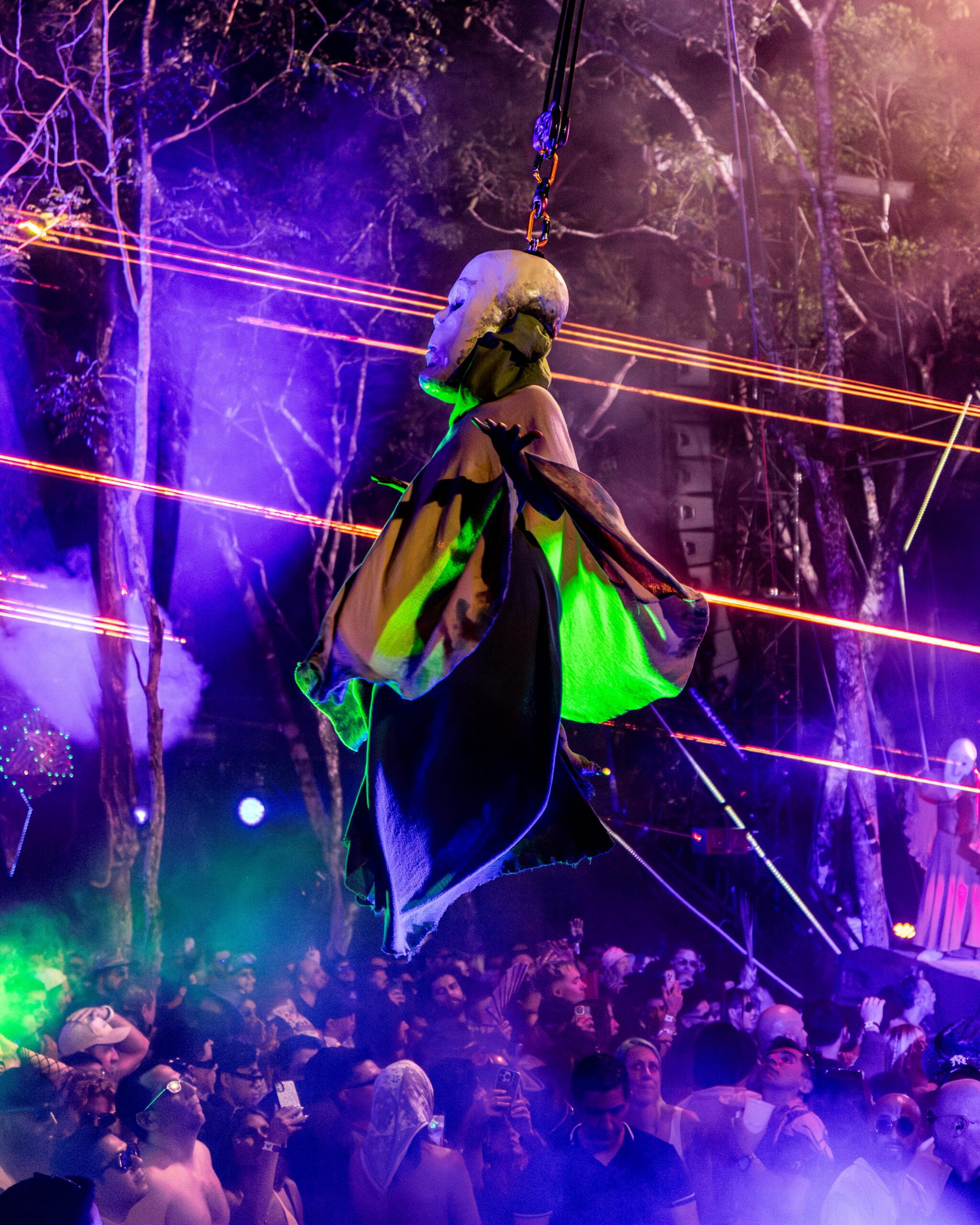
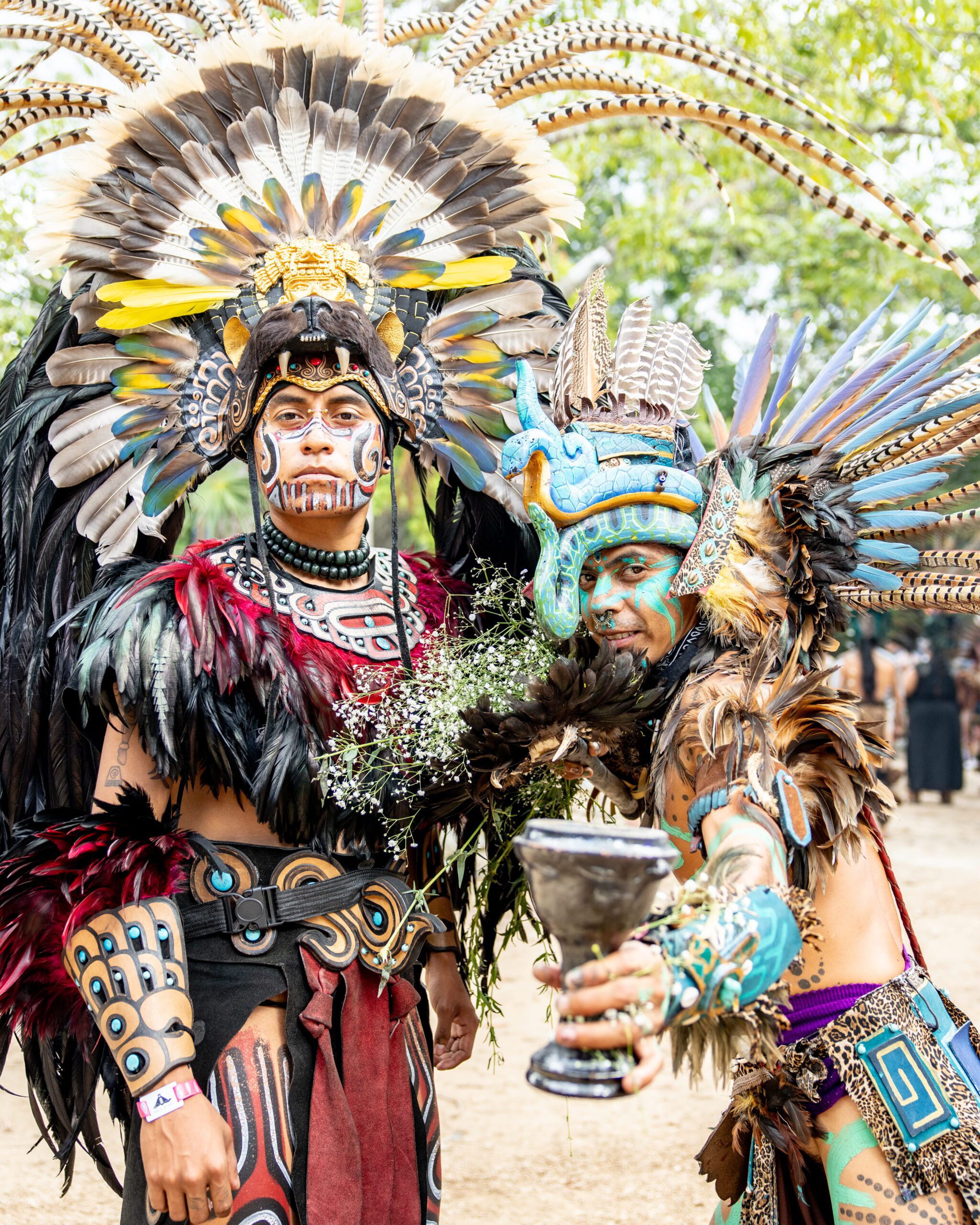
El Teatro is not an alternative room. It is a statement. Dedicated to Mexican artists, it carries the festival’s local heartbeat without being framed as a side quest. The energy changes the moment you step into its orbit: people listen harder, risk feels welcome, and live elements add texture that shifts the emotional palette.
This year’s lineup made that three-stage logic feel alive in a narrative sense. Not as a poster flex, but as a journey you could actually follow. You could move from hypnotic rollers to melodic tension to raw percussive language, and the night still felt coherent because the programming was curated with intent.
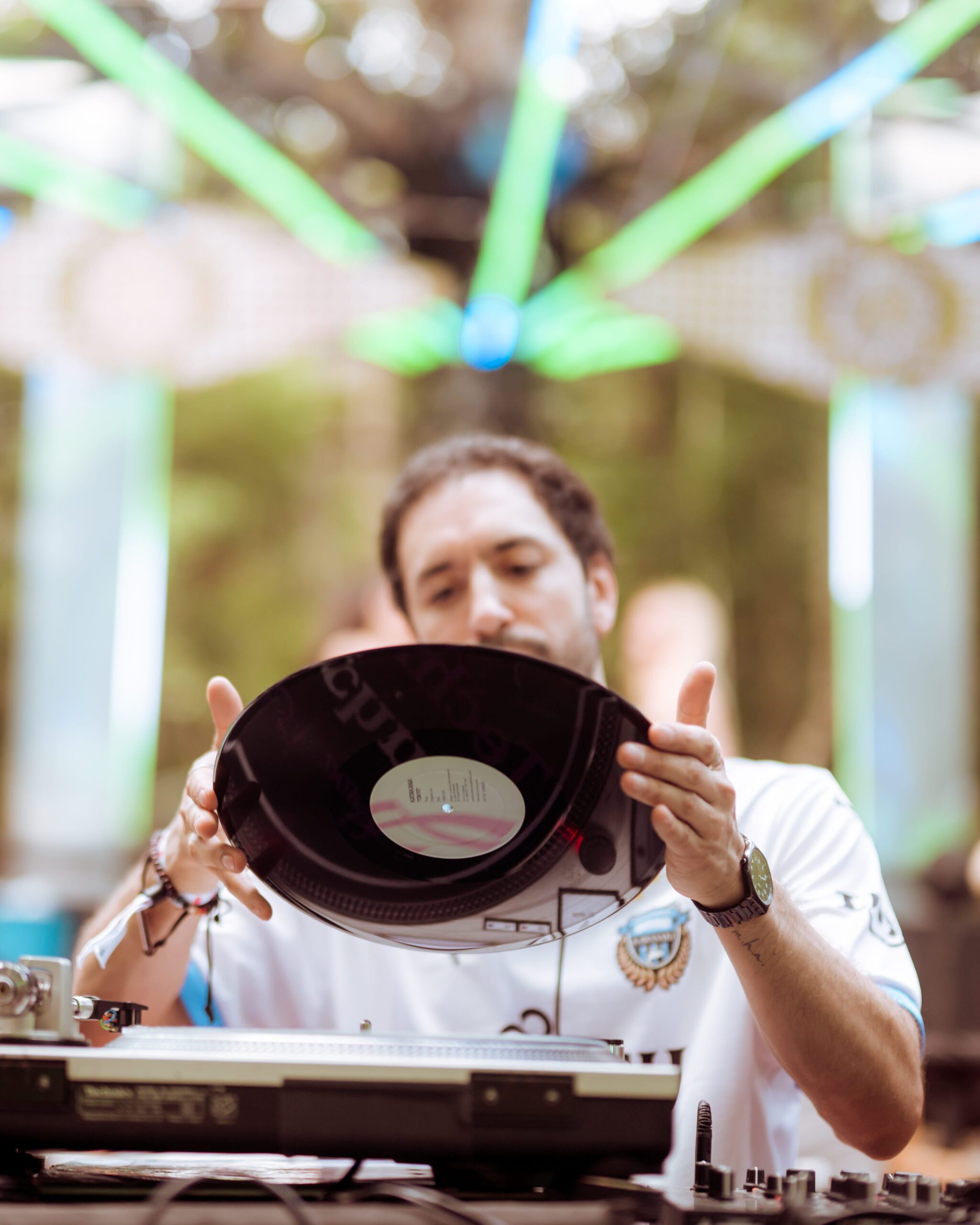
On the groove-led side, Cinthie and Traumer brought control without theatrics: tight, efficient, and addictive when the system is tuned right. Perel leaned into nocturnal confidence, the kind of set that keeps you stepping forward without asking permission. Seth Troxler turned personality into propulsion, keeping the room on the edge of playful disorder. Mau P delivered modern drive that cut through humidity: direct, high velocity, built to reset energy when legs are already bargaining.
Then came the left field colors, the sets that make Day Zero feel like more than good DJing. Superpitcher pulled people into the strange corners in the best way, with magnetism that made the floor lean in. Indo Warehouse introduced a different rhythmic vocabulary, expanding the night’s emotional range without breaking flow. Maz carried melodic weight that felt cinematic without drifting into sweetness. Silvie Loto delivered depth with discipline: proof that restraint can hit hardest when the crowd is ready for it.
El Teatro, meanwhile, ran its own storyline inside the bigger one. Live projects and local selectors did not just represent. They anchored. Sidartha Siliceo Project (live), Zombie Affair (live), Le President (live), Rigopolar (live), plus Maria Nocheydia, Puma, and Mental by Dramian and Rebolledo, gave the festival a sense of place that felt real. Not Tulum as branding, but Mexico as a living creative force inside the night’s DNA.
At the center, the Main Stage delivered the moments people travel for, without leaning on spectacle. Marco Carola and Damian Lazarus held the spine in two complementary languages. Carola’s authority is structural: groove with a backbone, pacing that does not flinch, a room held together by discipline. Lazarus plays like a narrator, connecting moods and people until the whole site feels threaded into one story. When their energies converged, it did not land as a stunt. It felt like the festival revealing its philosophy: engine and myth moving toward the same horizon.
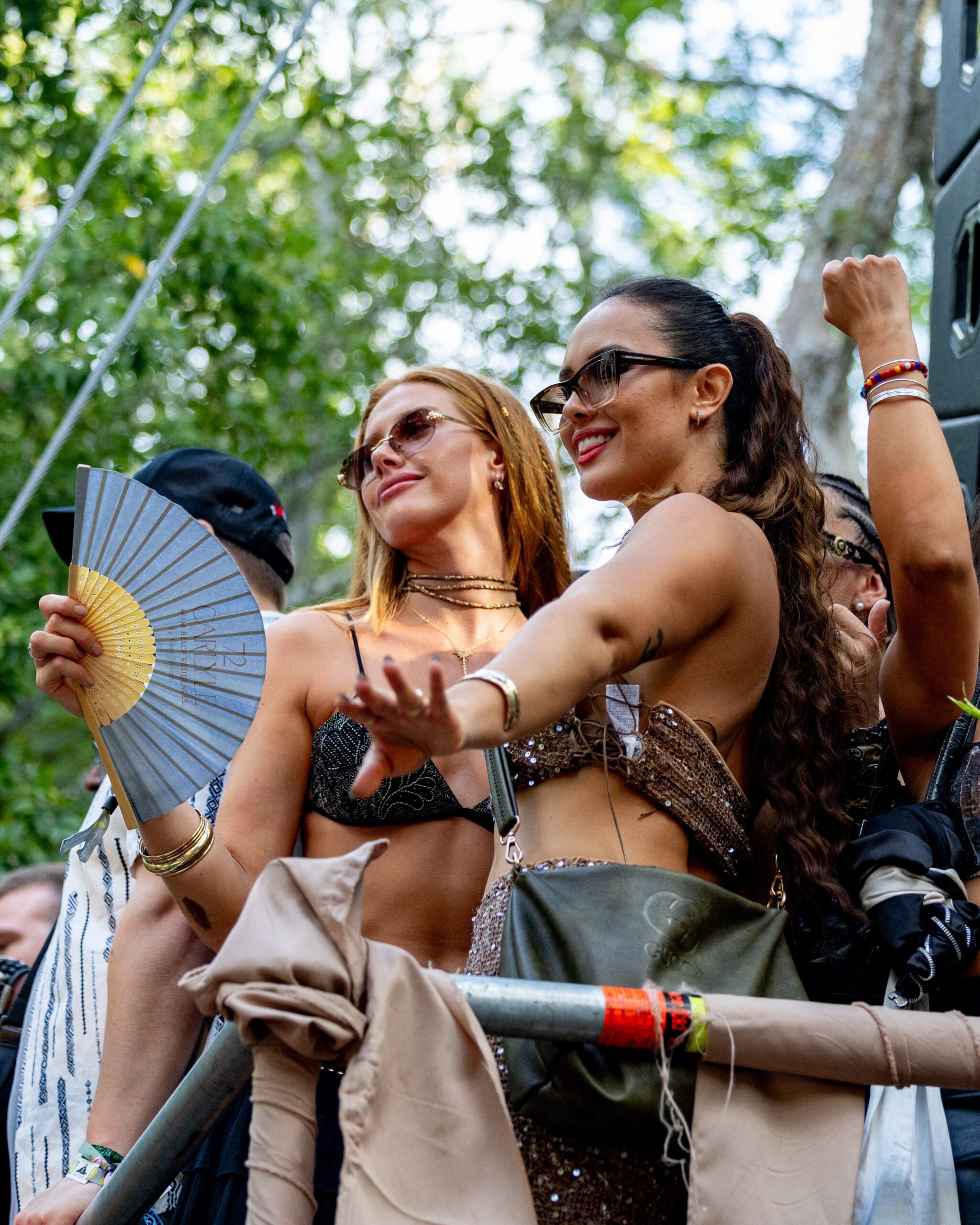
Sunrise at Day Zero is not just a timestamp. The air cools enough to make you feel human again, the jungle changes color, and you finally see faces that were previously just motion. That is the point where the night’s meaning becomes obvious: not spectacle, communion, built through sound, design, and shared stamina.
You do not leave the event with a checklist. You leave with a composite memory made of small ones: a path lit like a secret, a groove that welded strangers together, a live moment that felt like discovery, a Main Stage stretch where hours collapsed into minutes. Day Zero does not end. It releases you back into daylight, recalibrated.