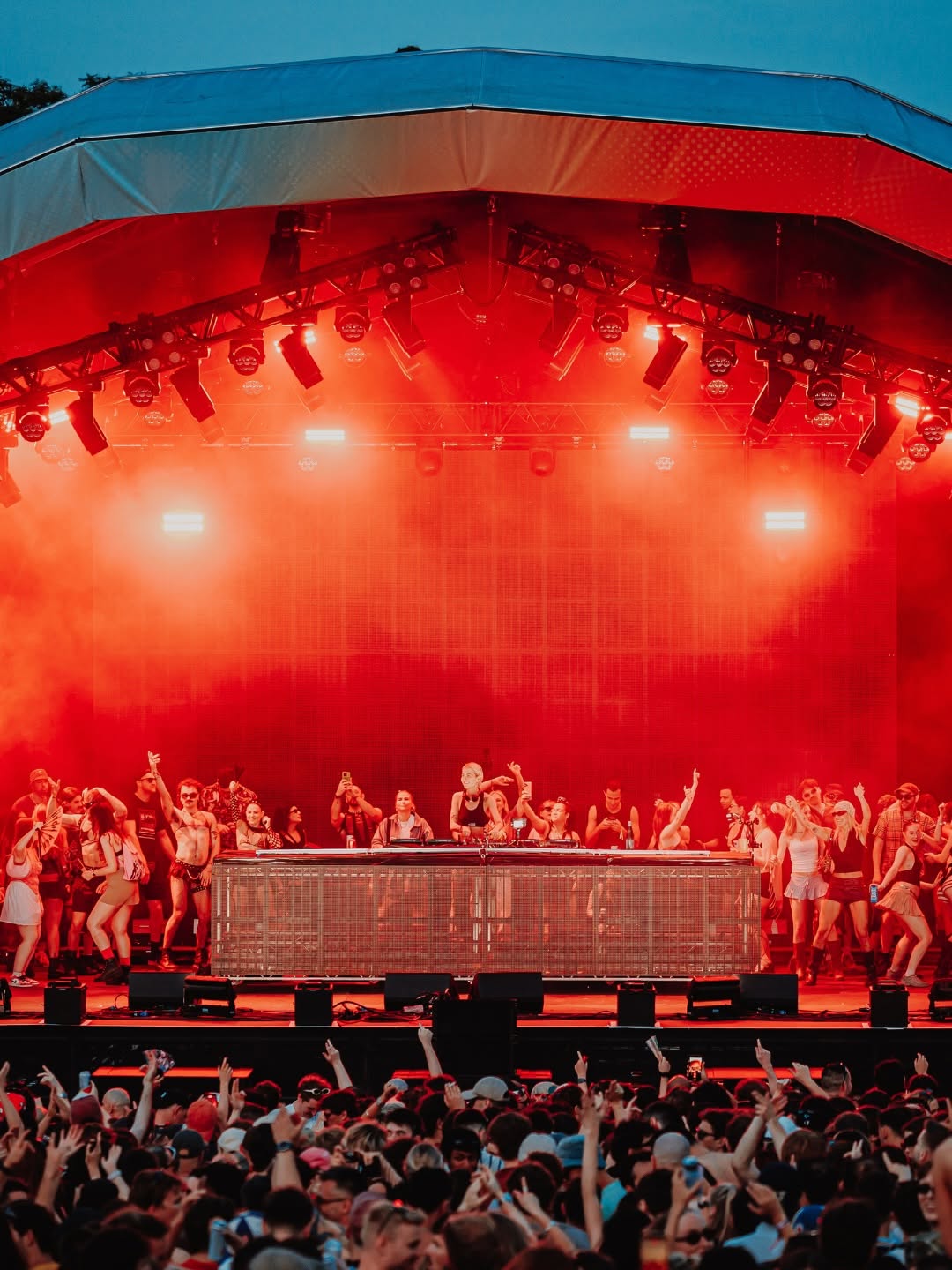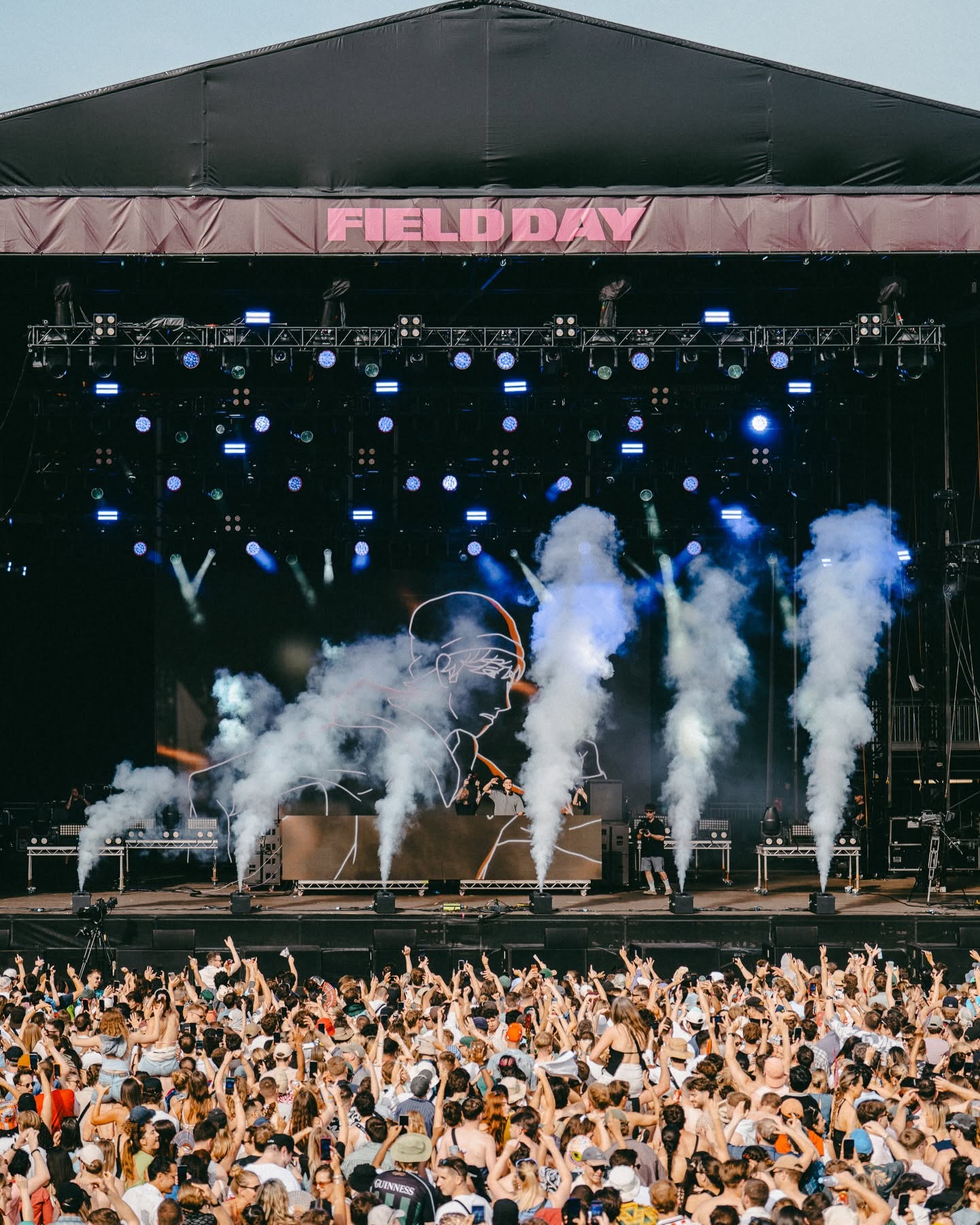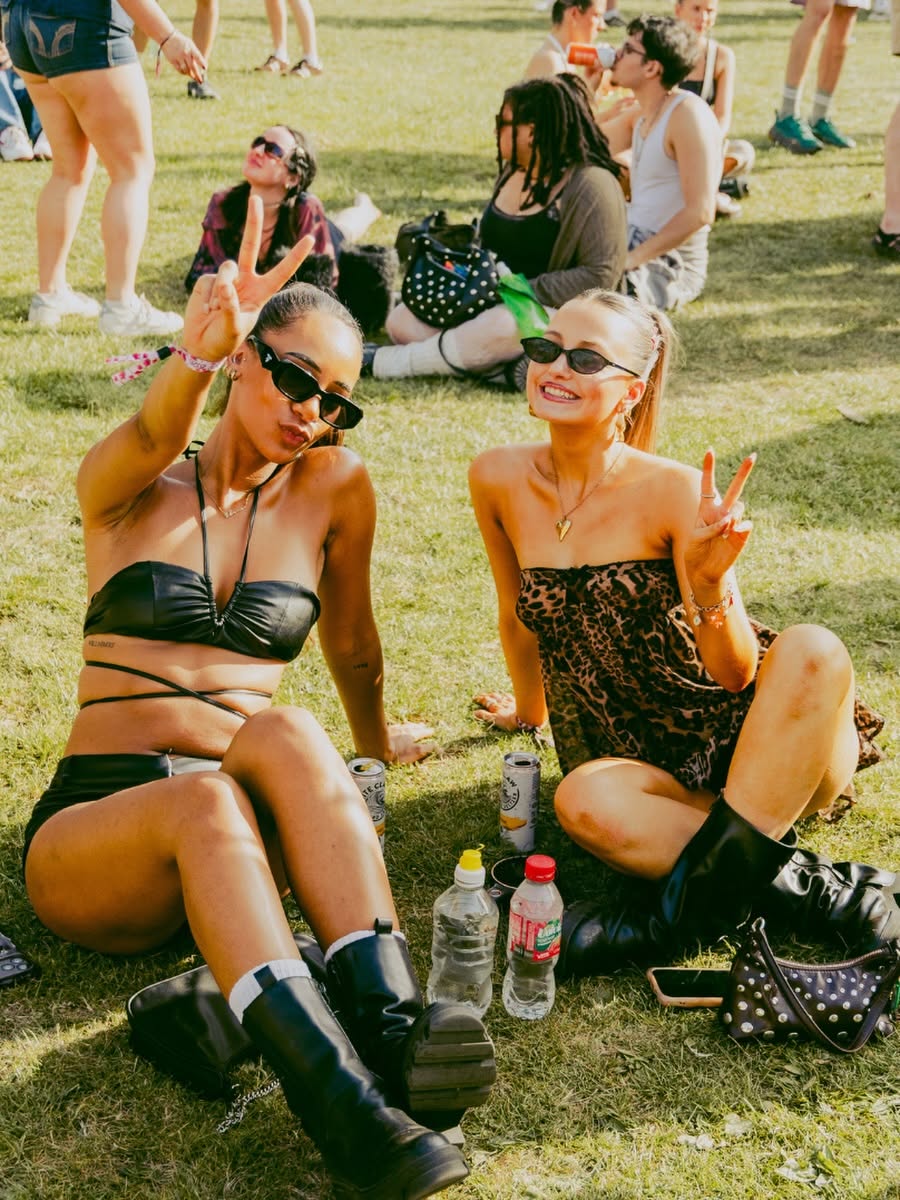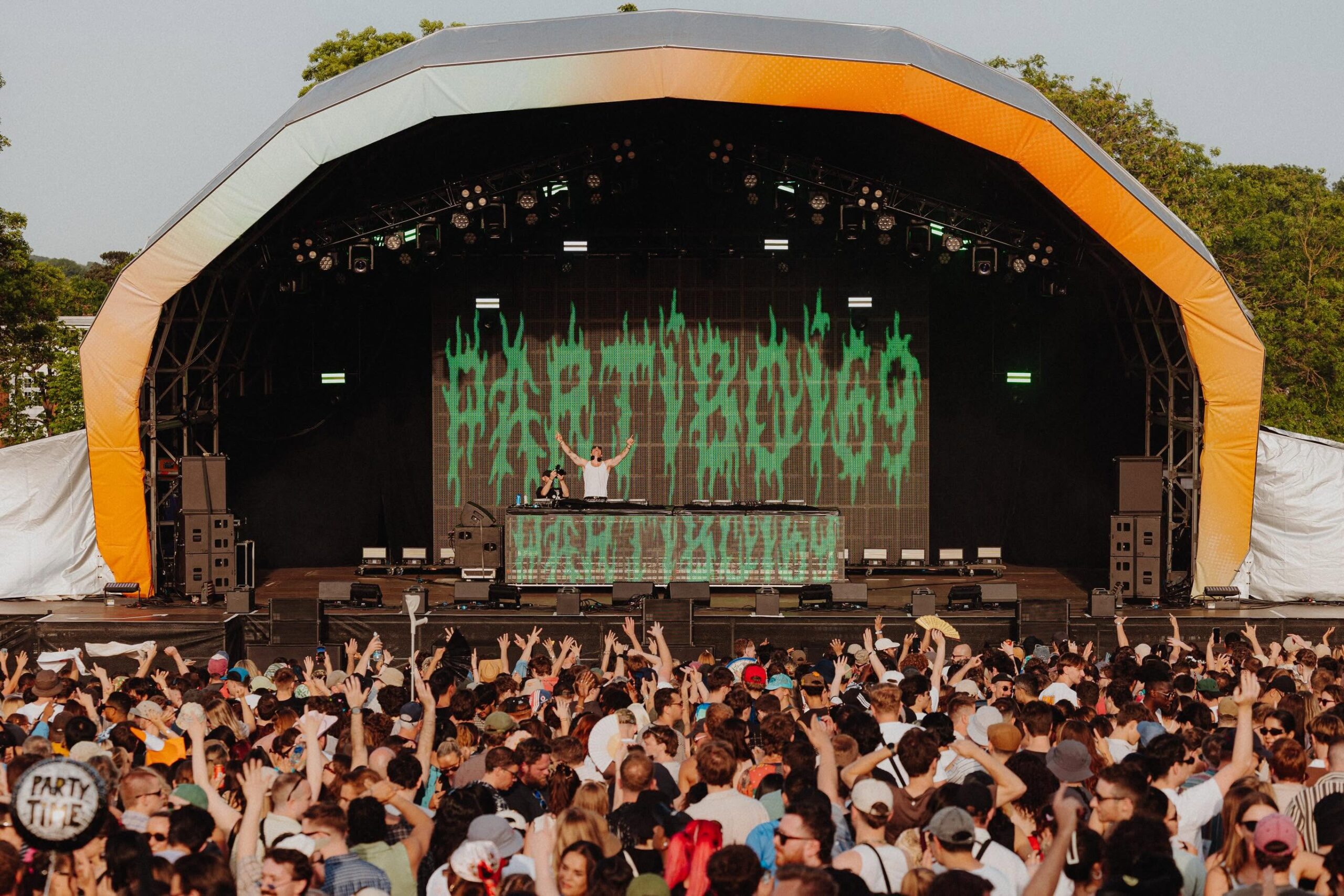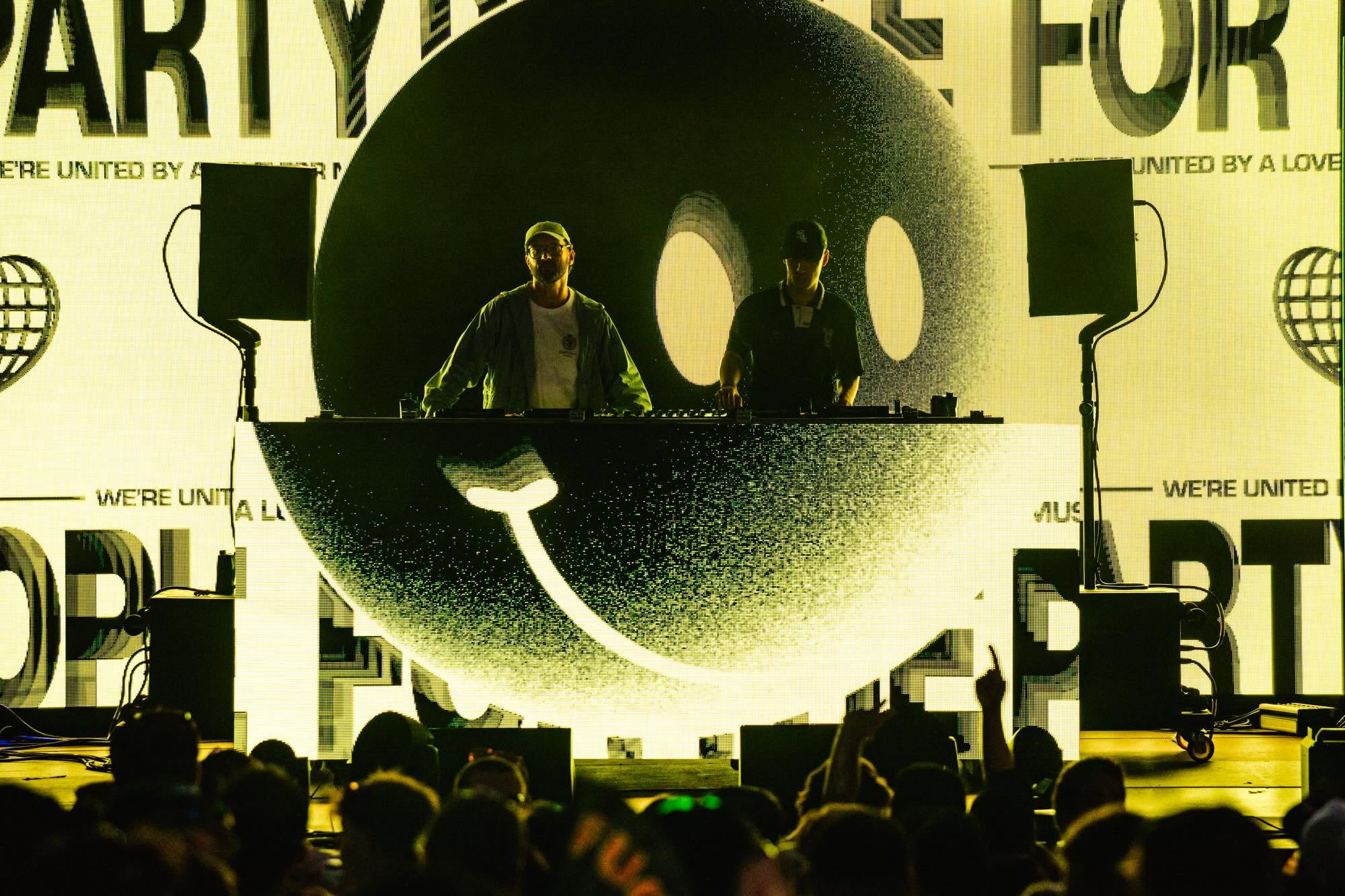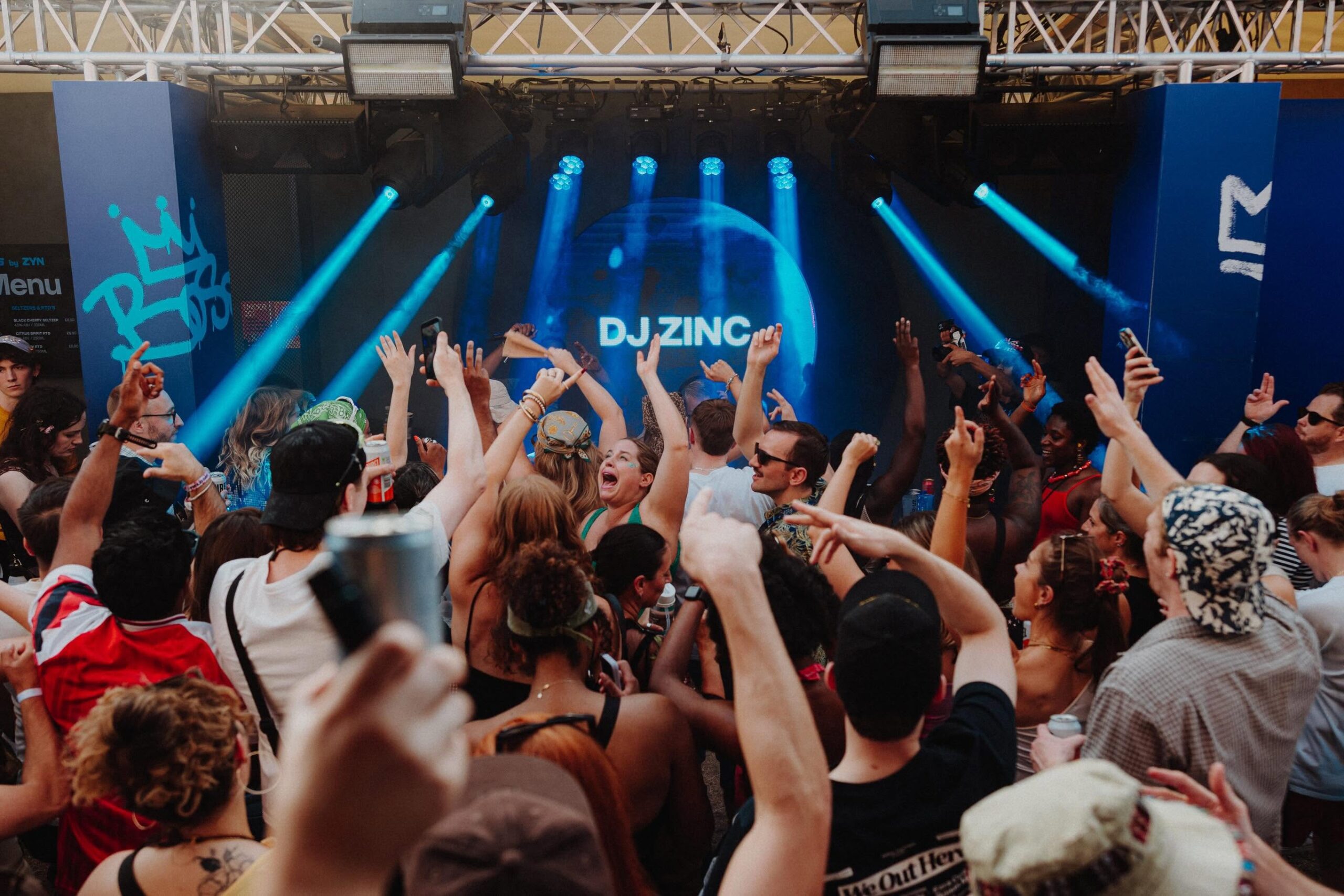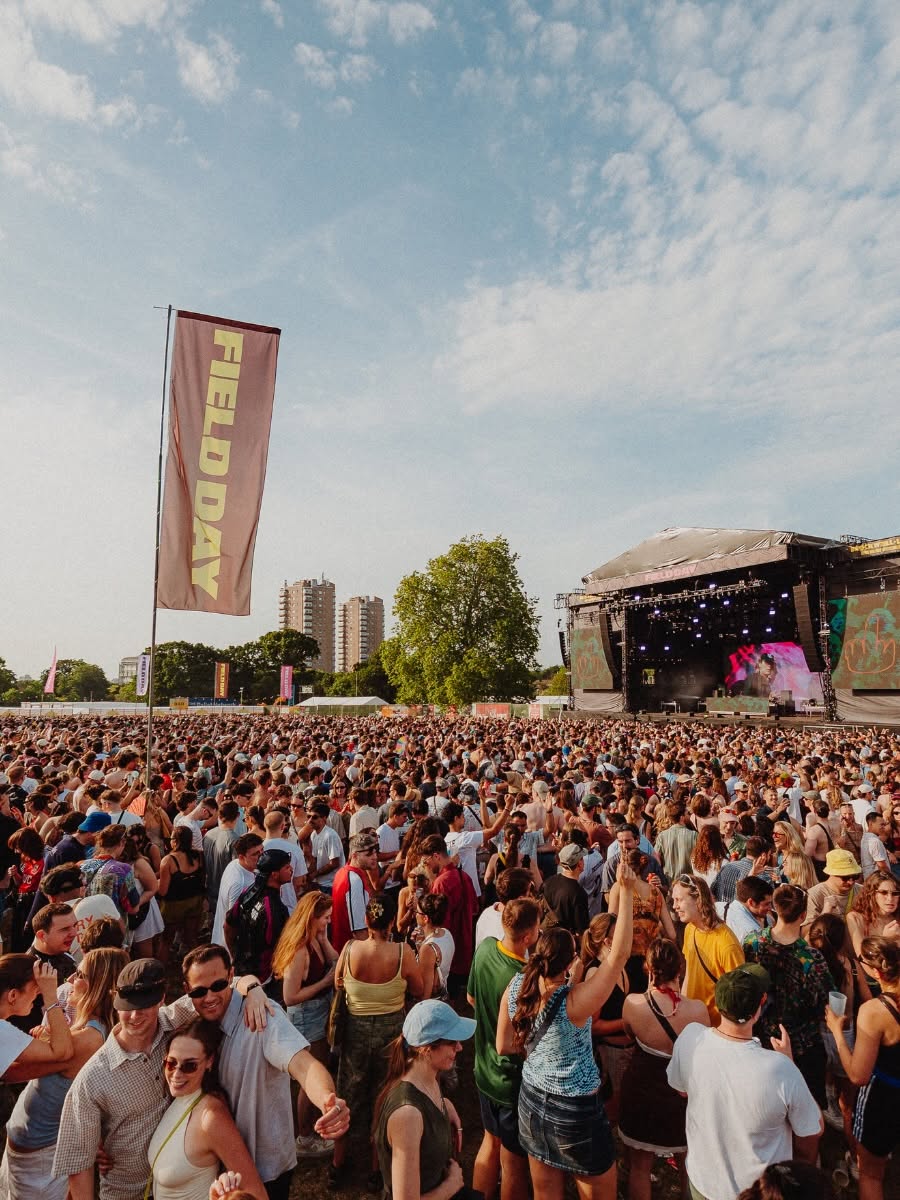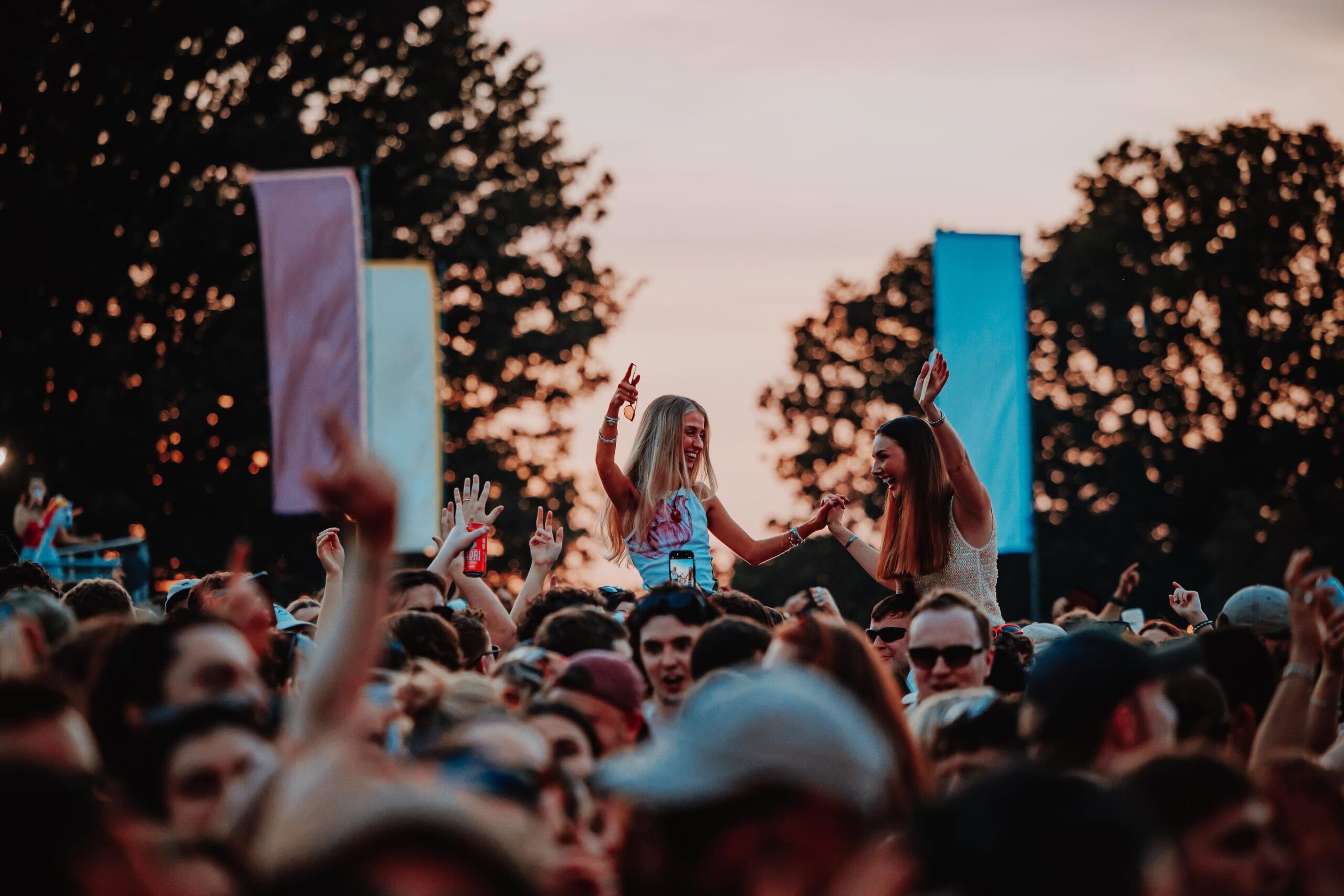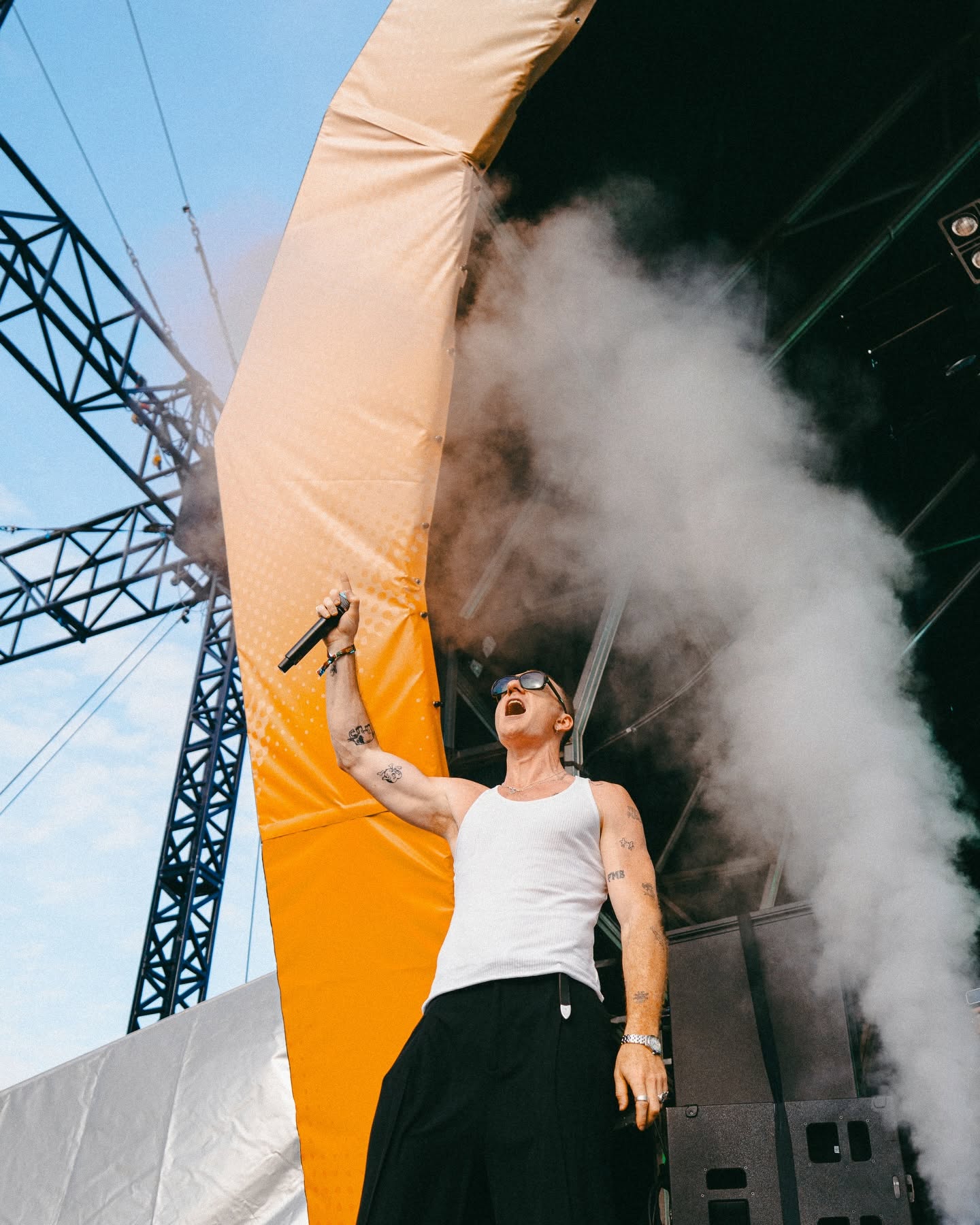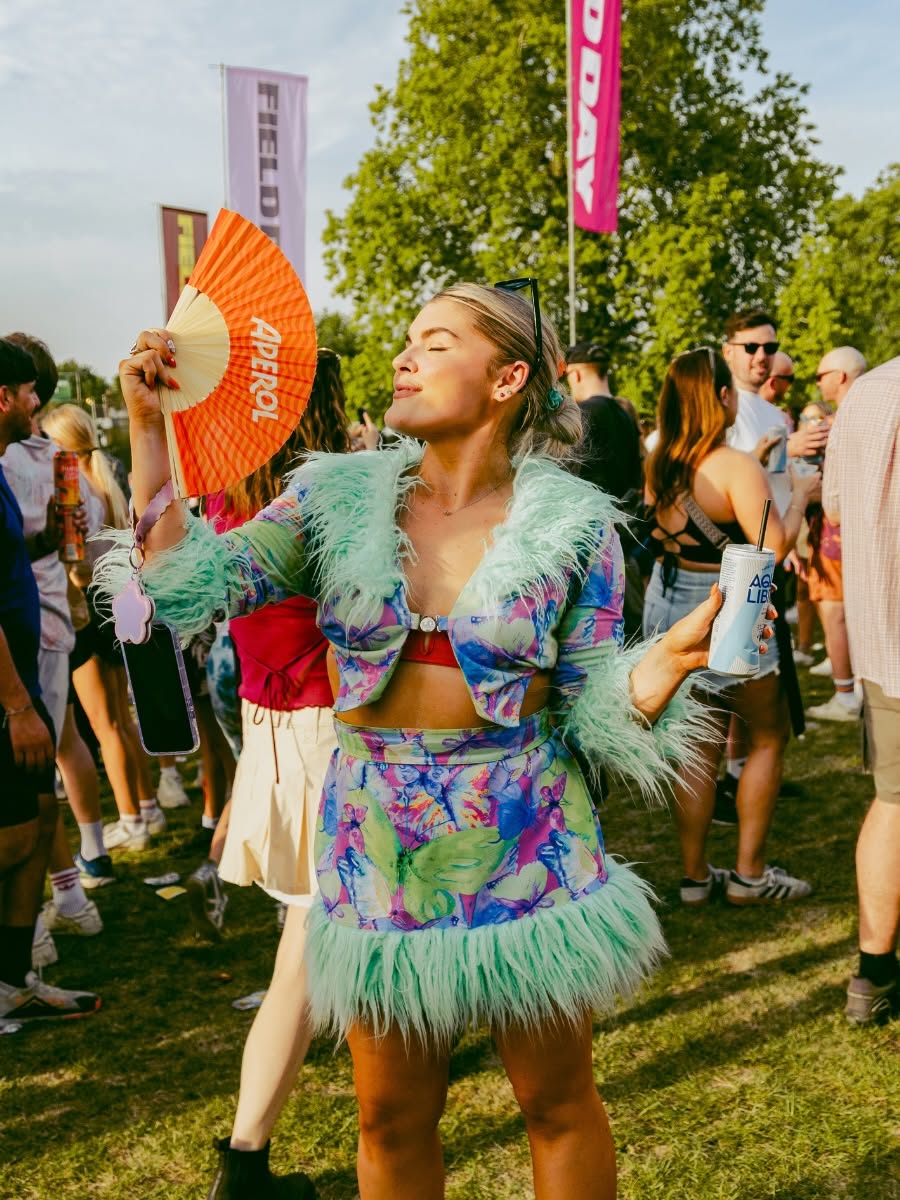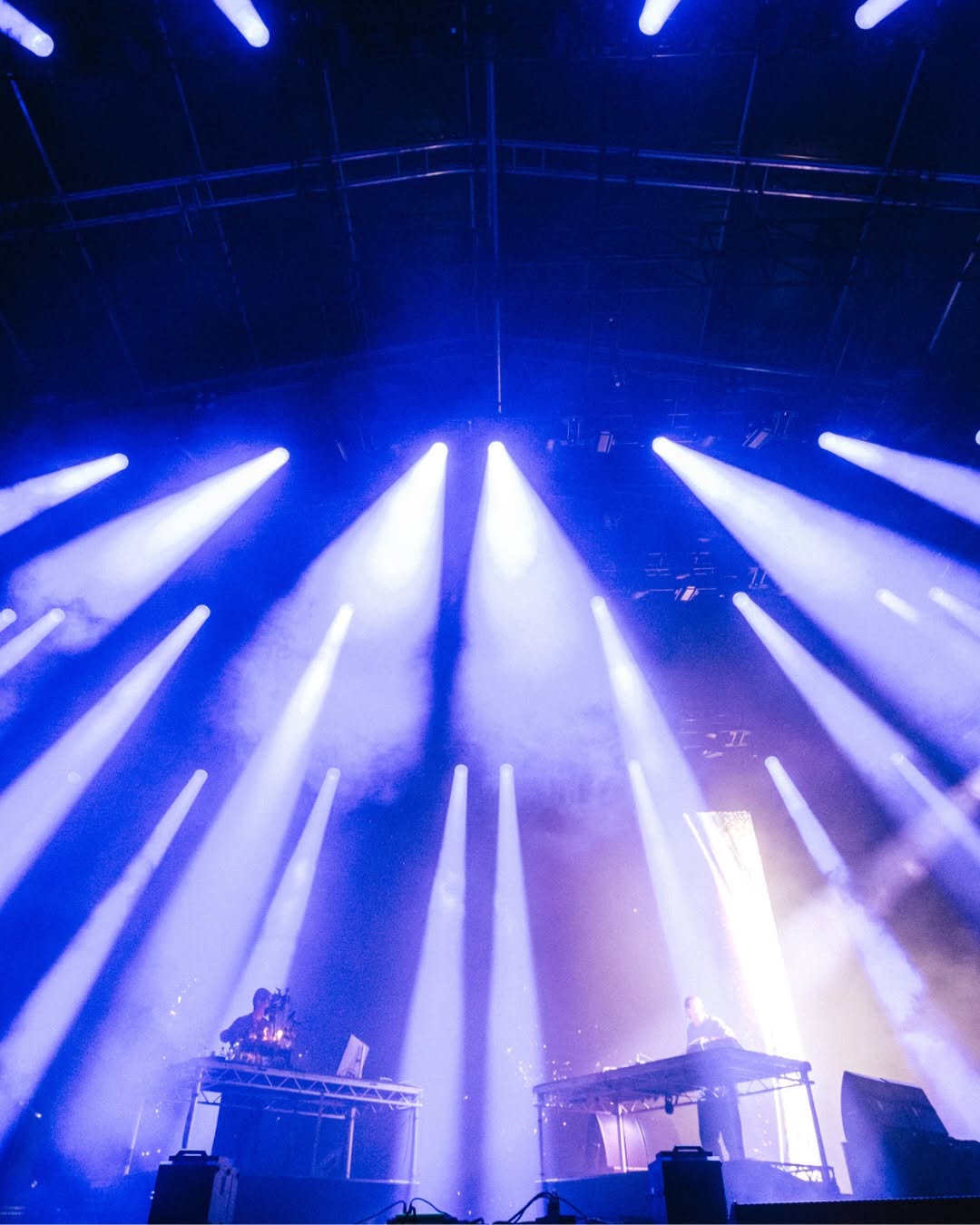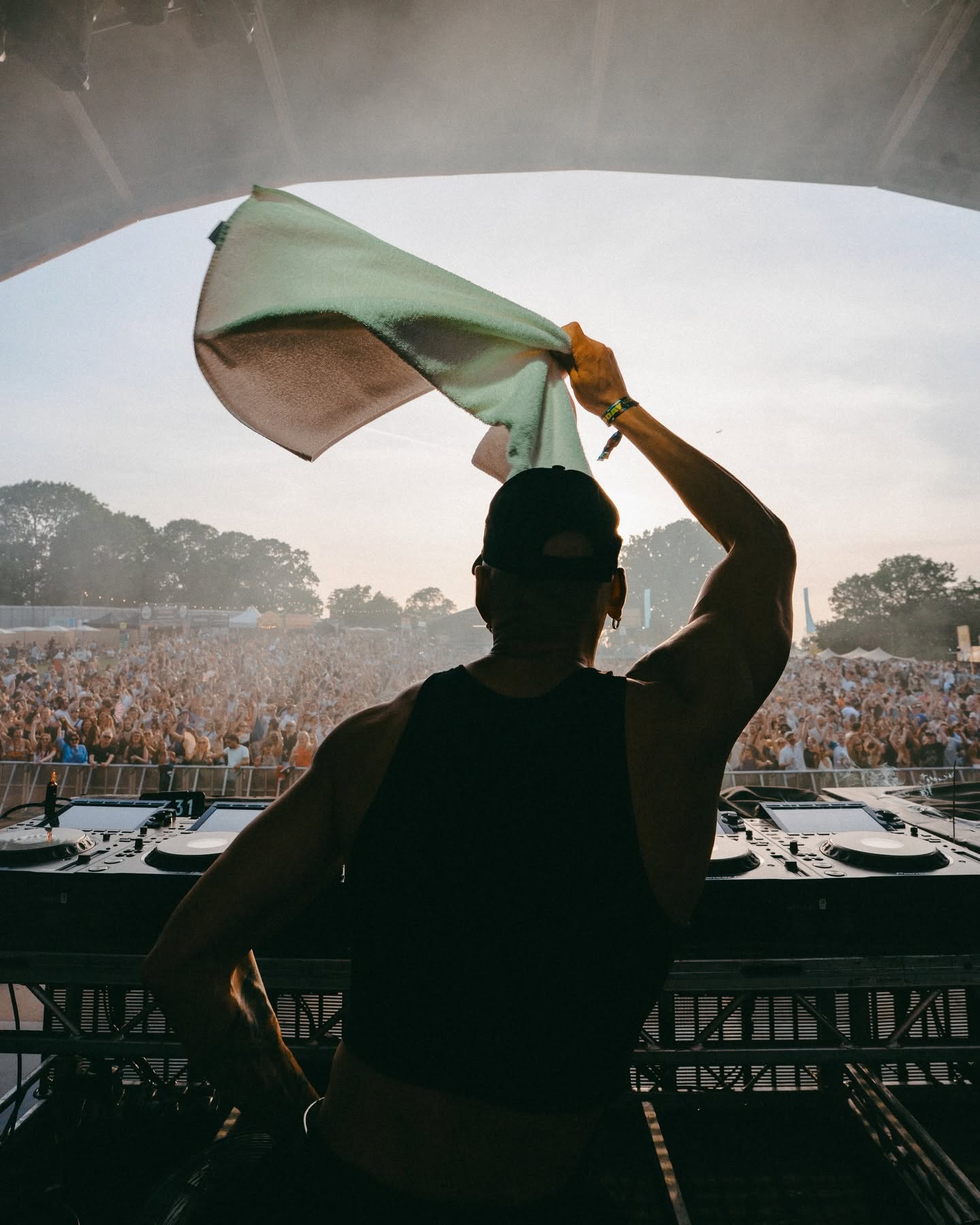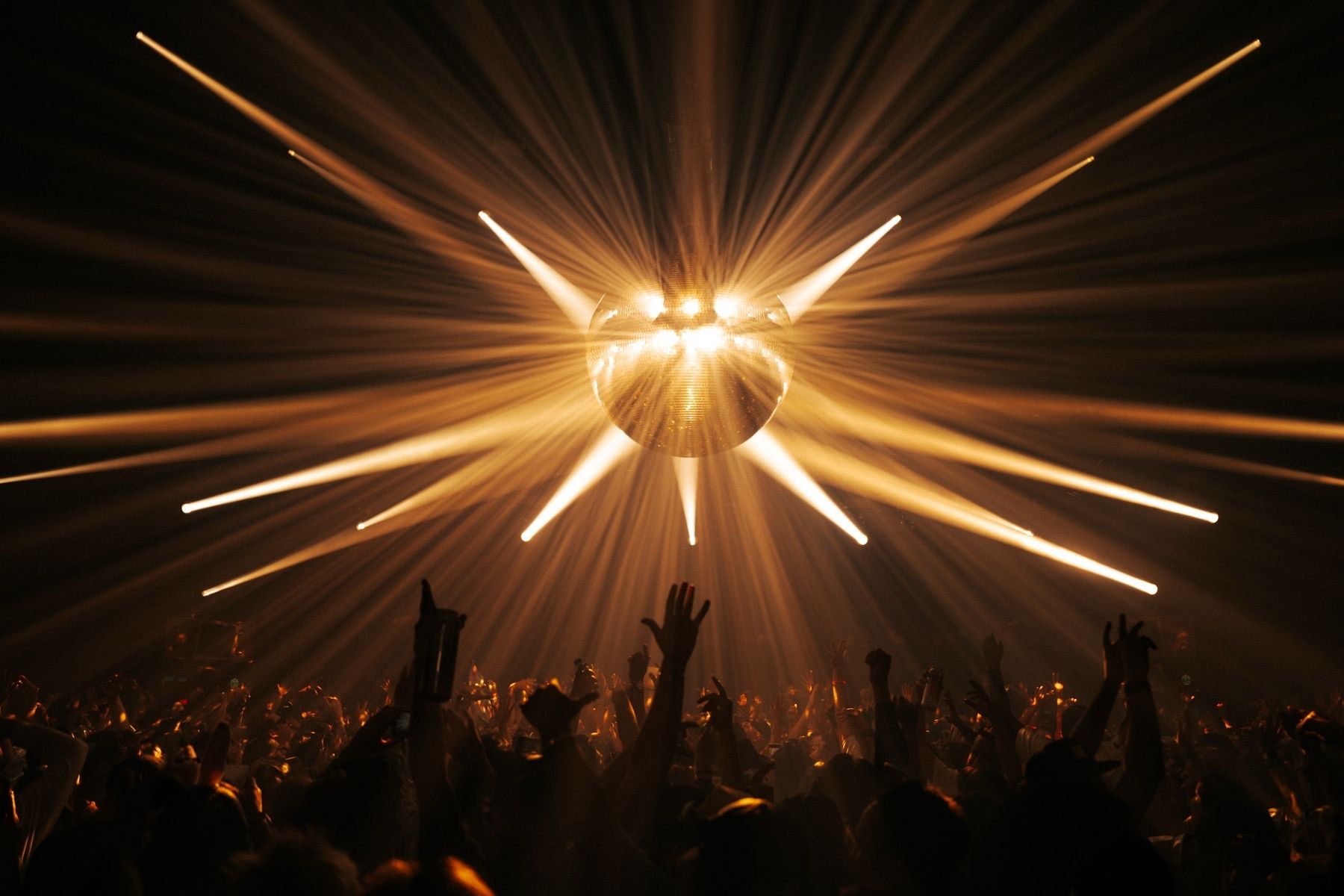
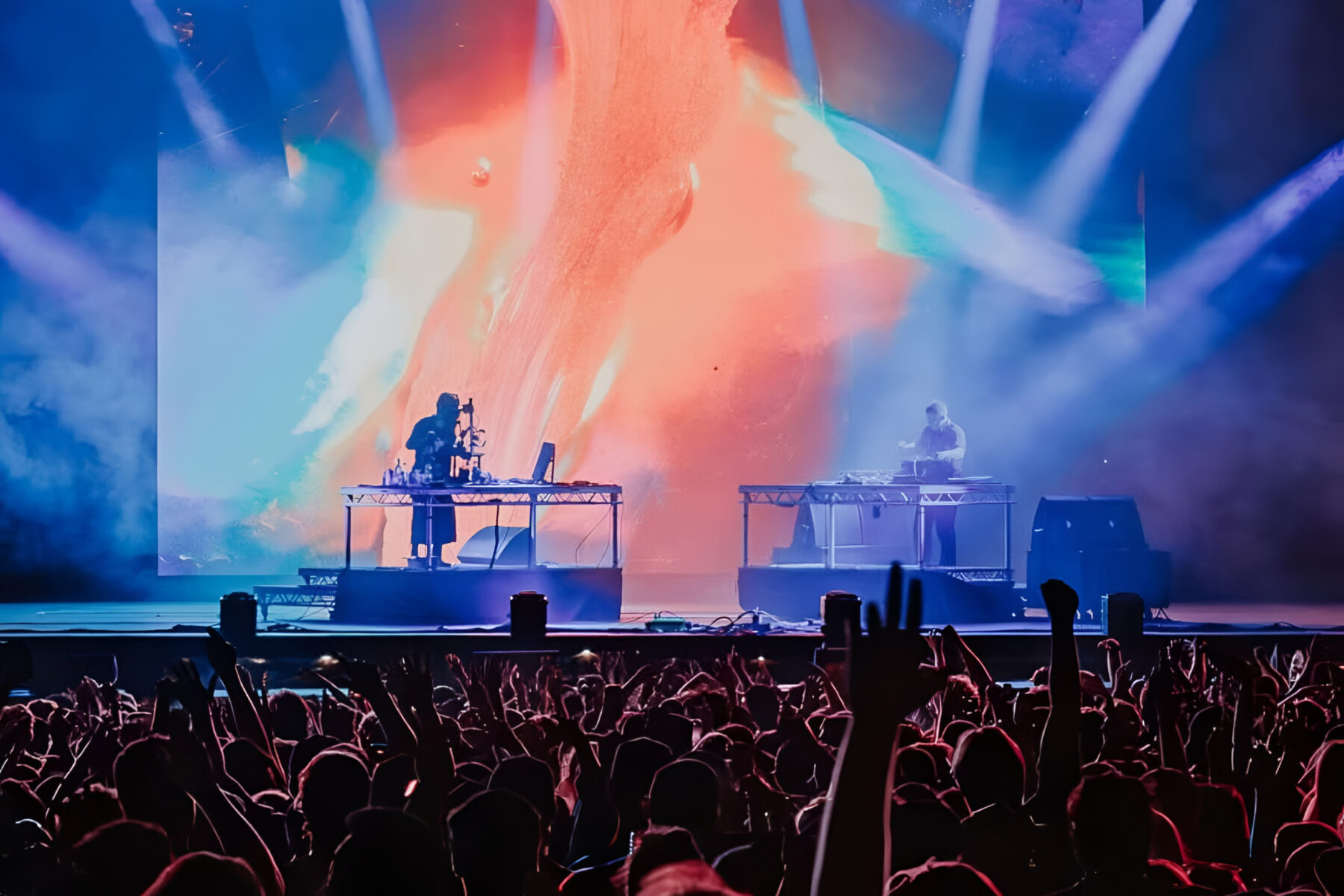
It’s late May, and the first heatwave of the year has hit London. Over 30,000 ravers descend on Field Day, an electronic music festival founded in 2007, transforming Brockwell Park into a sea of sound systems, sunglasses, and sunburnt dancers.
Photo Credit: Field Day – Official
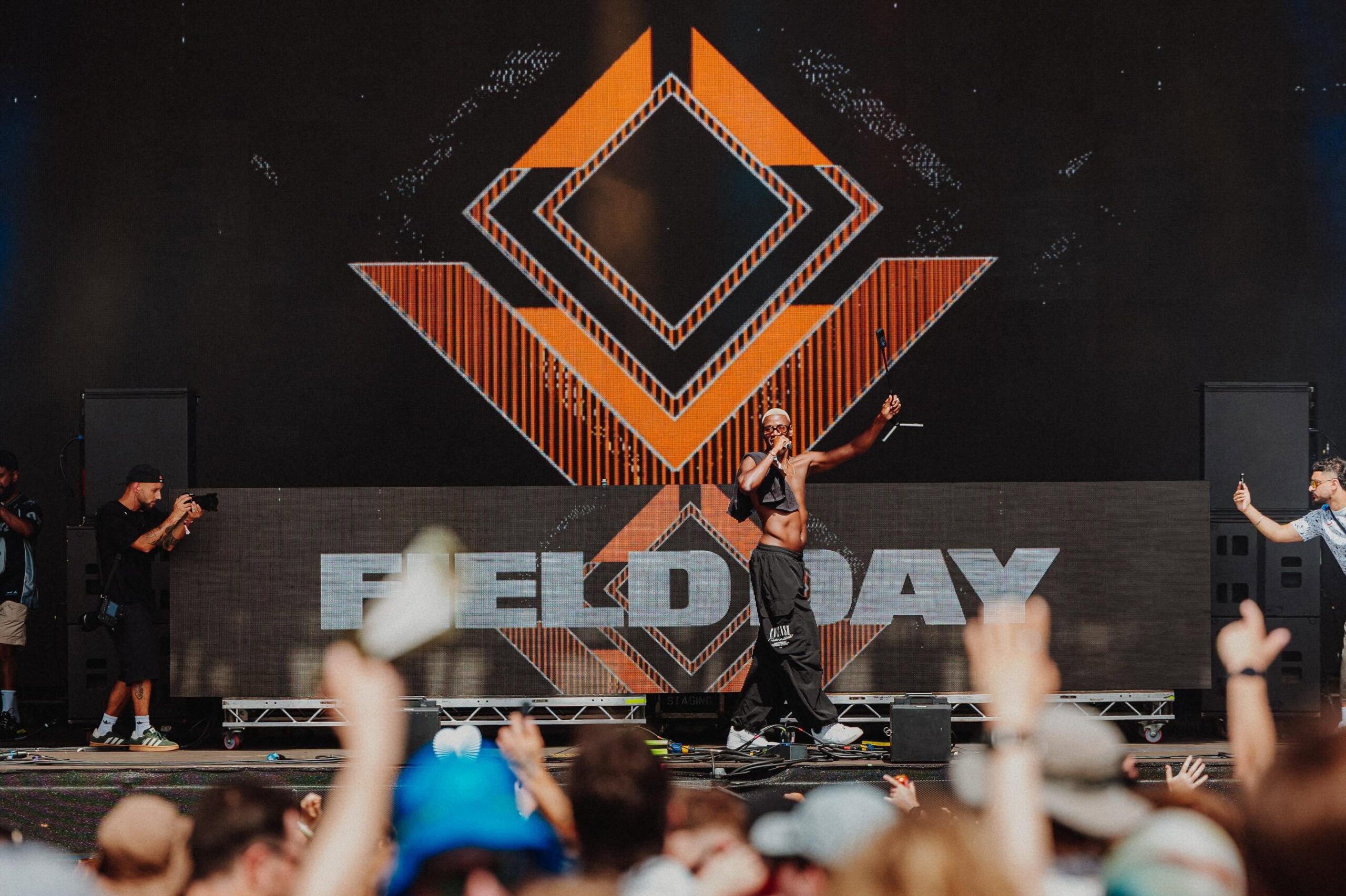
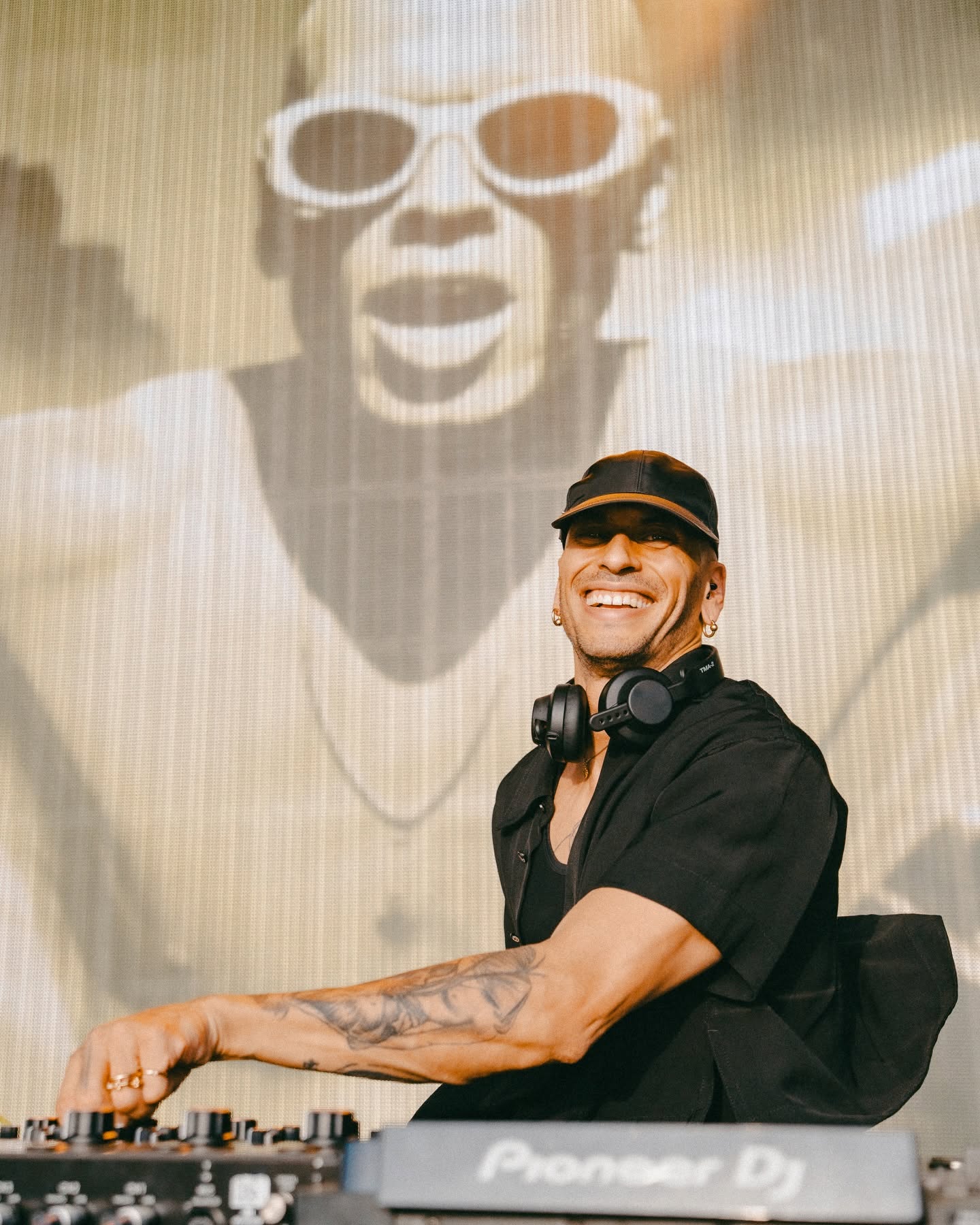
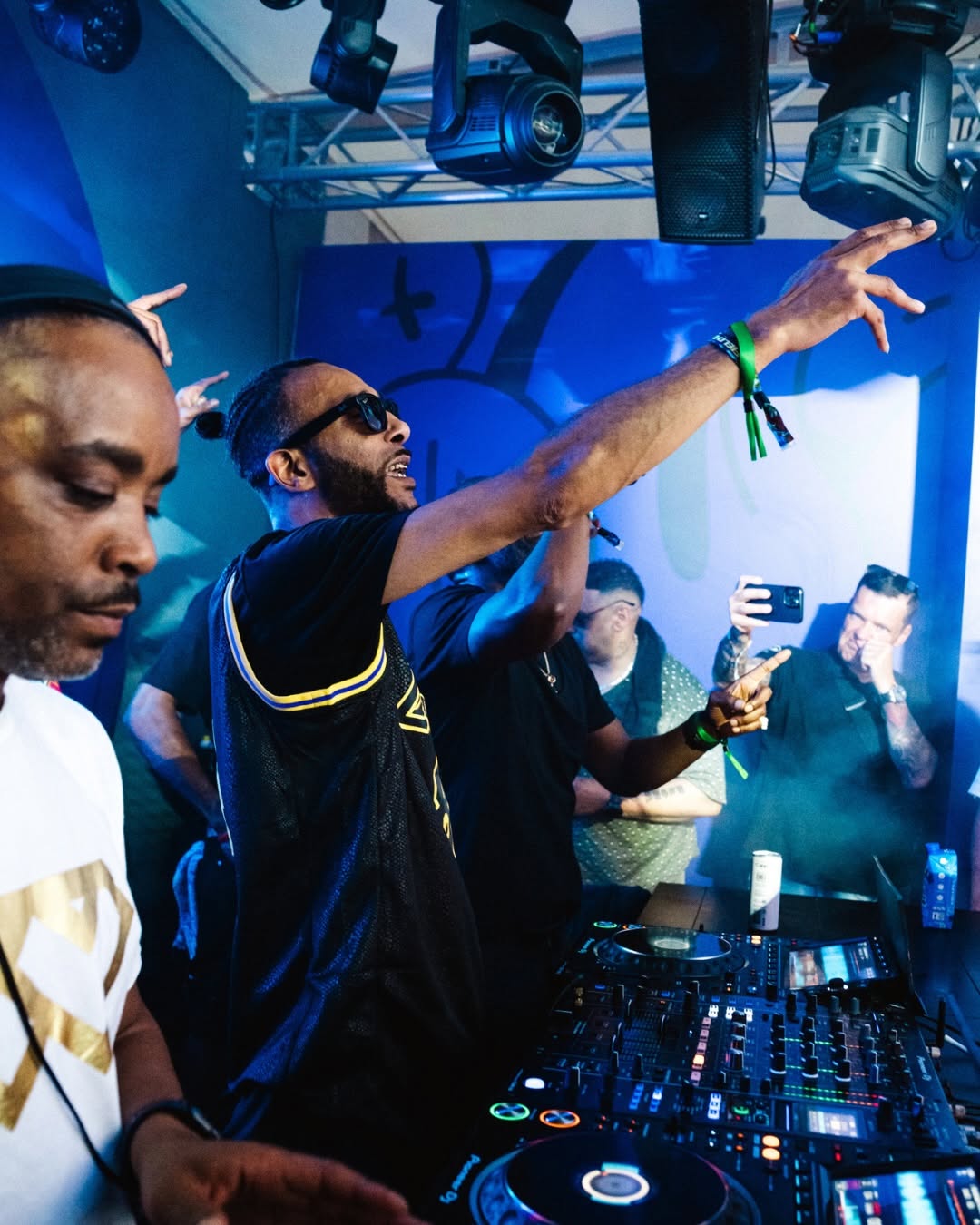
Entering around 1:30 pm, we grab two Paloma cocktails from the spacious VIP area before heading straight to the South Stage for a set from Kilimanjaro, the London-based, Zambian-Scottish DJ and producer known for blending Afro-house, amapiano and deep electronic rhythms. From the opening moments, he had the crowd locked in, easing everyone into a steady two-step while gradually increasing the intensity. The energy built patiently, hands started rising across the audience, and the atmosphere shifted from early-afternoon curiosity to full collective movement. Then came a recognisable Afrobeats anthem, Kilimanjaro jumped down from the DJ booth, working the front rows directly and pushing the crowd higher, perfectly timing the anticipation before the drop hit and hundreds erupted in unison.
Opening set complete, but it felt more like a statement of intent for the day ahead: sun overhead, basslines rolling across Brockwell Park and a crowd already forgetting they’d be standing in fields for the next nine hours.
Next up was Lou Nour, and if you’re wondering who that is, think UKG, grime, dubstep and heavyweight 140 BPM bass music rather than your typical festival DJ.
Formerly one half of SICARIA, Lou Nour took over The Grove stage, a packed tent that felt worlds away from the heat outside. Her set moved through rolling basslines, grime cuts and filthy dubstep drops, with the crowd fully locked in; heads nodding, screw faces everywhere and people edging closer to the speakers for more.
After spending time in the sun, stepping into The Grove felt like entering a different world altogether: darker, louder, and with more of a late-night warehouse atmosphere than a daytime festival set. What stood out most was how effortless it all felt. No chasing viral moments or obvious crowd-pleasers, just a deep understanding of UK soundsystem culture and exactly how to hold a tent full of people with nothing but heavyweight selections and relentless low-end pressure.
Next up, we headed over to see Horse Meat Disco. Barely two hours into the festival, and it already felt like we’d moved through multiple worlds of electronic music.
The energy was completely different this time: uplifting vocals, disco-infused house, and feel-good selections replacing the heavier bass sounds from earlier. By now, drinks were flowing, and the crowd seemed fully settled into the day.
Horse Meat Disco’s track selection was what stood out most. Classic disco records blended with modern edits and extended remixes, taking familiar grooves and making them feel fresh again. Tracks built slowly with long blends rather than quick transitions, giving the crowd time to settle into every bassline, vocal, and string section. It felt less like a DJ set and more like a lesson in disco history.
Joy Orbison was next on the list, and by this point, the day had started gathering real momentum.
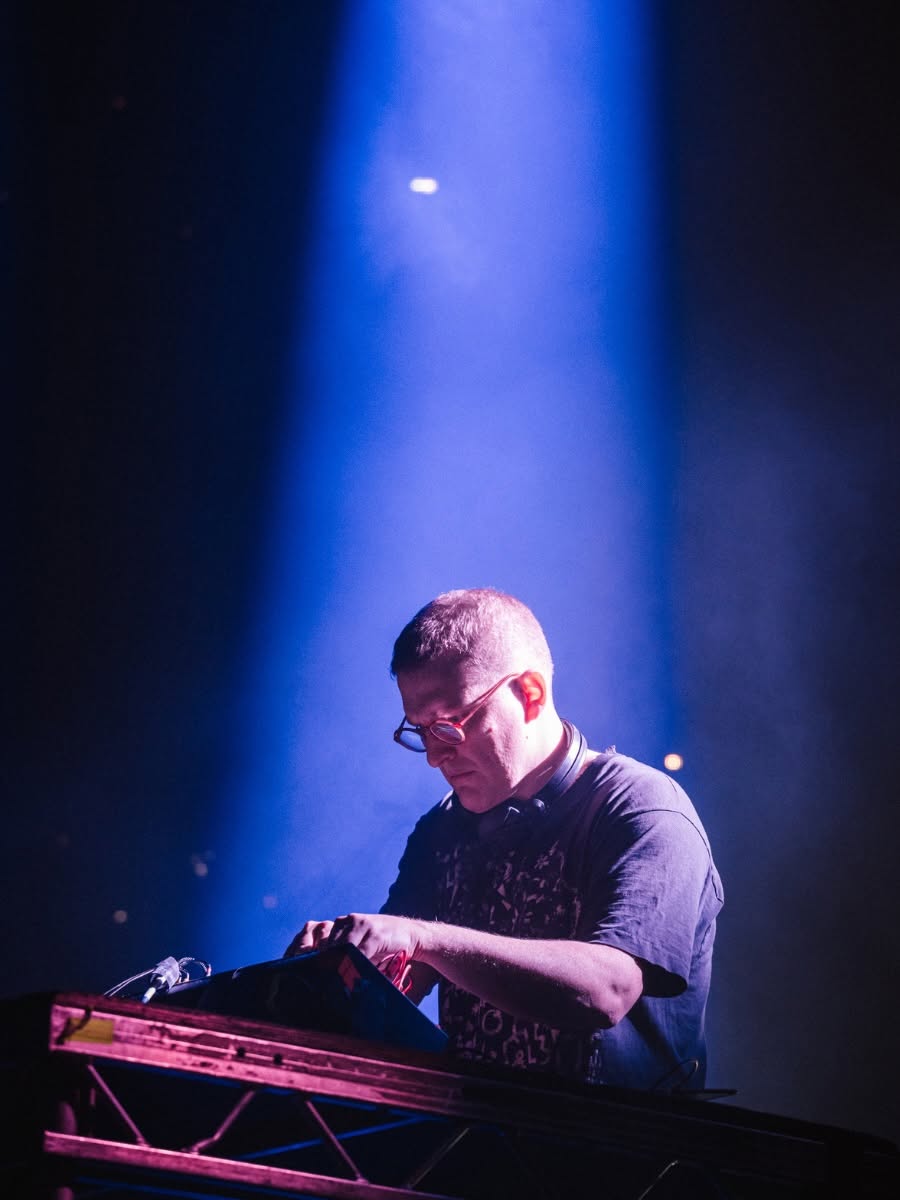
Unlike some DJs who stick closely to one sound, Joy Orbison’s set felt unpredictable from start to finish. The biggest moments came when he dropped a crazy unreleased remix of Caterpillar, followed by a heavy remix of Flight FM. Phones came out instantly, people turned to their mates in disbelief, and for a minute it felt like everyone knew they were hearing something they wouldn’t be able to find online the next day.
It’s those moments that separate festival sets from playlists, unreleased edits, huge reactions and tracks you end up thinking about long after the set is over.
The closing set clashes were brutal. We were left trying to choose between Floating Points, Andy C doing a jungle set, and KI/KI; three artists we genuinely wanted to see, all playing at the same time. It was one of those festival dilemmas where no decision feels right, because whichever stage you choose, you’re guaranteed to miss something special somewhere else.
In the end, compromises had to be made. We split the final hours between Andy C and KI/KI, accepting we’d miss Floating Points entirely, a decision that still felt questionable walking away.
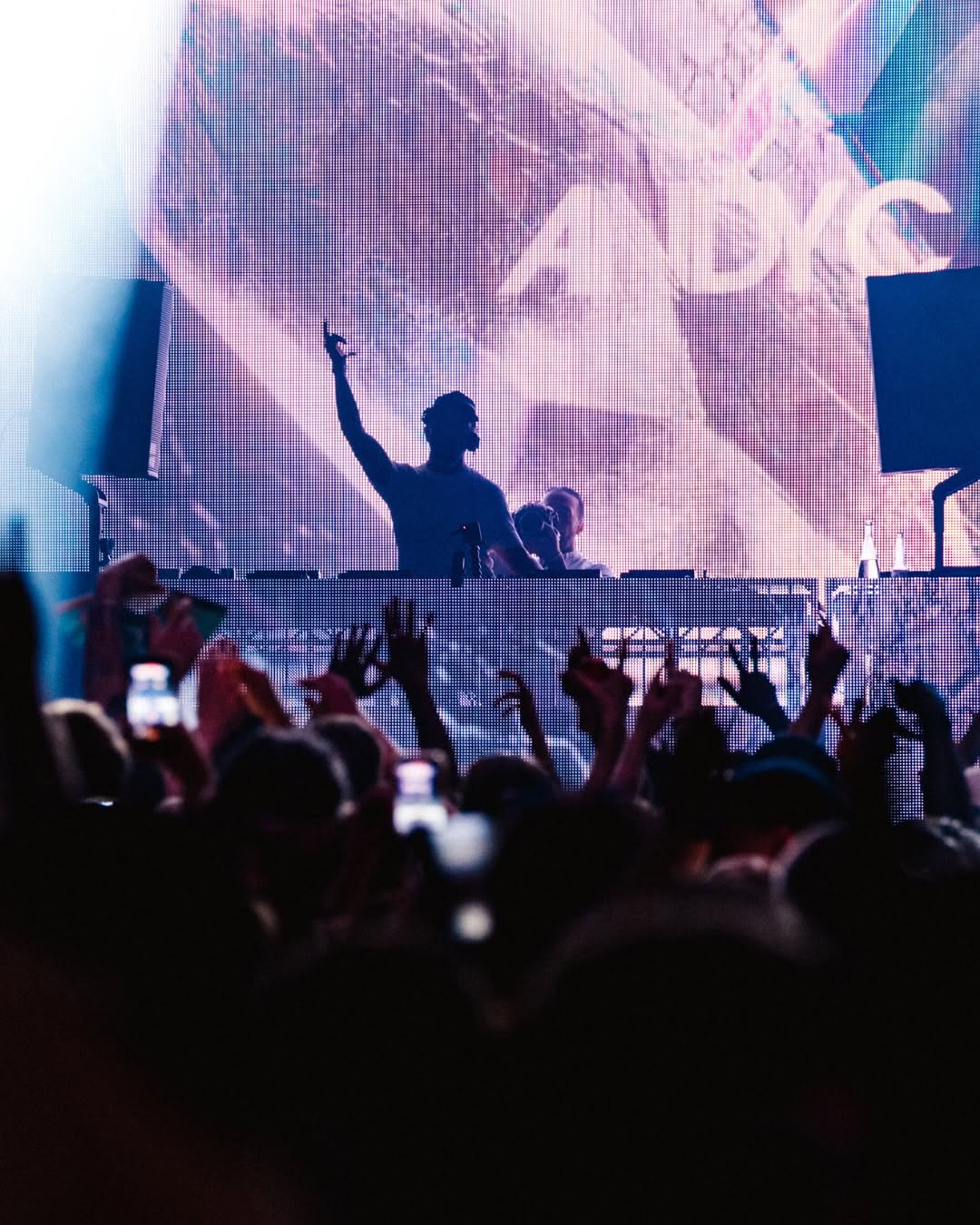
We caught Andy C first, and within minutes it was obvious why he’s considered one of the best to ever do it. The speed of the mixing was almost hard to process, with jungle classics, double drops, and rapid transitions landing one after another without giving the crowd a second to reset. There was barely time to recognise one track before another was layered in, but somehow it never felt chaotic. Instead, it felt like watching decades of experience compressed into a single set.
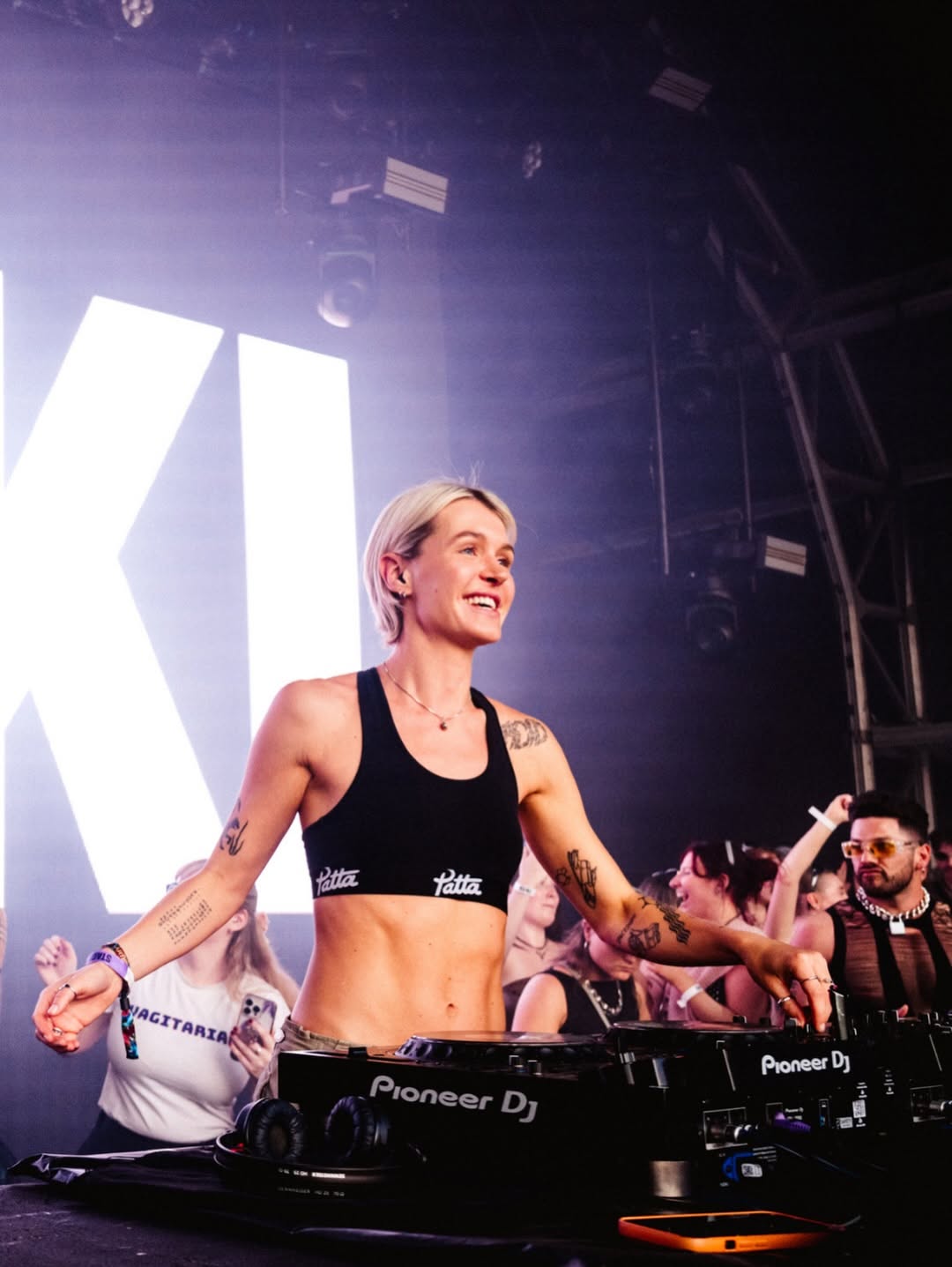
Then came the inevitable rush across Brockwell Park to catch KI/KI, swapping breakbeats for fast-paced, euphoric techno. If Andy C felt like precision and controlled intensity, KI/KI felt like pure release. The BPM climbed, melodies became more hypnotic, and whatever energy people had left after a full day in the sun suddenly reappeared.
By the final tracks, feet were aching, phones were almost dead, and everyone looked noticeably more exhausted than when they arrived, but nobody seemed ready for it to end.
That’s probably the best way to describe Field Day as a whole. Within one afternoon, you move from Afro-house and underground bass music to disco, jungle, and techno, constantly bouncing between stages and genres with 30,000 other people trying to do exactly the same thing.
The heatwave will fade, individual track IDs will blur together, and the videos will sit untouched in camera rolls, but months later it’ll still be the unreleased edits, impossible set clashes and frantic runs between stages that stay with you.
Because in the end, festivals like Field Day aren’t really about seeing every set; they’re about the moments in between.
.