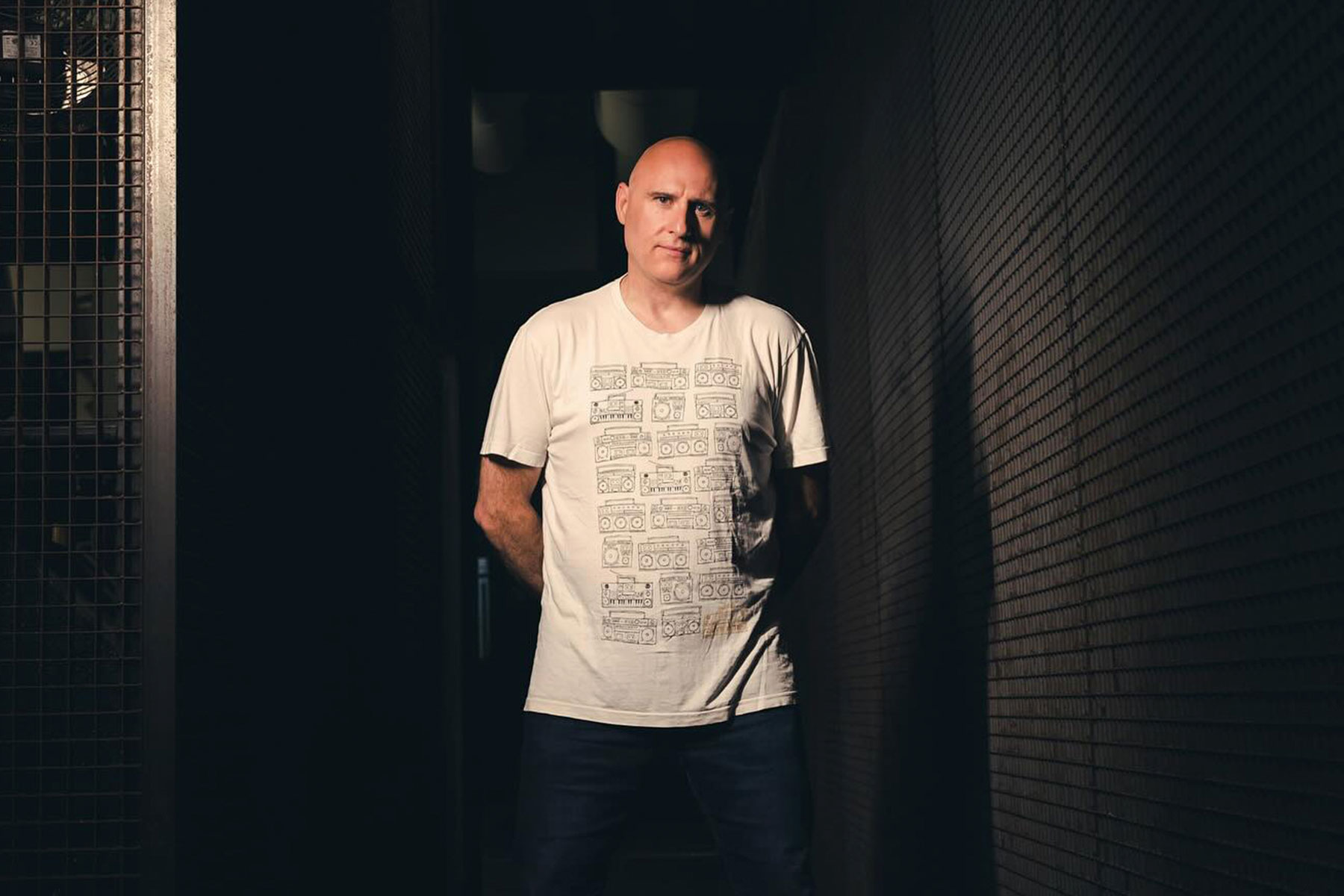
Swedish-born producer Jan Warner, now based just outside Bristol, has been making music since 1988. Over a career spanning more than three decades, he’s released under multiple monickers, produced for Swedish Radio and game soundtracks, and earned support from Carl Cox for his track ‘Response’, which appeared on Space Ibiza Ten Years.
Photo credit: Future Self – Official
In 2013, he released the well-received album ‘Atlas as Materia’ before taking a step back from the scene. Now, he returns as Future Self — re-energised and deeply embedded in Bristol’s underground.
Jan is also the founder of Self Control Records and the newer imprint Circuit Groove, both of which champion emerging and boundary-pushing electronic music. Through these projects and his involvement in Bristol’s creative communities, he’s found new momentum while staying grounded in the values that shaped his career from the start.
In this conversation, Future Self opens up about rediscovering purpose, building community, and the evolving nature of club culture.
EG: Hi Jan, welcome to EG! Where in the world are you today, and what’s been shaping your studio mood this week?
Future Self: Thank you for the invitation. I’m based just south of Bristol. The city’s energy seems to seep into the creative process — there’s something special about making music in a place with such a rich music heritage. After 35 years of production across different genres, from the days back in Sweden to the last 15 years in the UK, I’ve realized that creativity can strike anywhere. These days, I’m finding myself working in focused bursts, often on trains with headphones. Sometimes the best ideas come when you’re in motion.
EG: Your own music as Future Self sits between house and techno and often in the progressive gaps. What musical thread ties the project together for you?
Future Self: Having produced across numerous genres since the late ’80s, the thread that runs through everything is really about finding those sweet spots between styles. Running both Self Control and Circuit Groove has given me the freedom to explore different sonic territories. When it comes to the progressive house side of things, the Jupiter release with Sam T Harper’s remix on Self Control earlier this year is a good example of tracks that roll out and grow over time.
EG: Self Control and Circuit Groove feel related but distinct. How do you define each label’s role right now?
Future Self: They’re definitely siblings, but with distinct personalities. Self Control has become quite the journey — over 30 releases in five years is something I’m really proud of. It’s our house music homeland, though we love bringing in different flavors through the remix artists. Circuit Groove, launched in 2023, is a platform for pushing things further leftfield — focusing on electro, breaks, and acid. With nine releases under its belt, it’s already making waves, with recent features in Bandcamp’s Best of Electronic Music. Each label represents a different facet of my musical taste, and it’s exciting to see them both finding their audience in different ways.
EG: Talk us through your current studio chain. What’s non-negotiable for getting grooves to feel alive?
Future Self: I’ve been on FL Studio since ’98, and after 35 years of producing, I’ve learned that limitations often spark creativity. The setup is deliberately minimal — laptop-based production that lets me work anywhere, anytime. The non-negotiables are my go-to synths like Arturia Pigments and U-he Diva, plus effects from Softube, Soundtoys, and SSL. Recently, Lunacy Audio’s BEAM has been a game-changer for modulation — it’s literally so much fun. For mixdowns, I want to give a special shout-out to Trackspacer and Waves Curves EQ.
“My motto is ‘do stuff, and stuff happens'”
EG: Your tracks breathe on big systems. How do you keep space and detail when aiming for a club-ready sound?
Future Self: It’s all about those 5–20 iterations per track. Each version gets refined, stripped back, built up again. You hear something that isn’t right, and you fix it, again and again. Working on headphones during those train journeys actually helps — it forces you to focus on the minute details. When you can make something sound big on headphones, it usually translates to club systems. And when a track is nearly ready, I bring it to Escher and hear it on a big sound system.
EG: What recent night behind the decks reminded you exactly why you do this?
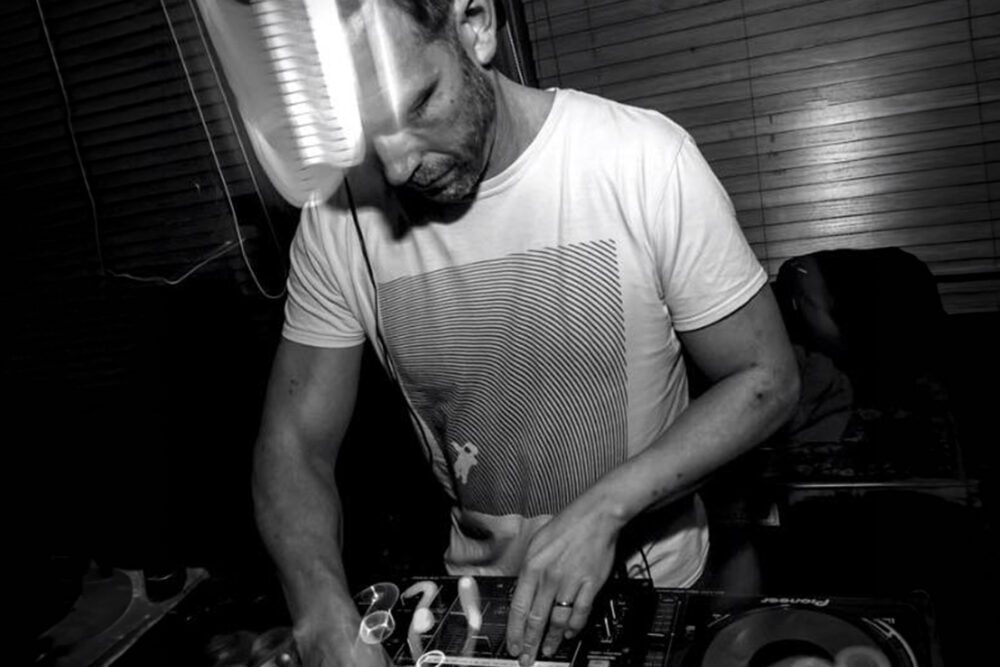
Future Self: The live spots on SWU FM have been really special lately. Bristol’s radio culture is such a vital part of the scene here, and there’s something about those moments on air that captures the energy of why we make this music in the first place. SWU was an integral part of the airwaves during the pandemic, and now Rinse FM has helped bring the station back stronger than ever.
EG: For artists sending demos, what turns a “maybe” into a “yes” at either label?
Future Self: It’s beautifully simple — I sign what I love. I like to think I have a broad taste, and the joy of running your own label is that you literally get to make the choices. Also, being involved with the Escher community and Red Rack’em’s How I Program events here in Bristol has connected me with so many talented artists.
For Self Control, we’re looking for that perfect house music feeling, while Circuit Groove is our home for more experimental sounds. When someone really understands each label’s distinct vision and brings their own twist, that’s when the magic happens. The upcoming ‘Funk & Disorderly’ EP on Circuit Groove and the forthcoming Adam Killey EP on Self Control are both prime examples of people I’ve met at Strange Brew and signed simply by being blown away by their productions on that sound system. In a way, in an age of everything being online, there’s something really nice about hearing tracks in a room together, having a beer, and saying, ‘That’s a great track, have you got any plans for it?’
EG: What does a healthy local scene look like to you in 2025, and how do you try to support it?
Future Self: A healthy scene is all about community and connection. Here in Bristol, we’re fortunate to have platforms like the Escher community and other events that bring producers together. Through both labels, we’re able to support different aspects of the scene — from house through to more leftfield electronics. The Future Self – Open release with remixes from Mentat and Revan (one half of drum’n’bass duo Ill Truth) is another example — these kinds of cross-pollinations between different corners of the scene keep things vibrant and push everyone forward.
“I’ve learned that limitations often spark creativity”
EG: Outside the studio, what keeps you grounded? What is important to you?
Future Self: The constant movement between spaces — whether it’s those train journeys where I produce, or connecting with different communities across Bristol — helps maintain perspective. I’ve met a lot of great producers at the Escher nights at Strange Brew here in Bristol. Working at Height Sonics studio in central Bristol led me to connect with Revan from Ill Truth, which has been fantastic — it’s brought me full circle since my drum’n’bass days in the 2000s. These kinds of organic connections remind you that music is about more than just the tracks — it’s about the relationships you build and the scenes you help nurture.
EG: The scene moves fast. How do you stay inspired without chasing trends?
Future Self: After 35 years in electronic music, you learn that trends come and go, but what remains is my own taste for music. These days I would say I am pretty disconnected from trends, but sometimes my taste coincides nicely with what is popular.
The key is controlling your own distribution and making what you love — and keep things coming. My motto is ‘do stuff, and stuff happens’ — every time you release a track, you put another thing out there in the world. It might be appreciated immediately, or it might be appreciated in two years’ time, like the time Posthuman and Ewan McVicar played a track by me and Void Complet on The Lot Radio in New York six months after it was released, or when Jooris Vorn played my track ‘The One’ nearly a year after it came out.
EG: What’s coming next from Future Self, Self Control, and Circuit Groove — and what do you hope people take home when the lights come up?
Future Self: We’re in an exciting phase right now. There’s the Adam Kay EP that’s just back from mastering, which is going to be a good one on Self Control. Then we’ve got this collaborative EP featuring remixes from Mentat and Revan that I think is going to surprise a lot of people. Both labels are really coming into their own — Self Control with its established house music foundation and Circuit Groove making waves in the experimental space. When the lights come up, I hope people take home that sense of community and musical freedom we’re trying to foster.
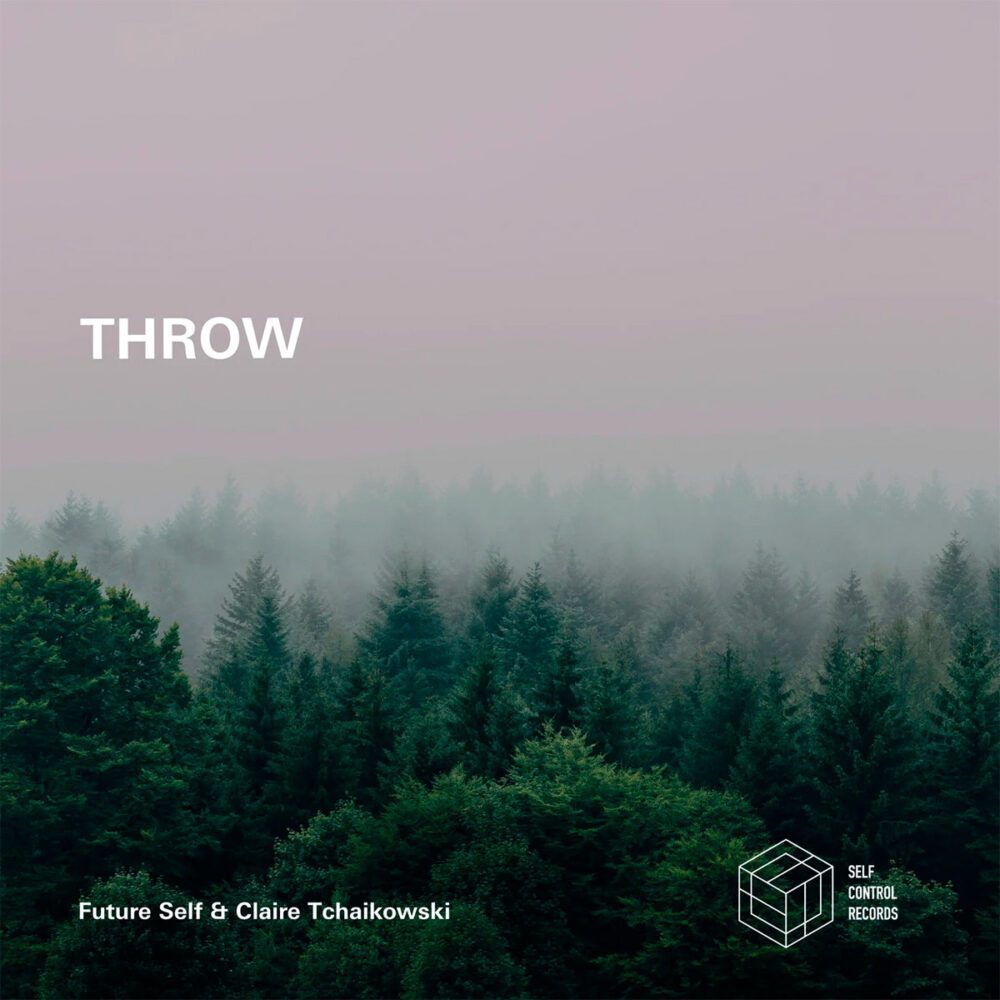
Future Self’s ‘Throw’ is out now on Self Control Records. Stream and download here.
Follow Future Self: Spotify | Soundcloud | Instagram