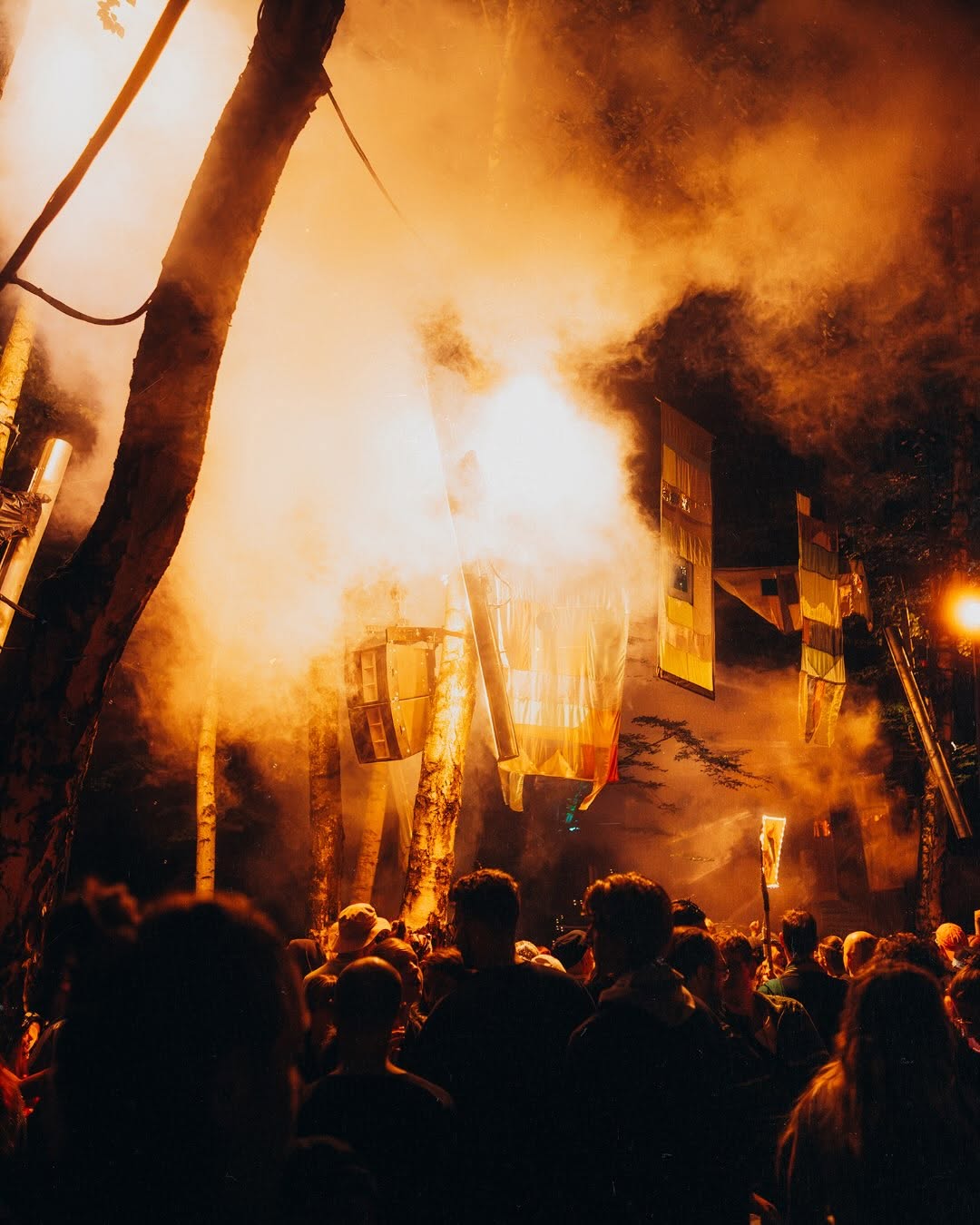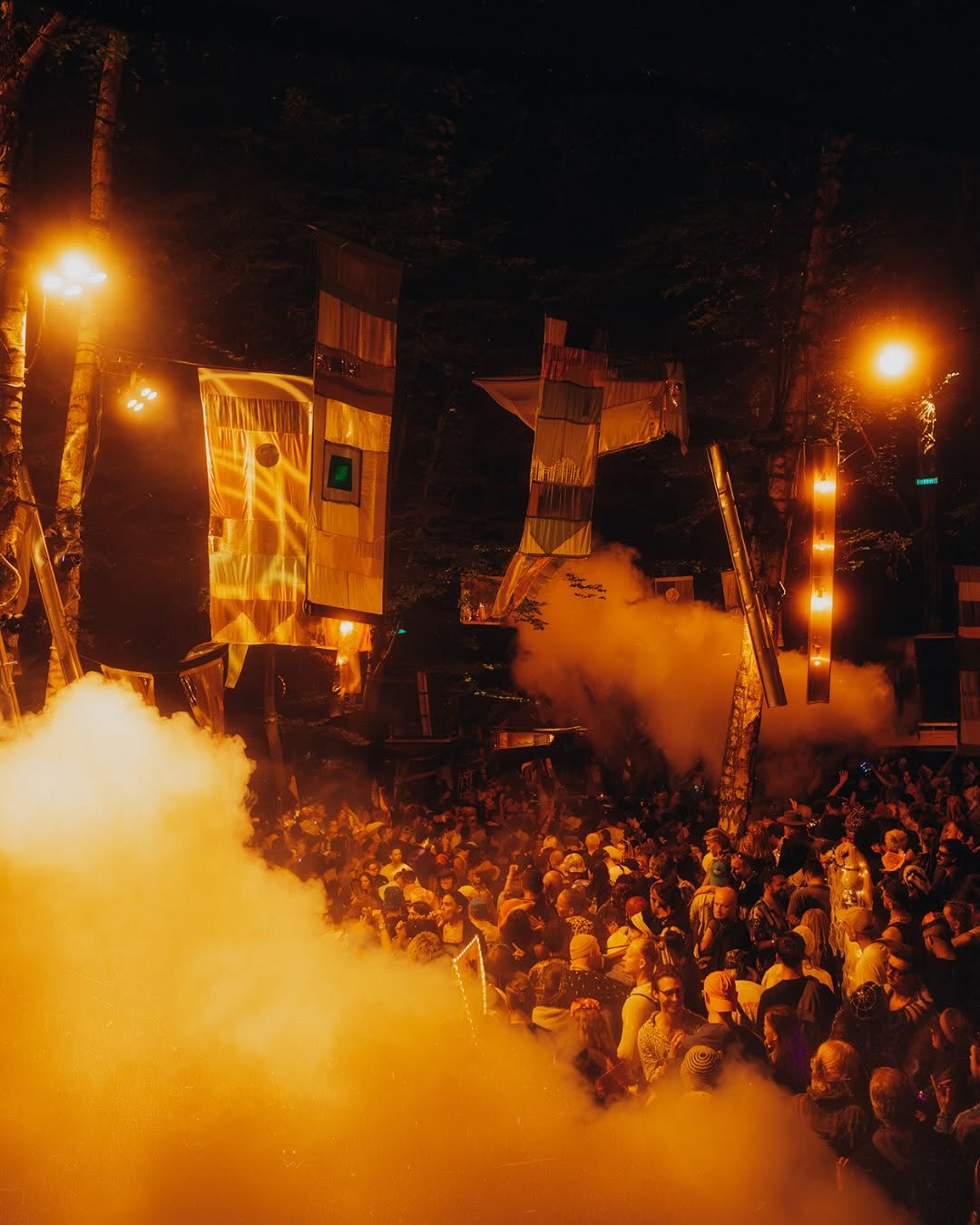
There is a particular kind of festival fatigue that sets in after enough summers on the circuit – a creeping cynicism that greets every “immersive experience” and “once-in-a-lifetime lineup” with a raised eyebrow. Attendees arriving at Garbicz this year, many of them seasoned festival-goers used to considerably bigger production budgets and bigger headline names, came prepared for exactly that scepticism. By the end of the weekend, most of them had abandoned it entirely.
Photo Credit: Garbicz Festival – Facebook
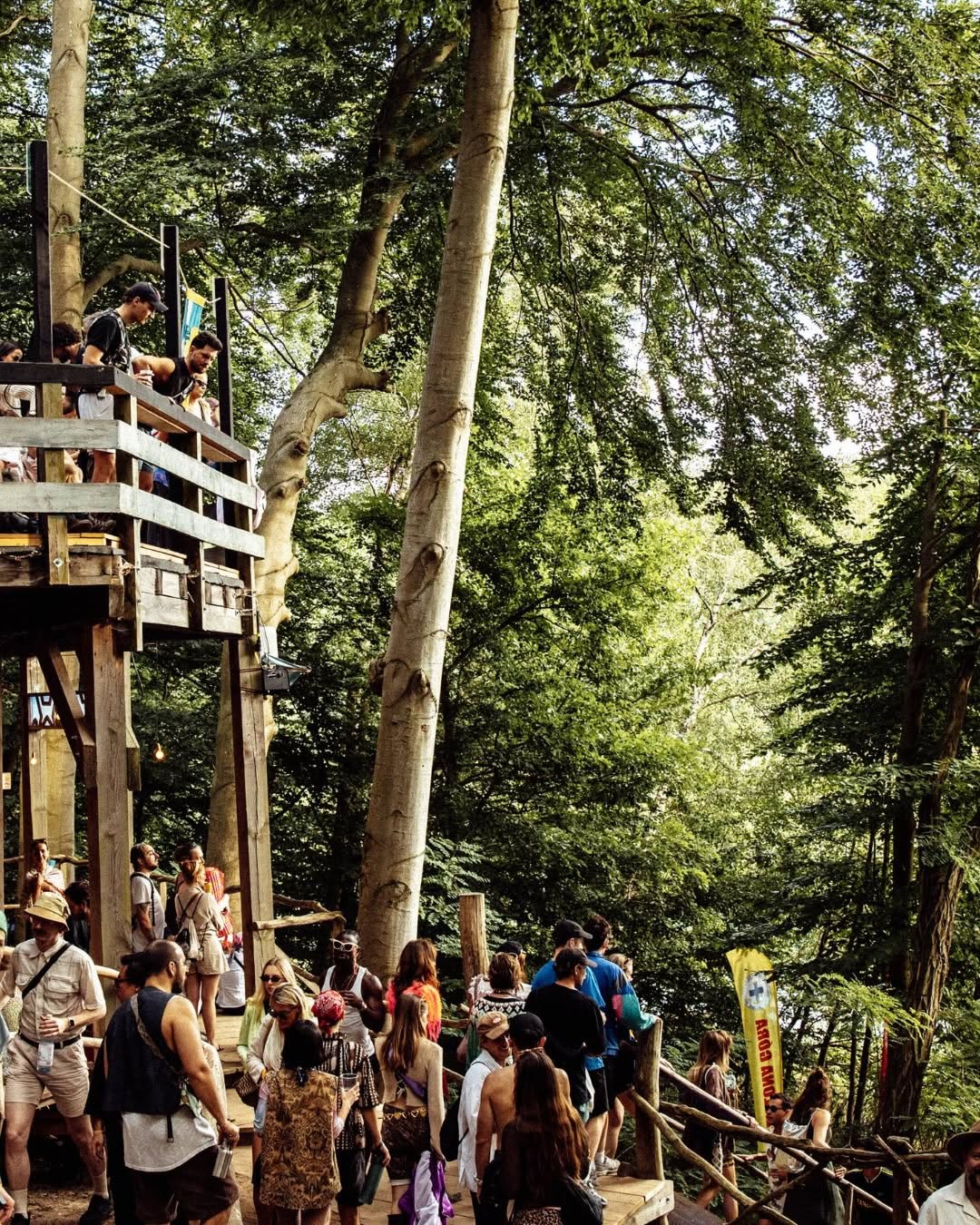
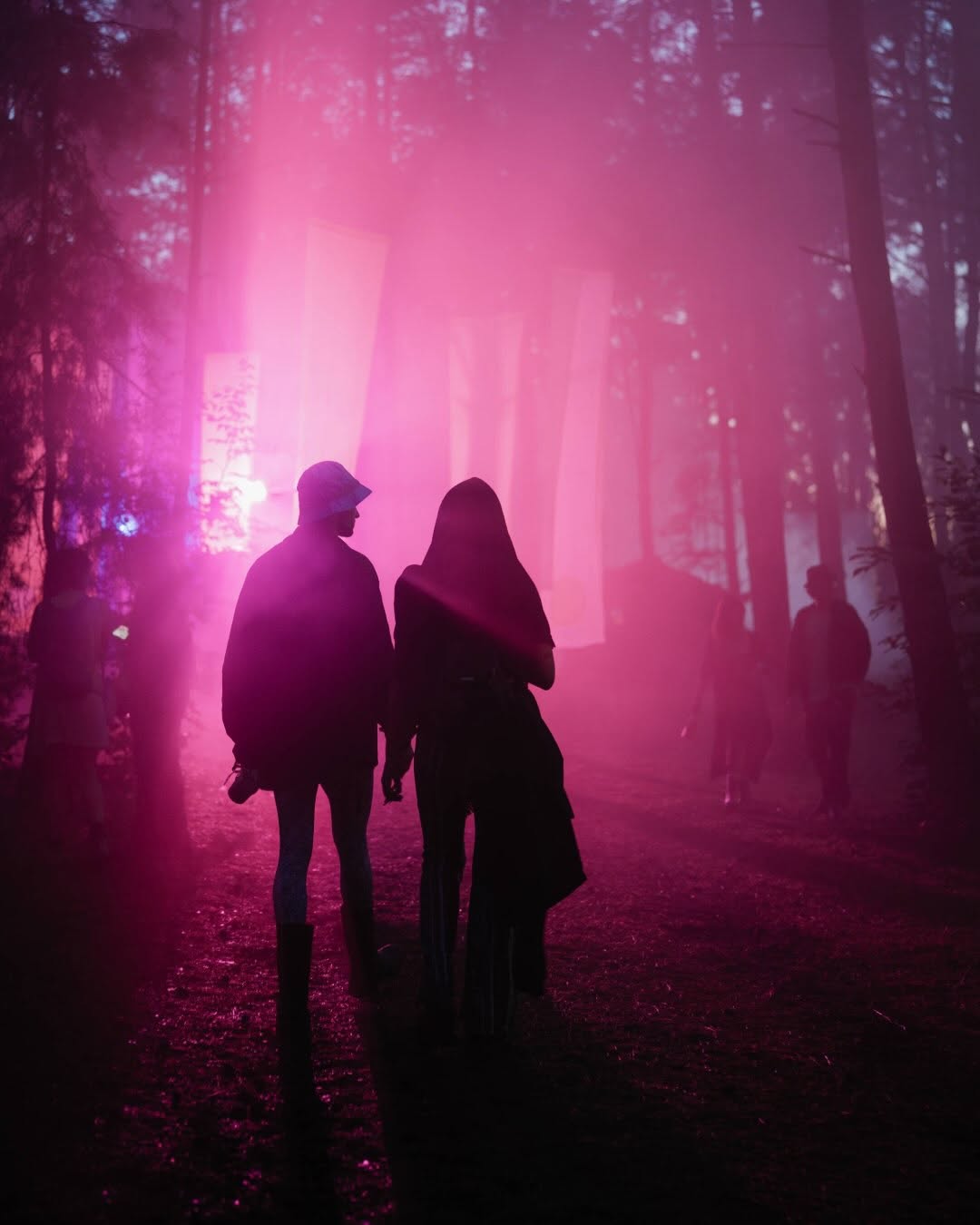
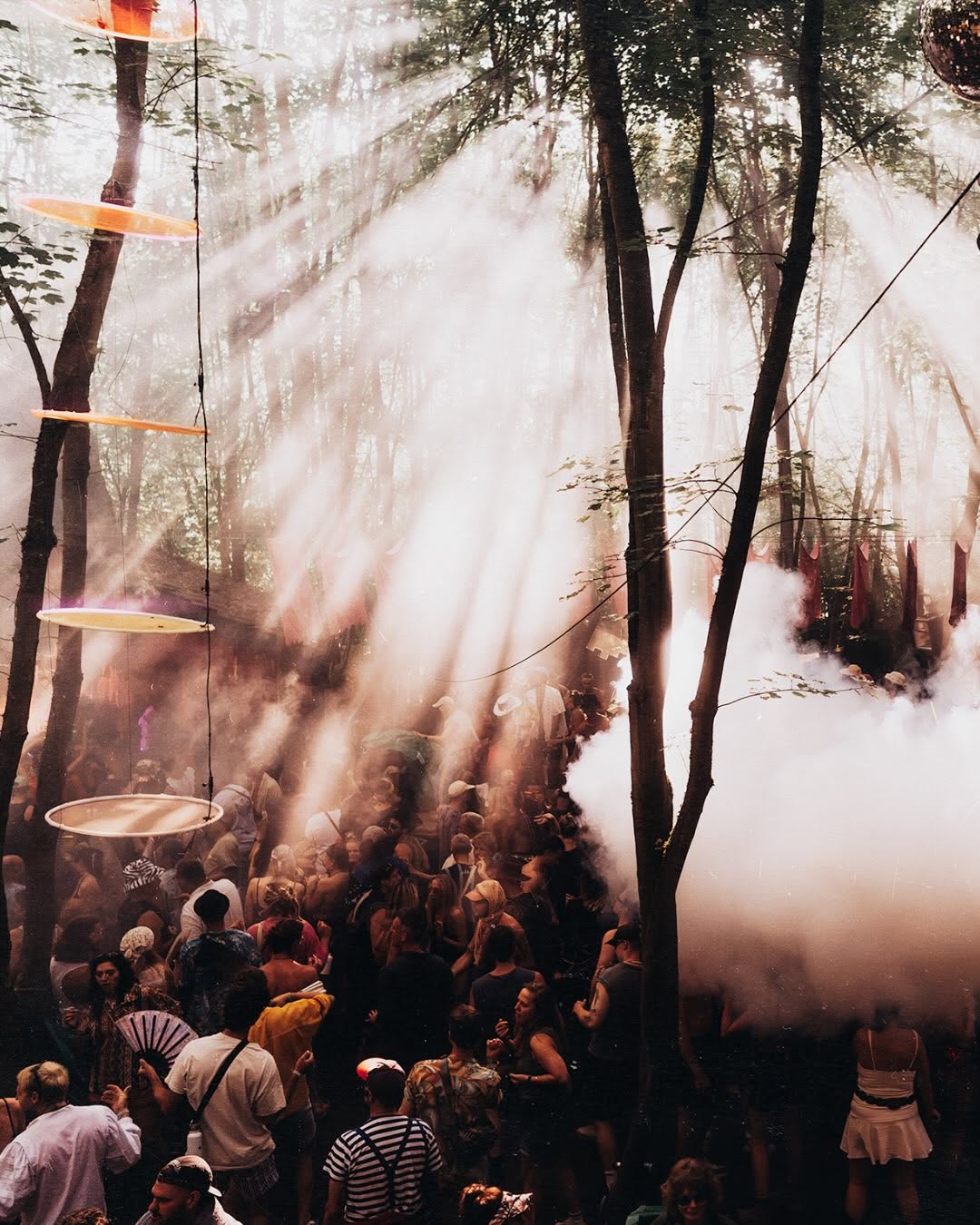
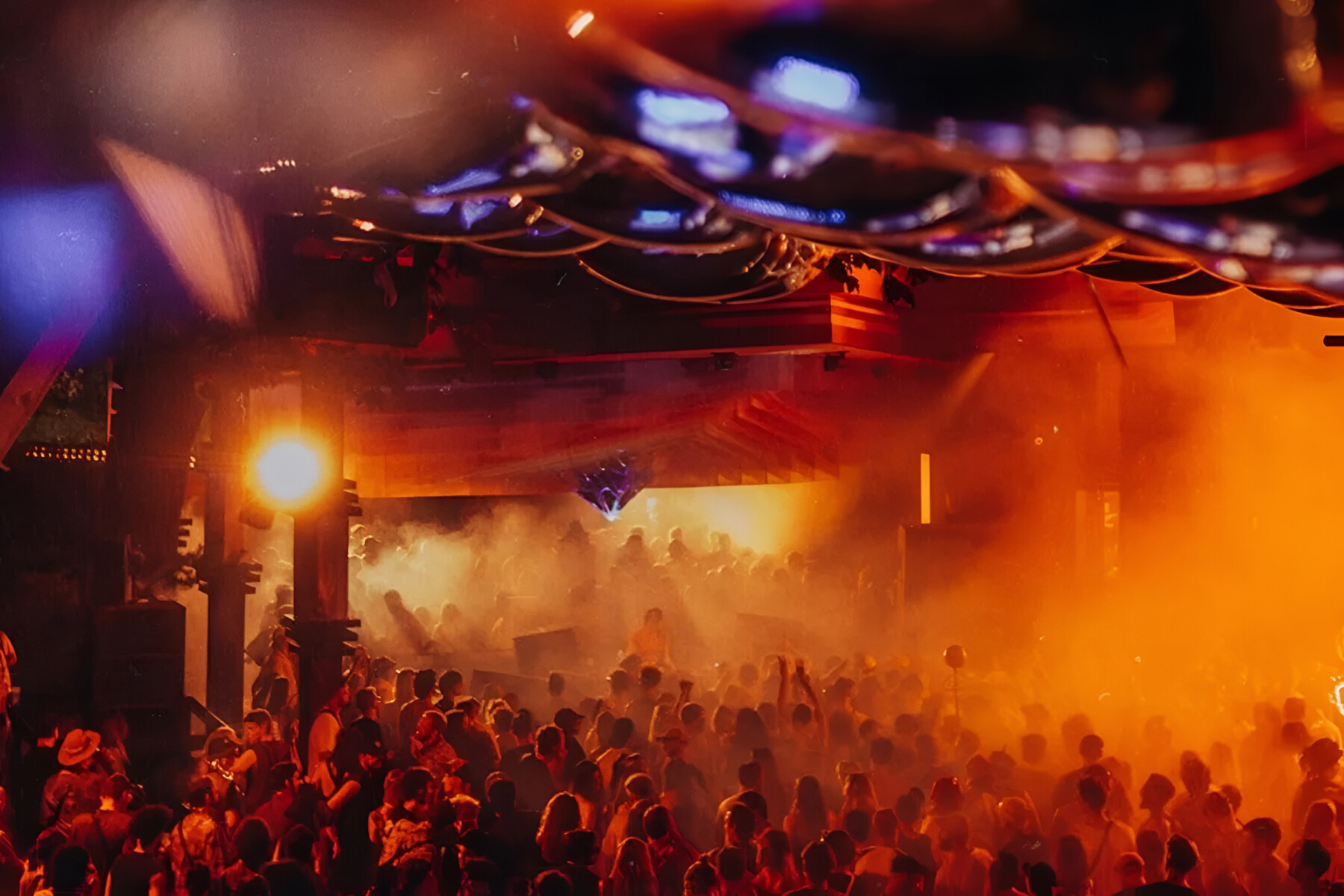
Tucked into the forest and lakeside terrain in Poland, Garbicz Festival has spent more than two decades quietly building a reputation as one of Europe’s most distinctive electronic music gatherings, organized by the same team behind the legendary Bar25. It shows. Where many festivals of comparable size lean on scale and star power, it operates on something closer to instinct. There’s no dominant sense of arrival at a gigantic entertainment complex, no rush to work out where to be or what to see next. Instead, the festival rewards wandering: following a sound through the trees, discovering an installation half-hidden in the woods, drifting toward the lake because the light happened to catch it a certain way. A footpath becomes a dancefloor. A dancefloor becomes a conversation. Somewhere in between, an entire afternoon disappears.
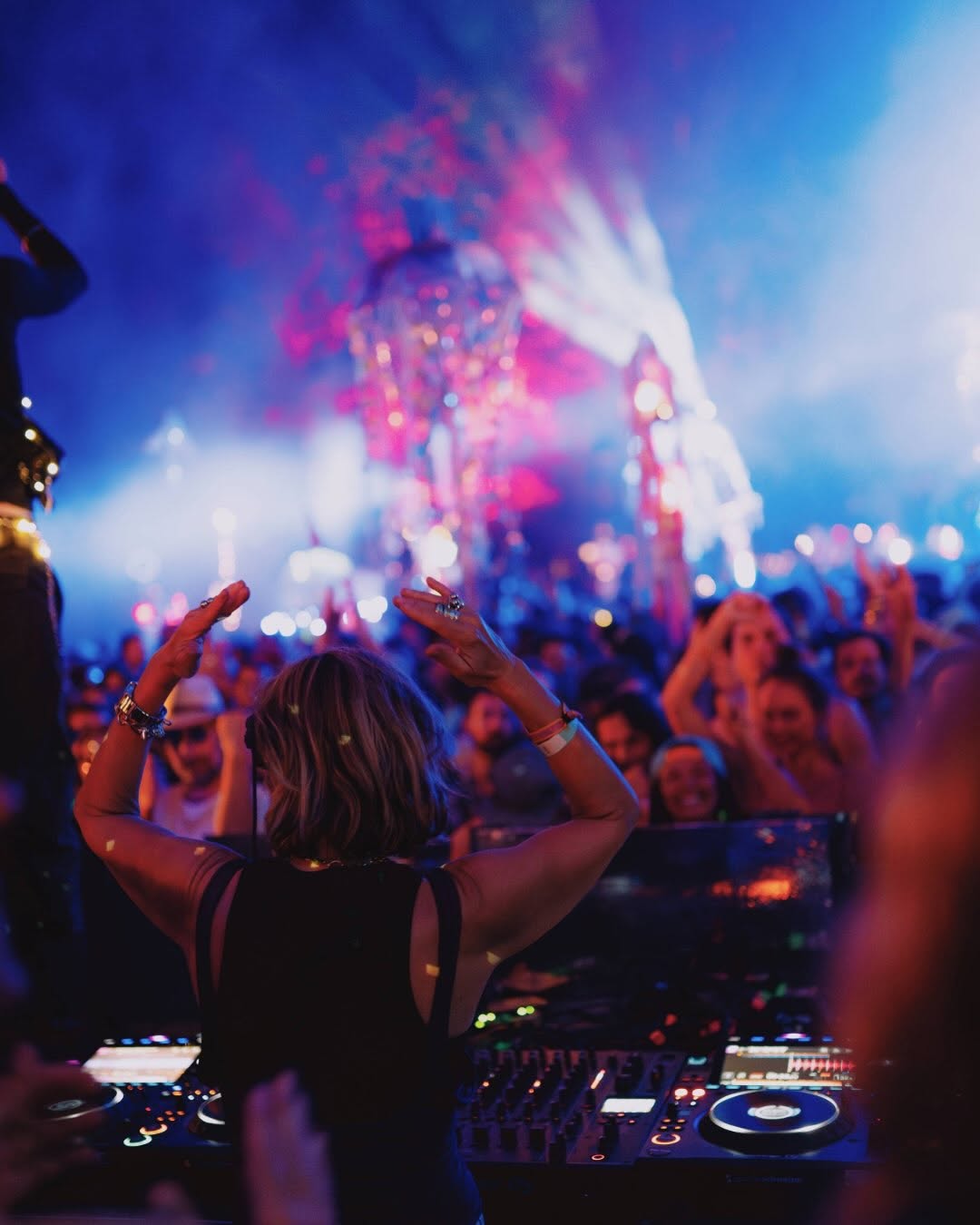
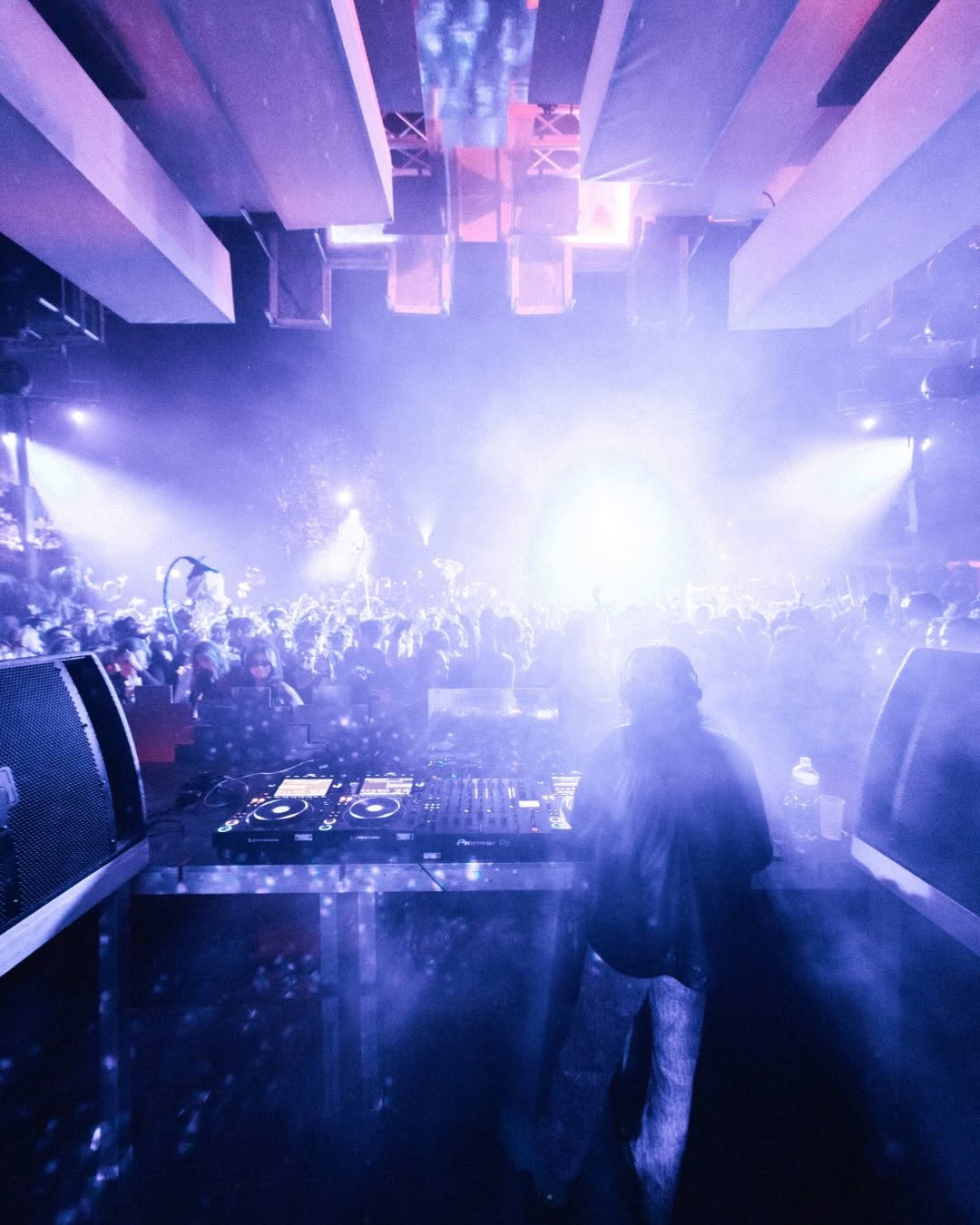
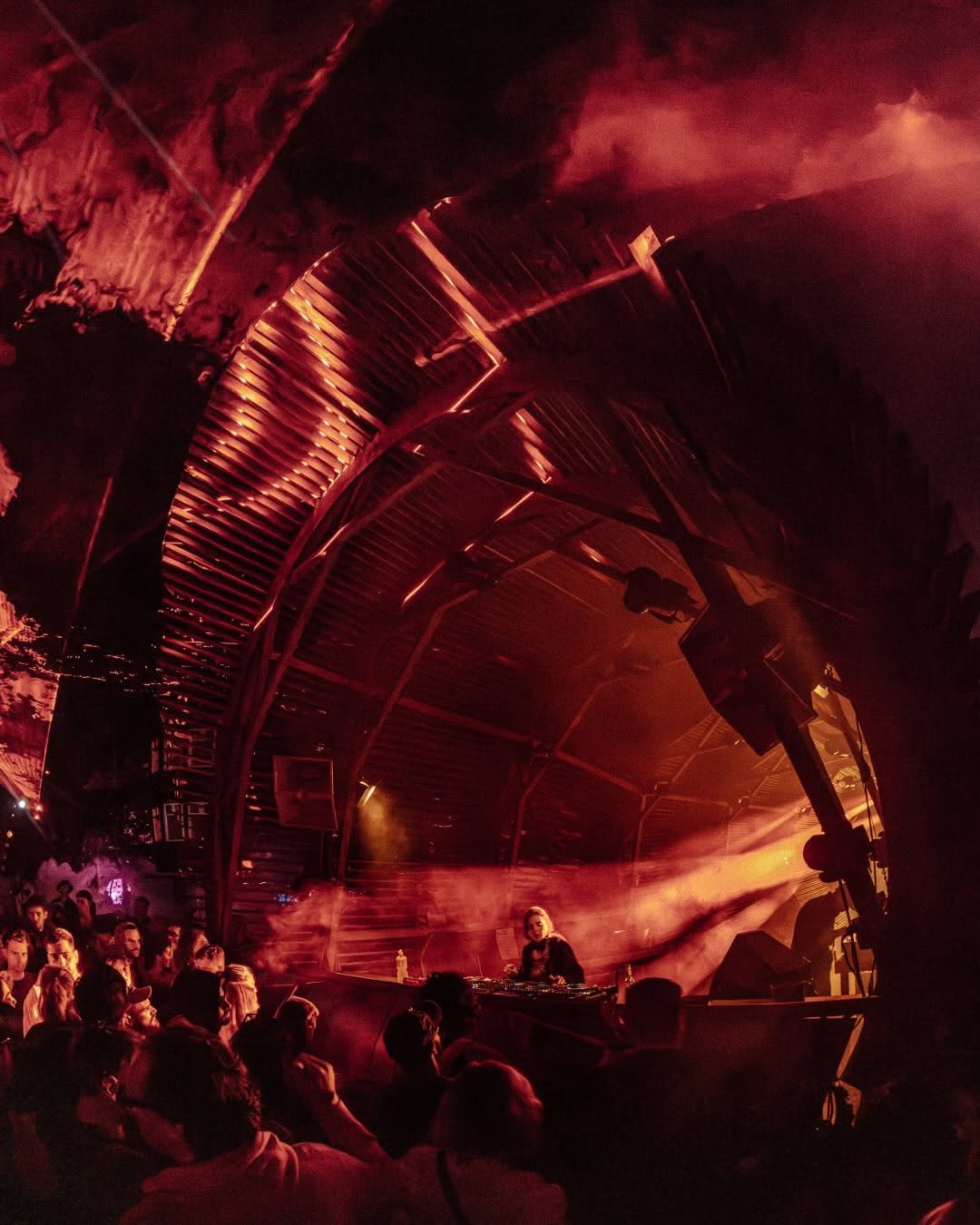
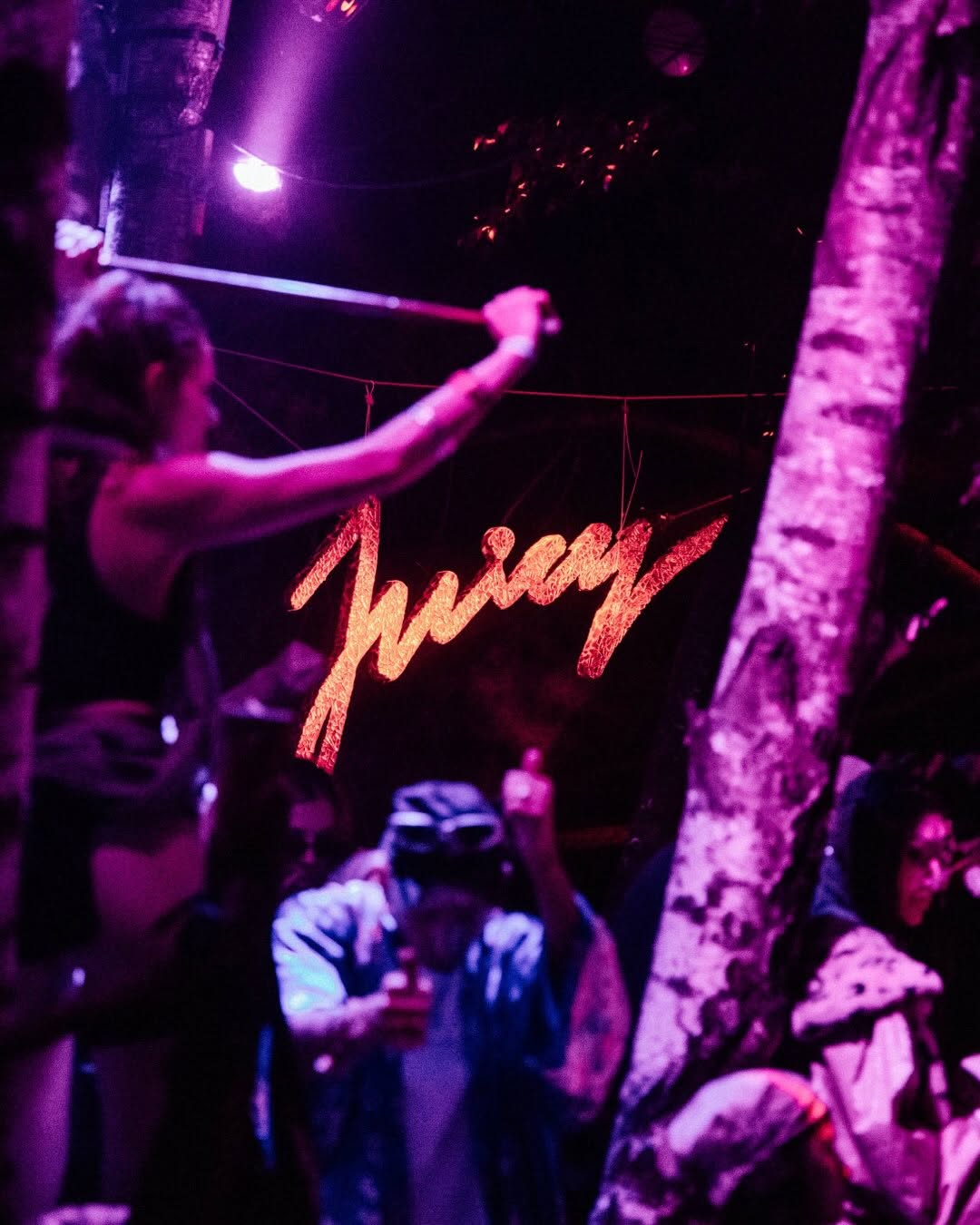
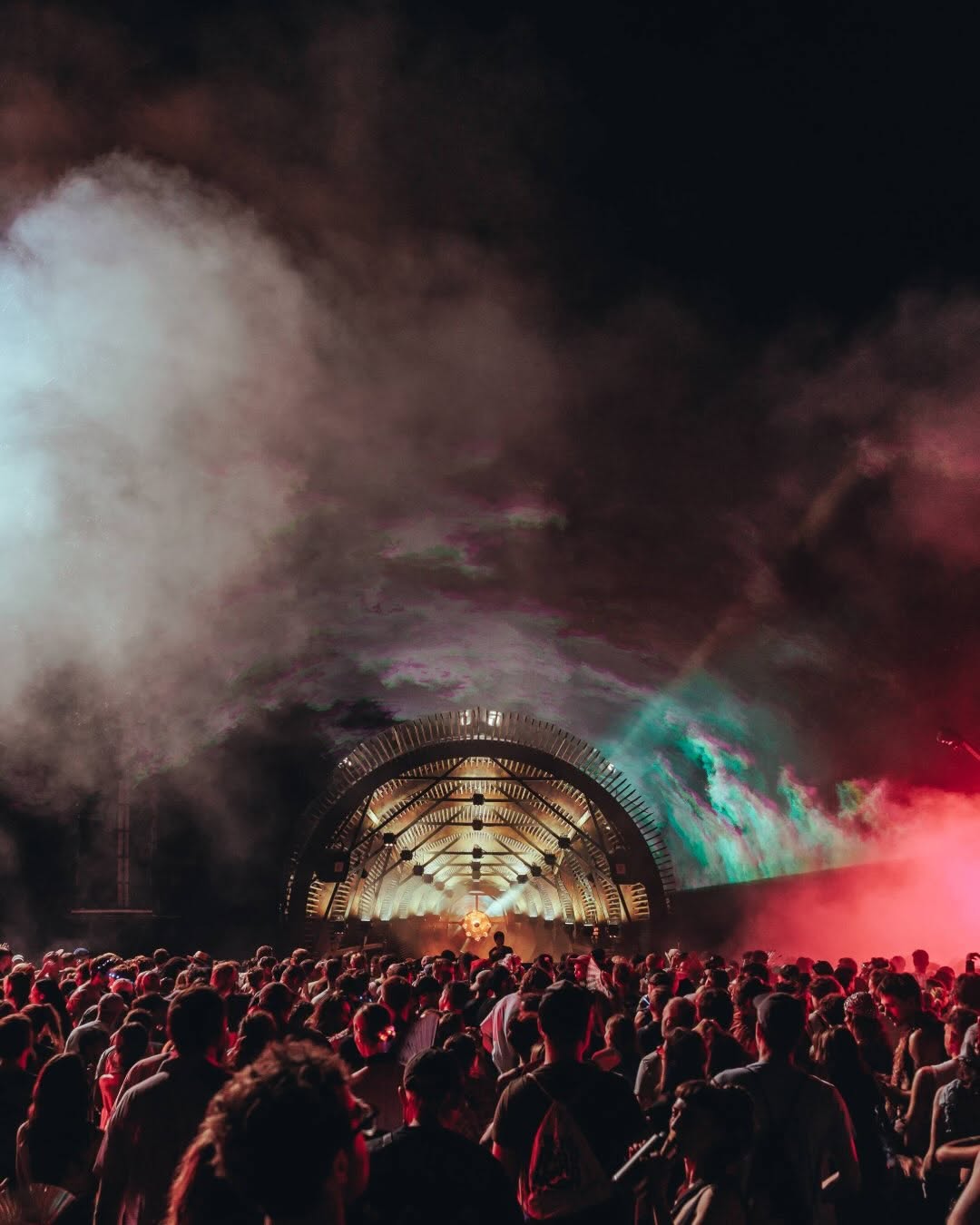
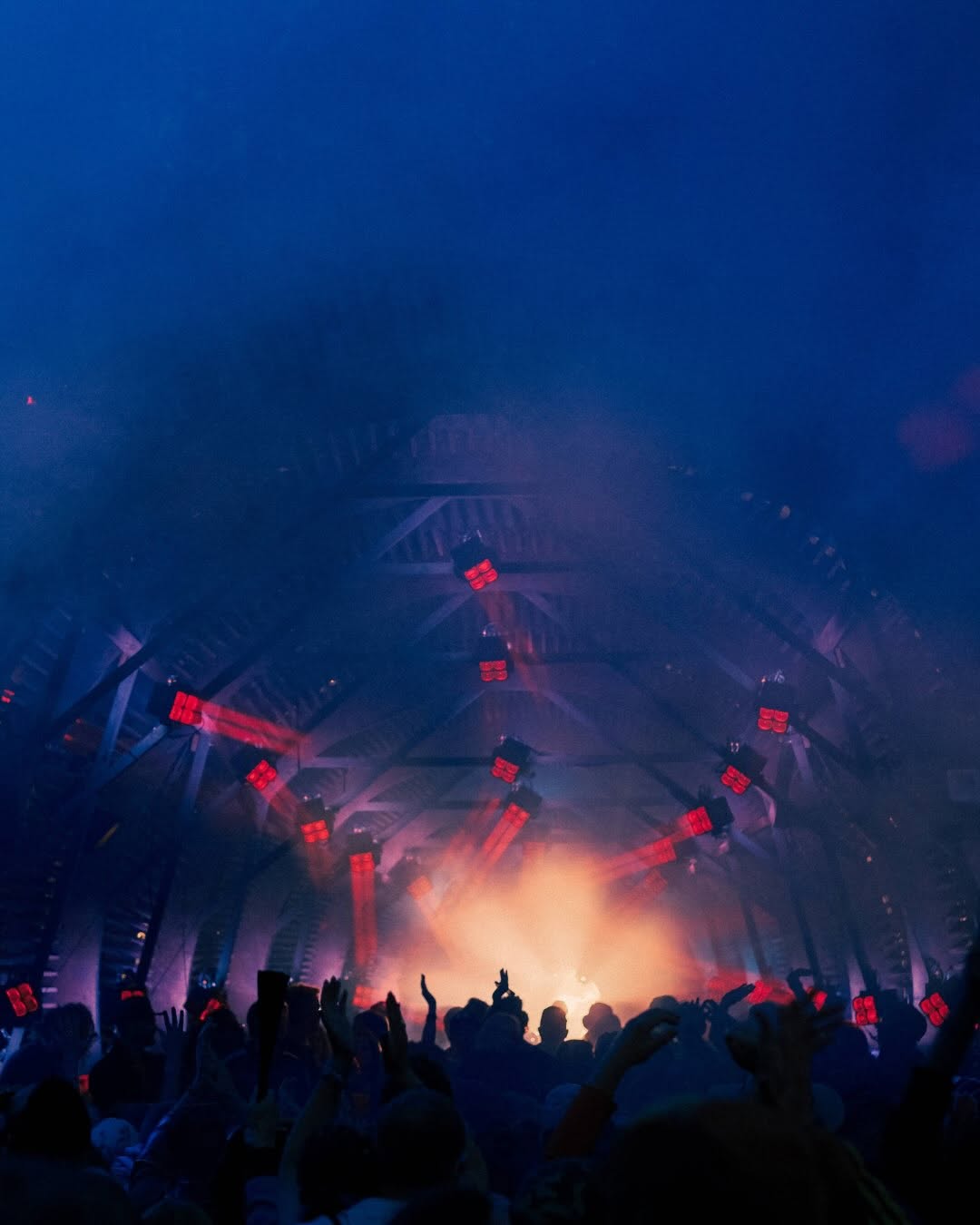
That sense of unforced discovery extends to the production itself. The art on site isn’t decorative filler (several installations wouldn’t look out of place at Burning Man), and the same intentionality runs through the stage design and the sound. Across Juicy, the main stage and the smaller satellite areas, the systems were consistently, almost unfairly crisp, giving DJs the rare freedom to build genuine arcs rather than a string of crowd-pleasing peaks. Sets breathed. They took detours. A standout came from Kenny Larkin, whose late-night session on the main stage drew easily the loudest response of the weekend – the kind of set that stops conversations mid-sentence and leaves grown adults grinning at strangers. Rasmus Lützen and the Giegling crew both delivered similarly transportive sets elsewhere on site, while a golden-hour back-to-back from Cinthie and Meat, arriving just after a brief rain shower, became the moment several attendees pointed to afterwards as the one where the festival truly clicked into place. Elsewhere across the weekend, names including Leon Vynehall, Mira, Kevin Saunderson, Ame, Roman Flügel, Massimiliano Pagliara, Virginia and Matildoutz kept the various stages running at a consistently high standard – providing one of the more unexpectedly joyful moments of the closing morning.
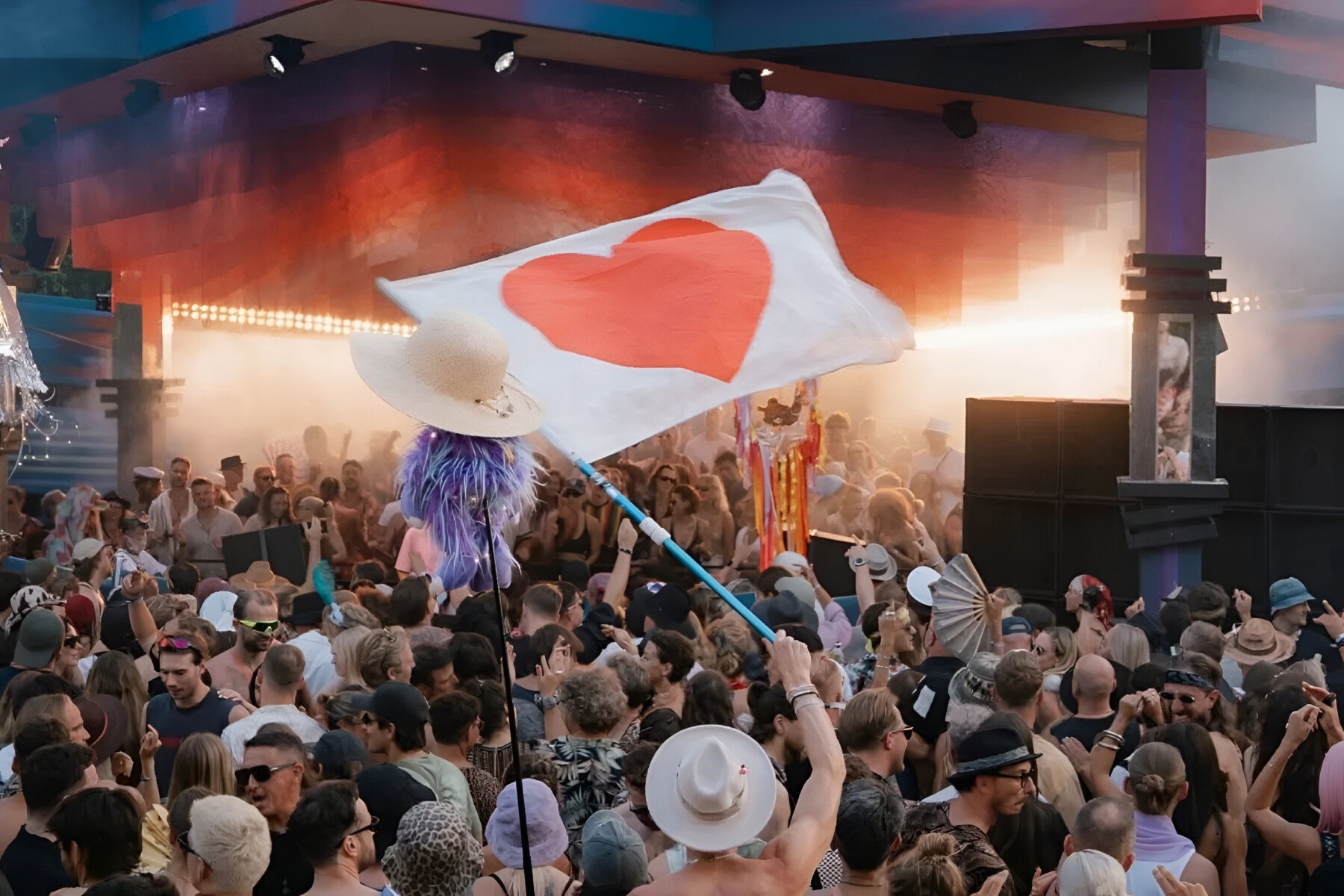
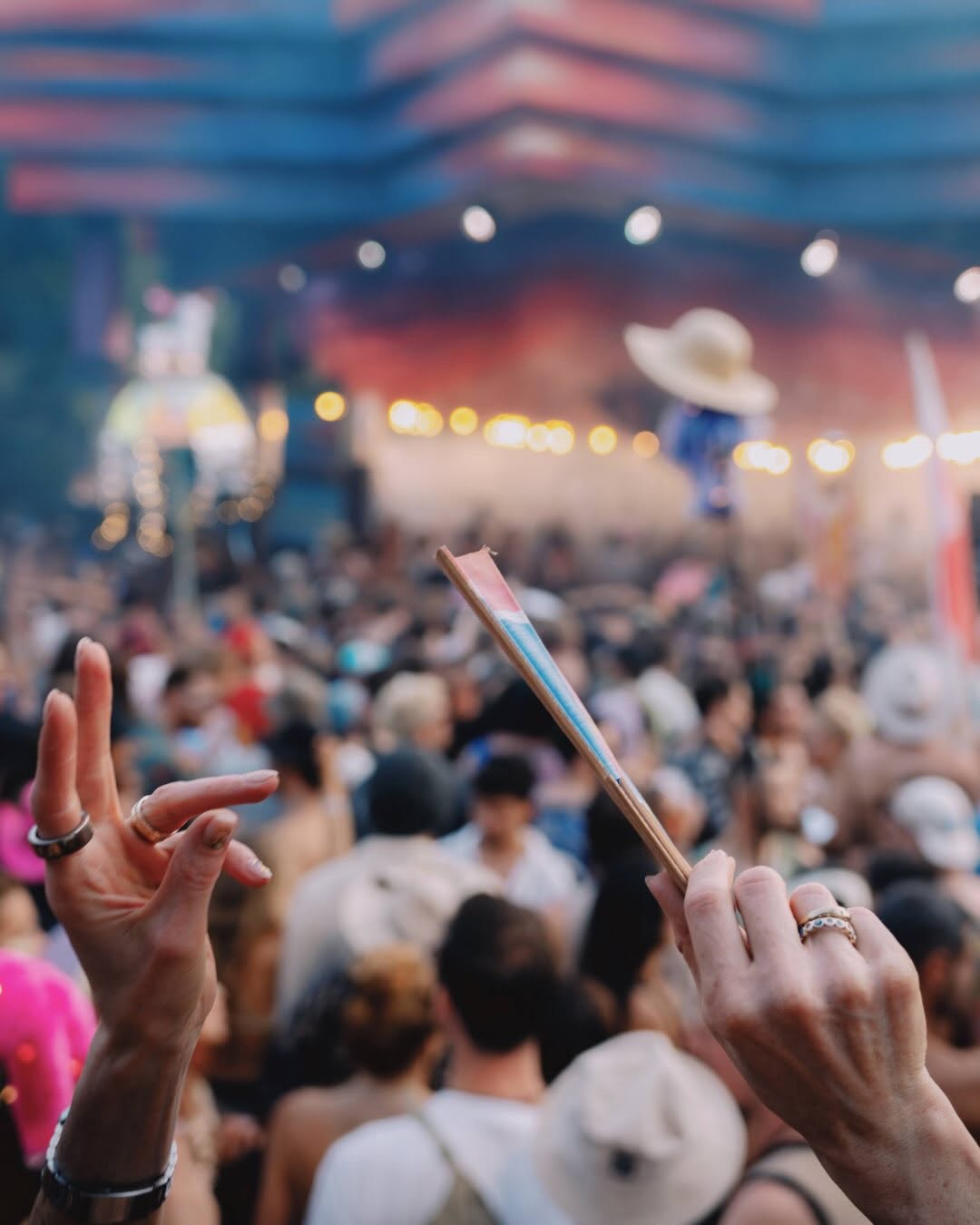
What distinguishes Garbicz from other festivals of its size, though, isn’t any single set or stage. It’s the accumulation of small, considered touches that give the whole event a personality rather than a brand identity. A string quartet, vocalist, and dance performance appearing by the lake at the Ambient area. An impromptu women’s circle forming at the main stage in the middle of the night. Costumed characters wandering the site so consistently that the crowd itself becomes part of the visual landscape, less a festival audience than a cast of collaborators. None of it feels engineered for a photograph – in fact, no photography was allowed. It feels like a place that has simply been allowed to develop its own eccentricities over twenty-plus years, undisturbed by the pressure to scale up or smooth itself out.
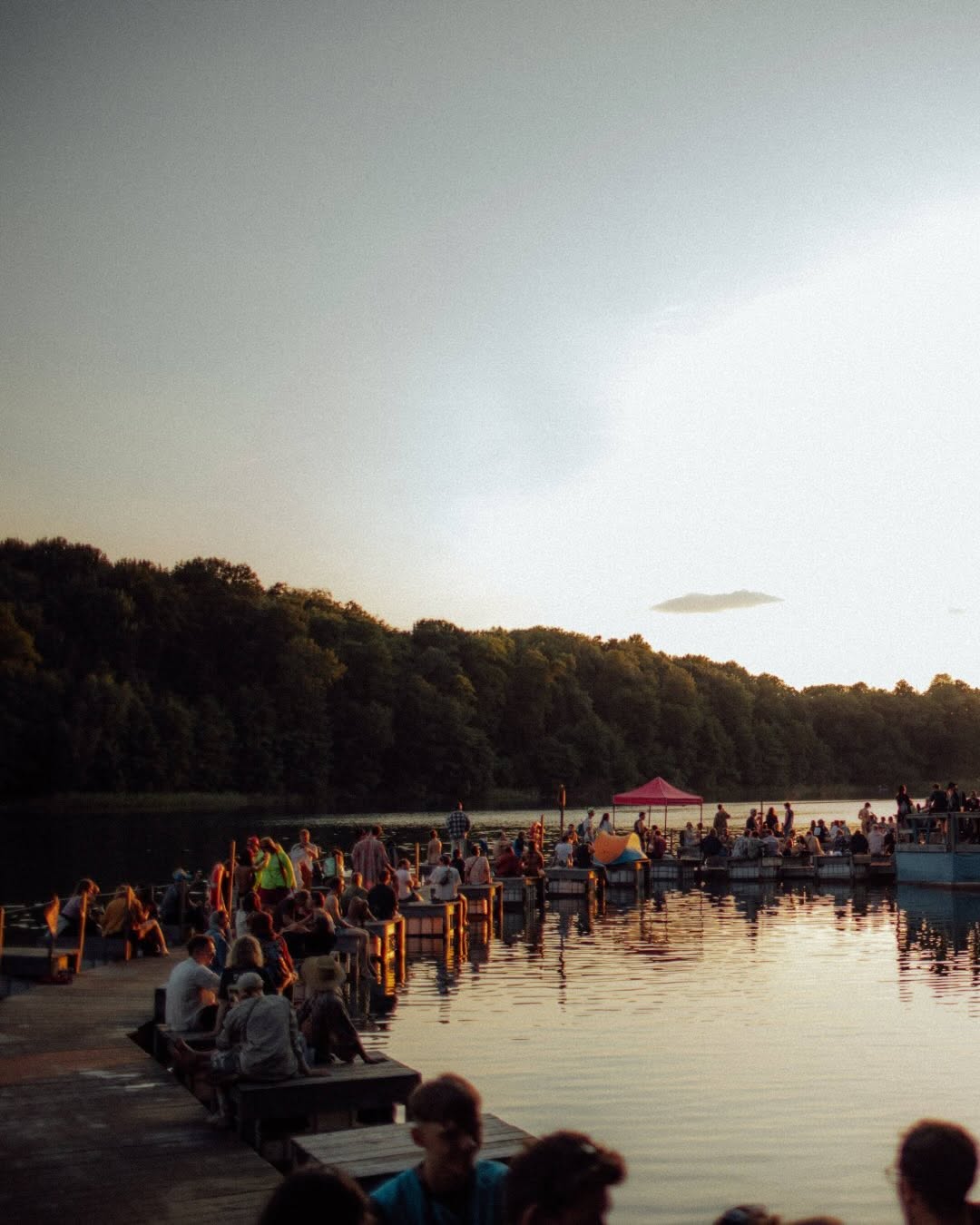
The logistics, too, reflect that same care. A cashless wristband system removes the friction of carrying cash or cards on site, with pre-loading available in advance for anyone keen to skip the on-site queues. Camping options ranged from the Sunrise and Village camps to a dedicated Silent Camp for those craving a quieter night’s sleep between days of dancing – a small detail, but one that speaks to a festival genuinely thinking about its attendees’ experience beyond the stages. The lake itself became something of a daily ritual: a swim first thing in the morning proved an easy, invigorating way to reset before the music started in earnest, and the nearby sauna made for the perfect pairing – the cool plunge followed by the sauna’s heat becoming a small, well-loved routine among regulars. Food, too, went well beyond standard festival fare, with several attendees comparing the quality favourably to far more expensive boutique events.
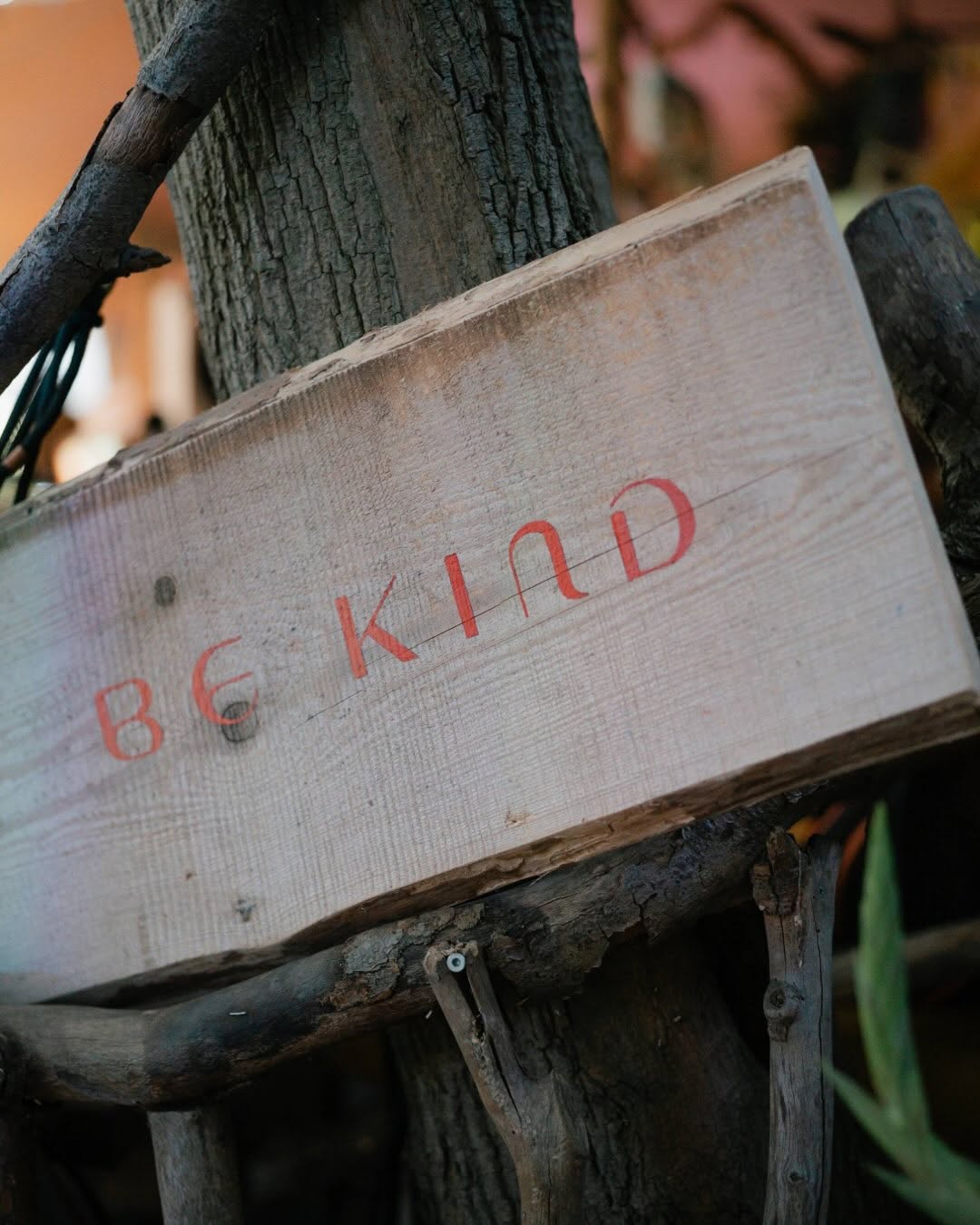
By the second or third day, it seemed people stopped checking the time altogether, and really leant into going with the flow. Conversations turned into all-night wanders, chance reunions with old friends multiplied. That’s the part of Garbicz that’s hardest to put into words and the easiest to recognise once you’ve felt it: a collective sense of having stepped, briefly, into somewhere kinder and stranger than ordinary life, populated entirely by people who wanted to be there and needed a reset that is all too hard to find in our modern world.
It’s rare for a festival with a growing international reputation to still feel intimate, but Garbicz manages it. On the evidence of this year’s edition, it remained something increasingly hard to find on the festival circuit: a place built with genuine care, running on instinct rather than algorithm, that gives its audience the freedom to build their own experience rather than handing them a pre-packaged one.
The dust hadn’t even settled before talk turned to next year’s tickets; if that isn’t the review, nothing is.
Tickets for Garbicz 2027 are available now via www.garbiczfestival.com