Founded in 2017 as a grassroots collective, Femnoise has grown into a powerful incubator for women and gender-diverse talent in electronic music.
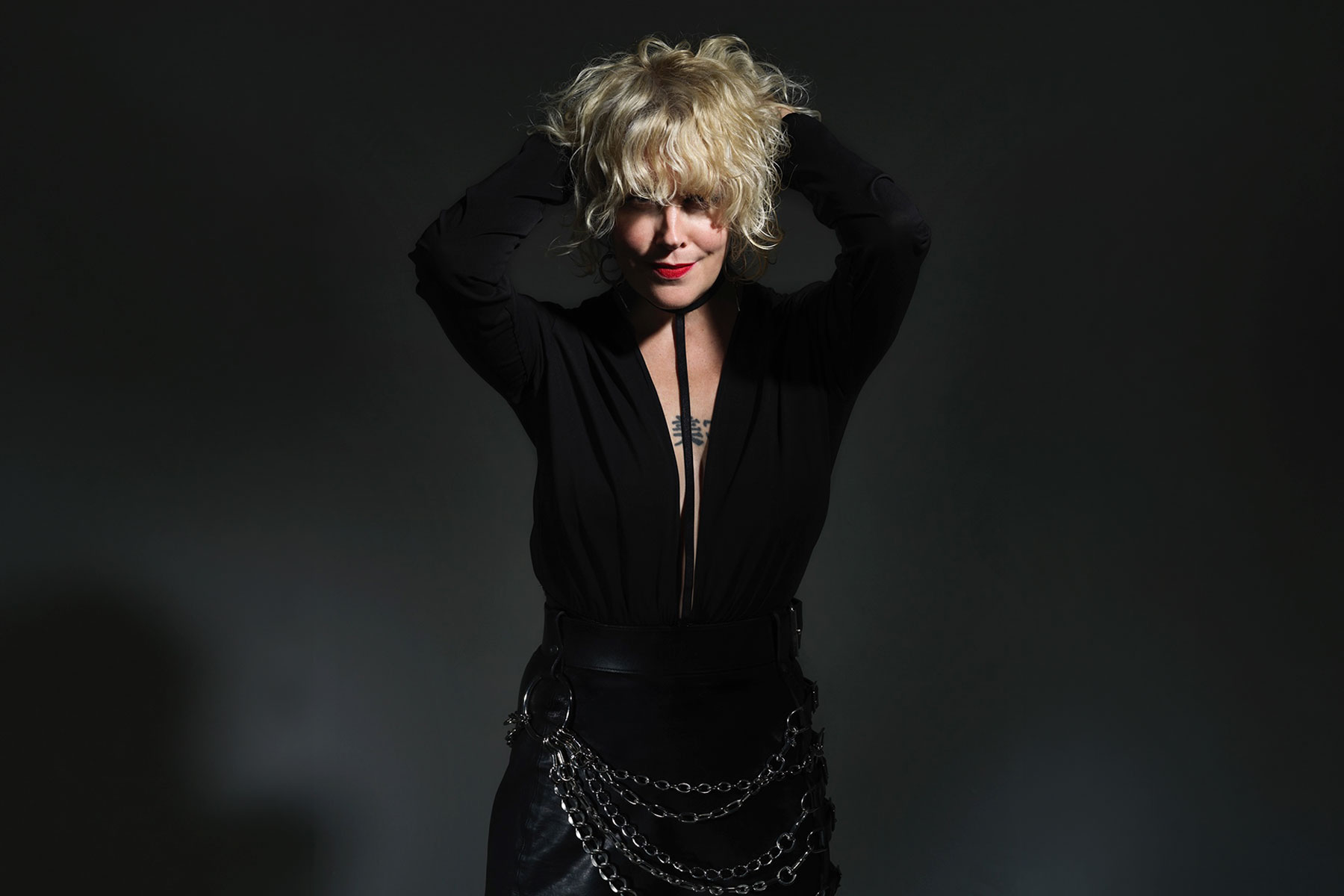
Photo credit: Femnoise – Official
Under the direction of Natalia S, the Barcelona-based platform has evolved from supporting DJs on underground stages to building a professional infrastructure that spans artist representation, education, political activism, and since 2023, its own record label.
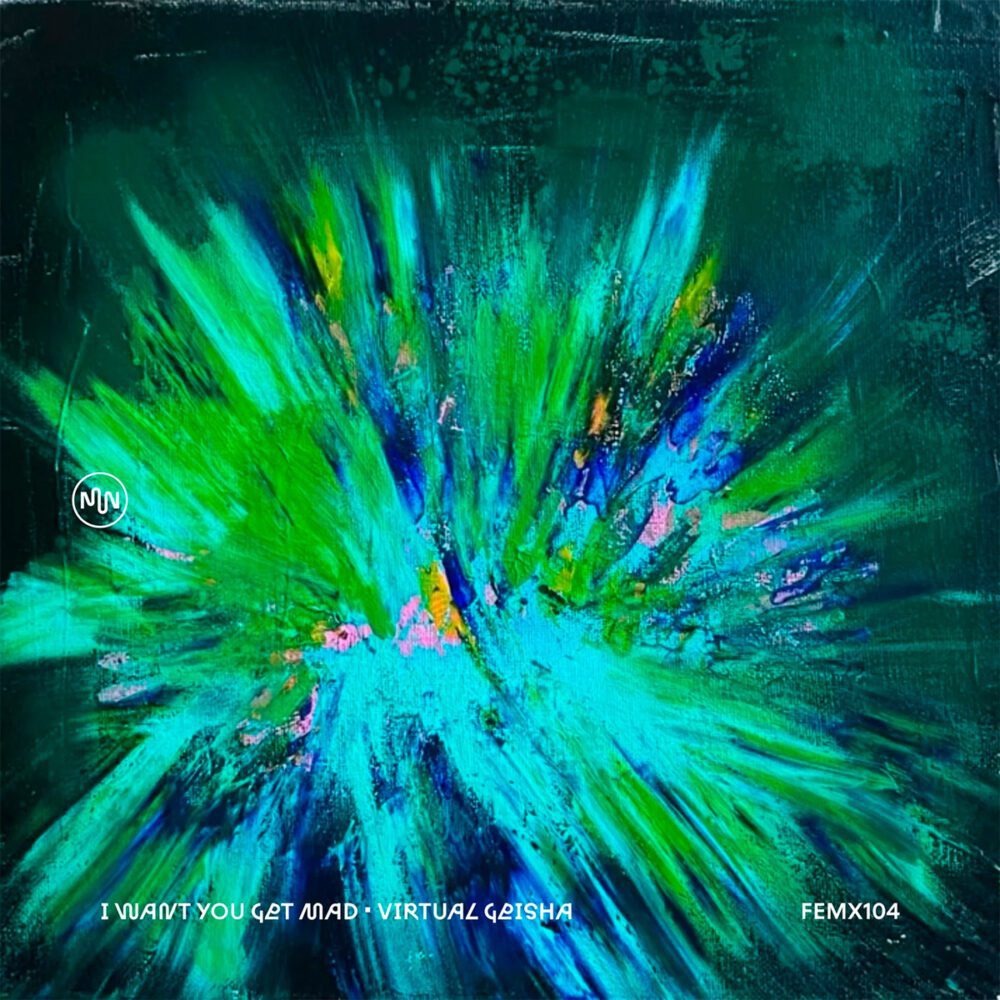
With releases like Virtual Geisha and Hania Derej’s ‘I Want You Get Mad’—which donates all proceeds to Palestinian organizations—Femnoise continues to challenge industry norms while pushing forward bold sonic identities. Their work is grounded in real-world strategy: career development, fair play, and reshaping how the scene values music made by FLINTA artists.
In this conversation, Natalia San Juan shares what it takes to build an ecosystem from scratch, and what’s coming next.
EG: Hi, Natalia! Welcome to EG. It’s an absolute pleasure to have you here with us. How are you doing? What have you been up to?
Femnoise: Hi! I’m doing very well… in that “very well” of people who are never really still. Between releases, our internationalization strategy, and several institutional projects, I’m still playing the eternal Tetris of keeping a platform like Femnoise alive without ever losing sight of its purpose.
Right now, I’m focused on everything coming in 2026: a significant shift to activate the platform even further, strengthen our catalog with outstanding artists, and make a real leap in the visibility of women in electronic music—both in the press, with our upcoming media outlet, and through the events we’re preparing with Barcelona as our main hub, while planning to expand into other European cities.
And of course, I’m refining the 2026 strategies for the artists I represent: Andrea Zarco, Virtual Geisha, and Mystery Affair. Three very distinct sonic worlds, a lot of technical skill, and a huge projection… even in a moment when the electronic scene is increasingly challenging for independent projects (and even more so when they’re led by women).
EG: First of all, congratulations on the FMEX release of Virtual Geisha & Hania Derej’s ‘I Want You Get Mad’! This is quite a significant release, given that its proceeds go towards two Palestinian organizations. What has the initial reception been like so far?
Femnoise: The reception has been incredible. This release is not just music; it’s a political act, an ethical statement, and a reminder that the dancefloor is not a bubble detached from the world. The fact that Virtual Geisha and Hania chose to donate all proceeds to two Palestinian organizations resonates deeply, and the audience has truly understood it from the heart. We’re seeing real support, not just likes.
We were also deeply moved when Sama’ Abdulhadi made the track her own during the closing of Reworks Festival in Greece, reciting an Arabic poem over it with her father’s voice. It was a powerful moment, one of those that reminds you exactly why we do what we do.
And this is precisely why we want to give more space to releases like this. Electronic music (and techno in particular) has always been a form of protest. There’s no better vehicle to amplify messages that urgently need to be heard.
“There are more challenges than opportunities. But that’s precisely why it’s essential to keep working with consistency, strategy, and determination, to open real, not symbolic, spaces where artists can grow and the scene can truly evolve”
EG: Now, diving into the backstory of Femnoise as a collective and a label… When and how was the brand created? What was it that inspired this?
Femnoise: Femnoise was born out of absolute necessity. For years, I watched female and gender diverse talent being left out of the circuits, not because of a lack of quality, but because of a lack of access, visibility, and real commitment from bookers and the power structures that shape the industry. In 2017, I got tired of complaining and thought: “If no one is building the structure, then I’ll build it myself.”
That’s how it all started: first as a community, supporting DJs who had been grinding for years in Barcelona’s underground scene and helping them reach major stages like DGTL, Primavera Sound, Brunch Electronik, among many others. Today, we see far more women in DJ booths, and that’s a clear sign that something shifted.
Then we took another step. During the pandemic, we created a platform to map as many artists and music workers as possible, helping them connect with each other and making it easier for the industry to find them. A search engine by city, style, activity, and role that helped professionalize access.
But in 2023, we decided to tackle the root of the problem: only 6% of electronic music released worldwide is produced by women. We’re listening to music created mostly by men (and now also by AI), and that shapes how the world sounds. We had to act.
So we started encouraging more women to produce, but also to understand the real business behind music: a career is not sustained by endless gigs, nor by improvised self-releases, nor by creating labels without strategy. It requires real professionalization/structure, education, and a solid team.
With that vision, our record label was born in 2023. Small at first, but steadily becoming a powerful amplifier for FLINTA artists and for a scene that urgently needs more diversity in its creative core.
EG: You hold a very unique place in the industry, amplifying the voices of female and gender-diverse artists. How would you describe the current situation for development for a FLINTA artist? What are some of the most glaring challenges they face?
Femnoise: The development of a FLINTA artist today is a brilliant path… but one full of potholes. Creatively, the talent is incredible, but the challenges are still structural: a lack of role models, little professional support, glass ceilings, micro-machismos, and clubs that keep booking “the usual suspects.”
Then there’s the emotional side: many FLINTA artists are expected to be perfect from day one, while others are forgiven for everything. Impostor syndrome is still very present, and as if we didn’t already have enough obstacles, we now also have to compete with AI in music production.
And there’s another point people rarely address: the lack of musical education among electronic music audiences. Many listeners don’t value music created authentically and end up gravitating toward the mainstream, which is often made to “work” rather than to innovate. That reinforces a scene with little diversity, because it constantly feeds on the same formulas.
So yes, there are more challenges than opportunities. But that’s precisely why it’s essential to keep working with consistency, strategy, and determination, to open real, not symbolic, spaces where artists can grow and the scene can truly evolve.
“Positive discrimination is necessary, at least for a while. If the change does not come from bookers and promoters (who are still mostly men), then a minimum conscious effort, real openness, and a bit of honesty are essential to transform the scene. Without that, nothing moves”
EG: Only 6.5% of music producers worldwide are women. It’s the widest gap in the industry, and quite possibly, one of the hardest to close. How does Femnoise work to bridge that? What can and should others in spaces of power do to make the situation better in a way that creates a lasting, viable, and sustainable impact?
Femnoise: Femnoise works in a very surgical way: real accompaniment, structure, strategy, and the creation of concrete opportunities. We don’t just encourage artists to produce; we guide them so they understand how to negotiate, how to protect their rights, and how to get the most out of their careers. For many, it’s the first time they hear what a PRO is, or they don’t give rights management the importance it deserves, even with some trajectory behind them.
Regarding the industry: it’s no longer enough to “add a woman to the line-up.” Hiring processes need to change. Yes, we do see more women on festival posters, but they’re still written in small print, no risk, no real commitment. The pandemic caused a huge setback in representation, and we can still feel it. And the word “diversity” is used far too often as a cosmetic label.
And it must also be said clearly: positive discrimination is necessary, at least for a while. If the change does not come from bookers and promoters (who are still mostly men), then a minimum conscious effort, real openness, and a bit of honesty are essential to transform the scene. Without that, nothing moves.
EG: What would be the best bit of advice you’d give rising FLINTA artists struggling to find their voice?
Femnoise: That they don’t copy anyone. Look inward. Research, experiment, dare to sound “weird,” and understand that finding your voice takes time. Identity doesn’t fall from the sky; it’s built. And please: don’t wait to feel “ready” to start. No one is ever truly ready. I wasn’t either when I started Femnoise. And one more thing… send us your demos!
EG: Thank you so much for your time, Natalia! We wish you and Femnoise all the best for the future!
Femnoise: Thank you so much. The fight continues, but music has always been a beautiful weapon—and we keep refining it.
I’d also like to use this platform to call on women from all over the world to send us their demos at demos@femnoise.com. And of course, to the male allies interested in collaborating with powerful remixes. This has never been a battle against them; on the contrary, it’s about building together. We need them as partners to create an industry with real opportunities for all artists and to offer the audience the greatest diversity possible.
Virtual Geisha & Hania Derej’s ‘I Want You Get Mad’! is out now on Femnoise. Stream and download here.
Follow Femnoise: Website | Soundcloud | Instagram