Freerange Records has spent three decades building a catalog rooted in house music, artistic freedom, and long-term relationships. Founded in 1996 by Jimpster and Tom Roberts, the independent label has developed a recognizable sensibility without restricting itself to a single sound, moving between soulful house, jazz, disco, broken beat, and stripped-back club music.
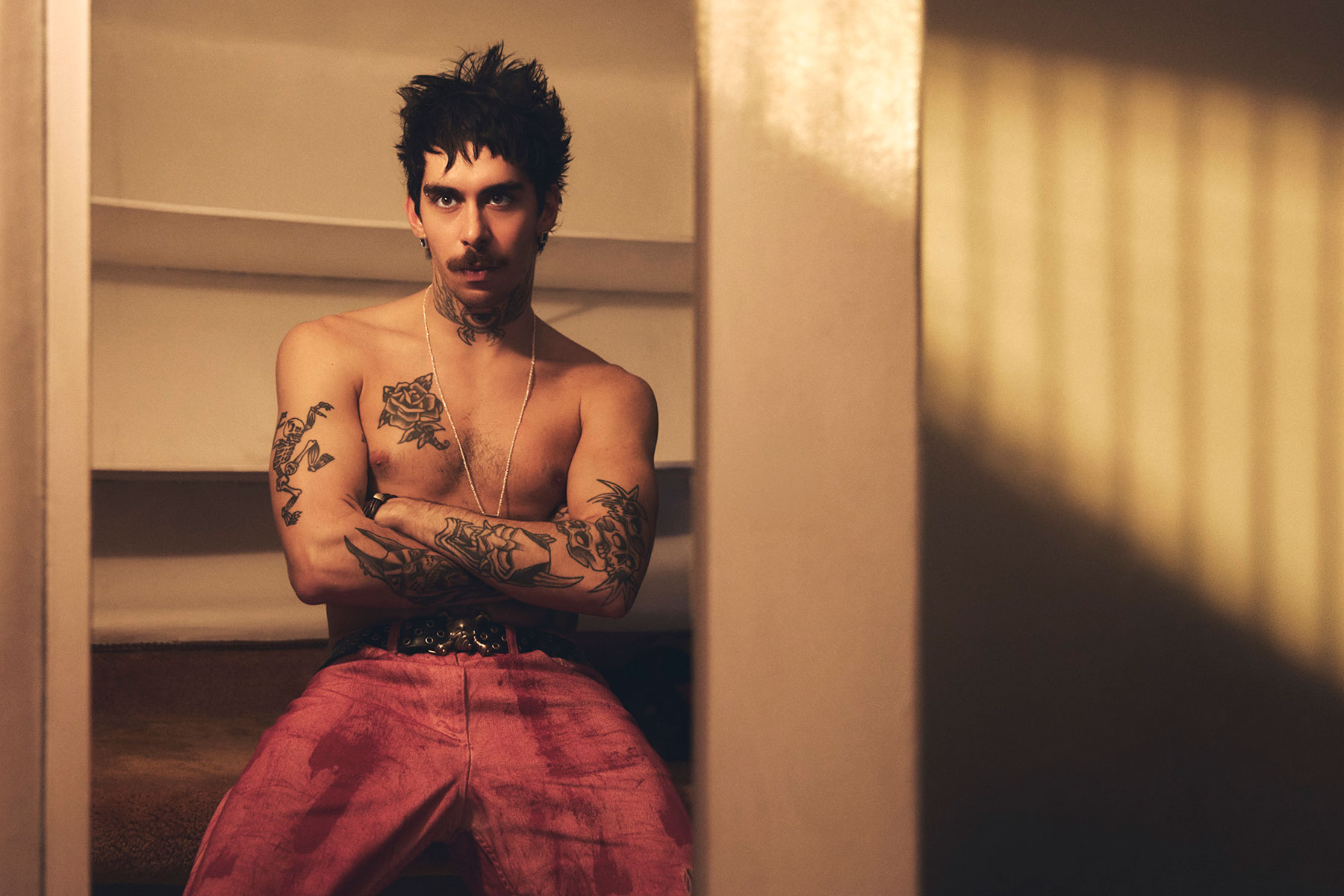
Photo credit: Freerange Records – Official
Its 30th anniversary is being marked through ‘30 Years Of Freerange’, a collection of 30 new tracks from 30 artists released across five EPs before culminating in a physical box set. Rather than looking back through a conventional retrospective, the project connects established members of the label’s history with a new generation shaping its future.
In this conversation, Freerange discusses its beginnings, changing approaches to A&R, the impact of streaming and AI, and the values that have sustained the label for three decades.
EG: Hi, guys! Welcome to EG. It’s a pleasure to have you with us. How have things been lately? What has life at Freerange looked like in the lead-up to this milestone celebration that is your 30th anniversary?
Freerange Records: Thanks for having us! It’s definitely been one of those periods where every time you tick one thing off the list, another three appear. We knew celebrating thirty years was going to involve a bit more than just putting together another release, but I don’t think either Tom or I quite appreciated how much history we’d accumulated until we started digging through old artwork, records, photos, and emails.
It’s even got a bit emotional at times. Not in a nostalgic way, but more because it’s prompted a lot of conversations about people who’ve been part of the journey. Some artists we’ve worked with consistently for twenty-odd years, others only once, but every release leaves its own little mark on the label’s story. Looking back through all of that has reminded me that Freerange has always been built on relationships as much as records.
At the same time, we’ve been trying very hard not to get too caught up in looking backwards. The day-to-day reality is still exactly the same as it’s always been. Demos are arriving every week, artists are sending mixes in at the last minute, we’re discussing artwork, planning events, and trying to make each release feel as exciting as the last one. In that sense, turning thirty doesn’t really change anything. It just gives you a good excuse to pause for a moment and appreciate how fortunate you’ve been to spend so much of your life immersed in music.
EG: First of all, congratulations on ‘30 Years Of Freerange’. Three decades is an extraordinary achievement for any independent label, particularly in electronic music. Looking back, what does reaching this anniversary mean to you personally?
Freerange Records: Thank you. I have to admit it feels pretty mad saying “thirty years.” When we started Freerange in 1996, I don’t think longevity entered our minds at all. We weren’t building a business plan or imagining anniversaries decades down the line. We simply wanted somewhere to release music that we loved and hopefully connect with a few like-minded people around the world.
I suppose what means the most to us isn’t the number itself but the continuity. House music has always been a culture that’s constantly renewing itself. Scenes evolve, technology changes, audiences change, but this thread runs through it all. To have remained part of that conversation for three decades without feeling disconnected from what’s happening now feels very rewarding.
I’ve also realized that the label has quietly become a kind of timeline for my own life. Every release reminds me of a particular studio, a certain city, people I was spending time with, or records I was obsessed with at the time. In that sense, it’s almost like keeping a diary, except instead of words it’s documented through music.
EG: Rather than celebrating with a retrospective or a collection of classics, you’ve chosen to mark the occasion with 30 brand-new tracks from 30 artists. Why was it important that this anniversary be about looking forward instead of looking back?
Freerange Records: There was never really much debate about that. We briefly discussed doing some kind of retrospective, because that’s probably the obvious thing to do after thirty years, but it never really excited either of us. I’ve always felt that dance music is healthiest when it’s moving forward. Of course, it’s important to respect the past and understand where the music came from, but I don’t think nostalgia should become the destination. One of the reasons I still love running a label is that feeling of hearing something completely new that reminds you why you fell in love with electronic music in the first place.
So commissioning thirty exclusive tracks felt much more true to the spirit of Freerange. It wasn’t about celebrating what we’ve already achieved; it was about creating something that simply wouldn’t exist otherwise. Hopefully, in another twenty years, someone might discover one of these records for the first time without really caring that it came from an anniversary project. That would be the nicest outcome.
EG: The project brings together artists who have been part of Freerange’s story for years alongside newer names helping shape its future. When curating the compilation, what qualities were you looking for, and how did you strike that balance between legacy and renewal?
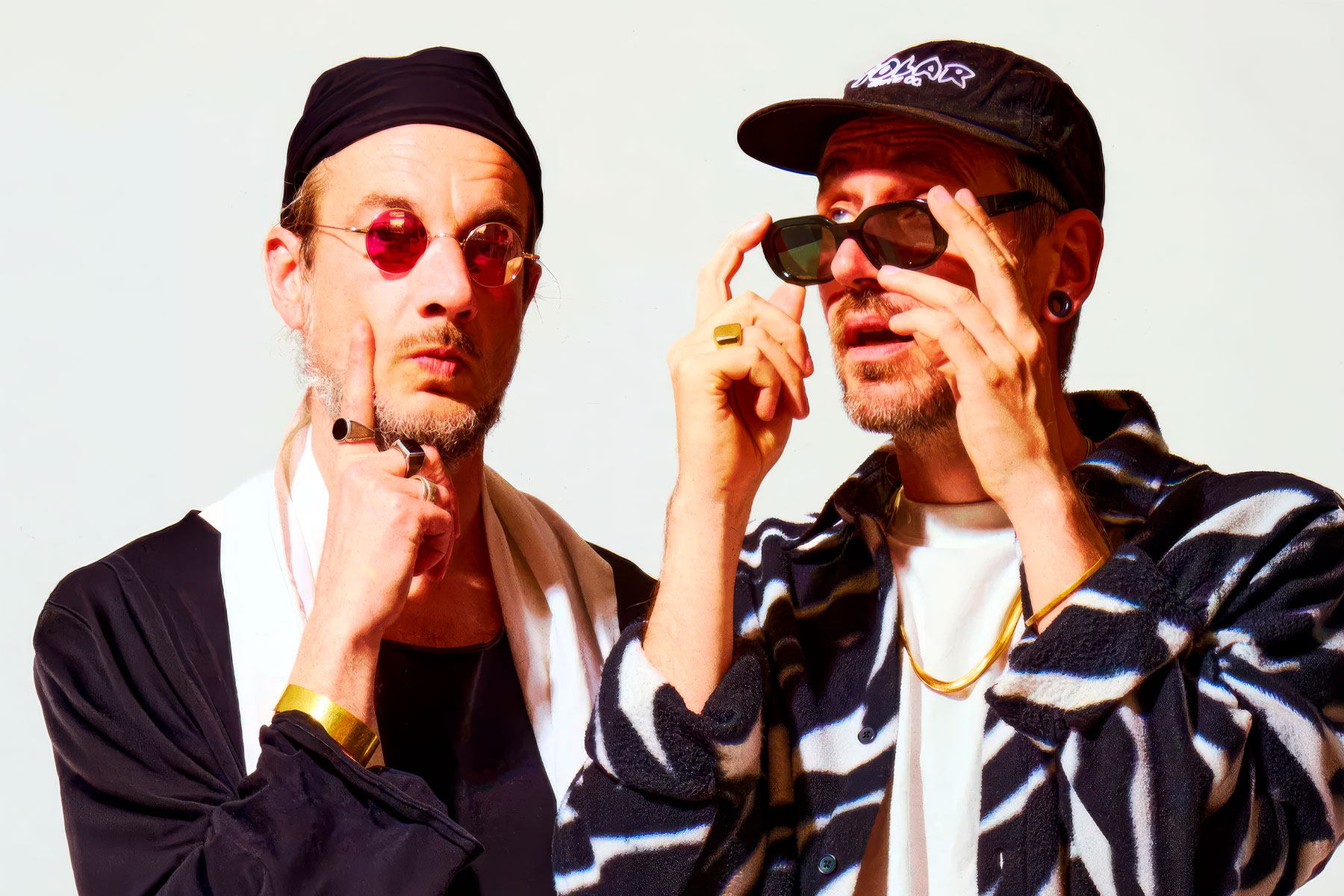
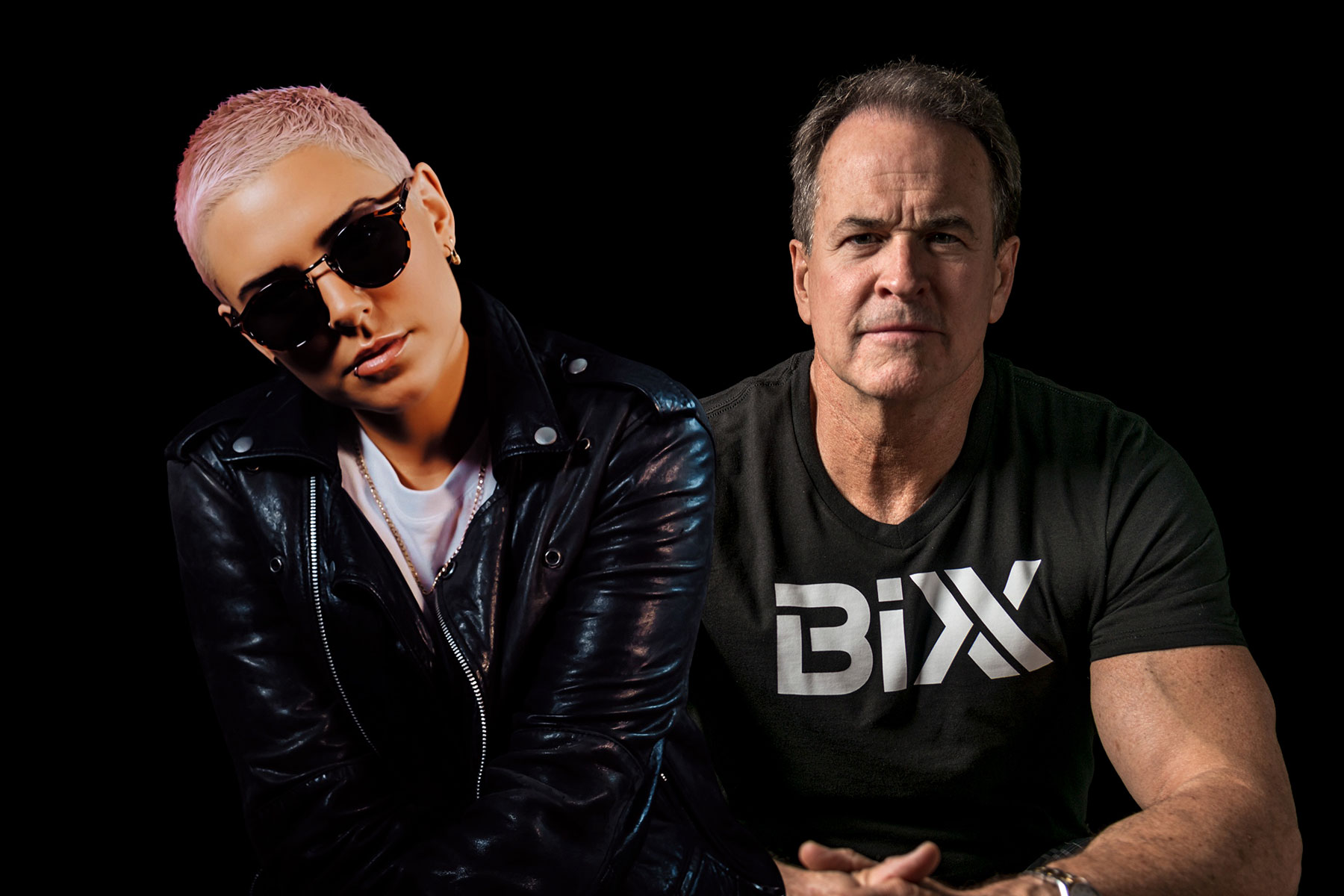
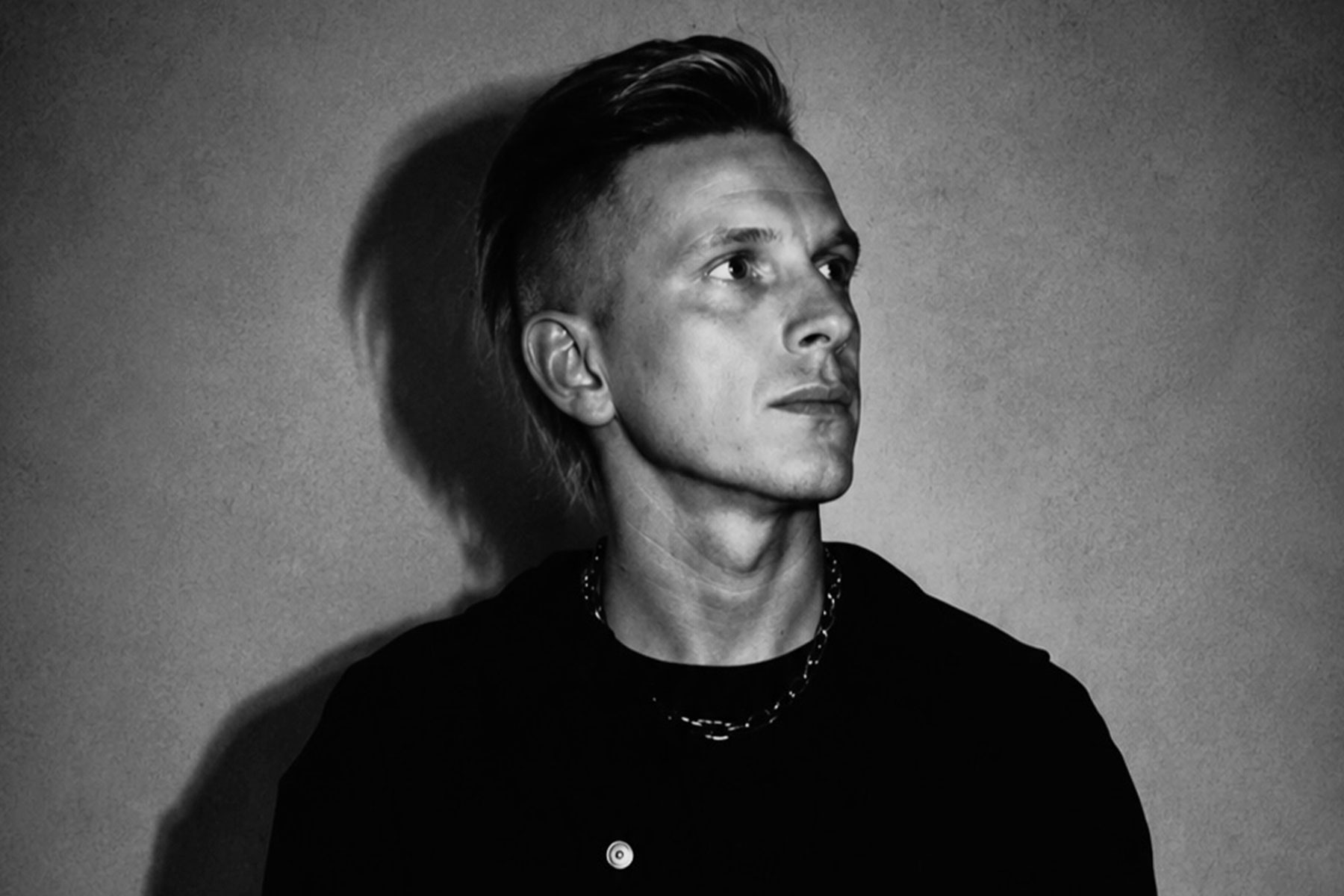
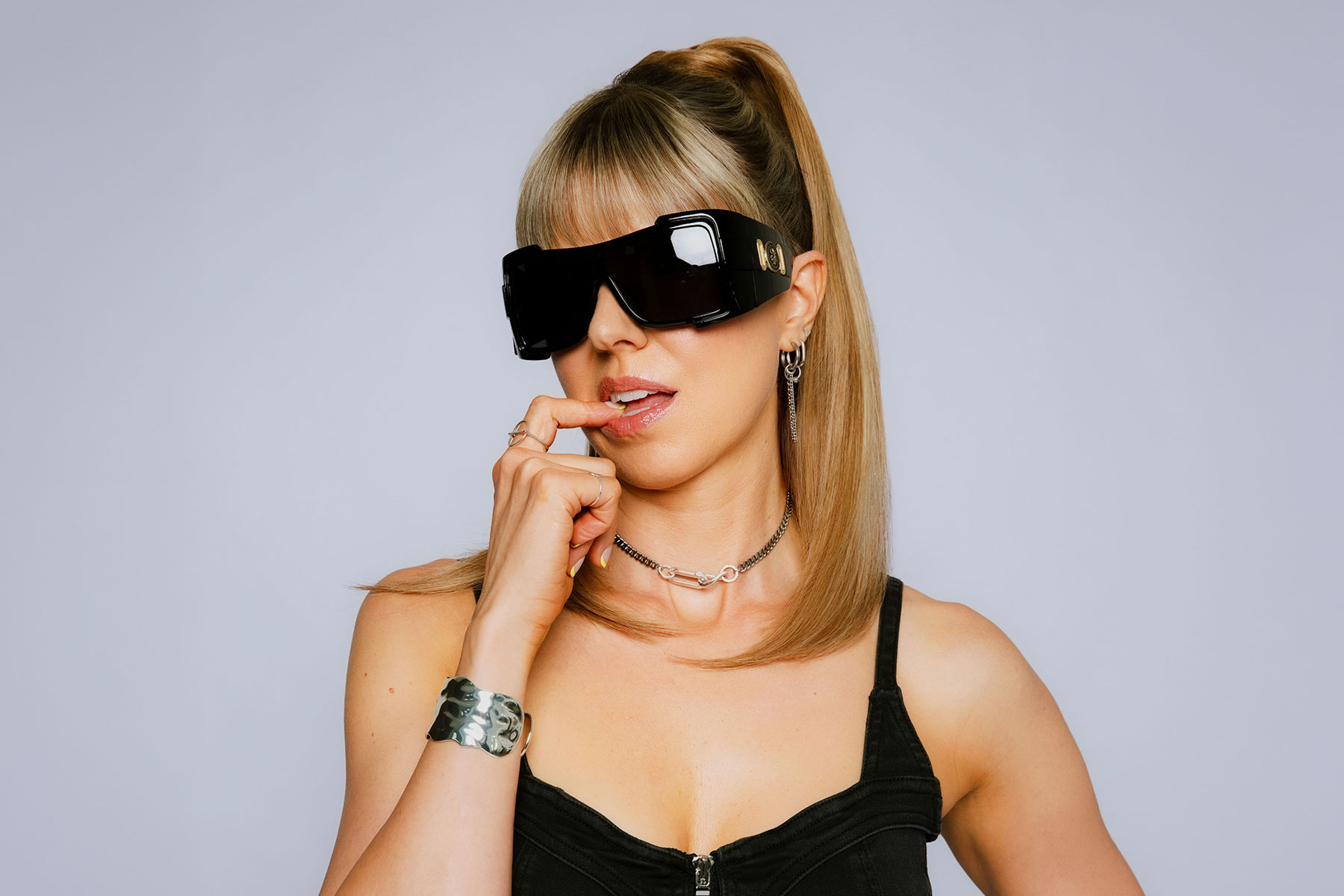
Freerange Records: I’ve never really approached A&R by trying to engineer a balance on paper. It’s always been much more instinctive than that. If you start thinking too strategically, you can end up losing the personality that makes a label interesting. There were definitely artists we wanted to invite because they’ve become part of the fabric of Freerange over the years. Guys like Manuel Tur, Andre Lodemann, Black Loops, and Dam Swindle, whose music has helped define different chapters of the label. But it was equally important that the project reflected where we are today. There are younger producers like Blue Method, Radic The Myth, Aroop Roy, and Coflo making incredible records right now, and if Freerange is going to remain relevant, then those voices need to sit comfortably alongside artists who’ve been with us for years.
In a way, that’s always been the philosophy. A good record doesn’t know how old its producer is or how many followers they have. It either moves you or it doesn’t, and that’s still the only thing that really matters.
“Maybe it’s warmth. Maybe it’s humanity. Maybe it’s simply music made with love and passion rather than calculation”
EG: Taking it back to the beginning, what inspired you to launch Freerange nearly thirty years ago? Was there a particular gap in the landscape that you wanted the label to fill?
Freerange Records: Tom and I were just finishing our college courses and chatting about our next steps. We were going out to clubs and buying a lot of records at the time, particularly stuff on labels like Mo Wax, Warp, Compost, and Ninjatune. Labels that had really strong identities but without ever feeling musically restrictive. They all had their own personality, and I think that was hugely influential.
The name Freerange came from that idea of giving artists freedom rather than asking them to fit into a predetermined sound. Looking back, I think we’ve stayed surprisingly true to that original intention. The music has changed slowly and organically over the years, but the underlying philosophy hasn’t.
EG: One of Freerange’s defining characteristics has been its consistency. The sound has evolved over the years, but the label has always retained a clear identity. How would you describe that identity today, and what do you think has allowed it to remain relevant across multiple generations of club culture?
Freerange Records: It’s funny because people often say Freerange has a recognisable sound, but I’m not sure I’d describe it as a sound as much as a sensibility. The records don’t all resemble one another stylistically. Some lean towards jazz or disco, some are raw and stripped back, others are soulful or broken beat-influenced. What connects them is something much harder to define. Maybe it’s warmth. Maybe it’s humanity. Maybe it’s simply music made with love and passion rather than calculation.
We’ve never been particularly interested in chasing whatever happens to be fashionable that year. Sometimes that’s probably meant we’ve missed certain waves, but equally it means the catalogue doesn’t feel tied to one specific moment in dance music. I think listeners appreciate labels that have a point of view rather than simply reflecting whatever’s happening around them.
EG: Your catalogue has always balanced established artists with emerging talent. How has your approach to A&R evolved over the years, and what makes a record instantly feel like a Freerange release?
Freerange Records: The practical side has changed massively. Twenty years ago, we’d receive a handful of demos each week. Now it can easily be hundreds. The challenge isn’t finding music anymore, it’s finding the time to listen properly. One thing I’ve become more aware of over the years is that first impressions can be misleading. Some tracks grab you immediately but don’t reveal much beyond that. Others take time to unfold and somehow become more rewarding with every listen. Those are often the records that stay with people longest.
I don’t think there’s a formula for what makes something feel like Freerange. If there was, we’d probably stop being interested. House music in all its forms tends to be deceptively simple, and for the most part it’s all about the groove and the feeling.
EG: The industry has transformed dramatically over the past three decades, from the dominance of vinyl to digital downloads, streaming, algorithms, and now AI. Which of those shifts has had the biggest impact on running an independent label, and how has Freerange adapted without losing sight of its core values?
Freerange Records: Every technological shift has brought opportunities alongside compromises. Digital distribution democratised music in so many positive ways. Suddenly, someone could make a track in their bedroom and have listeners on the other side of the world within days, and that’s incredible. At the same time, we’ve gradually moved towards a culture where abundance has become the default. Music has never been more accessible, but that means it can sometimes feel harder for individual records to find a lasting place in people’s lives because there’s always another thousand releases arriving tomorrow.
I don’t think you can fight those changes, but you simply have to accept that every era has its own realities. The important thing is not allowing those realities to dictate your creative decisions. If we started releasing music because we thought it might perform better on streaming platforms rather than because we genuinely loved it, I think we’d lose the reason we started the label in the first place.
As for AI, I’m actually feeling quite positive that it’s not going to have the negative impact on dance music that many seem to be fearing. I’m sure that like-minded electronic music lovers will continue to seek out the genuine article made by humans, complete with all the imperfections, happy accidents, and personality.
“A good record doesn’t know how old its producer is or how many followers they have. It either moves you or it doesn’t, and that’s still the only thing that really matters”
EG: In an era where music often feels increasingly disposable, this anniversary campaign culminates in a carefully curated physical box set designed to be something lasting. Do you think tangible releases and thoughtful curation have become even more valuable today?
Freerange Records: I do. Not because I think physical formats are inherently better, but because they encourage a different relationship with the music. When you buy a beautifully made record or box set, you’re committing to that release. You’re choosing to spend money on it and time with it. You read the sleeve notes, appreciate the artwork, play it more than once. It becomes part of your environment rather than something that disappears quickly into the ether.
That doesn’t mean streaming is somehow inferior, though. They’re simply different experiences. But I do think as our digital lives become increasingly fast and fragmented, people value objects that feel carefully considered. Curation itself has become increasingly meaningful because attention has become such a scarce resource for many.
EG: Finally, after thirty years of building Freerange, what advice would you give to artists considering starting their own label? And looking ahead, what excites you most about the next chapter for Freerange?
Freerange Records: I’d probably say don’t start a label because you think you should. Start one because you genuinely can’t imagine not doing it. Independent labels have always relied on a certain amount of optimism bordering on stubbornness. There are countless hours spent doing admin, answering emails, chasing distributors, checking masters, and dealing with problems that nobody ever sees. If your motivation is purely commercial, you’ll probably become disillusioned fairly quickly. But if your motivation is creating a platform that reflects your own taste, building long-term relationships with artists, and slowly contributing something to the culture, then it’s one of the most rewarding things you can do.
As for what’s next, I’m still excited by exactly the same thing that excited me when I was buying records in the ’90s: hearing music that surprises me and makes me want to play it in a club to a full dancefloor. Every year new producers are emerging with fresh perspectives who remind you that electronic music is still evolving. As long as that sense of discovery exists, I think Freerange will always have a purpose. The anniversary is really just a marker along the road rather than a destination.
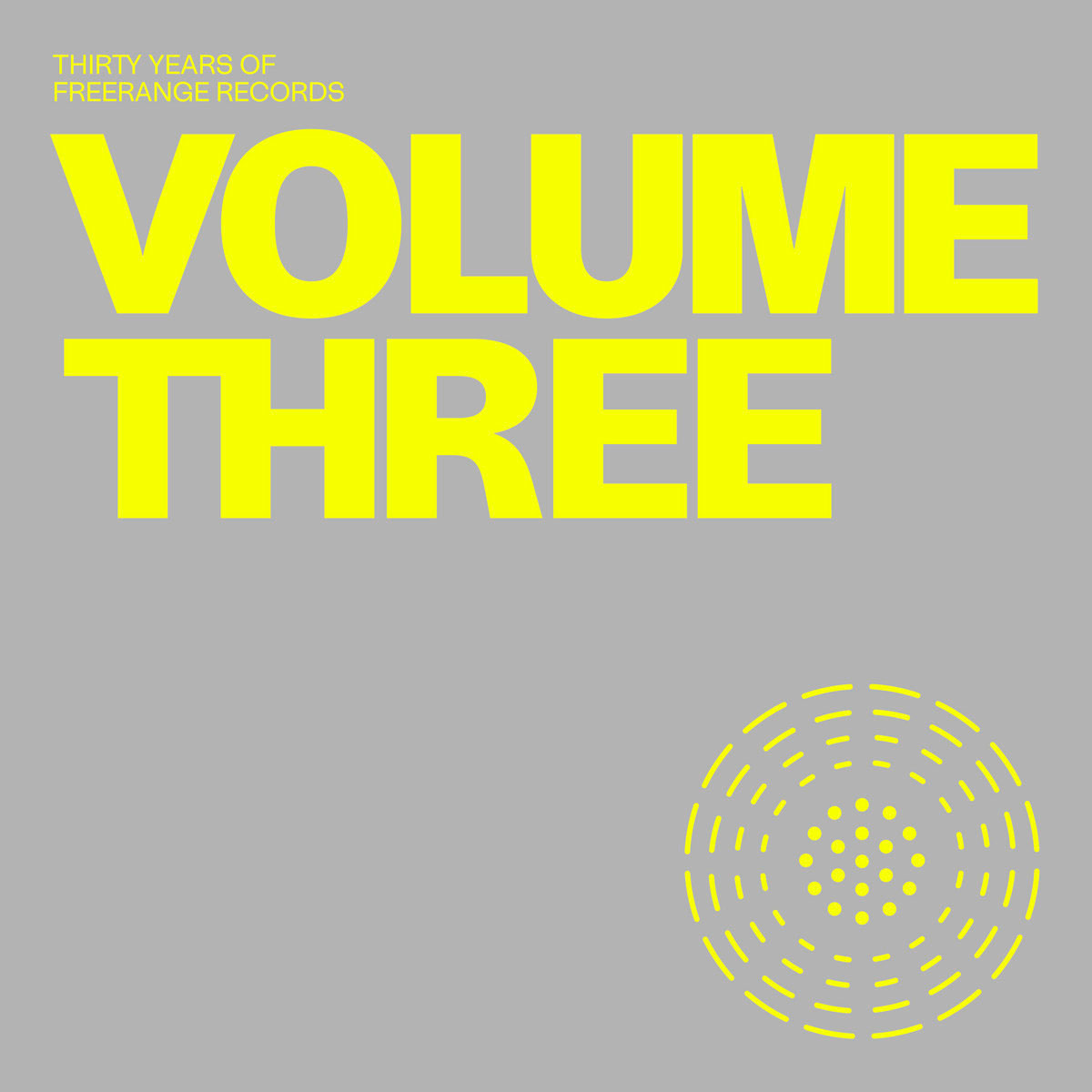
Freerange Records’ ‘30 Years Of Freerange Volume Three’ is out now. Stream and download your copy here.
Follow Freerange Records: Soundcloud | Bandcamp | Website