Founded in 1984 in Ghent by Renaat Vandepapeliere and Sabine Maes, R&S Records emerged from a Europe still in the early stages of its electronic awakening. What began as a modest operation rooted in Belgium’s fertile club circuit would, over the following decade, become one of the most quietly influential forces in shaping techno’s transatlantic dialogue. At a time when the genre’s identity was still coalescing between Detroit and Chicago, R&S functioned less as a regional imprint and more as a conduit; a label that recognized the emotional and futurist potential of machine music and gave it a platform that could travel.
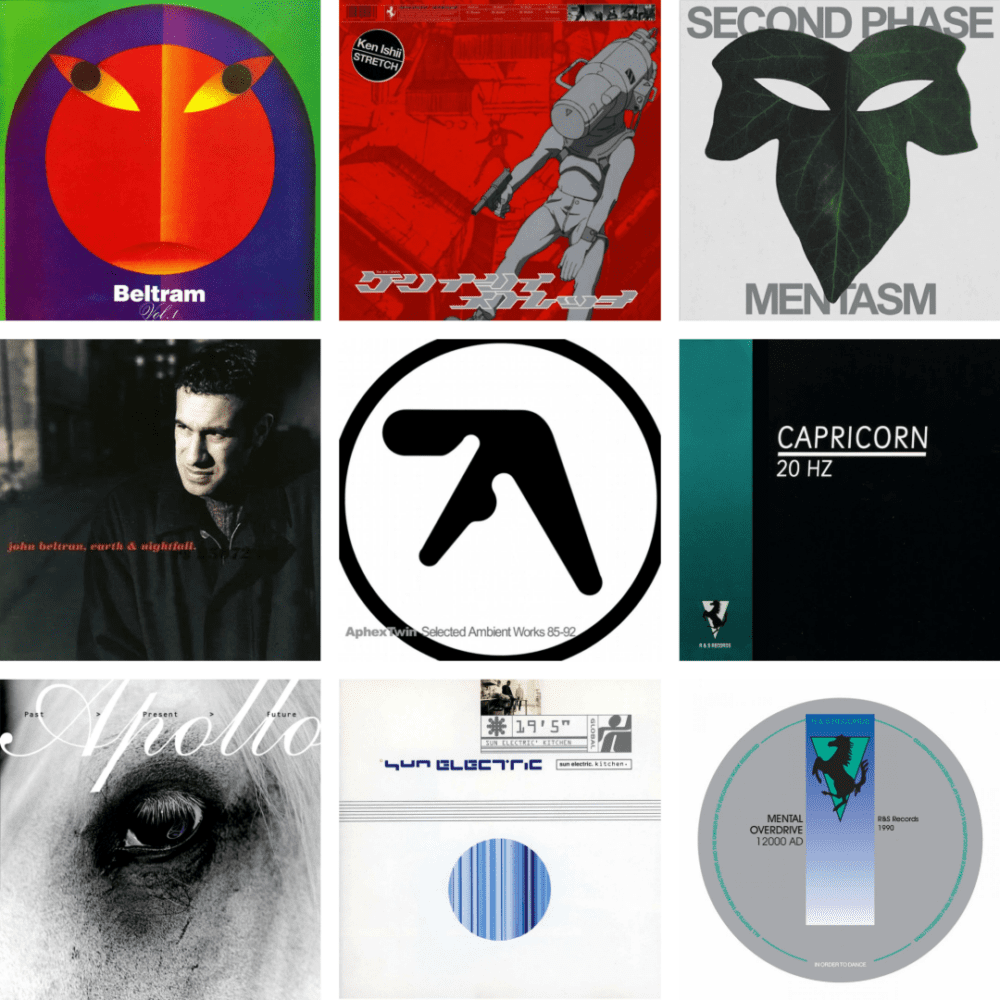
The breakthrough came not through calculated positioning, but through instinct. By the late ’80s and early ’90s, R&S had become synonymous with a particular strain of techno that balanced propulsion with introspection. Releases like ‘Pacific State’ by 808 State and ‘Energy Flash’ by Joey Beltram did more than succeed in clubs; they helped define the vocabulary of rave-era Europe. The latter, in particular, remains a kind of sonic landmark; a track whose raw, acidic force captured the intensity of a scene moving faster than its own infrastructure. Through records like these, R&S positioned itself at the intersection of experimentation and accessibility, where underground credibility and wide-reaching impact could coexist.
What distinguished R&S was not simply its catalogue, but its openness. While many labels of the era developed tightly controlled identities, R&S operated with a broader horizon, welcoming artists who approached electronic music from different angles while maintaining a shared sense of forward motion. This philosophy found one of its most enduring expressions in its relationship with Aphex Twin. Early releases under his various aliases on R&S and its ambient sublabel Apollo signaled a shift away from strict dancefloor functionality toward something more introspective and exploratory. Records like ‘Selected Ambient Works 85–92’ expanded the possibilities of what electronic music could communicate, opening a pathway that countless artists would follow in the decades to come.
The creation of Apollo Records in 1992 formalized that instinct toward expansion. As an imprint within R&S dedicated to ambient and experimental sounds, Apollo provided space for artists to explore texture, atmosphere, and emotional depth beyond the club. It was a move that reflected Vandepapeliere’s broader curatorial vision: electronic music as a continuum rather than a fixed function. This duality — club-focused energy on one side, introspective listening on the other — allowed R&S to operate across contexts without diluting its identity.
By the mid-’90s, R&S had already secured its place within the canon, but its trajectory would prove anything but linear. Like many independent labels navigating shifts in technology and distribution, it entered periods of reduced activity before re-emerging with renewed clarity. Its resurgence in the late 2000s and early 2010s introduced the label to a new generation, not as a legacy act, but as an active participant in contemporary electronic music. Artists such as James Blake, Lone, and Pariah found a home on R&S, bringing with them sounds that bridged post-dubstep, bass music, house, and ambient influences.
This new phase did not attempt to replicate the past. Instead, it extended the label’s original ethos into a different context, one shaped by digital culture and shifting listening habits. R&S releases continued to prioritize individuality and emotional resonance, whether through club-ready tracks or more contemplative works. The label’s ability to adapt without abandoning its core principles became one of its defining strengths, allowing it to remain relevant without chasing trends.
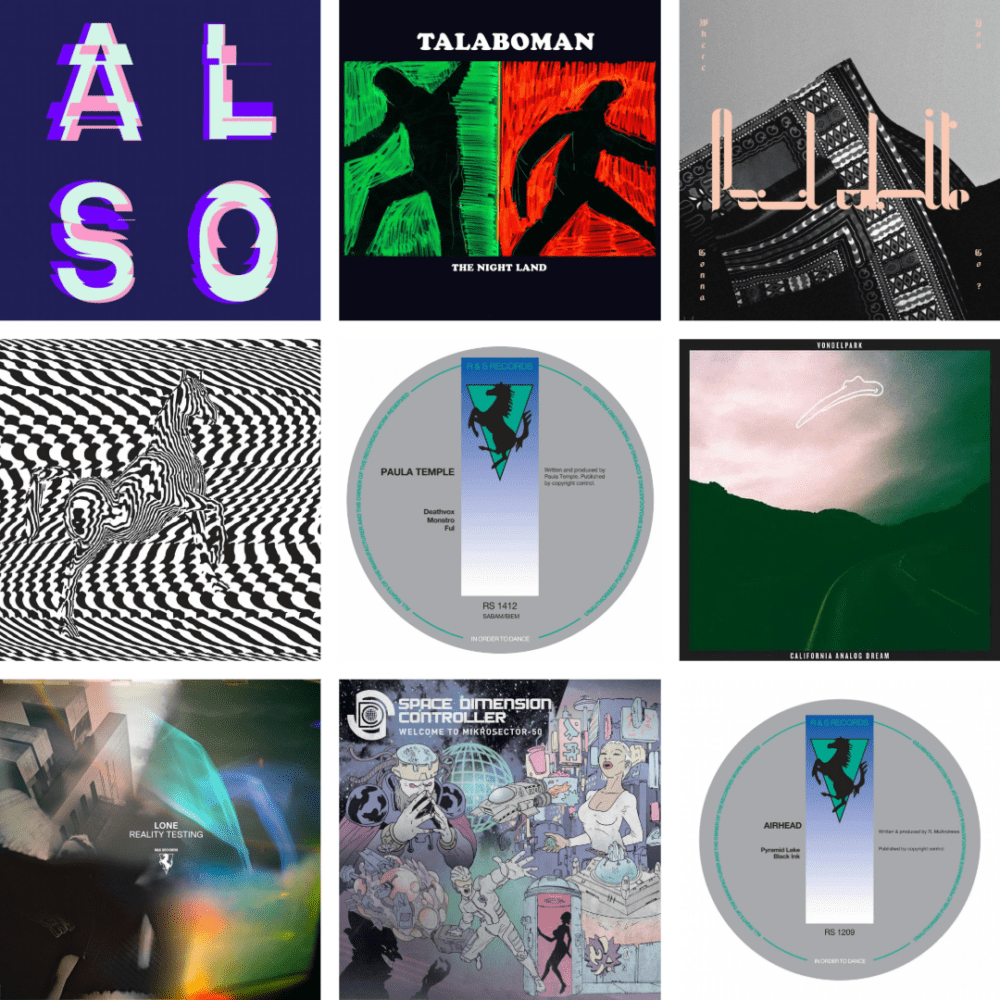
Throughout its history, R&S has maintained a relationship with the dancefloor that is both foundational and flexible. Its records have soundtracked raves, clubs, and private listening sessions alike, often blurring the boundaries between those spaces. This adaptability has contributed to its enduring cultural relevance, positioning the label as both a historical touchstone and a living archive of electronic music’s evolution.
In recent years, R&S has continued to operate with the same quiet conviction that defined its early days. Its catalogue spans generations, its influence visible not only in the artists it has released but in the broader language of electronic music itself. The label’s willingness to embrace risk, to support artists at pivotal moments in their development, and to treat electronic music as an open-ended form rather than a fixed genre has ensured its longevity.

More than four decades after its founding, R&S Records stands as a testament to the power of curation guided by instinct. It is a label that has consistently recognized the future in its earliest forms, giving shape to sounds that would go on to define entire movements. In doing so, it has remained less a monument to past achievements than an ongoing conversation. One that continues to unfold, record by record, across time.