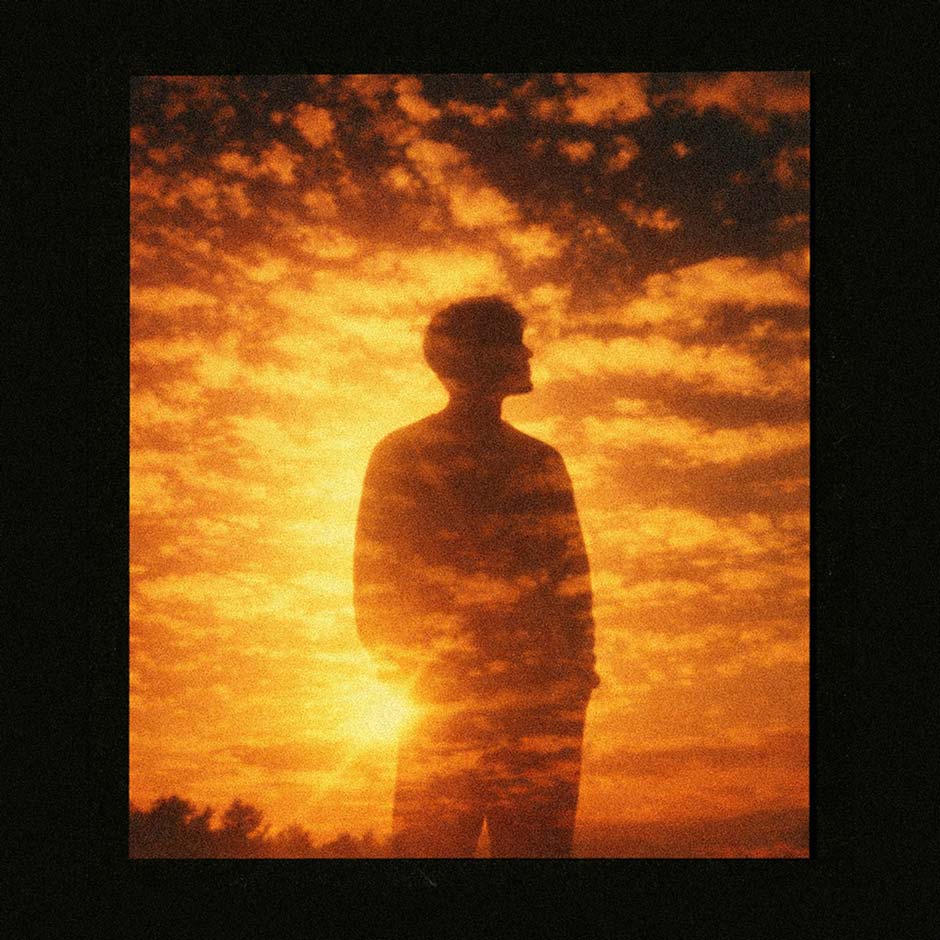

Born and raised in Rio de Janeiro, Leo Janeiro’s connection to music has always been inseparable from the city that shares his name. Immersed early in the Black Music culture that defined Rio’s legendary dance gatherings, his path into electronic music developed through groove, community, and emotional expression.
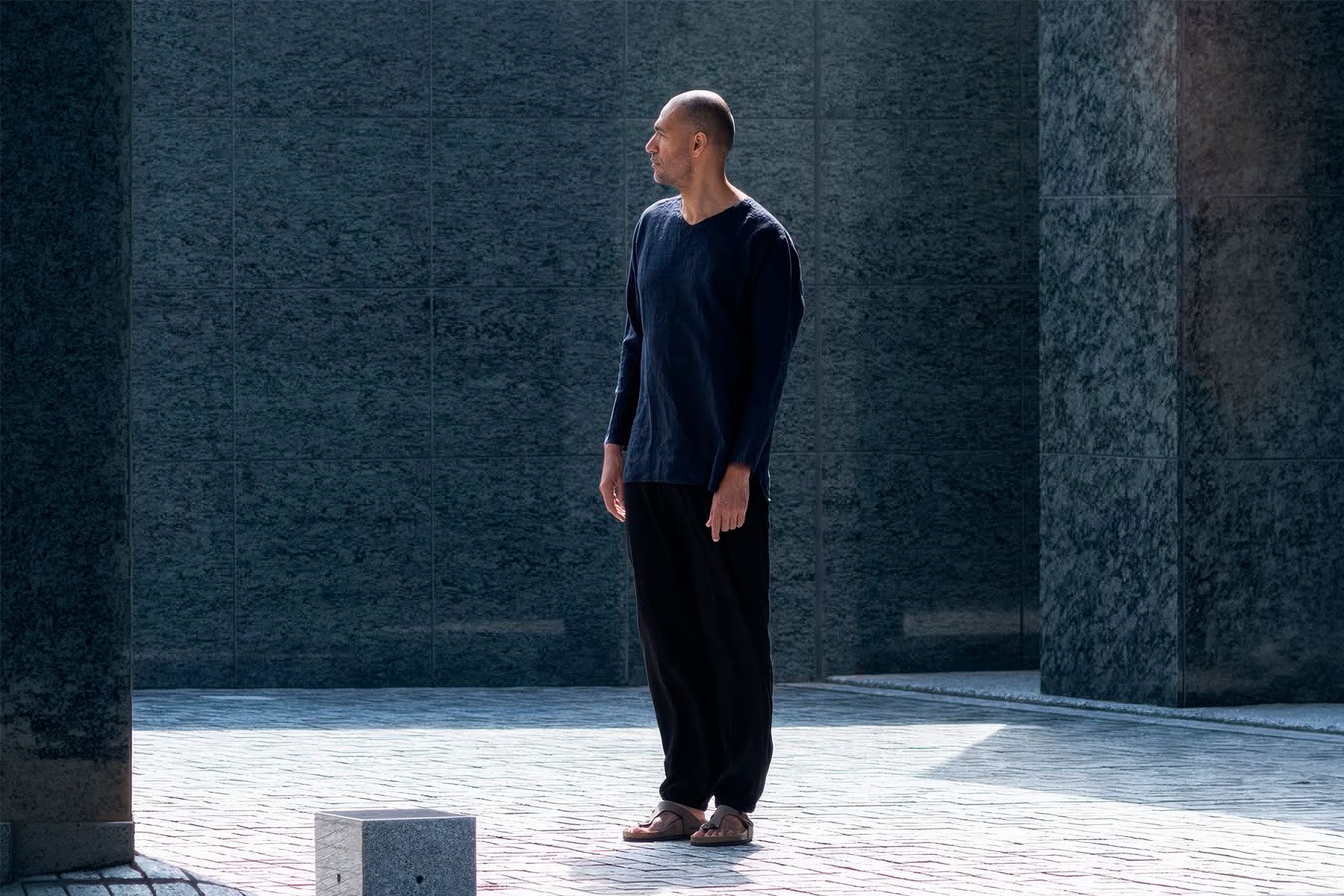
Photo credit: Leo Janeiro – Official
Across three decades behind the decks, Leo has witnessed and helped shape the evolution of Brazil’s electronic scene. From the experimental energy of the 1990s to today’s globally connected landscape, his journey spans roles as a DJ, producer, curator, and cultural connector. His new album marks a defining moment in that trajectory, bringing together personal history, Brazilian cadence, and a refined musical vision.
In this conversation, Leo Janeiro opens up about identity, memory, the evolution of Brazil’s club culture, and the ideas that continue to fuel his creativity.
EG: Hi Leo, welcome to EG! Your new album marks a major moment in your career. How would you describe the sound and vision behind it, and how does it reflect where you are now as an artist?
Leo Janeiro: Thank you for the invitation. This album marks a turning point for me, as it synthesizes three decades of dance floors, life in Rio, and experiences on the road with music. It’s a work in which I bring together house, deep, jazz, soul, and Brazilian cadence in a more mature way—less anxious to prove something and more focused on telling a story. My goal was to create an album that would work both for relaxed listening and for feeling in the body, like a journey through the different phases of my life as a DJ.
EG: You’ve often spoken about the contrasts that shape Rio, the calm of nature and the pulse of the city. How does that duality find its way into your music?
Leo Janeiro: Rio has always been this contrast between the beach breeze, the forest, Christ watching from above, and at the same time, the traffic, the chaos, the streets pulsating intensely. I bring this into the music by creating tracks with a contemplative side, but always with a steady groove that takes you to the dance floor. This duality appears in the dynamics: more introspective moments, almost like a “point of view,” are my way of translating a sunset at Arpoador and, on the same night, a crowded dance in the city center.
EG: You grew up surrounded by the Black Music that defined Rio’s legendary dance gatherings. How did those early influences shape your connection to House and electronic music?
Leo Janeiro: I grew up listening to Black Music at dances in Rio, where soul, funk, R&B, and disco were almost a religion. This taught me that a good dance floor has swing, with a loud bassline and vocals that give you goosebumps. When I discovered house and electronic music, I immediately recognized that DNA: the hypnotic repetition, the drums that pull your body, and the community spirit on the dance floor. My connection with house music was born when I saw it as an evolution of that same feeling from the dance parties, only with a different language.
EG: When you first immersed yourself in the electronic scene of the 90s and 2000s, what did the landscape look like in Brazil, and how has it evolved since then?
Leo Janeiro: In the 1990s and 2000s, the Brazilian electronic music scene was like a big laboratory. Everything was new, few clubs had any structure, and references came mainly from abroad—on vinyl and imported magazines. There was a lot of romanticism, but also a lot of precariousness. Over time, the country gained iconic nightclubs, structured festivals, record labels, agents, and a minimally organized industry. Today, I see a more pluralistic scene, with producers all over Brazil connected to the world, releasing on international labels while reaffirming Brazilian identity in their sounds.
EG: As a resident at iconic venues like Warung Beach Club, D-Edge’s Freak Chic, and Beehive, you’ve become part of the backbone of Brazil’s club culture. What have these spaces taught you about Brazilian dance floors?
Leo Janeiro: Being a resident DJ at clubs like Warung, D-Edge, and Beehive was like taking a postgraduate course in dance floors. Each one has its own personality, architecture, and audience, and that put me in touch with different ways of experiencing the night. These spaces taught me that Brazilians are deeply emotional on the dance floor: we love narratives, journeys, highs and lows, and music that provokes catharsis. I learned to be patient in building a set and to understand that a resident is not just the house DJ—he is the guardian of an energy built up over the years.
EG: The Cocada compilation for Get Physical was a milestone in promoting national talent. How do you see the next generation of Brazilian producers pushing the sound forward?
Leo Janeiro: Cocada Music was created precisely to give visibility to this new generation that produces incredible sounds, but often without a window to the world. Seeing these artists releasing albums, traveling, and being played by major DJs abroad proves that Brazil is not only consuming but also exporting narratives. I see the next generation as even more daring, mixing references—techno or house with strong local influences, futuristic synthesizers with MPB melodies. They are less concerned with fitting into a genre and more focused on showing that Brazil can lead aesthetically.
“Today I see a more pluralistic scene, with producers all over Brazil connected to the world, releasing on international labels while reaffirming Brazilian identity in their sounds”
EG: You’ve played in places like Spain, Portugal, Germany, and the U.S., among others. When you play abroad, what do you think defines the “Brazilian energy” you bring to international crowds?
Leo Janeiro: What I bring strongest is a mix of joy, intensity, and vulnerability. It’s a way of playing without fear of being emotional, dropping a more open, melodic track, smiling at the crowd, and connecting eye to eye. I also carry the Brazilian groove, that laid-back swing from our musical history. Even in tech or deep sets, there’s a sway, a way to handle transitions and breathe, that comes from samba, funk, soul, and Black Music.
EG: Beyond being a DJ and producer, you’ve contributed to the growth of the scene as a curator and supporter of the Brazil Music Conference. How do you view your role in helping shape the country’s electronic ecosystem?
Leo Janeiro: As a curator and supporter of initiatives like the Brazil Music Conference, I see my role as connecting dots: artists, labels, clubs, brands, media, people who admire each other but don’t know each other yet. I believe in education and exchange. Being in these spaces is a way to give back to the scene everything music gave me and to reinforce Brazilian electronic culture at home and abroad.
EG: Looking back, what do you think has kept you inspired and evolving through the years, from the first time you touched the decks to now releasing this new album?
Leo Janeiro: What keeps me inspired is curiosity first. I keep discovering new artists, genres, and technology, making me feel like that kid touching turntables for the first time. The dance floor itself, too—every night is different, every city responds uniquely. Seeing people get emotional and live key moments to what I’m playing or producing is endless fuel. Over time, I’ve also learned to value silence, studio time, family, and friends. All of that feeds into the sound somehow.
EG: What do you hope listeners feel or experience when they press play on this album, and what message do you want to leave through it about Brazil’s electronic soul?
Leo Janeiro: I want listeners, when they hit play on this album, to feel like they’re entering their own life’s movie. Some tracks awaken memories, others spark dance urges, and others provoke reflection. The message is that Brazil’s electronic soul is diverse, emotional, and layered. You can be sophisticated without losing warmth, modern without erasing roots, and in dialogue with the world without stopping speaking our own history.
“What keeps me inspired is curiosity first. I keep discovering new artists, genres, and technology, making me feel like that kid touching turntables for the first time”
EG: Can you leave us with one thing that’s been bringing you joy outside of music these days? It could be anything: a book, a place, a movie, a person, or anything else you can think of.
Leo Janeiro: Something that brings me a lot of joy besides music is connecting with myself in simpler ways. Spending time with my cats, walking, cooking, drinking coffee, and seeing the city from new angles. I’ve also rediscovered the pleasure of reading, especially biographies and books on art and culture. This feeds the mind in a different way than the studio or the dance floor and helps maintain balance.
EG: Lastly, can you leave us with a song that’s very close to your heart to round out this interview, something that’s stuck with you over all these years and brings back many memories for you? Feel free to share why, or just let the music speak for itself. Thank you for talking with us.
Leo Janeiro: There’s one track I carry from the bailes that crossed years of floors and still moves me deeply. ‘Midnight Star’ – Midas Touch. I really love this song.
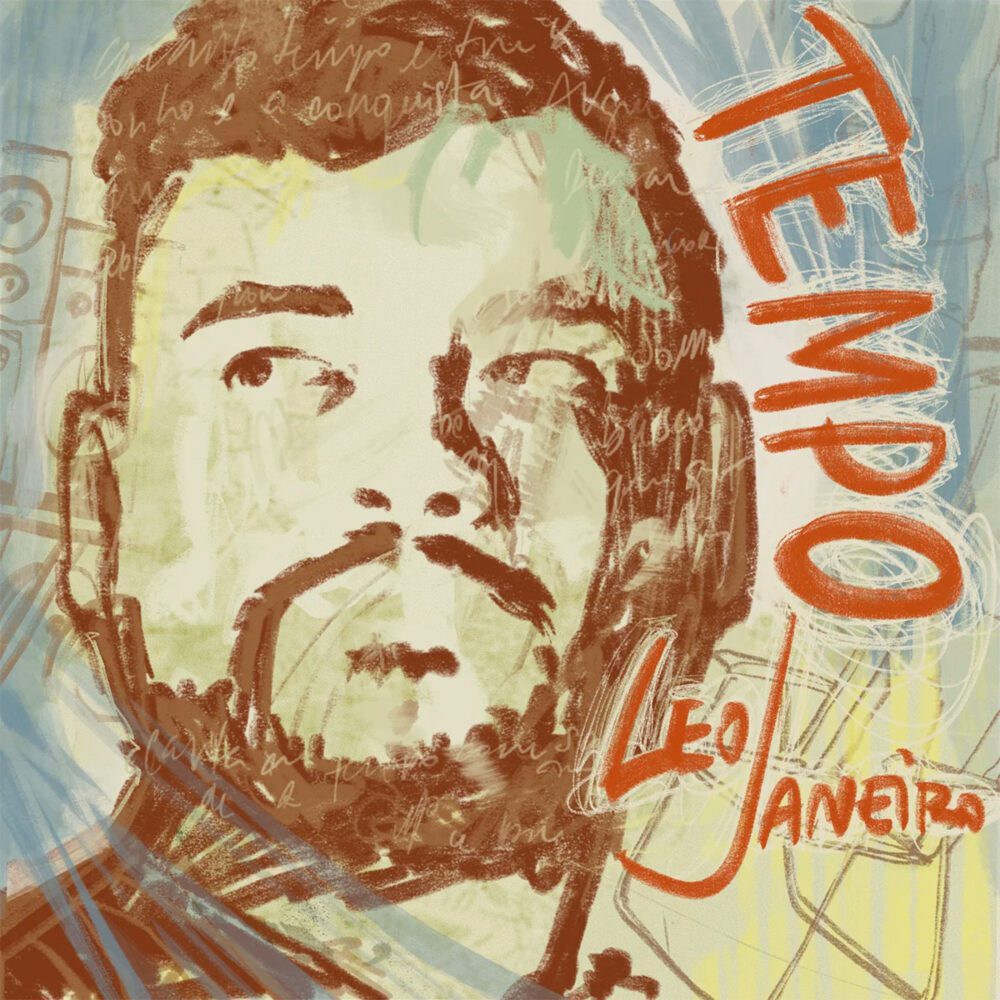
Leo Janeiro’s ‘Tempo’ is out now on Cocada Music. Stream and download here.
Follow Leo Janeiro: Spotify | Soundcloud | Instagram