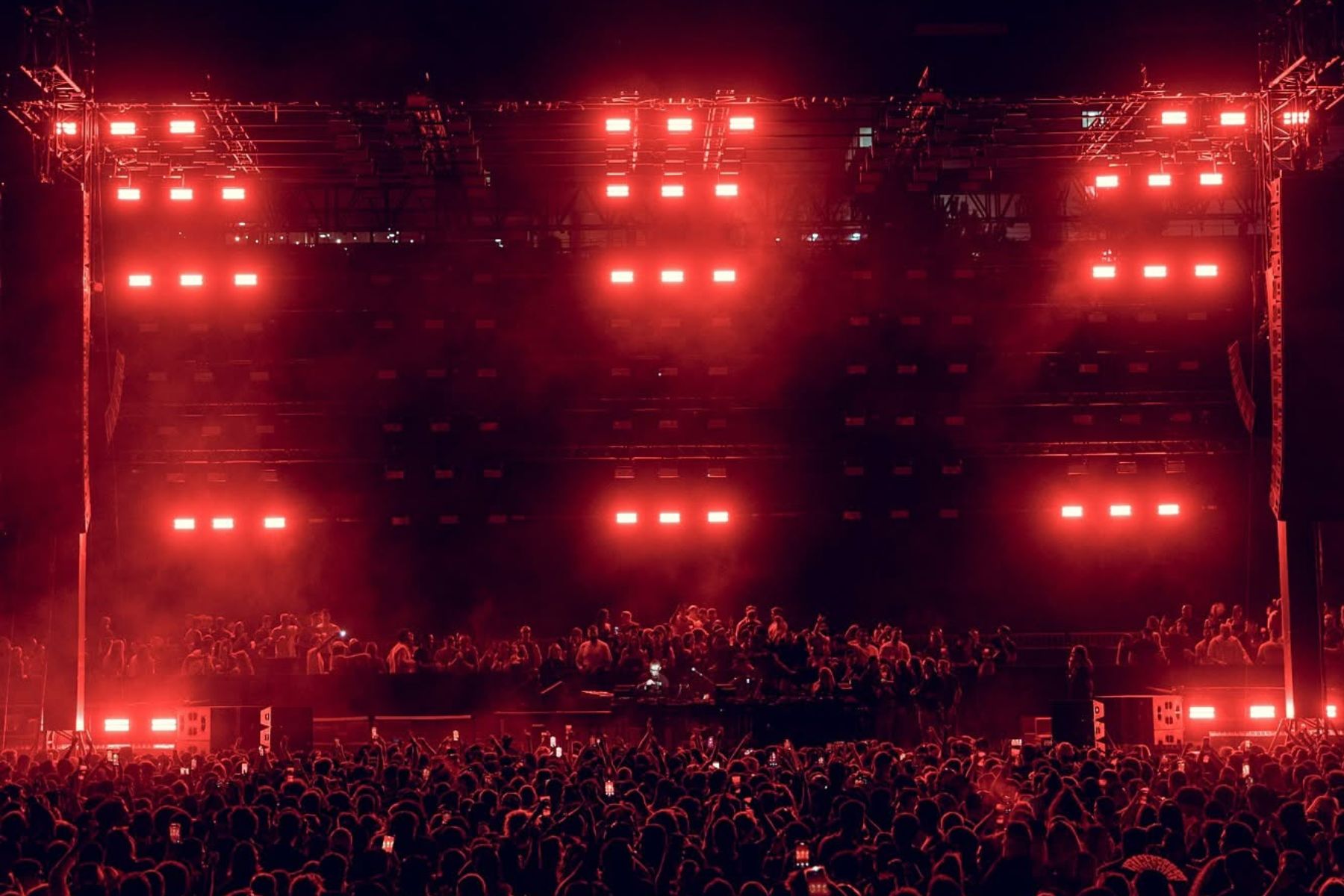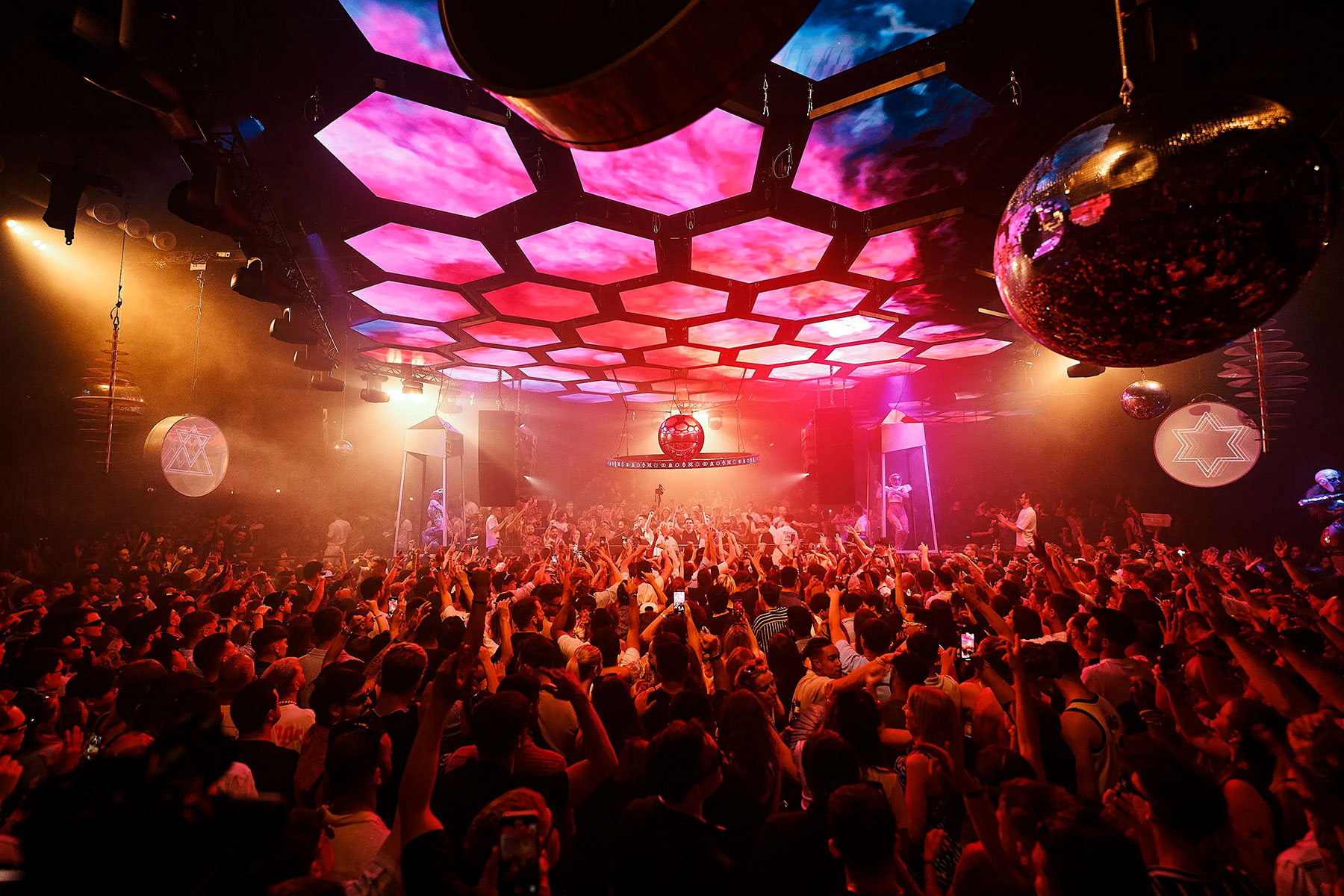
Hailed as one of Madonna’s new magnum opuses and her most acclaimed work of the 21st century, the long-awaited sequel to her iconic Confessions on a Dance Floor represents another landmark in her career. This article explores the album’s musical, conceptual and cultural significance, arguing that Madonna achieves reinvention again, but this time by referencing herself.
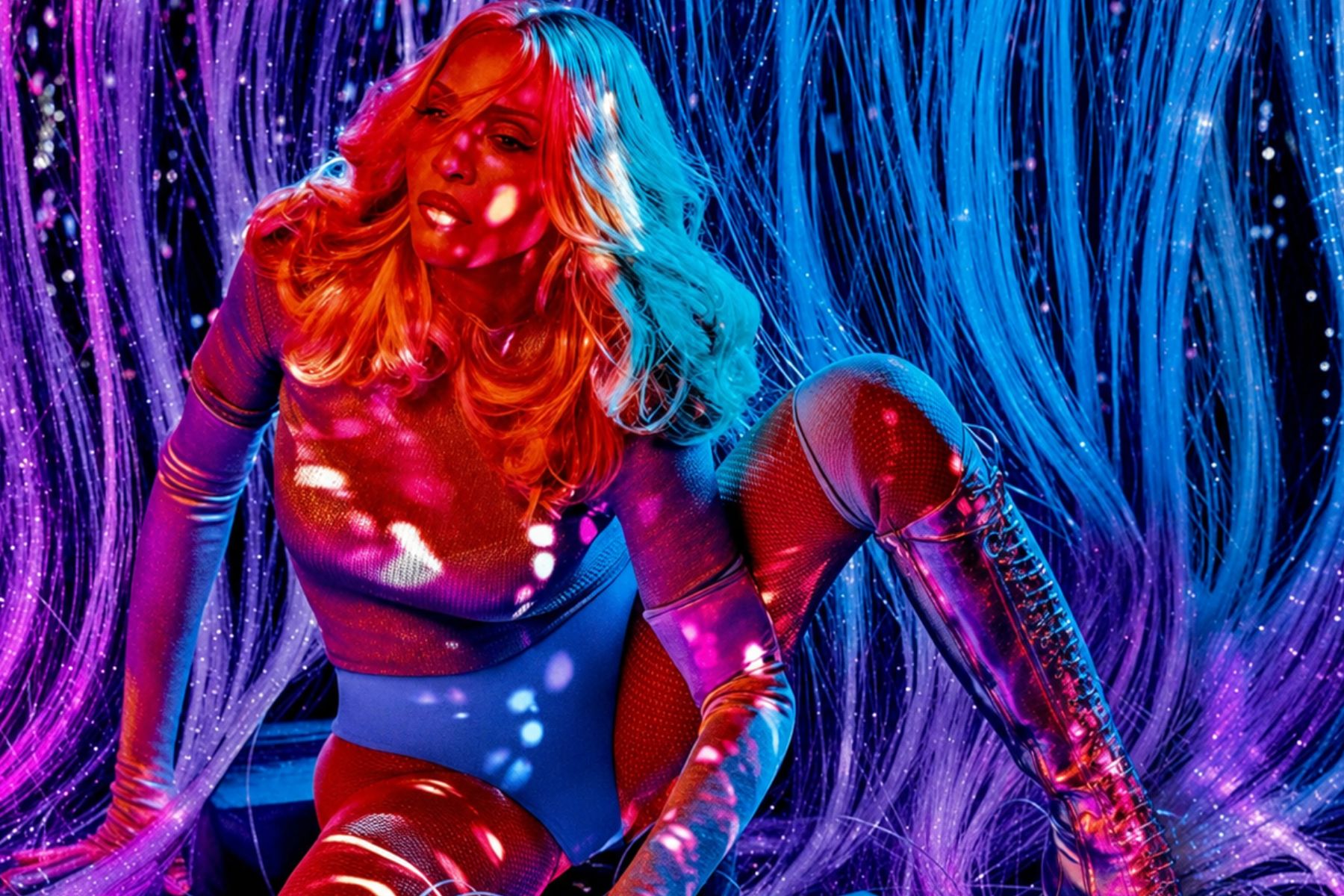
Photo Credit: Rafael Pavarotti
Let’s get one thing out of the way: CONFESSIONS II isn’t following the Confessions on a Dance Floor (2005) concept. While it is marketed as a sequel, this is not Madonna repeating herself or trying to recreate a past success.
From the very first hints that another “Confessions project” was on the horizon by 2024-2025, and especially once the official campaign began this year with the promo and singles, it became clear that this would be a completely standalone work. Undoubtedly, the title acknowledges one of the most celebrated albums of her career, but the music quickly reveals a project with its own identity, one that moves far beyond the more Pop-oriented and individualistic sensibility of its predecessor.
The timing of the album also makes its reception remarkable. At 67 years old, Madge is still pushing the boundaries of mainstream Pop by introducing new electronic music sounds and genres to a global audience, something she has done consistently throughout her career. Electronic music has long been one of the greatest vehicles for her constant diversification, offering a level of versatility that few genres can match, and one she has repeatedly transformed into accessible Pop music while trying to maintain its underground spirit.
Released on July 3, 2026, through Warner Records (marking Madge’s return to the label after 14 years), CONFESSIONS II is Madonna’s fifteenth studio album, reunites her with producer English electronic producer Stuart Price, and unfolds as a continuous mix across sixteen tracks. Within its first week, it reached No. 1 on the UK’s Official Albums Chart Update and debuted at No. 1 on the Billboard 200 on July 18, becoming Madge’s tenth No. 1 album in the US, while Metacritic assigned it a score of 83 based on sixteen positive reviews, indicating “universal acclaim.” It stands as one of Madonna’s highest-rated studio albums, and her highest-rated release of the millennium and the 21st century, ahead of both Music (2000) and Confessions on a Dance Floor.
What makes that reception especially interesting is that the album is not being praised for “reinventing music again,” in the disruptive way Ray Of Light (1998) once did. Instead, it succeeds by doing something Madge never did before: using the most recognizable and iconic elements of her own sonic legacy, while seamlessly integrating her past, pleasure, grief, nostalgia, and healing into a cohesive artistic statement.
As Warner’s official description notes, the album explores love, trauma, loss, and recovery while balancing the euphoria of the dance floor as a threshold or portal to move on, with deeply personal reflections, spoken as “confessions” throughout the lyrics, on Madonna’s early years in New York, her brother Christopher Ciccone, her stepmother Joan Clare Ciccone, her romantic relationships, her daughter Lola Leon, and her refusal to keep following trends.
Album Specifications
From a production standpoint, CONFESSIONS II is one of the most cohesive records in Madge’s catalog, if not the most cohesive. Madonna and Stuart Price serve as the album’s executive producers, with Price acting as the central creative force behind the project after her. Together, they produced every song on the record, while she is credited as a songwriter across the entire tracklist.
The album was released in two official configurations: a 12-track Standard Edition, and a 16-track Deluxe Edition. The Deluxe Edition has effectively become the definitive edition, as it is the version prioritized across all major streaming platforms and digital services, with intros and outros linking the second song through the fifteenth into a continuous experience, non-stop mix.
The production expands through the individual participation of artists and producers such as Arca (‘I Feel So Free,’ and ‘The Test’), PARISI (‘Bring Your Love,’ ‘Everything,’ ‘Love Without Words,’ and ‘Betrayal’), Martin Garrix and Osrin (‘Bizarre’), Andrew Watt and Cirkut (‘Danceteria,’ and ‘L.E.S. Girl’), and Tainy (‘Read My Lips’), while the songwriting also incorporates contributions from Mirways, in ‘Betrayal,’ and featured artists including Sabrina Carpenter, Feid, Lola Leon and Stromae, as well as interpolations of works by Arca, Lou Reed, Lil’ Louis, Kevin Saunderson, Erik Satie and Army of Lovers.
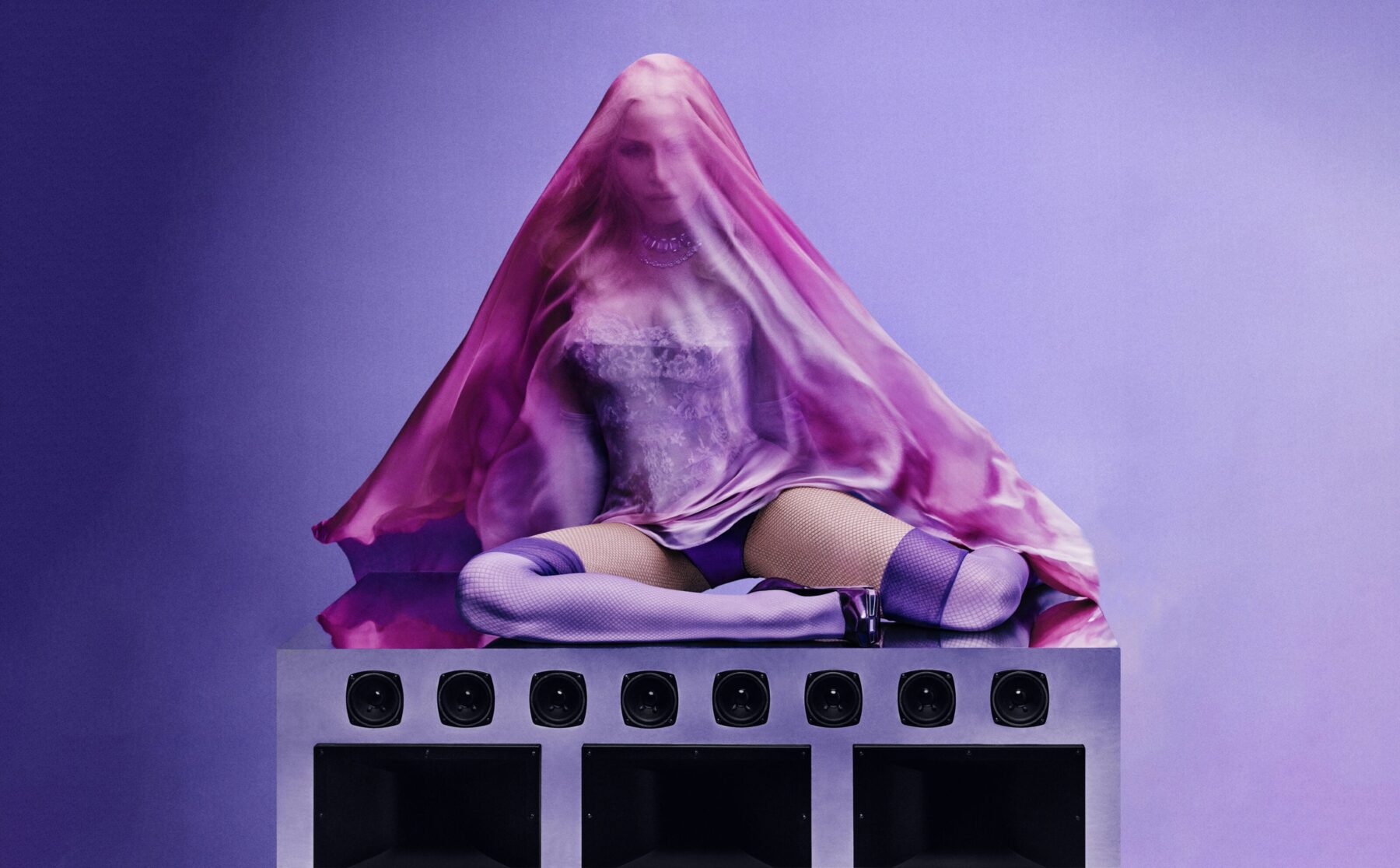
Physically, the album has been issued in 15 vinyl variants as part of its marketing campaign. Of these, 12 are single-LP pressings containing the 12-track Standard Edition, while three are double-LP pressings featuring the complete 16-track edition. The album’s two principal vinyl configurations are therefore the 12-track single LP and the 16-track double LP.
The Journey
The sixteen-track sequence of the album can be interpreted as a three-act journey through a night on the dance floor: arrival and build-up, the transcendence, and the eventual awakening into reality. This structure is strongly suggested by the lyrical progression, the continuous mix, and Madge’s spoken-word statements that recur throughout the album. Fans have similarly mapped the record as a complete night out, moving from the pregame and journey to the club into the height of the experience and its emotional aftermath.
The album opens with Madonna speaking on ‘I Feel So Free‘ about hiding in the shadows, creating new personas and becoming whoever she chooses to be, immediately establishing the dance floor as a place where public identity can temporarily dissolve. Creating the impression of a sound system gradually powering on as the night begins, Stuart Price builds around Madonna’s spoken passage (originally captured during a 2021 conversation connected to her V Magazine shoot with Steven Klein) by incorporating elements from Lil’ Louis’s 1989 house classic ‘French Kiss.’ Meanwhile, the bassline subtly recalls Giorgio Moroder and Donna Summer’s ‘I Feel Love.’ The song draws heavily from the same samples and sonic elements used in COADF’s ‘Future Lovers,’ making it the album’s clearest musical link to the original Confessions. Its opening also bears a slight resemblance to Arca’s ‘Soichiro.’
‘Good for the Soul,’ ‘One Step Away’ and ‘Bring Your Love’ function as preparatory rituals, capturing the excitement of approaching the dance floor through liberation, flirtation and human connection rather than conformity. ‘Good for the Soul‘ moves through electronica, UK garage and orchestral textures that critics have associated with the spiritual expansiveness of Ray of Light and the darker sensuality of Erotica (1992).
‘One Step Away‘ connects to Madonna’s past through its subtle piano break, groovy spiritual sound and mid-tempo house atmosphere. Some fans consider it the album’s most sublime, and soulful track, describing a transcendent sense of nostalgia similar to the emotional pull of COADF’s ‘Get Together,’ while Madonna’s vocals recall Ray of Light. Stuart Price told Attitude that the song began while he was casually playing an old drum machine. Madonna encouraged him to keep going, started dancing, then asked him to turn on the microphone and recorded her vocals in a single take. Buried deep beneath the production, can be heard a blurred but still identifiable echo of the “everybody” vocal loop from the remix that Stuart Price (under his alias Jacques Lu Cont) made of Madonna’s ‘Hollywood’ in 2003.
‘Bring Your Love‘ then transforms that underground lineage into a more immediate pop release, officially sampling Inner City’s 1988 house classic ‘Good Life.’ Critics have talked about its buoyant ’90s house energy, taking an instantly recognizable dance-music reference and reshaping it into a contemporary Madonna record.
‘Danceteria‘ marks the moment of arrival, as Madonna revisits the New York club scene that shaped her career, recalling artists and creatives who, like herself, were still unknown before becoming cultural icons. Musically, the track compresses several earlier versions of Madonna into one: its spoken roll call and declaration that “everyone here is a work of art” directly evoke ‘Vogue,’ while its repeated use of “everybody” recall her debut single, the song that first introduced her to the world. Echoes of ‘Into the Groove’ can be identified as well, and even traces of ‘Music’ toward the end. The song also interpolates the famous “do-do-do, do-do-do-do” vocal hook from Lou Reed’s 1972 hit ‘Walk on the Wild Side.’

With ‘Read My Lips,’ words give way to physical communication, signaling that anticipation has ended and the listener is finally ready to surrender to the dance floor. Its production recalls Madonna’s recurring engagement with Latin sounds, while fans have interpreted the song as a spiritual continuation of COADF’s ‘Sorry.’ The earlier track’s refusal to hear empty excuses evolves here into a more bitter demand for honesty, expressed through multilingual commands, pitched-down backing vocals and the repeated instruction to “shut your mouth.”
The album’s second stage, spanning from ‘Everything’ to ‘School,’ represents the night at its emotional and physical peak. ‘Everything‘ introduces the anxieties of the outside world, particularly digital isolation and the erosion of genuine human connection, but immediately proposes dancing as the antidote, transforming alienation into movement and release. It can be heard flashes of ‘Deeper and Deeper’ and ‘Thief of Hearts’ in its opening, the dissonant intensity of Ray of Light songs such as ‘Sky Fits Heaven,’ the manipulated vocals of ‘Impressive Instant’ and ‘Nobody Knows Me.’
The release arrives with ‘Love Sensation,’ whose bright Nu-disco pulse feels like a direct return to the original Confessions universe. It sounds like the love child of ‘Get Together’ and Modjo’s ‘Lady (Hear Me Tonight),’ blending the former’s euphoric warmth with the latter’s French-touch glow. That joy then expands into ‘Love Without Words,’ where a Daft Punk-like sheen, acid house, Italo disco and gradually unfolding layers transform the dance floor into what Madonna calls a “club of love.”
‘Bizarre‘ complicates that euphoria by placing painful, seemingly autobiographical memories of a turbulent relationship inside an expansive electronic track pushed toward festival-scale EDM. Fans have widely speculated that Madge is reflecting on her years with Sean Penn, although she has not confirmed the song’s subject.
By the time ‘School‘ arrives, the dance floor has become a space of initiation and communion, where individuality dissolves and the crowd moves as a single entity. Every vocal heard throughout the track is Madonna’s own, layered, manipulated and performed in different registers, as she acts out a cast of distinct personas. Sonically, it reconnects Madonna with her erotic, sexy spoken-word experimentation of the ’90s. The lyrics directly combine sounds and lyrical constructions from ‘I’d Rather Be Your Lover,’ and ‘Justify My Love.’
The album’s final stage, spanning from ‘Fragile’ to ‘L.E.S. Girl,’ marks the gradual awakening. As the music slows and the production becomes more introspective, the communal trance begins to fade, and the emotional focus turns inward, bringing back the memories, grief and unresolved realities that the dance floor had temporarily suspended.
‘Fragile‘ mourns the loss of Madge’s brother Christopher, confronting both the affection and the complexity of their relationship. Its shadowy trip-hop production has been compared to the dark atmosphere, its spiritual reflections, transition and the afterlife with the vulnerability of Ray of Light.
‘My Sins Are My Savior‘ then reframes Madonna’s past mistakes, controversies and transgressions as the very sources of her survival. Its smoky spoken-word delivery and sensual, downtempo production have drawn repeated comparisons to ‘Justify My Love,’ while its fusion of sexuality, Catholic imagery and defiance recalls the world of Erotica.
The transition into ‘Betrayal‘ pushes the album even further into a nocturnal trip-hop territory. The song appears to confront the wounds left by Madonna’s relationship with her stepmother, but its controlled delivery conceals an anger that gradually breaks through the production. The recurring motif derived from Erik Satie’s ‘Gnossienne No. 1’ gives the song a haunted, almost cinematic quality. We can imagine it as a lost Bedtime Stories (1994) cut.
‘The Test‘ offers one of the album’s most healing moments through a dialogue between Madonna and her daughter, Lola Leon. Musically and conceptually, it is the clearest return to Ray of Light. Madonna addresses Lola as ‘Little Star,’ directly recalling the song she wrote for her as a baby, while also echoes of ‘Drowned World/Substitute for Love’ in its examination of motherhood, fame and the emotional price of placing a child beneath the same public spotlight. This song revisits that bond almost three decades later, allowing mother and daughter to respond to each other as adults.
The journey concludes with ‘L.E.S. Girl,’ a nostalgic return to Madge’s life in New York before fame. Its stripped-down guitar, vintage drum-machine textures and understated electronic details have reminded listeners of the Folktronica of Music and American Life (2003), while critics have described its wounded, after-hours atmosphere as a melancholic return to Ray of Light. It’s also detected a Beatles-like or 1990s Britpop simplicity in its arrangement, but within Madonna’s own catalog it feels most connected to songs such as ‘Mer Girl.’
Viewed this way, CONFESSIONS II doesn’t simply portray the dance floor as escapism. It constructs a cycle in which the club allows people to abandon the social identities, anxieties, and structures that govern ordinary life; become part of a temporary collective entity; and then return to reality changed, but not permanently liberated from it. The journey begins with the freedom of becoming anyone and ends with the recognition that, once the music stops, one must return to being oneself.

Is It Comparable to Its Predecessor?
The way CONFESSIONS II looks and sounds suggests that it was conceived as a new Madonna concept album. It introduces enough fresh ideas to stand as its own body of work rather than simply functioning as a callback to Confessions on a Dance Floor. At the same time, the decision to connect both projects appears to be a deliberate branding and marketing strategy, leveraging nostalgia, brand awareness, top-of-mind recognition, and the influence of one of Madge’s most celebrated eras to capture immediate attention.
Among the elements that make CONFESSIONS II feel like a sequel to COADF is that both albums revolve around the dance floor as a place of liberation, nightlife identity, human connection, and losing yourself in the moment. Dancing becomes more than movement. It becomes a way of becoming one with the universe and with the people around you, both in moments of joy and in moments of struggle.
Another key factor is the return of Stuart Price as the primary producer and one of the creative masterminds behind the project. His involvement recreates the artistic partnership that defined COADF and gives the new album a familiar creative DNA while allowing it to evolve.
Musically, the album once again works with House music and other genres, presenting them in a way that remains accessible to mainstream audiences without sacrificing the authenticity or spirit of underground dance music culture. The visual identity also reinforces the connection. The branding, color palette, and overall aesthetic deliberately recall the first Confessions era, while many of the outfit’s references expand upon the original looks, including a modern evolution of the iconic corset.
Finally, the photography echoes the original era through Madonna’s poses on the floor. Once again, she is literally interacting with the dance floor by lying on it and touching it, using it as a central element of the visual storytelling and reinforcing the album’s connection to its predecessor.
Among the elements that make CONFESSIONS II feel like a completely new concept album is its much purer house identity. Unlike COADF, which blended house with disco, pop, and even Middle Eastern influences, the new album remains almost entirely rooted in house music, from its grooviest moments to its most mellow and introspective tracks.
Another defining characteristic is the way the album functions as one continuous musical journey rather than a collection of potential hit singles. It is designed to be experienced from beginning to end, with each track naturally leading into the next and contributing to the album’s overall narrative and atmosphere. This is reinforced by the fact that the record feels almost impossible to skip.
Fans, critics, and online discussions consistently highlight how every song strengthens the experience of the next, making the album feel intentionally sequenced as a cohesive listening experience rather than a playlist of standalone tracks. Even the more pop-leaning singles released before the album, ‘Bring Your Love’ and ‘Love Sensation,’ made more sense when heard within the album’s continuous, non-stop mix, as originally conceived.
While the project clearly acknowledges COADF, Madonna primarily draws from her entire musical legacy. Listeners continuously identify echoes of Erotica, Bedtime Stories, Ray of Light and Music, showing how she uses her own catalog as creative source material instead of calling back to “Part II” as the only era.
She also expands her vocal identity by creating multiple distinct characters throughout the album. Rather than simply alternating between her speaking and singing voices, she performs “different personas” that interact with one another, something particularly evident in songs such as ‘School.’
Finally, the way the project is presented suggests that it is establishing its own identity. Madonna consistently refers to it simply as “Confessions,” followed by part ‘II,’ which may be a deliberate choice for brevity and memorability. Likewise, the branding emphasizes the word “CONFESSIONS” rather than positioning the project as “Confessions on a Dance Floor II,” reinforcing the idea that this is its own artistic identity instead of merely a direct continuation of the original album.
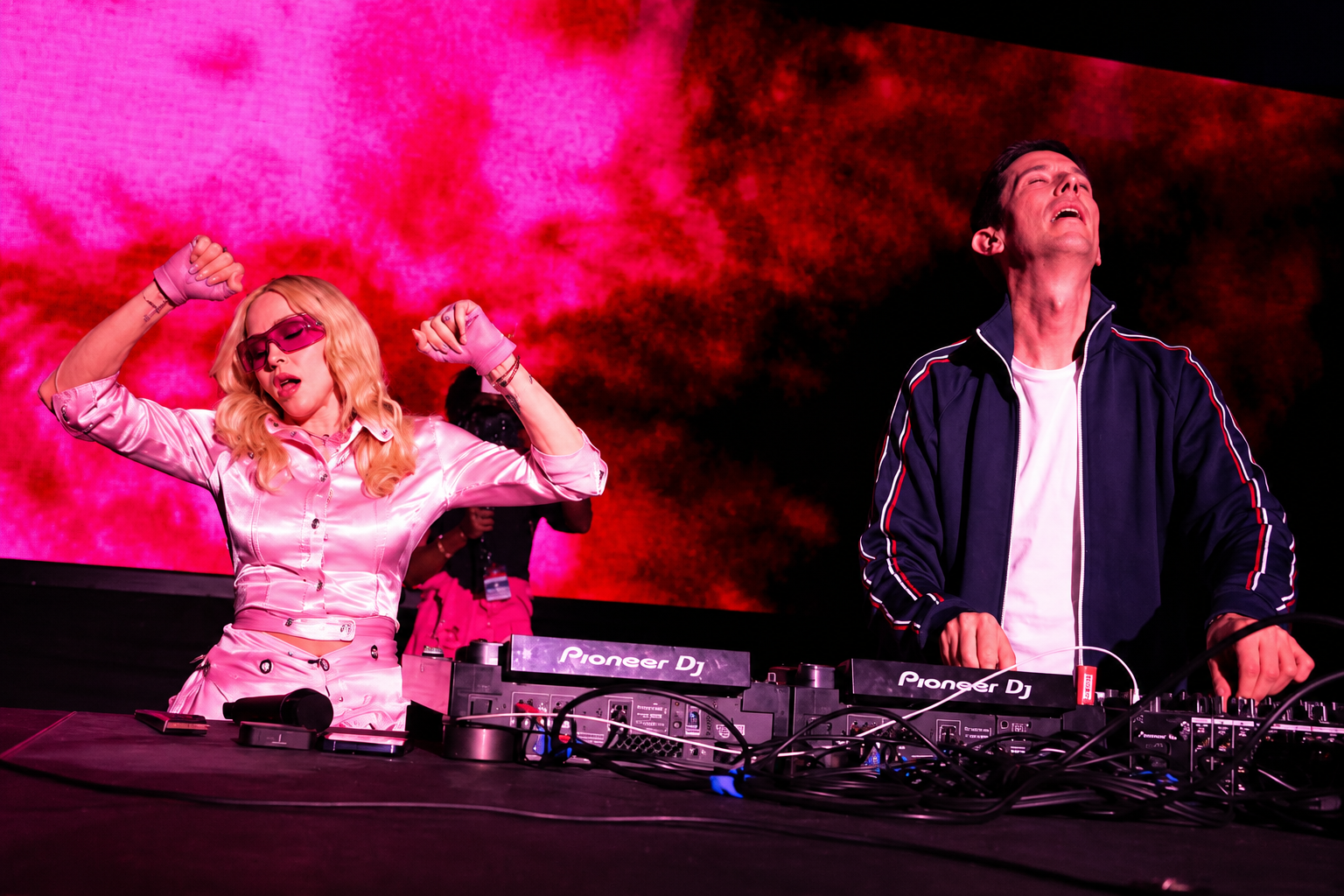
More than another reinvention, CONFESSIONS II may represent something Madonna has rarely done before: retrospection to herstory. Throughout her career, each new era has been defined by breaking away from the one that came before it. Here, however, she deliberately revisits and reinterprets her own artistic history. Rather than seeking to disrupt solely through novelty, she creates something new by reflecting on and reshaping the worlds she has already built. That may ultimately be the album’s most original concept of all.
Madonna at This Point: Reinvention or Retrospection?
The word “reinvention” has become almost a cliché when discussing Madonna, but in her case, it describes far more than a new hairstyle, wardrobe, or marketing strategy. It refers to her unique ability to transform her musical language, visual grammar, public discourse, and cultural position without ever surrendering creative control of her own identity. The Rock & Roll Hall of Fame describes her as “an artist who broke down the boundaries of pop by blending street music, fashion, music videos, and taboos surrounding religion, sexuality, and politics.”
Madge herself has rejected the term when it is used superficially. In 2012, she asked people to stop repeating it, and in 2019 she explained that reinvention is driven by curiosity: “All of my work is informed by the things that I learn.” That combination is essential. In practice, her reinventions almost always operate on four levels at once: she changes her sound, reshapes her visual iconography, shifts the public conversation surrounding her, and forms new creative partnerships that allow each era to become a genuine artistic evolution rather than simply a cosmetic change.
Madonna’s career has been defined by a succession of reinventions that continuously reshaped both her image and popular music. Like A Virgin (1984) transformed her from a rising New York club artist into a global cultural phenomenon, establishing sex, fashion, provocation, and media spectacle as integral parts of her artistic language. Like A Prayer (1989) marked her evolution into a more critically respected, yet equally disruptive, artist, turning spirituality, religious symbolism, and her own personal contradictions into the emotional core of her work.
That transformation deepened with Erotica, an uncompromising statement on sexuality and human connection during the AIDS crisis that sparked intense public backlash and challenged her reputation. In response, Bedtime Stories demonstrated her ability to recalibrate her public narrative without abandoning the artistic identity she had built.
The following decades reinforced that pattern of constant evolution. Ray of Light replaced confrontation with spirituality and electronic experimentation, earning Madonna her strongest critical recognition, while Music deliberately rejected repeating that formula by embracing a futuristic and technological sound that reflected the arrival of the new millennium, while juxtaposing it with American Western and country influences. American Life pursued a darker, politically charged direction, once again coming at the expense of her public reputation, before Confessions on a Dance Floor reimagined dance music through a seamless, euphoric blend of disco and house.
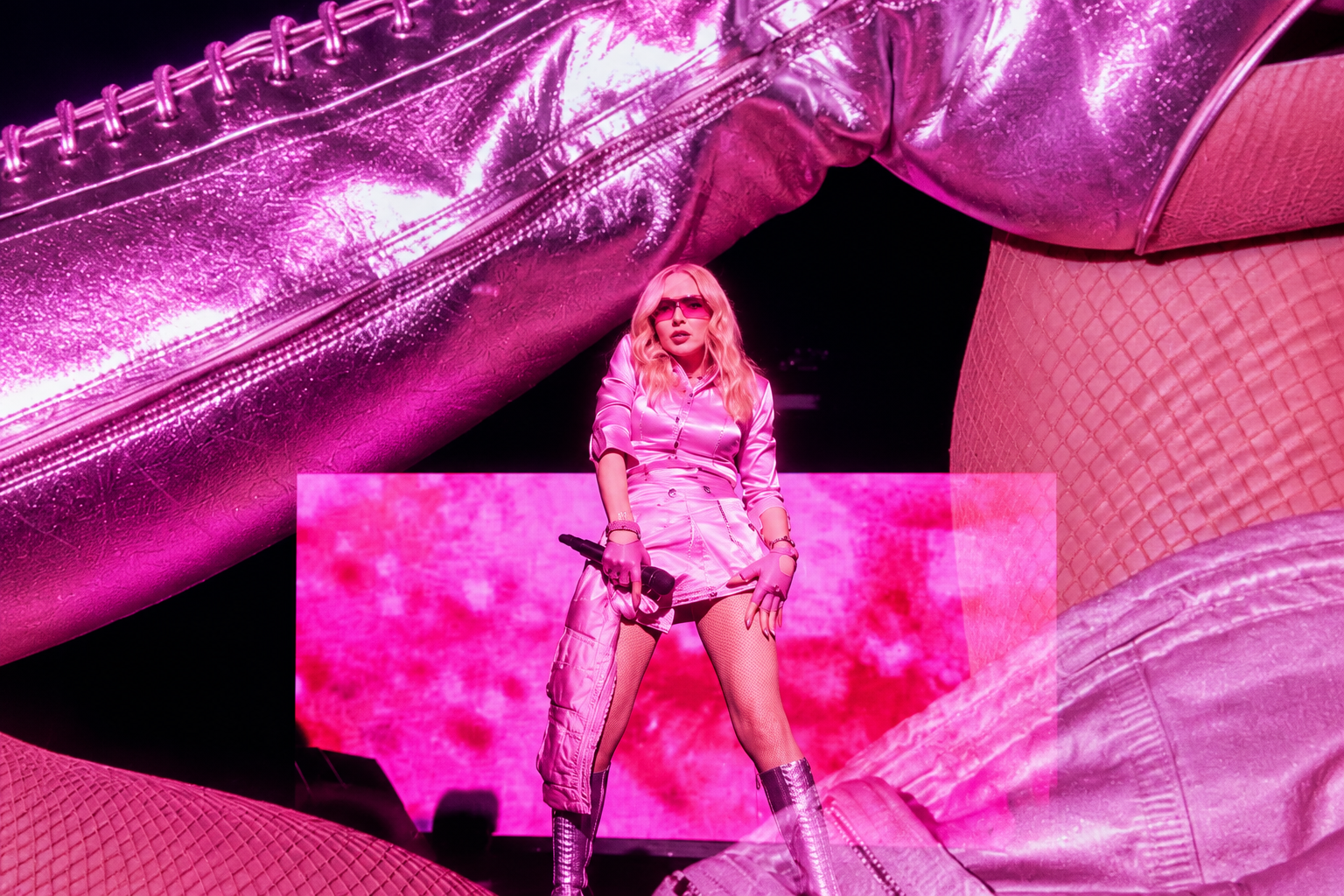
Even throughout the 2010s, with albums such as MDNA, Rebel Heart, and Madame X, Madonna continued exploring trends, but new formats, sounds, and concepts to her, proving that the defining constant of her career has never been a particular style, but an ongoing willingness to rethink, challenge, and redefine her own artistic identity.
Madonna understood before almost anyone else that a pop star does not compete through songs alone, but through meaning. With Like a Virgin, she redefined conversations around female sexuality and media spectacle. Like a Prayer challenged the relationship between religion, race, and intimacy in mainstream culture. Erotica confronted sexuality, desire, and moral panic, while Ray of Light proved that an artist often dismissed as superficial could achieve profound critical recognition. Decades later, Madame X questioned society’s expectations of age, politics, and artistic freedom. That is why she became such a central figure in cultural studies: she was never just a successful pop singer, but an artist who continuously staged and exposed society’s contradictions.
But this time, the moment has arrived when Madge stops chasing the idea of the “never-before-seen” and begins reinventing herself through her own memory. This does not represent a turn toward conservative nostalgia. Instead, it means using her own catalog as living creative material. That shift was set in motion by several events happening almost simultaneously: the biopic that was put on hold in 2023, her life-threatening illness that same year, and The Celebration Tour (2023-2024), which celebrated the most iconic moments of her catalog before culminating in a monumental finale in Rio de Janeiro. The Guardian has interpreted CONFESSIONS II as a response to that sequence of events: the attempt to tell her own life story, the confrontation with physical vulnerability, and a tour built quite literally around recreations of her artistic past.
The references are unmistakable: the Madonna of Bedtime Stories, the emerging pop artist of ‘Everybody,’ and the spiritually awakened artist of Ray of Light following her embrace of Kabbalah. In other words, CONFESSIONS II succeeds by transforming previous eras into a rich and recognizable convergence of sounds. It is also refreshing to see her move away from chasing trends such as trap or certain strands of Latin pop that characterized parts of her 2010s output, returning instead to innovative dance music, where she sounds both more comfortable and more vulnerable, a territory she has always mastered. That is the crucial difference from the oversimplified notion that “Madonna is always reinventing herself.”
Therefore, we can say that CONFESSIONS II is indeed an album of “reinvention,” but for the first time Madonna achieves it through “retrospection.” Instead of distancing herself from her past, she embraces it, drawing from her own catalog, signature sounds, personal history, and artistic identity. This time, reinvention lies in recognizing which parts of her legacy remain creatively fertile, recombining them, and presenting them through the voice and perspective of a 67-year-old woman and artist who continues to assert herself as the world’s Queen of Pop.
Madonna is demonstrating that artistic longevity can also be achieved.