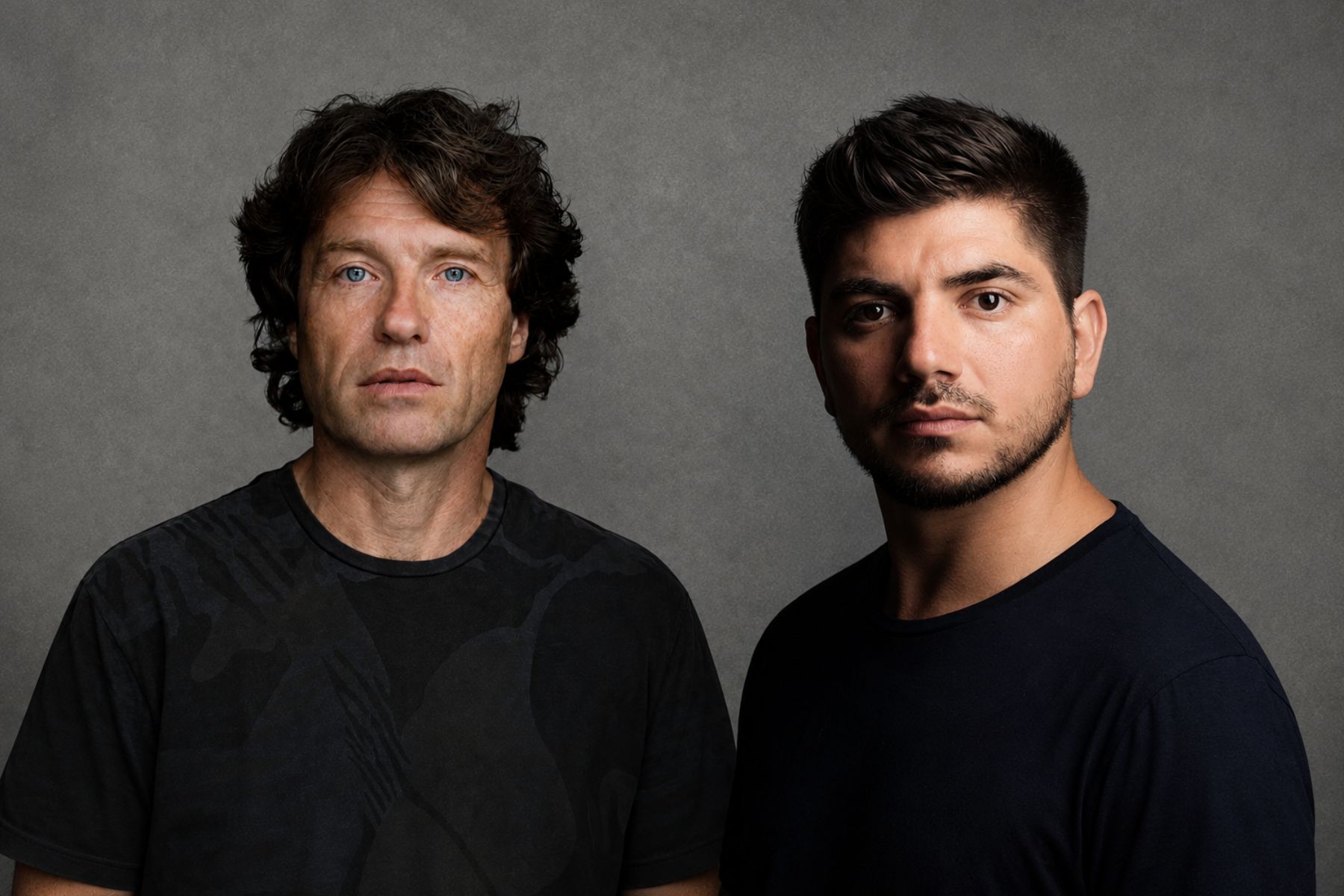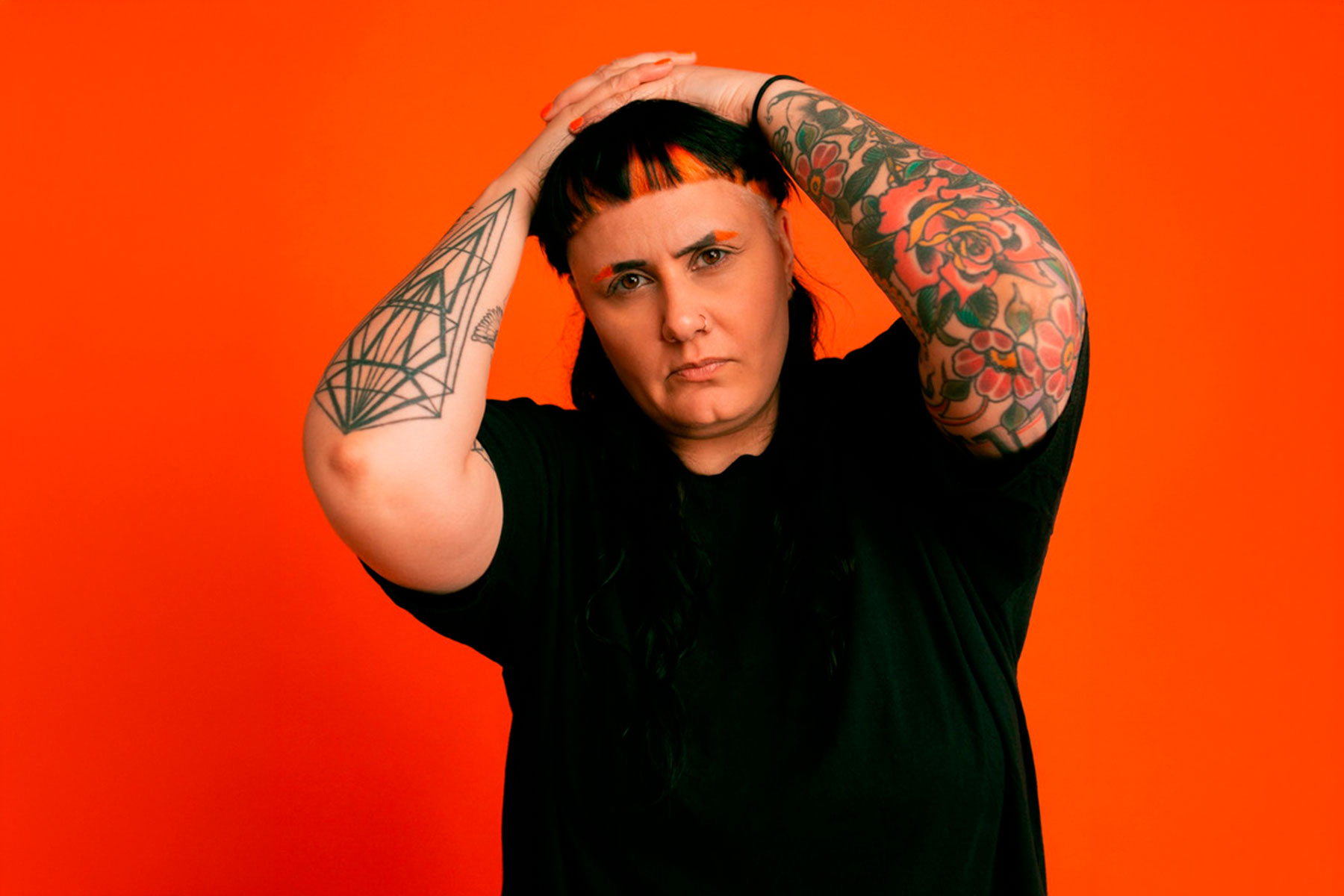

Canadian-based producer Vince Mulville has spent years establishing himself as a fixture within Western Canada’s electronic music scene.
Photo credit: Mully – Instagram
As the founder of EMENGY and an artist working across trance, progressive house, deep house, and ambient influences, Mully has built a career that balances music production, label development, and event promotion. His work has earned support from artists including Above & Beyond, Cosmic Gate, Paul van Dyk, Markus Schulz, Ferry Corsten, Andy Moor, Andrew Rayel, and Glenn Morrison.
Most recently, Mully joined EG with a Spotlight mix composed entirely of his own productions and collaborations, offering a clear snapshot of the sound and vision he continues to develop through both his solo work and his Mully & Shvman project.
In this conversation, Mully reflects on the evolution of EMENGY, the importance of patience in building a lasting career, the current state of progressive music, and the future he envisions for both himself and the label group.
EG: Hi Mully, welcome to Electronic Groove. Where are you today?
Mully: Hi, thanks so much for having me. Today I’m on the west coast of beautiful British Columbia in Vancouver, where I am based.
EG: Your EG Spotlight mix is made entirely of your own music, which says a lot about the world you are building. What did you want this mix to reveal about you before people even read the interview?
Mully: Yeah, totally – so for most of my solo sets I really try to only play records that I have written or been a collaborator on. In today’s musical climate, I feel this is more important for DJs to really play out their own music if they are producers. Don’t get me wrong, though; I totally appreciate supporting and playing other records in sets as well – I guess it comes down to the gig and where you are playing. It’s also a great place to showcase your new music!
EG: Before the labels, the releases, and the support, what was the first moment when electronic music stopped being entertainment and started feeling like a possible path?
Mully: Great question. Writing and producing have been with me since my high school days. It’s always been viewed as a hobby and as a fun pastime. I was always fascinated with rave culture in the early 2000s and frequently wondered if it was something that could become more than a hobby.
Fast-forward to 2013, I had a business opportunity come up with one of my mentors to launch Emengy. Ever since the launch of Emengy, things have grown organically both on the event side of the business and on the label side. The label really began to grow as a brand, and not only as a label.
Regarding my own productions, things really kicked off in 2019 when Myon remixed our track ‘What Are You Made Of’ featuring M3GA. From there, we received a lot of support from the likes of Above & Beyond, Markus Schulz, Ferry Corsten, and Cosmic Gate, to name a few. I noticed a big jump in show bookings, and this is really when collaborations and remixes started to happen. It’s important to note that I have been writing music since 2004, starting with hip hop beats and eventually leading to electronic music.
EG: You move through trance, progressive house, deep house, and ambient influences. What do you think each of those worlds gave you emotionally, not just musically?
Mully: Yeah, that’s quite the wide array of sounds, but it does get split up a bit. I work closely with my good friend Brendan under the duo Mully & Shvman. Our sound is strongly rooted in mainstage trance, melodic techno, and progressive house. We are actively pushing that duo and have played alongside many of today’s touring trance acts. This side of my career really brings high energy and excitement to my life. It’s also created great memories for Brendan and me while travelling across North America.
My solo work under Mully is more directed towards the deep and organic progressive house realm. The energy here is more relaxed and geared for ultra lounges and intimate venues. There’s a strict focus on music production over doing DJ sets and performances with this project. I also enjoy working with different producers on different tracks, which don’t sound like the Mully & Shvman productions and sets.
EG: Founding a label requires a different kind of belief than producing a track. What did building EMENGY teach you about patience, identity, and trusting your own direction?
Mully: So for me, a record label is a brand, and you have to have a brand that is interesting enough to entice people into listening to the music. The music is the first thing people hear, but the brand is the first thing people see.
I started getting involved in the label world around 2010, so I’ve seen a lot of labels come and go, artists peak and drop, and so on. It’s really taught me that patience and consistency go a long way. Taking the right time to develop concepts and ideas, meeting the right people, and surrounding yourself with the right people are all factors that come into play. I think patience is a great word to use, and you need a lot of it. In this business, nothing with longevity comes quickly.
EG: With EMENGY, Emengy Bass, and Emengy Deep, you are not just releasing music; you are shaping different lanes of expression. How do you decide what belongs where?
Mully: Yes, definitely. Emengy has, without a doubt, gone through some growing pains over the years to get where we are today. What was once just one label has now become three.
The Emengy label is focused on a more commercial and pop dance music sound. I wouldn’t necessarily call it mainstream, but it does cater to a broader audience. Our releases here are focused on vocal-heavy tracks that can be heard anywhere from pop radio to nightclubs, especially with the remix packs that we always make sure to include.
Emengy Bass has deep roots in bass music culture, spanning all sub-genres from dubstep and drum and bass to midtempo and everything in between. Emengy’s heavy influence started here, in the bass music community. This division has 10 years of experience on the events side, including hosting our own Tarpit stage at Excision’s Lost Lands Music Festival. We continue to push this label by signing records from across the bass music umbrella.
Emengy Deep is close to my heart. I release a lot of my own productions and remixes on this label along with other long-time collaborators. It’s more of a niche label, exploring the deeper side of progressive house and progressive trance. The back catalogue also includes many deep, tech, and melodic house records.
Overall, the three labels try to cover different regions of the electronic music ecosystem. We do our best to put out tasteful music and work hard to showcase the artists we collaborate with. It’s important to stand behind the music you push because you believe in it, not just because it’s trending.
“The music is the first thing people hear, but the brand is the first thing people see”
EG: Glenn Morrison mentioned that he is working closely with you over the next year. At this stage of your career, how important is it to have someone around you who can help sharpen the bigger picture beyond individual releases?
Mully: I can’t say enough good things about Glenn. That guy is such a force in the industry, and I’m incredibly grateful to not only have a strong friendship with him, but also an amazing working relationship. Glenn came on board last year with our label group to really take things to the next level and push our vision and direction to new heights.
His expertise and knowledge base are so deeply rooted in this scene that he has become an incredible asset to Emengy and me. We are currently working on many projects together, hopefully to see the light of day soon.
Glenn has brought a fresh wave of inspiration into Emengy. Even our conversations tend to ignite new ideas and concepts to chase. I’m forever thankful to have Glenn as part of the Famengy.
EG: A lot of emerging artists are chasing visibility, but labels and real careers are built more slowly. What do you think artists sometimes misunderstand about building something that can last?
Mully: In my experience, I’ve noticed it’s very easy for almost anyone to fall into the trap of wanting to be a DJ and have crowds praise you. There’s a big difference between someone who is chasing fame and popularity versus someone who is truly immersed in a musical journey.
There’s nothing wrong with wanting to be a DJ, but I think the moment you start creating art for yourself first is when you separate from that DJ-first mentality. I think we are at a crossroads now with two types of performers. One side wants fame and to be praised as an influencer or public figure, with no real interest in creating something different or fresh. The other side is focused on writing creative ideas and building a unique sound inspired by that process.
This industry is a long game, and that’s not for everyone. I’ve seen many artists come and go. It’s a lifestyle that isn’t for everyone. If your drive comes from a place of passion to create art, then I feel the long game won’t feel so long for you.
EG: When you are making music now, what are you chasing first: a feeling, a memory, a club reaction, or something harder to explain?
Mully: Good question, and I think I’m still figuring that out (laughter). In my productions, I’ve noticed that nostalgia is a common theme. I feel like you always look back on the music you grew up listening to. For me, it would have been some of Tiësto’s older albums like ‘In My Memory’ or ‘Just Be’, and even most of Delerium’s albums.
I generally approach a new track like a blank canvas. Things seem to unfold like the domino effect. It’s hard to put a finger on exactly what that special thing is when creating music. There’s no doubt that there are influences that are injected into the mix as well.
EG: Western Canada is not always placed at the center of the global electronic music conversation, but sometimes distance creates its own identity. How has that scene shaped the way you think about community, events, and sound?
Mully: The Western Canadian circuit is a special one. There are a lot of local music pockets and groups hosting underground shows or raves, which is great to see. Our event promotion division has done relatively well in the Western Canadian market. We are currently promoting events across four provinces, with artists like Tiësto, Fisher, Zeds Dead, Dom Dolla, and Slander, to name a few.
I’m very proud of what we have accomplished on this front and excited to keep pushing that frontier.
There’s a very long road that led us to where we are today in the Western Canadian market. But I also like to think of Emengy on a more global level. I recognize that our origins are on the Canadian West Coast, but I prefer not to fully associate the brand with it. It’s an amazing part of the world without a doubt, but I’m always looking to continue growing Emengy outside of that bubble.
EG: What do you feel the progressive side of electronic music needs more of right now, and what do you think it needs to leave behind?
Mully: To be completely honest, I feel like progressive house is in a great place right now. With the rise of melodic techno blending with progressive trance, we are getting some special records coming out of that mix.
I personally feel there needs to be more appreciation for instrumental records, especially with the rise of AI vocals. Don’t get me wrong, though, I’m a huge fan of vocal records, but I feel there is so much room for more of those long eight-minute extended progressive mixes. I also need to add that it’s great to see a slow resurgence of trance and progressive music on the main stages. One big example is Tiësto returning to his roots.
“If your drive comes from a place of passion to create art, then I feel the long game won’t feel so long for you”
EG: If you could give one honest sentence to the version of yourself who was just starting out, what would you say?
Mully: Block out the noise, stay true to yourself, and do it.
EG: Looking ahead, with the Spotlight mix, new music, label growth, and partnerships developing around you, what kind of future are you trying to build for Mully and EMENGY?
Mully: I think the main theme is creating longevity with the brand. Our goal has remained the same since founding Emengy in 2013: to identify and develop talented producers and artists, taking them first to fans and then to the marketplace through new paradigms, creative brand partnerships, and front-running third-party platforms.
Emengy maintains the creativity, spirit, and flexibility of an independent label, but with enhanced distribution channels that allow us to continue competing in the global marketplace as an influential market player.
As for Mully, I really want to grow my sound this year. Sonically, I’m looking forward to pushing new records with new energy, both under Mully & Shvman and under my solo alias. I have several collaborations in the works with close friends and music colleagues that I am very excited about. More on that later.
EG: Thanks for the time and all the best!
Mully: Thanks so much for having me and for the killer questions!
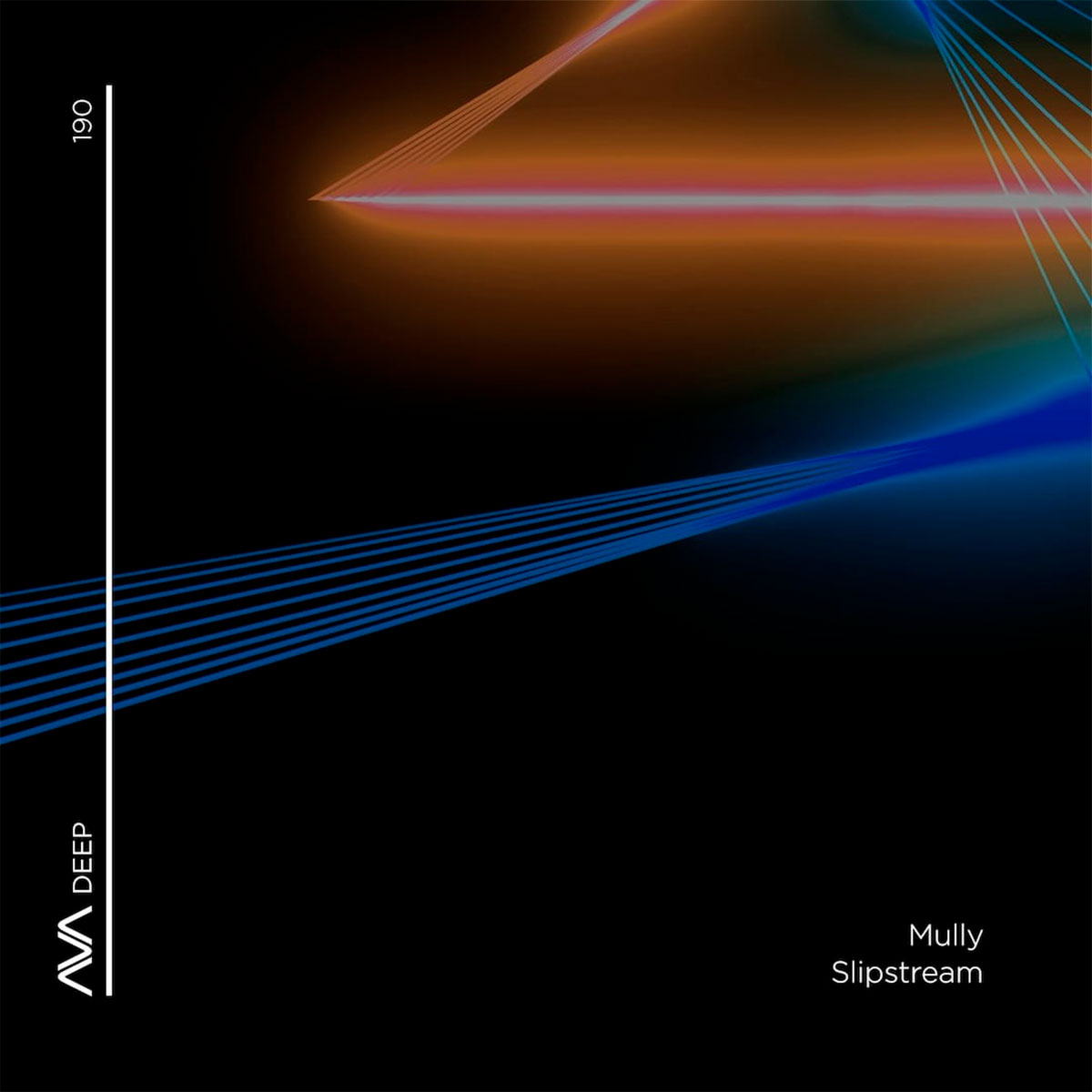
Mully’s ‘Slipstream’ is out now via AVA Deep. Stream and download your copy here.
Follow Mully: Spotify | SoundCloud | Instagram