Electronic music festivals have always been shaped by technology. From synthesizers and drum machines to advanced lighting systems and immersive stage production, innovation is part of the culture. In recent years, however, one of the most important changes has taken place away from the DJ booth. The smartphone has become an essential companion for festival visitors before, during and after an event.
Mobile applications now help people discover festivals, buy tickets, plan journeys, create personal schedules and navigate large venues. They can also provide artist information, emergency updates, cashless payment tools and interactive features. As festival programs become larger and audiences become more international, these digital services are changing how people experience electronic music events.
The influence of mobile technology can be seen at major international festivals, city-based conferences and smaller independent gatherings. Although the available features vary from one event to another, the general direction is clear: the modern festival experience increasingly begins on a screen long before the audience reaches the dance floor.
Festival discovery now begins on mobile devices
For many listeners, the first contact with a festival happens through a mobile application or social platform. Music fans can browse upcoming events, compare lineups and receive recommendations based on their location or listening habits.
This has made the festival market more accessible. A listener no longer needs to follow several promoters or regularly check individual venue websites. Event-discovery platforms can collect information from many sources and present it in one place.
Mobile discovery is particularly important for travelers. Electronic music fans often visit another city or country to attend a specific event. Apps make it easier to compare dates, locations and ticket options while also checking accommodation and transport.
For organizers, mobile visibility can help an event reach audiences beyond its local community. A smaller festival with a distinctive lineup may attract international visitors after appearing in personalized recommendations or curated electronic music listings.
Digital ticketing has simplified entry
Printed tickets have become much less common at modern festivals. Most visitors now receive a digital ticket, QR code or mobile wallet pass after completing their purchase.
This process offers several advantages. Tickets are harder to lose, event information can be updated automatically and entry lines may move more quickly when scanning systems work efficiently. Some apps also allow users to transfer tickets securely to friends or access verified resale services.
Digital ticketing can also help organizers manage attendance. Real-time scanning data shows how many visitors have entered the venue and when the busiest arrival periods occur. This information can be useful for staffing entrances, transport areas and security points.
However, digital access creates new responsibilities. Visitors need to keep their phones charged and should download tickets before arriving in case the network is overloaded. Organizers must also provide support for people who experience technical problems at the entrance.
Personal schedules help fans manage large lineups
Electronic music festivals often feature several stages operating at the same time. A single weekend may include dozens or even hundreds of artists, making it difficult to remember every performance.
Festival apps solve this problem by allowing users to build personalized schedules. Visitors can save preferred artists and receive reminders before each set begins. Some applications also warn users when two selected performances overlap.
This function is especially valuable when an event includes different styles of electronic music. A visitor might want to move between house, techno, ambient and experimental performances during the same day. A personal timetable makes those decisions easier.
Schedule features also reduce dependence on printed programs. If an artist cancels or a performance time changes, the app can update the timetable immediately. This helps prevent confusion and allows visitors to adjust their plans.
Navigation has become part of the digital experience
Large festivals can be difficult to navigate, particularly for first-time visitors. Stages, food areas, medical points, transport zones and rest spaces may be spread across a wide area.
Interactive maps help visitors understand the layout before they arrive. During the event, location tools can guide them toward a particular stage or service point. Some apps also show approximate walking times between different areas.
This can be especially useful when performances are scheduled close together. Knowing that two stages are fifteen minutes apart may influence which artists a visitor chooses to see.
Navigation tools can also improve safety. Clearly marked medical facilities, emergency exits and information points are easier to find when they are included in a searchable mobile map.
At city-based festivals and music conferences, navigation becomes even more important. Events may be distributed across multiple clubs, galleries and cultural spaces. A mobile app can combine the complete schedule with public transport information and walking directions.
Real-time notifications improve communication
Festival programs do not always go according to plan. Weather conditions, travel delays, technical problems and artist cancellations can cause last-minute changes.
Mobile notifications allow organizers to communicate directly with visitors. Instead of relying only on stage announcements or social media posts, they can send updates to everyone using the official app.
These alerts may include schedule changes, delayed opening times, transport information or safety instructions. During outdoor events, weather warnings can be particularly important.
Notifications can also be personalized. A user may choose to receive alerts only about selected artists, stages or festival services. This prevents the app from becoming distracting while still delivering relevant information.
The quality of these updates matters. Too many promotional messages may encourage users to disable notifications completely. The most effective festival apps prioritize practical information and use advertising carefully.
Cashless payments are becoming more common
Many festivals have introduced cashless payment systems. Visitors may use a wristband, mobile wallet or festival account to purchase food, drinks and merchandise.
Cashless systems can shorten transaction times and reduce the amount of physical money handled at the venue. Users may also be able to monitor their spending and add funds through a mobile app.
For organizers, digital payment data provides insight into purchasing patterns. It can show which areas are busiest, which products are most popular and when demand is highest.
At the same time, visitors need clear information about fees, refunds and unused balances. A complicated cashless system can create frustration, particularly when users must register several accounts or wait a long time for refunds after the event.
The strongest systems are simple, transparent and supported by alternative payment options in case of technical failure.
Music discovery continues during the event
A festival is not only a place to see familiar artists. It is also an opportunity to discover new music. Mobile apps can support this process by providing artist profiles, playlists and links to streaming services.
Before the event, visitors can explore unfamiliar names on the lineup and decide which performances interest them. After a set, they can save an artist, find a track or follow future releases.
Some festival applications publish official playlists arranged by stage, genre or day. These playlists help build anticipation and extend the life of the event after it ends.
Music-recognition tools also play a major role. When a DJ plays an unfamiliar track, fans may try to identify it immediately or search for it later using recorded audio and community tracklists.
This connection between live performance and digital discovery benefits artists as well. A strong festival appearance can lead to new followers, streams and bookings long after the final set.
Social features create digital festival communities
Electronic music culture has always depended on communities. Mobile platforms have expanded those communities beyond individual venues and cities.
Festival visitors use messaging services, group chats and social networks to arrange meeting points, share recommendations and discuss performances. Some official apps include friend-finding tools or private group schedules.
These features can be useful at very large events where mobile networks are crowded and friends can easily become separated. A shared meeting location or offline map may be more reliable than repeated phone calls.
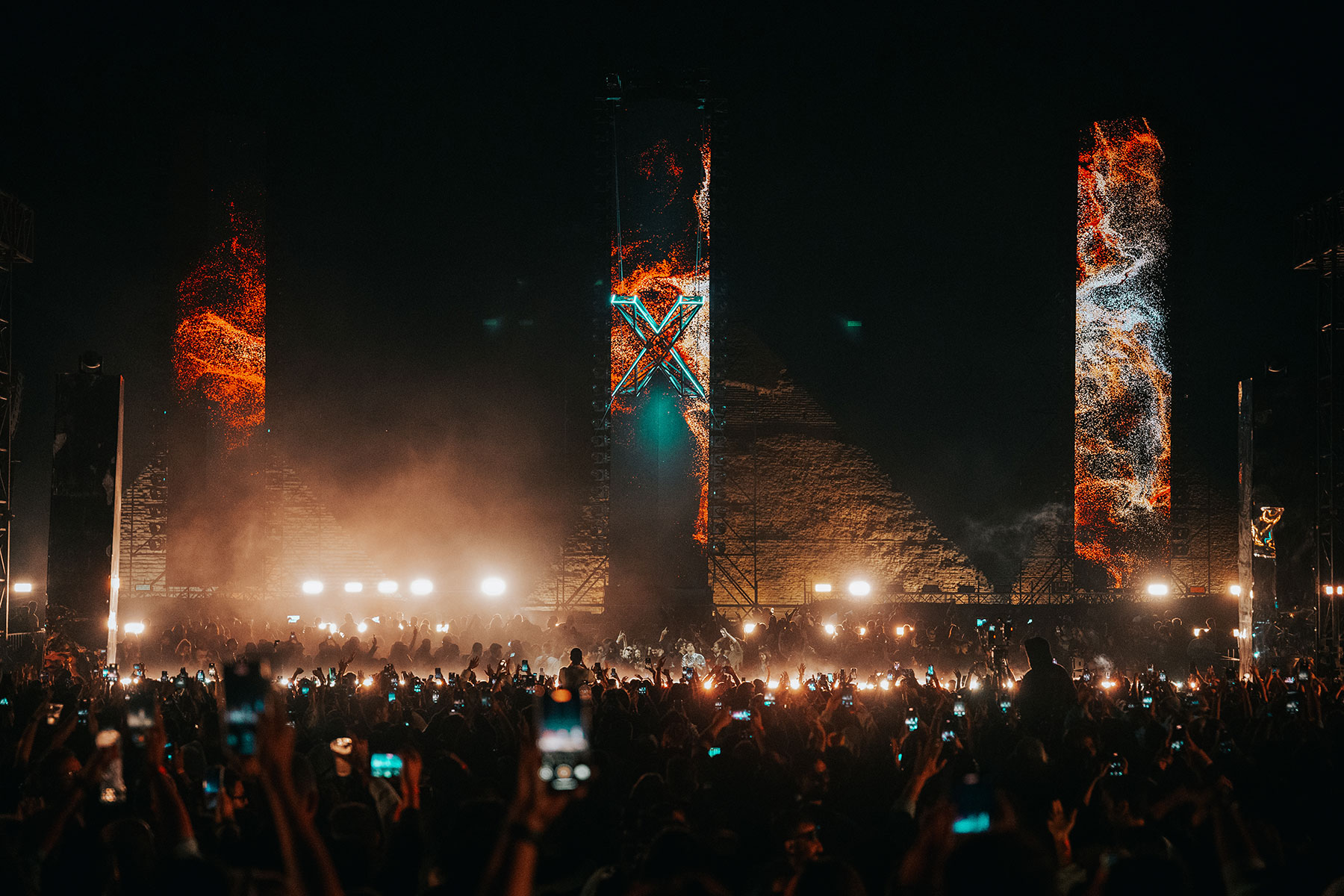
Social media also changes how an event is documented. Photos, short videos and audience reactions appear online while performances are still taking place. This creates immediate visibility but also raises questions about how much time people spend filming instead of experiencing the music directly.
Some clubs and festivals now experiment with phone-free areas or camera restrictions. The debate shows that mobile technology can enrich the experience while also becoming a distraction if it dominates the dance floor.
Mobile entertainment extends beyond the festival grounds
The festival experience includes much more than the performances themselves. Visitors often spend hours traveling, waiting at airports, relaxing at hotels or taking breaks between event days.
During this time, smartphones provide access to streaming platforms, podcasts, mobile games, news services and other entertainment. The same device used for a digital ticket or festival map can become a complete entertainment center away from the venue.
Some Android users also explore applications distributed outside traditional app stores. Those interested in mobile entertainment may come across options such as goldbet app download. Before installing any third-party application, users should confirm that the source is trustworthy, examine the requested permissions and check whether the service is legal and appropriate in their location.
Before installing any third-party APK, users should confirm that the source is trustworthy, examine the requested permissions and check whether the application is legal and appropriate in their location.
This broader mobile ecosystem reflects a major change in user behavior. Entertainment is no longer divided into separate devices or clearly defined moments. Music, travel planning, communication and other digital activities are now available through one screen throughout the entire festival journey.
Apps can make festivals more accessible
Mobile technology also has the potential to make festivals easier to attend for people with different accessibility needs.
An app may provide information about wheelchair-accessible routes, viewing platforms, quiet spaces and accessible toilets. Visitors can review this information before arriving rather than trying to find assistance during a crowded event.
Real-time text updates can support people who may not hear public announcements. Clear maps and visual schedules can also help visitors who find large, unfamiliar environments difficult to navigate.
Some events provide contact options for accessibility teams through messaging or dedicated help functions. This allows visitors to ask questions without searching for an information desk.
Technology alone cannot make an event fully accessible, but it can improve communication and reduce uncertainty when combined with thoughtful venue planning.
Sustainability tools are becoming more important
Electronic music festivals are under increasing pressure to reduce their environmental impact. Mobile apps can support these efforts by replacing printed programs, maps and promotional materials.
They can also encourage visitors to use public transport, shared travel or cycling routes. Some applications provide information about water refill stations, recycling points and reusable cup systems.
Organizers may use digital rewards to encourage sustainable behavior. For example, visitors could receive benefits for returning cups or arriving through approved transport schemes.
These features work best when they are practical rather than symbolic. A digital sustainability campaign has limited value if the venue lacks enough refill stations or clear recycling facilities.
Mobile tools should therefore support a broader environmental strategy rather than replace physical improvements.
Data gives organizers a clearer picture of the audience
Festival apps generate useful information about how visitors interact with an event. Organizers may learn which artist pages receive the most views, which schedules are saved and which areas attract the most attention.
This data can help improve future editions. A stage that regularly becomes overcrowded may need a larger location. A transport route with frequent searches may require clearer signs or additional services.
Digital surveys can also collect feedback shortly after the event, while the experience is still fresh. Visitors may comment on sound quality, queues, food options and venue organization.
However, data collection must remain transparent. Users should know what information is being gathered and how it will be used. Festival apps should avoid requesting access to device functions that are not necessary for their main purpose.
Trust is important in any digital service. An app that feels intrusive can damage the relationship between an event and its audience.
The problem of connectivity and battery life
Festival apps depend on technology that may not always work perfectly. Large crowds can overload mobile networks, making it difficult to download maps or receive updates.
Organizers should design applications that continue to provide basic information offline. Schedules, maps and saved tickets should remain accessible without a constant internet connection.
Battery life is another major issue. Visitors may use their phones for navigation, photography, payments and communication throughout a long day. By the evening, the device may have little power remaining.
Charging stations can help, but apps should also be optimized to reduce unnecessary battery consumption. Constant location tracking and frequent background updates should be limited.
Visitors can prepare by downloading essential information, carrying a power bank and reducing screen brightness. Nevertheless, the responsibility should not fall entirely on users. Festival technology must be designed for the realities of an outdoor or crowded environment.
Official apps must offer genuine value
Not every festival needs a complex standalone application. Some events create apps primarily because the format appears modern, even when a mobile website would provide the same information more efficiently.
An official app is most useful when it combines several essential functions, such as tickets, scheduling, navigation and real-time updates. If it offers little more than promotional content, visitors may delete it immediately after the event.
Organizers should also consider how much storage the app requires and whether users need to create an account. A complicated registration process can discourage adoption.
A well-designed mobile website may be the better choice for a smaller event. The goal should not be to introduce technology for its own sake, but to solve real problems for visitors.
The future of digital festival experiences
Festival applications are likely to become more personalized in the future. Instead of showing the same interface to every visitor, an app may adapt to individual music preferences, travel plans and accessibility requirements.
Augmented reality could also become more common. Visitors might point their phone toward a stage or installation and receive information about the artist, performance or visual concept.
Location-based features could help manage crowd movement by recommending less congested routes. Real-time data may allow organizers to respond more quickly when particular areas become too busy.
There is also potential for stronger integration between physical and online audiences. Fans unable to attend could access selected streams, virtual backstage content or interactive digital spaces connected to the festival.
These developments will create new possibilities, but organizers must avoid turning the event into a constant series of screen-based interactions. Electronic music festivals are powerful because they bring people together in a shared physical environment. Technology should support that experience rather than replace it.
Finding a balance between connection and presence
The smartphone has become one of the most useful tools available to festival visitors. It can store tickets, organize schedules, provide directions and keep groups of friends connected.
At the same time, the constant presence of a screen can affect how people experience music. Recording entire performances, checking notifications and moving between multiple platforms may reduce attention to the moment itself.
The best festival applications recognize this tension. They deliver important information quickly and then allow the user to return to the event. Simple navigation, restrained notifications and offline access can reduce the amount of time spent looking at a screen.
For visitors, the challenge is equally clear. Mobile technology can improve a festival weekend, but it does not need to control it. Sometimes the most memorable part of an electronic music event begins when the phone is placed back in a pocket.
Conclusion
Mobile apps have transformed the electronic music festival experience at almost every stage. They help people discover events, buy tickets, plan schedules, navigate venues and communicate with organizers.
They also connect live performances with streaming, social communities and wider forms of digital entertainment. For festival organizers, mobile platforms provide new ways to communicate, collect feedback and understand audience behavior.
The most successful applications are not necessarily the ones with the largest number of features. They are the ones that solve practical problems without distracting visitors from the music.
As electronic music festivals continue to evolve, mobile technology will remain an important part of the experience. The challenge will be to use it thoughtfully, combining digital convenience with the sense of presence, community and discovery that makes festival culture distinctive.