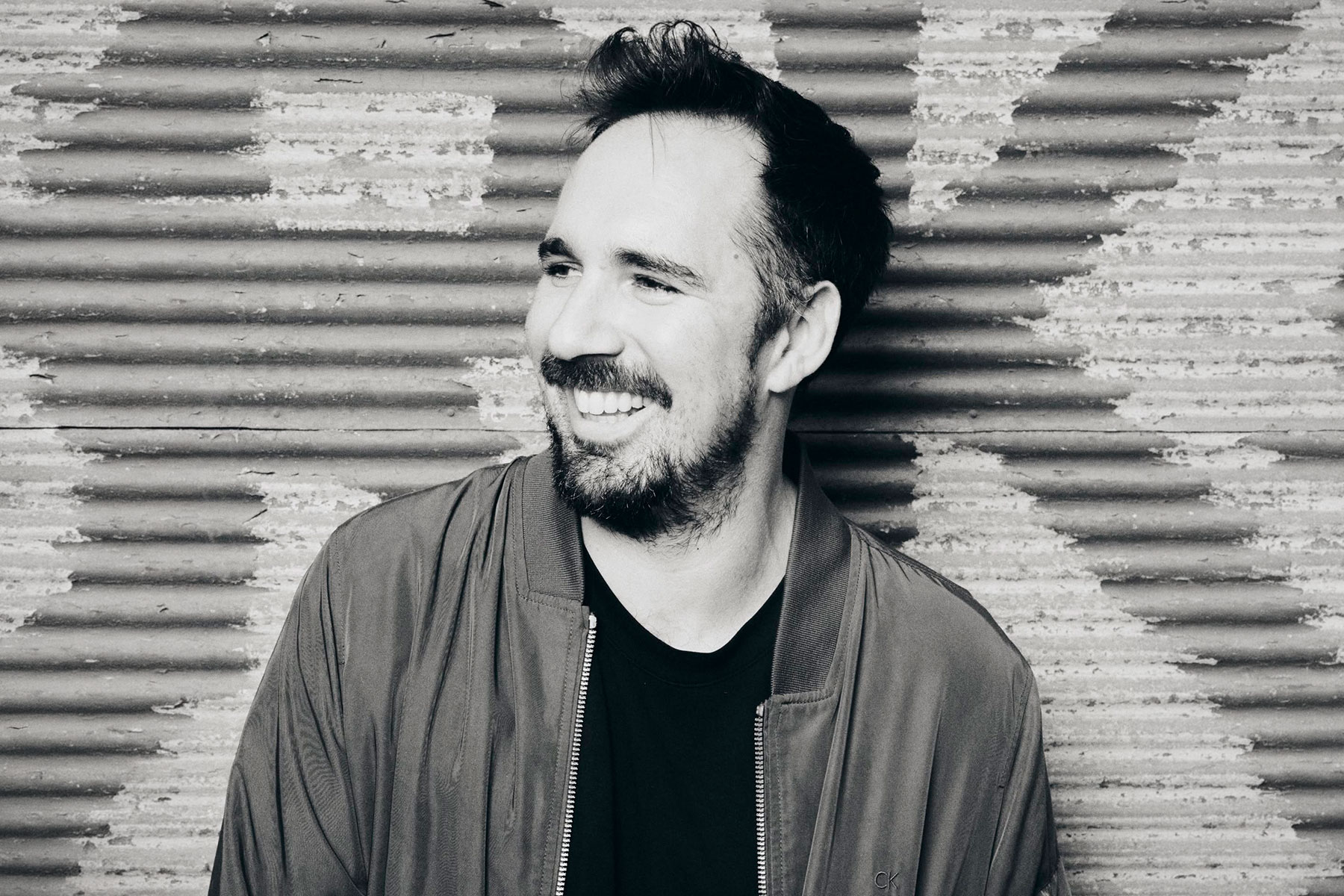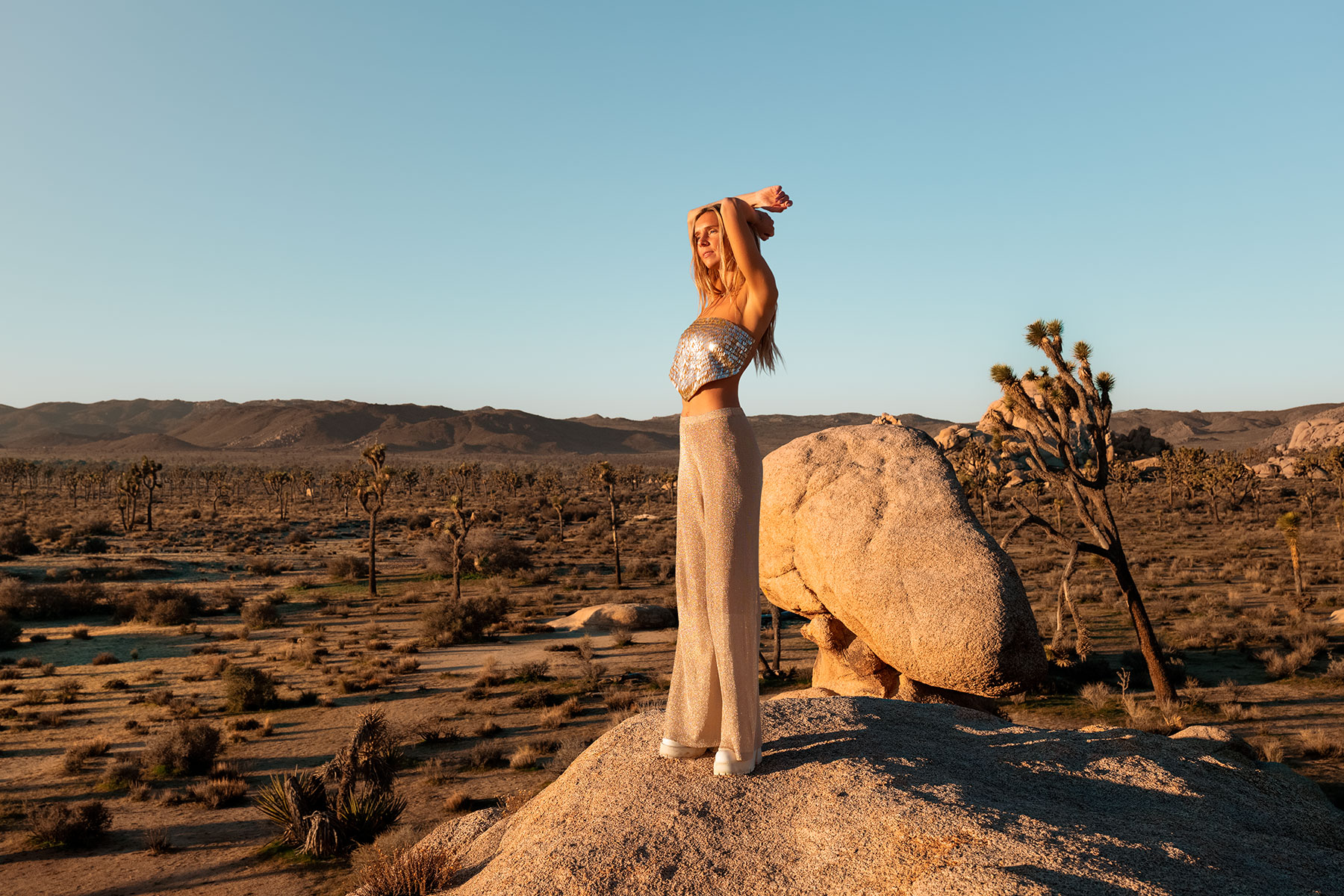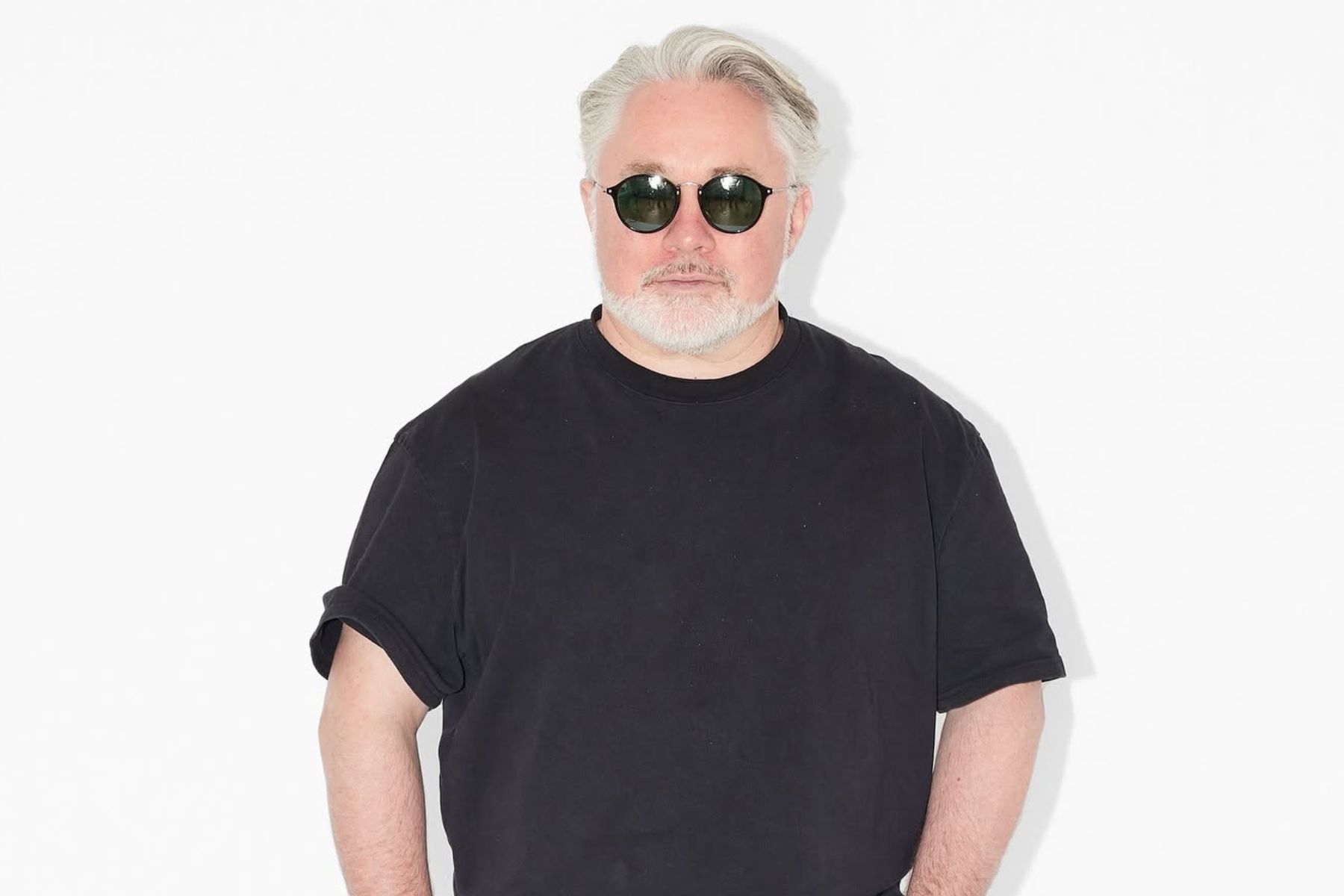
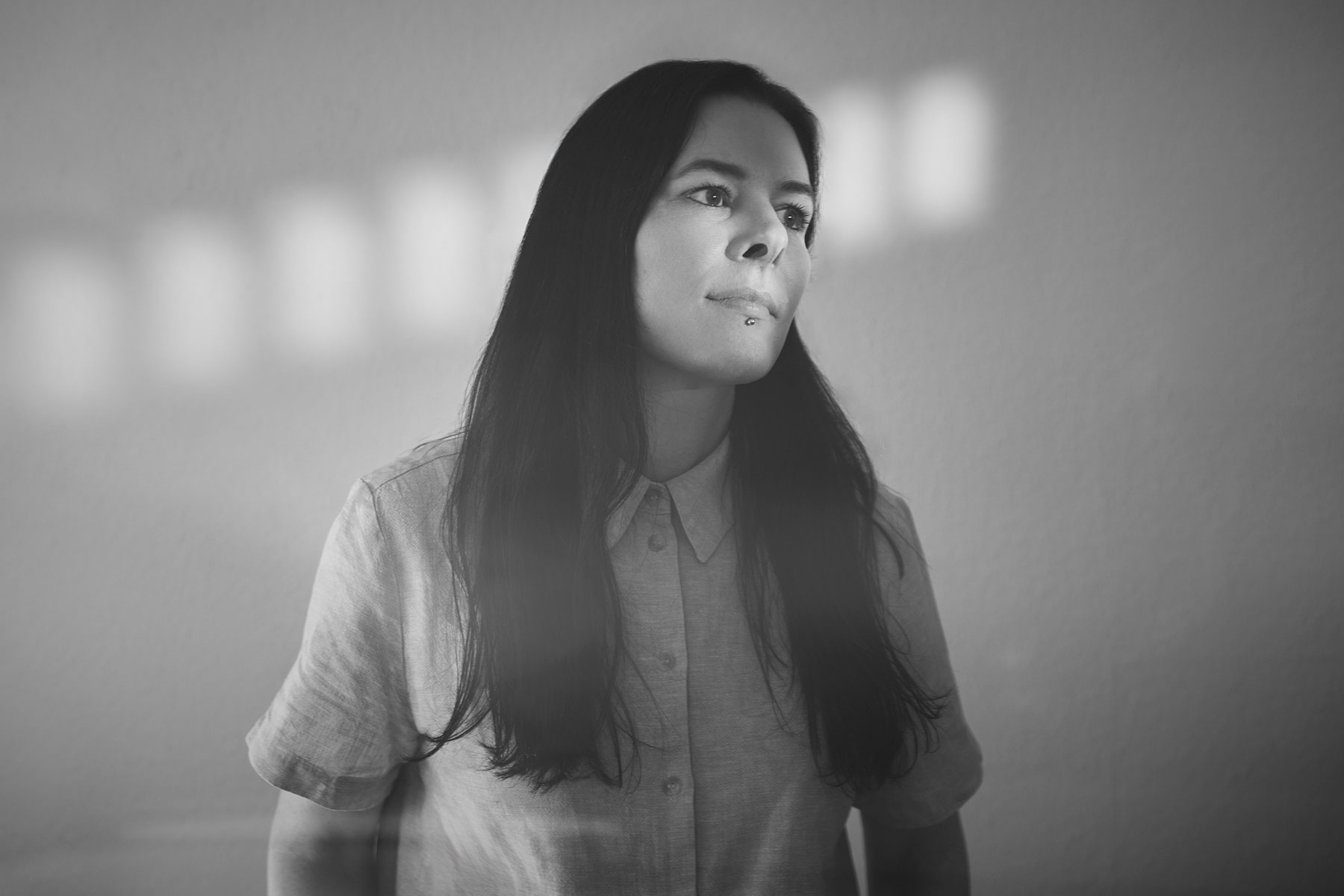
Originally from New Zealand and now based in Berlin, Philippa has spent nearly three decades immersed in dance music culture.
Photo credit: Philippa – Official
From discovering deep house in Wellington and helping shape Auckland’s underground scene to spending more than a decade living and creating in Berlin, her journey has been defined by a deep connection to groove-driven music and the communities that surround it.
Drawing inspiration from African-American musical traditions including house, soul, jazz, and the blues, her productions balance movement, atmosphere, and emotional depth. Releases on respected labels such as Freerange, Local Talk, and SlothBoogie have established her as a distinctive voice within contemporary deep house. At the same time, her latest project marks the beginning of a new chapter.
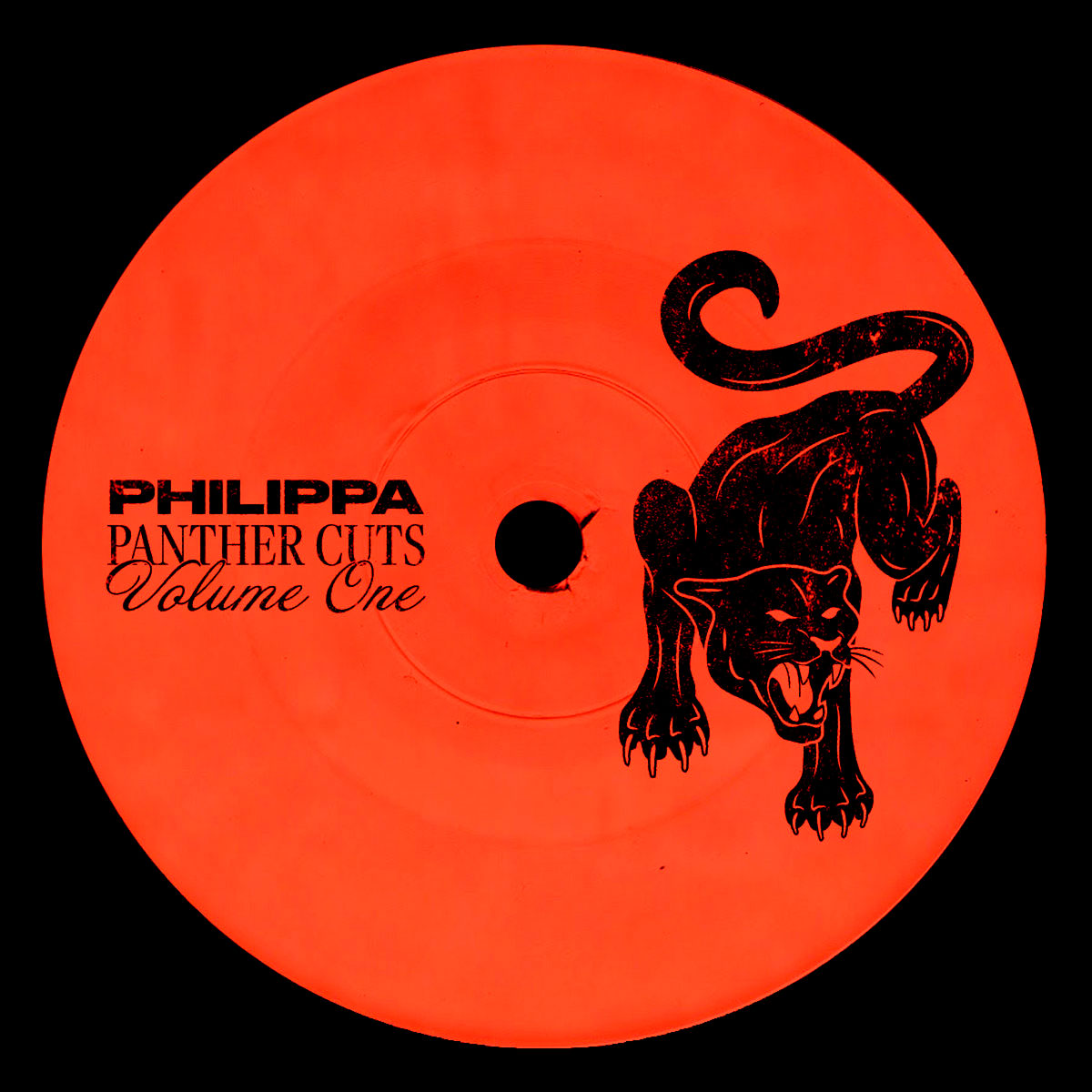
With the launch of her new series ‘Panther Cuts’, Philippa introduces a format built around two contrasting approaches: one deeper and more musical, the other more direct and dancefloor-focused.
In this conversation, she discusses the philosophy behind the project, the importance of analogue sound, life in Berlin, and why she believes house music should remain a living, breathing art form.
EG: Hi Philippa, welcome to EG. It’s a pleasure to have you here. How have you been, and where are you speaking to us from today?
Philippa: Hi there, I’m in my apartment back in Berlin after spending a week in London with the Freerange Crew. I have a track on the Freerange 30 Years compilation series and was asked over to play the BBE Record store, plus another gig up in Bedford (and there will probably be more later in the year). I absolutely love visiting London, so I’m still buzzing from that.
EG: Congratulations on the launch of ‘Panther Cuts’. Rather than introducing it as a traditional label or release series, you’ve built it around a very specific concept. What sparked the idea behind this format?
Philippa: Thank you. I’m aiming for two-track, regularly released EPs. That’s the thought process anyway. I’m currently in a heavy music-writing phase. For example, I’m writing an album for a publisher here in Europe and have been releasing music through a Bandcamp-only series called Quiet Fire, but none of it has been released for broad distribution via DJ download sites or streaming services. ‘Panther Cuts’ is about bringing some music to the surface, and hopefully it connects with people.
EG: Each volume is built around two contrasting approaches: one more musical and introspective, the other more direct and dancefloor-focused. Does that duality reflect the way you experience music yourself?
Philippa: Yeah, absolutely. I’m naturally drawn to the expressivity of deeper music, but as a DJ I play a lot of peak-time dancefloors, so I’m hoping to bridge that gap a little by putting out EPs with a deeper track, as well as a more dancefloor-focused cut.
EG: ‘Second Nature’ feels hypnotic and understated, relying on subtle shifts rather than big gestures. What drew you toward that kind of storytelling?
Philippa: That was the first observation of a mate of mine as well. Upon hearing it, he mentioned it felt understated, and that definitely resonates with me. I’m drawn to ideas of hidden power. Along the lines of “all that glitters is not gold,” not everything that is shouty or show-offy is worthy of attention. I like elegance and restraint, darker and quieter forms of power.
“I genuinely think that digitally made music sounds lifeless”
EG: On the other side of the release, ‘Motion State’ introduces vocals and a warmer, more expressive energy. What made this track the right counterpart to ‘Second Nature’?
Philippa: I’m not always aware of what’s happening while I’m working on music. You can write a lot, but musical ideas and sketches often have their own sense of what they want to become. If it were easy to write a banger to order, we’d all be writing bangers all the time. To write something that has depth is more about letting the piece of music be what it wants to be than anything else. For a piece of art or music to have life, it needs to take on a soul, and that living, breathing energy is not something one can order up like a burger.
We’re in this crazy age where people think you can just get AI to write a hit for you, but that music is likely to be lifeless. The soul of something, its essence, its breath, comes through a supporting and nurturing process. You let the artwork be what it wants to be, and then maybe it has a chance of becoming a living thing.
What I’m trying to say is that I didn’t set out to write ‘Motion State’. It was part of a group of tracks I was developing at the time, but it was the one that came to life the easiest and put itself forward as an obvious choice as track two.
EG: The collaboration with Séna feels very natural, almost as if the vocal was part of the composition from the very beginning. How did that creative relationship come about? What was that process like?
Philippa: The vocal idea was there from the very start, so you’re not wrong. And Séna was an easy choice to sing on the track as she’s got this really unique, soulful catchiness to her singing. I really like her style. She was also the vocalist on ‘Cloud Walking’ for the ‘Local Talk’ EP that came out in December last year.
EG: Jazz-influenced harmony, analogue synthesis, live instrumentation—these elements have become important parts of your sound. What originally drew you to a more human and performance-oriented approach to electronic music?
Philippa: It’s similar to what I was referencing above, in that I want the music to feel alive and to be nurturing for the soul. I genuinely think that digitally made music sounds lifeless.
I’ll give you an example: if you record a Juno-106 playing the same note over and over, with no modulation, and zoom in on the waveform, you’ll see that every note looks different. The oscillators’ interaction with electricity produces a slightly different note every time. If you get a digital VST to play the same note repeatedly, the waveform will be exactly the same each time.
Electricity is alive; the digital realm isn’t. Acoustic and electronic instrumentation played by humans takes this even further. A bass guitarist plays every note slightly differently. This adds up to a sound that feels immediate, expressive, and has presence. Each to their own; we all make music with different values, but this is currently what’s striking me as important.
EG: Berlin remains one of the most influential electronic music cities in the world. How has living and creating there shaped your artistic identity over the years?
Philippa: If I answer this question from a purely personal perspective, what Berlin gave me was the time and space to focus on music. In New Zealand, I was DJing up to five times a week, teaching, and being hugely social. In Berlin, life became simpler, more stripped down—not many gigs, more time to focus on studio work, and at the end of the day, that’s probably what made the most impact.
The city itself is inspiring too, on many levels. But for now the thing I’ve been recognising is that Berlin left me alone to get on with it.
EG: Many producers spend years refining their sound. When you listen to your music today, what feels most different from the artist you were when you first started releasing records?
Philippa: I only started releasing records in 2019, so it hasn’t been that long, but I think the biggest area of growth has been my ear. As that’s developed, my mixing and overall production decisions have become more confident.
It’s something producers talk about all the time because there’s no shortcut. You can’t rush it or hack it. Your ear develops through focused listening and time spent in the studio. For me, that’s one of the most rewarding parts of making music: the more attention and care you put into the craft, the more those hours compound and show up in finished records.
“I like elegance and restraint, darker and quieter forms of power”
EG: ‘Panther Cuts’ feels like the beginning of a longer journey rather than a one-off release. What possibilities does this new platform open up for you creatively?
Philippa: The main thing is consistency with releasing. Rather than waiting for the “perfect” record every time, I want Panther Cuts to be a valid contribution to this living, breathing, democratic art form called house music. I also like the idea of the project evolving naturally over time rather than having everything mapped out in advance.
EG: Finally, if listeners were to take away one thing from Volume One, what would you hope it is?
Philippa: If someone finishes listening to the EP feeling better than they did before they pressed play, then I’ve done my job.
EG: Thank you so much for your time. We wish you all the best with ‘Panther Cuts’ and everything ahead. Take care!
Philippa: Thanks for having me, EG.
Philippa’s ‘Panther Cuts Vol. 1’ is out now. Stream and download your copy here.
Follow Philippa: Spotify | Soundcloud | Instagram