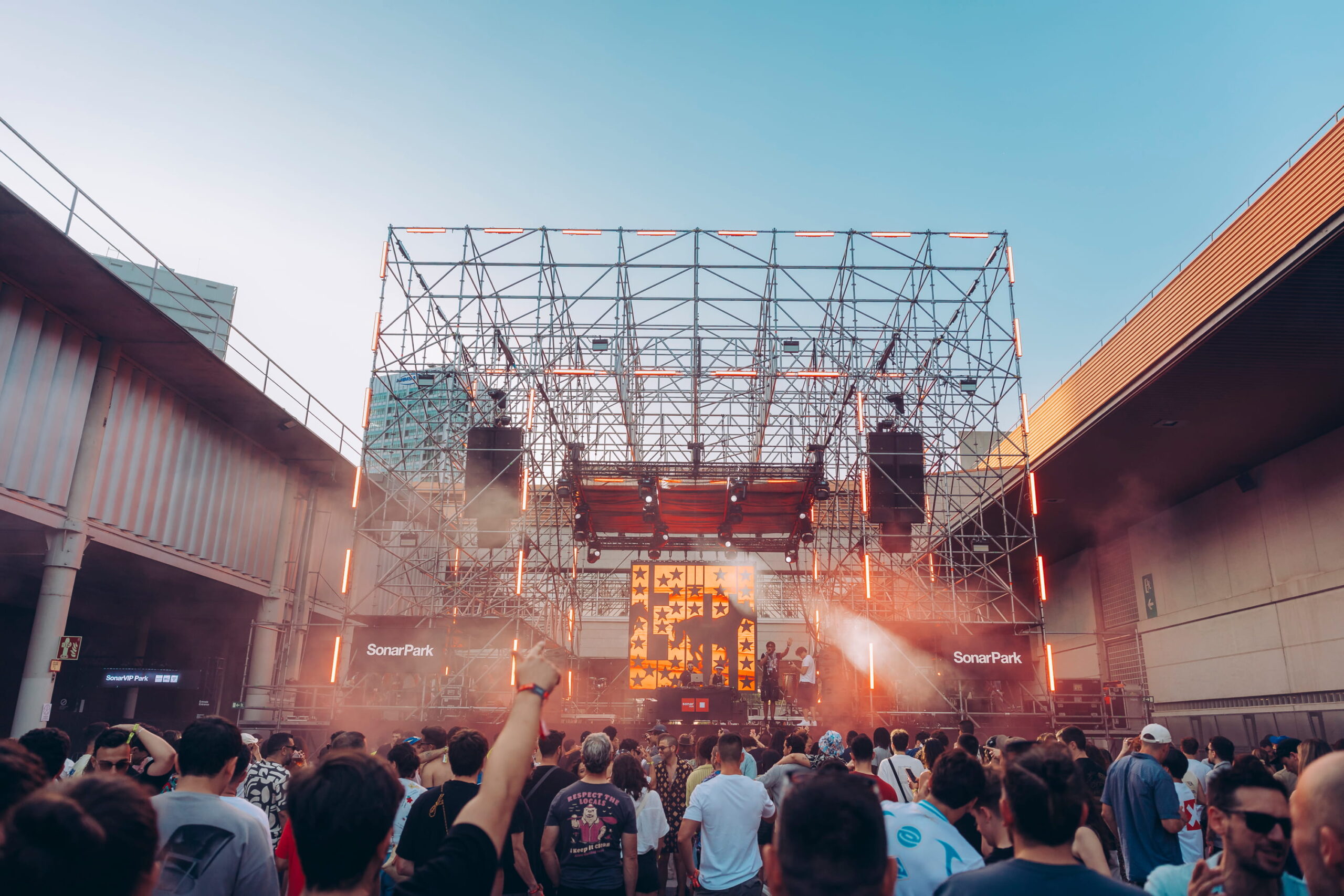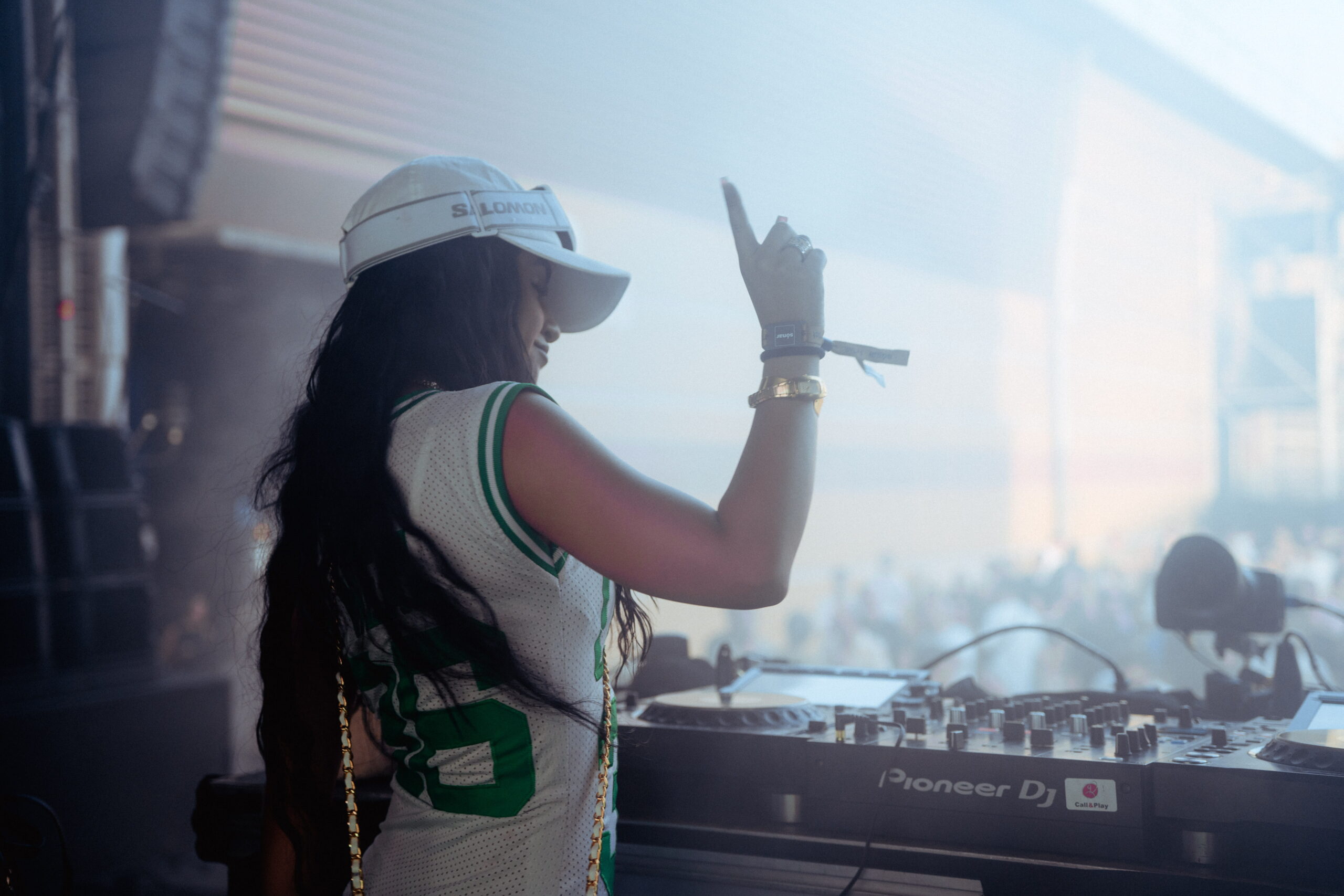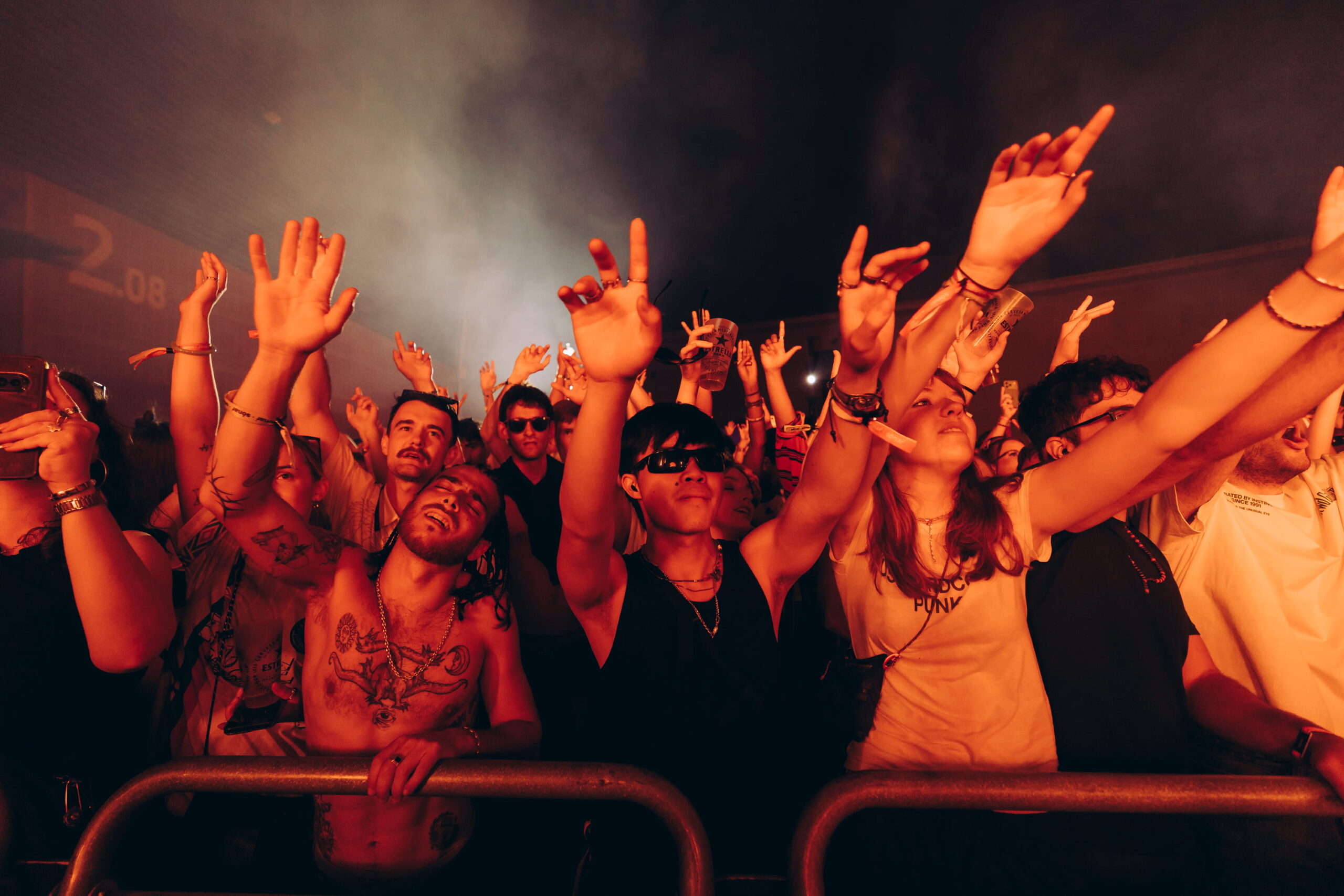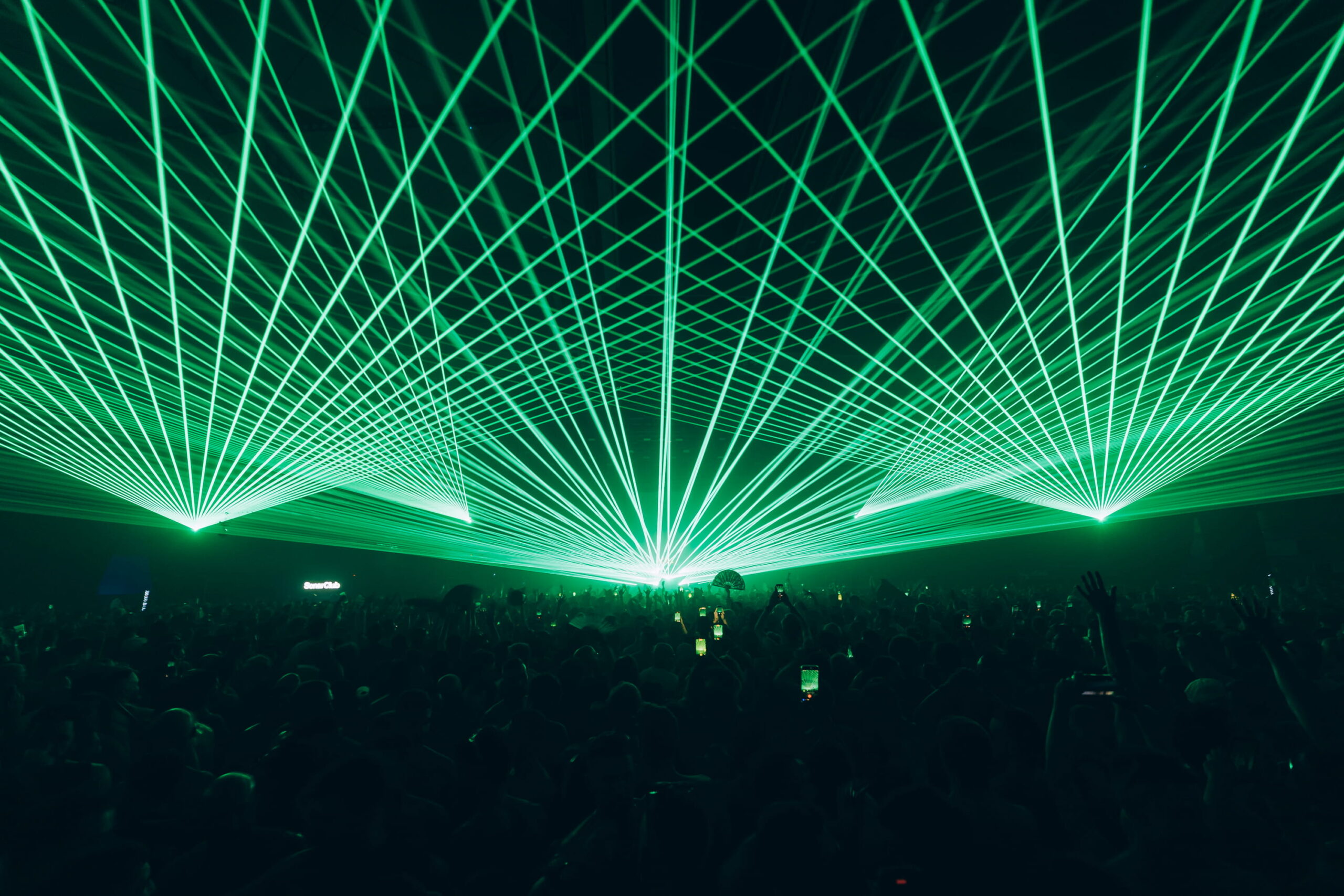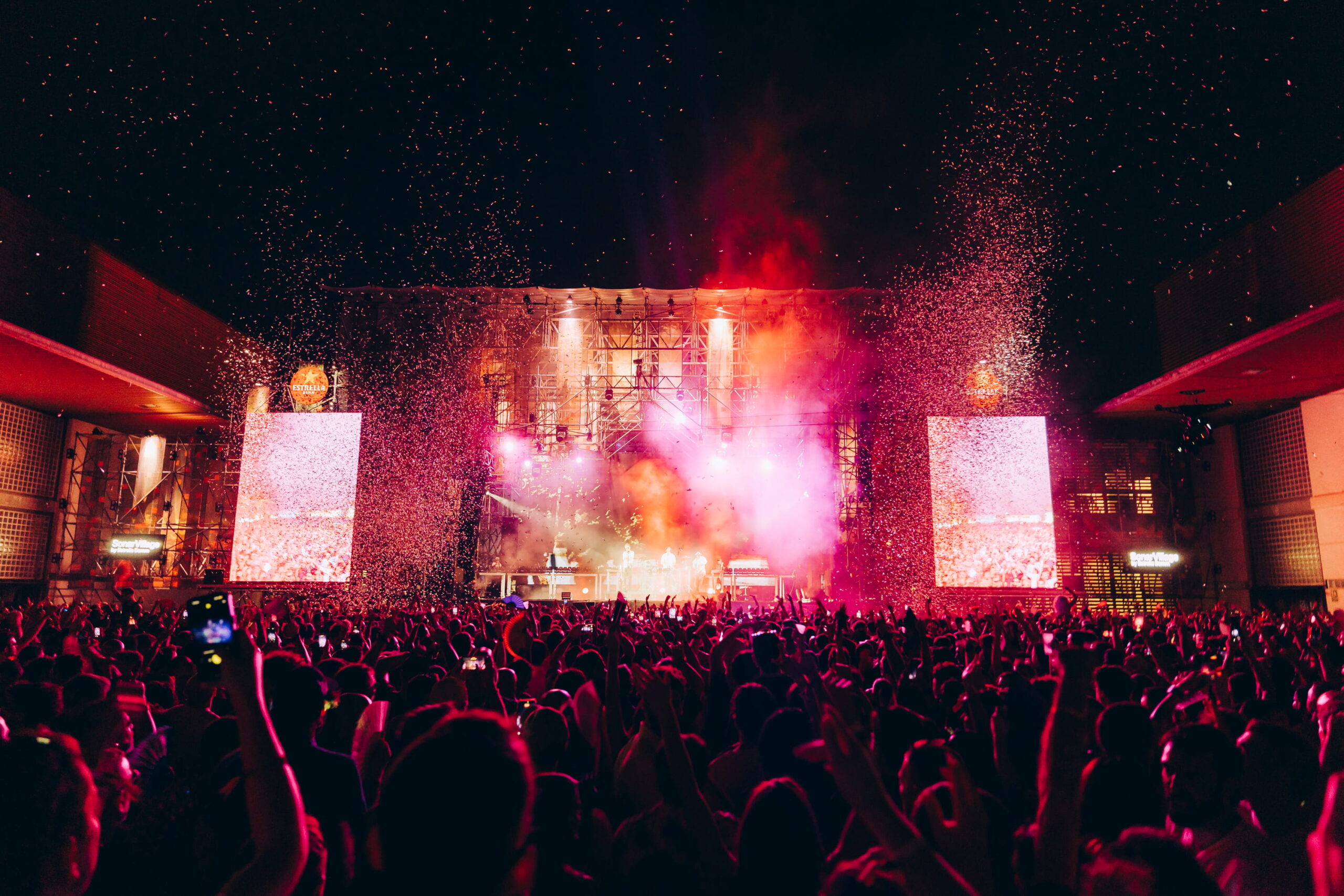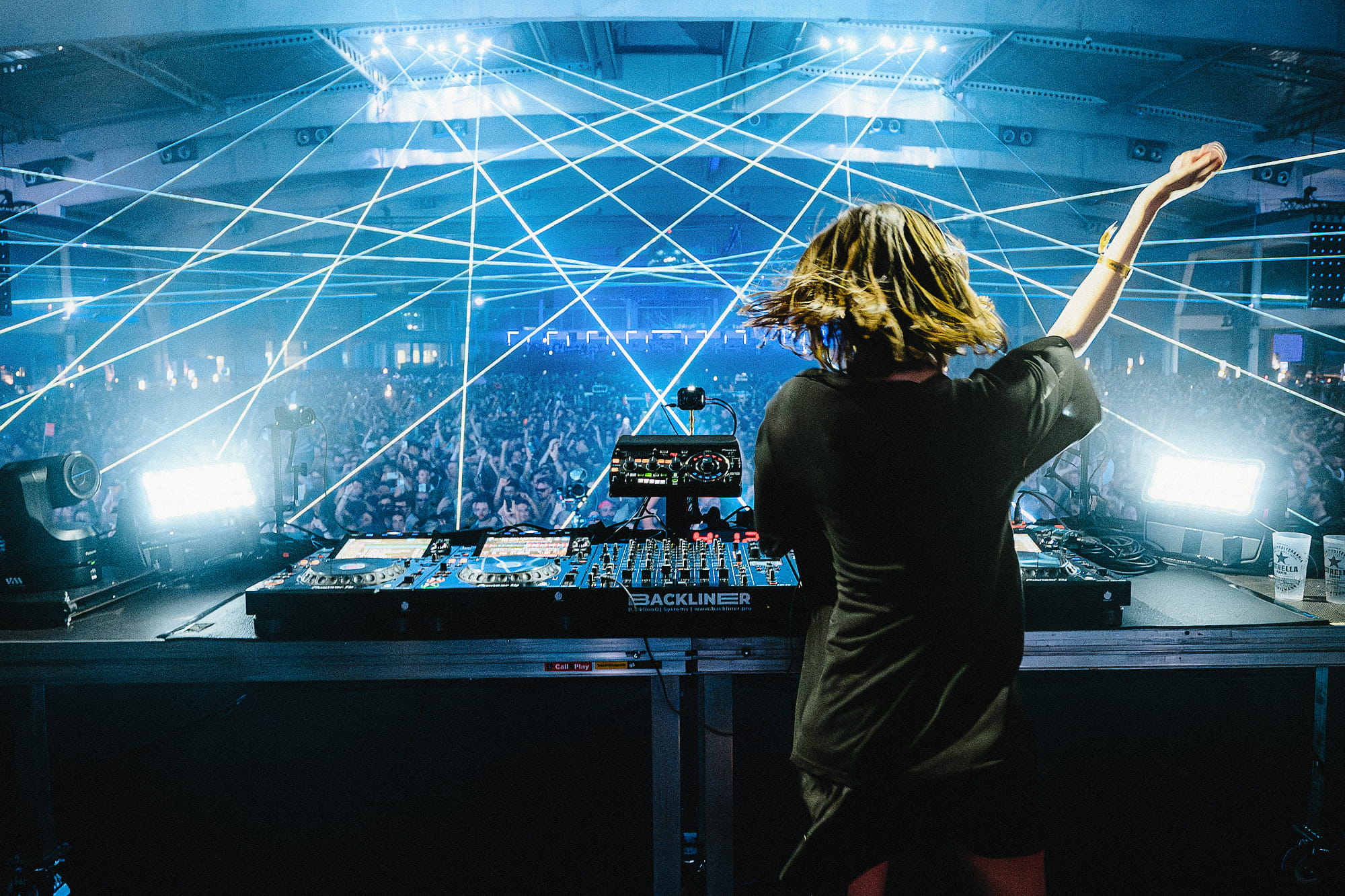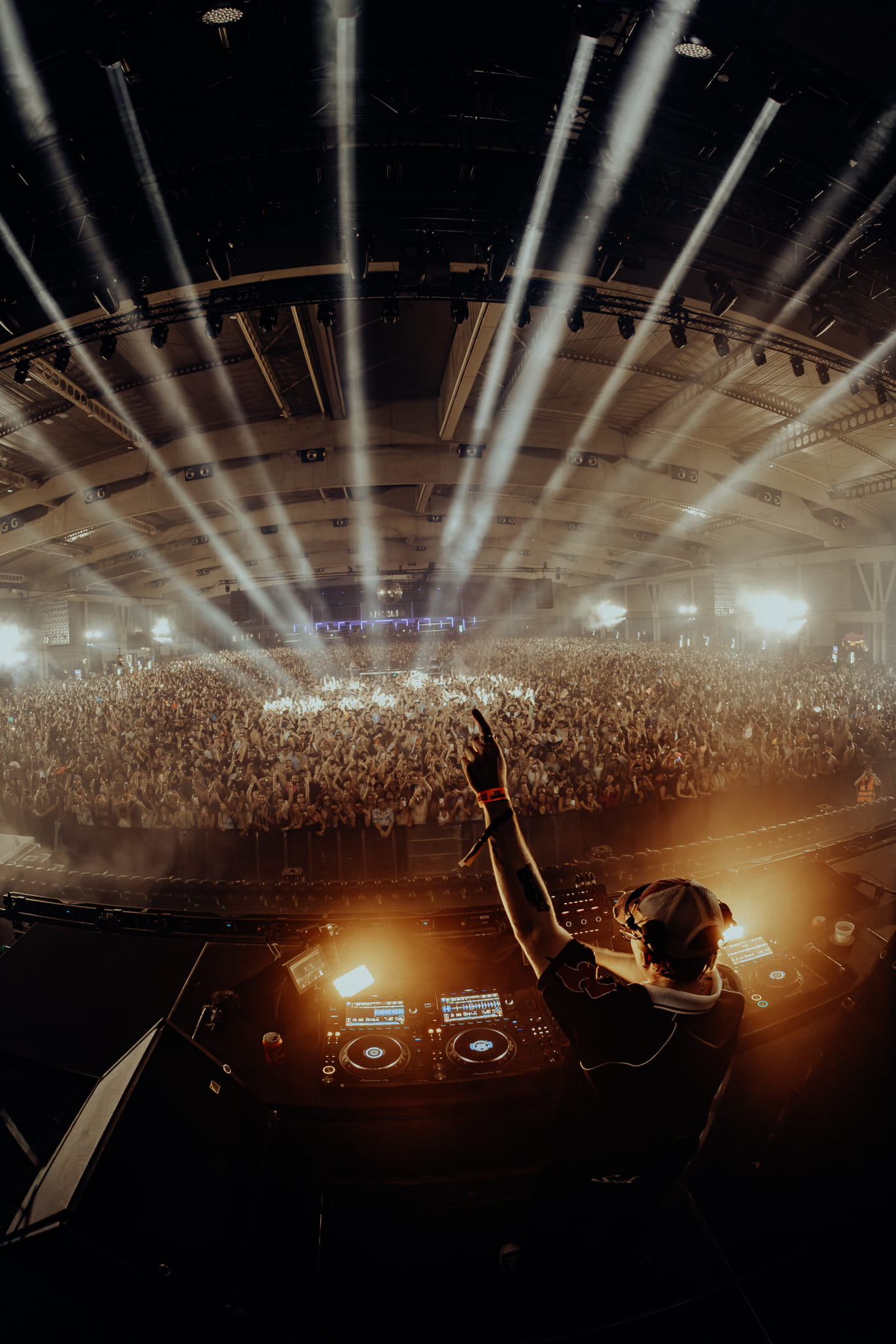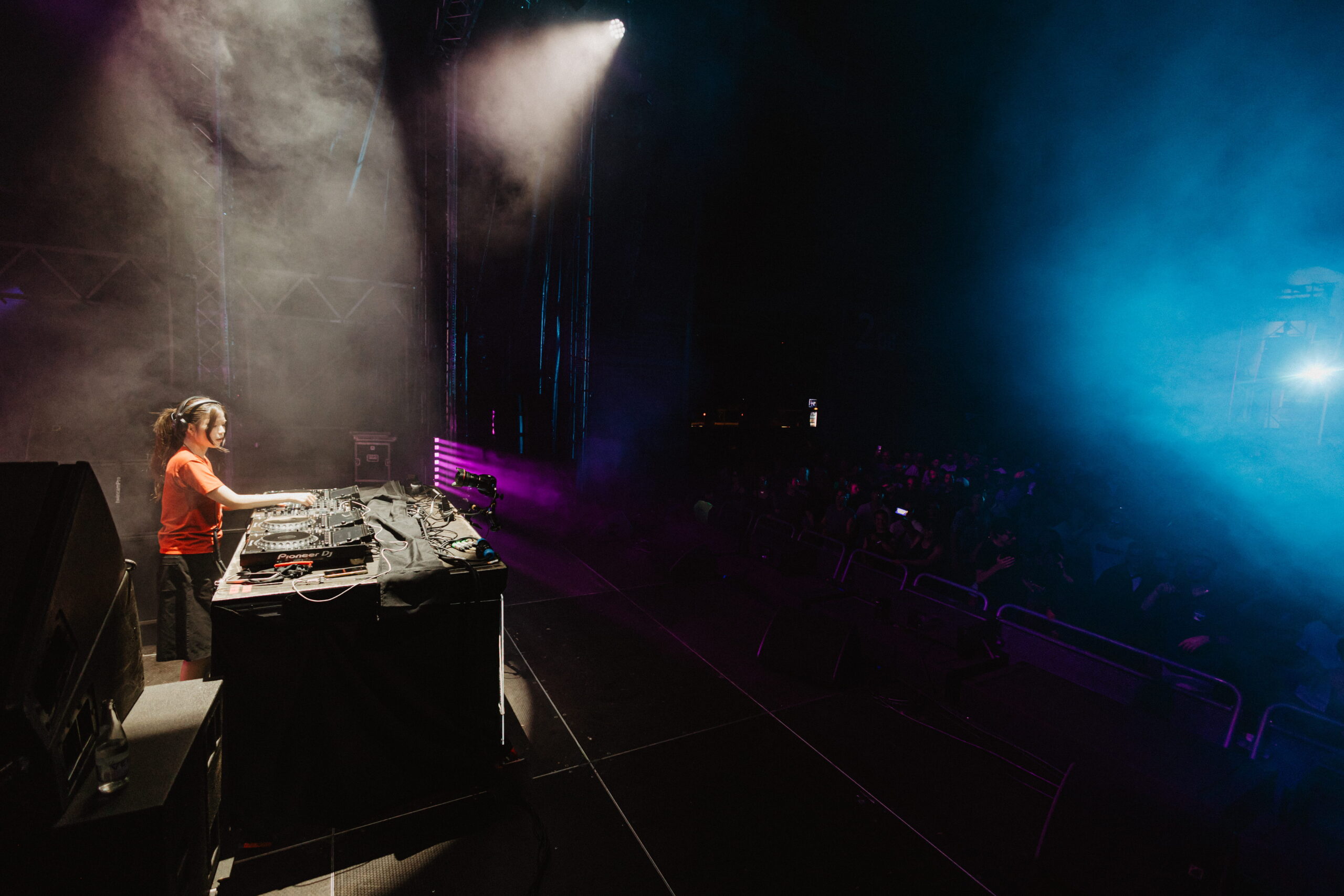

Sónar returned to Barcelona with a different kind of edition, more concentrated, more physical, and with a clear sensation: this year, you had to move, look, listen, and stay alert. It wasn’t a festival where you could just stand still waiting for “the big moment.” You had to go out and find it.
Photo Credit: Nerea Coll
This year, I didn’t experience it as just another person in the crowd. I experienced it with a camera in hand, a press pass, and that strange mix of enjoying myself and working at the same time. That point where you’re dancing mentally, but you’re also thinking about the shot, the light, not getting in anyone’s way, getting to the next stage, and capturing something that doesn’t look like the same photo as always.
I was there Friday and Saturday, during the day and part of the night. This is about what I saw, what I recorded, what I felt, and what I took away from an edition that, rather than repeating the formula, seemed to be testing a new way to exist.
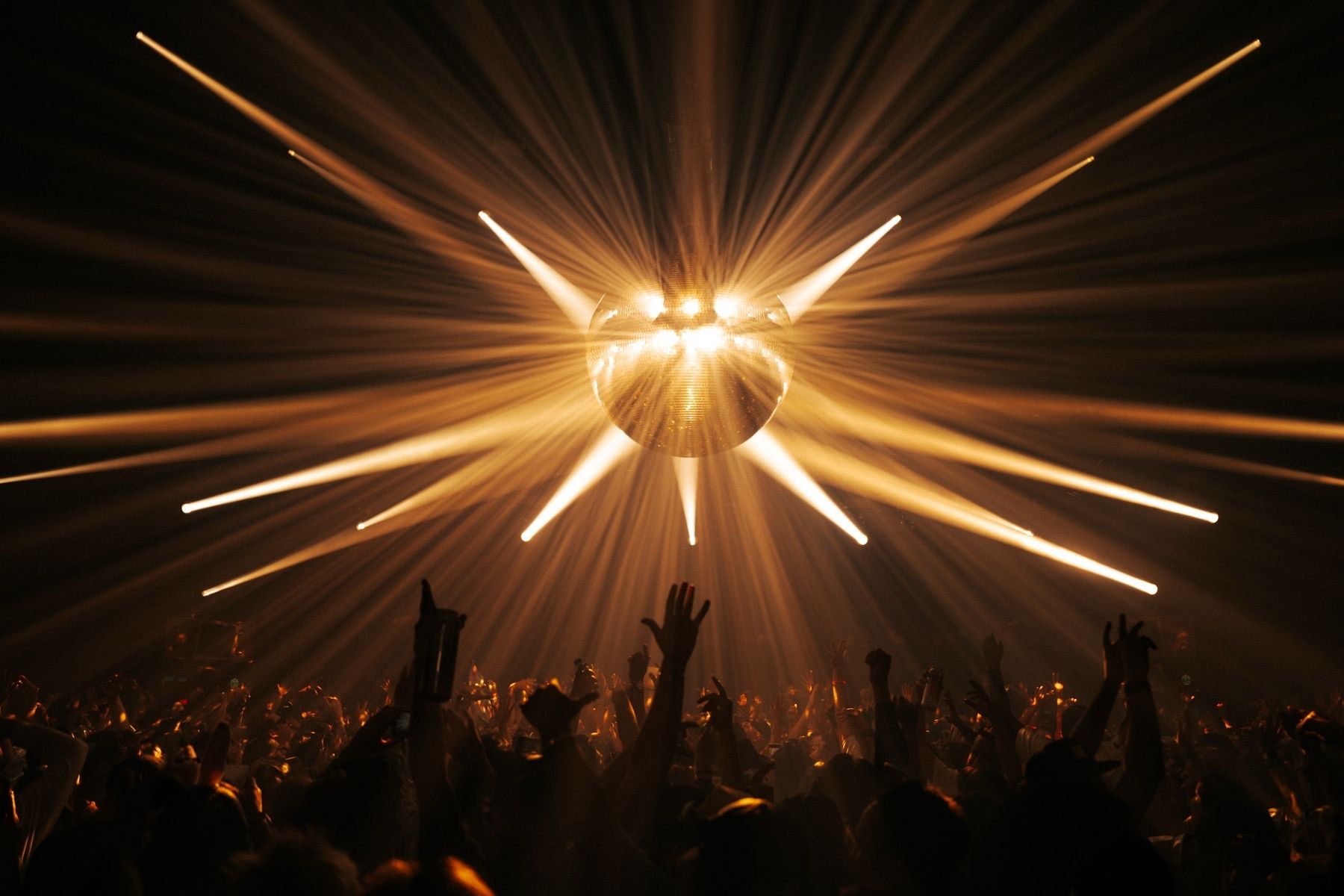
The format change was noticeable. Sónar 2026 had that feeling of a mutant festival, everything more concentrated, less dispersed, and with a different circulation between stages. It was no longer just ‘By Day’ on one side and ‘By Night’ on the other, like two separate worlds. Here, the energy flowed from one space to the other with more continuity. Sometimes it worked very well; sometimes it forced you to recalibrate your body. But that, too, is Sónar: not always comfortable, not always predictable, and rarely flat.
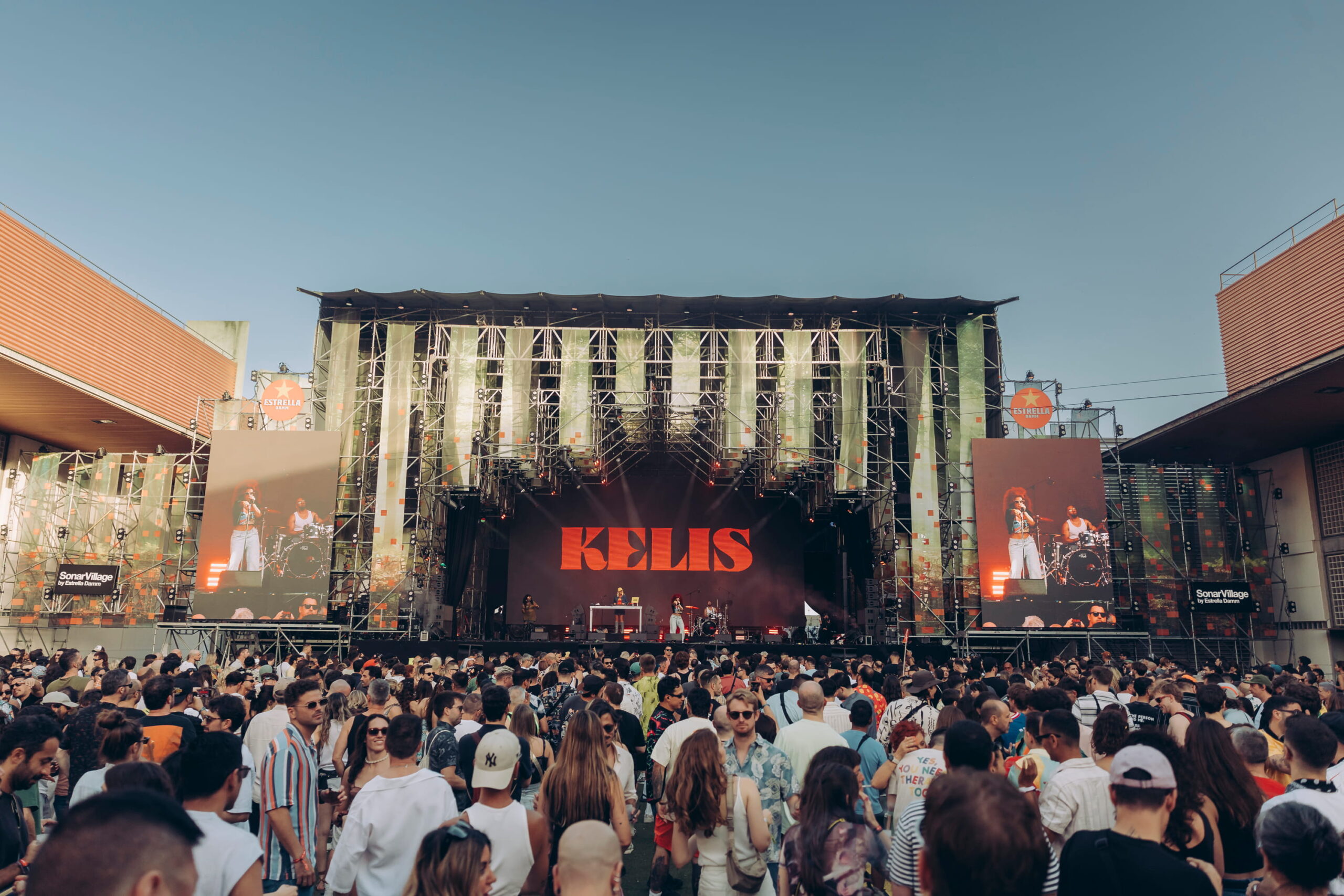
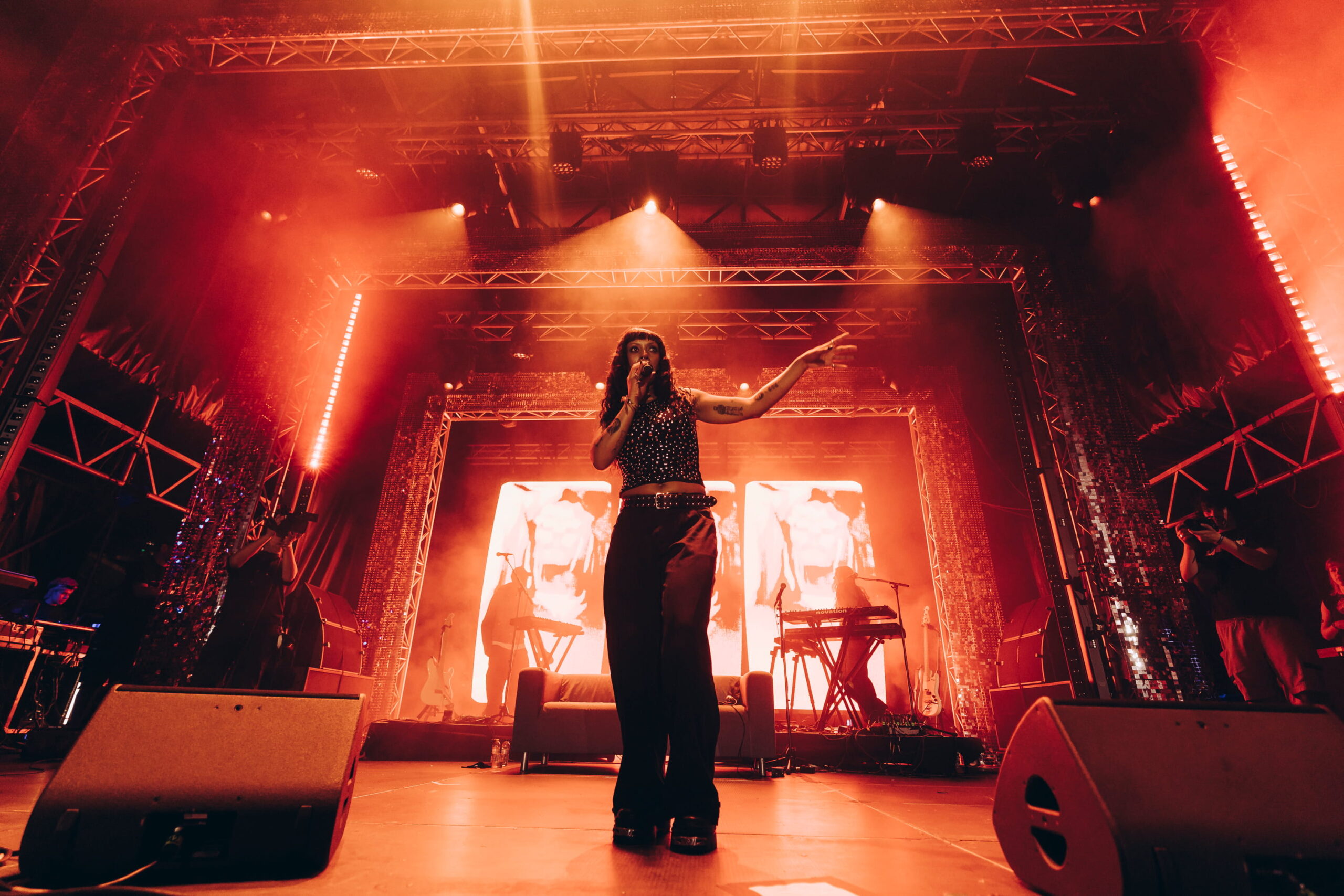
Friday began with that sensation of entering a machine that was already running. Kelis was one of the names that generated the most curiosity, not just because of the weight of her repertoire, but because of what she represents within a lineup like Sónar’s. Her presence brought that intersection of R&B, pop, club culture, and nostalgia for a very specific era. There was no need to sell it as “historic”; there were simply a lot of people who wanted to see her up close.
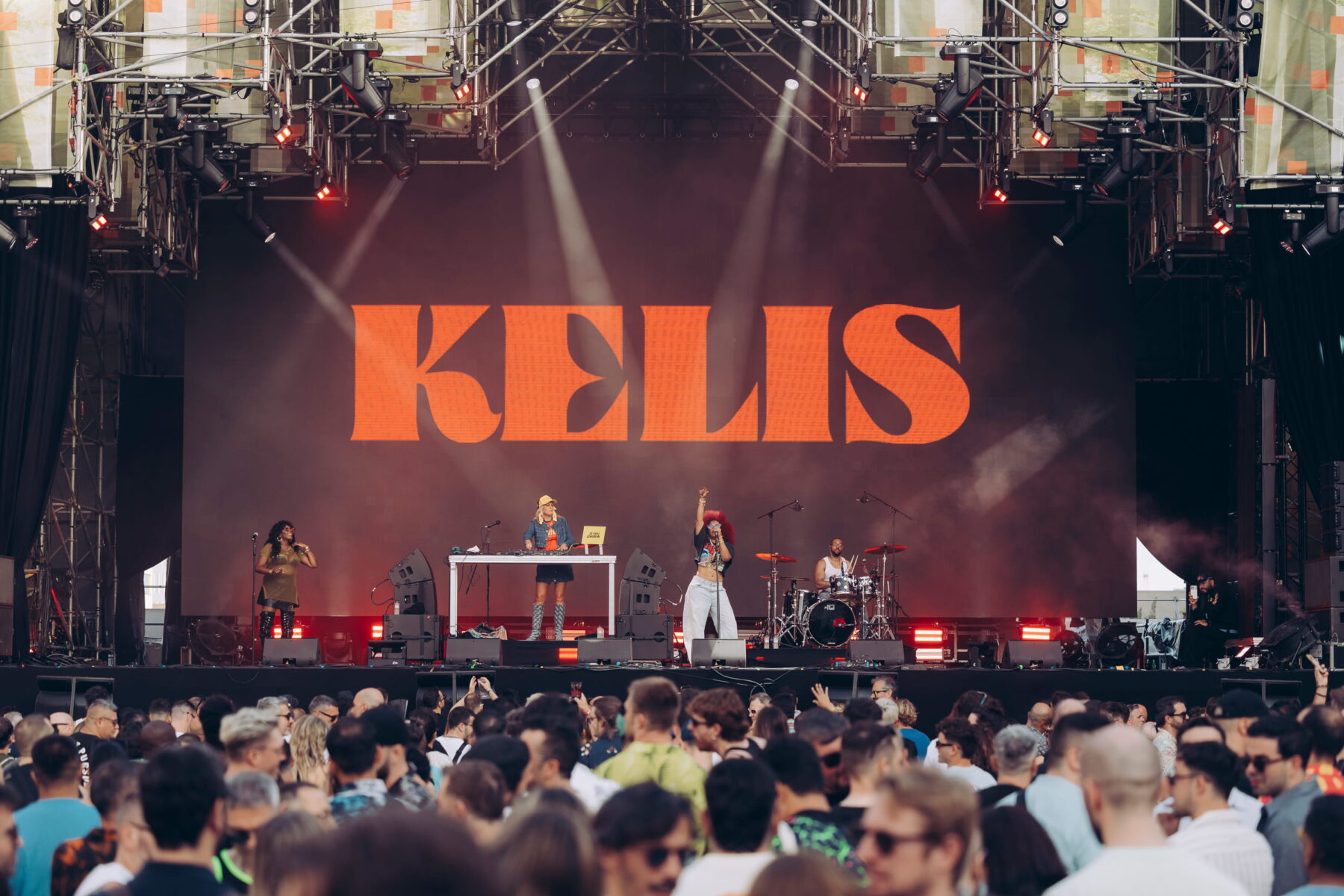 Kelis
Kelis
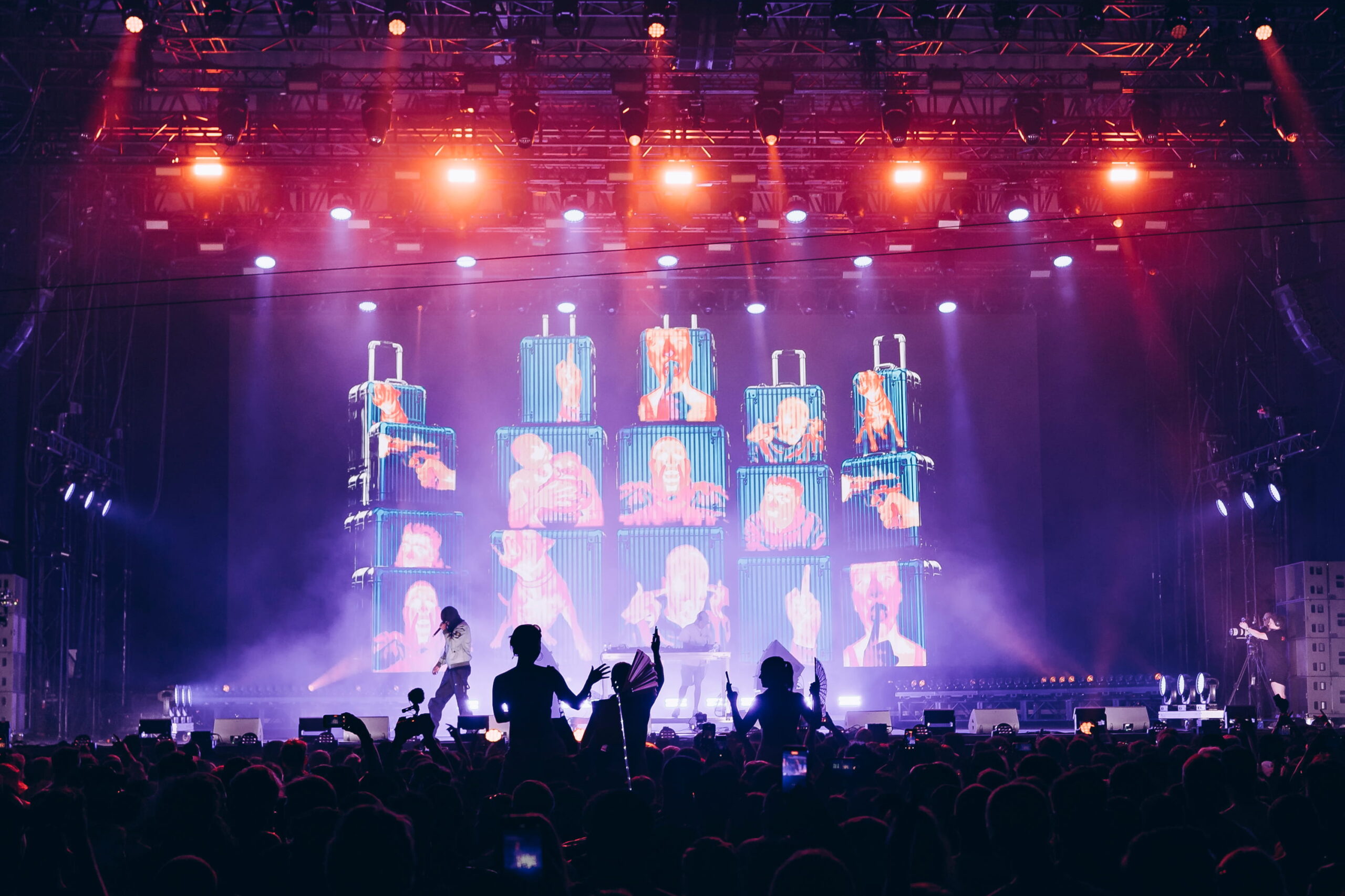
Skepta, on the other hand, was something else. More direct, drier, more frontal. His show had that British energy that doesn’t need to ask for permission. Grime, rap, heavy bass, and an attitude that connected very well with this new reading of Sónar, where electronic music is no longer understood solely from the DJ booth, but also from urban language, the voice, the street, and the physical tension of a live performance. It was one of those moments when the festival makes it clear that it isn’t here to get trapped in just one scene.
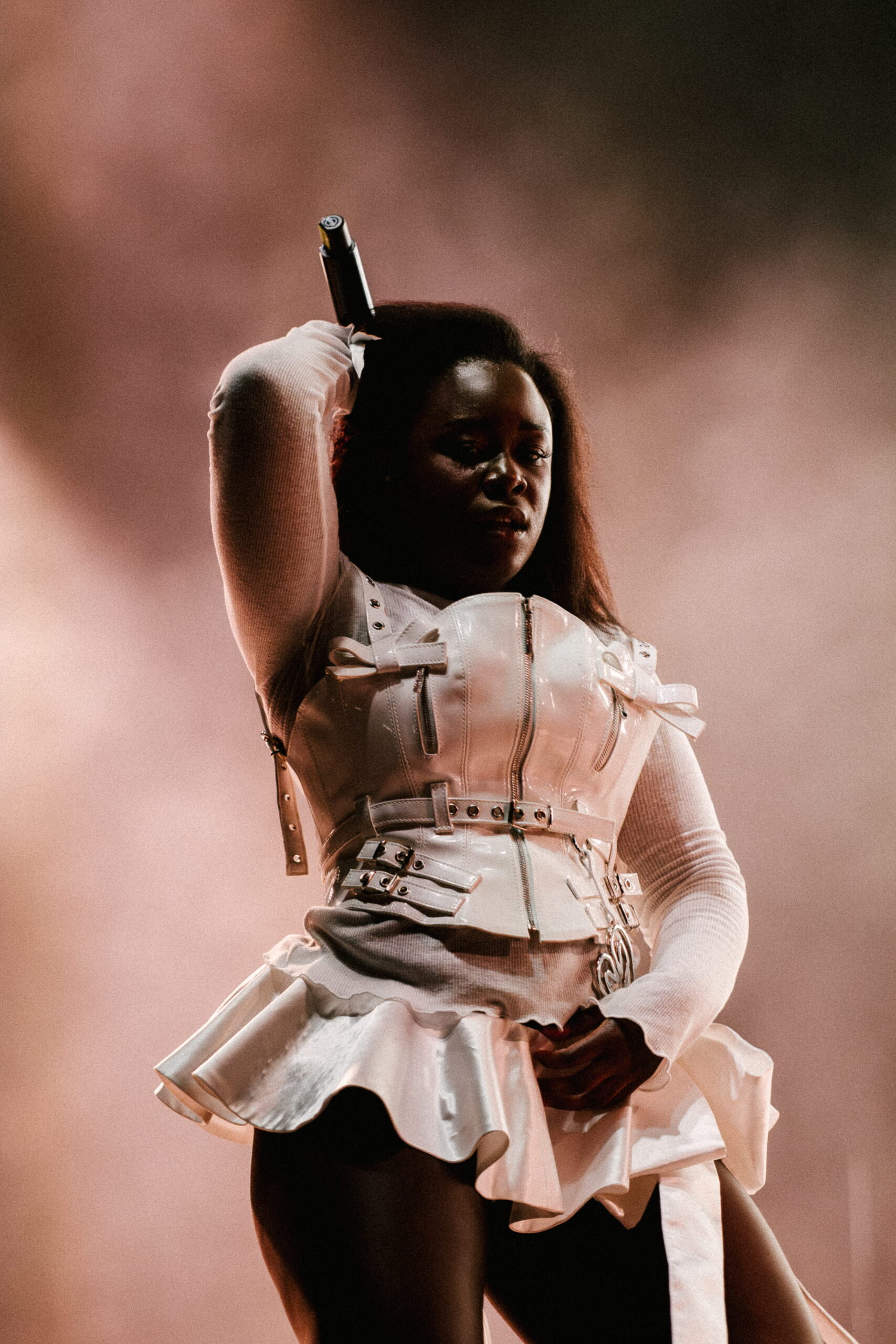
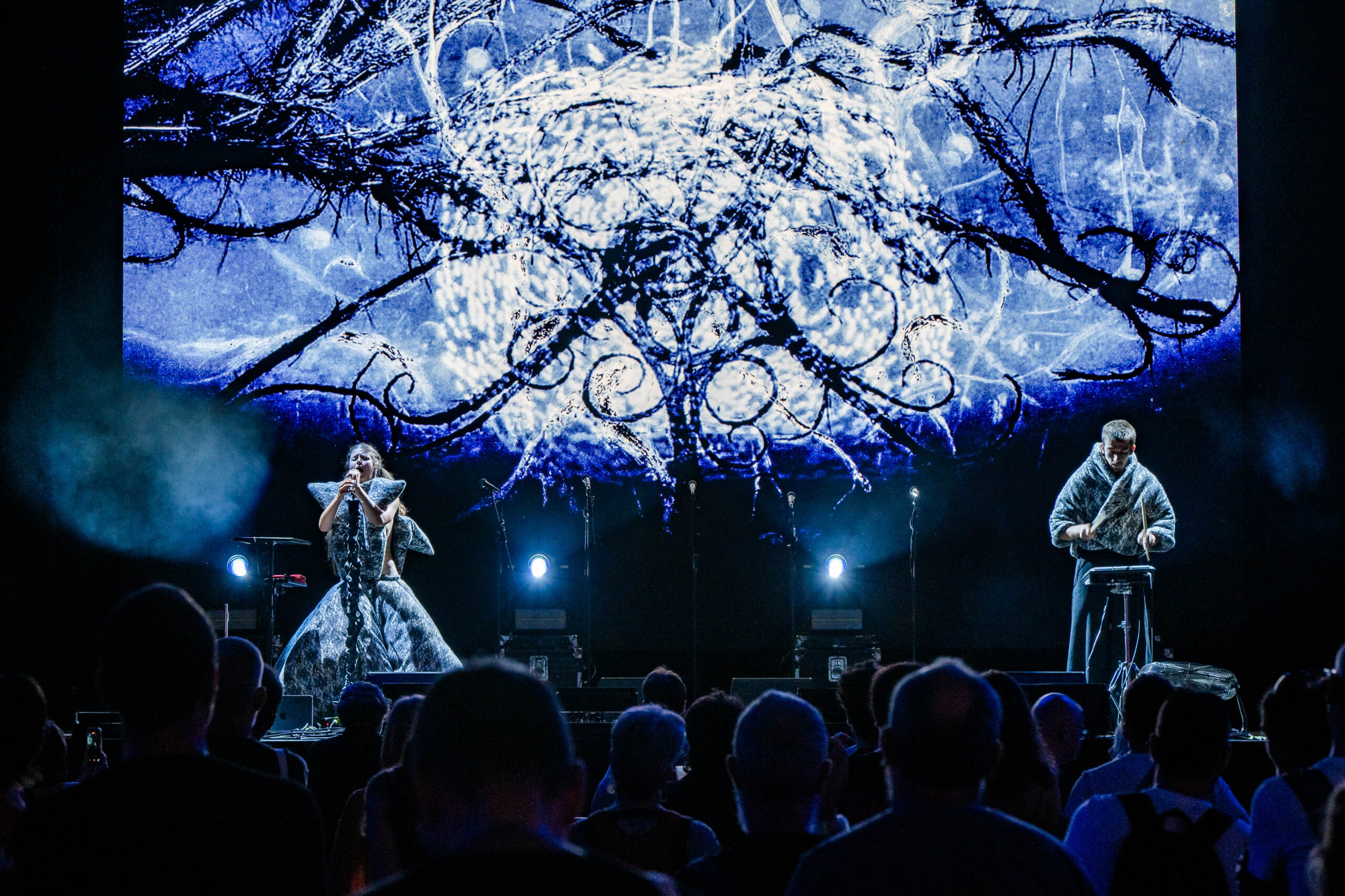
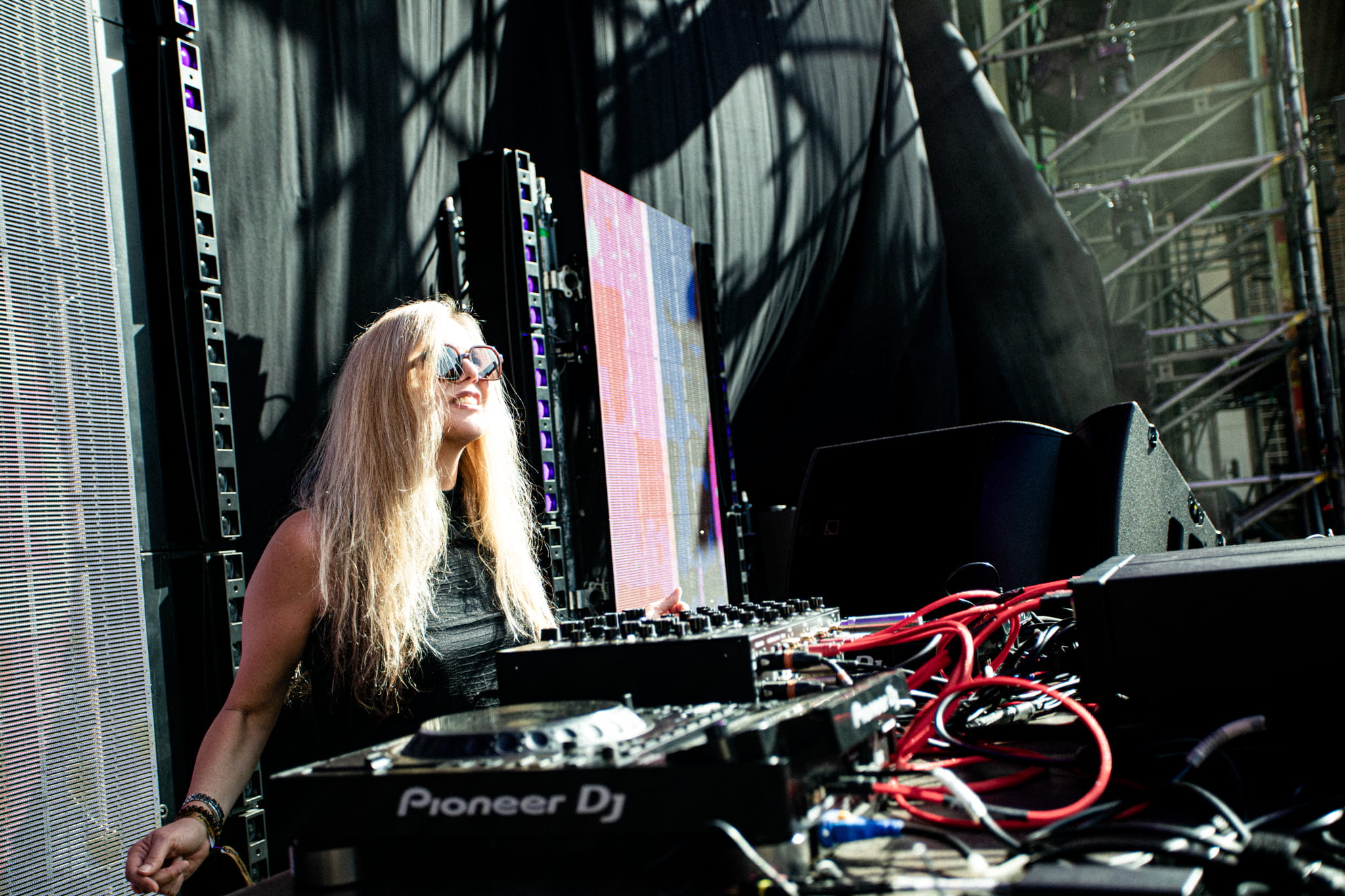
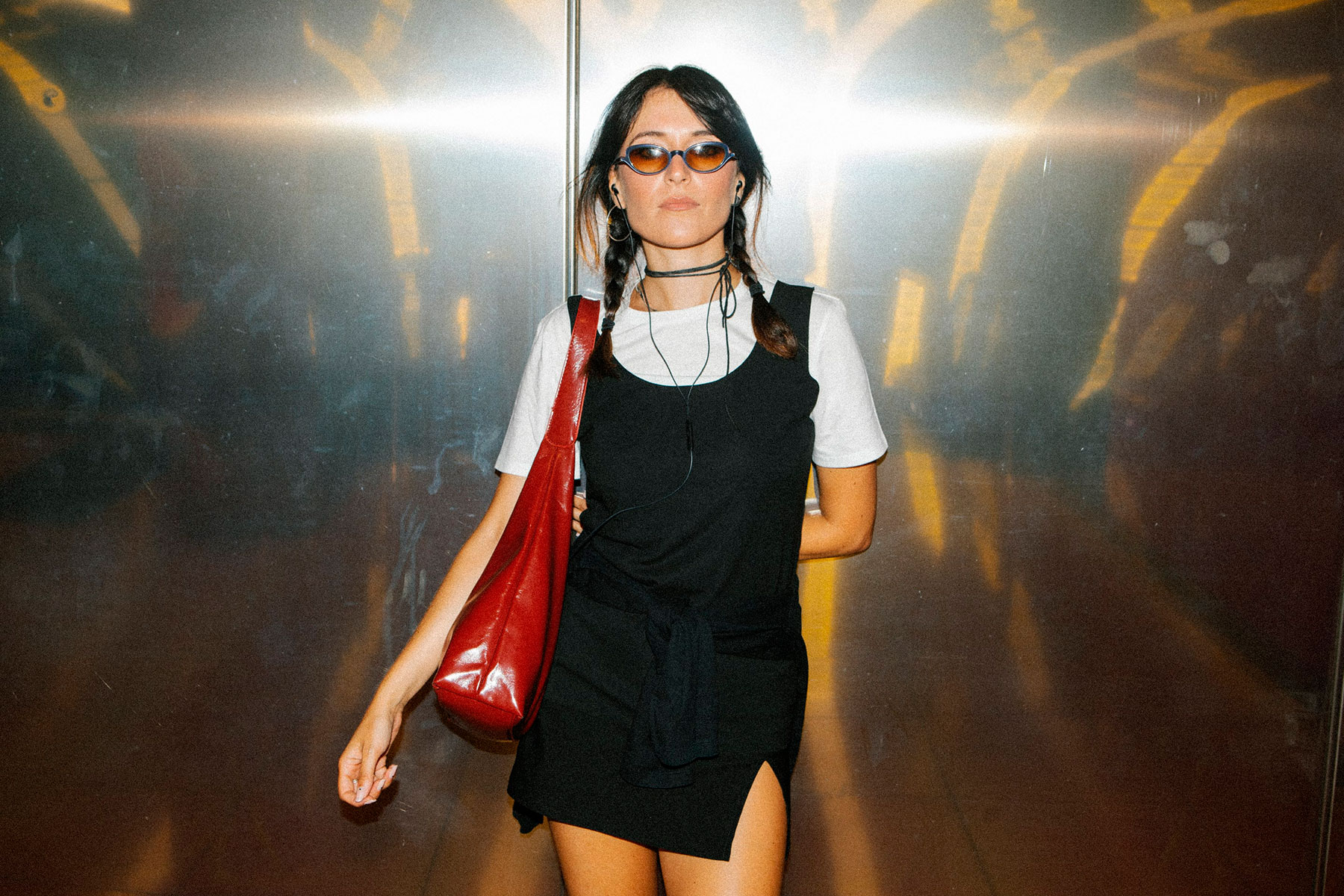
One of the most interesting points of Friday for me was riria at SonarLab x Rinse. I went in with curiosity and left quite surprised. It wasn’t the typical “correct” festival set. There was speed, changes, a selection with personality, and a way of mixing that didn’t sound automatic. You could feel that connection to the UK sound: bass, garage, breaks, and that whole area where the dance floor moves differently. Those are the sets that perhaps weren’t in the biggest conversations about the lineup, but that end up sticking in your head. And for me, that’s worth much more than another huge name just going through the motions.
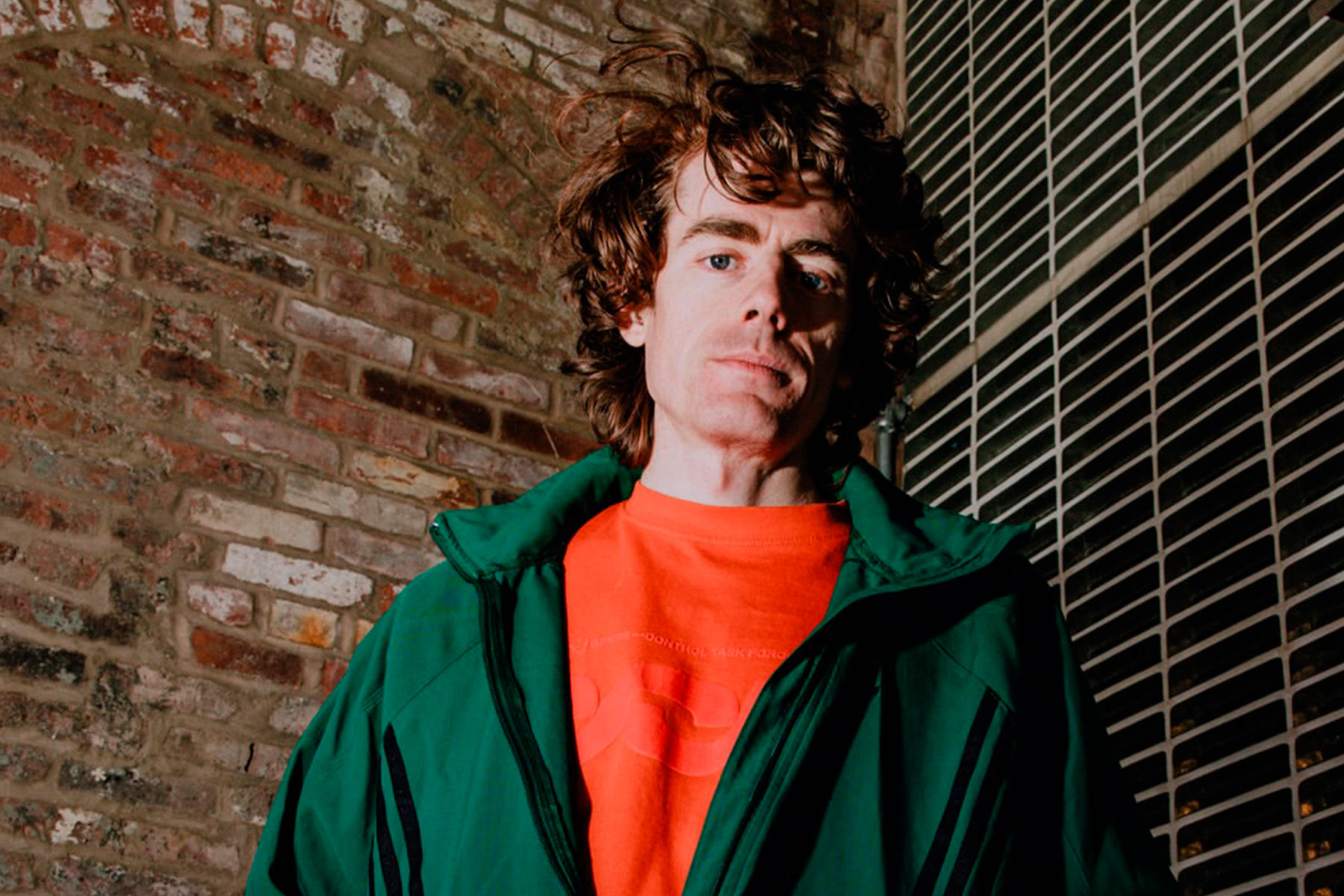
I also stopped by Cormac and Carlita, two very different but necessary proposals within the festival map. Cormac brought that more hedonistic, queer, hi-NRG side, with a freer reading of the club scene without so much posturing. Carlita, for her part, worked from a more melodic, elegant, and accessible terrain, but without losing that groove that works so well when the sun hasn’t quite left yet, and the body starts to understand that the night will be long. And what’s interesting is that her presence didn’t just stay in her own set: later she also appeared alongside WhoMadeWho, playing bass on ‘Mind Off,’ one of those moments that connect the programming well without forcing anything.
And then there was STOOR.
We have to pause for a moment here, because honestly, you could put together an entire festival with just that bill.
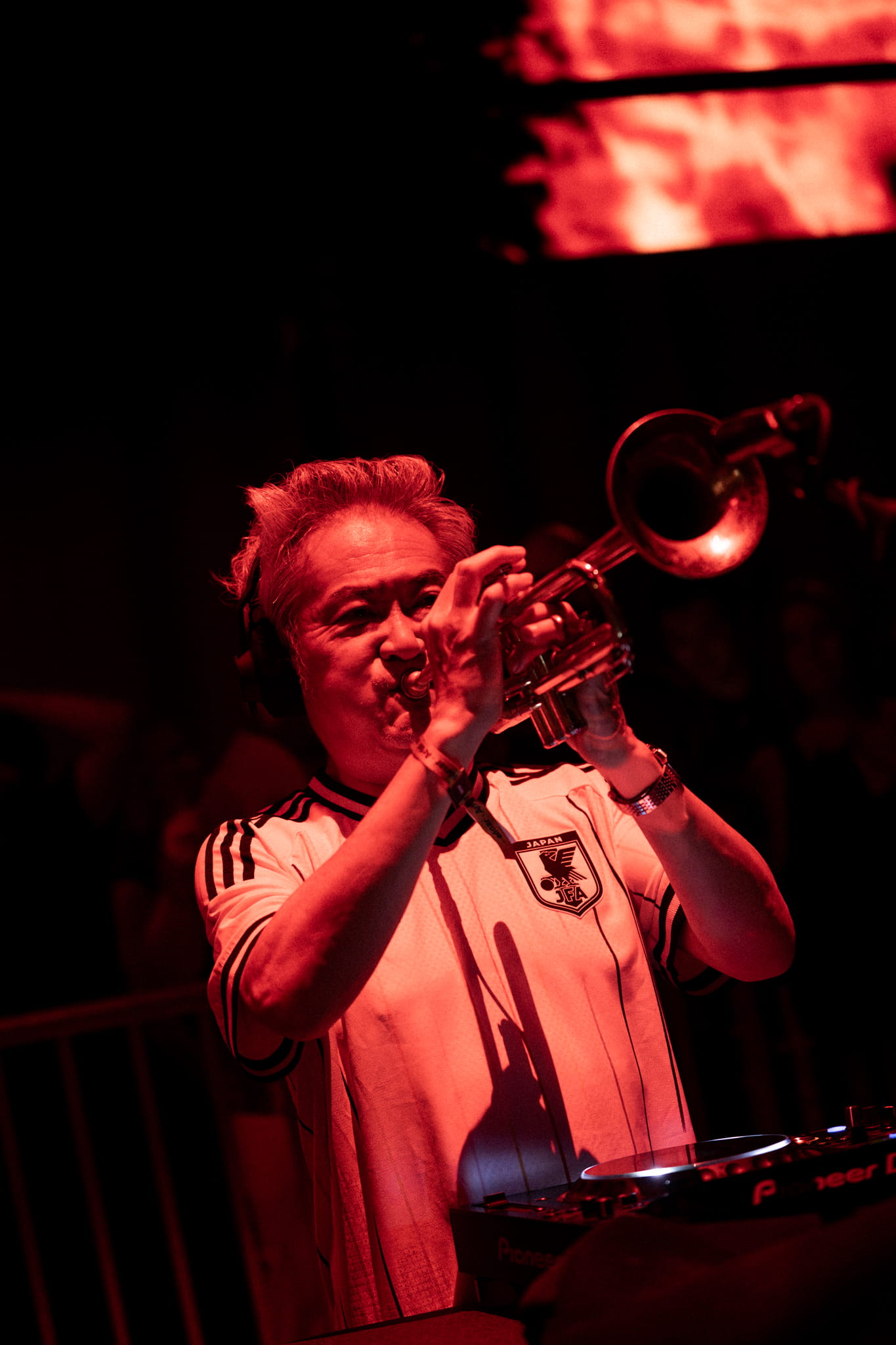
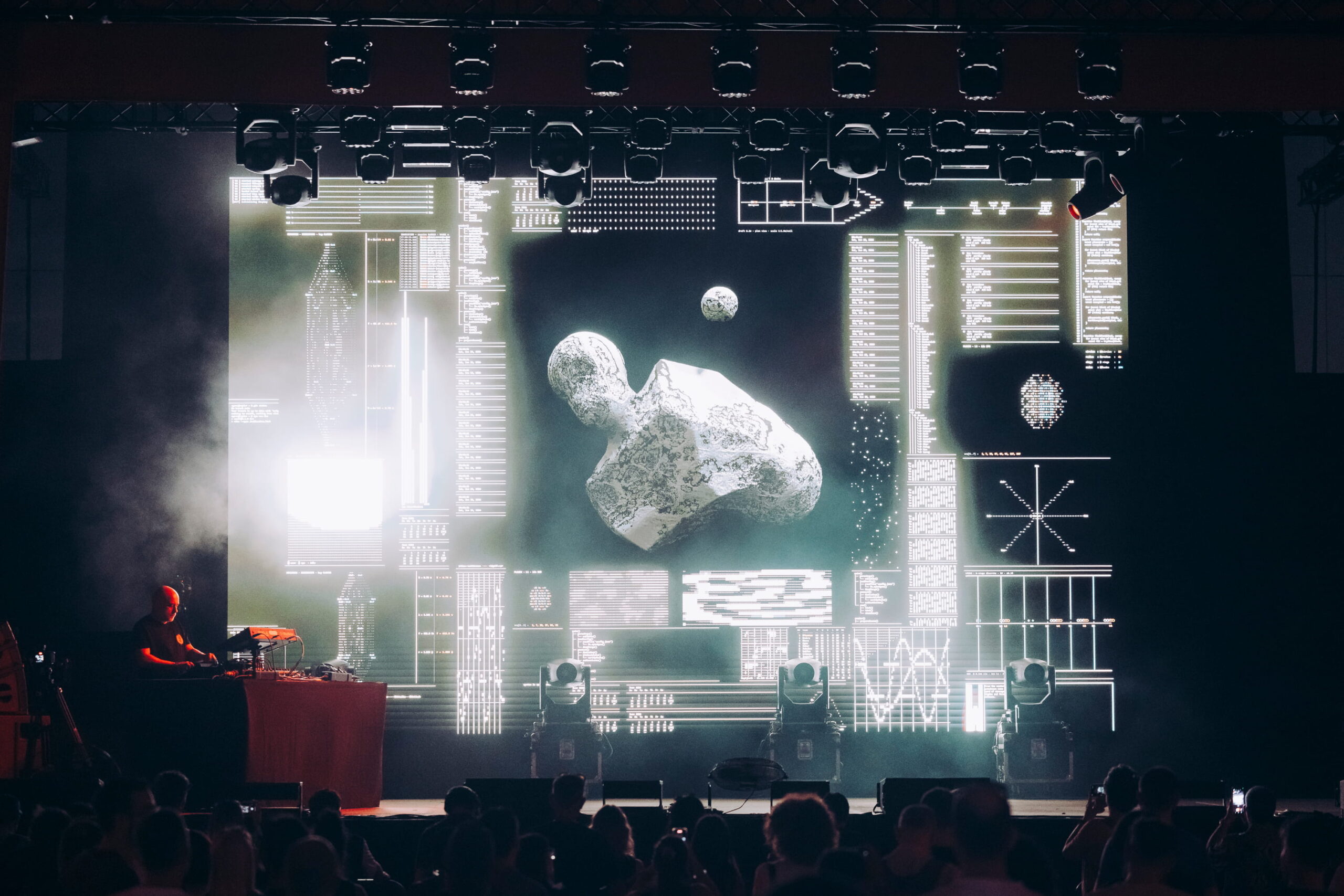
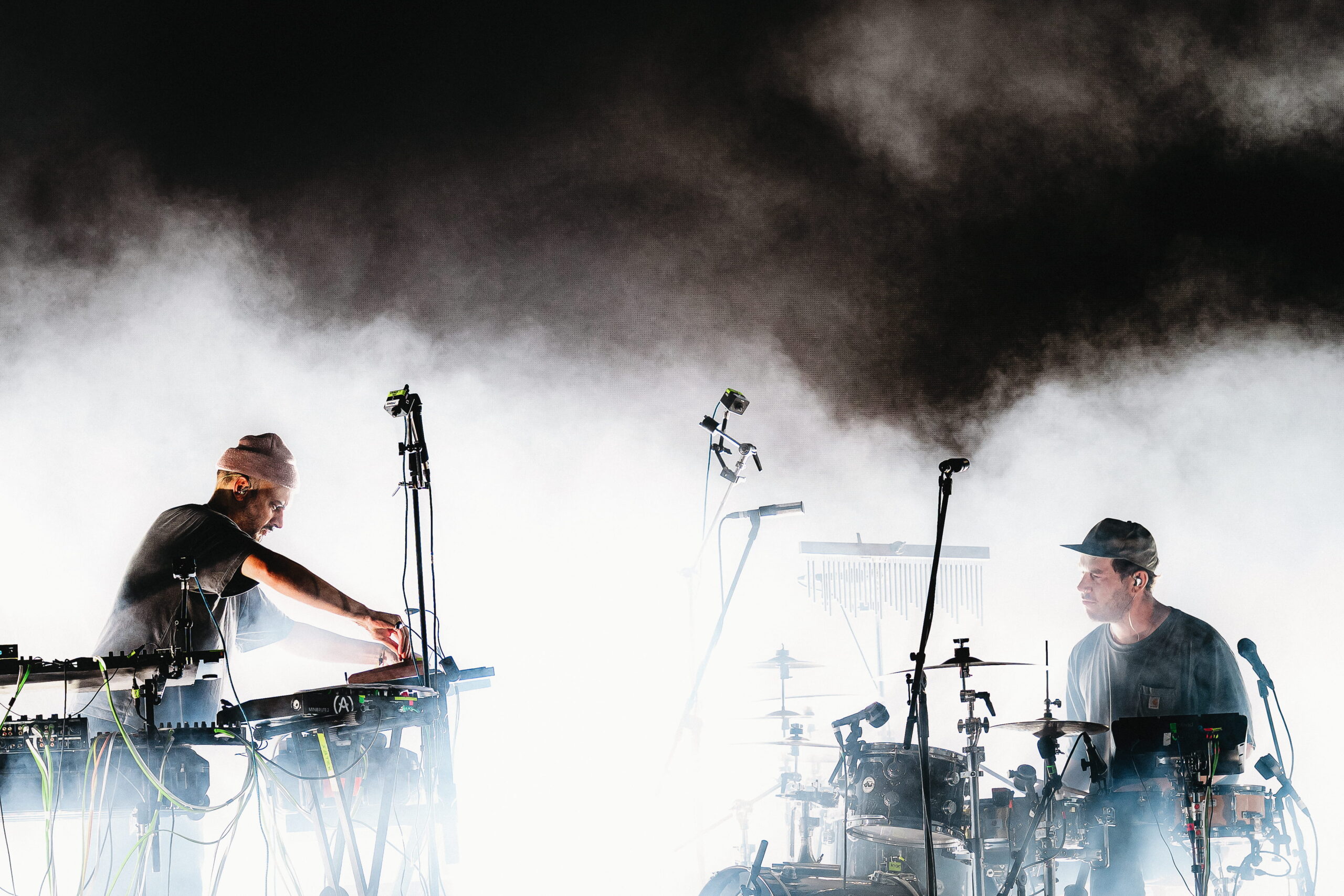
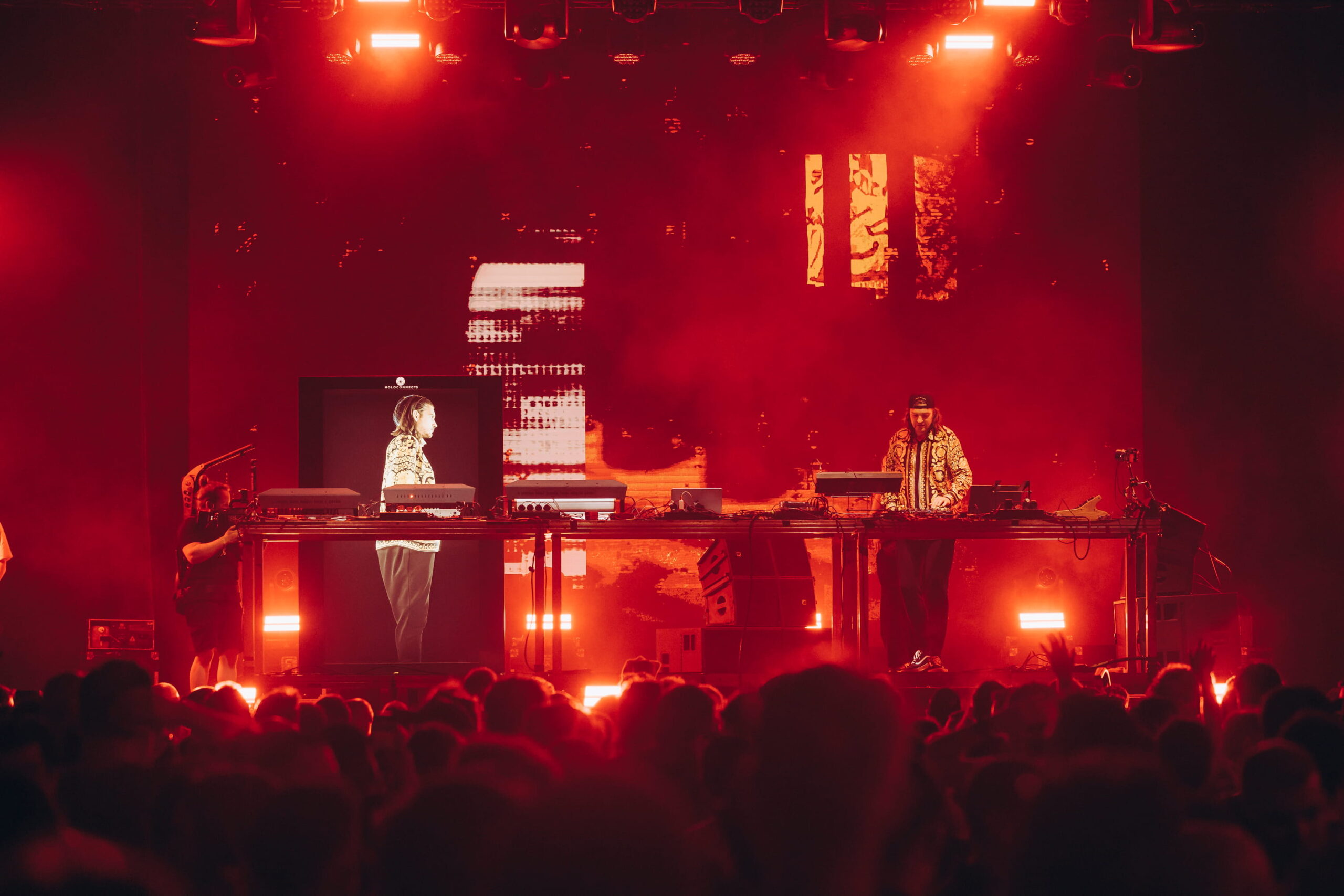
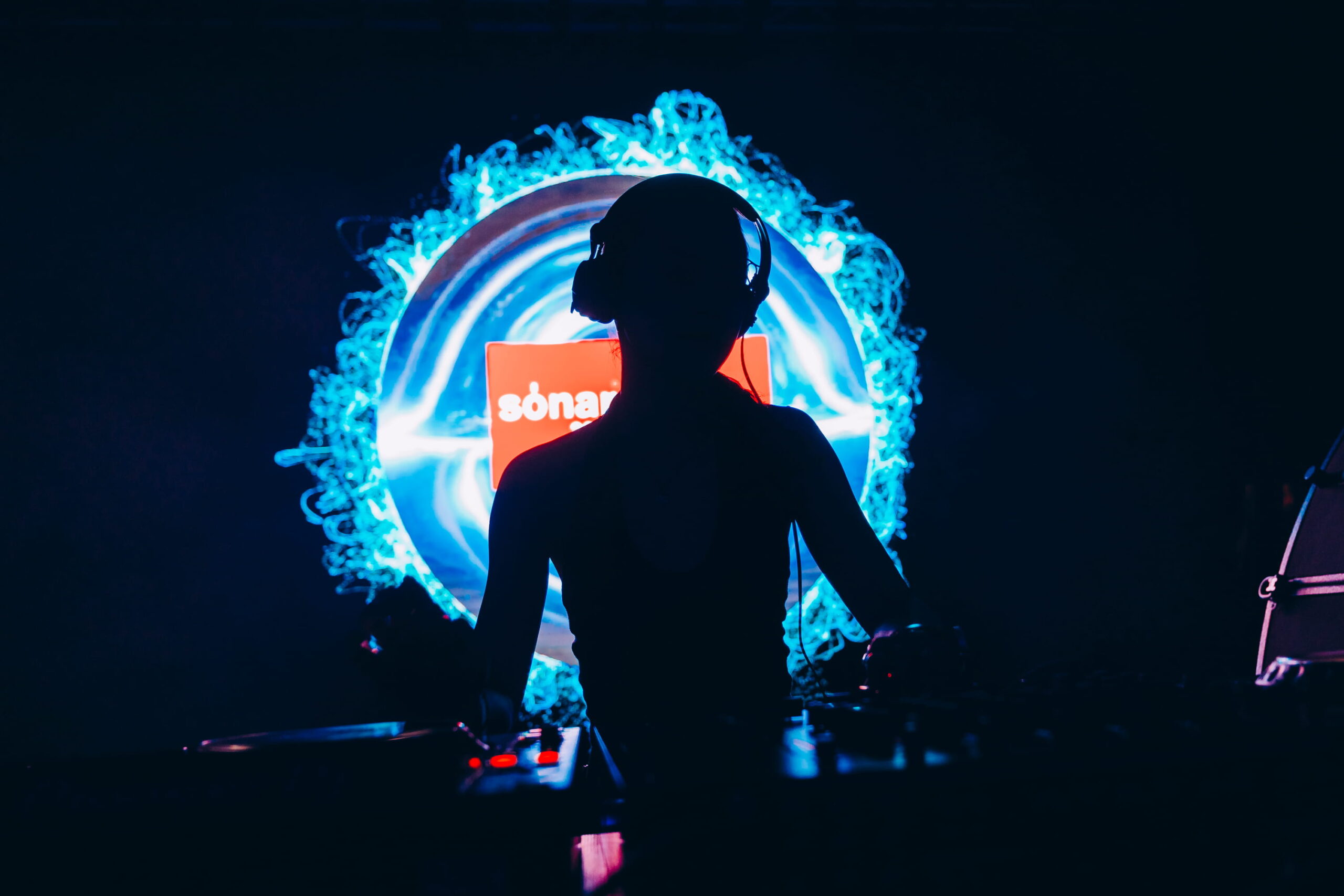
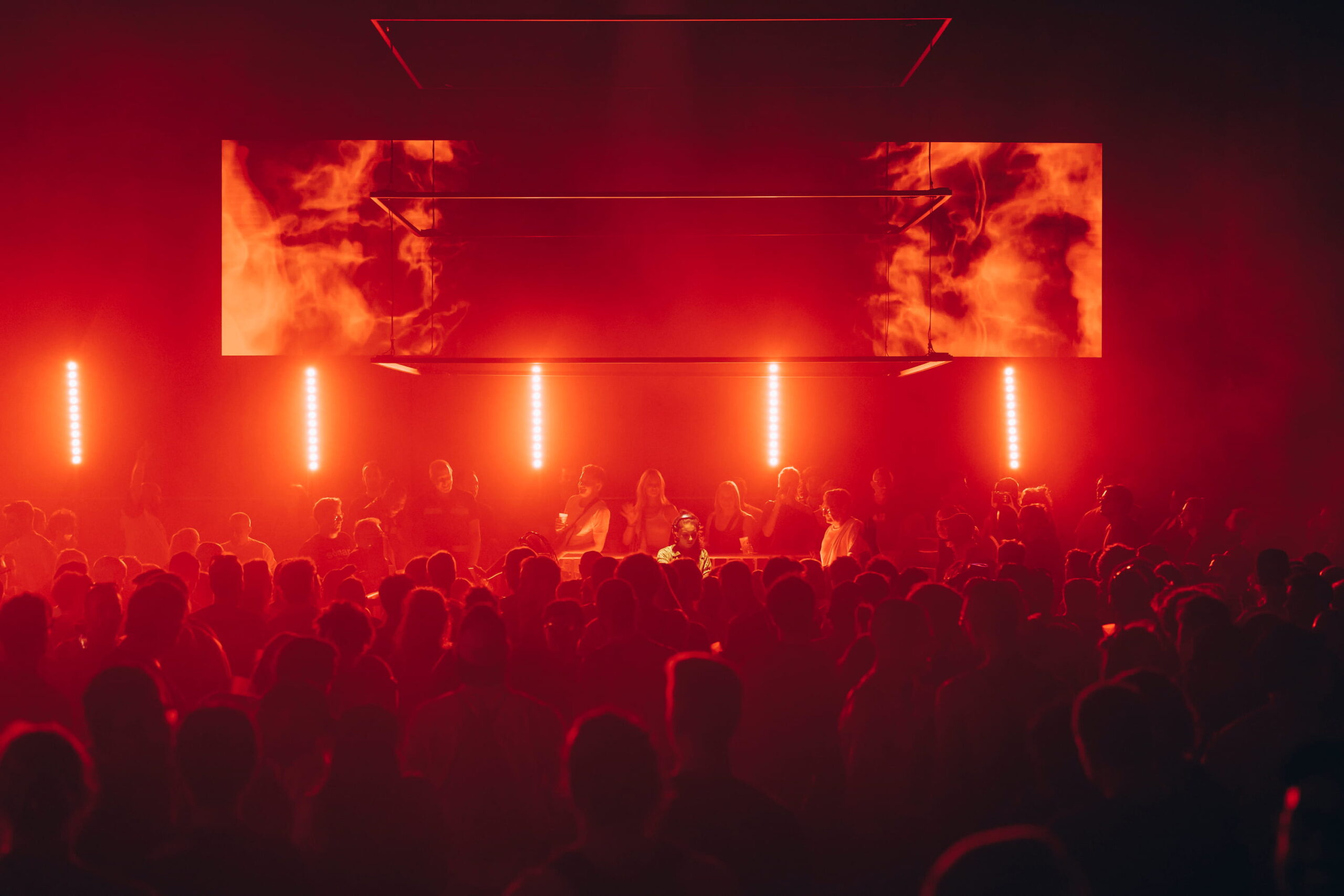
STOOR is the project led by Speedy J, one of those names that doesn’t need much introduction if you’ve followed the evolution of techno from the 90s to today. But what was interesting here wasn’t just his name but the format: a completely improvised, hardware-driven session, with the artists playing in the center of the space and the audience surrounding them, as if you were entering an open studio turned into a rave.
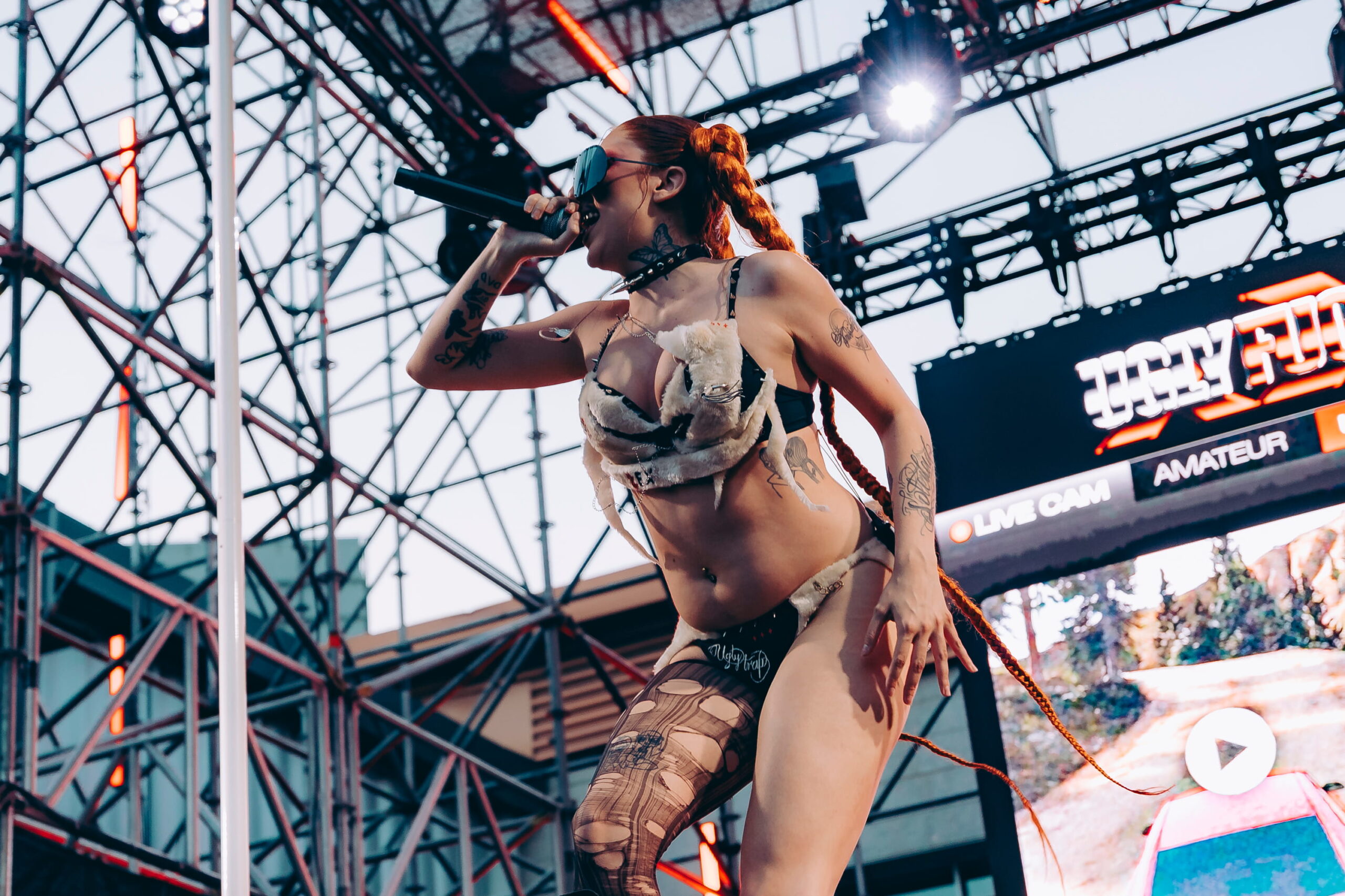
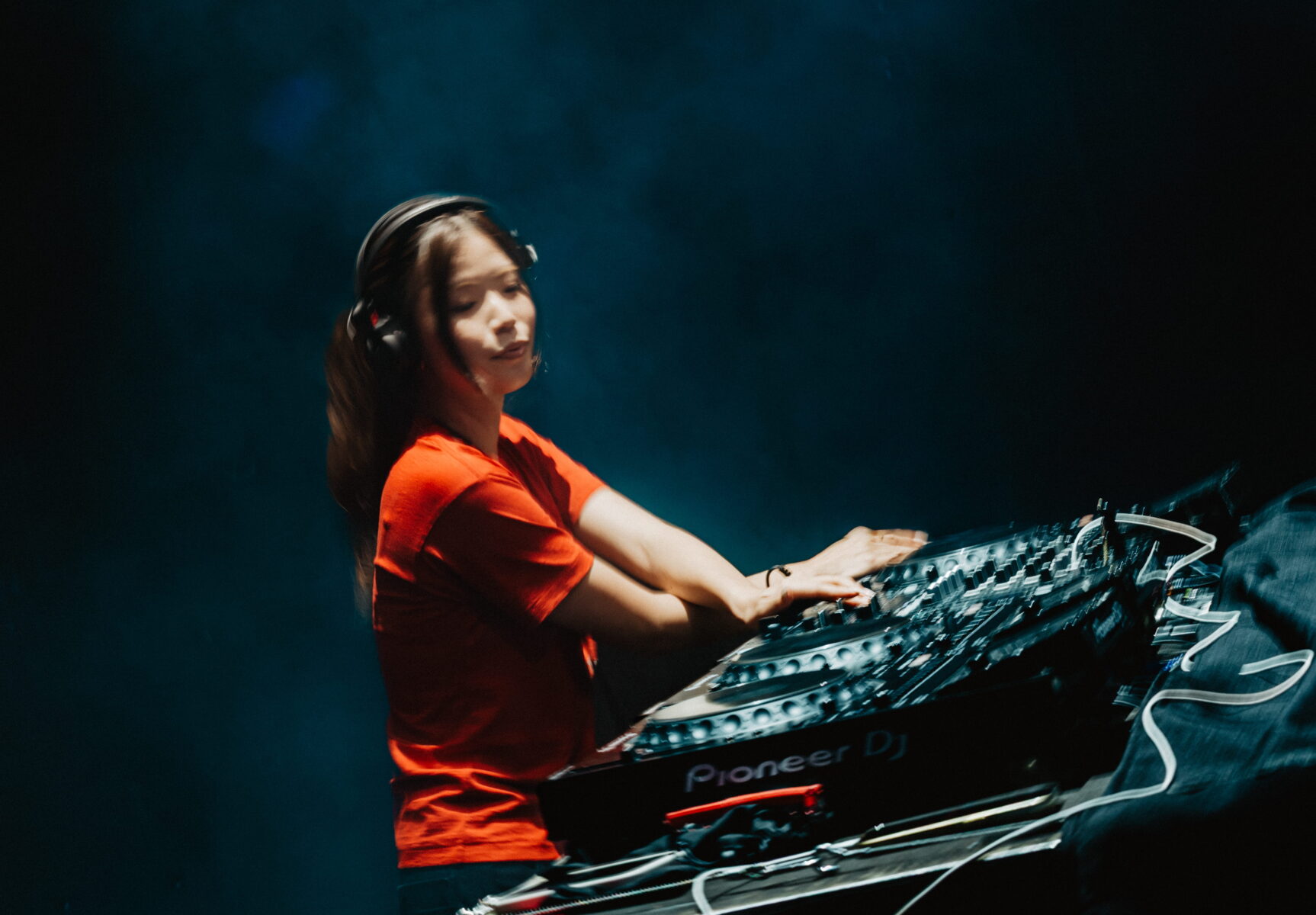 Riria
Riria
On Friday, FJAAK, KiNK, and Nene H passed through there alongside Speedy J. Three very different ways of understanding club energy: FJAAK with that raw, rave punch; KiNK with his unpredictable and physical live approach; and Nene H taking techno toward a more emotional, percussive terrain with its own identity. It wasn’t just a list of names thrown onto a poster. It was a combination designed so that things could explode, deform, and reconstruct themselves in real time.
On Saturday, the level remained just as serious: Dasha Rush, Luke Slater, Mathew Jonson, and Ø [Phase]. I mean, no joke. Dasha Rush provides that more mental, artistic, and profound side; Luke Slater is, quite literally, a living history of British techno; Mathew Jonson has that rare, precise, and almost jazzy machine musicality; and Ø [Phase] represents a more hypnotic, elegant, and forceful reading of the techno sound. All of that together, in the same system, improvising around Speedy J, was wild.
The best thing about STOOR is that it doesn’t function as a standard “festival show.” You don’t go to see an artist do their hour, play their tracks, and close with the expected song. Everything here happens live, with room for error, with tension, with risk. There are moments where it feels like the machinery is going to fall apart, and right there, it finds another direction. And that, in a festival where everything is often too calculated, feels quite necessary.
Of all the projects I saw during those two days, STOOR was probably the one that connected most with the original idea of Sónar: technology, risk, advanced music, and a different way of putting the audience inside the experience. It wasn’t just listening to techno. It was seeing how it was manufactured right in front of you.
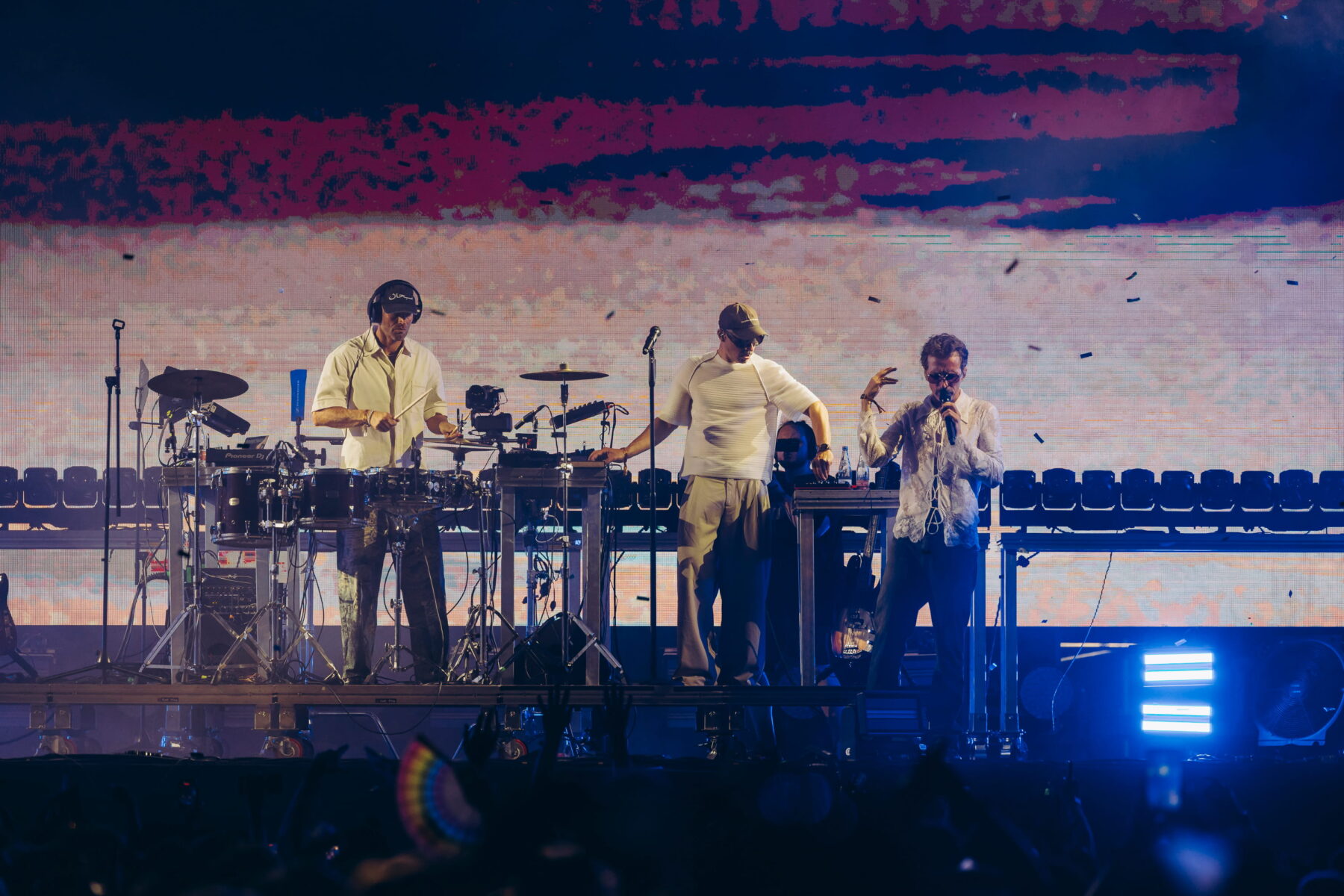 WhoMadeWho
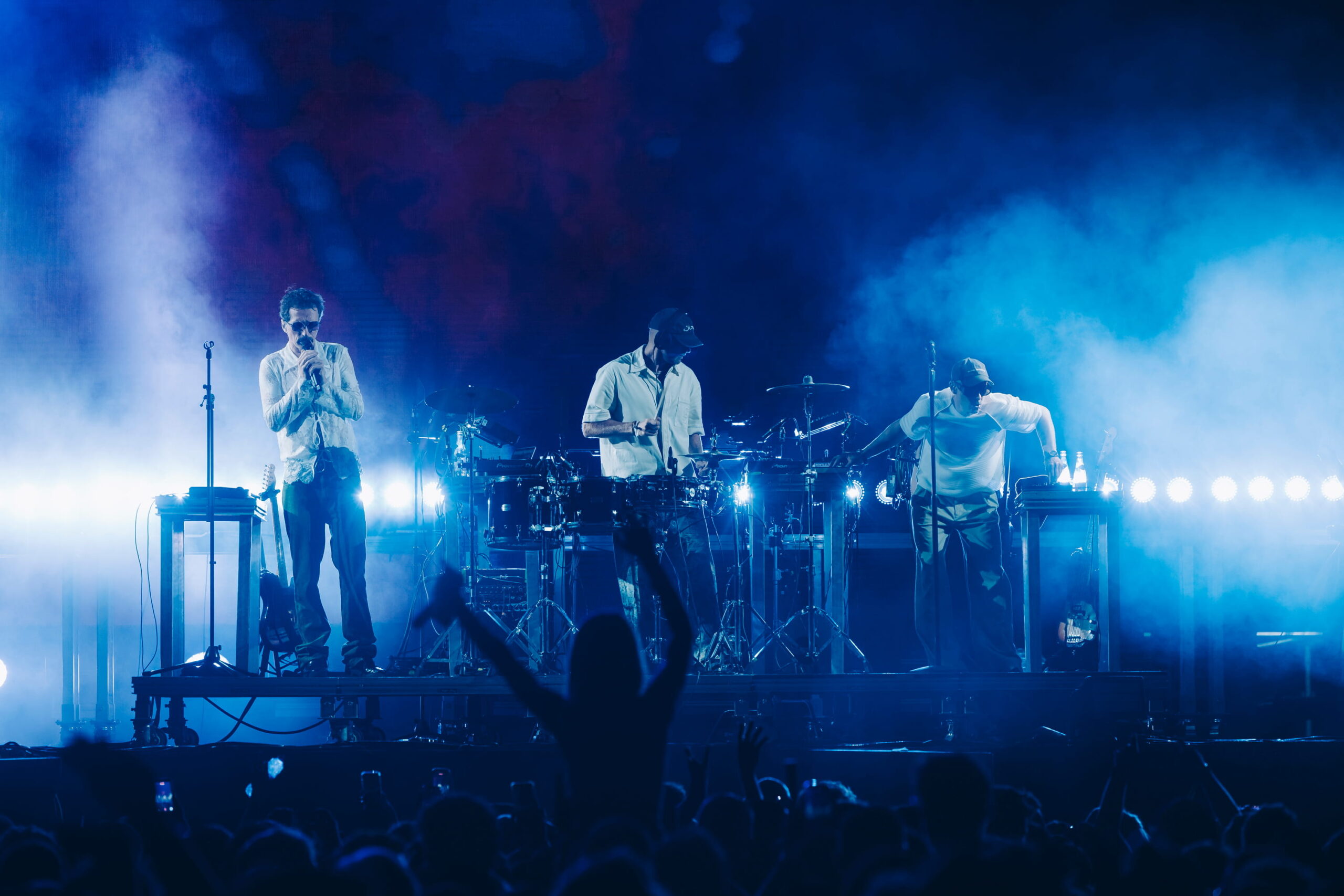
Saturday had a different weight. You could feel the exhaustion of the city, but also that second wind that appears when everyone already knows how to navigate the venue. WhoMadeWho (Live) was one of the most rewarding moments of the day. Their live show has that ability to sound big without becoming cold. Melody, voice, electronics, and a staging that doesn’t need to crush the audience to work. In the midst of so much intensity, it was a classy breather.
And the moment had a special detail: Carlita appeared on stage with them, playing bass on ‘Mind Off,’ their collaboration with WhoMadeWho and Orsay. And that’s where things gained a new meaning. She wasn’t just a guest passing through the stage for the obligatory photo. You could feel a real connection between them, a way of taking the track to the live stage and giving it body, presence, something more physical. Carlita had come from her own set, but seeing her there, integrated into the WhoMadeWho live show, was one of those crossovers that make a festival make sense. Everything doesn’t have to be a giant surprise or a viral moment; sometimes it’s enough to see artists from neighboring worlds truly meet on stage.
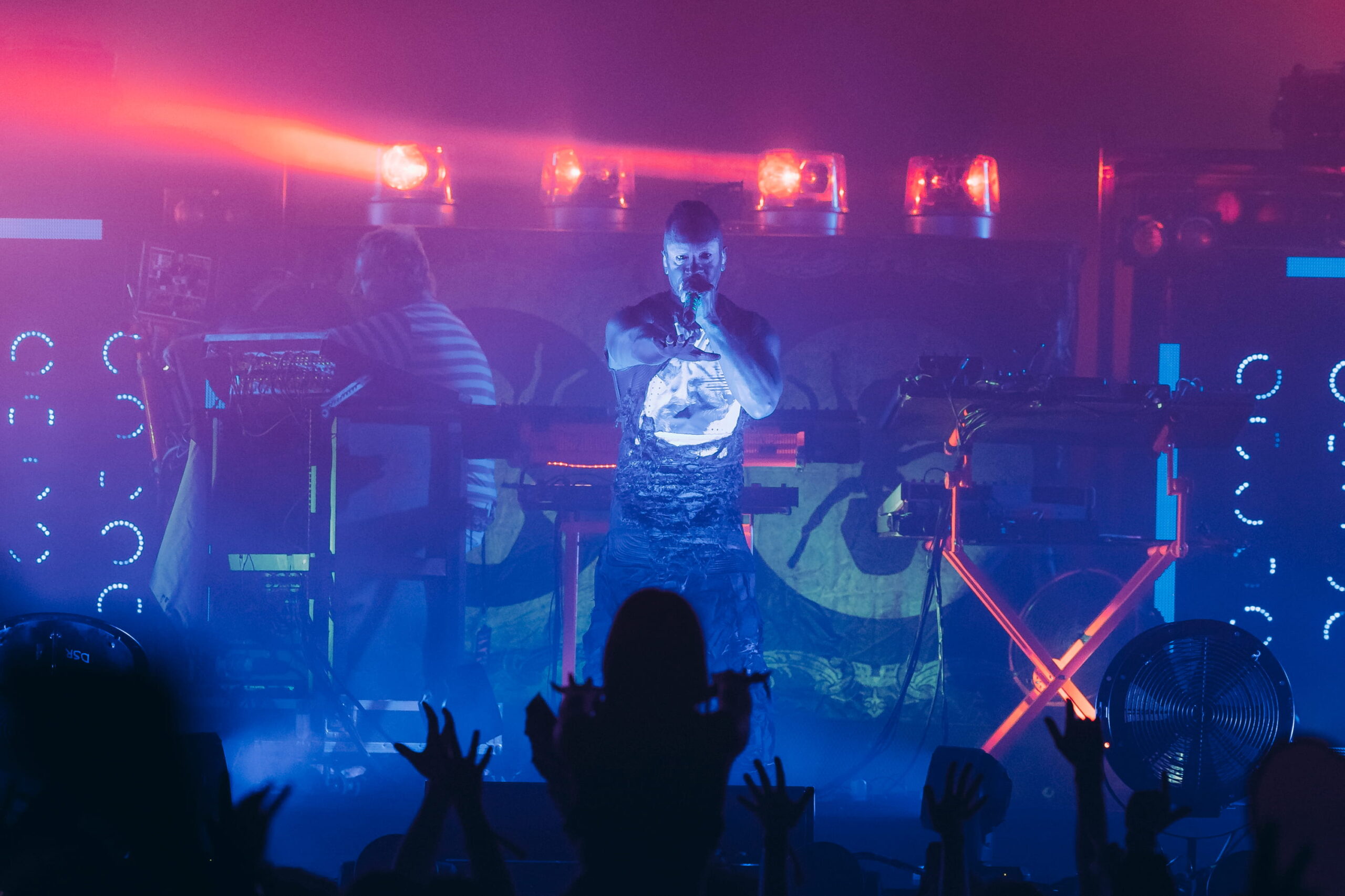
The Prodigy were a different story. You can’t talk about them as if they were simply a strong headlining name. They are part of the DNA of several generations who understood the rave through the clash, the distortion, the punk, the breakbeat, and that sense of danger that many today try to copy with giant screens and little blood. Seeing them here had a bit of a “settling old scores” feeling. There was anticipation, there was memory, and there was a desire to check if that energy still made sense in 2026.
And yes, it did.
Not because everything sounded new, but because it sounded physical. The Prodigy still has that quality of a band that doesn’t fully belong to rock, nor to electronic music, nor to the mainstream festival circuit. They are in a territory of their own. When they come on, the atmosphere changes. People don’t just watch: they react. And that, in a festival where sometimes we are too busy recording, analyzing, or comparing, is appreciated.
After The Prodigy, the night didn’t exactly drop the pace. That’s when Dom Dolla and Modeselektor (Live) entered, two names representing two very different generations within electronic music, and who, placed on the same night, explained the strange and beautiful DNA of Sónar quite well.
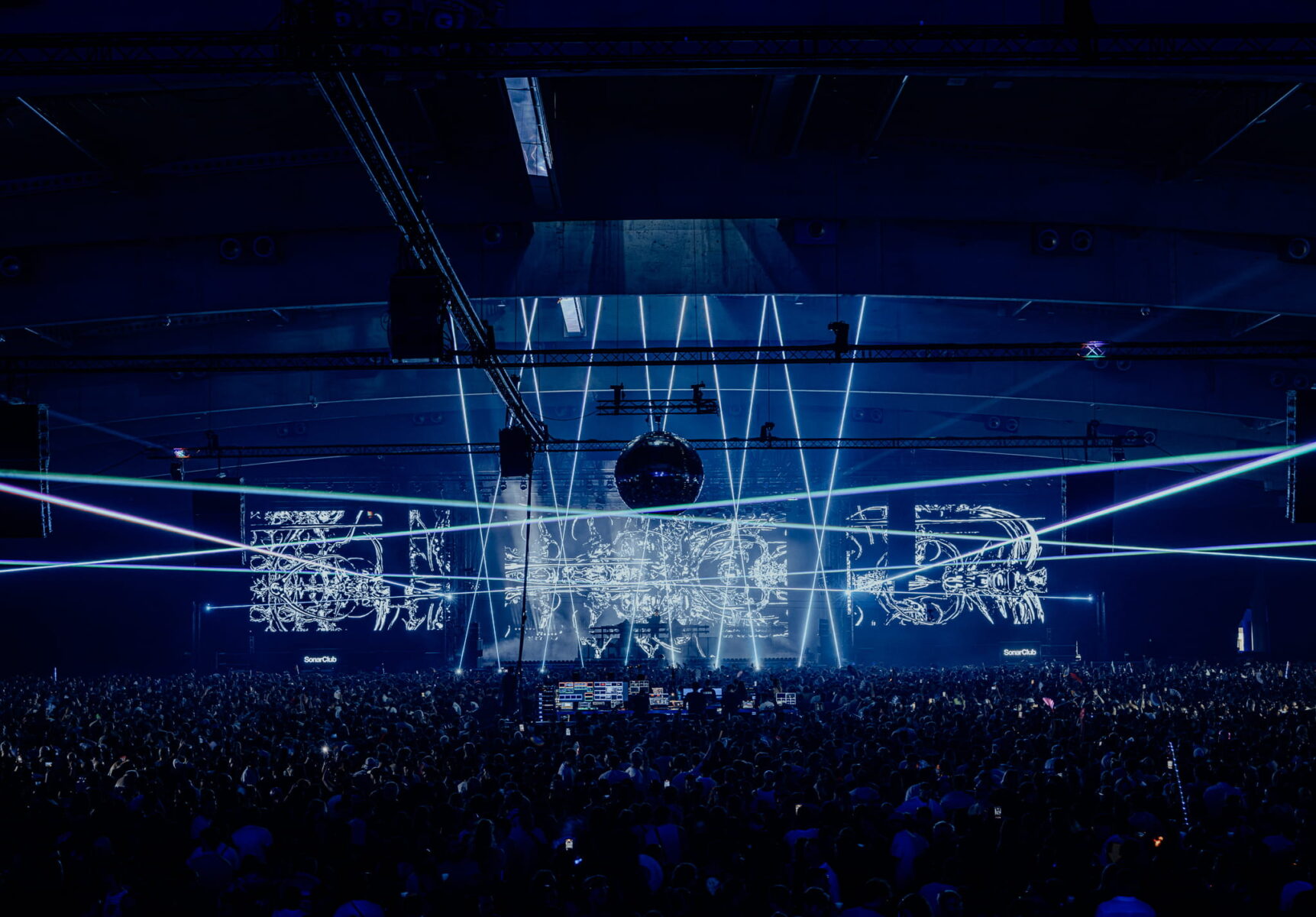 Dom Dolla
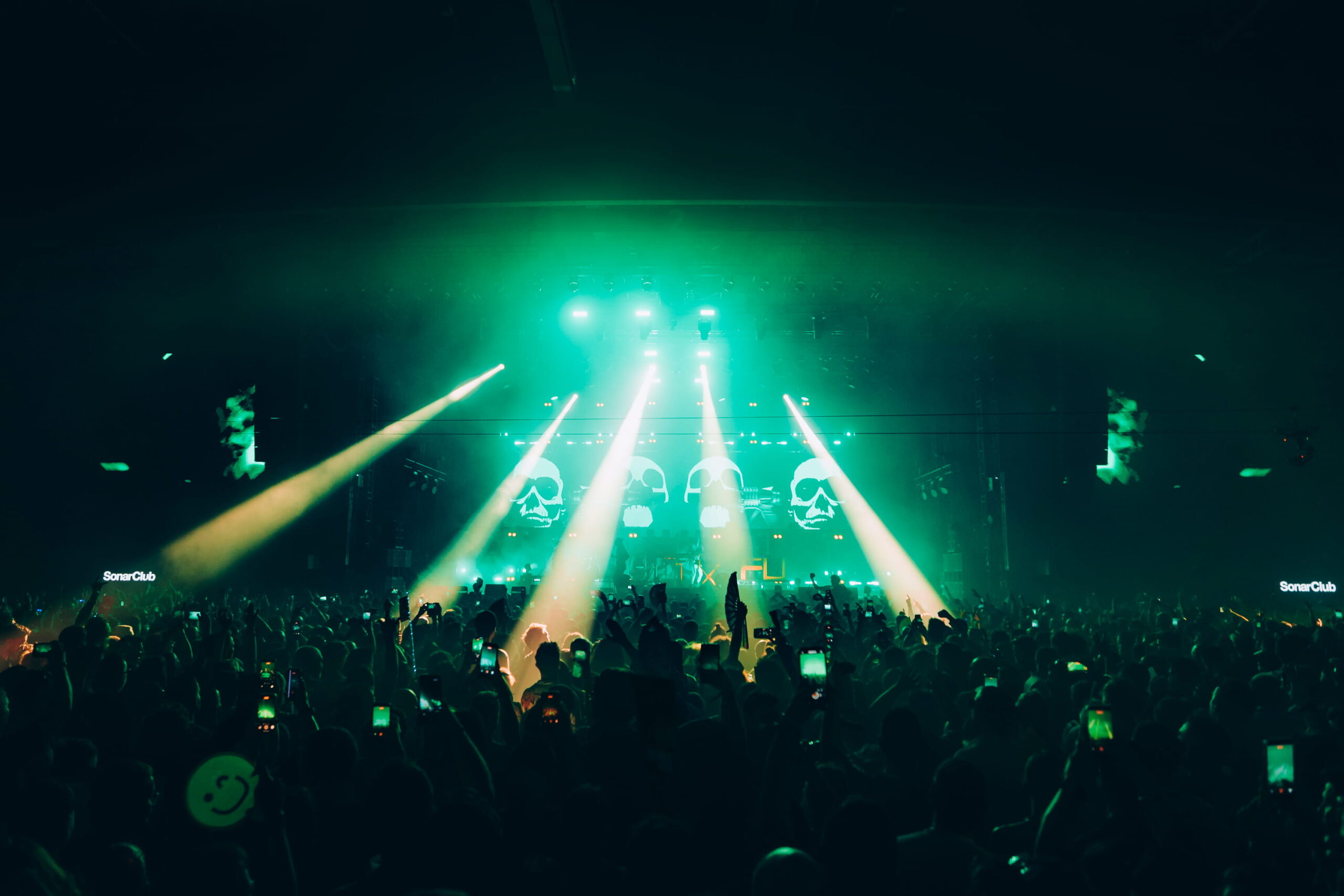
Dom Dolla arrived with the weight of a young, current, massive artist, one of those names that has grown significantly in recent years and is already playing in the big leagues without hiding it. His sound goes straight to the body: house, bassline, big drops, easily recognizable vocals, and a production designed for massive stages. And yes, you might like that type of formula more or less, but you have to recognize that it works. In a space like SonarClub, his set had that big festival energy: hands up, immediate connection. It wasn’t the most high-risk moment of the weekend, but it didn’t pretend to be either. It was something else: impact, muscle, and the present.
Modeselektor, on the other hand, was like entering another language. And thank goodness for that. Because if Dom Dolla represented that more current, massive face of the club, Modeselektor reminded us why they have been an institution for so many years without having to behave like one. Their live show still has that mix of electro, bass, techno, hip hop, rave, and Berlin chaos that isn’t so easy to imitate. Some artists age trying to sound young; they don’t need to do that. They continue to sound like themselves, and today that almost seems like an act of resistance.
Seeing them on the same night also said a lot about the festival. Sónar can move from a set designed for a generation that has grown up with the club scene filtered through TikTok, big stages, and giant productions to a Modeselektor live show where everything has more edge, more history, and more personality. And somehow, both things fit. That is one of the few real virtues of a festival like this when it is well programmed: it doesn’t force you to choose between the present and memory. It puts them in front of you, and you decide where you want to stay.
On Saturday, I also went back to STOOR because there was something addictive about that space. The names changed, the energy changed, but the idea remained alive: improvisation, hardware, techno understood as matter in motion. Of all the projects I saw during those two days, STOOR was probably the one that connected most with the original idea of Sónar: technology, risk, advanced music, and a different way of putting the audience inside the experience.
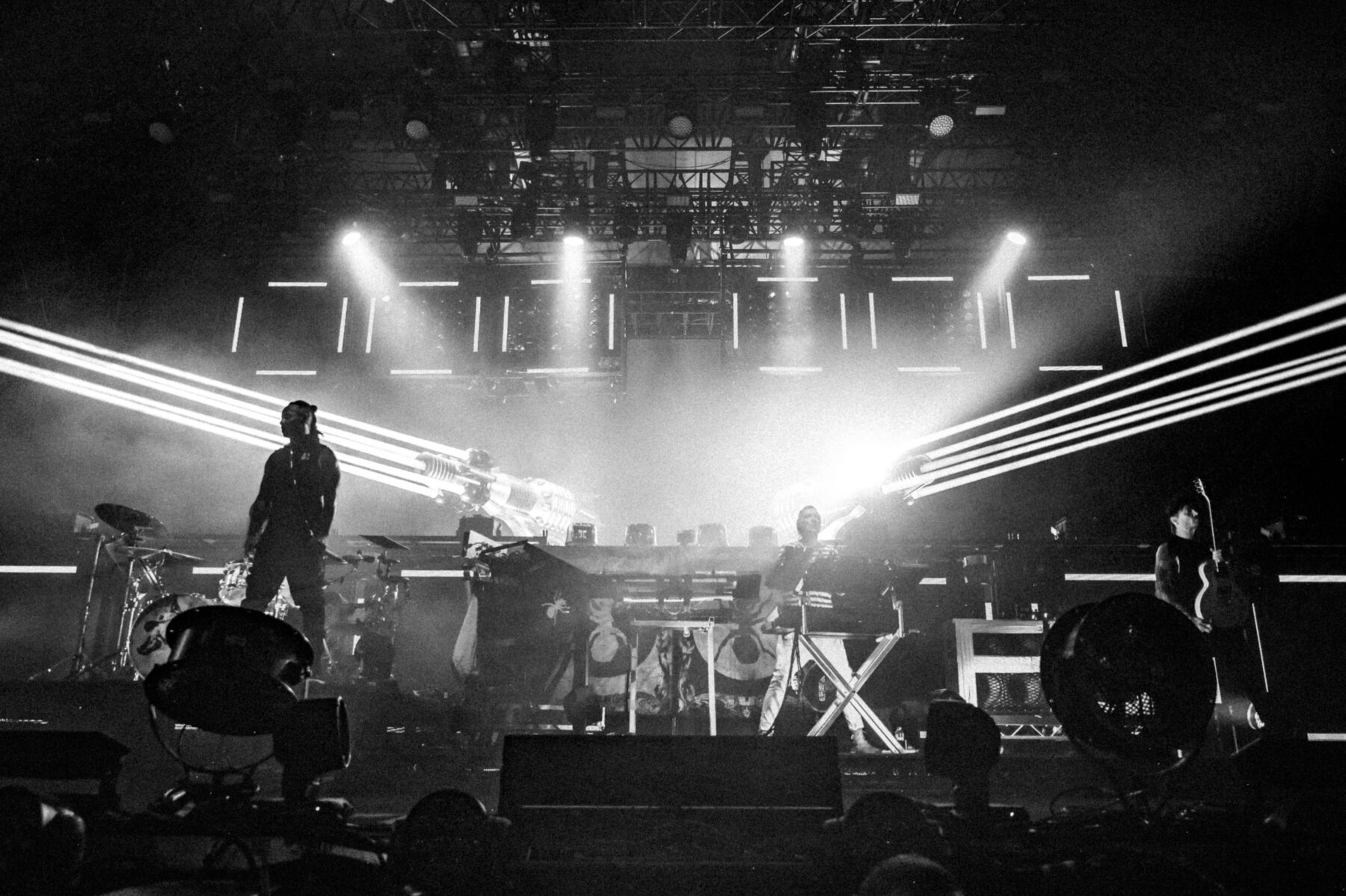 The Prodigy
The most interesting thing about it was precisely that: not everything revolved around the headliners. Yes, there were Kelis, Skepta, The Prodigy, WhoMadeWho, Modeselektor, Dom Dolla, and other names capable of filling headlines. But the festival felt better when you let yourself stray. When you entered a stage without too many expectations. When you discovered riria. When you stayed watching a STOOR session without knowing exactly where one idea began, and another ended. When the camera stopped being just a work tool and became an excuse to observe better.
As press, the experience changes. You aren’t inside the party in the same way. There are moments when you have to leave just when you’d like to stay. There are sets you watch from the side, between photographers, security, screens, cables, and people running around. But there is also something special about that: you see the festival from another layer. You see the machinery, the effort, the controlled chaos, and the number of things that have to go right so that the audience can simply lose themselves in the music.
And in the end, that is what this festival is still about.
Not about putting on a perfect edition. Not about pleasing everyone. Not about putting together a list of names and waiting for applause. Sónar continues to work when it provokes movement: physical, mental, aesthetic. When it forces you to change stages, rhythms, ideas. When it mixes Kelis with riria, Skepta with STOOR, WhoMadeWho with The Prodigy, Dom Dolla with Modeselektor, and somehow everything fits within the same weekend.
The 2026 wasn’t an edition to look at from afar. It was an invitation to enter, walk, sweat, record, get a little lost, and find the thread again on another stage.
And perhaps that was the best part: feeling that, even after so many years, Sónar can still change its shape without ceasing to be Sónar.