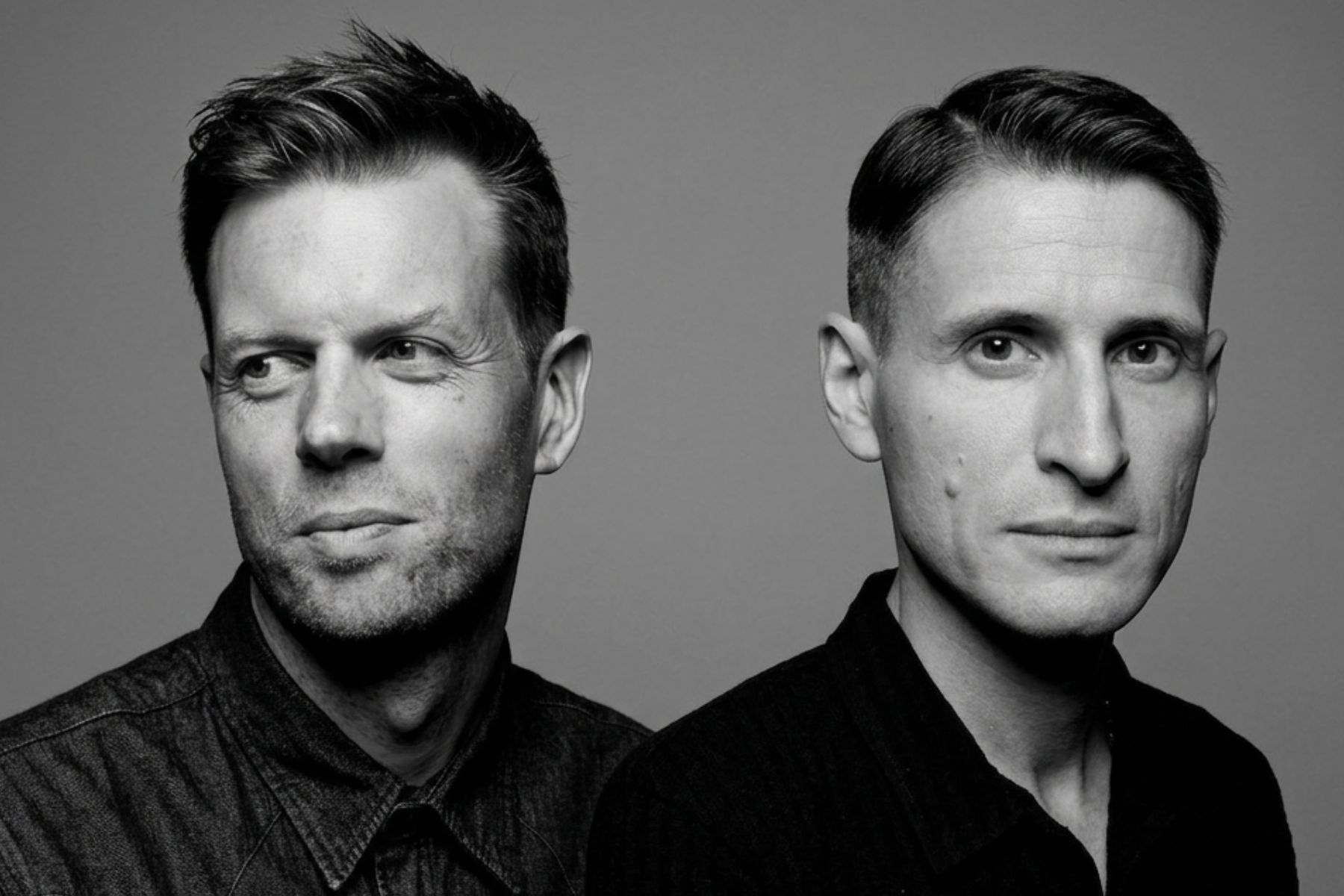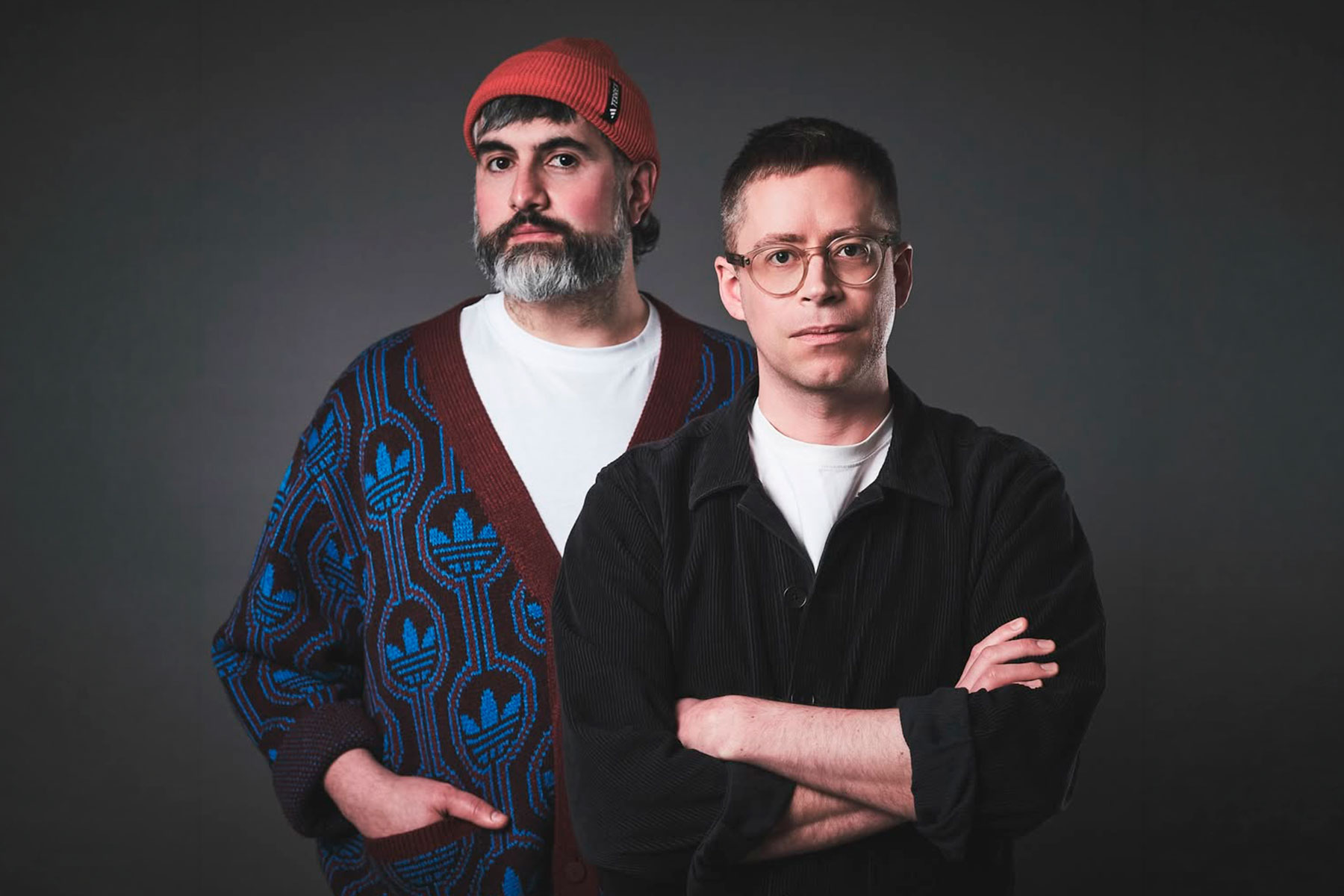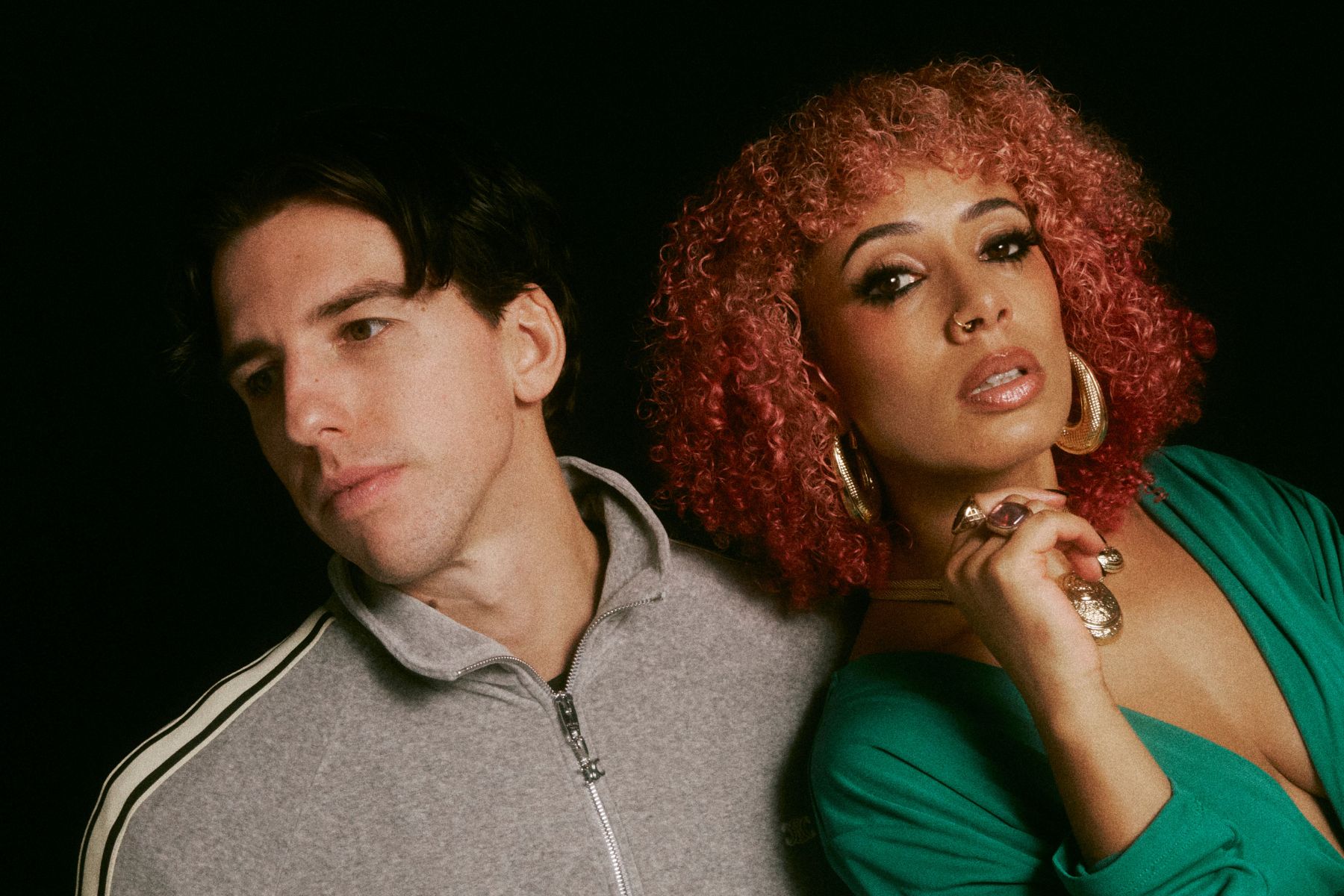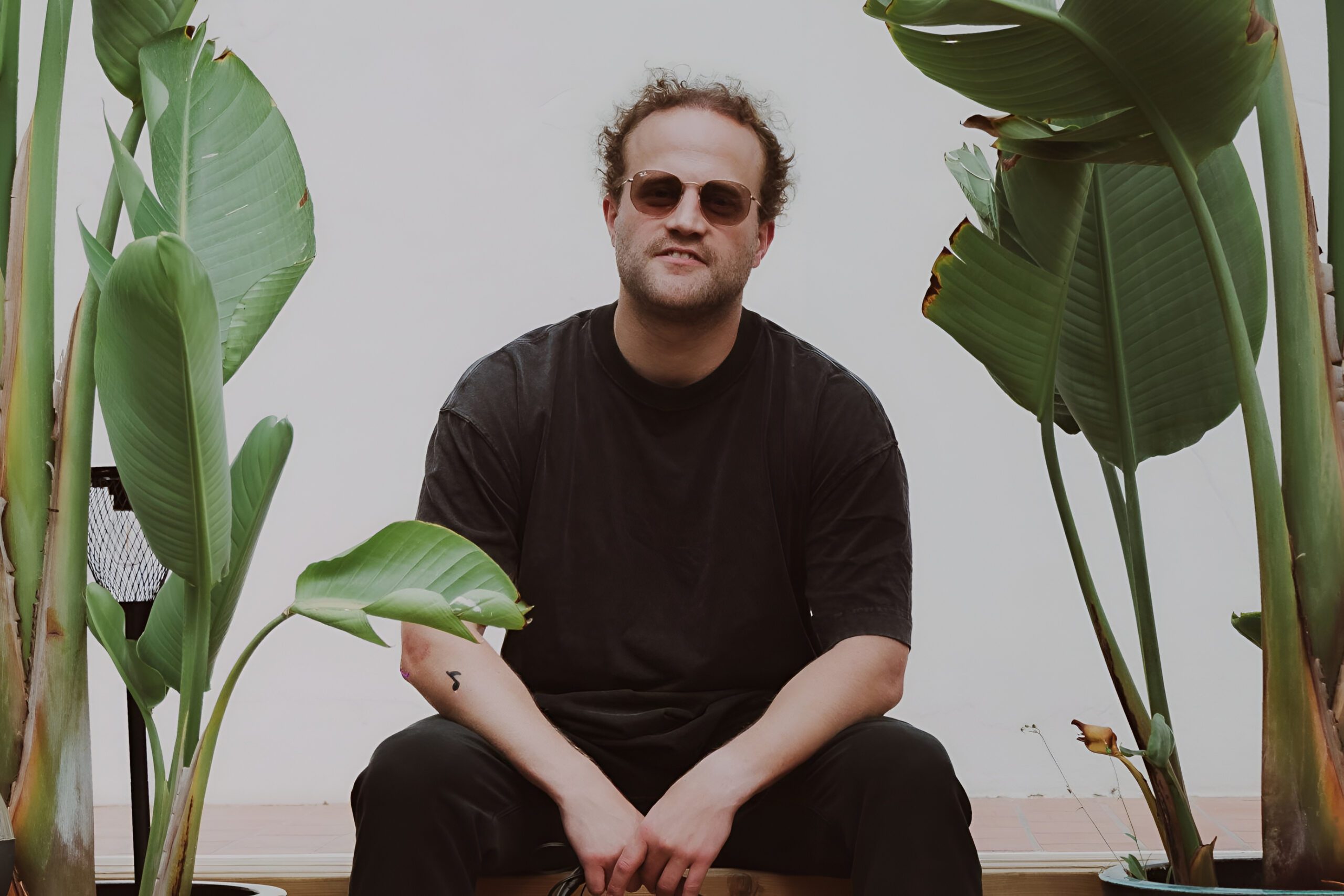
The boutique gathering returns for its third edition, expanding across vineyards, beaches, boat parties, and club spaces. The first wave lineup is now revealed, setting the tone for Sunny Side Festival’s return to Malta from May 14th–18th, 2026.
Photo credit: Sunny Side Festival – Official
Set against the Mediterranean backdrop of Malta, Sunny Side Festival continues to define itself through care, pacing, and spatial awareness rather than scale. With the lineup now announced, the focus shifts toward delivering an experience shaped by atmosphere, coherence, and connection.
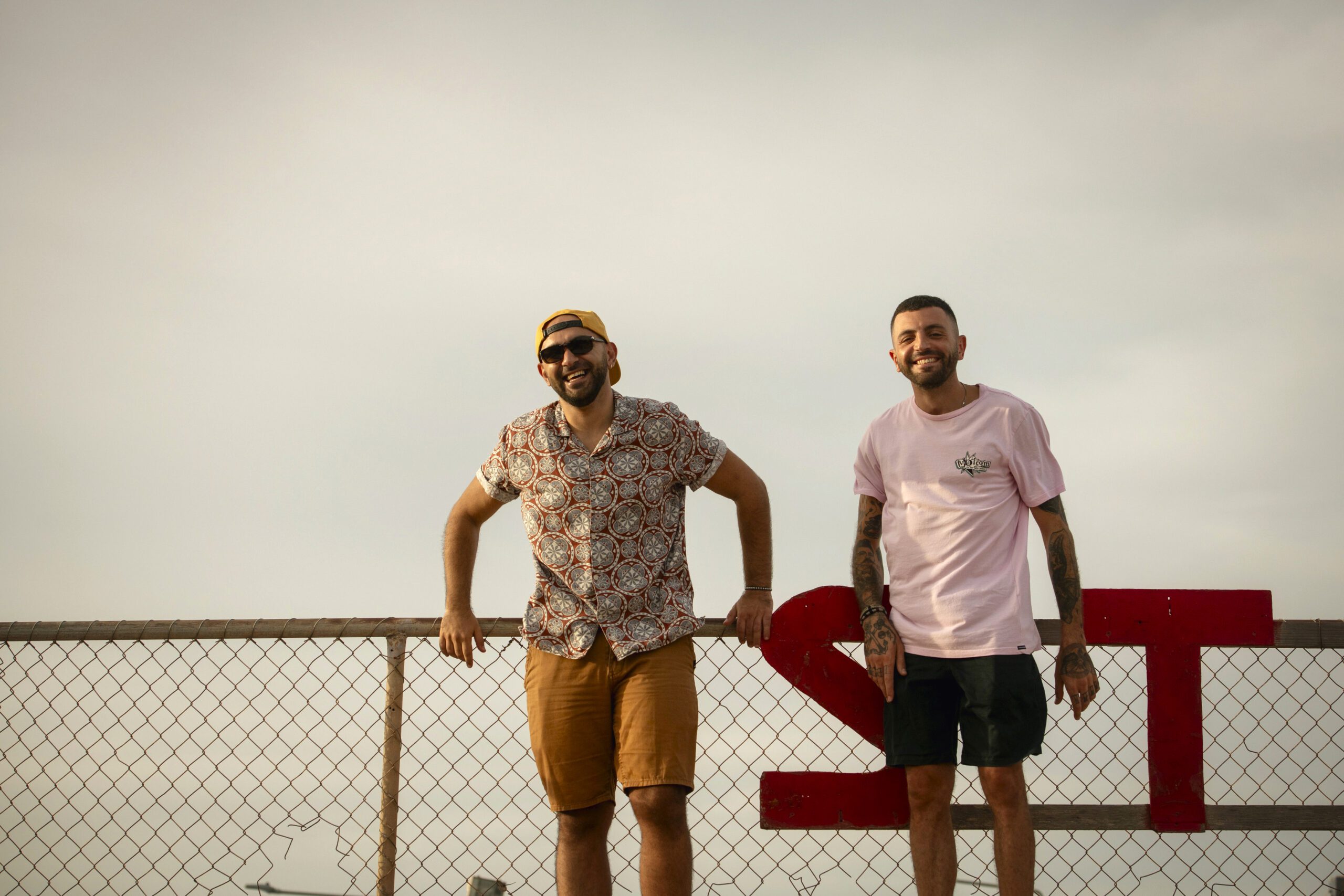
In this conversation, we have a chat with Sunny Side Festival organizers, Danny & Luke, who open up about boutique methodology, spatial design, community, and the values guiding its evolution.
EG: Hi, welcome to EG! Before we begin, where are you today?
Sunny Side Festival: Thanks for the invite. Today, we are in preparation mode, working across different places as we get ready for the festival in May. The team is shaped by a multinational group, with some of us based in Malta and others constantly moving between countries and scenes. What connects us is that Malta remains the anchor point, the place where everything will soon converge as May approaches.
EG: Sunny Side is described as a boutique festival rather than a large-scale event. What does that word actually mean to you in practice, beyond numbers or capacity?
Sunny Side Festival: For us, boutique is not a reference to size alone; it is a methodology.
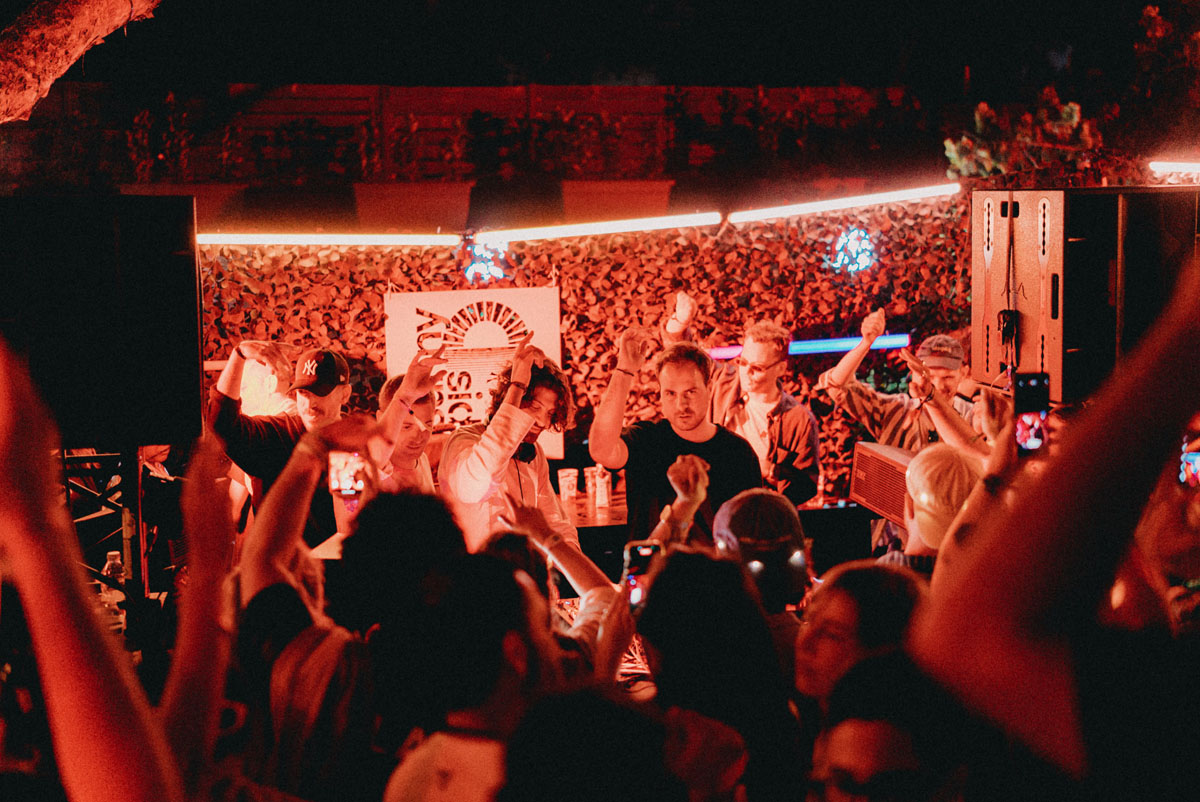
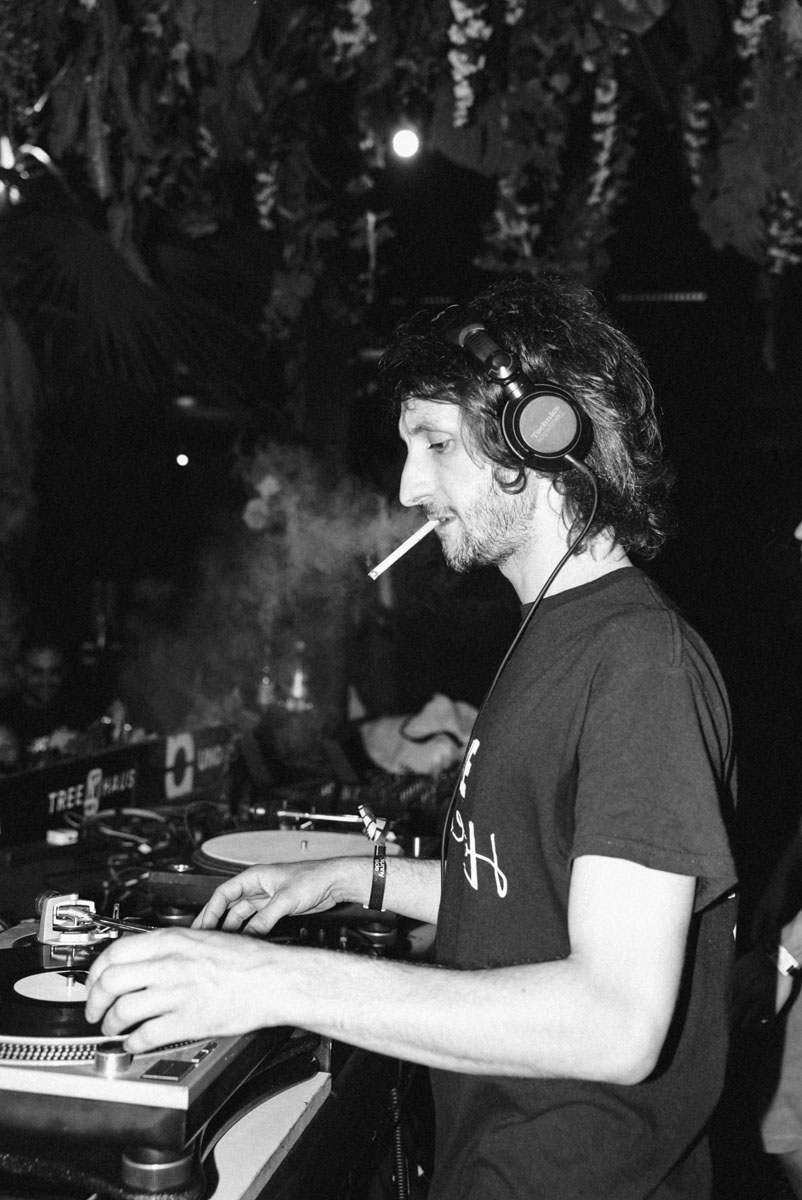
In practice, it means designing every layer of Sunny Side Festival with intention rather than scale in mind. We focus on atmosphere, flow, and detail—how people commute, how spaces open up throughout the day, and how music, food, and setting interact rather than compete. Programming is curated for coherence, not hype. Artists are selected for their ability to tell a story over time, not to deliver isolated peak moments.
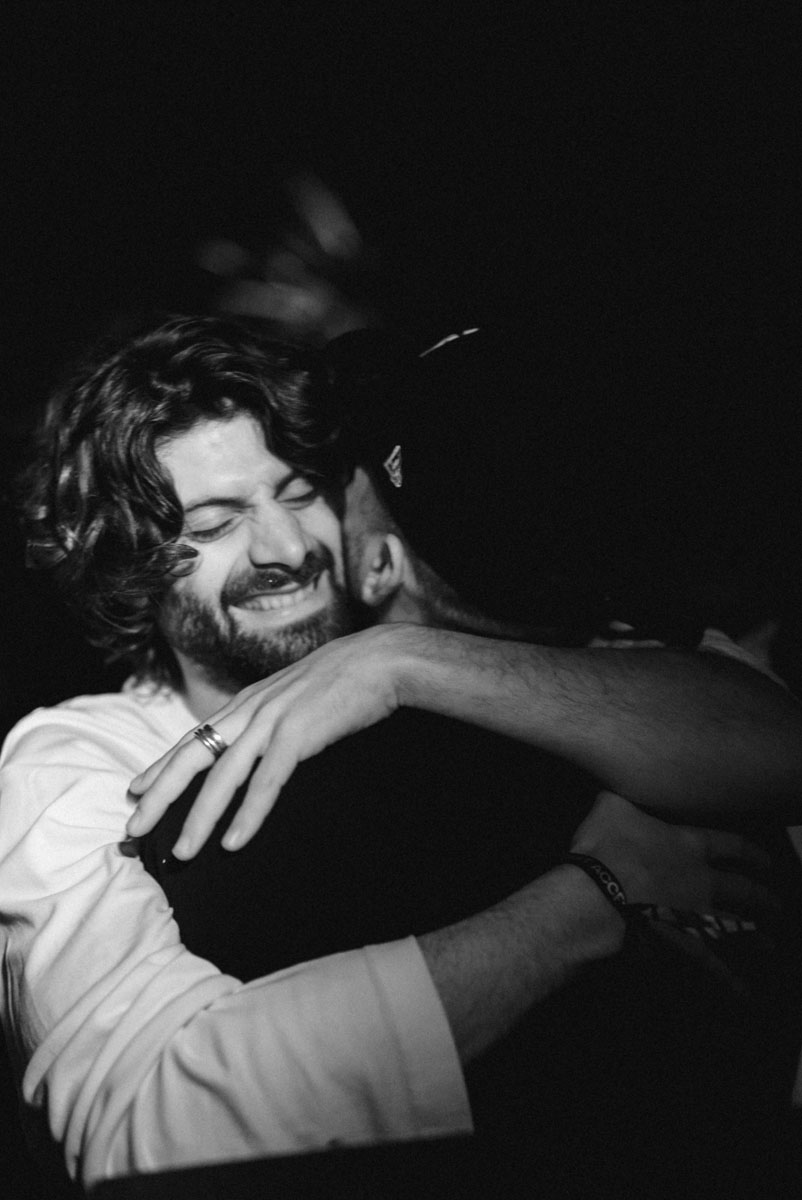
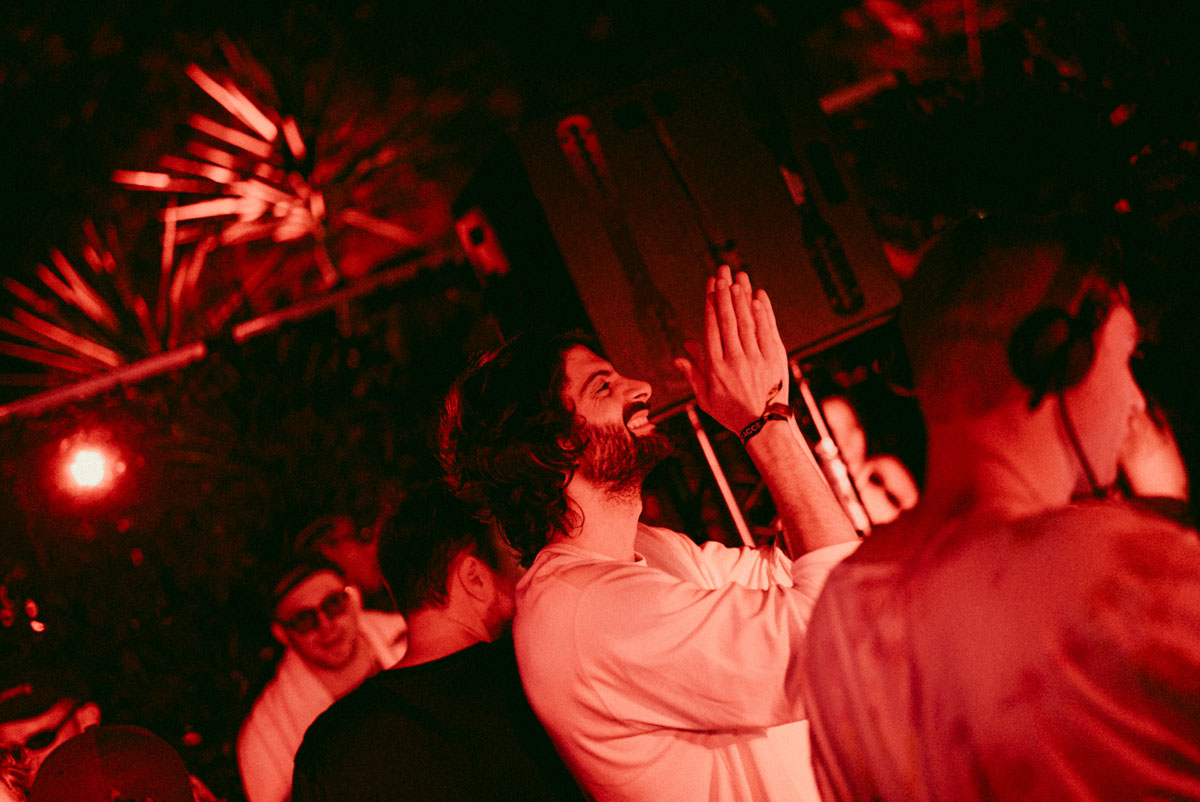
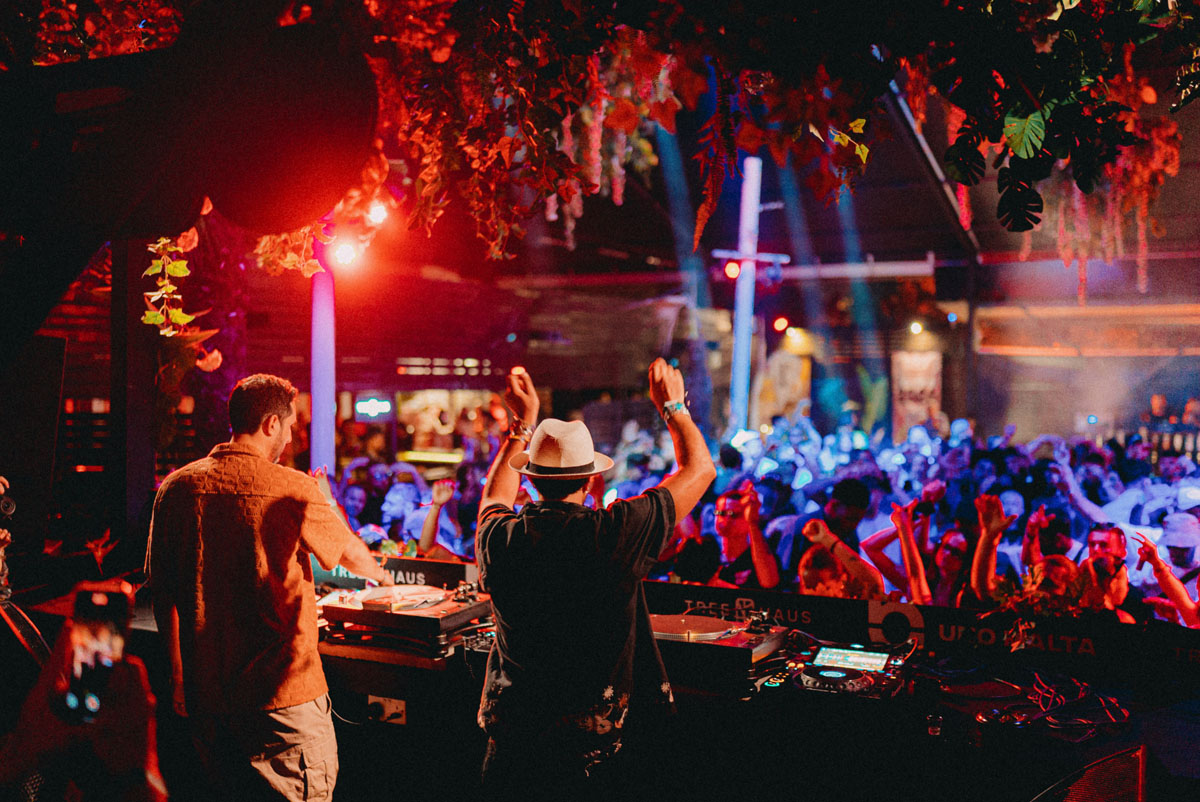
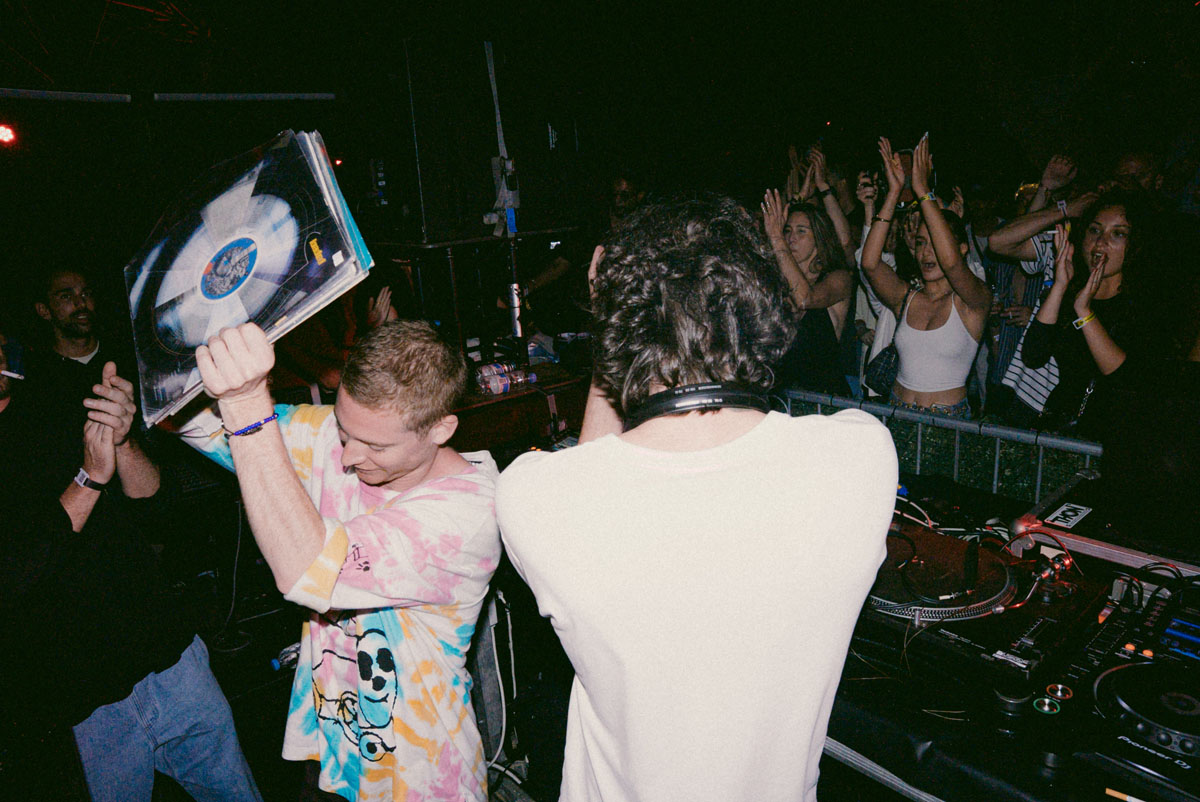
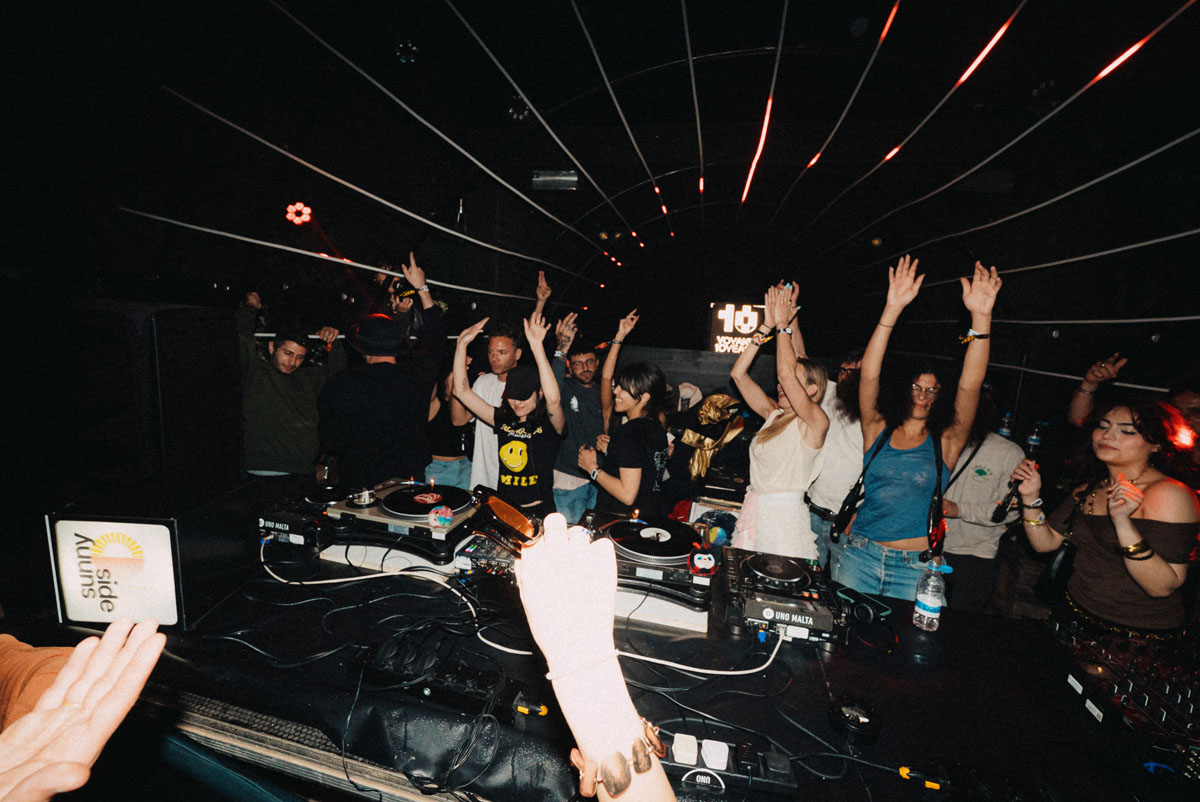
Boutique also means proximity between the audience and the artists, between strangers who quickly feel part of the same table, and between the event and its surroundings. We work with character-driven locations and adapt the festival to the space, not the other way around.
Ultimately, beyond numbers, boutique is about restraint, care, and personality. Sunny Side Festival is meant to feel handcrafted—like something you were invited into, not processed through.
EG: Malta plays a central role in the experience. How did the island itself influence the way you imagined the pace, atmosphere, and flow of the festival?
Sunny Side Festival: Malta shapes Sunny Side Festival in direct and subtle ways. The island has a natural rhythm that resists urgency. Days stretch, conversations linger, and there is an ease to how people move through time, especially in daylight. We wanted the festival to mirror that cadence, allowing music to evolve gradually and giving people the freedom to arrive, eat, talk, dance, and step away without chasing peak moments.
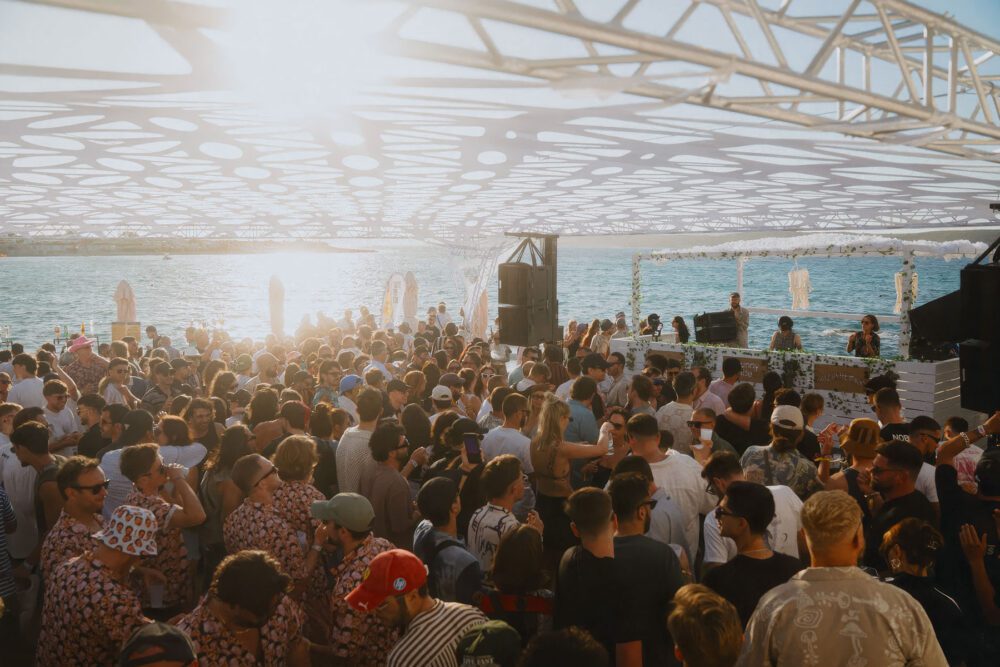
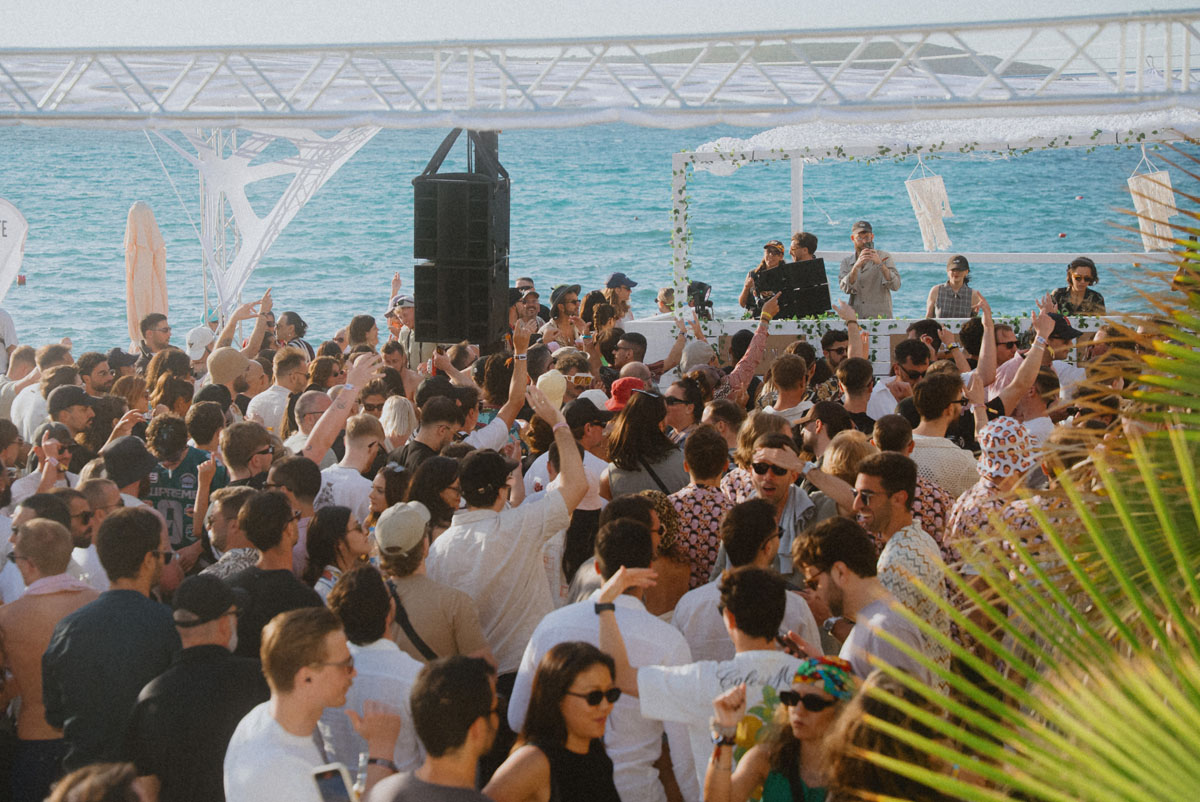
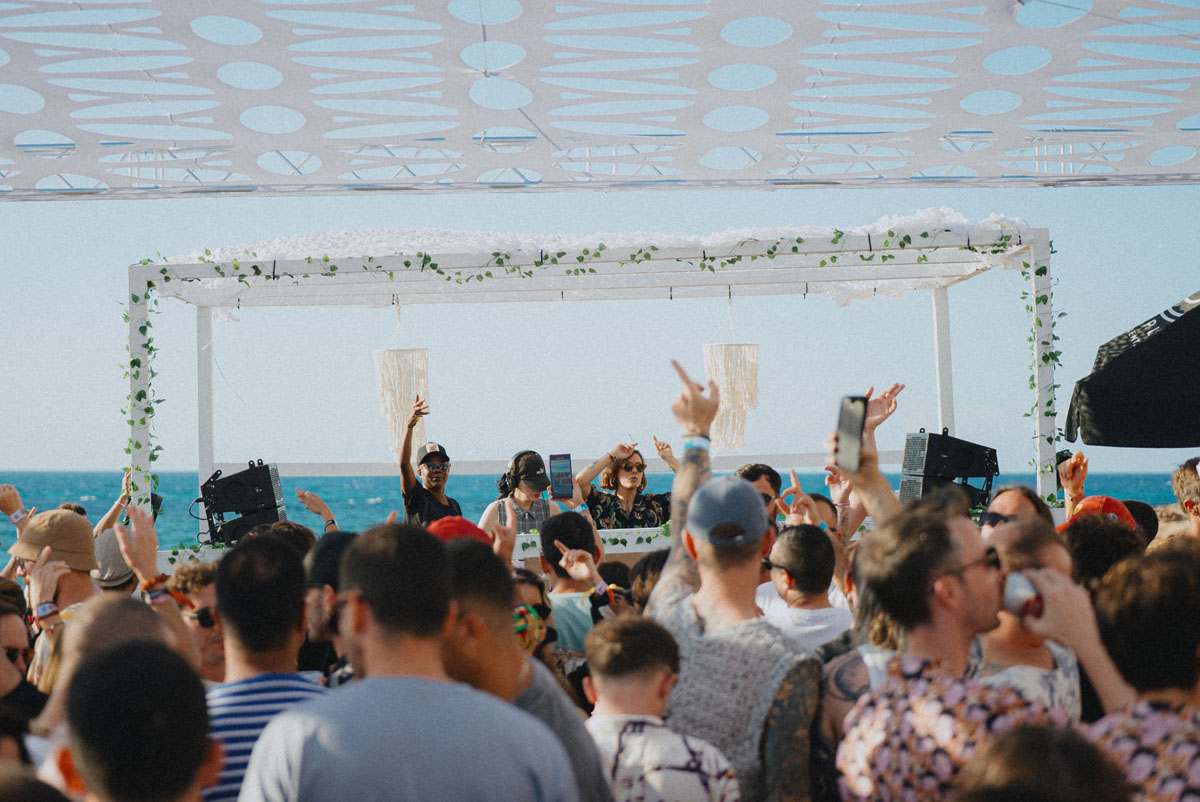
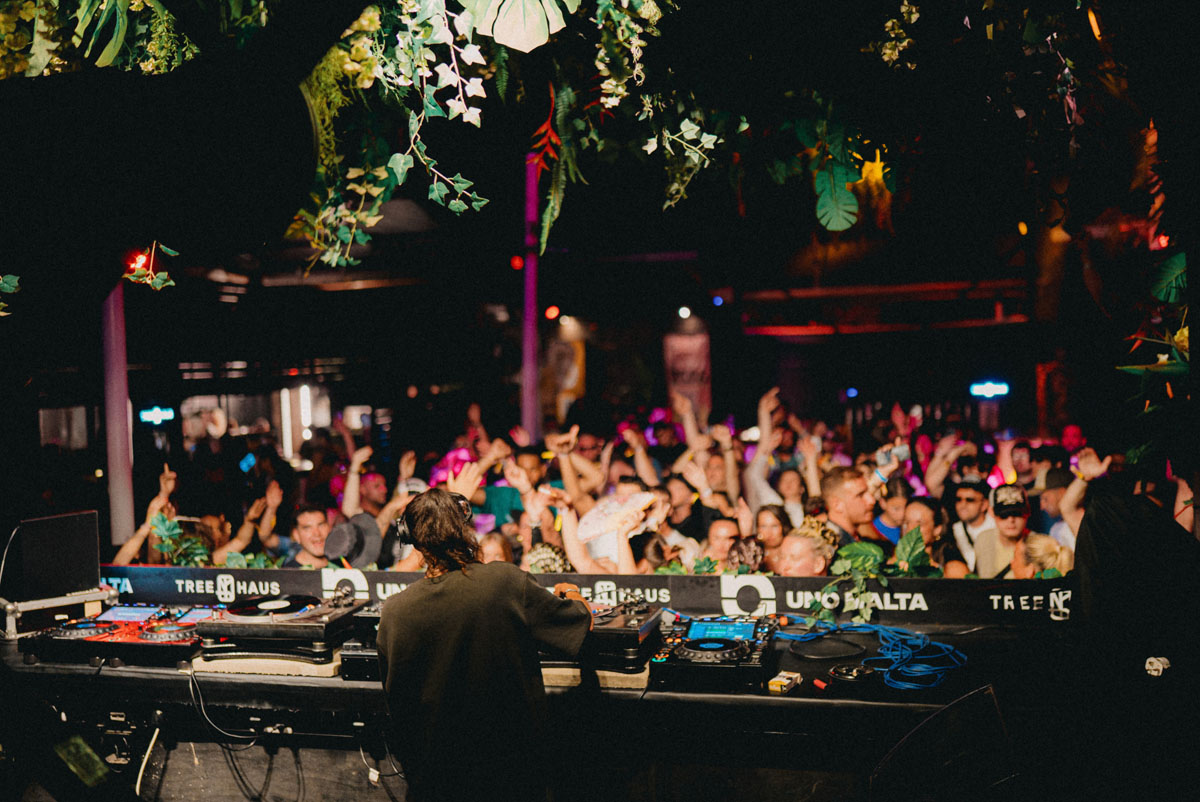
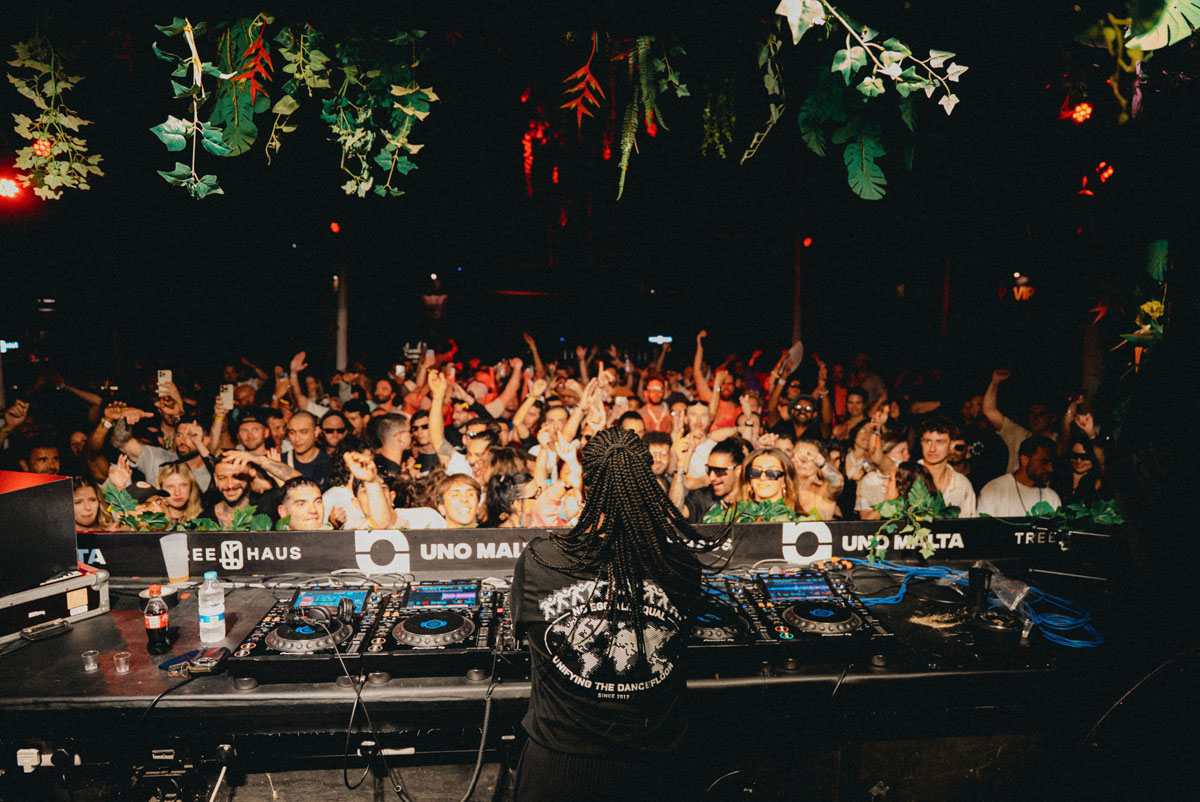
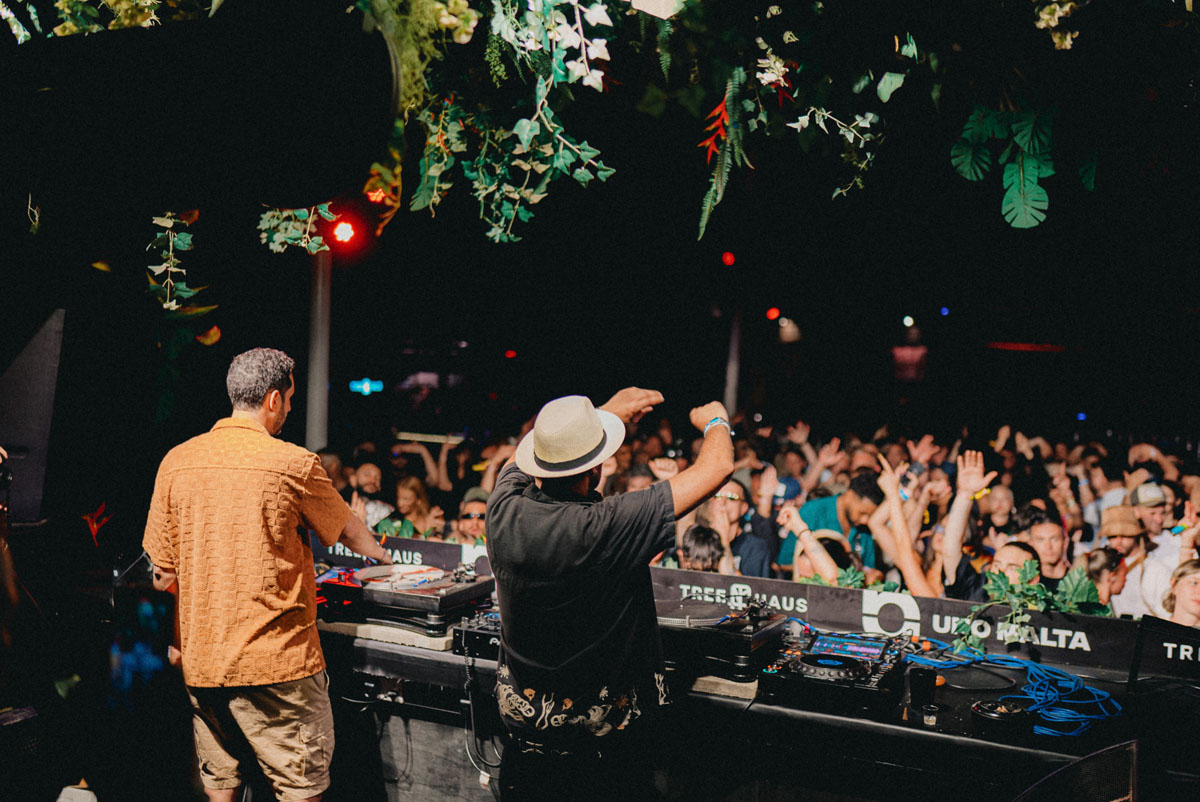
This year, that influence became even more tangible as we expanded the festival footprint. While UNO Malta remains a core part of Sunny Side Festival, we wanted attendees to experience more of the island itself. Rather than confining people within festival walls, we use Malta as our playground.
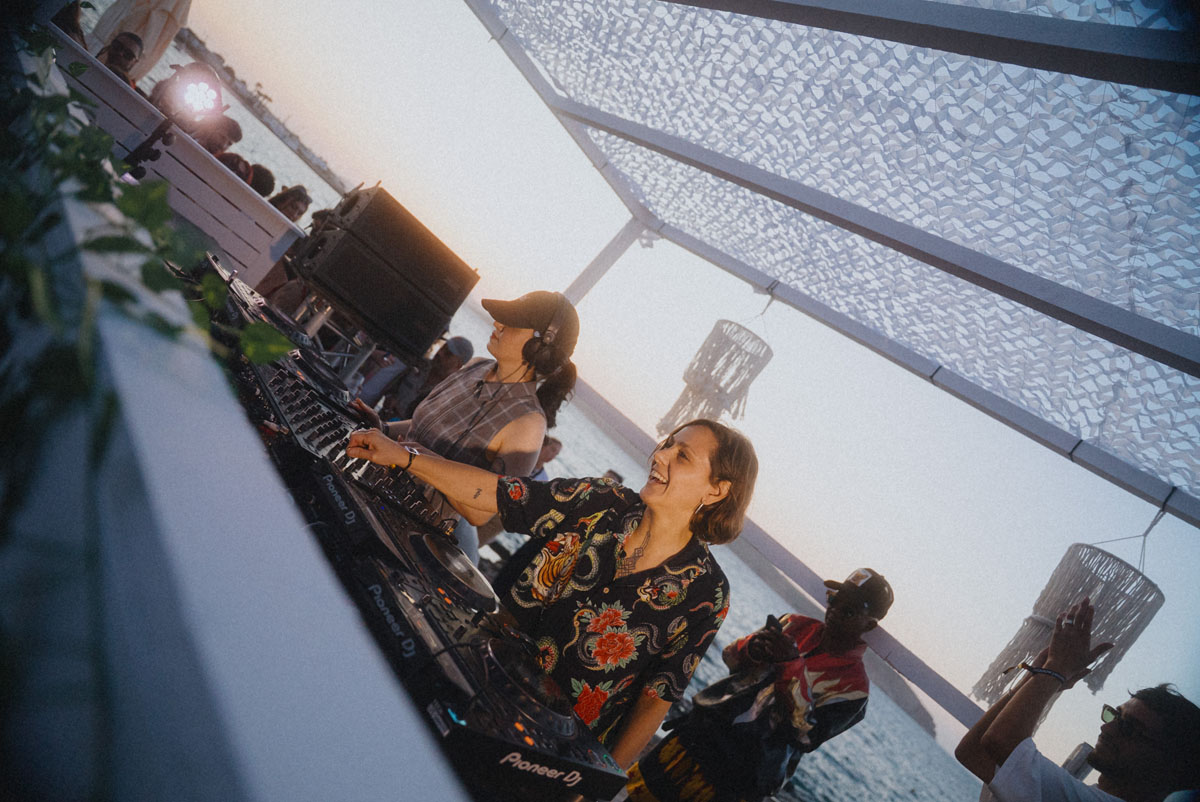
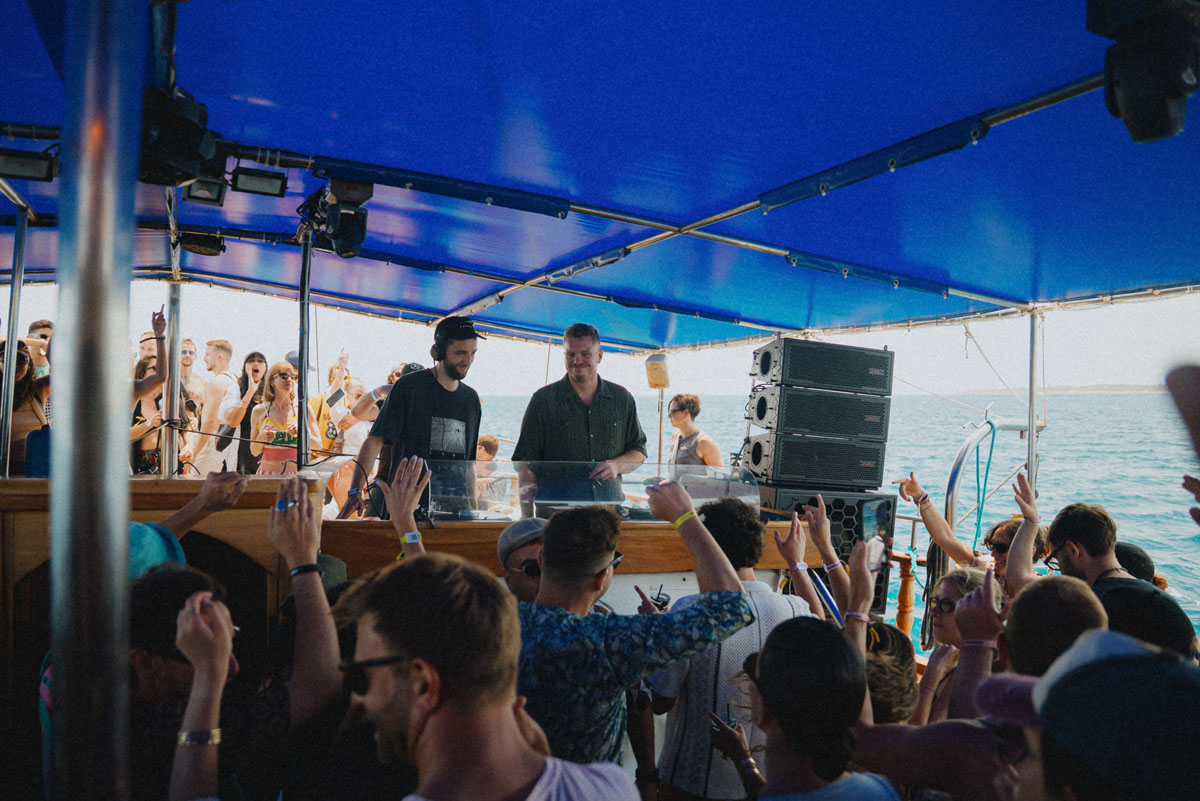
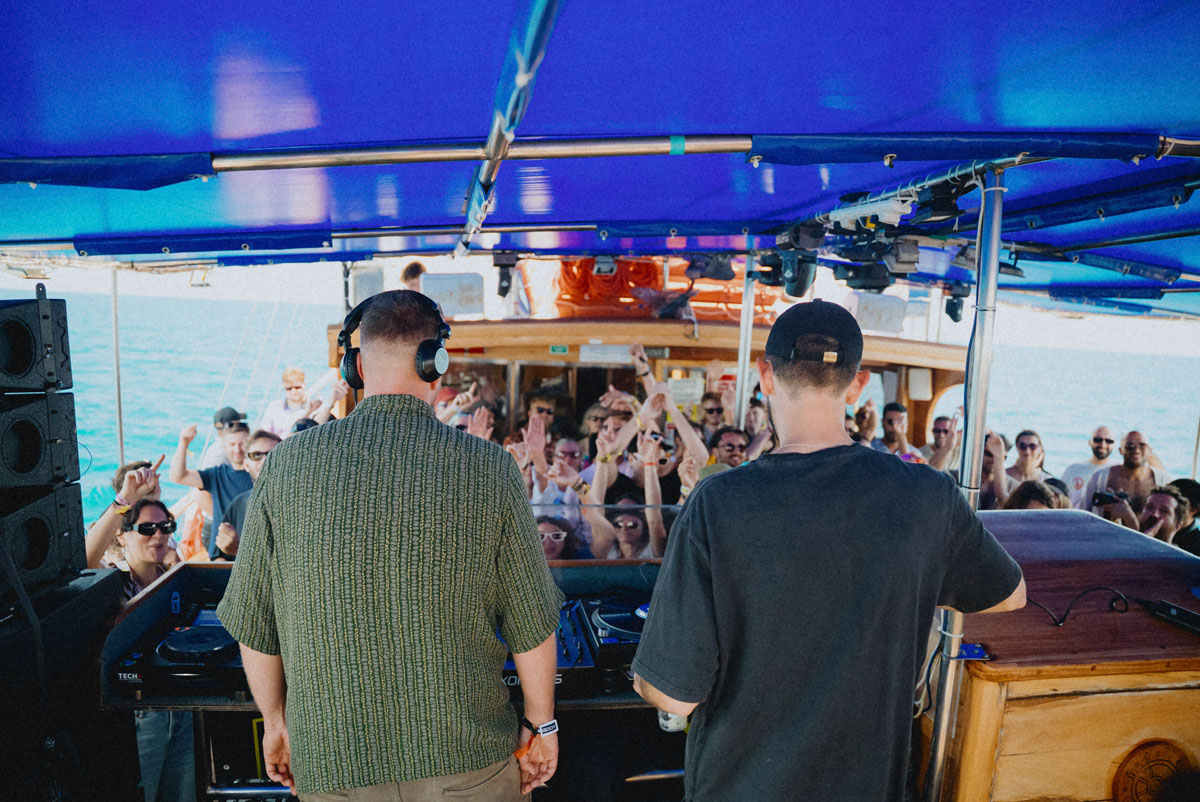
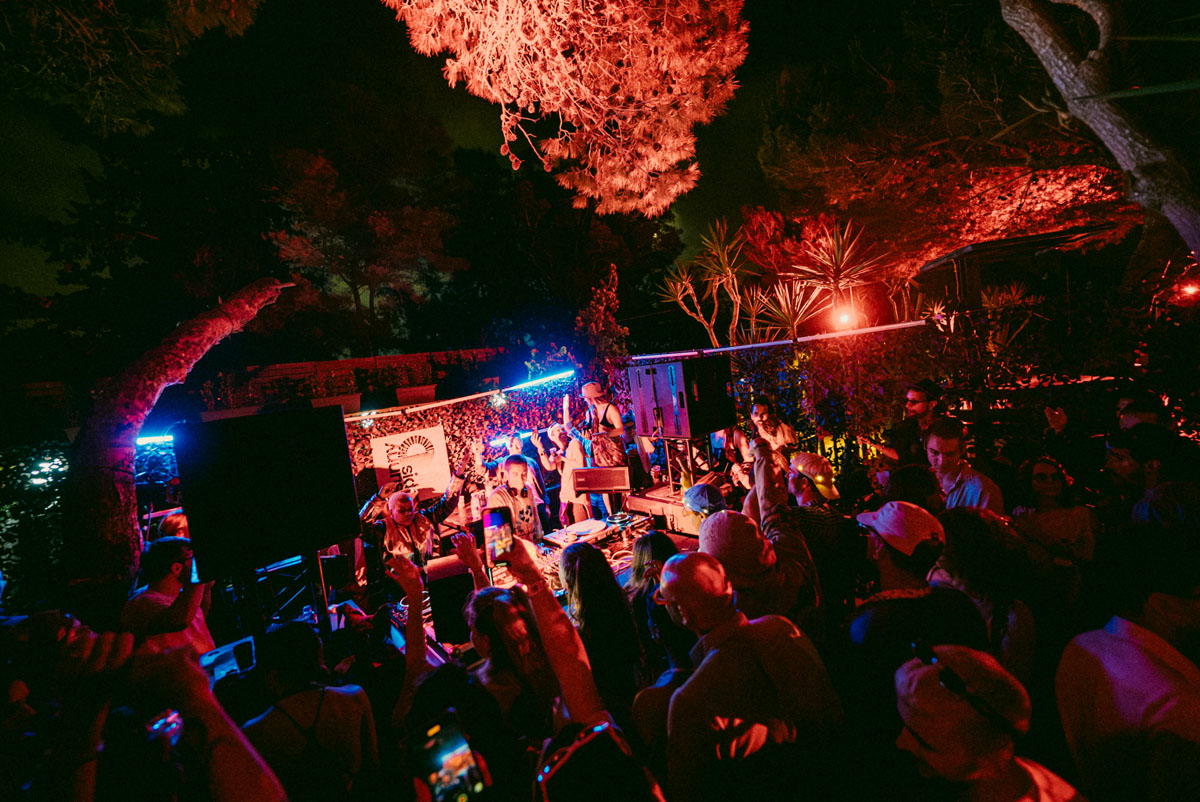
We added locations beyond the club, including a vineyard with sweeping views and a record store along a Maltese promenade overlooking Valletta. The beach party at Tortuga Beach continues, offering views of the Gozo Channel and one of the island’s most striking sunset spots. Boat parties remain part of the program as well, giving attendees a perspective of Malta from the sea.
Flow is shaped by the island’s scale and intimacy. Distances are short and communities overlap. Sunny Side Festival reflects this by encouraging movement between locations and shared presence rather than rigid stage separation. The event is designed to feel like a long Maltese day that gently turns into night.
“Programming is curated for coherence, not hype. Artists are selected for their ability to tell a story over time, not to deliver isolated peak moments”
EG: Many festivals focus on spectacle. Sunny Side Festival feels more about intention and intimacy. What kind of emotional or physical state do you hope people arrive in and leave with?
Sunny Side Festival: We hope people arrive calm and ready for fun, without feeling rushed. For 2026, we expanded the framework by adding an extra day on either side of the main three days. Thursday acts as a relaxed meet-and-greet, allowing people to ease into the experience and connect in an informal setting. Monday is reserved for our after-hours, giving space to solidify the connections made across the weekend rather than ending abruptly.
While the music itself is energetic and physical, Sunny Side Festival is not built around constant pressure or forced peak moments. Energy is allowed to build, stretch, and flow naturally over time.
When people leave, we want them to feel grounded and connected. Physically relaxed, mentally lighter, and emotionally fuller. The kind of tired that comes from sustained dancing, long conversations, shared meals, and extended time outdoors.
EG: The locations and layouts feel carefully chosen rather than stacked. How important is spatial design in shaping how people listen, move, and connect?
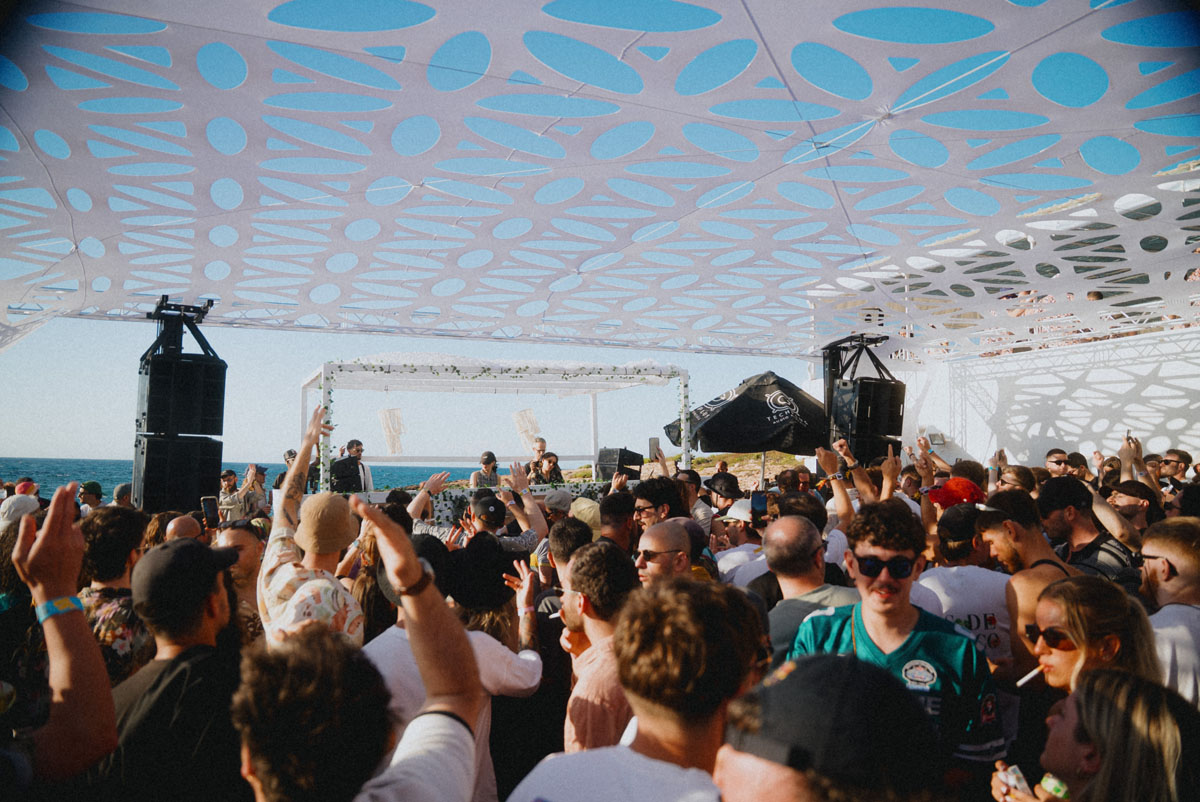
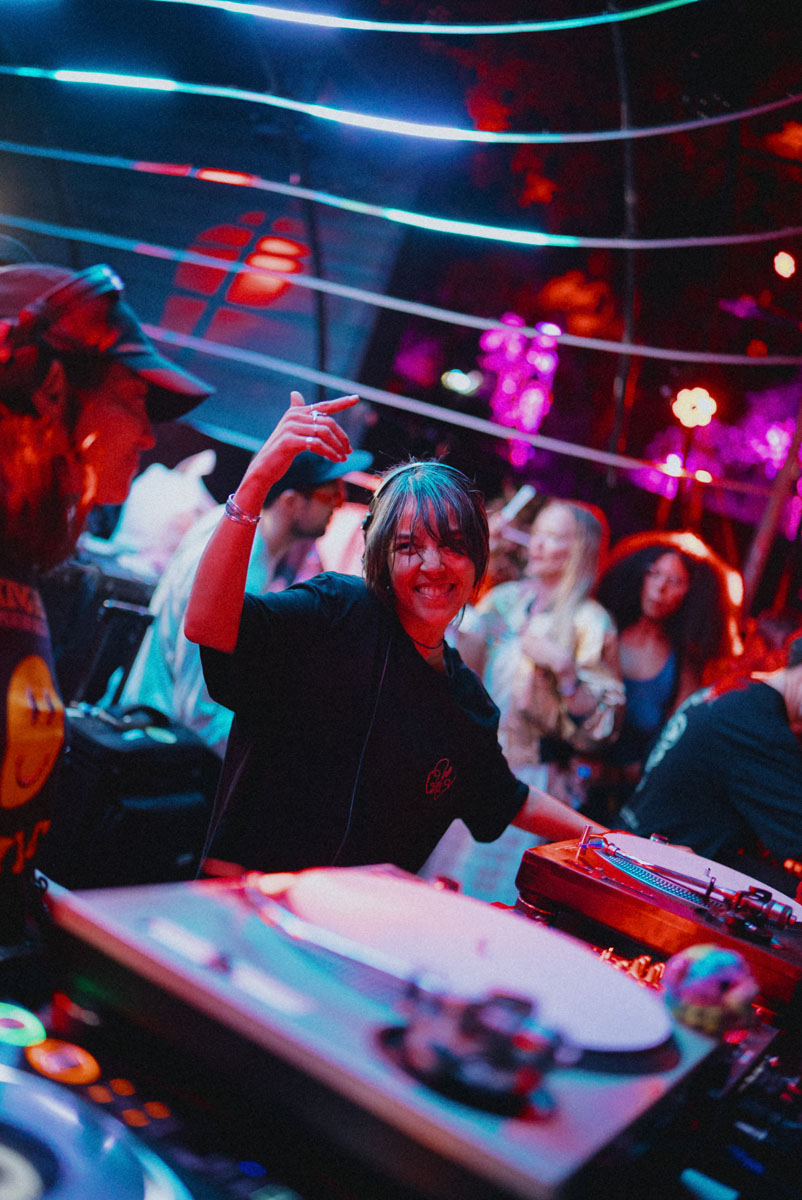
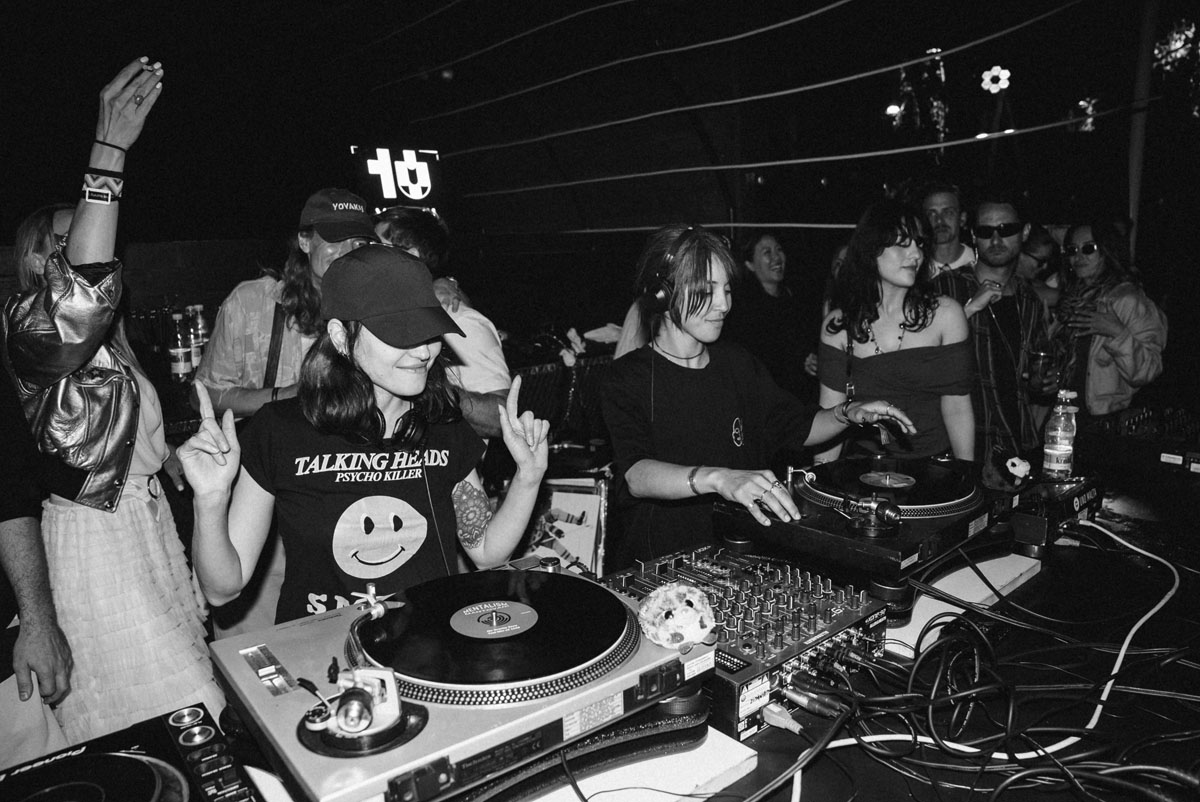
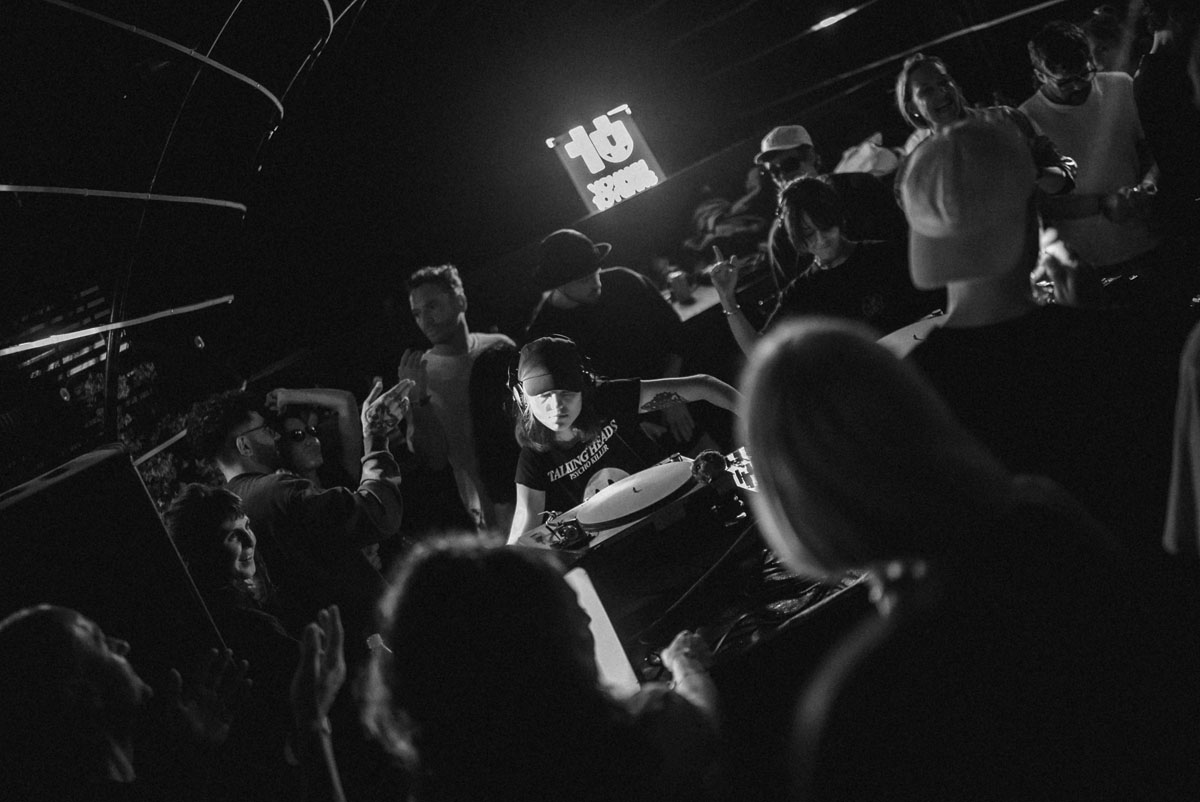
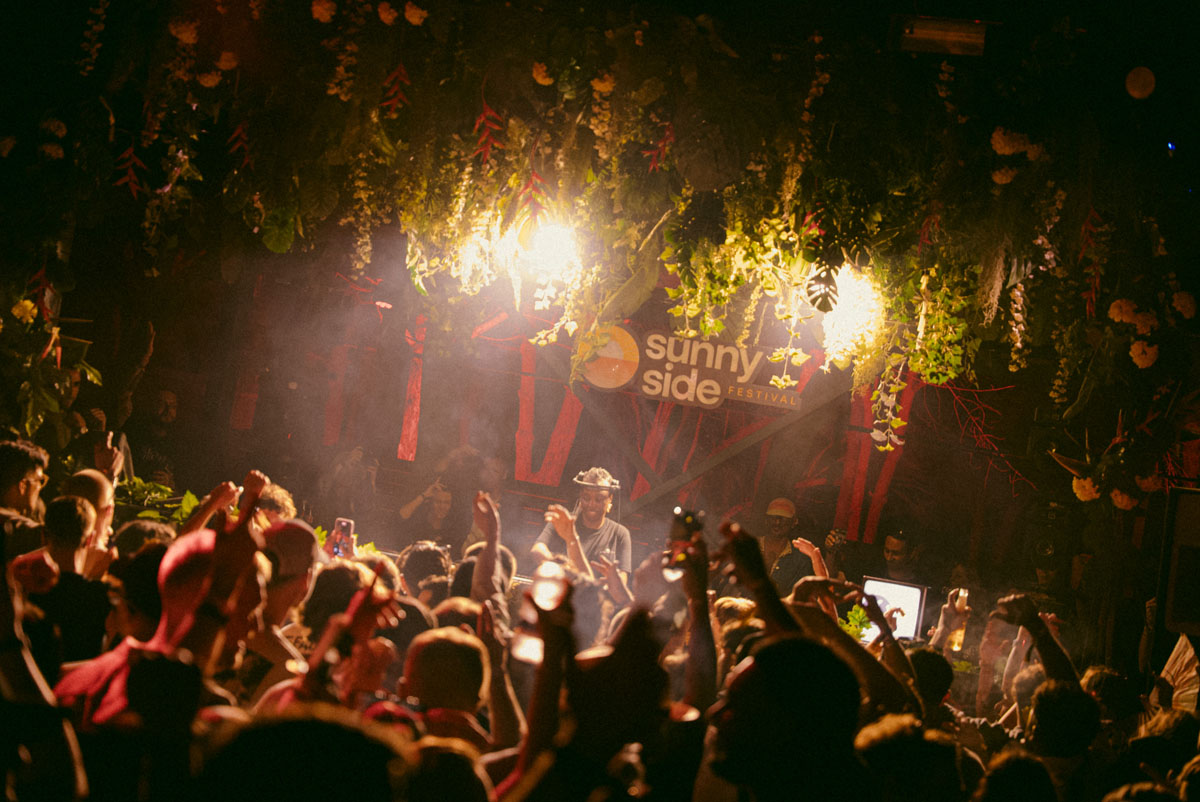
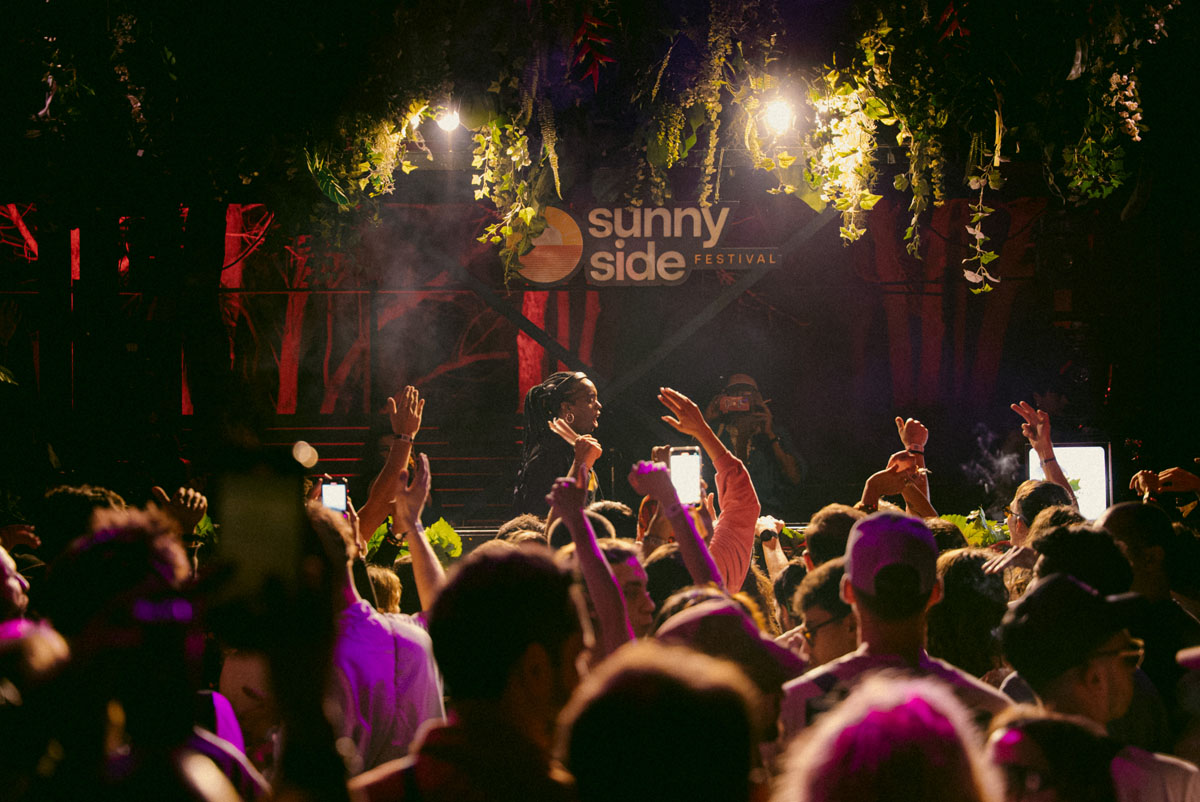
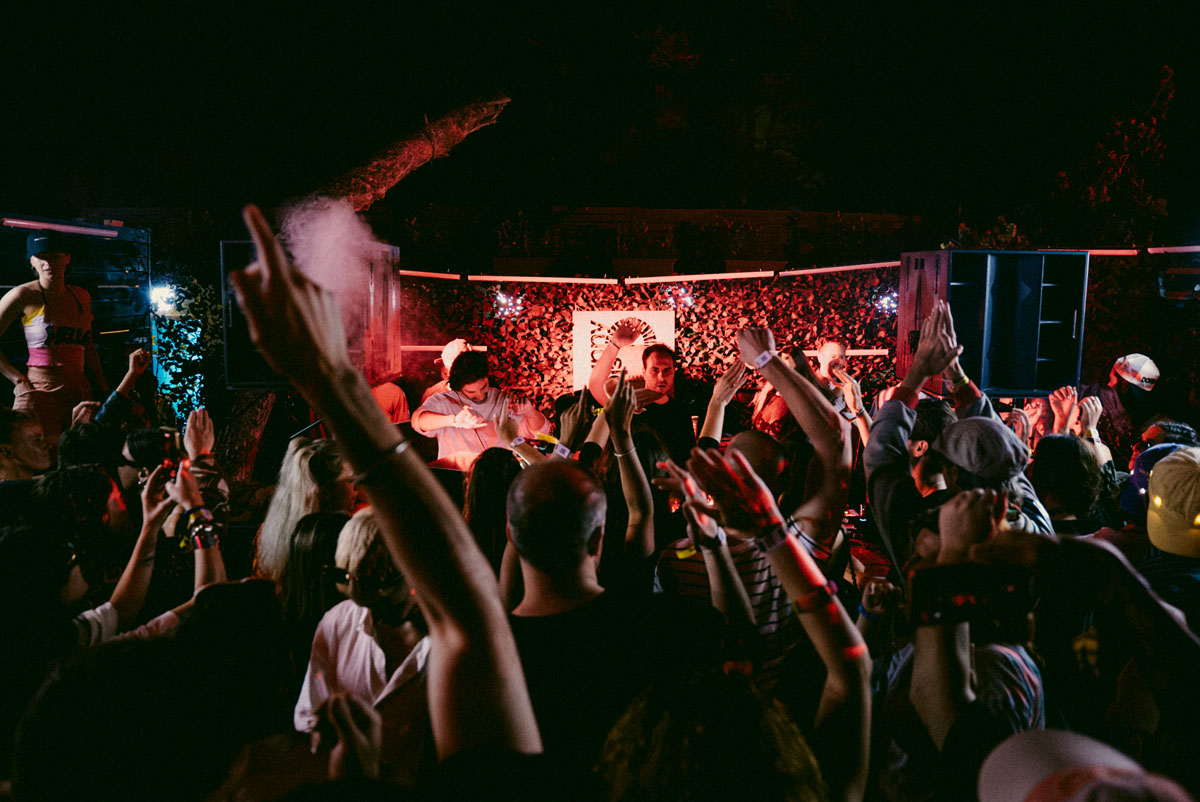
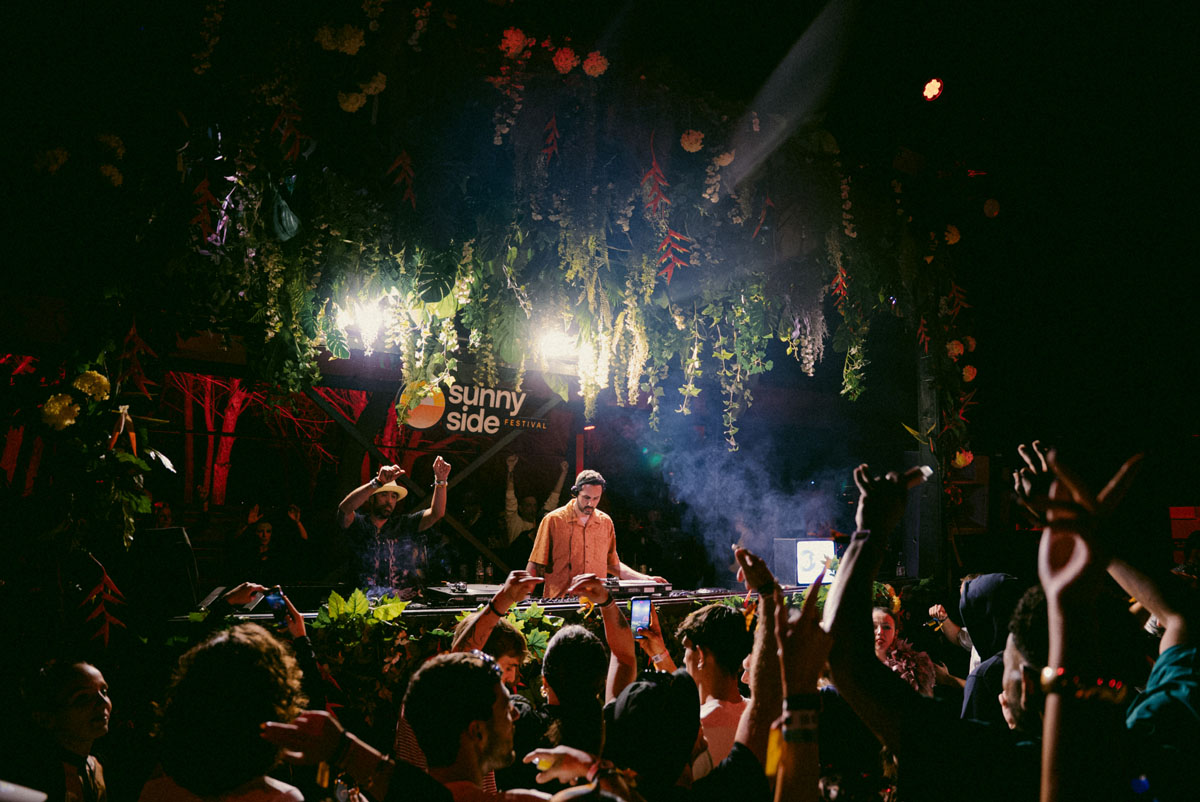
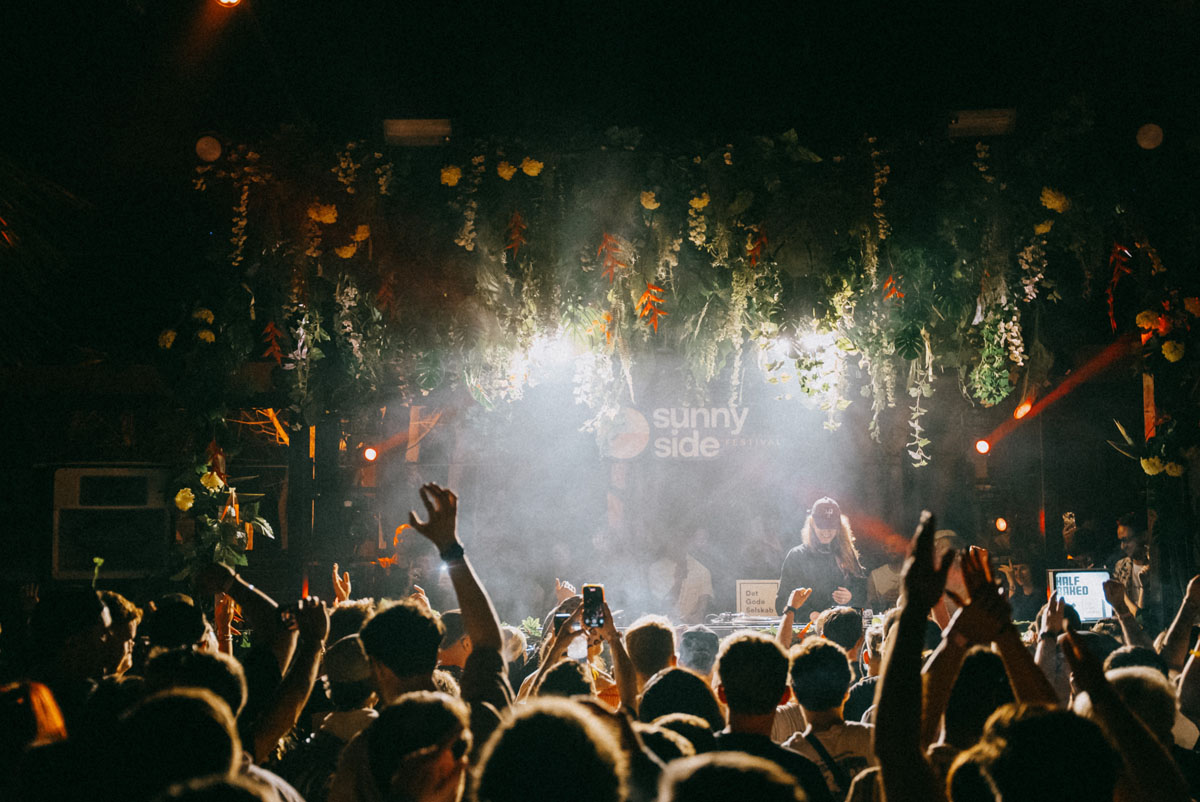
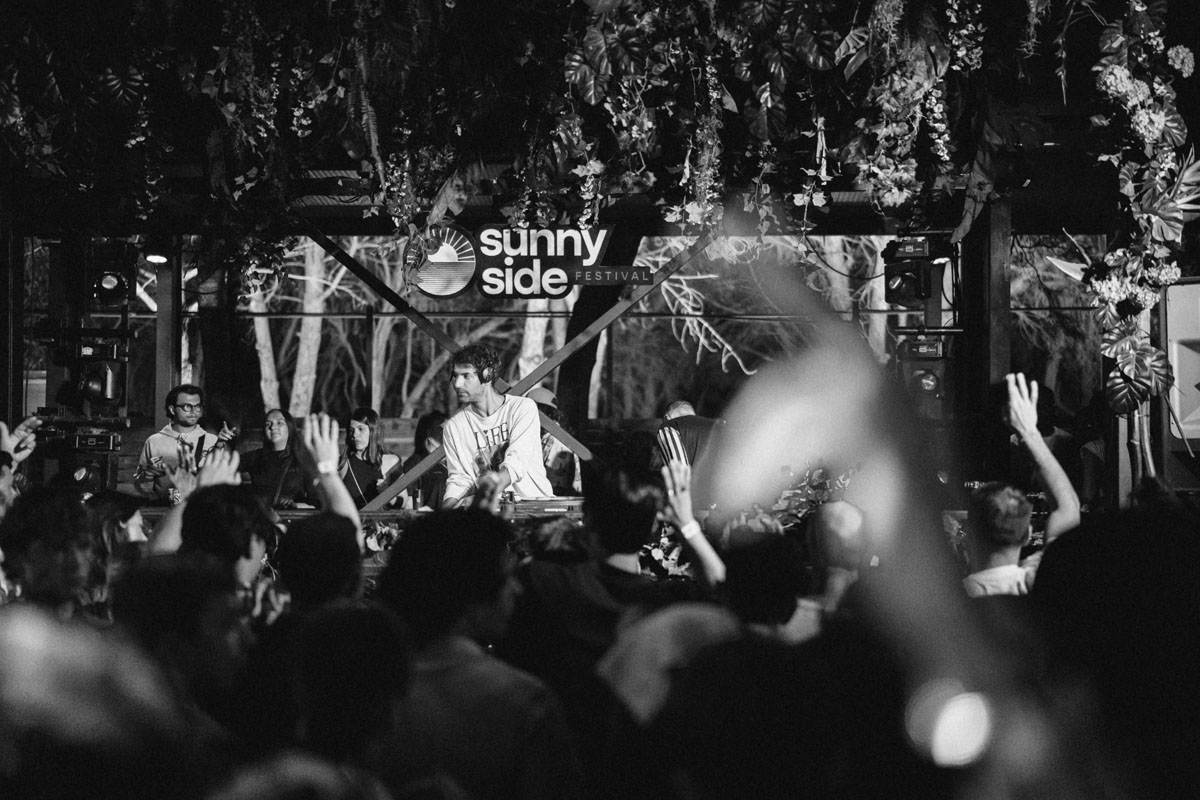
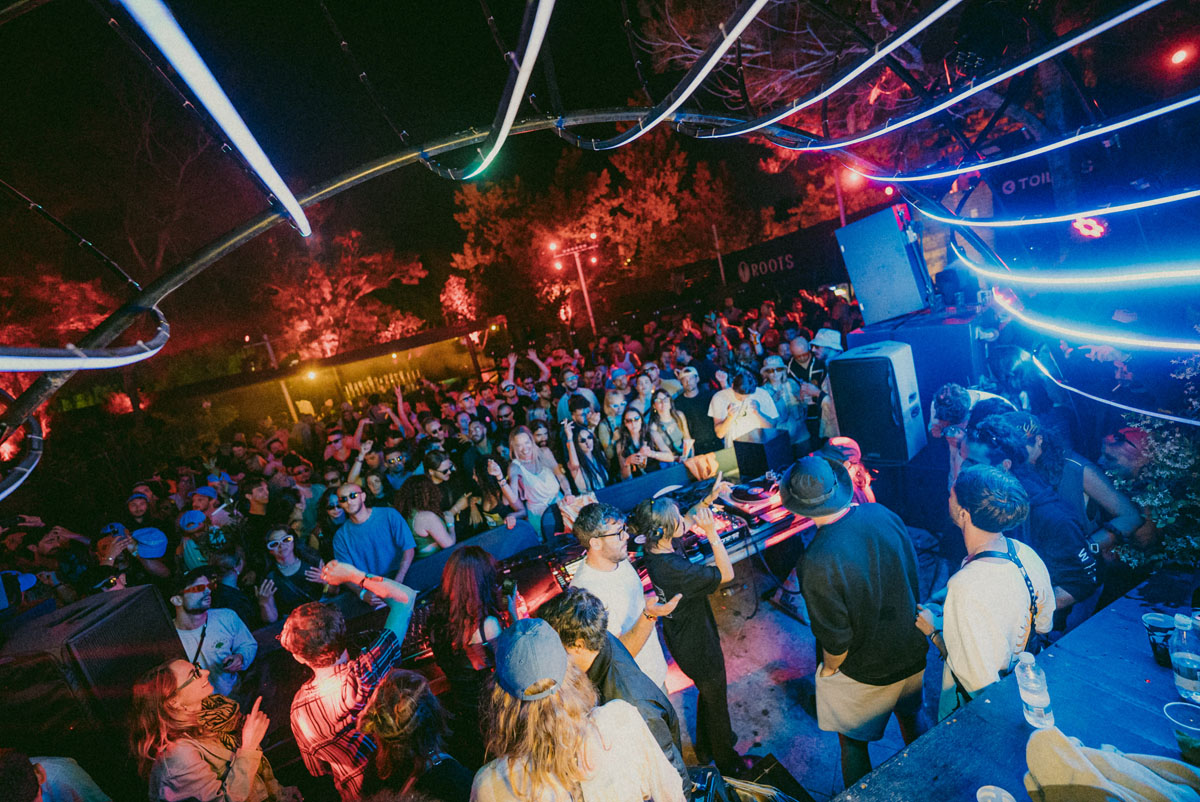
Sunny Side Festival: Spatial design is fundamental to how Sunny Side Festival functions. We see space as an active participant in the experience, not a neutral backdrop. Given our limited capacity, layout becomes even more important, as it allows us to gently guide people toward the dancefloors without making the experience feel forced or crowded.
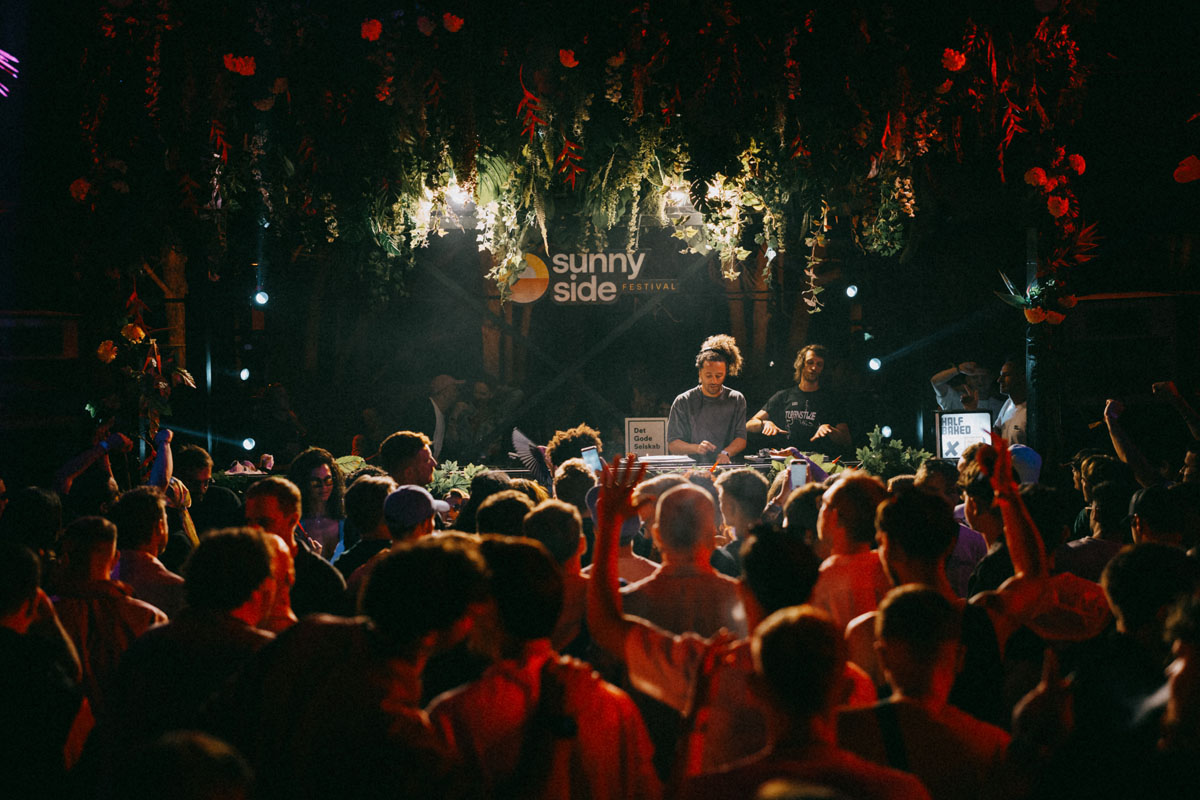
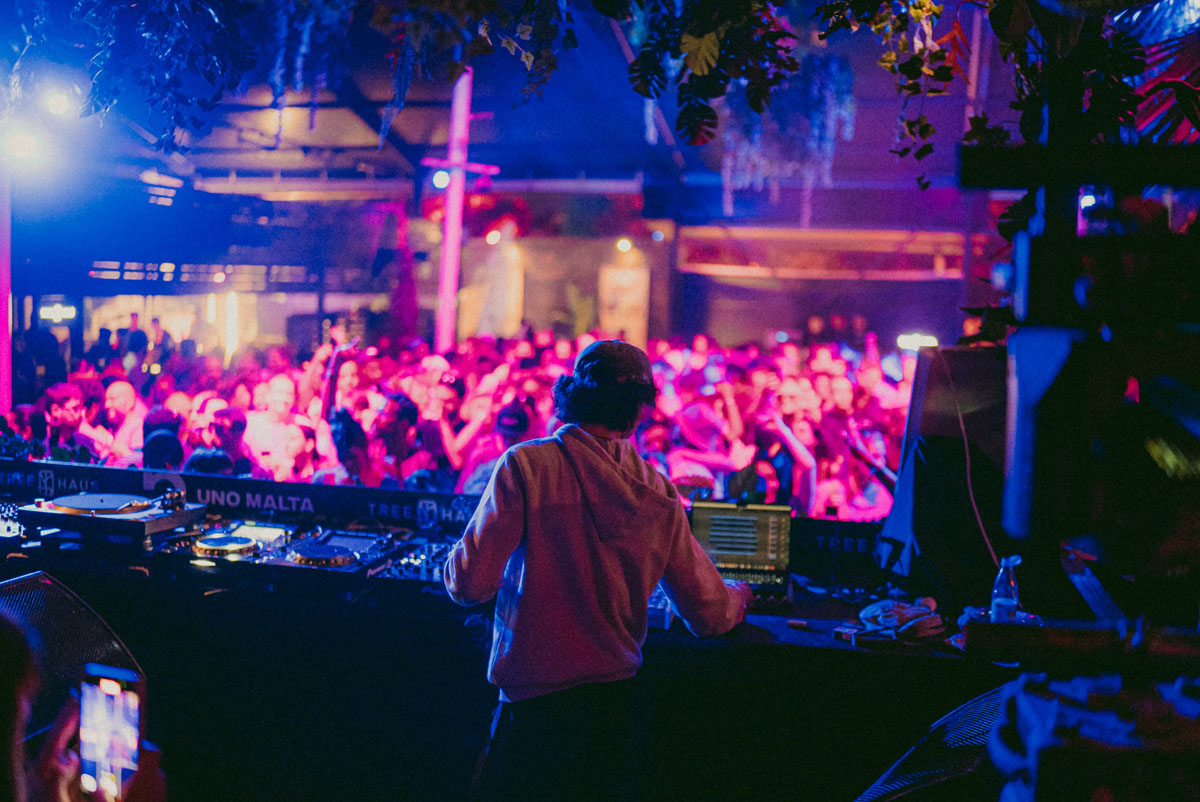
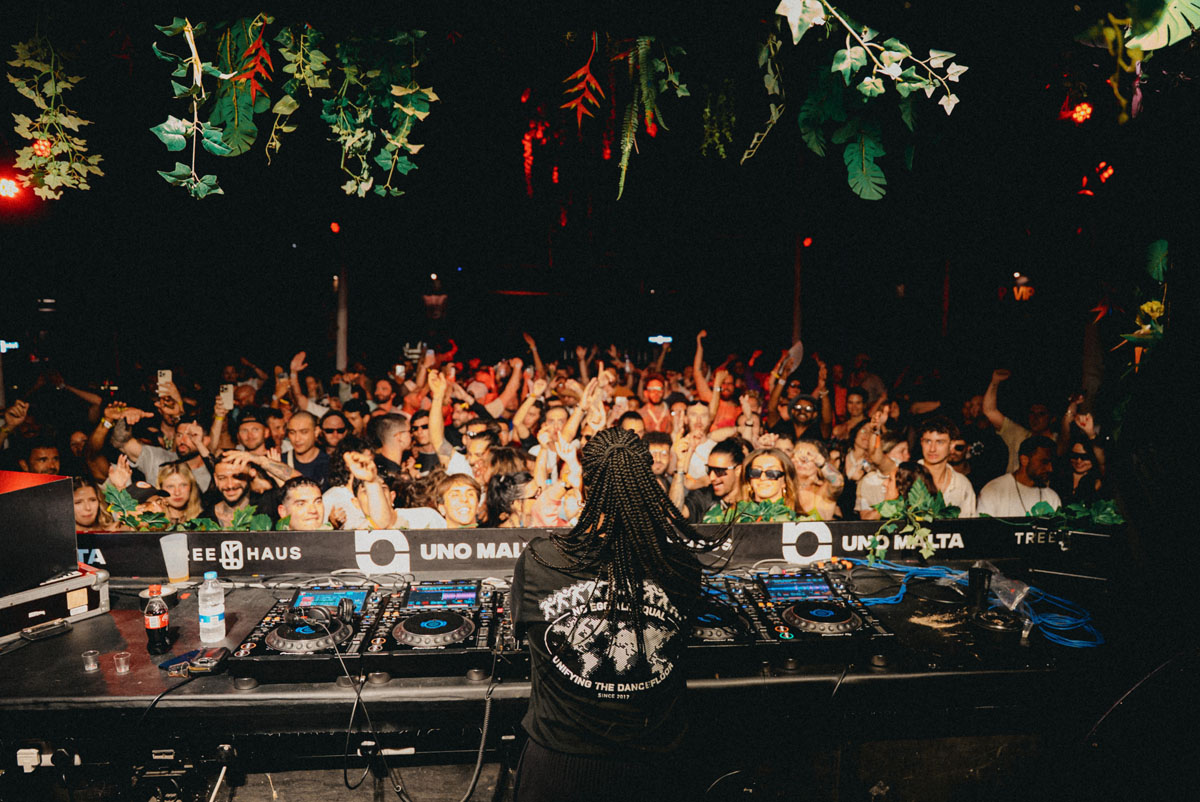
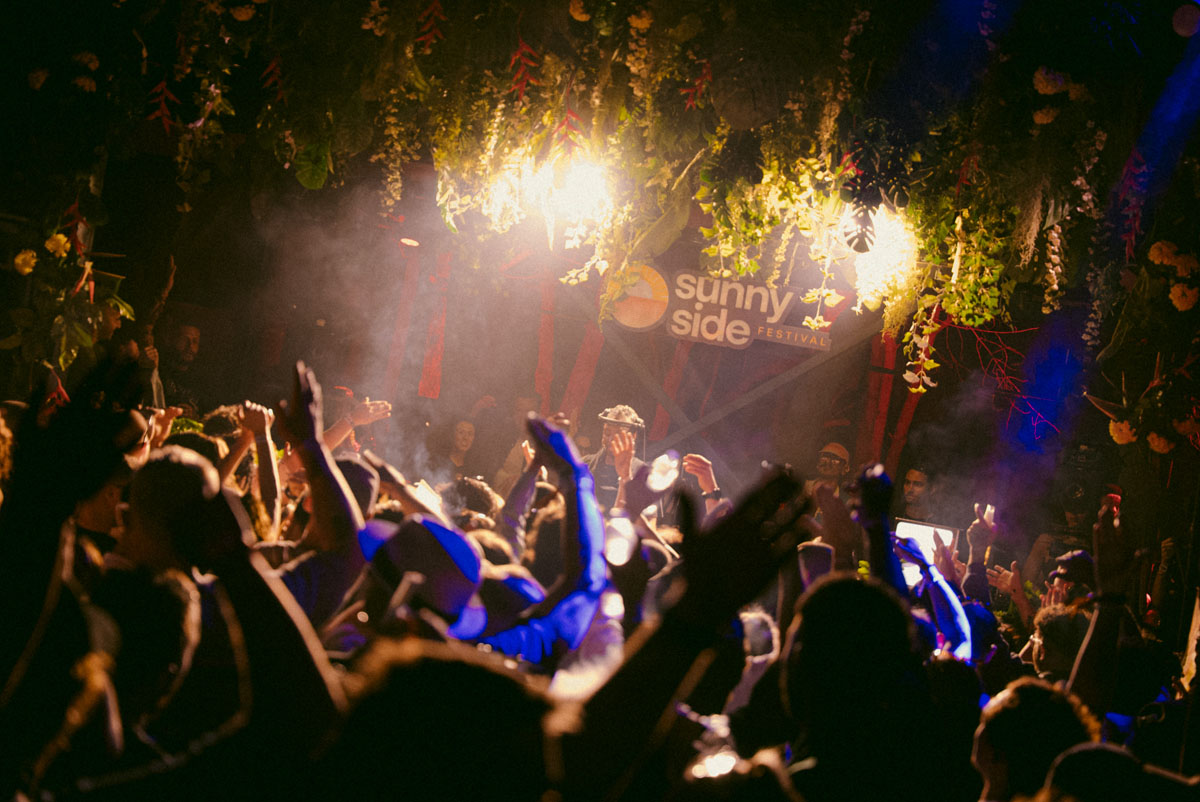
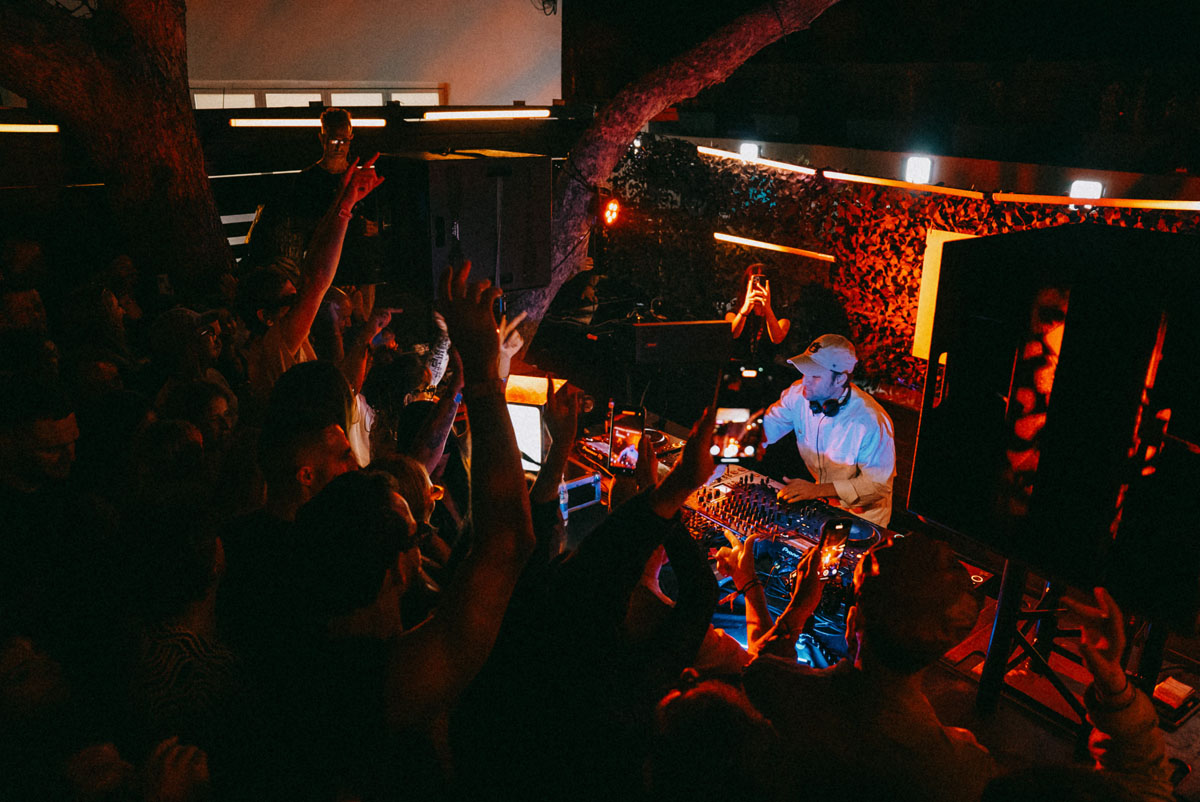
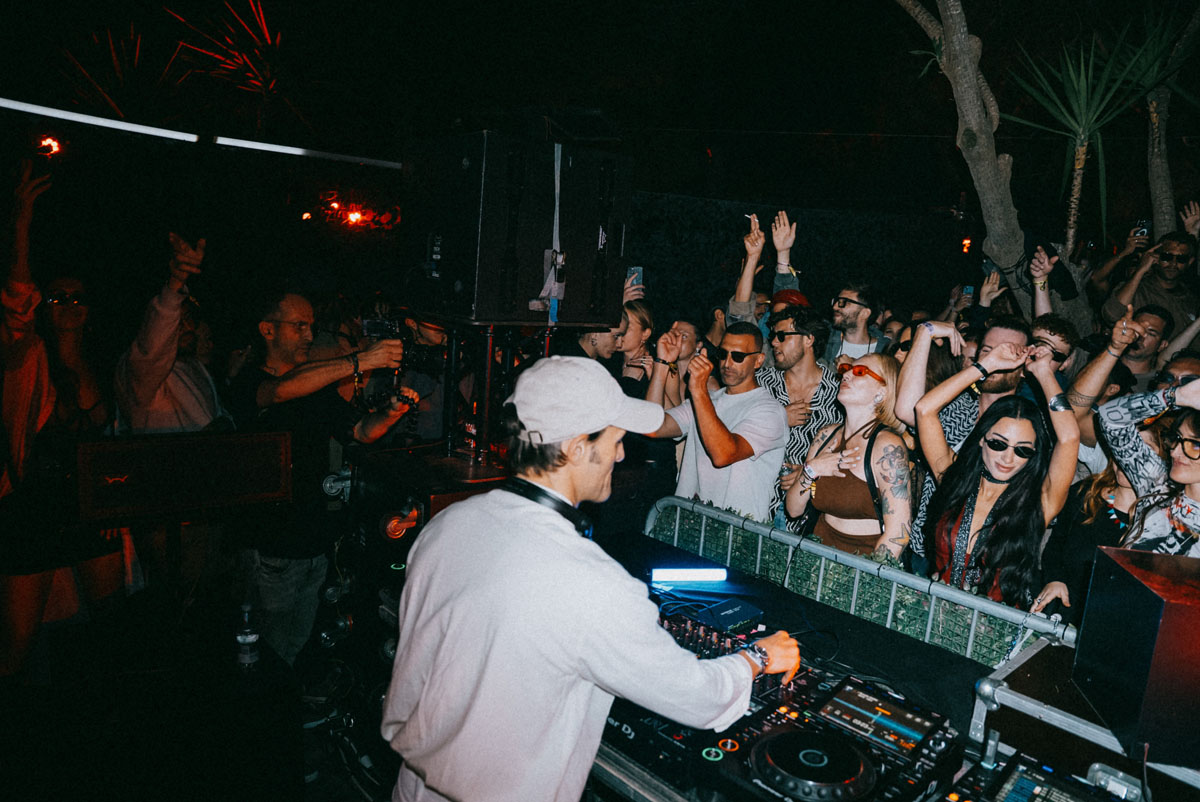
Rather than stacking stages or compressing people into a single focal point, we plan each location to encourage natural movement and flow. Dancefloors are clearly defined and central, while surrounding areas are shaped to support circulation, moments of pause, and social interaction. This helps people engage fully with the music while still feeling comfortable within the space.
The approach is iterative. Every year, we closely observe how people move, listen, and interact, and we take those learnings into the next edition. What works is refined, what creates friction is adjusted, and layouts evolve accordingly. Spatial design at Sunny Side Festival is never static. It is a living process that improves year after year.
EG: Rather than chasing trends, the programming feels rooted in trust and long-term musical values. What guides your decisions when selecting artists for this kind of setting?
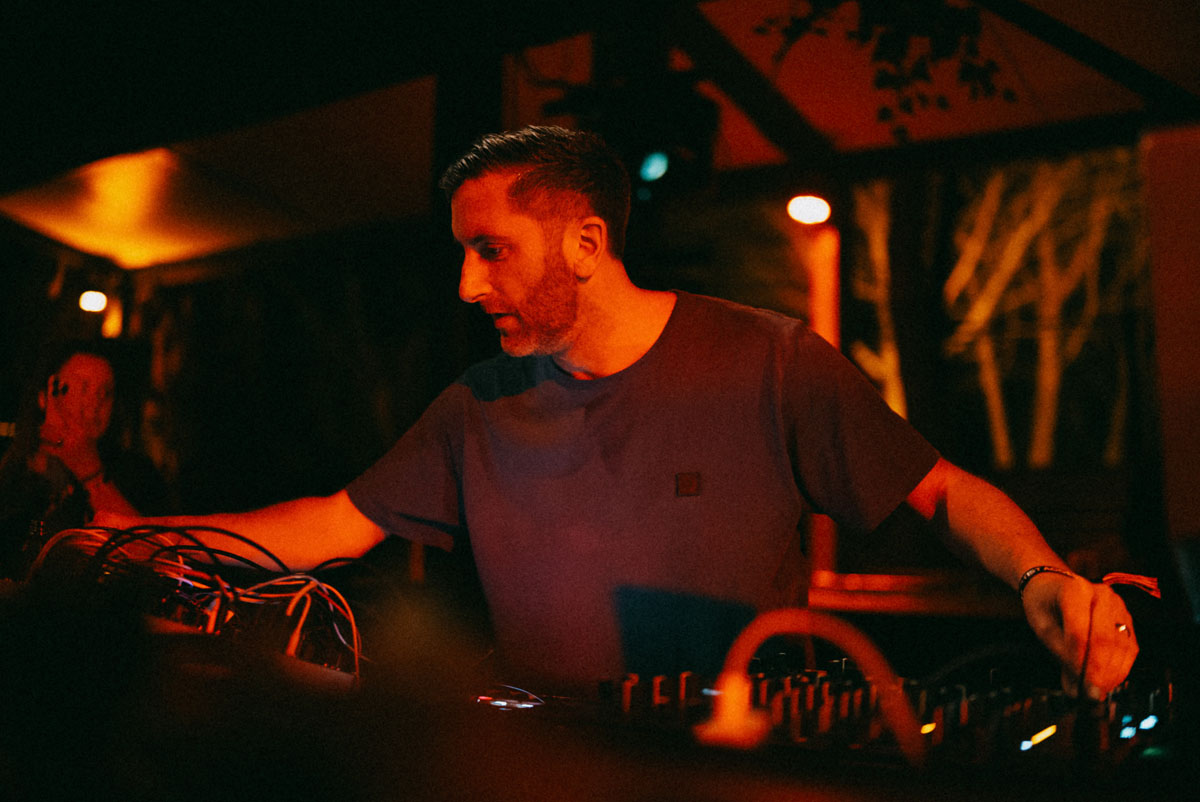
Sunny Side Festival: Programming at Sunny Side Festival is guided first and foremost by trust, both in the artists and in the audience. We are less interested in who is trending in a given moment and more focused on artists who have demonstrated consistency, curiosity, and integrity over time. Many of the names in our lineup are artists we trust to read a room, respect a context, and play with intention rather than ego.
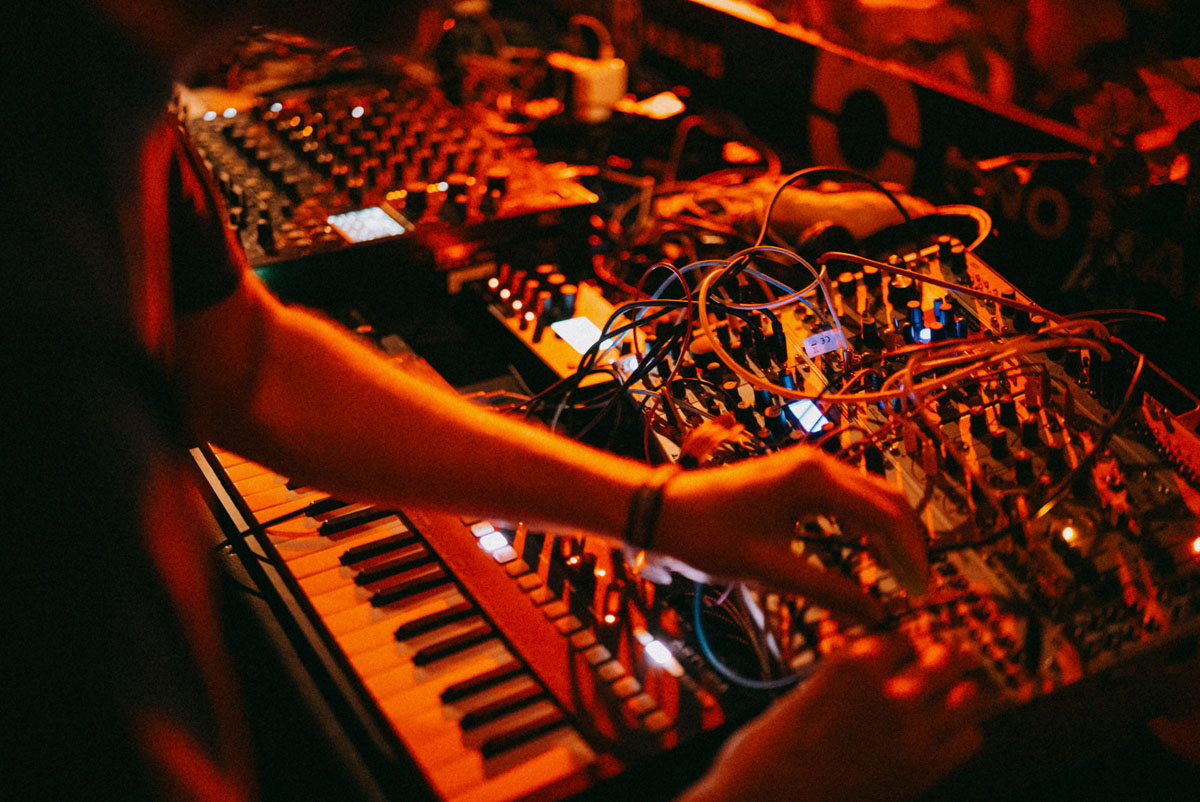
Context is everything for us. We select artists not only for their sound, but for how they behave within a long arc, a daytime setting, an intimate dancefloor, or a multi-day journey. We value DJs and live acts who understand dynamics and storytelling, and who are comfortable letting energy grow organically rather than forcing it.
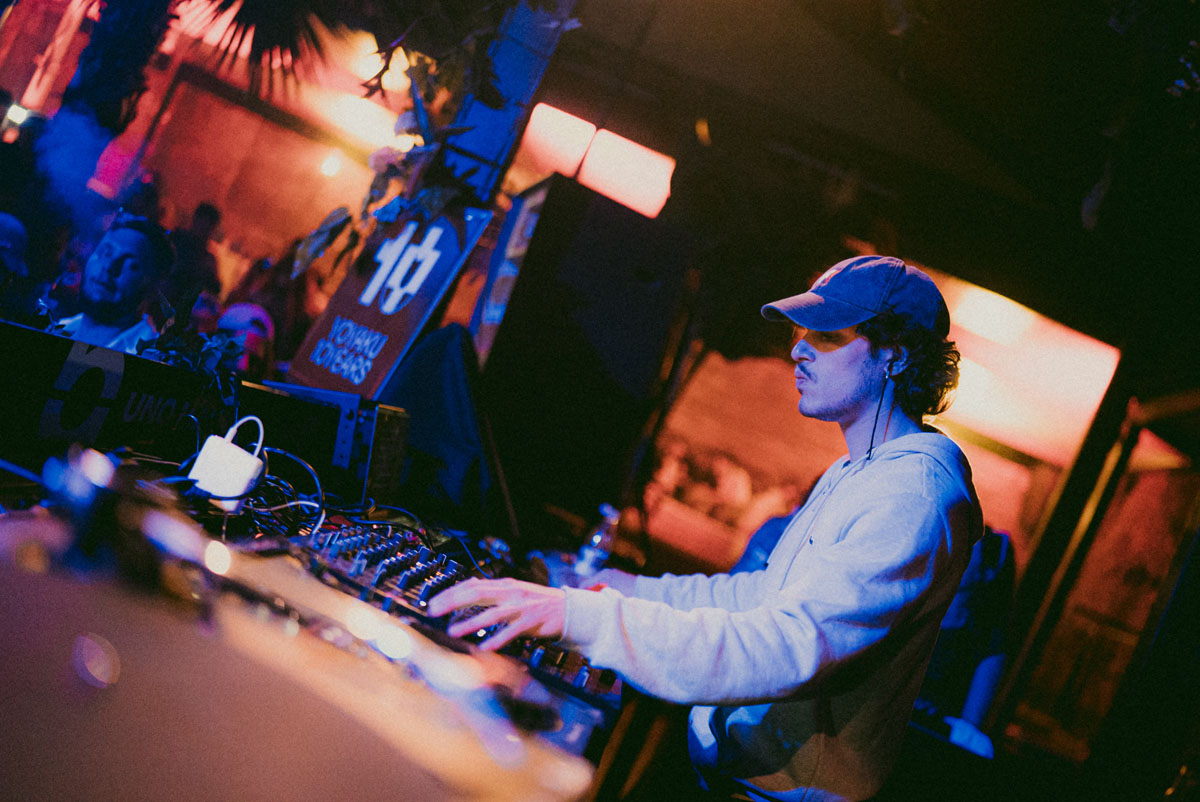
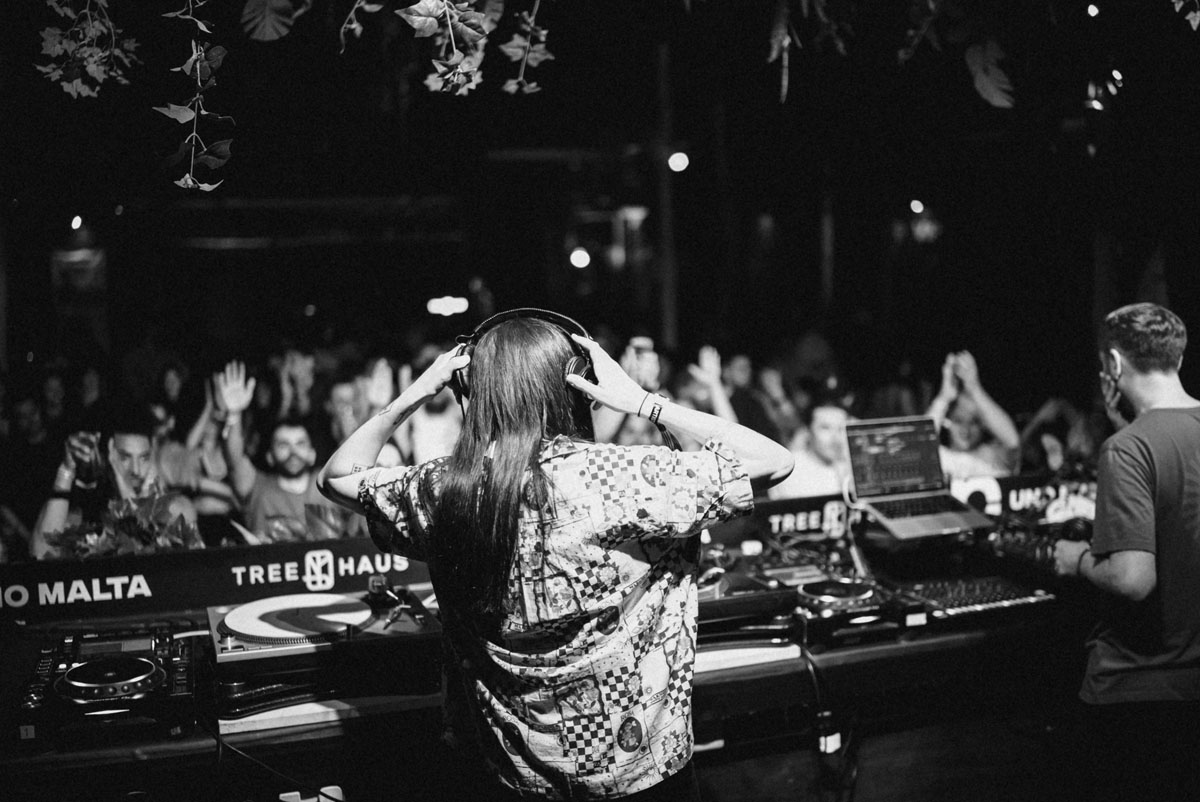
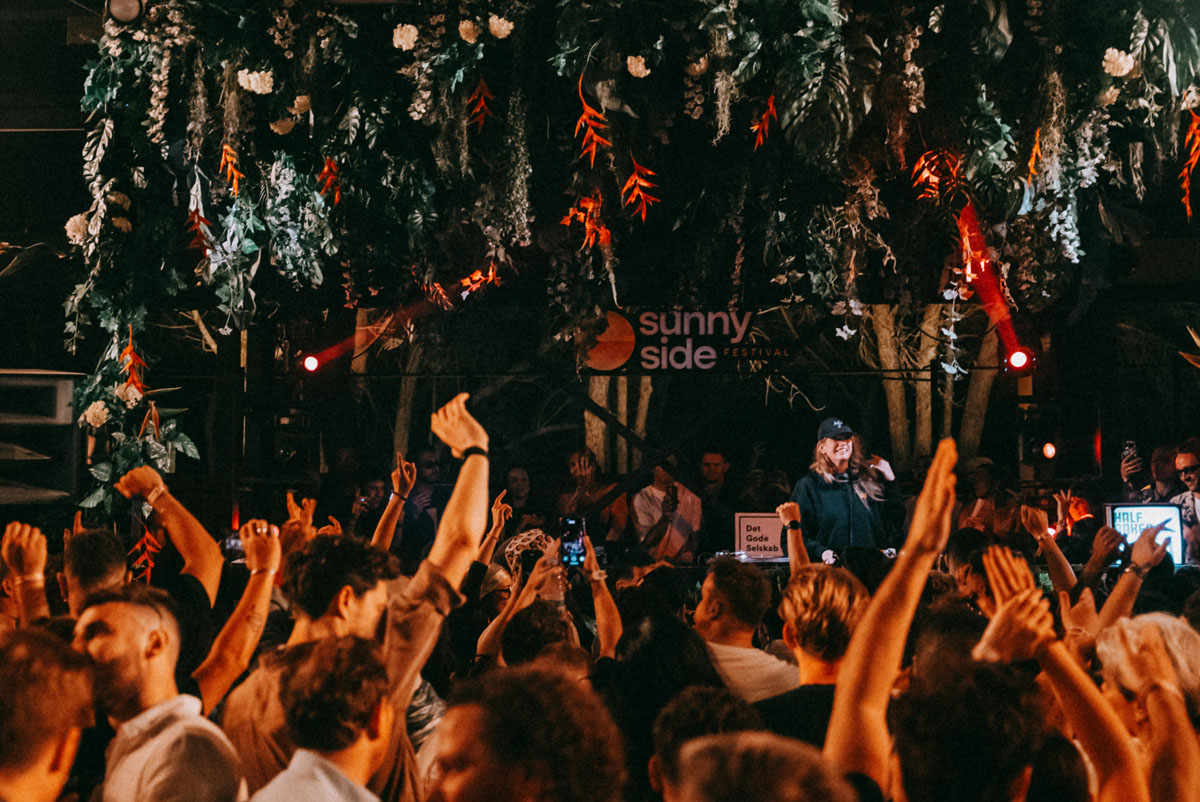
We also work closely with various stage partners including Yoyaku, SlapFunk, VBX, Half Baked, and Love on the Rocks, among others. Each brings a distinct musical identity and curatorial voice. Lineups are built in collaboration, allowing each stage to reflect a specific sound while sitting comfortably within the overall musical direction of the festival.
Long-term musical values matter more than short-term relevance. Many of the artists we book have deep roots in their scenes and strong identities that have evolved over the years. That continuity translates directly to the dancefloor.
EG: There is a strong sense of daylight, nature, and openness across the program. How does time of day influence the way you think about music and shared experiences?
Sunny Side Festival: Time of day is one of the most important curatorial tools we have. Daylight, landscape, and natural surroundings change how people listen, move, and relate to one another, and we design the program with those shifts in mind.
During the day, especially in outdoor settings, music is about openness and flow. Sounds can be warmer and more spacious, allowing people to connect through conversation, shared meals, and dancing that feels social rather than confrontational.
As the day progresses and light fades, energy naturally tightens and focus shifts inward. Music can become deeper and more immersive without losing clarity. Because people have already spent hours together in open settings, the connection on the dancefloor feels stronger when intensity increases.
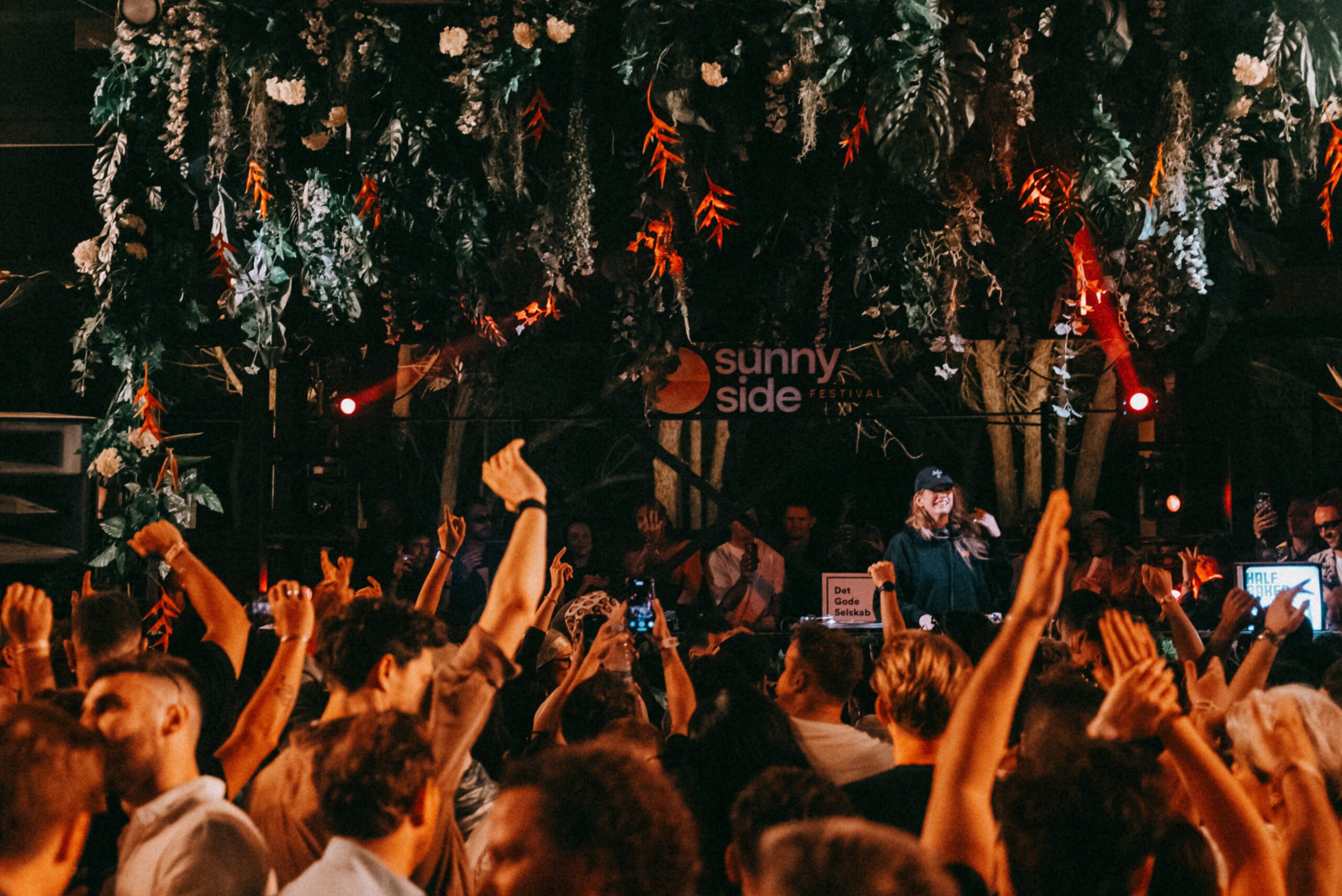
EG: Community seems to be a recurring thread, not just on the dancefloor but behind the scenes as well. How do you define community in the context of a festival like this?
Sunny Side Festival: For us, community is not limited by geography or a specific scene. While the festival is rooted in Malta, a significant part of our audience comes from diverse international communities who travel to be part of the experience.
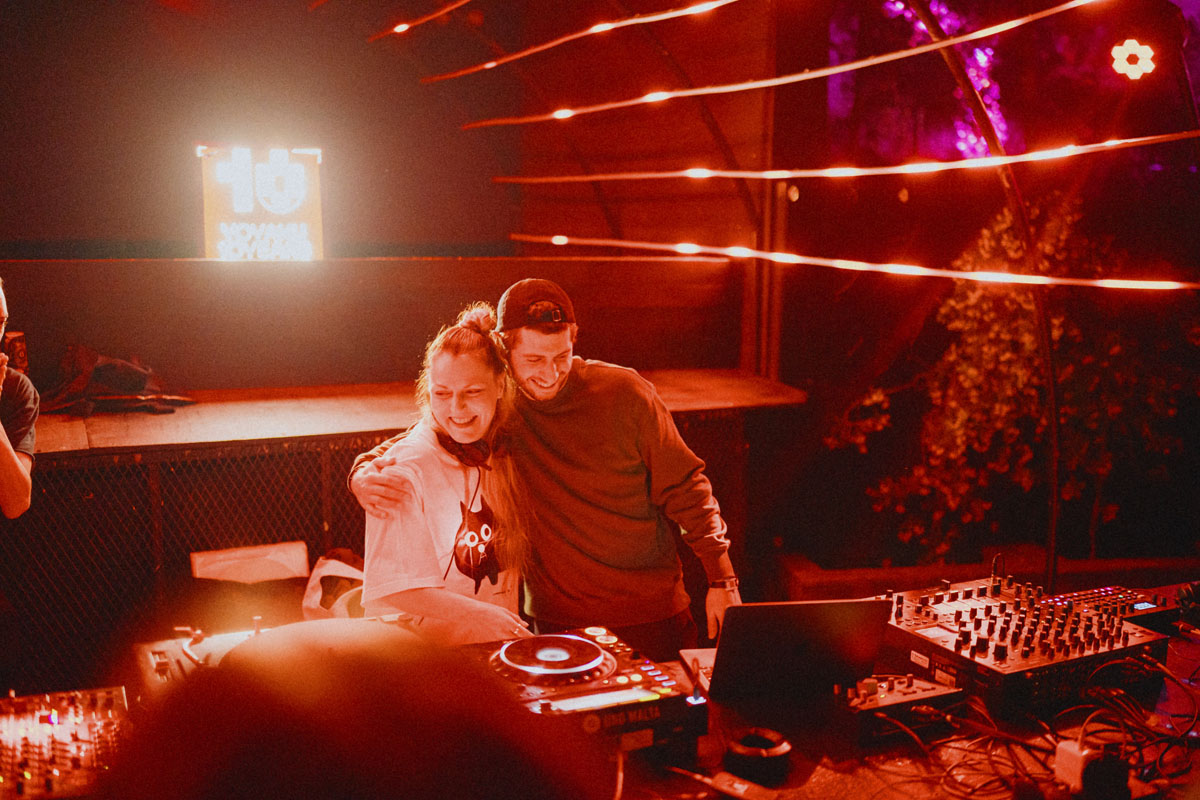
Behind the scenes, community means building long-term relationships with local crews, venues, artists, and partners, while maintaining ties with international collectives and labels. Many of these connections have formed over years of collaboration and trust.
On the dancefloor, community is about creating a space where locals and international guests blend naturally. There is no separation between insiders and outsiders. Familiar faces, first-timers, and visitors from different countries share the same floors and conversations.
Ultimately, community at Sunny Side Festival is about connection beyond borders.
EG: From sound systems to hospitality, details matter at this scale. What are some elements people might not consciously notice but are essential to the overall feeling?
Sunny Side Festival: At this scale, the most important elements are often the ones people do not actively think about. If they are not consciously noticing them, it usually means they are working as intended.
Sound is about clarity, balance, and comfort over long hours. The way a system is tuned for a specific space, the direction it faces, and how it interacts with the surroundings all affect how people move and how long they want to stay.
Hospitality plays a similar role. How people are welcomed, how staff communicate, and how easy it is to find beverages, food, or a place to rest all shape the emotional tone of the experience.
Lighting that complements the environment, set times that respect energy levels, and the way the weekend begins and ends all contribute to a sense of ease and coherence.
EG: As someone deeply involved in shaping the project, Danny has mentioned the importance of creating safe and comfortable spaces. What does safety mean to you in a modern festival context?
Sunny Side Festival: For us, safety goes far beyond security or control. It is about creating an environment where people feel comfortable being themselves, both physically and emotionally, without fear of judgment or exclusion.
On a practical level, safety means clear communication, well-trained staff, visible but approachable security, and spaces that are easy to navigate. It also means access to water, rest areas, and medical support when needed.
Equally important is social safety. We set clear expectations around respect, consent, and behaviour, and ensure these values are reflected by staff, artists, and partners. Care is expressed through presence rather than authority.
When people trust the environment, they feel free to connect and fully engage with the experience.
EG: Looking beyond this third edition, what values do you feel are non-negotiable for Sunny Side Festival as it evolves?
Sunny Side Festival: As Sunny Side Festival evolves, several core values remain non-negotiable.
First is intention over scale. Growth is only meaningful if it protects the atmosphere and human connection that define the festival. Every decision has to serve the experience. Second is respect for context. That means respecting Malta, its locations, and its communities, as well as the time of day and the music being played.
Musical integrity is also essential. Programming will continue to be guided by trust and long-term values rather than trends. Care is equally non-negotiable. Care for the audience, the artists, the crew, and the environment.
Finally, community continuity matters. Long-term relationships give Sunny Side Festival its character.
EG: If someone were to remember just one feeling from Sunny Side Festival, what would you hope that feeling to be?
Sunny Side Festival: We would hope the lasting feeling is one of belonging, paired with a sense of longing for more and trust in our curation. A feeling that everything flowed naturally, that the music carried the experience with intention, and that time passed without unnecessary friction.
If that feeling lingers after they leave, not as a single peak moment but as a warm, continuous hum shaped by music, space, and shared moments, then Sunny Side Festival has done its job.
EG: Thanks for the time, and we cannot wait to be in Malta!
Sunny Side Festival: Thank you, we cannot wait to welcome everyone to Malta. See you on the Sunny Side.
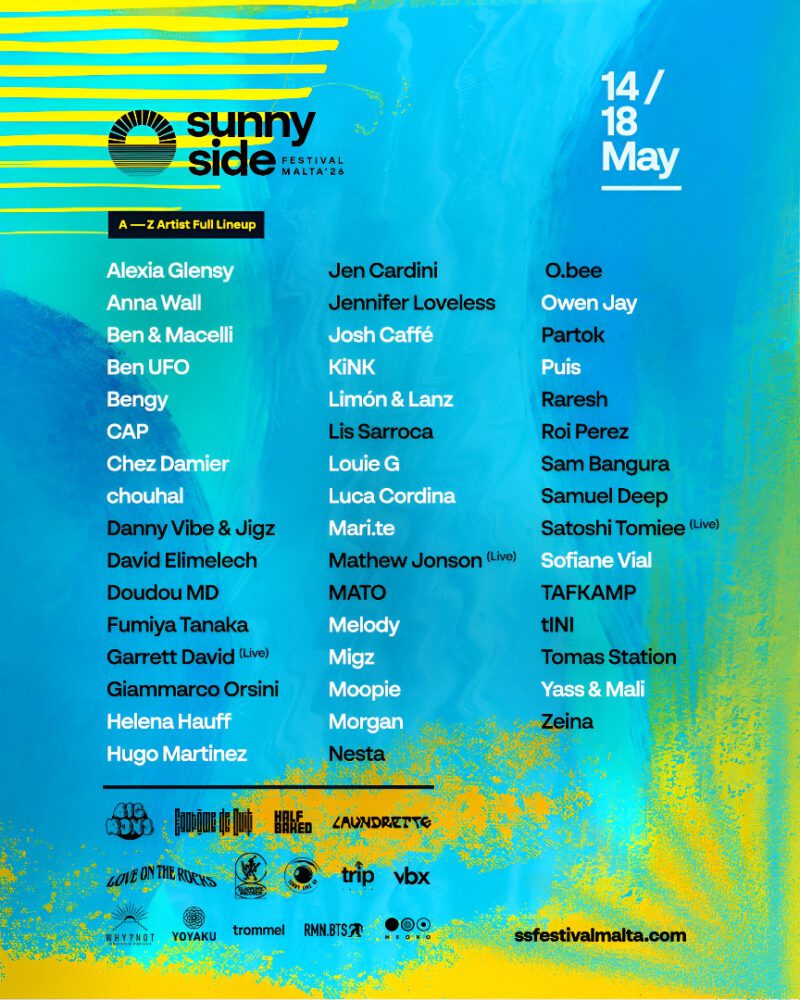 Sunny Side Festival is set for May 14th–18th, 2026, in Malta. More information and tickets are available here.