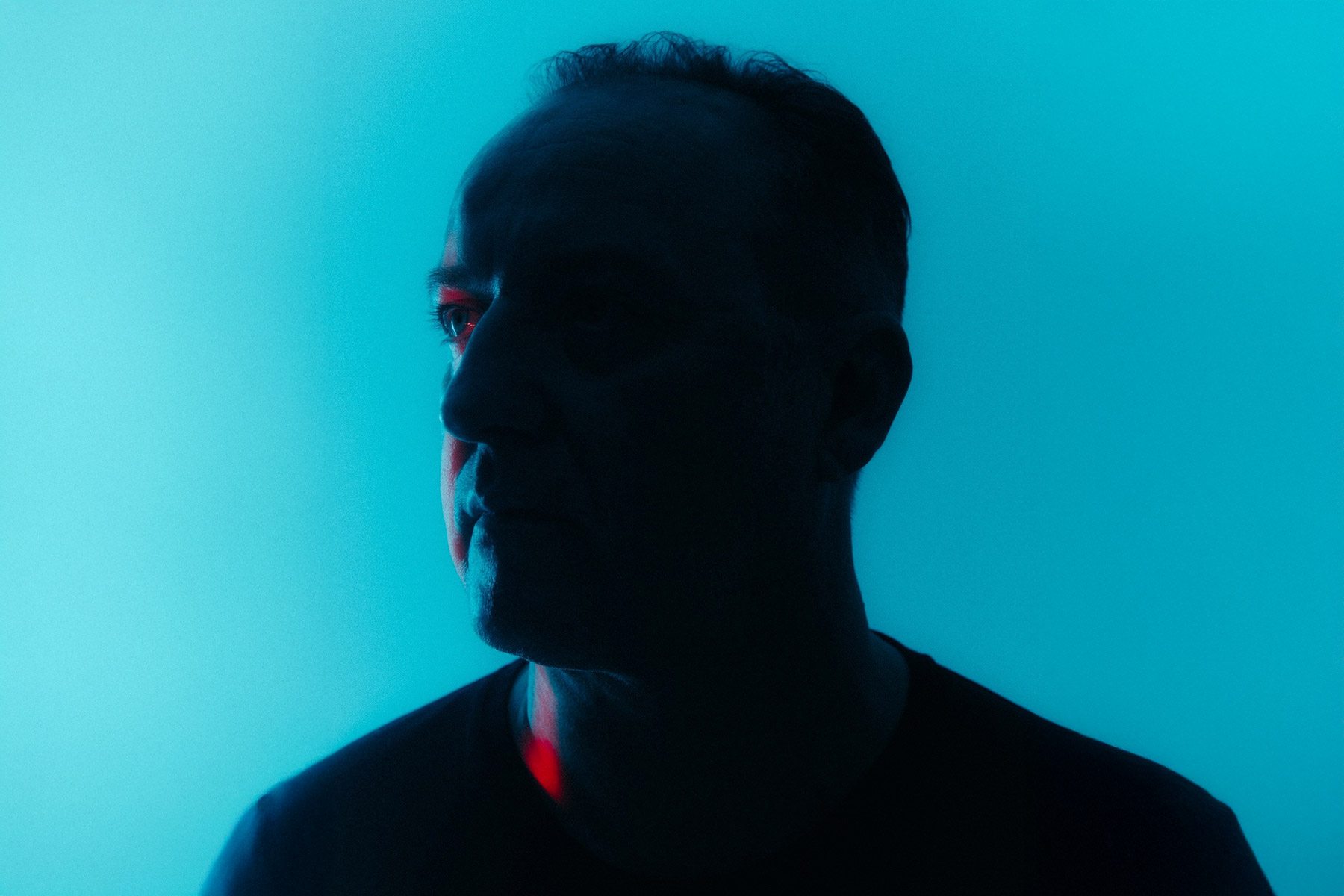
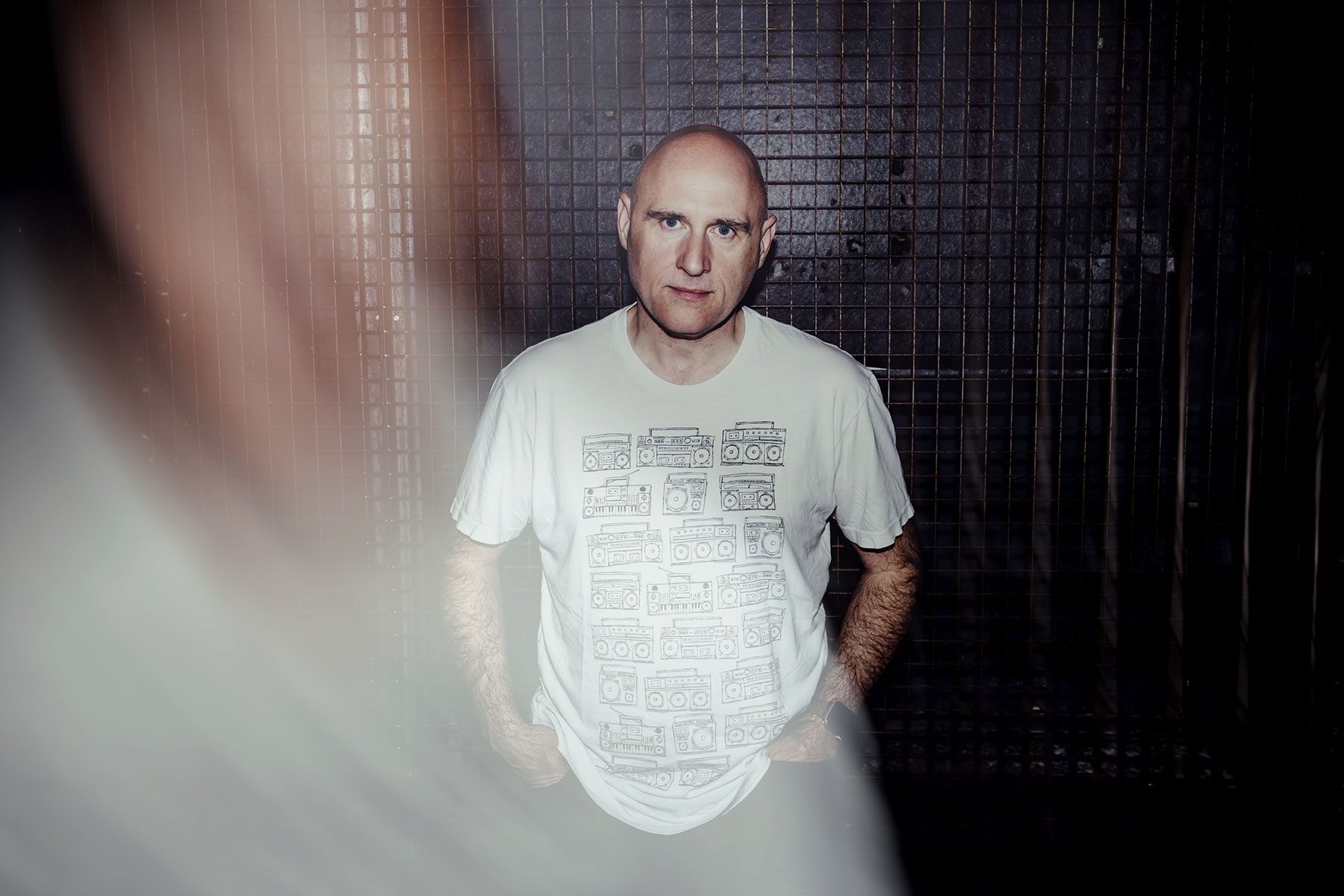
Few artists have maintained the consistency, versatility, and longevity of Vince Watson. Celebrating 30 years in house and techno, the Scottish producer has built a catalogue spanning more than 1,000 tracks, over 250 EPs, 18 albums, and countless remixes across some of electronic music’s most respected labels.
Photo credit: Vince Watson – Official
Beyond his work as Vince Watson, he has also explored different sonic territories through aliases such as Amorphic and Quart, with a new project, FREQ, set to launch in 2026.
Alongside a touring career that has taken him to venues including Berghain, Womb Tokyo, Space Ibiza, and 909 Festival, Watson is also a Senior Degree Lecturer at the Conservatorium van Amsterdam’s electronic music school, where he teaches production, DJing, remixing, and artist development.
Drawing on three decades of studio experience and the release of his latest EP, ‘The Awakening / Flashback’, Watson shares five practical tips for producers looking to bring more depth, movement, and personality into their music.
1. Recording Automation Takes (While Standing Up)
One thing about using plugins that it completely removes the instinctive humanisation from the music too easily. Yes, we can all assign any MIDI parameter to any MIDI controller and make some automations, but I see all too often in younger producers’ productions that a few simple automations, copied and pasted over the entire part, and the job is done… erm, no. This is how you create music that doesn’t last the test of time, has no life, and creates a sense of repetition too easily for the mind.
The solution is to jam out many times while playing the track back (in context, not in solo) and trying different expressive automation takes. This brings your tracks alive and feels more human again… and do this all while expressing your body and standing up, not sitting crouched on a gaming chair in the studio. If you move, the music moves with you.
2. Layering
I might be an extreme example, but I go to great lengths to layer as many of my sounds as possible to create depth, dynamics, movement, and warmth. Whether it’s a pad for atmosphere or a bassline, I like to make sure I have more than one sound doing the heavy lifting on fundamental elements of a track.
For example, split your bass sounds up, use a sub for the weight, and remove the subs from the original bass sound just enough to let the balance between them give you weight and punch. This also gives you infinite control over the low end as opposed to only using one bass sound and trying to make it work.
Likewise, if I’m using a pad, I’ll transpose a copy of it at low volume or add lower harmonics by copying an octave down and having that at low levels, then automating the filters on them independently to create even more subtle but very effective moments.
3. Stop Cutting and Boosting Everything
As the title suggests… the fascination of boosting and cutting every track at the same places needs to stop. Yes, there are some fundamentals to take care of, but removing something because you might hear it is not logical.
I see so much music with a lack of energy because it has been sculpted and messed around with with too much precision, and the EQ looks like Mount Everest. Let the warmth remain as much as possible, and ask yourself, does it sound better with or without a low cut at 25–35Hz?
We entered the -4 LUFS loudness war a while ago, but it would be nice to hear some dynamics in music again. This fascination with brick wall music does not allow your elements to breathe in any way. Try taking the brick wall off your master chain and let it out.
4. Inversions
Inversions are the parts of music that play with emotions, and are super important to change the feel of a chord structure. Dropping root notes or using different chord voicings can be a beautiful way to make your music more elaborate and emotionally sounding.
Experiment with chords as much as possible and remember that sometimes removing a note from a chord instead of adding one can add more tension. It’s not all about adding all the time. Investigate 2nds, 4ths and 6ths also. Use Mad Mike as inspiration for your new chord discoveries.
5. 32 Bars
When I’m producing various electronic styles like house or techno with a lot of musicality, very rarely, if ever, will I use a one or two-bar hook and not evolve it around 32 bars.
32 bars is a lovely number. It’s enough time to repeat something, yet enough time to do a little improvisation with the sequence without it getting out of control, then you go again. Adding a small note here or there, adding an extra rhythm part as a fill or fake hit, adding extra velocity to certain parts — whatever it is, 32 bars allows you to express and repeat at the same time.
If you are brave, create four different ones and bring them all together for 128 bars of what seems like random playing across the track, but is actually easier to do than it sounds. If you want to go ninja level, then simply play back the entire track and record extra note takes again and again until you find the most natural one and keep that.
It’s the small details that matter.
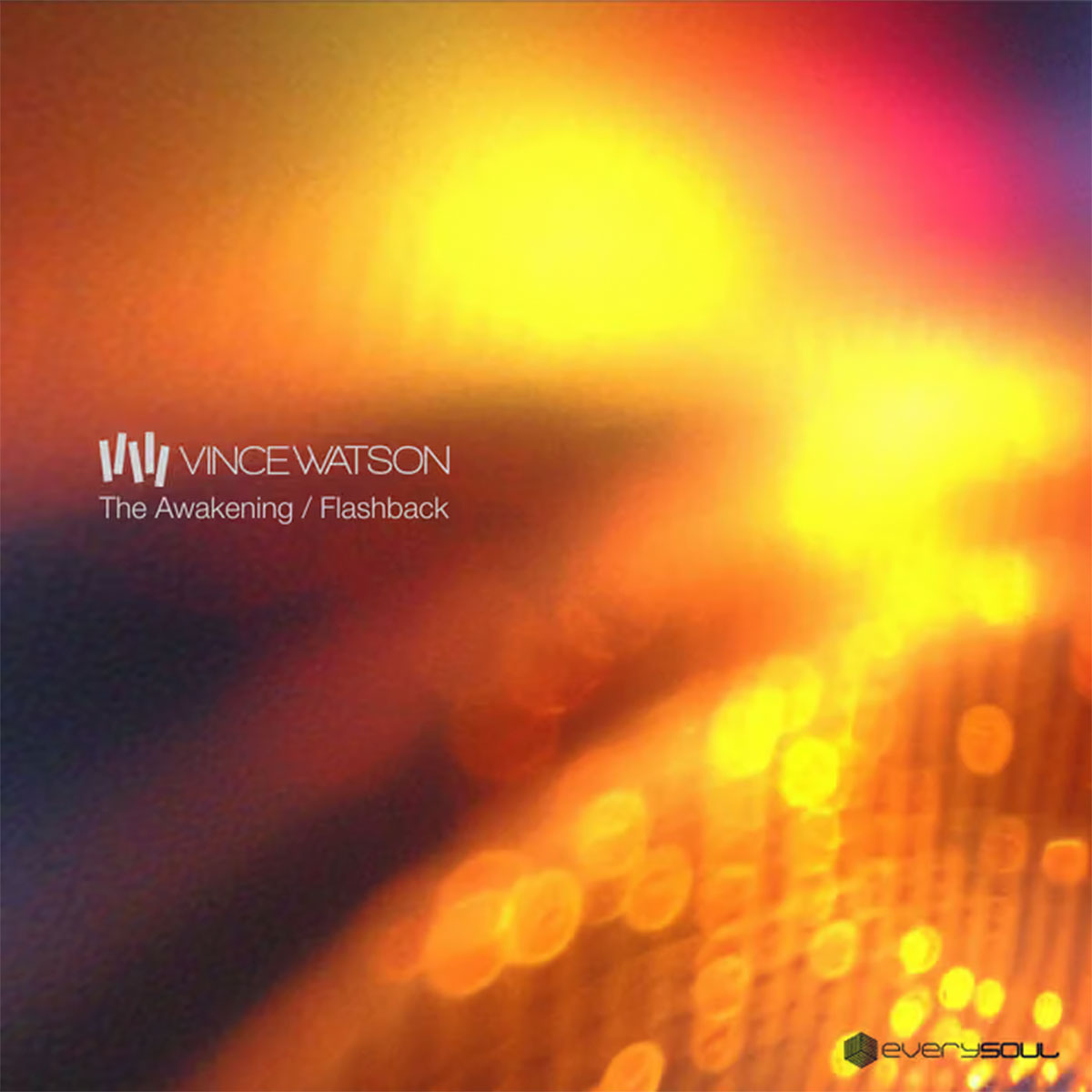
Vince Watson’s ‘The Awakening / Flashback’ is out now. Stream and download your copy here.
Follow Vince Watson: Spotify | Soundcloud | Instagram