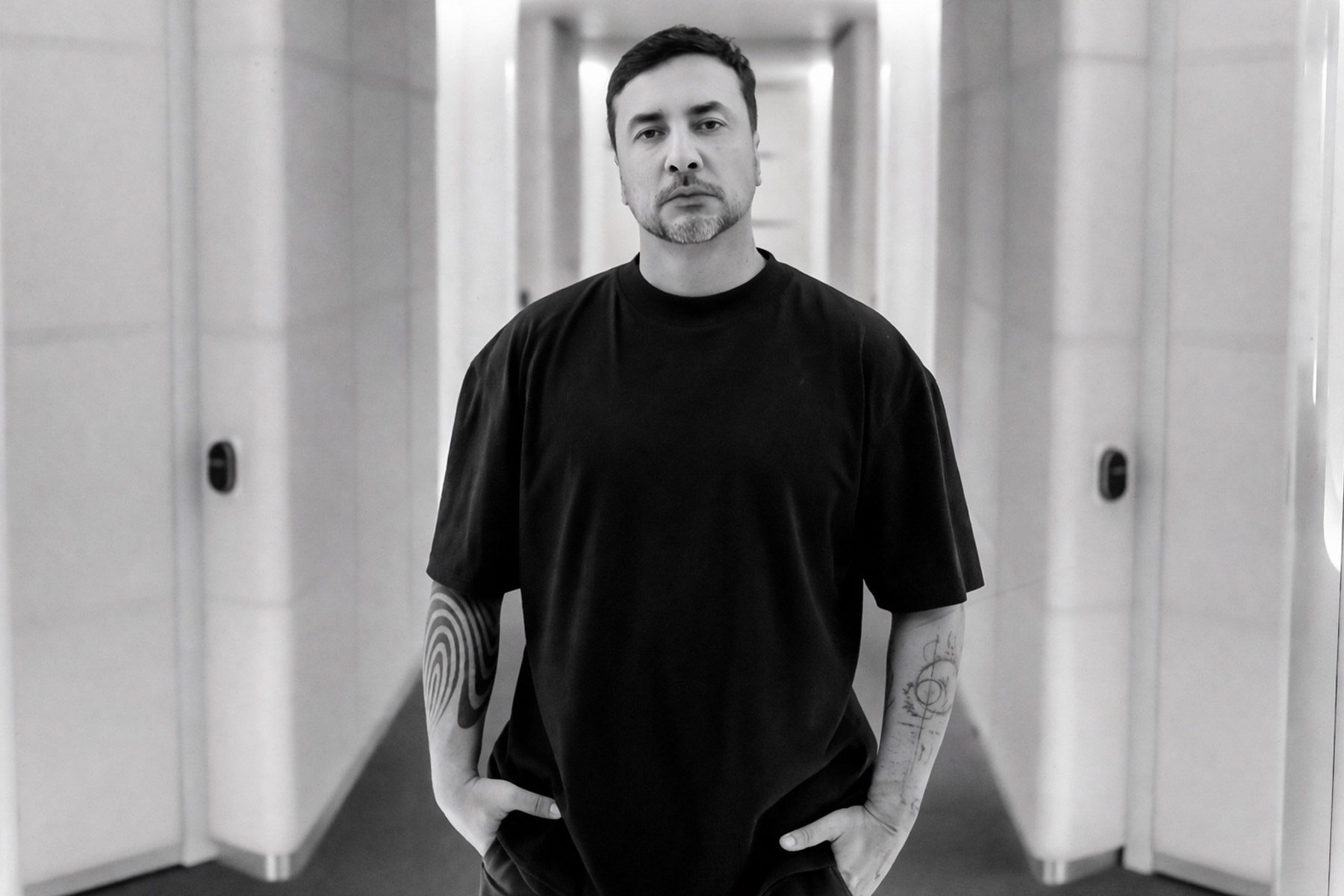
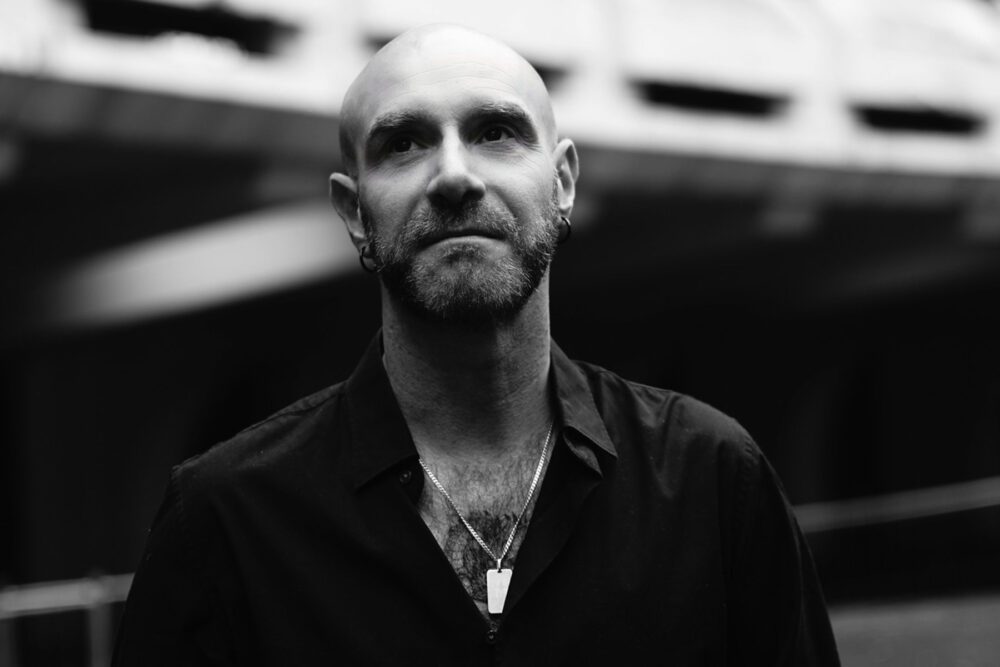
For more than two decades, French producer Pascal Arbez-Nicolas, better known as Vitalic, has remained one of electronic music’s most uncompromising and versatile voices.
Photo credit: Vitalic – Facebook
A true icon of the post-French Touch generation, he built a legacy on his genre-defying sound — mixing techno, rock, disco, and pop — and on electrifying, near-psychedelic live shows that quickly set him apart. From remixing Daft Punk, Björk, and Moby to forming the KOMPROMAT project with Rebeka Warrior, Vitalic has always preferred risk to repetition.
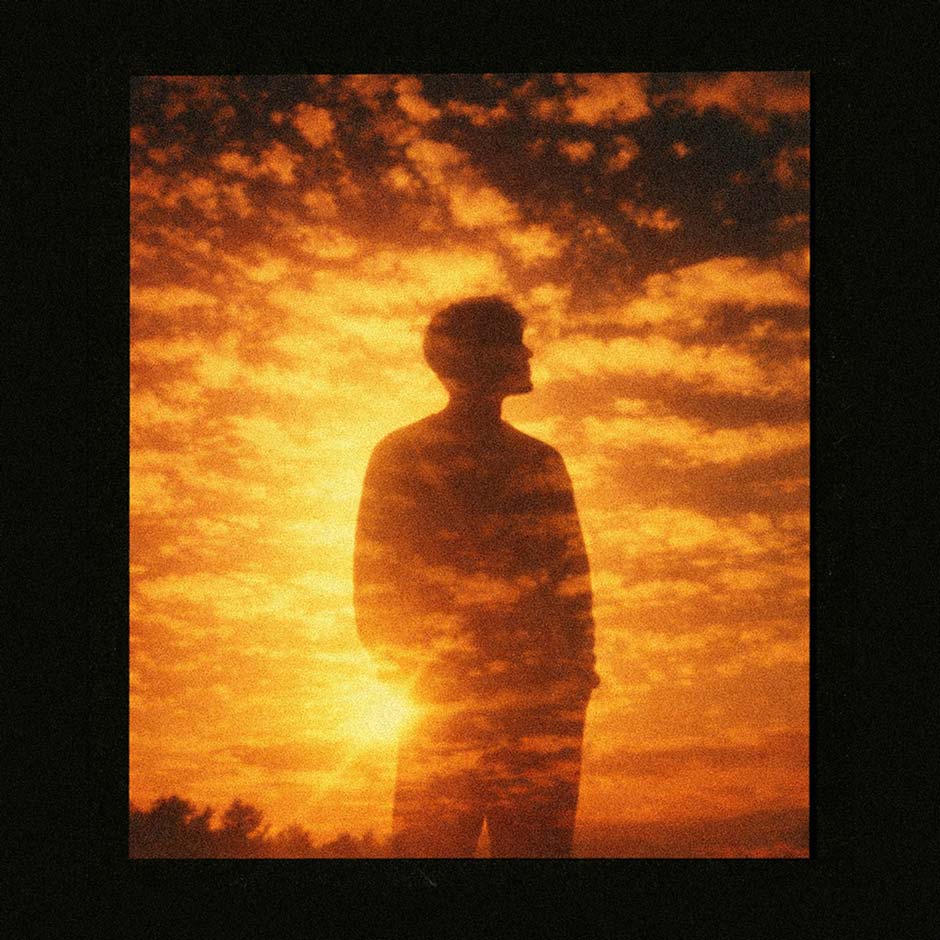
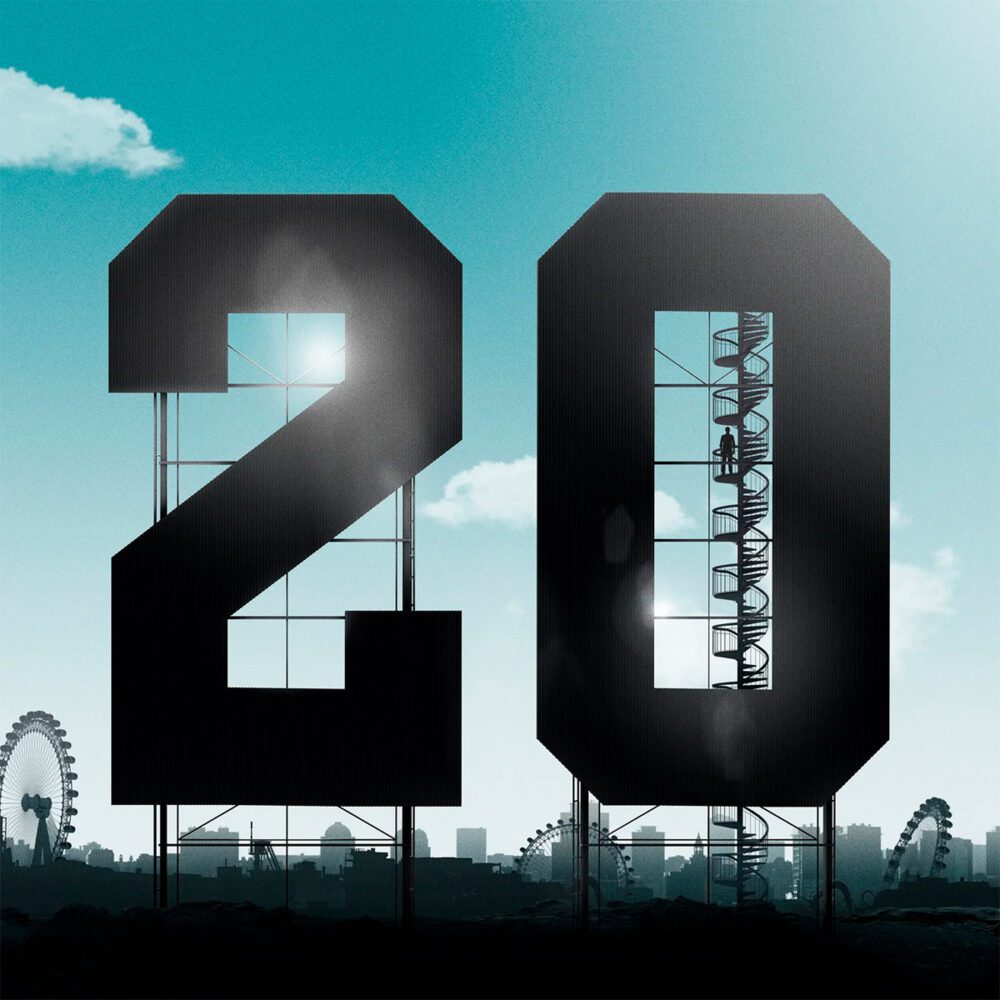
In 2005, he released ‘OK Cowboy’, a debut album that fused raw electronics with emotional charge and set a new standard for what electronic albums could be. Now, twenty years later, Vitalic celebrates the record’s anniversary with a newly remastered edition, reissued across digital, CD, vinyl, and box set formats, including rare and unreleased material.
In this conversation, he opens up about those formative years, the pressure and instinct behind the record, and what comes next.
EG: Hi, Pascal! Welcome to EG. It’s a pleasure to have you here with us. How have you been doing?
Vitalic: Hello. Things are going super well. The period is a bit intense with 12 gigs in 14 days but the feedback from the crowd for our Kompromat show is amazing and that gives us a lot of energy.
EG: First of all, congratulations on the 20th anniversary of your debut studio LP, ‘OK Cowboy’. Did you ever think you’d be reflecting on it 20 years down the line? What are some of your thoughts regarding this milestone?
Vitalic: I had no idea what my future would be when I started music, and I still don’t. I just knew I was living something special. I was young, but above all, my goal was to do my best and be authentic in my music. To not compromise myself.
EG: Now, the course of ‘OK Cowboy’ was a long one till its completion… something that is not really the norm these days. What was that experience like, putting the album together?
Vitalic: It was the time of all my firsts. I was discovering what it was like to professionally produce an album with people who were experts in their field and to record in a real studio. For the kid I was, it was an absolutely incredible time. I also loved everything that revolved around the music itself, like meeting photographers and shooting my first video for my track ‘My Friend Dario’.
EG: Did you have any notion of what the record could become back in those days?
Vitalic: I had no idea what this album could become. On the contrary, I was very stressed. I was aware that I was heading in a completely different direction from the previous tracks and that I was taking very big risks. However, my record label at the time was completely behind me, and I at least had the feeling that this record couldn’t be any other way, as I was aligned with what I wanted to do at that moment.
“In my day, you needed 80% music and 20% of communication/marketing, whereas nowadays it’s completely reversed”
EG: Has your perception of the record changed with the passage of time? How do you feel about it in retrospect?
Vitalic: With time, I realize that it is indeed a debut album. It has a lot of naivety and beautiful intentions, but it is absolutely far from perfect, and that is also what makes its charm. I also think it’s a gutsy album because I took my distance from everything I had done before, and also from the music genres and what people could expect from me.
EG: Now you’re celebrating its twentieth anniversary with a reissue in several formats, featuring rare tracks and previously unreleased versions. What can fans of Vitalic expect to find here? What was it like putting all of this together?
Vitalic: In the box set, you can obviously find goodies, but also very rare tracks such as those which were revealed in the Japanese edition or hidden tracks that couldn’t be found on the CD.
EG: Stepping outside of the studio… what’s your take on the current state of the scene? How do you feel about it when compared to when ‘OK Cowboy’ was released?
Vitalic: The research work was immense, and compiling all the hard drives, photos, and two-tracks was a huge part of the work done by Élise and her teams. This obviously brought back a flood of memories, and it also made us realize how time flies.
EG: Given your expertise, what are some of the biggest challenges artists will face in the near future? Is there any piece of advice you have for your colleagues in that sense?
Vitalic: I can’t answer that question because the profession has really changed. In my day, you needed 80% music and 20% of communication/marketing, whereas nowadays it’s completely reversed. I feel like creativity isn’t really what’s rewarded anymore, but rather managing to meet the current expectations of a formatted audience.
“I was young, but above all, my goal was to do my best and be authentic in my music. To not compromise myself”
EG: What’s next for Vitalic? What milestones are you looking forward to now? Where can your fans catch you next?
Vitalic: Afterwards, I’m taking a few months off for myself because I haven’t stopped making music or touring for almost 30 years, and I need to have other experiences. That doesn’t mean stopping studio work though, as I’m currently producing the next Vitalic album, which will be out in 2 or 3 years, and I’m also making music for a film and a theatre play.
EG: Thank you so much for your time, Pascal! We wish you all the best in the future. Take care!
Vitalic: Thanks a lot!
Vitalic’s ‘OK Cowboy 20Y’ is out now via Citizen Records.. Stream and download here.
Follow Vitalic: Spotify | Soundcloud | Instagram