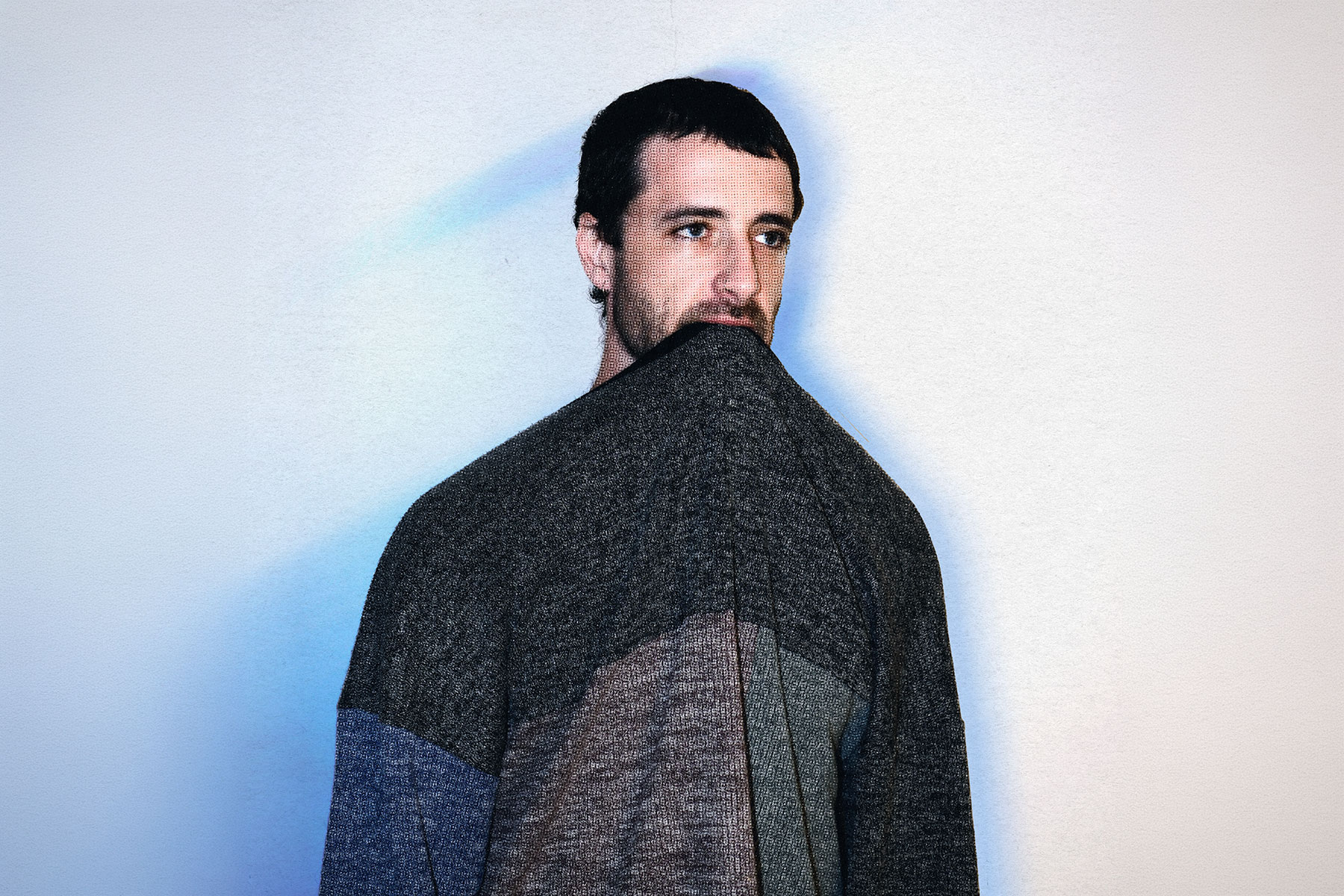
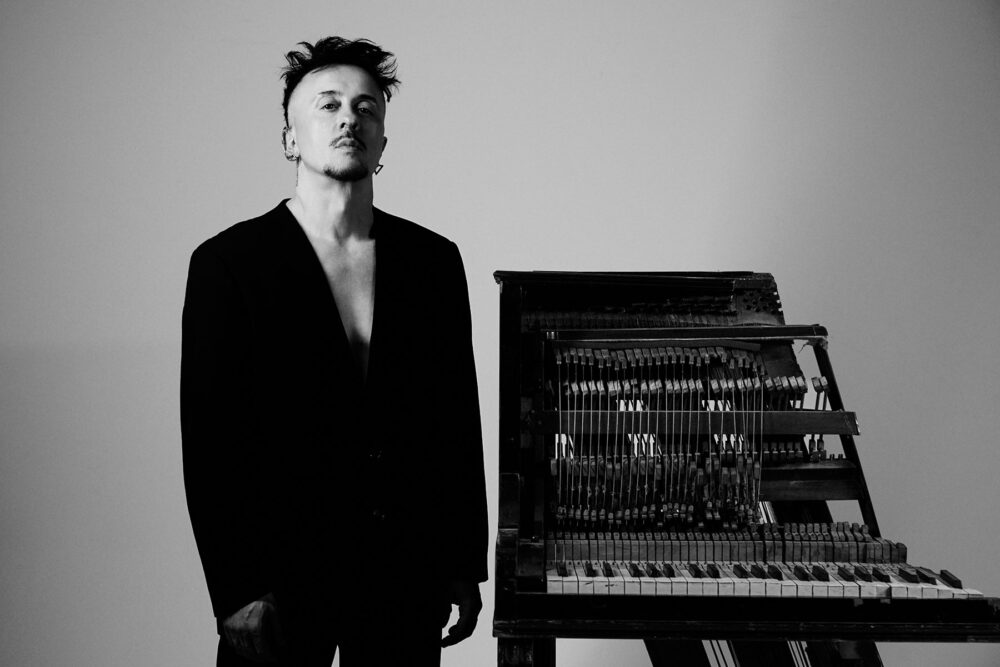
Dardust, also known as Dario Faini, is one of the most influential pianists and composers of his generation. His music has reached some of the world’s biggest stages — from the Olympics and Super Bowl to NBA All-Star Games and Apple’s Keynote launches.
Photo credit: Dardust – Official
A prolific producer and songwriter in Italy, he’s earned over 100 Platinum records and twice won the Sanremo Festival. With a sound that bridges classical piano and electronic production, Dardust continues to reshape the contours of contemporary instrumental music.
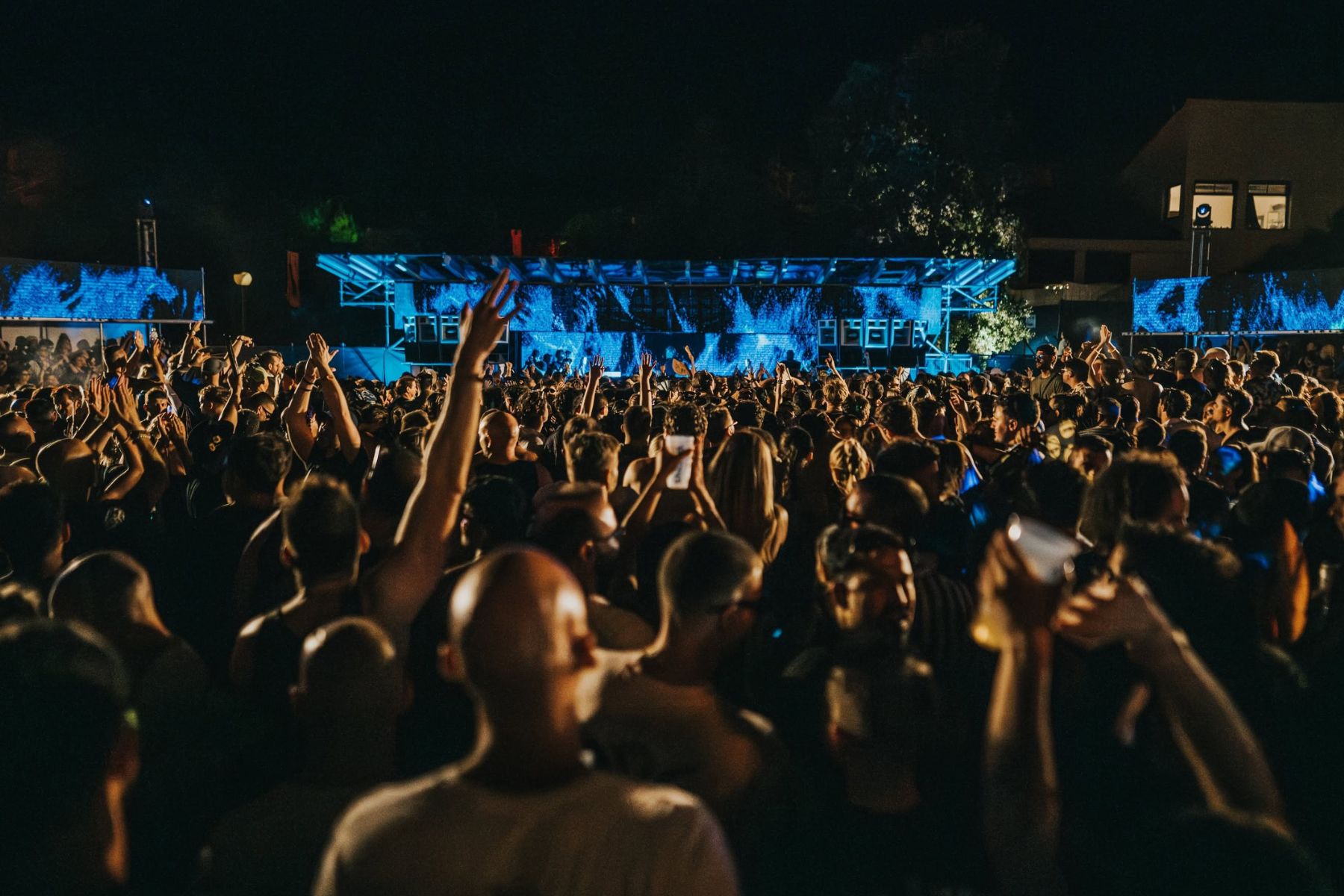
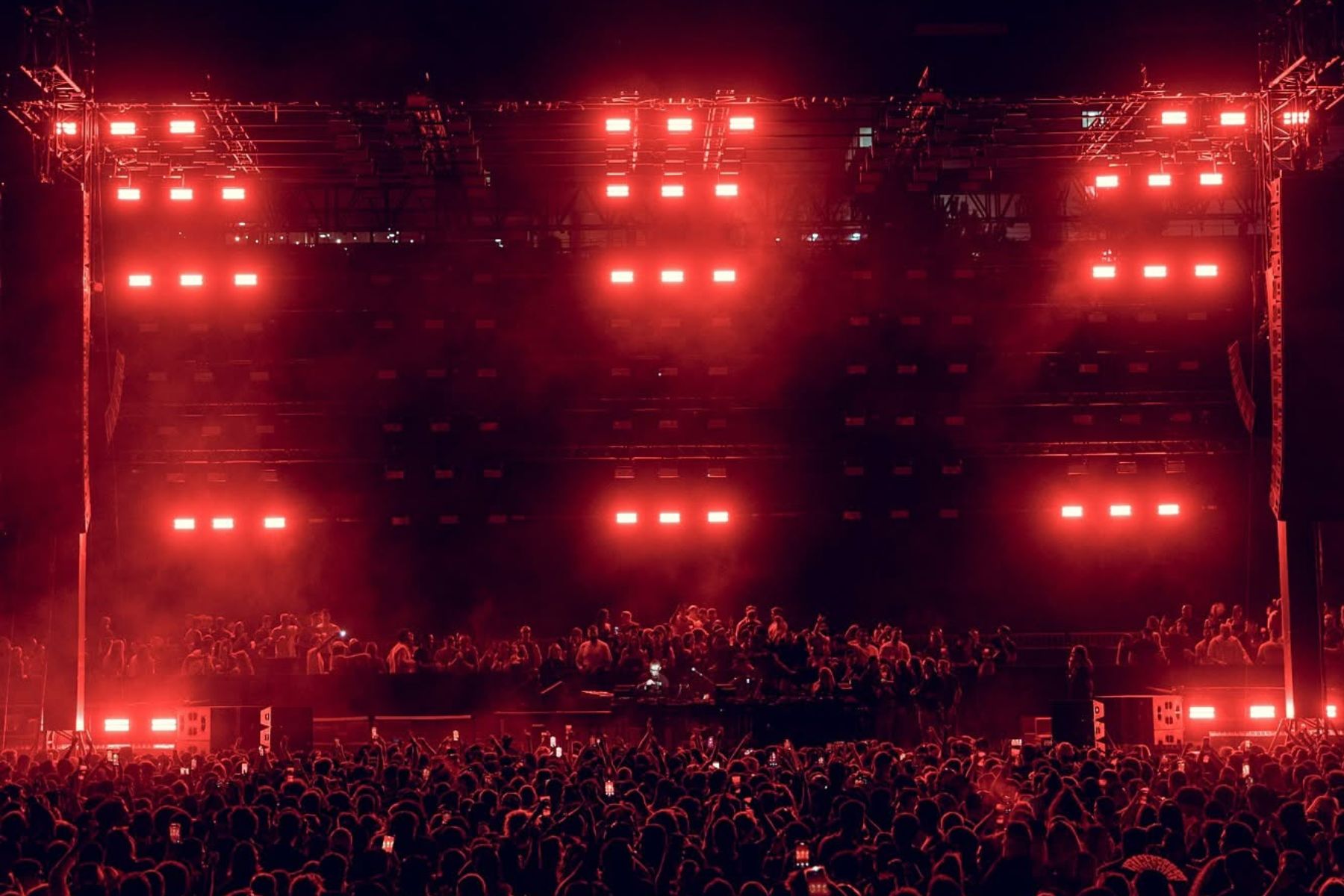
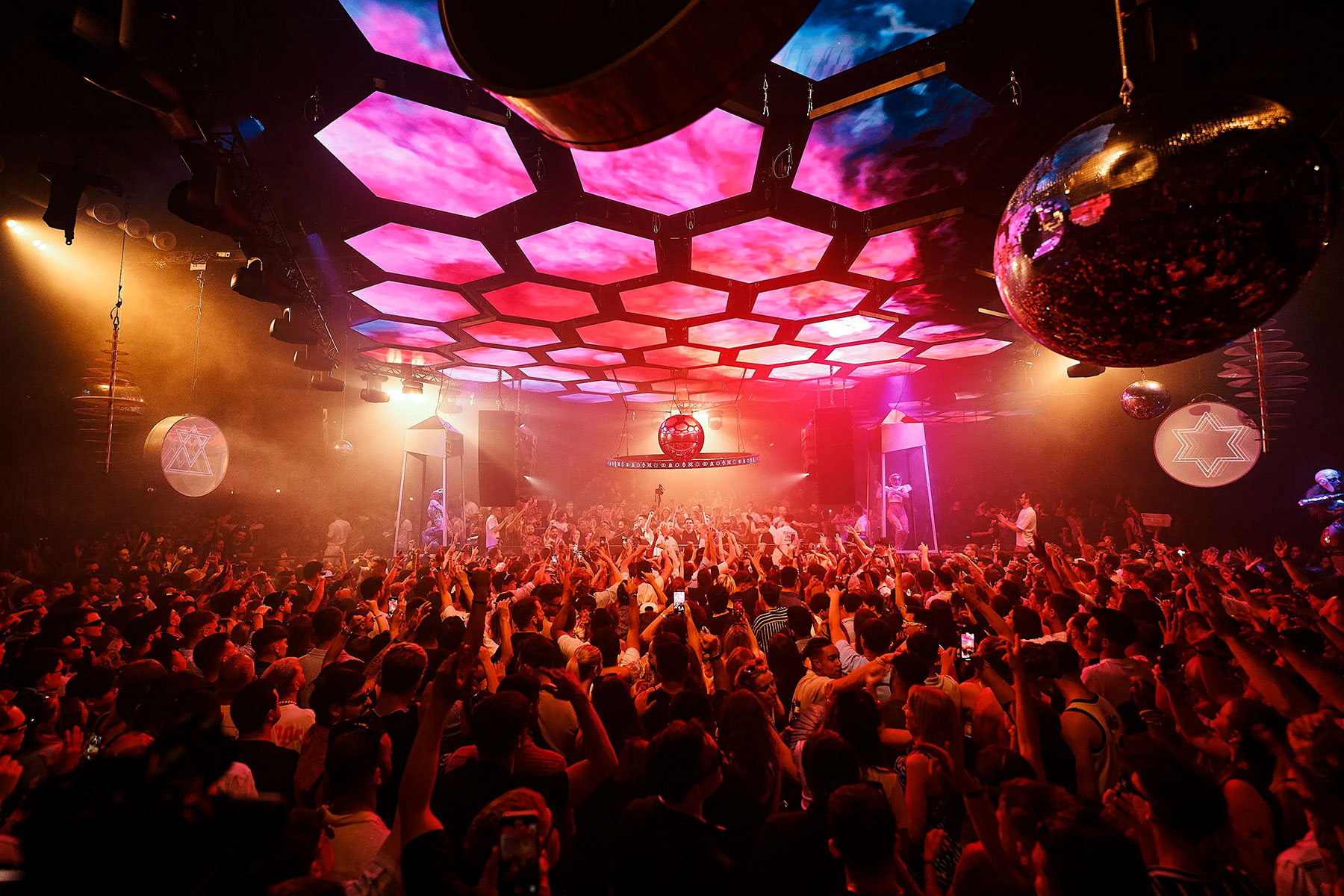
Following four acclaimed albums — ‘7’, ‘Birth’, ‘S.A.D. Storm and Drugs’, and ‘Duality’ — Dardust released his fifth studio project, ‘Urban Impressionism’, on November 8th via Artist First and Sony Masterworks. The new album pushes his hybrid language even further, blending architecture, emotional precision, and layered sound design. Its live counterpart is now touring through Italy and Europe, including immersive shows at Milan’s Pirelli HangarBicocca and Rome’s La Nuvola, followed by dates in Barcelona, Lisbon, Paris, and beyond.
In this conversation, Dardust opens up about writing the official anthem for Milano Cortina 2026, the duality between orchestral and electronic performance, and why silence is part of the creative process.
EG: Hi, Dario! Welcome to EG. It’s a pleasure to have you here with us. How have you been doing? How did you greet this new year?
Dardust: Thank you, it’s a pleasure to be here. I started this year with a lot of gratitude and focus. It’s a very intense period, but also very meaningful. I’m trying to stay present, to protect my energy, and to enjoy this moment without rushing through it. It feels like the beginning of a new chapter.
EG: First of all, congratulations on the reveal of ‘Fantasia Italiana’, the official soundtrack for the Milano Cortina 2026 Olympic Games! How are you feeling about this one? What has the initial reception been like so far?
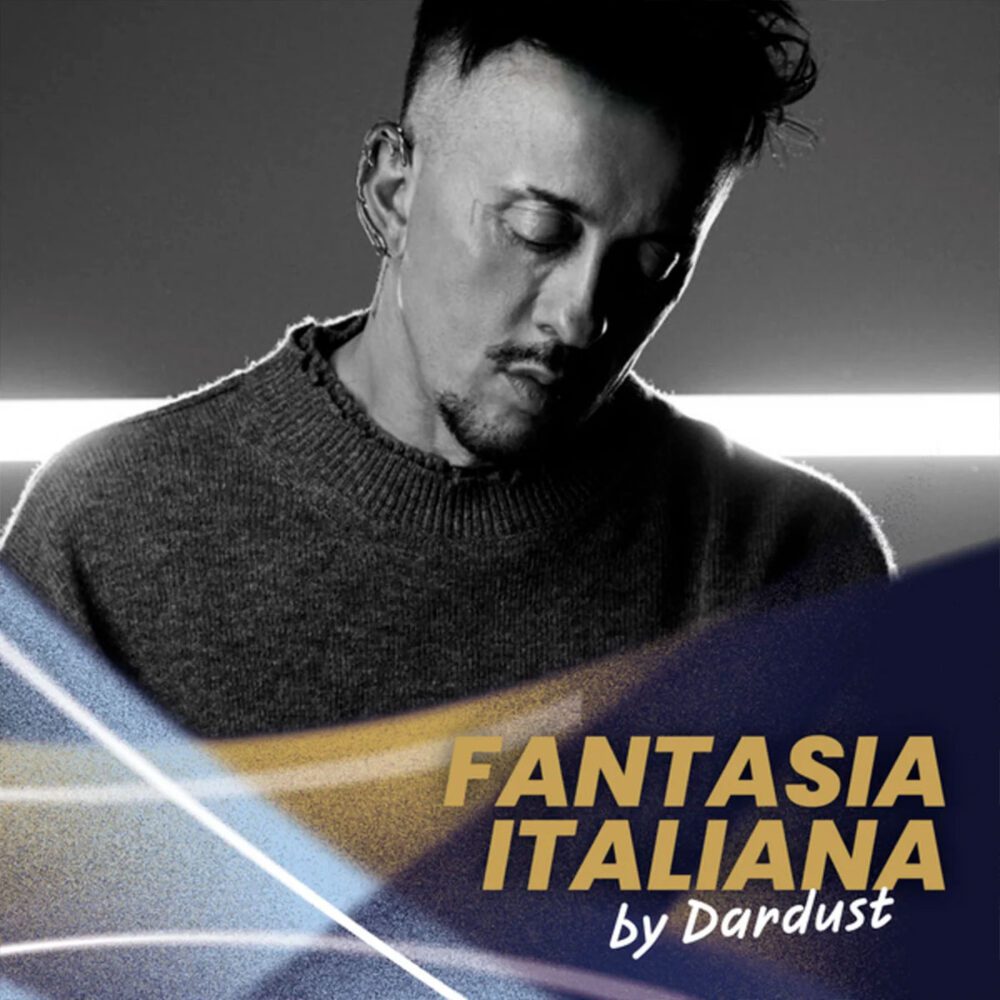
Dardust: Thank you so much. It’s an overwhelming feeling, in the best possible way. This project carries a huge emotional and symbolic weight, so seeing people connect with it so deeply is very moving for me. I’m also very happy that on February 6th, a piano solo version will be released. For me, that version represents the essence of the composition: stripped of production, orchestration, and technology, it shows the emotional core of the piece in its purest form. At the same time, working on the full Olympic anthem meant exploring many musical languages that are not necessarily part of my usual world. I embraced different genres, traditions, and approaches, sometimes far from my comfort zone, because this project is bigger than any single artistic identity. It was important for me to balance my personal voice with a broader, collective musical vision. The initial reception has been very warm and thoughtful, and that’s the most meaningful response I could hope for.
EG: We can imagine that something like this is quite a unique opportunity. How did this come about?
Dardust: The collaboration started a few years ago, with the flag handover and other early projects connected to Milano Cortina. Over time, a relationship of trust developed, and we began to share a common vision about what music could represent for these Games. When the opportunity came to shape the main soundtrack, it felt like a natural evolution of that journey.
EG: What can you tell us about ‘Fantasia Italiana’, musically speaking? What were some of your thoughts when translating the concept of the Milano Cortina 2026 Olympic Games into music?
Dardust: I began by listening to places before writing music. Milan and Cortina are two very different worlds, and I wanted their rhythm and silence to guide the composition. Milan became electronic architecture, precision, and geometry. Cortina became piano, orchestra, breath, and organic resonance. At the center, though, there is always the human being: preparation, sacrifice, tension, hope. The piece is built around a theme of five notes, inspired by the Olympic rings, which expands harmonically and structurally across different musical environments. It’s a long emotional journey, more about process than result.
“Everything moves very fast today. My advice is: protect depth. Protect time for research, failure, silence”
EG: This is actually your second collaboration with Milano Cortina. In which ways was this a different process?
Dardust: This time it was much deeper and more complex. In the first collaboration, I was contributing to a specific moment. Here, I was shaping a whole musical identity. It involved long-term planning, collaboration with many departments, acoustic studies, and narrative design. It was closer to directing a film score than writing a single piece.
EG: For almost a year, you have been locked in your ‘Urban Impressionism’ tour, and most recently, you’ve also introduced your ‘Piano Concerto N.1’ performances. How do you manage exhaustion on a mental level? What things do you do to keep things fresh for yourself on stage?
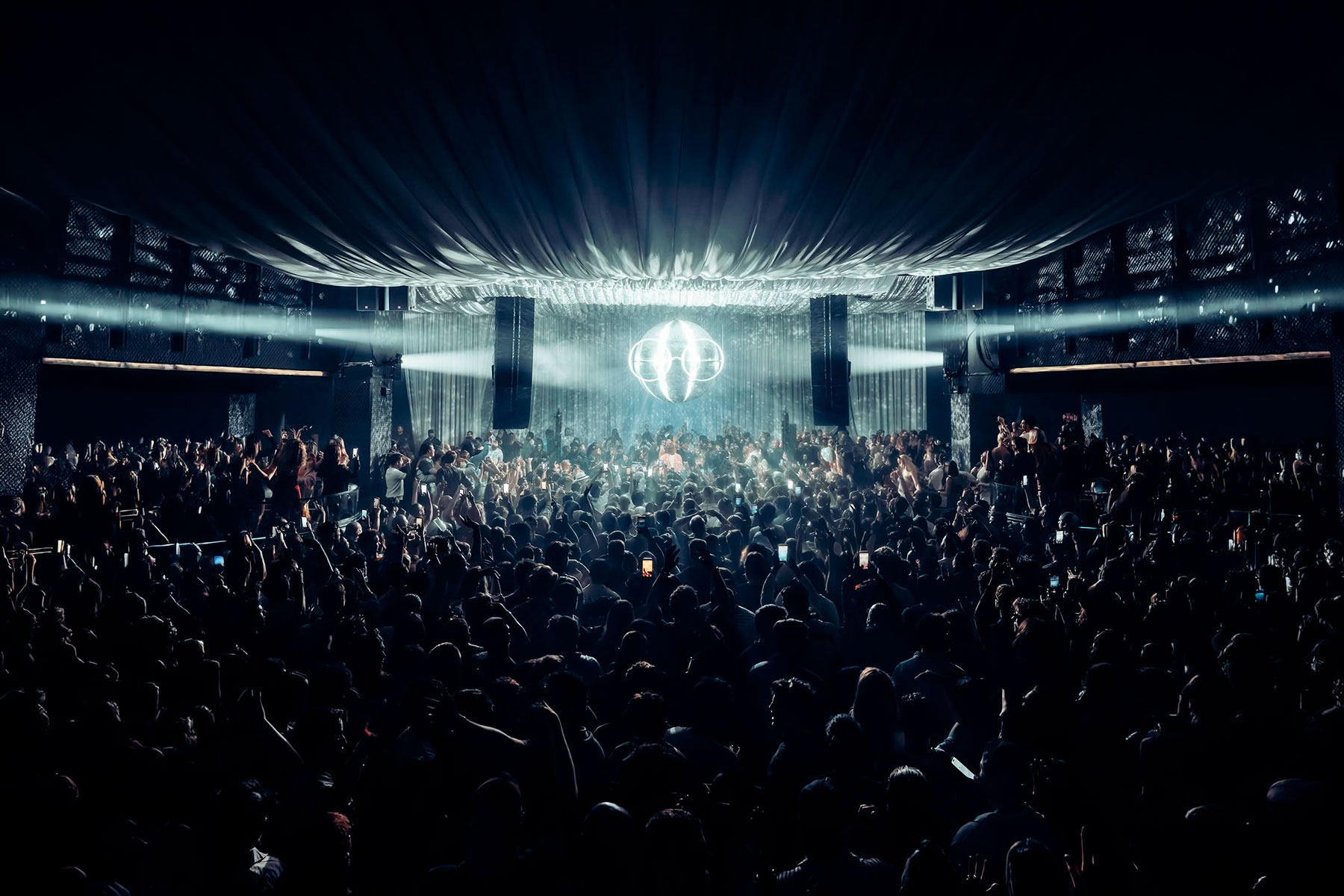
Dardust: These two projects are very different, and they require two very different types of focus. With ‘Urban Impressionism’, I’m on stage with piano, electronics, and a string trio. I control many elements in real time: sound design, loops, dynamics, and structure. It’s very physical and instinctive, but also very precise. There is a strong sense of freedom within a carefully designed framework. With ‘Piano Concerto N.1’, instead, I perform with a full orchestra. That requires another level of concentration. You become part of a much larger organism. You have to listen constantly, stay connected with the conductor, respect the score, the timing, and the collective balance. There is much less margin for error and much more mental discipline. Switching between these two worlds is demanding, but also very stimulating. To manage exhaustion, I’ve learned that rest is part of creativity. Silence, walking, reading, and being alone are essential for me. On stage, I try to stay curious and present, so the music never becomes automatic. That keeps everything alive — and keeps me alive too.
EG: Now, going back to your origins… when did you first bridge electronic sounds with classical music? What was it that drove you to experiment with this hybrid sound?
Dardust: Very early on. I grew up studying classical piano, but I was also fascinated by electronic music and production. For me, those worlds were never in conflict. One was emotional and physical, the other architectural and spatial. Combining them felt natural, like speaking two languages at once. Over time, that hybrid became my identity.
EG: Now, given your experience in our scene, what are some of the biggest challenges artists will face in the near future? Is there any piece of advice you have for your colleagues in that sense?
Dardust: One big challenge is speed. Everything moves very fast today. My advice is: protect depth. Protect time for research, failure, silence. Also, don’t chase algorithms. Build a personal language first. Trends disappear. Identity remains.
“I’m looking forward to continuing to evolve without repeating myself”
EG: What’s next for Dardust? What milestones are you looking forward to now? Where can your fans catch you next?
Dardust: After the Olympics, I want to focus again on long-form projects: albums, film scores, interdisciplinary works. New tours are coming, some international collaborations, and a new studio project I’m very excited about. More than specific goals, I’m looking forward to continuing to evolve without repeating myself.
Dardust’s ‘Fantasia Italiana’ is out now on Universal Music Italia. Stream and download here.