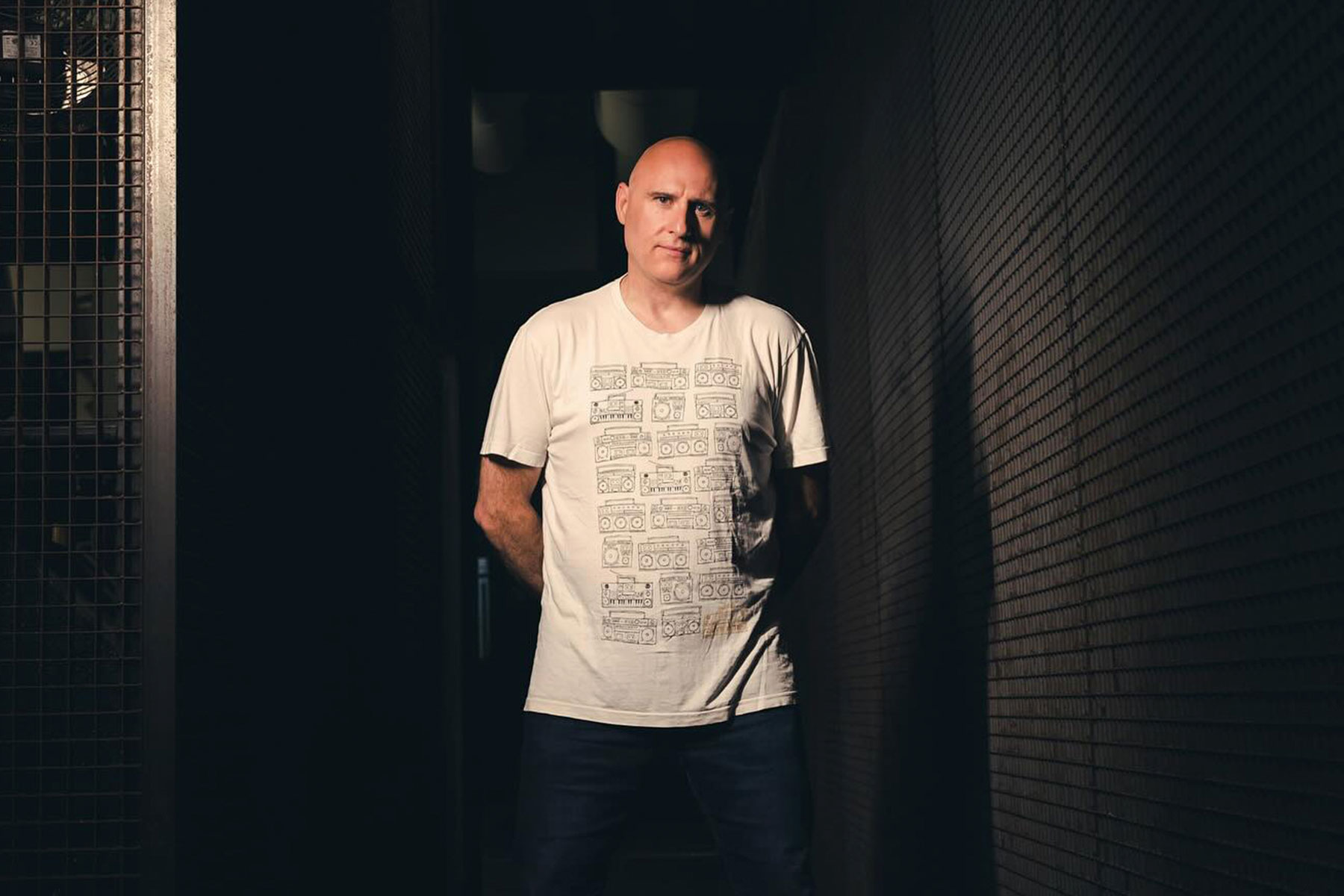

Italian-German composer and producer David August has built a career navigating the intersection of experimental composition, electronic music, and multidisciplinary art.
Photo credit: David August – Official
Initially trained as a classical pianist, he gained international recognition in the early 2010s through his dancefloor productions and a widely viewed Boiler Room performance.
Since then, August has expanded his artistic scope through albums, live performances, and the launch of his 99CHANTS label in 2018, a platform dedicated to experimental and genre-agnostic music. With more than 400 performances worldwide, including appearances at London’s Barbican, Hamburg’s Elbphilharmonie, and festivals such as Sonar and Montreux Jazz, he continues to explore new relationships between sound, space, and narrative.
His latest album, ‘Hymns’, arrives via 99CHANTS as a deeply personal project built around piano improvisation. Emerging from a period of isolation and reflection, the record reconnects August with the instrument that first shaped his musical language.
To mark the release, David August shares five studio tips that reflect his approach to creativity, process, and perspective in the studio
1. Treat your DAW as an instrument
See your DAW as an instrument and not only as a facilitator to record sounds and arrange them. And as with every instrument, the better you play it, the more virtuosic you can be with it. I think DAWs nowadays invite you to be creative with them, and it is really about approaching them with an open mindset and exploring their possibilities and non-conservative approaches.
2. Process and re-process
If you’re tired of your sound palette, process the processed — and repeat this until you find something that excites you. It changes your perspective and sets a different starting point from where you begin writing the music. Also, it brings a lot of unpredictable results you wouldn’t have thought of in the first place. Surprising yourself is always a great way to spark inspiration.
3. Give your work time
I think every work you do should sit there for a while without being heard or touched. Then, when you feel ready and have the feeling you are a bit more neutral as a listener, go back to it and put yourself into the space of an objective listener. Imagine yourself listening to this for the first time, played by someone on a radio show or similar. It’s a great way to understand where your music is at.
4. Be selective with feedback
Don’t overwhelm yourself with too many opinions. Everyone listens differently and has different expectations. Fulfilling all of them is impossible. Choose your critics wisely and listen to yourself. You should know when a work is ready to be released. Remind yourself of the sensation that brought you to write the music in the first place. Is it being represented?
5. Test your music everywhere
Very standard, but still relevant. Listen to your music or mixes in different settings and on different speakers. Choose really unforgiving settings, like in the car with the window open at low volume. Hear how the music lives in these different circumstances and how this may affect your mixing or compositional choices.

David August’s ‘Hymns’ is out now on 99CHANTS. Stream and download here.
Follow David August: Spotify | Soundcloud | Instagram