I’ve spent the last few days looking for something to write about. If you sit in an editorial chair long enough, the search for the next topic begins to feel like digging through an endless digital record bin. You flip through the folders, looking for a narrative that carries real weight, something that cuts through the daily noise without sounding like another tired lecture.
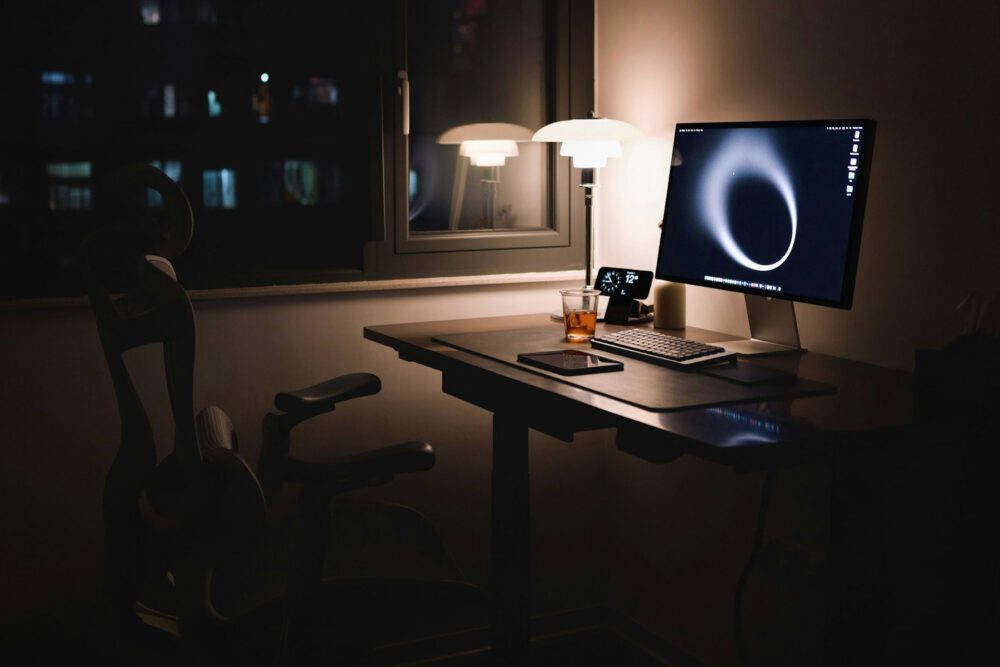
Photo by Bunny Lau on Unsplash
The ideas are all there, stacked up like unplayed white labels on a desk. We thought about writing on global birth rates and why a disillusioned generation seems to be choosing to contract rather than expand. We looked at the changing chemistry of the dancefloor, how young adults are drinking less, not only for health, but because they live in a world where one careless moment can become someone else’s clip. We considered AI and creative labor, the strange resilience of vinyl, the future of clubs, the weight of the phone, and the quiet exhaustion behind constant visibility. Every option felt heavy, and every path seemed tied to a larger chain of economic anxiety, digital surveillance, social fatigue, and a world running on fumes.
And somewhere in the middle of that paralysis, the realization hit: the problem was not finding something to say. The problem was the suffocating volume of everything happening at once.
We are living through a crisis of saturation. Open a screen, walk into a venue, check a record pool, or scroll through a feed, and the pressure arrives instantly. New tracks, new headlines, new conflicts, new fears, and new metrics to care about before the next week even begins. We have built a culture with an infinite menu and almost no attention span.
When everything is loud, everything starts to feel like background noise. The pressure to constantly produce content, to have an immediate opinion on every shift, every lineup, every tool, and every collapse, turns creativity into a transaction. You stop listening to the room because you are too busy figuring out how to package it.
It is the same paralysis a DJ feels when carrying a hard drive with eighty thousand tracks into the booth. When you can play anything, the temptation is often to play what feels safe, because too much choice can kill instinct.
The underground was never supposed to be an encyclopedia. It was supposed to be a filter. EG was not built to chase every headline. It was built to listen, choose, and give music the space it deserves. If platforms like ours exist only to add more words to the digital noise, then we are not curating. We are just filling space.
This piece is not a diagnosis of a global crisis, nor is it a pitch for a new project. It is simply an admission of the friction. Behind the streams, playlists, premieres, interviews, and editorials, there are still human beings trying to make sense of a chaotic culture without an algorithmic map.
The machine will keep asking us to feed the feed, and it will keep telling us that silence means being forgotten. We disagree. Sometimes the most intentional thing you can do is refuse the sprint, step back, let the grid lock up, and listen to the static for a minute.
There is no major revelation today. No grand conclusion. There is just a space kept open, waiting for the right feeling to find it. Until then, we are here, we are digging, and we are taking our time.