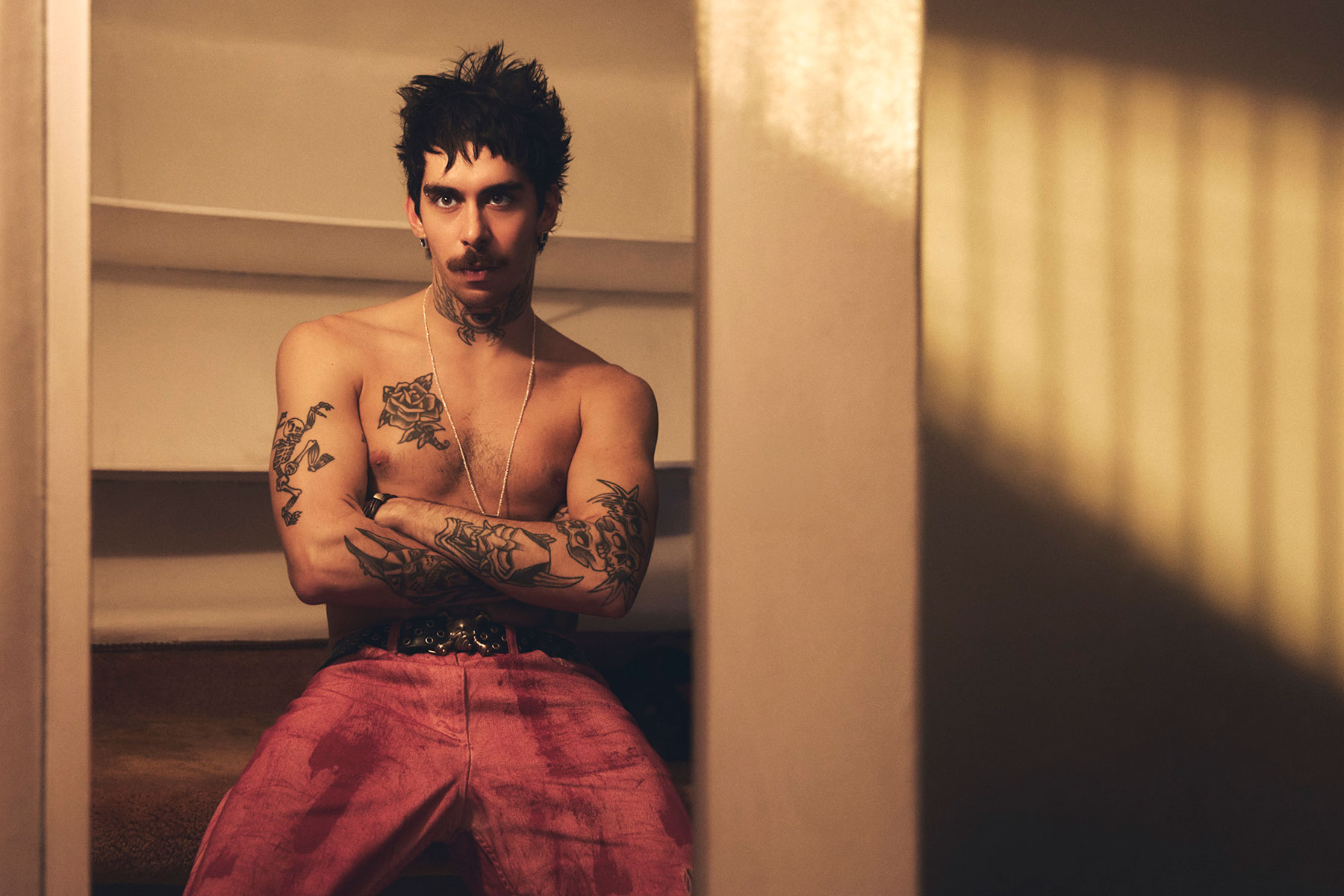

A few gaps in nightlife still remain in 2026: a lack of female-led events and a shortage of daytime parties outside large-scale festival settings. Founded by Swedish artist Malin Linnéa alongside resident DJ Zerya, Lúcido was created to address both championing balanced lineups, stronger female representation behind the decks, and a more inclusive approach to music programming.
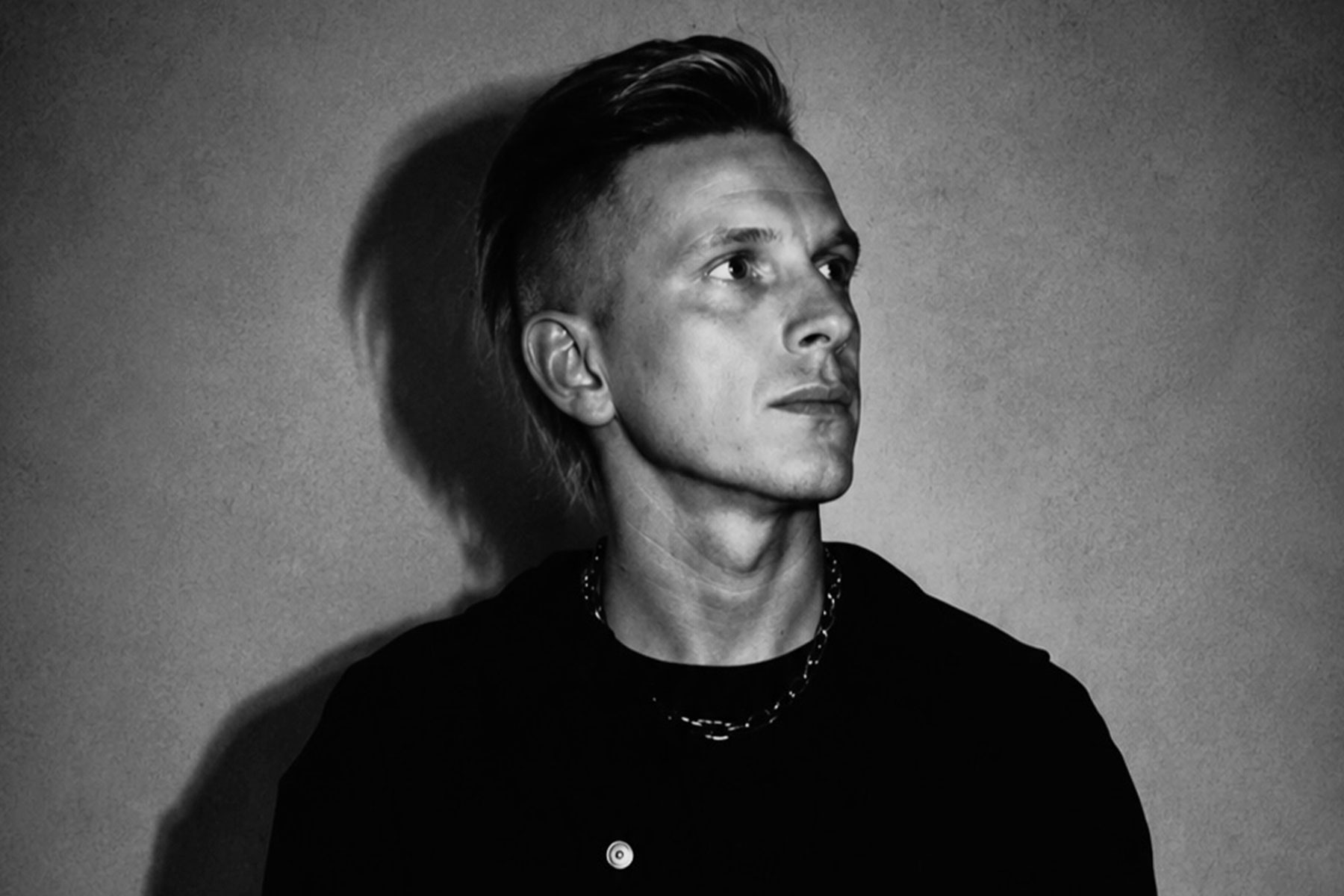
Photo credit: Malin Linnéa – Official
Equally important was the desire to reimagine the party experience itself by creating events in outdoor spaces where people can dance throughout the day, whether sober or not, in an atmosphere that feels safe, social, and intentional.
With takeovers across Miami, Mexico City, New York City, and Stockholm, Lúcido continues to focus on early evening events and curated lineups across all genders, offering an alternative to traditional late-night clubbing. Here, the party ends before 1 am rather than beginning then.
In this conversation, Malin Linnéa opens up about Lúcido and the current state of club culture.
EG: Hi Malin, welcome to EG! What is the vision behind Lúcido?
Malin Linnéa: Thanks for the invite, glad to be here. To offer more intimate parties with quality music and balanced lineups, with an emphasis on earlier hours. Most of the time, when we get invited to friends’ DJing, it still often starts at 1 am, or sometimes even 3 am. We also wanted to host most of our parties in slightly different venues, outside the typical late-night dark nightclub space.
EG: What have been your challenges in launching the event series?
Malin Linnéa: The biggest challenge is the cost of transforming unconventional spaces into fully functioning event venues. Many outdoor locations require everything to be built from the ground up, from sound systems and infrastructure to a complete bar setup. Once those logistics are in place, people are usually excited by the idea of partying in a new environment they haven’t experienced before, so the response tends to be very positive.
EG: You left Sweden a long time ago and have lived in cities like London, Mexico City, and Rio de Janeiro. Why did you choose Miami for your next move?
Malin Linnéa: I loved living in London for nearly a decade, but the city changed significantly after Brexit and later the pandemic. It remains an incredible place, but it no longer carries the same sense of freedom, edge, and cultural energy that defined the 2000s. I also really enjoyed spending four years in Mexico City, but the pollution eventually got to me, and Miami started to feel appealing once I secured my US artist visa. For someone who loves tropical weather and Latin culture, I was always drawn to Miami. In recent years, I think it has become a city of the moment, with more New Yorkers and people from Mexico moving here. Many are leaving the hustle of NYC and London for better weather, air quality, less traffic, and more space.
EG: How is partying different in Miami compared to the other cities you have lived in?
Malin Linnéa: I love the fact that you can sleep, wake up, and go to the club at 7 am here, like Space. I think the only other city where that happens is Berlin. Of course, Miami has its share of table and bottle clubs, but I don’t really notice them as I don’t go to those places often. Musically, it’s a bit more tech house-oriented than London or Mexico City. Overall, I think Miami has a strong and growing music scene that feels young and current.
“The biggest challenge is the cost of transforming unconventional spaces into fully functioning event venues”
EG: Do you feel there is still inequality in the scene despite recent discussions and actions?
Malin Linnéa: Definitely. We still see many all-male lineups. What surprises me is that many promoters don’t seem to even try to create more balanced lineups.
EG: Are there any struggles you’ve faced as a female in the scene you’d like to share?
Malin Linnéa: Being approached to play for International Women’s Day or all-female parties can be frustrating.
EG: When choosing a lineup, how do you make it gender-balanced?
Malin Linnéa: It’s very easy for me to include female artists and people of color. I honestly don’t understand why it’s so difficult for others.
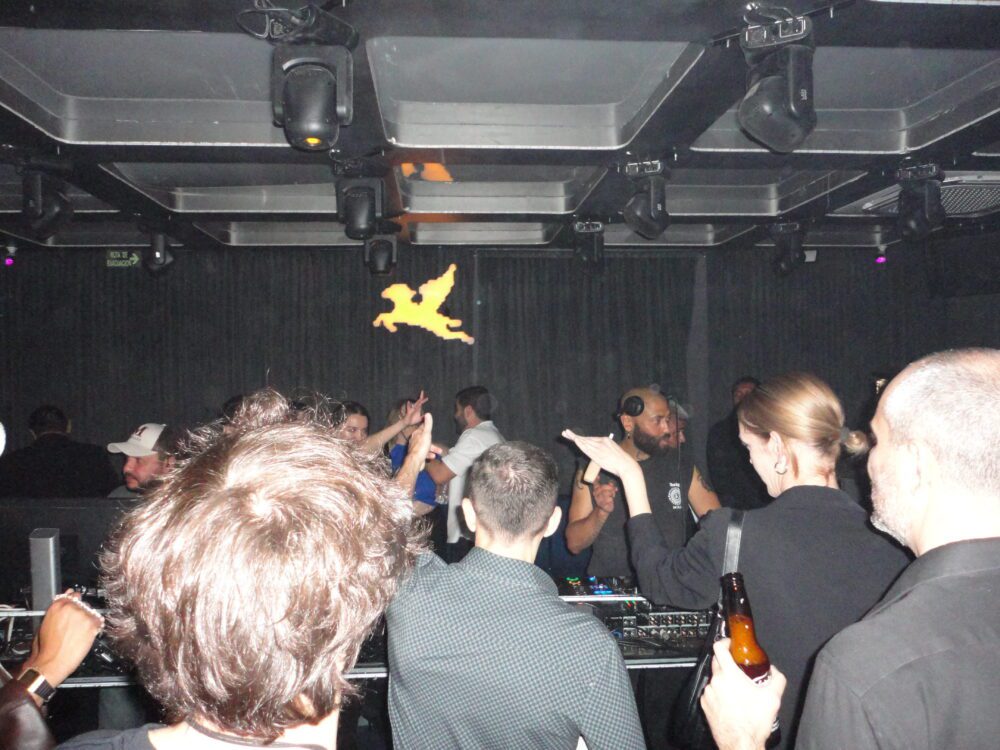
EG: Parties have traditionally been held in nightclubs, but there’s a shift toward daytime events. Will this be the standard for Lúcido?
Malin Linnéa: I would like it to be, but it’s challenging to find suitable daytime venues. Our goal isn’t strictly daytime, but rather not too late. Our last event in Mexico City started at 9 pm at a newly opened bar called Dacopa, which is partly open-air, and at midnight the party continued in their sister club Giorgio, which stays open until 5 am. That way, people can choose between an early or late night.
EG: Do you think the rise of day parties contributes to nightclub closures? How might that impact the scene?
Malin Linnéa: I attended a panel in Miami during Miami Music Week at Soho House featuring Louie Vega, Anané, Todd Terry, and Rick Medina, where this came up. I don’t think day parties are solely responsible for nightclub closures. There are bigger factors, like rising rents and operating costs. There’s also a generational shift. Younger crowds, especially Gen Z, tend to drink less alcohol than Millennials did in their twenties. When I was a student in Stockholm and Madrid, clubs were the main way to discover music and meet people. Today, music is instantly accessible from home, which changes how and why people go out.
“It’s very easy for me to include female artists and people of color. I honestly don’t understand why it’s so difficult for others”
EG: If you could host an event in any location, where would it be?
Malin Linnéa: One of my favorite Lúcido events took place at the Miami Beach Botanical Garden. The setting was special, but the venue is expensive, which meant compromising on other production elements. I’d love to return there with a larger budget to improve the sound, staffing, and overall design. I’ve also been considering Rio de Janeiro, where I lived in 2007. It has a strong cultural identity and energy that aligns with Lúcido, and I’ve been speaking with friends there to find the right venue and local partner.
EG: Do you have any upcoming events you can share?
Malin Linnéa: At the moment, I don’t. We just finished an event in Mexico City last week with Rush Davis, alongside Italian DJ Niccc and me. I’m currently speaking with a new venue in NYC about a possible June event, and also in talks with a few venues in Berlin. You can connect with Lúcido on Instagram here to see where we go next.
Follow Malin Linnéa: Spotify | Soundcloud | Instagram
Follow Lúcido: Soundcloud | Instagram