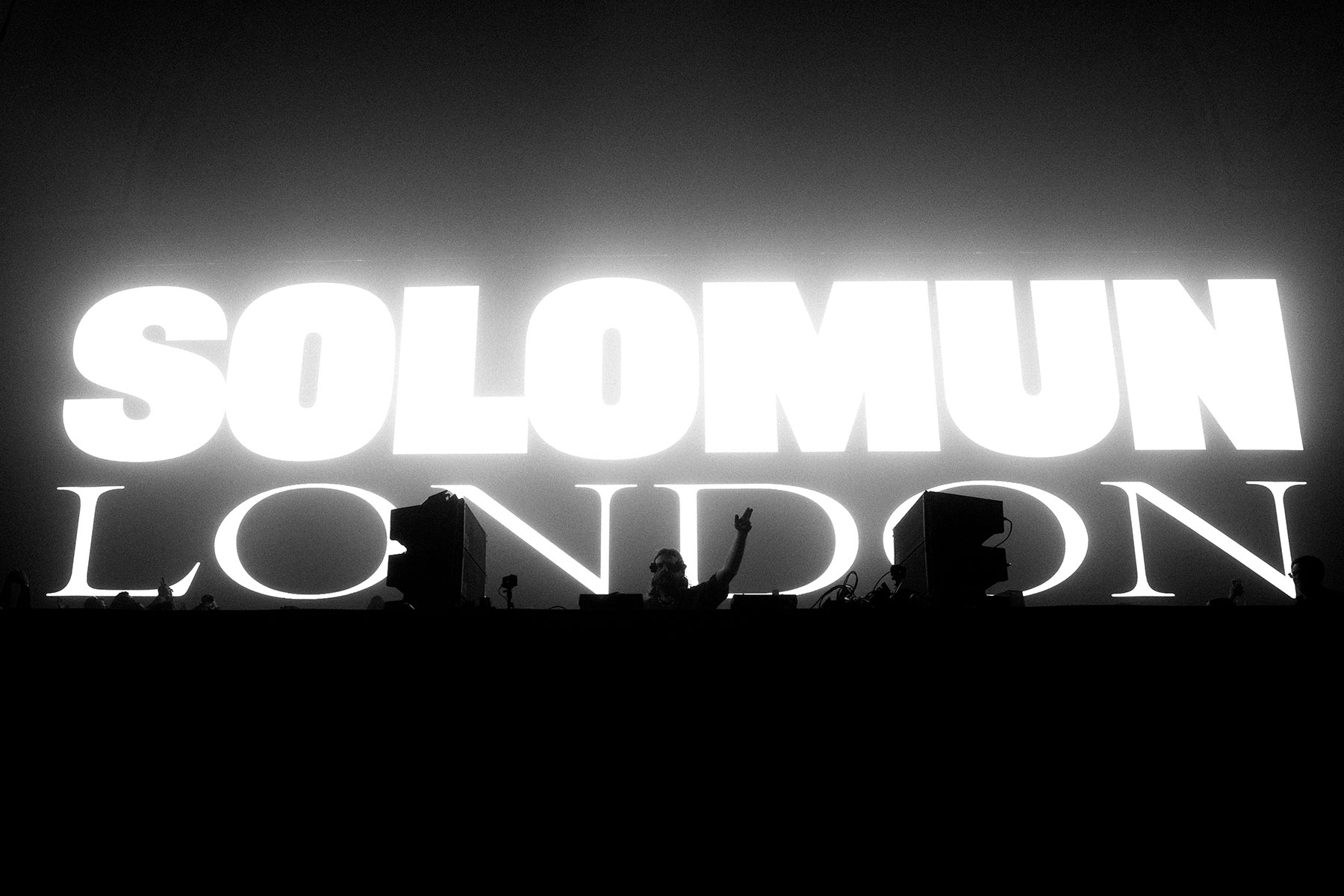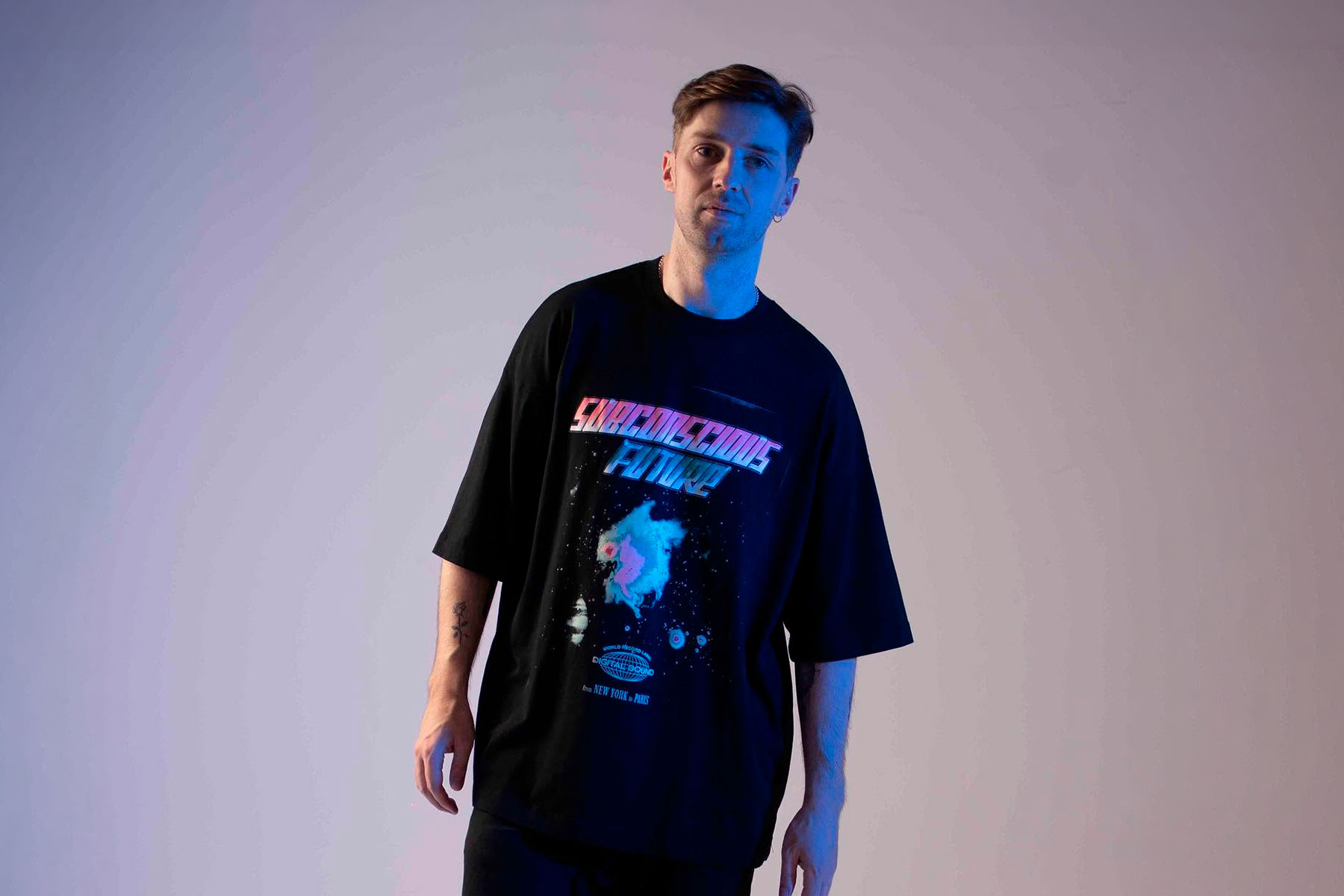
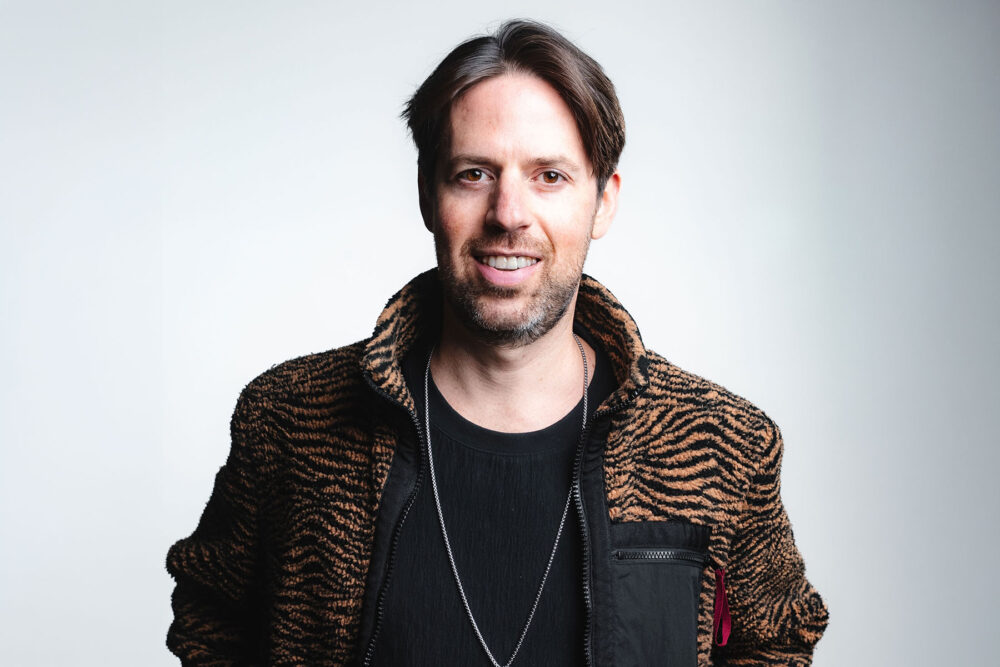
Charles Meyer has spent more than eighteen years immersed in dance music culture. After formative years in Los Angeles and San Francisco, he relocated to Brooklyn, where he has continued developing his craft as both a DJ and producer while helping shape New York’s nightlife ecosystem.
Photo credit: Charles Meyer – Instagram
His productions have earned support from artists including CID, Gordo, Maya Jane Coles, and Walker & Royce, while his performances have ranged from intimate warehouse gatherings to major festivals and club stages.
Alongside his artist career, Meyer has built an extensive track record as a talent buyer, contributing to organizations such as Avant Gardner, Made Event, and SILO, where he currently serves as Director of Talent. With nearly two decades of experience across both sides of the industry, he brings a unique perspective to conversations around music, culture, and community.
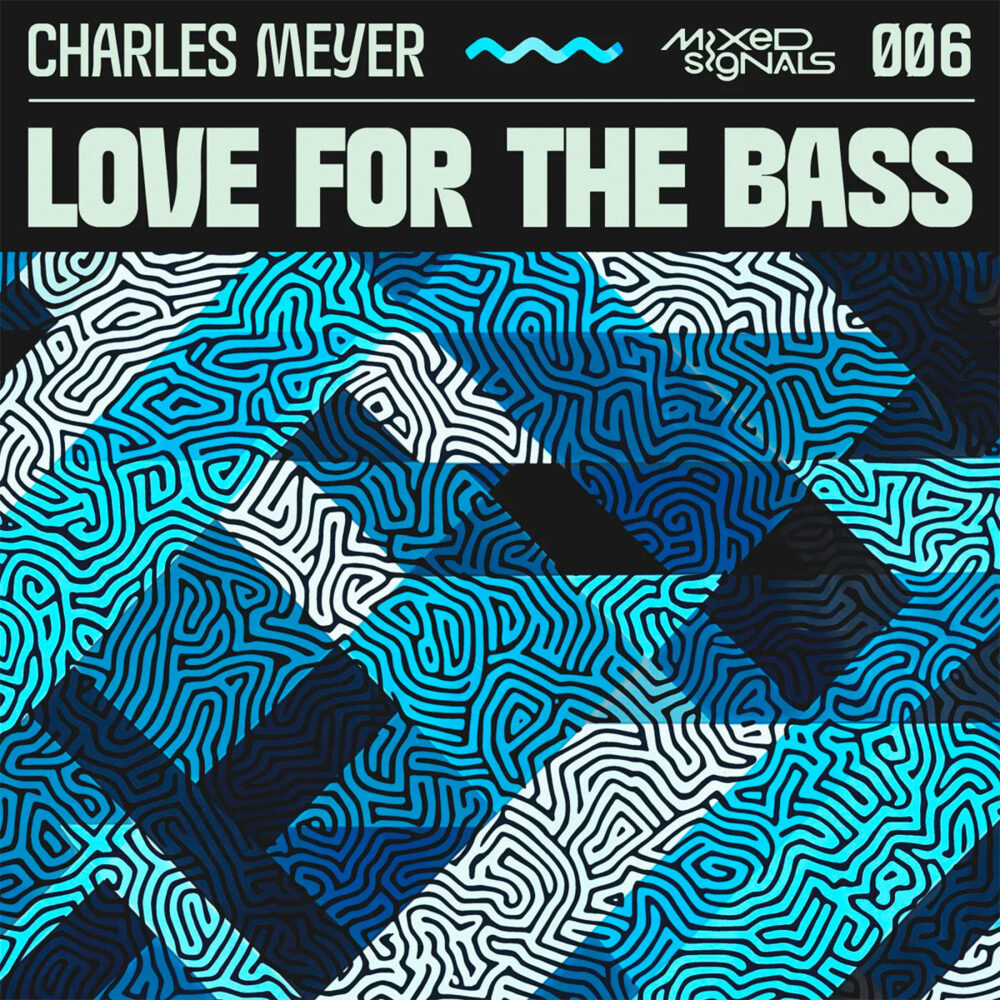
Fresh from the release of his latest single, ‘Love For The Bass’, Meyer joins EG to discuss his contribution to the EG Podcast series, the environments that shape his productions, lessons learned through talent buying, and the milestones still driving him forward.
EG: Hi Charles, welcome to EG. Great to have you here. How have you been? Where are you speaking to us from today?
Charles Meyer: Life has been pretty great lately! I’m currently in my studio in Brooklyn, New York.
EG: First of all… Thank you for your contribution to our EG Podcast Series. What can fans of the series expect to find on this one? Is there a thread or concept running throughout?
Charles Meyer: This mix is an hour-long sequence showcasing 4 of my last 6 releases, along with 12 of my favorite recent tracks by other producers. The only throughline is that these tracks all live in a similar sonic space, and each one has a special groove that makes me feel some type of way.
EG: By the way, congratulations on your latest single, ‘Love For The Bass’ via Mixed Signals. What has the initial reception been like? What was the energy or feeling you were chasing when you made this track?
Charles Meyer: The feedback has been amazing, both in person and online. Every time I play it in a set, I feel the energy of the room shift to such a positive place. I guess that’s the feeling I was chasing when making this track: optimism, effervescence, and unity. But with a sort of bossy, swaggy rhythmic undercurrent. I feel like you need to have both. To me, if a song doesn’t address both light and dark, it feels like a lie.
EG: Your music feels very connected to real dancefloor experience, almost like it carries traces of all the different spaces you’ve played over the years. How much do environments shape the way you produce?
Charles Meyer: I think you’re 100% right; the dancefloor experience is always what I’m channeling when producing music. And by that I mean dancefloors that I’ve been at the helm of as a DJ and dancefloors that I’ve been in the middle of as a partygoer. The latter is arguably even more important than the former.
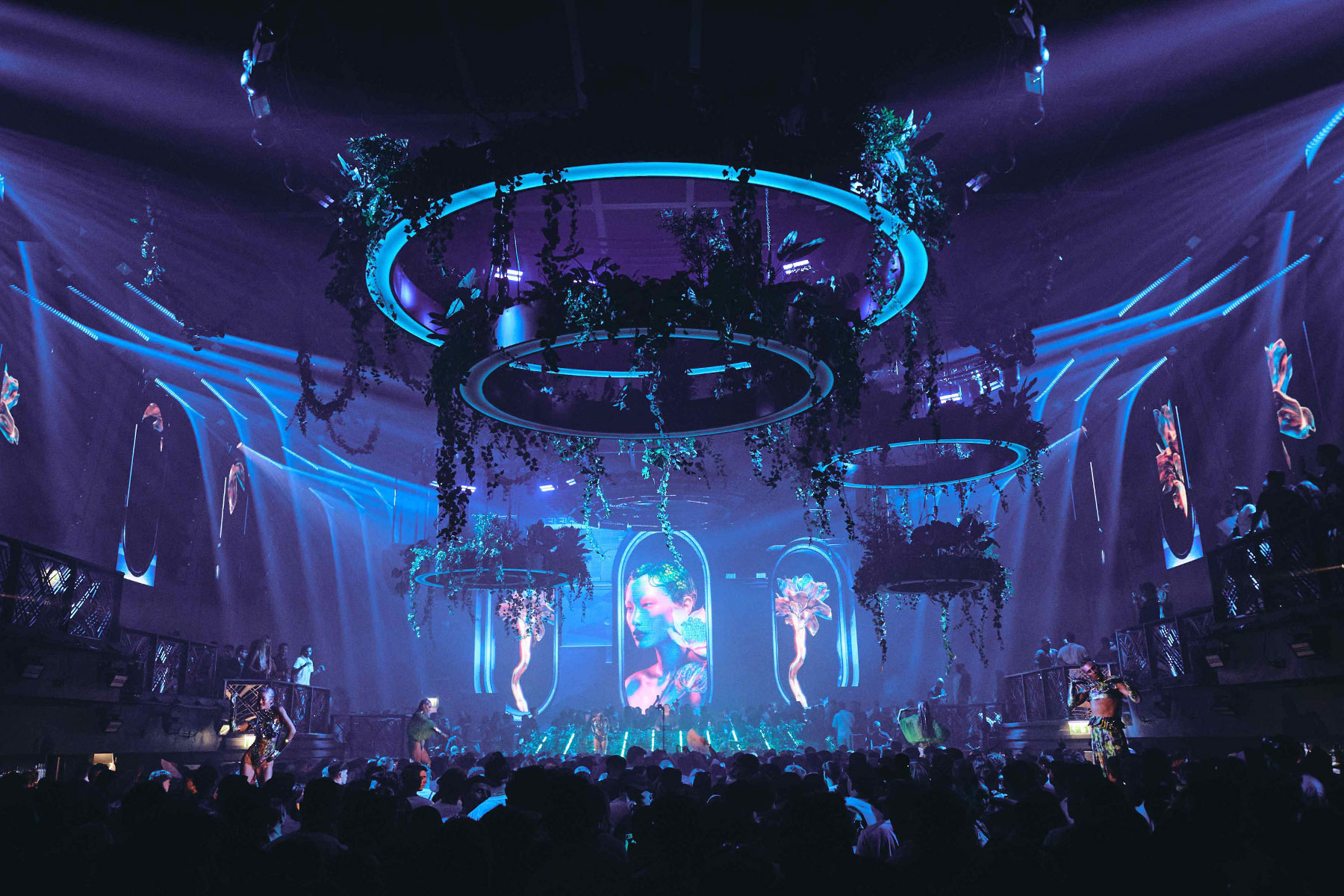
In either case, the physical environment of a party tends to influence the psychology of the people in attendance, and in turn, the psychological and psychosocial aspects of the events are what drive my inspiration when writing music.
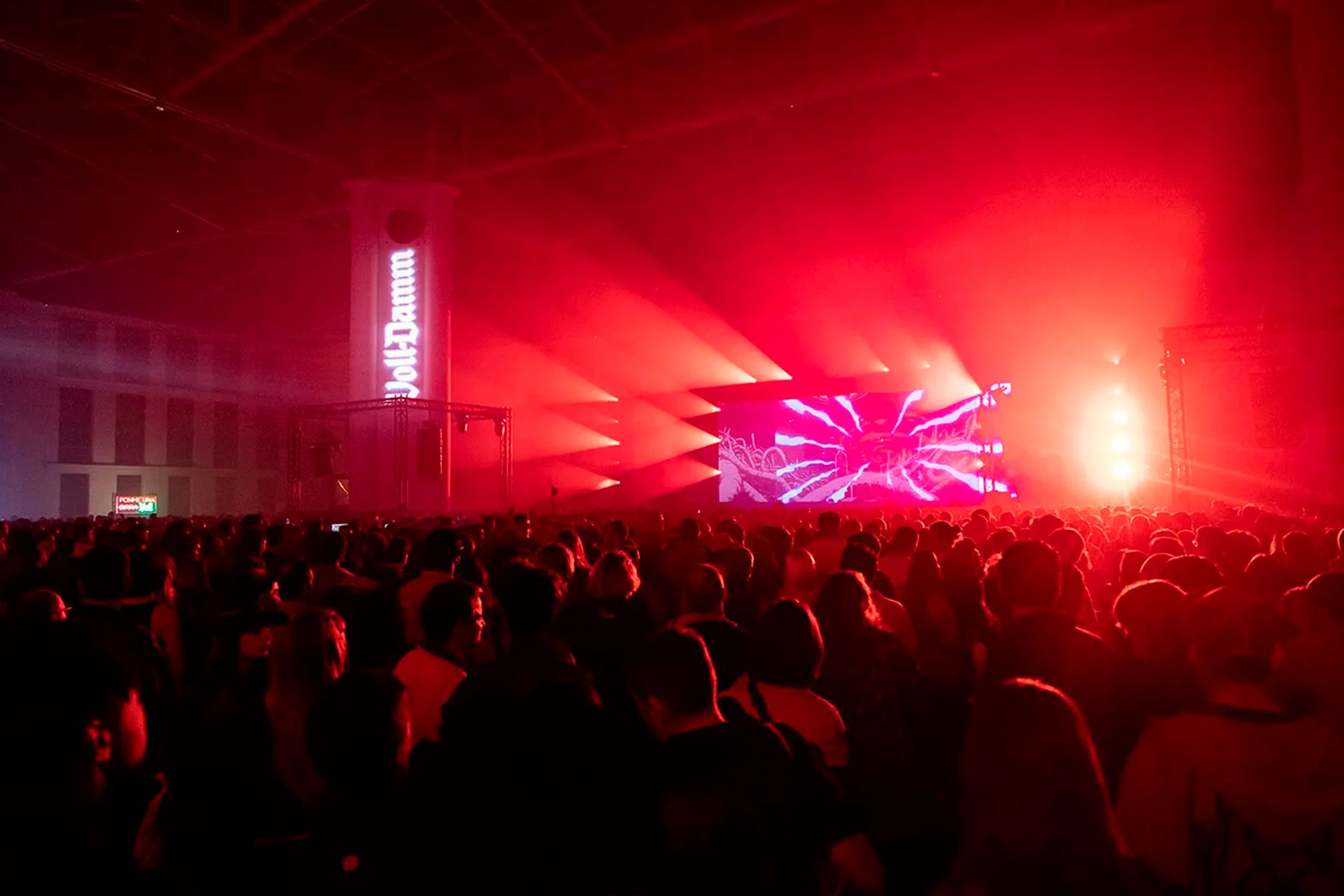
However, the physical spaces have directly shaped the way I produce in one particular way: by means of their unique acoustics. Certain acoustic environments have fundamentally changed how I hear and interpret music. For example, hearing music in a warehouse versus outside in a forest is a completely different auditory experience. Both have their pros and cons, and experiencing both can be very enlightening as to the different interpretational possibilities of a track. Sometimes I produce music that I envision being played in a warehouse or club, and other times I’m imagining it in nature, and this vision often informs the creative process from the beginning.
“If a song doesn’t address both light and dark it feels like a lie”
EG: You’ve been immersed in dance music culture for nearly two decades now, first in Los Angeles and San Francisco before eventually settling in Brooklyn. Looking back, what originally pulled you into this world so deeply?
Charles Meyer: Before 2007, I liked some electronic music, but it hadn’t taken over my entire life yet. Over the course of 2007 and 2008, everything rapidly changed for me, beginning when I went to my first Coachella in 2007 and saw Benny Benassi and MSTRKRFT, which blew my mind and led me to go see Daft Punk later that year in Vegas with some friends, which blew my mind even more.
A few months later, I ended up at Together As One NYE in LA, where I discovered deadmau5 in the side room playing the most glitchy and techy beats imaginable at the time. A few months later, in March 2008, my then-girlfriend and I, along with another couple, made the pilgrimage to Ultra in Miami and fully immersed ourselves in rave culture for several days and nights in a row.
That fall, I spent four months in Europe and encountered more great music at clubs in Paris, Barcelona, Munich, and Prague, and most importantly, at a festival in Belgium called I Love Techno, where Richie Hawtin, Magda, and Dave Clarke opened my mind to a whole new flavor of darker and more minimal music.
Upon returning, I continued to attend as many electronic-focused parties, clubs, warehouse parties, raves, and festivals as I could all over the US. I couldn’t get enough of both the insanely creative music and the warm, open-minded spirit of the people in attendance. I came to believe that my purpose in life was to contribute by any means possible to the flourishing and growth of this art form and community that I found so inspiring and unifying.
EG: Alongside your artist career, you’ve also spent years helping shape nightlife from behind the scenes through roles at Avant Gardner, Made Event, Disco Donnie, and SILO. How has working as a talent buyer changed the way you think about music and culture?
Charles Meyer: Working as a talent buyer has offered me a perspective that was completely foreign to me previously. To do the job well, especially when you’re playing with other people’s money, you have to learn to completely separate your personal enthusiasm for an artist from your objective evaluation of their current commercial value and marketability.
There is, of course, still a time and place to put on a lesser-known artist whom you believe in, but you have to know when that is or is not appropriate.
Talent buying has also shown me how to be smarter as an artist from a marketing and strategy perspective. Because I’ve had to carefully monitor the careers of thousands of artists in order to do my job well, I’ve had a front-row seat to how it’s done, and I’ve tried to gradually implement those traits in myself, which is still a work in progress.
Culture-wise, it’s been super interesting getting involved with other genres of music and subcultures through my talent-buying work. As an artist you can fall so in love with a very specific sound that you begin to disregard other musical and aesthetic styles, and while going deep into your niche can help bring out your most creative work, it’s good to have a reminder every so often that taste is always subjective and there are other ways of being that have equal creative value in the grand scheme of things.
EG: Having performed everywhere from warehouse parties and forest gatherings to major clubs and festivals, is there a particular kind of setting where you feel most connected to the crowd?
Charles Meyer: Even though I love to play large venues, I definitely feel most connected to the crowd in intimate settings with maybe up to 300 people, where you can clearly see every person on the dancefloor, and they can clearly see you, and where the space between the DJ booth and the front row is only a few feet.
I would also say that at multi-day camping festivals out in nature, people tend to come out of their shell more than anywhere else, so I feel like I can see who they really are, in the best way, and I love that.
“The physical spaces have directly shaped the way I produce in one particular way: by means of their unique acoustics”
EG: Looking at the current state of dance music, what do you think separates artists who genuinely last from those who disappear with the cycle?
Charles Meyer: I’ve noticed that lasting artists tend to forge a very personal connection with their fans by revealing their truest selves in their online content and by finding ways to show that they truly care about their fans and want the best for them. Extra points go to the artists who also manage to create a unique and uplifting community amongst their fans, one that offers something that other communities do not and fosters a real sense of belonging, which in turn encourages loyalty.
EG: On a personal level, after all these years immersed in nightlife and music culture, what still keeps you excited about this path? What next milestone are you looking forward to now?
Charles Meyer: As an artist, I’m still as bright-eyed and bushy-tailed as ever. I have so many milestones that I’m still reaching for, and the ones I’ve achieved recently have given me tons of motivation to do so.
Examples of what I’m reaching for right now are producing and releasing a track that becomes an underground hit and gets played by many of the biggest names in my genre, growing my profile to the point where I can book a full routed North American tour, and playing more shows abroad.
EG: Thank you so much for your time, Charles. We wish you all the best with ‘Love For The Bass’ and everything ahead. Take care!
Charles Meyer: Thanks for the interest and support!
Charles Meyer’s ‘Love For The Bass’ is out now via Mixed Signals. Stream and download your copy here.
Follow Charles Meyer: Spotify | Soundcloud | Instagram