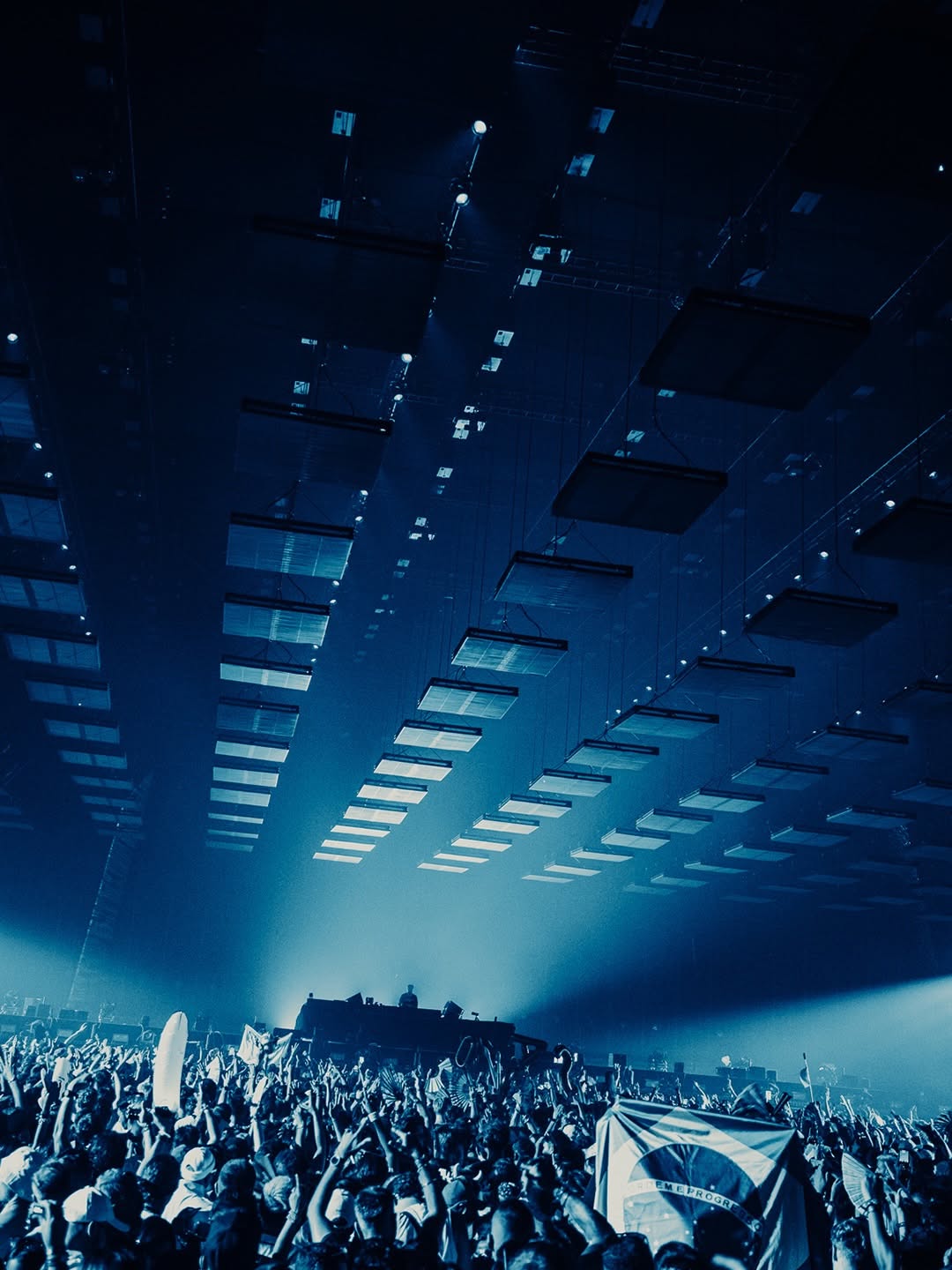
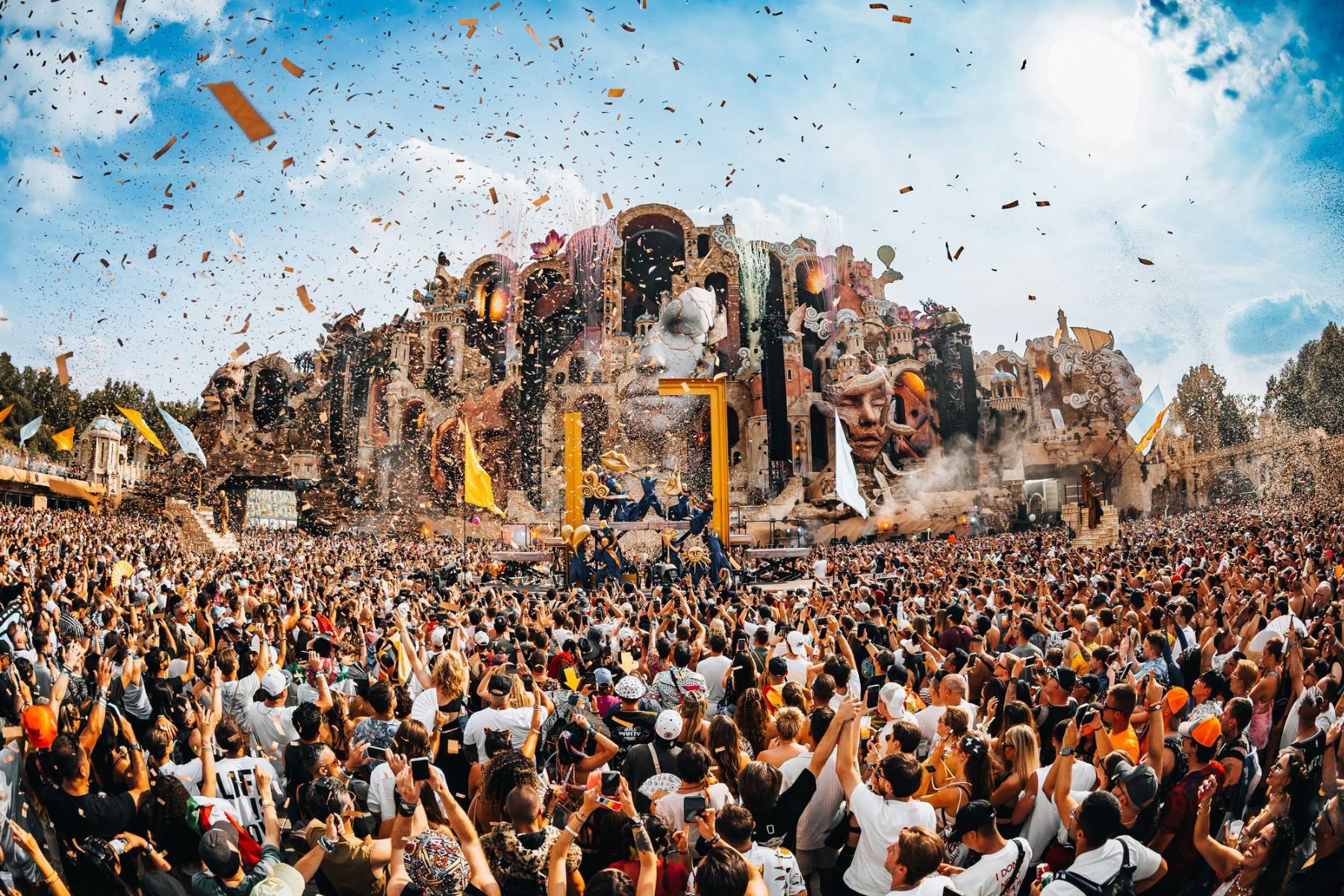
As I entered, the first thing I noticed wasn’t the Mainstage.
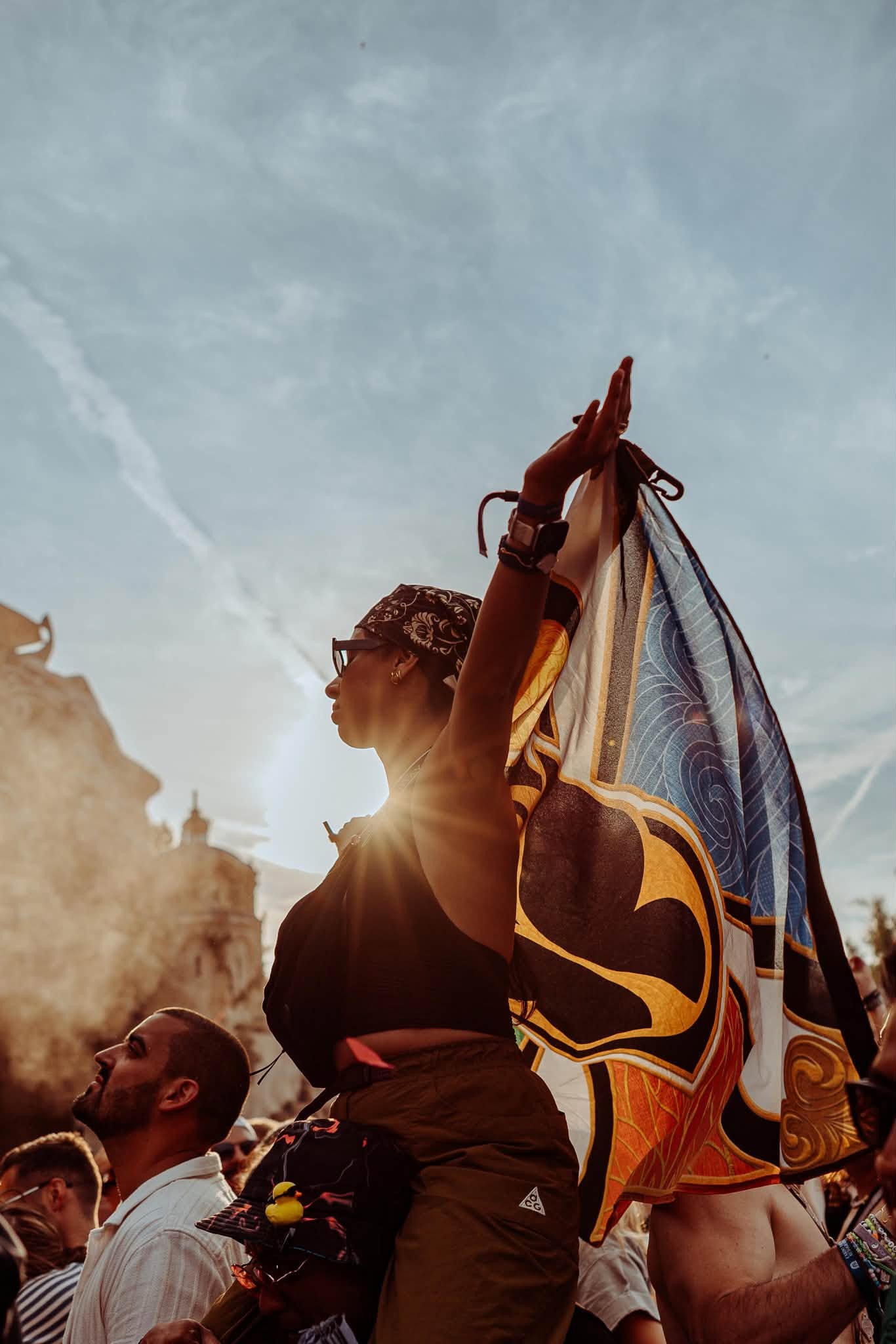
It wasn’t the fireworks, the flags, or the thousands of people crossing the bridge towards the Holy Grounds wearing Tomorrowland bracelets with the same excitement you’d expect on Christmas morning.
It was the smiles.
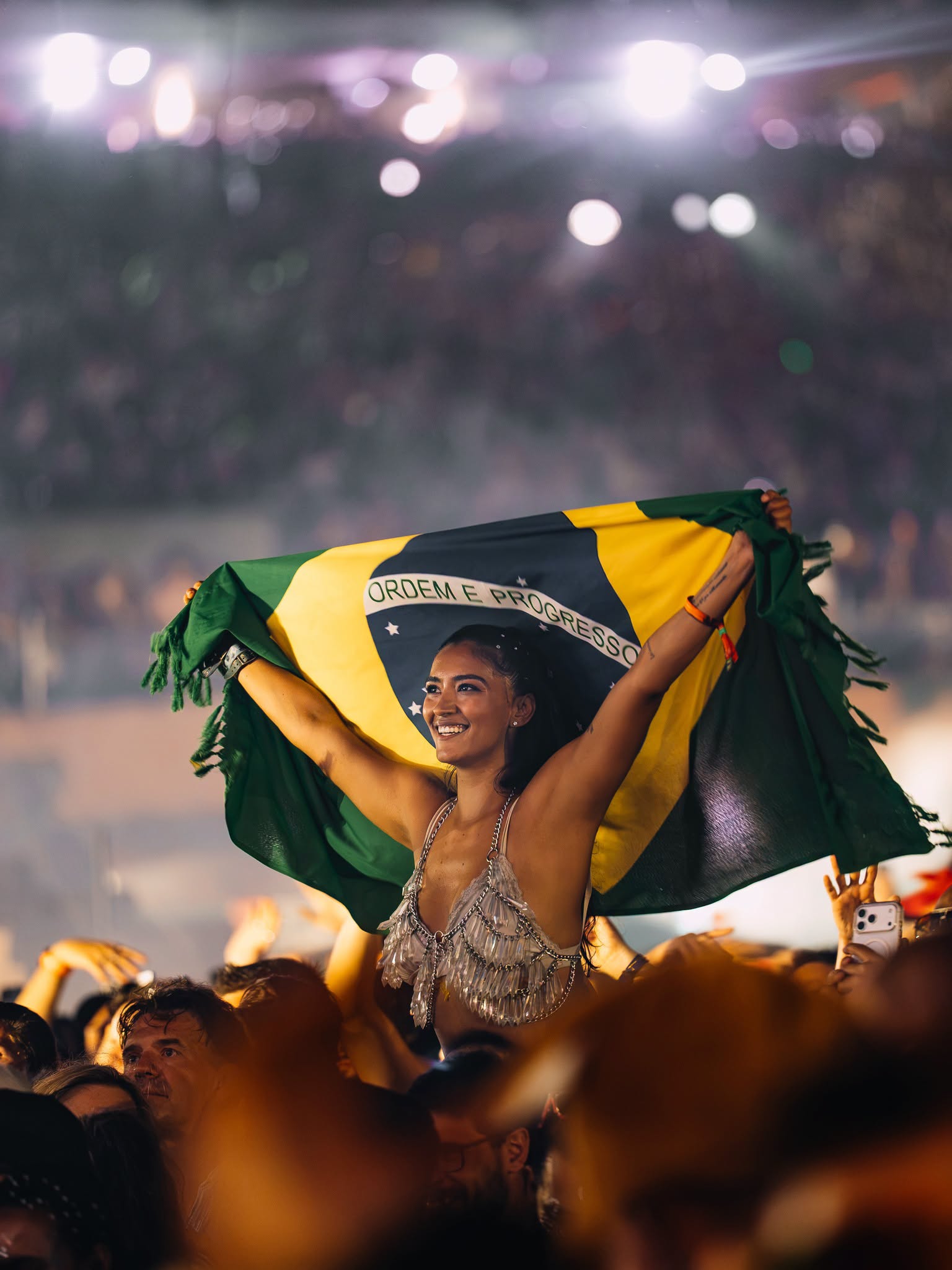
Somewhere between DreamVille and the festival entrance, complete strangers were already exchanging breakfast recommendations, comparing timetables and helping each other pronounce artists’ names in languages they barely spoke. Brazilian flags mixed effortlessly with Japanese, Colombian, South African, Australian and Belgian colours. A group from Argentina was teaching a Dutch couple how to dance to Latin rhythms while, a few metres away, two friends from South Korea were trying Belgian waffles for the first time.
It was only ten o’clock in the morning.
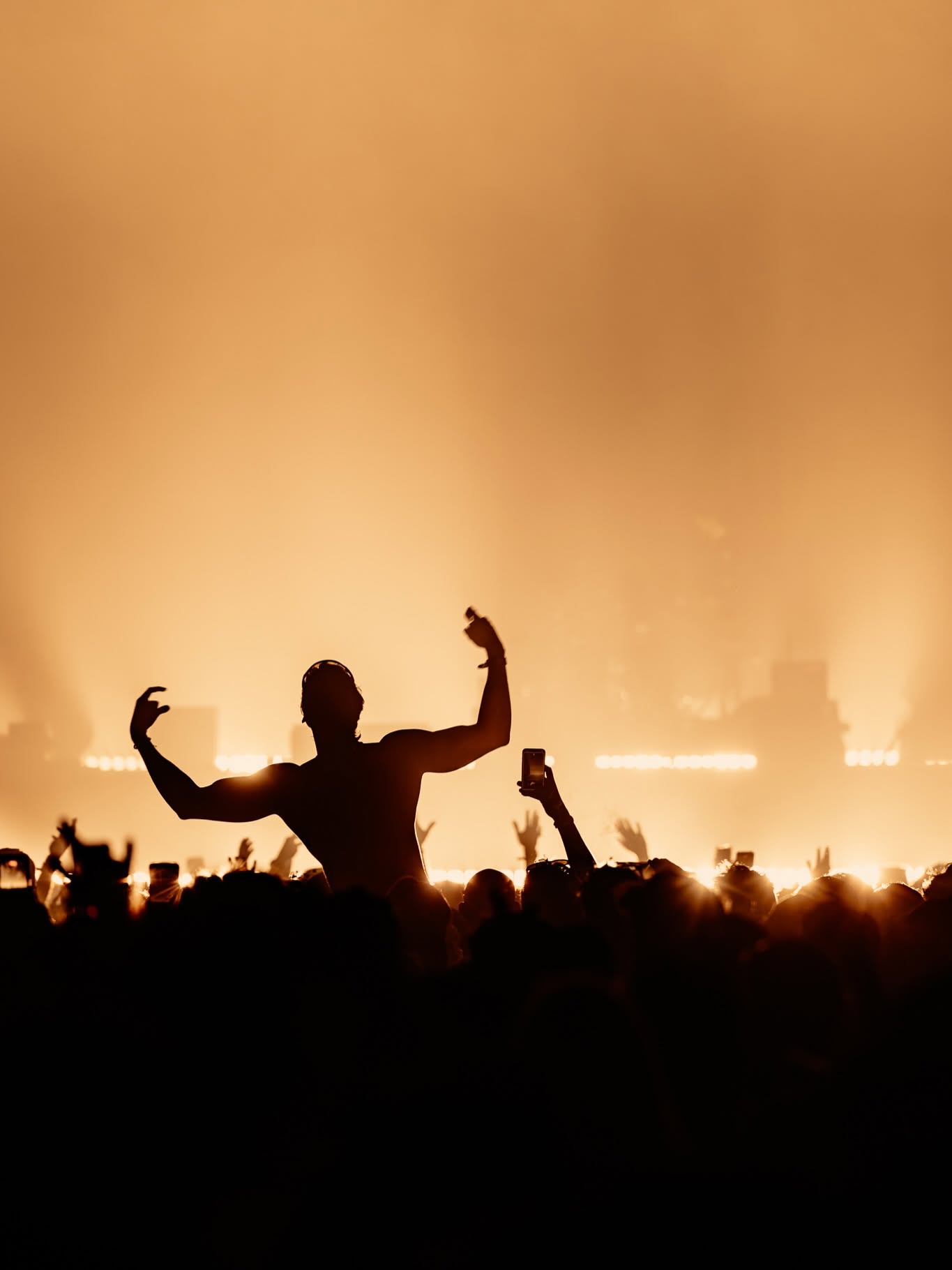
Four hours later, those same people would be dancing together as if they had known each other for years.
That, more than any stage design or production budget, is Tomorrowland.
This year marked my fourth visit to the world’s most iconic electronic music festival and my third covering it alongside Electronic Groove. Every return feels different. During my first edition, I spent most of my weekend running from one headline act to another, convinced I had to see everything. Four editions later, I have learned something that only time can teach you: Tomorrowland isn’t a festival to conquer. It is a festival to experience.
Ironically, the less I try to see, the more I discover.
That philosophy also reflects EG’s own perspective. While Tomorrowland is often labelled as an EDM festival by those who have never attended, spending three days in Boom quickly proves how misleading that perception can be.
Electronic Groove has always gravitated towards the deeper corners of electronic music. House, techno, melodic techno, progressive house and everything that exists between those worlds continue to define our editorial identity. Yet that is precisely why we keep returning to Tomorrowland.
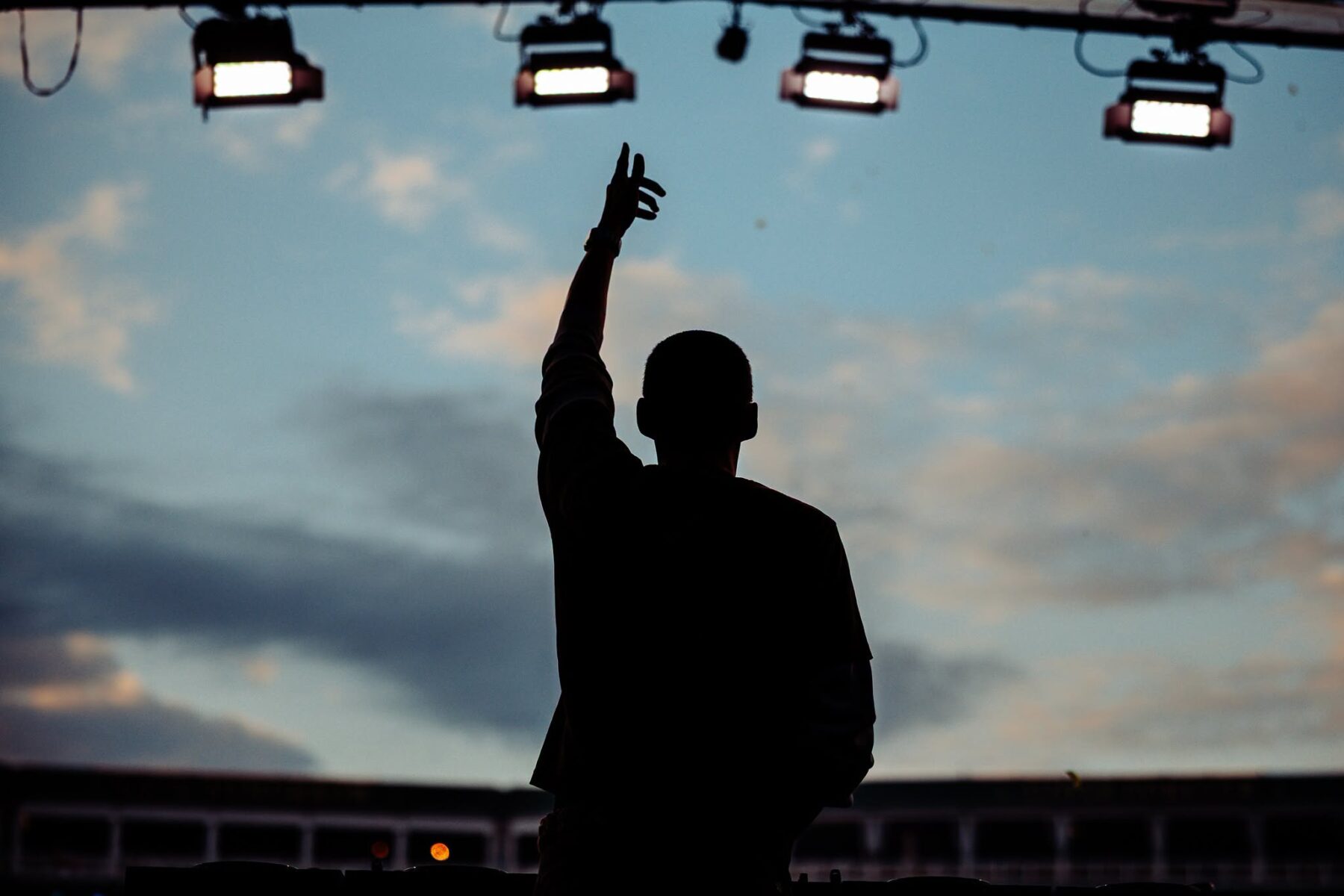
Consciencia: When emotion became the main attraction
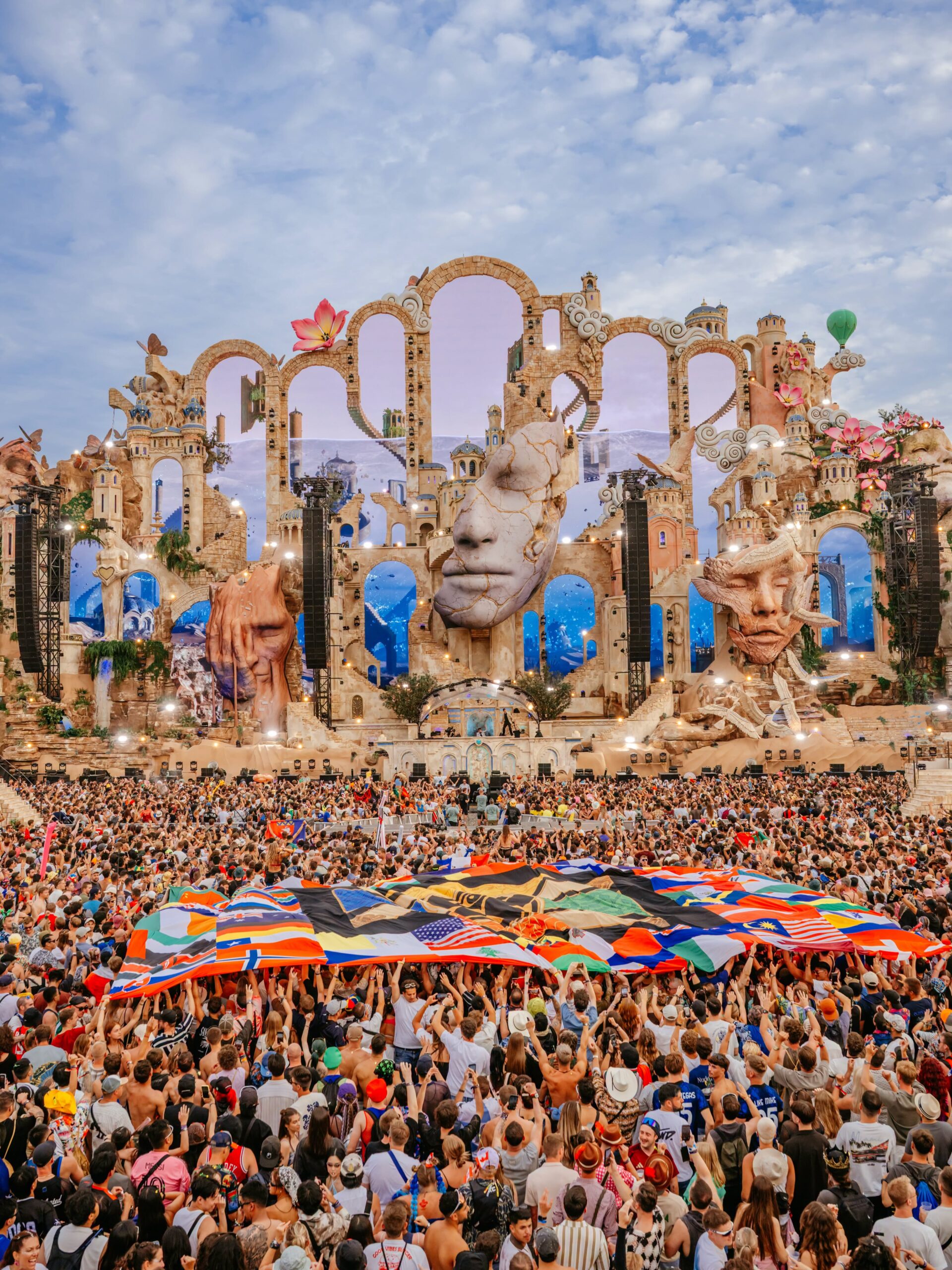
Tomorrowland’s twentieth anniversary introduced Consciencia, a theme built around six universal emotions rather than mythical kingdoms or fantasy worlds. Wonder, Joy, Love, Desire, Anger and Sadness became the emotional pillars of this year’s story, giving the festival a surprisingly human dimension.
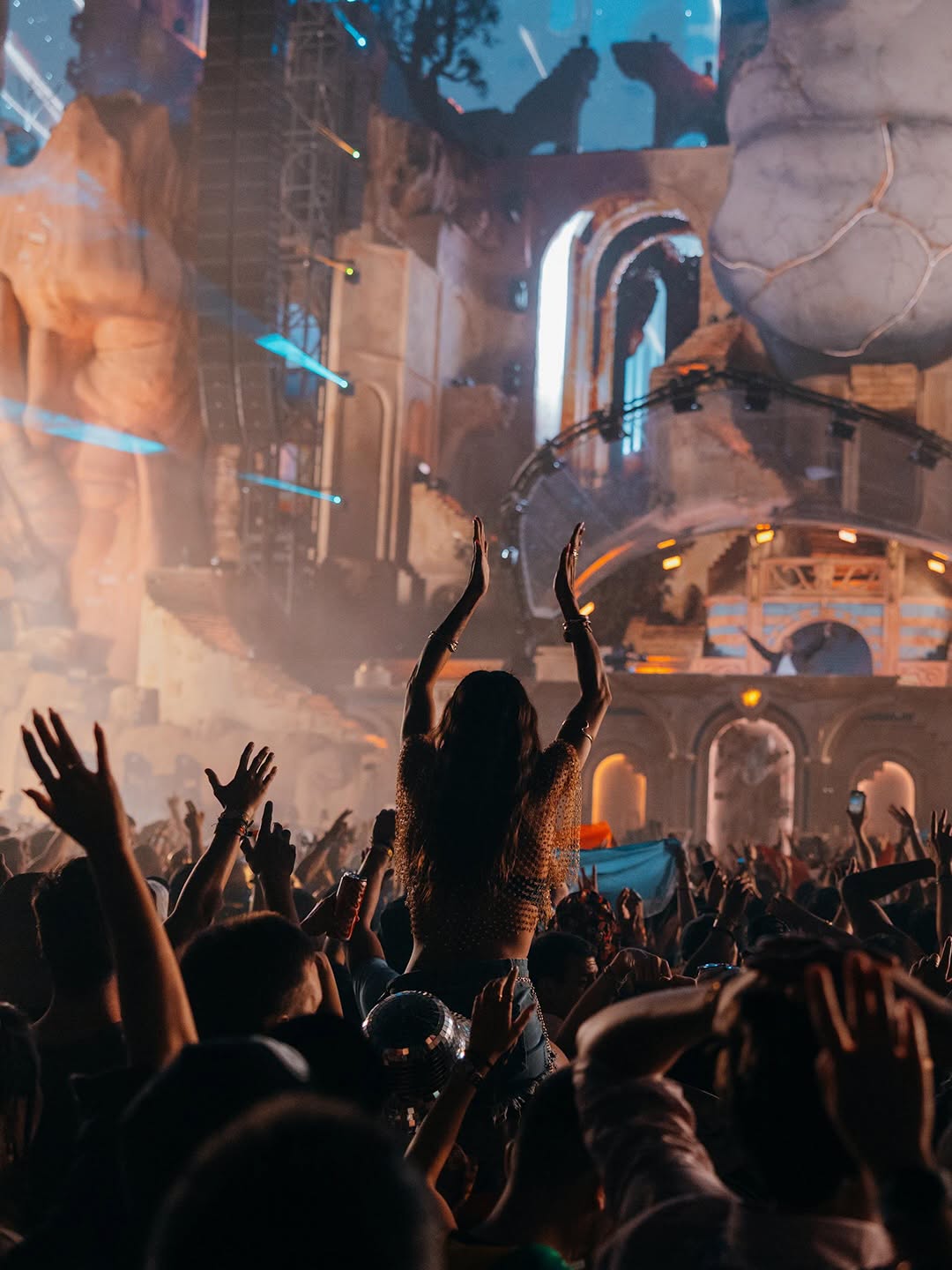
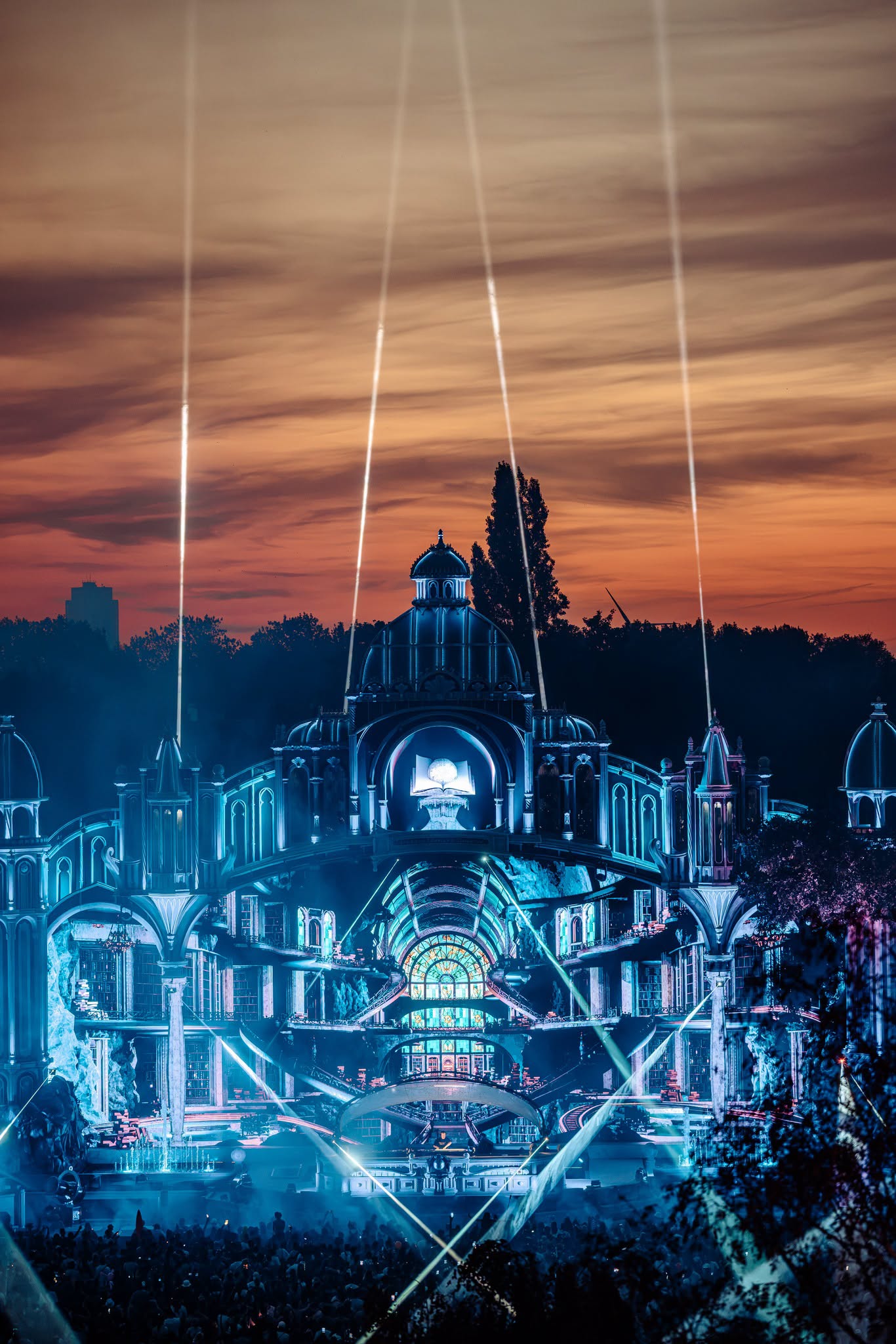
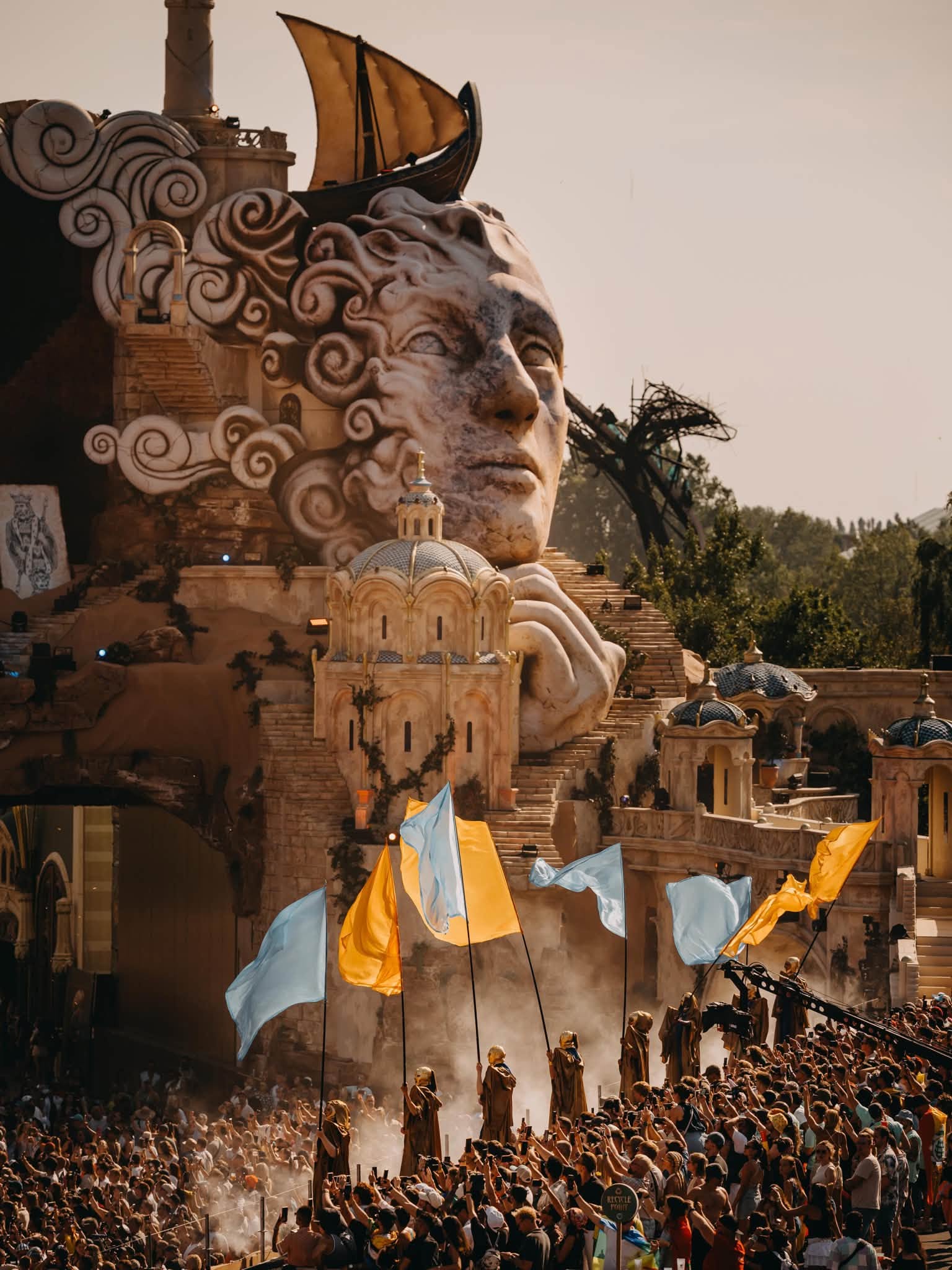
The Mainstage reflected that ambition perfectly.
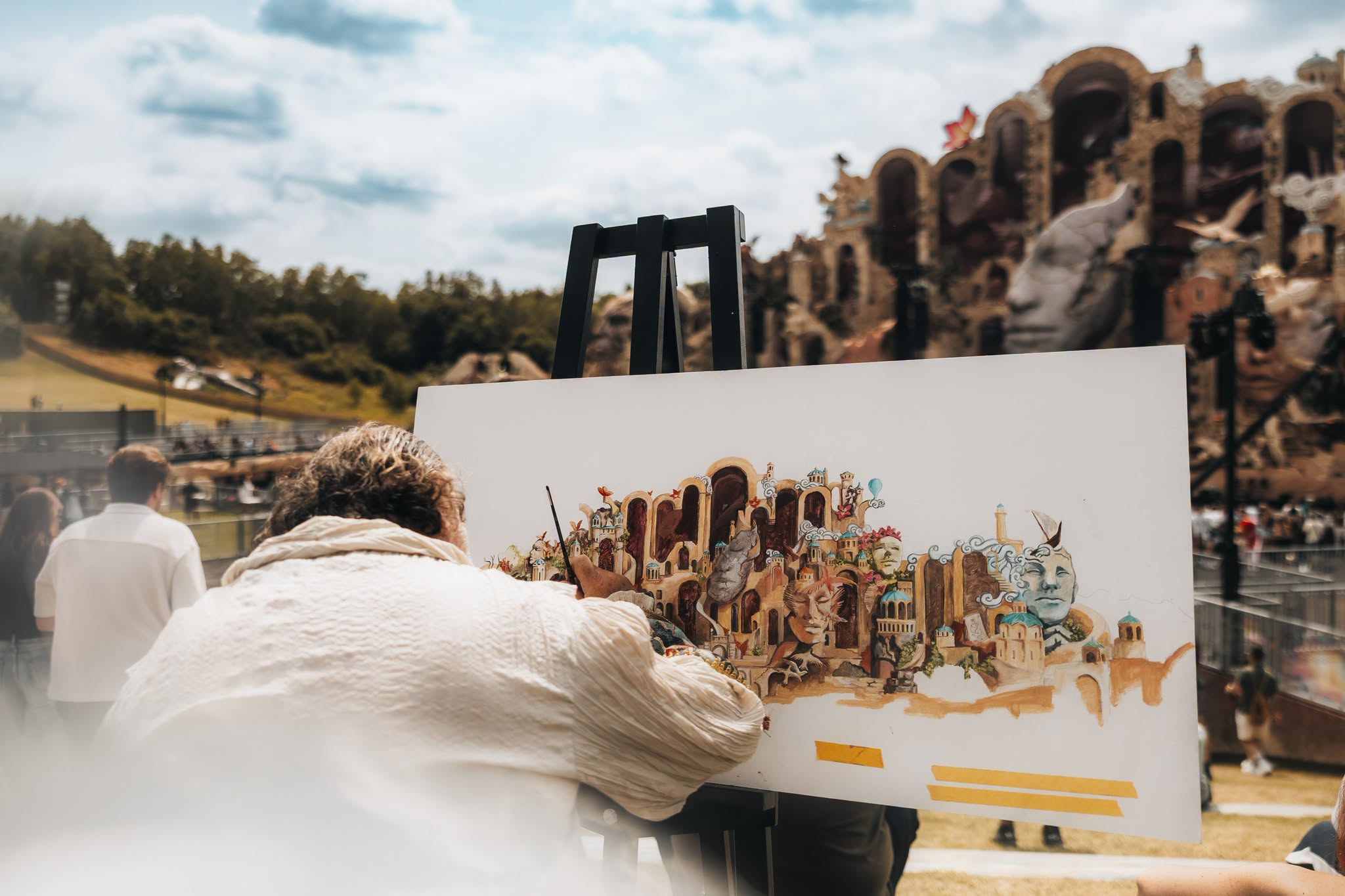
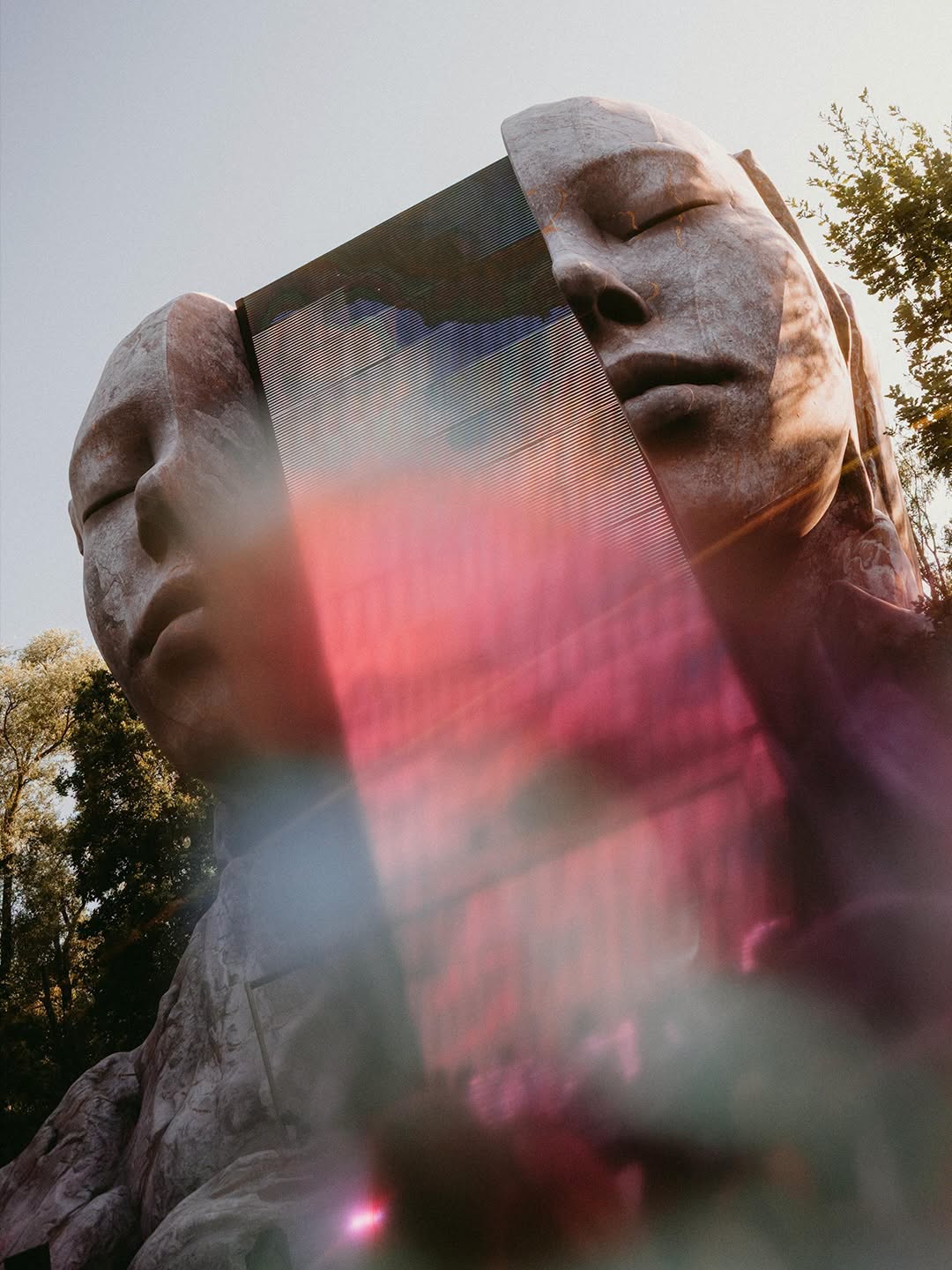
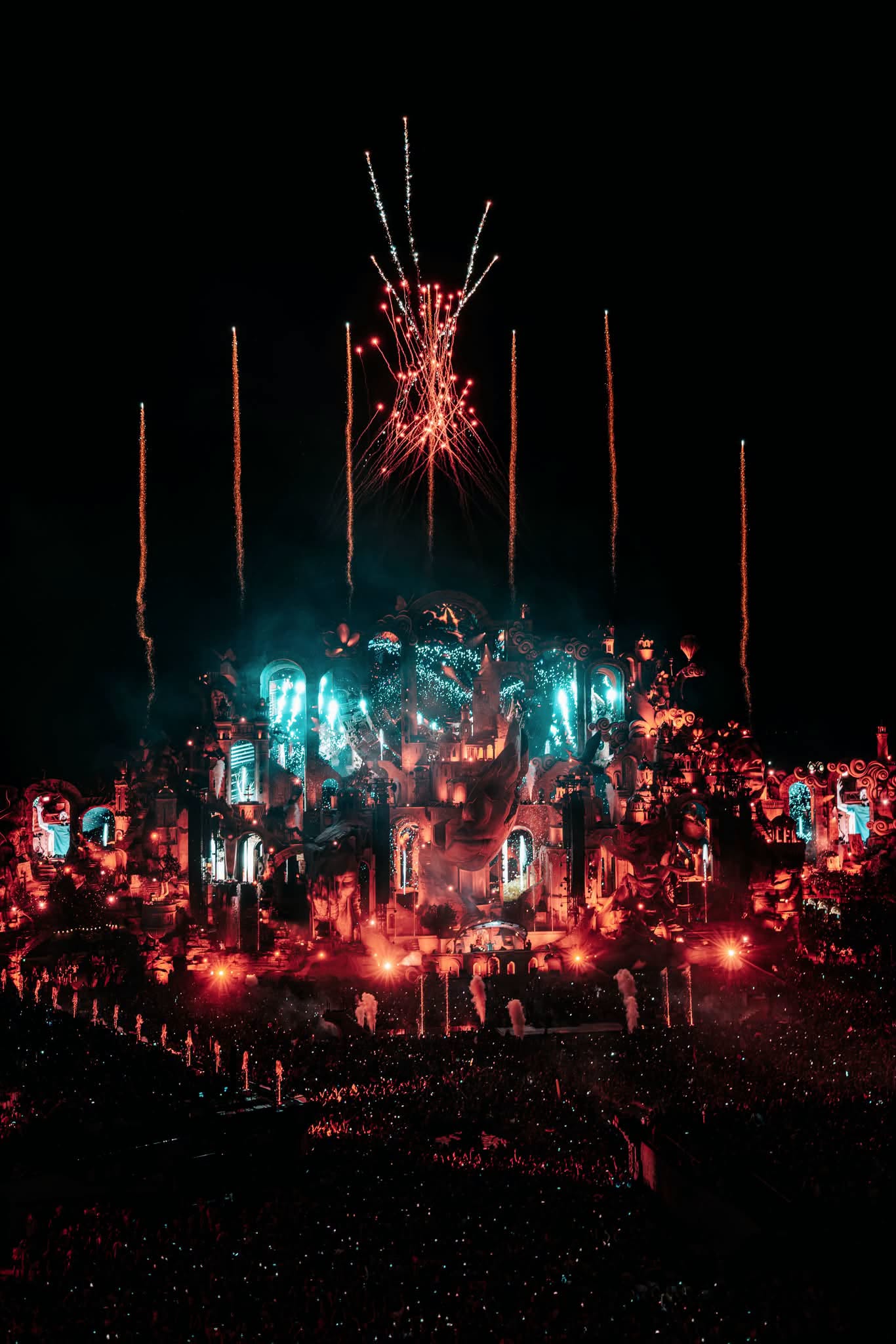
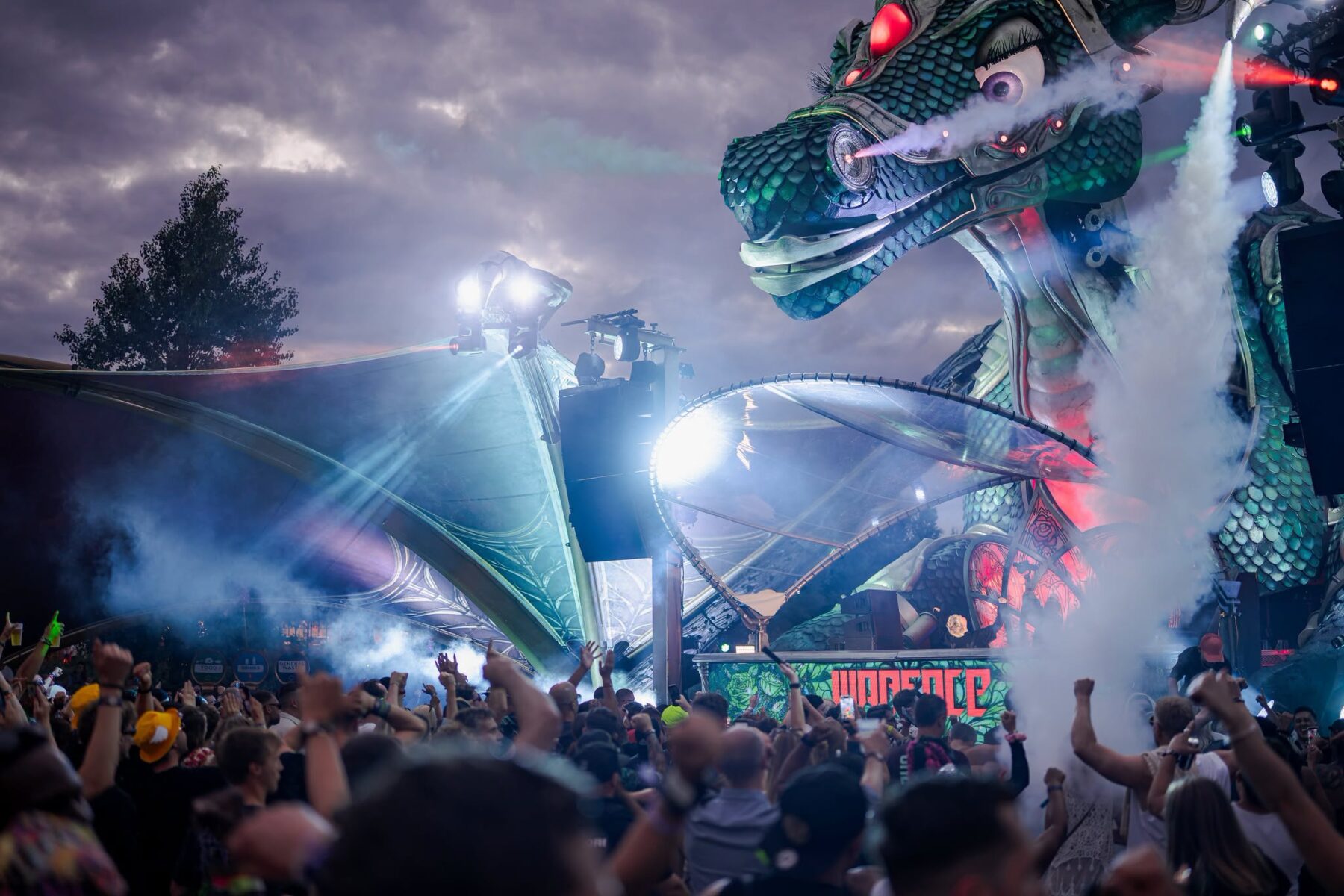
Standing 43 metres high and stretching 140 metres across, it became the largest structure the festival has ever built. Monumental sculpted faces watched over the audience while waterfalls, fountains, lasers and immersive visual sequences transformed every artist’s performance into another chapter of the same narrative.
Yet statistics never tell the whole story.
The most impressive thing wasn’t its size.
It was the way the stage seemed alive.
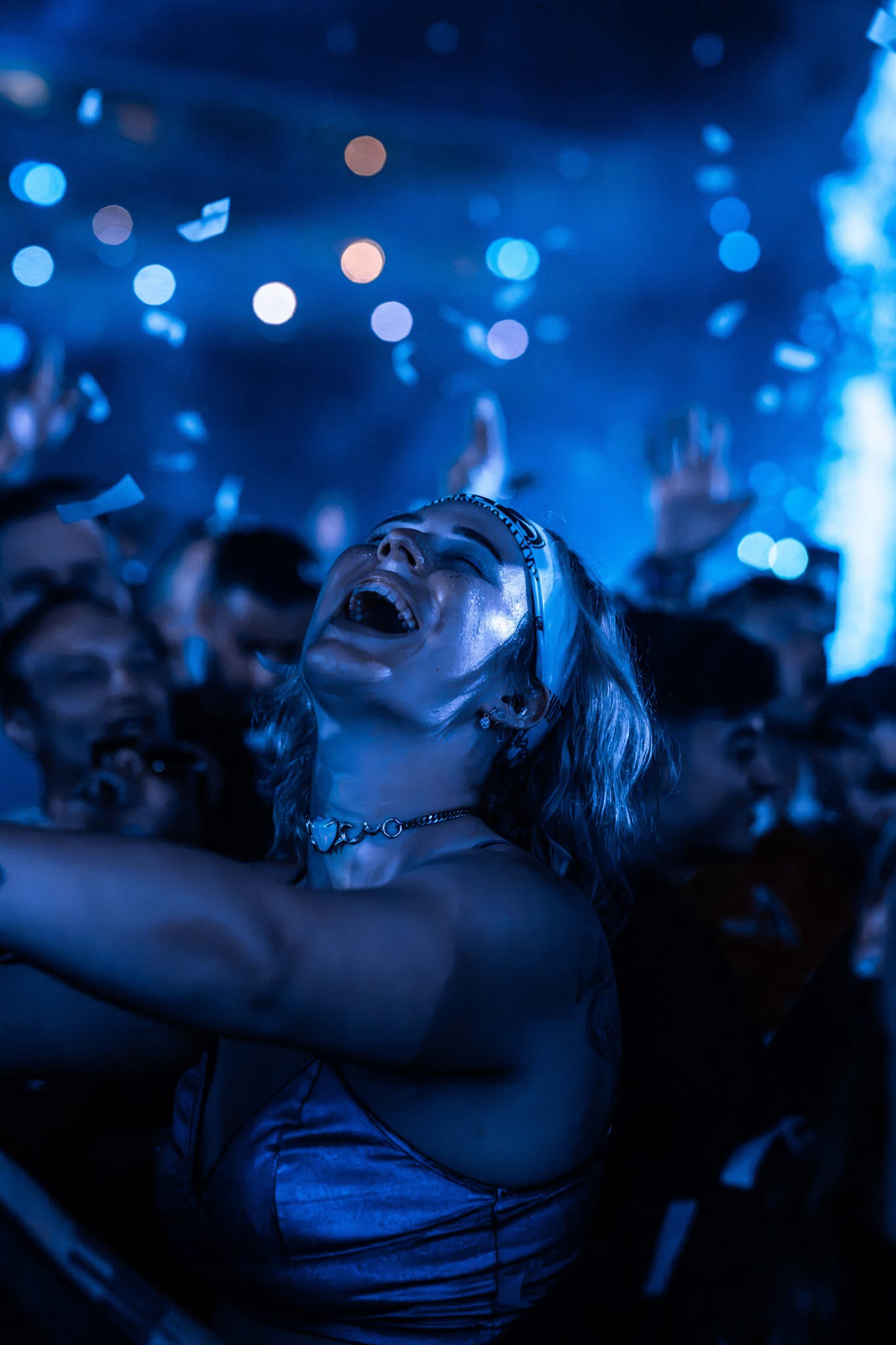
As daylight slowly disappeared on Saturday evening, every facial expression projected onto the structure appeared to evolve alongside the music. Joy gave way to contemplation, tension dissolved into celebration and, for a brief moment, hundreds of thousands of people found themselves reacting to exactly the same emotion.
Tomorrowland has always excelled at spectacle.
This year it excelled at storytelling.
More than a ticket
One of the questions I am asked every year is simple:
“What’s the best way to experience Tomorrowland?”
The truth is that there isn’t a single answer.
For international visitors, Global Journey remains by far the most convenient option. Flights, trains or buses are combined with accommodation and festival access, removing almost every logistical concern before arriving in Belgium.
Those wanting to immerse themselves completely inevitably end up in DreamVille.
Calling it a campsite hardly does it justice.
It feels like a temporary city.
Every morning begins with people carrying coffee cups instead of beers. Supermarkets open early, bakeries fill the air with the smell of fresh pastries, and conversations from the previous night become tomorrow’s friendships.
Within DreamVille itself, every accommodation option creates a different experience.
Magnificent Greens remains the most authentic choice for those wanting to pitch their own tent and fully embrace the community atmosphere.
Easy Tent strikes an excellent balance, offering comfort without losing the social spirit that makes DreamVille so special.
For those looking for something more exclusive, The Montagoe transforms the camping experience into boutique hospitality, proving that Tomorrowland has evolved alongside its increasingly international audience.
Whichever option you choose, however, one thing becomes obvious after the first morning.
Tomorrowland doesn’t begin when the gates open.
It begins the moment you wake up in DreamVille.
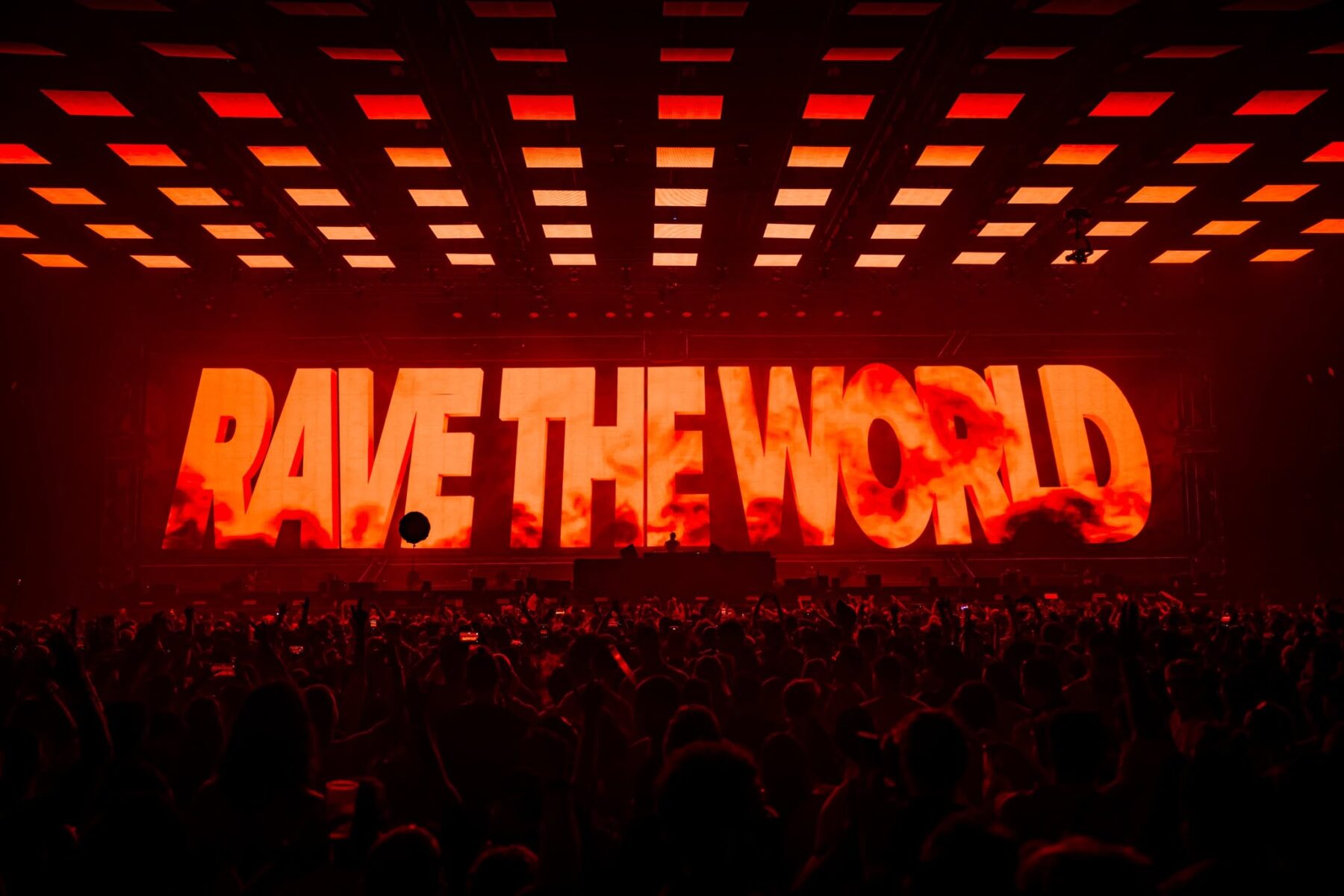
The Soundtrack of the Weekend
Precision in Motion – Enrico Sangiuliano
Few producers have shaped modern techno with the same consistency as Enrico Sangiuliano. While the genre continues to flirt with faster tempos and increasingly aggressive sound design, the Italian producer has remained remarkably faithful to a more cinematic approach. His music is built patiently, allowing tension to develop naturally before delivering moments of release that feel earned rather than expected.
That philosophy has become even more evident through his recent work with NINETOZERO and his ongoing commitment to pushing techno beyond functional dancefloor records. His productions continue to balance melodic sophistication with undeniable power, making him one of the artists capable of connecting underground audiences and festival crowds without compromising his identity.
That balance was unmistakable throughout his Tomorrowland appearance.
Rather than opening with obvious crowd-pleasers, Sangiuliano gradually drew the audience into his world, constructing long musical arcs that rewarded patience. Every transition felt deliberate, each layer adding another dimension to the story unfolding through the speakers.
Among the highlights, LIKETHIS immediately established the intensity that would define the performance, while LUSU showcased the producer’s unmistakable ability to combine hypnotic grooves with emotionally charged melodies. Even the unexpected inclusion of the Wiwek & Mike Cervello remix felt carefully positioned, injecting a burst of raw energy without disrupting the narrative that had been building throughout the set.
What impressed me most, however, wasn’t any individual track.
It was the discipline.
Sangiuliano never seemed interested in chasing applause or manufacturing viral moments. Instead, he trusted the music to speak for itself. The result was a crowd completely immersed in the journey; less concerned with filming every drop than simply experiencing it together.
In an age where electronic performances are increasingly measured by spectacle, it was refreshing to witness an artist reminding us that storytelling remains techno’s greatest strength.
Belgium’s Techno Standard – Amelie Lens
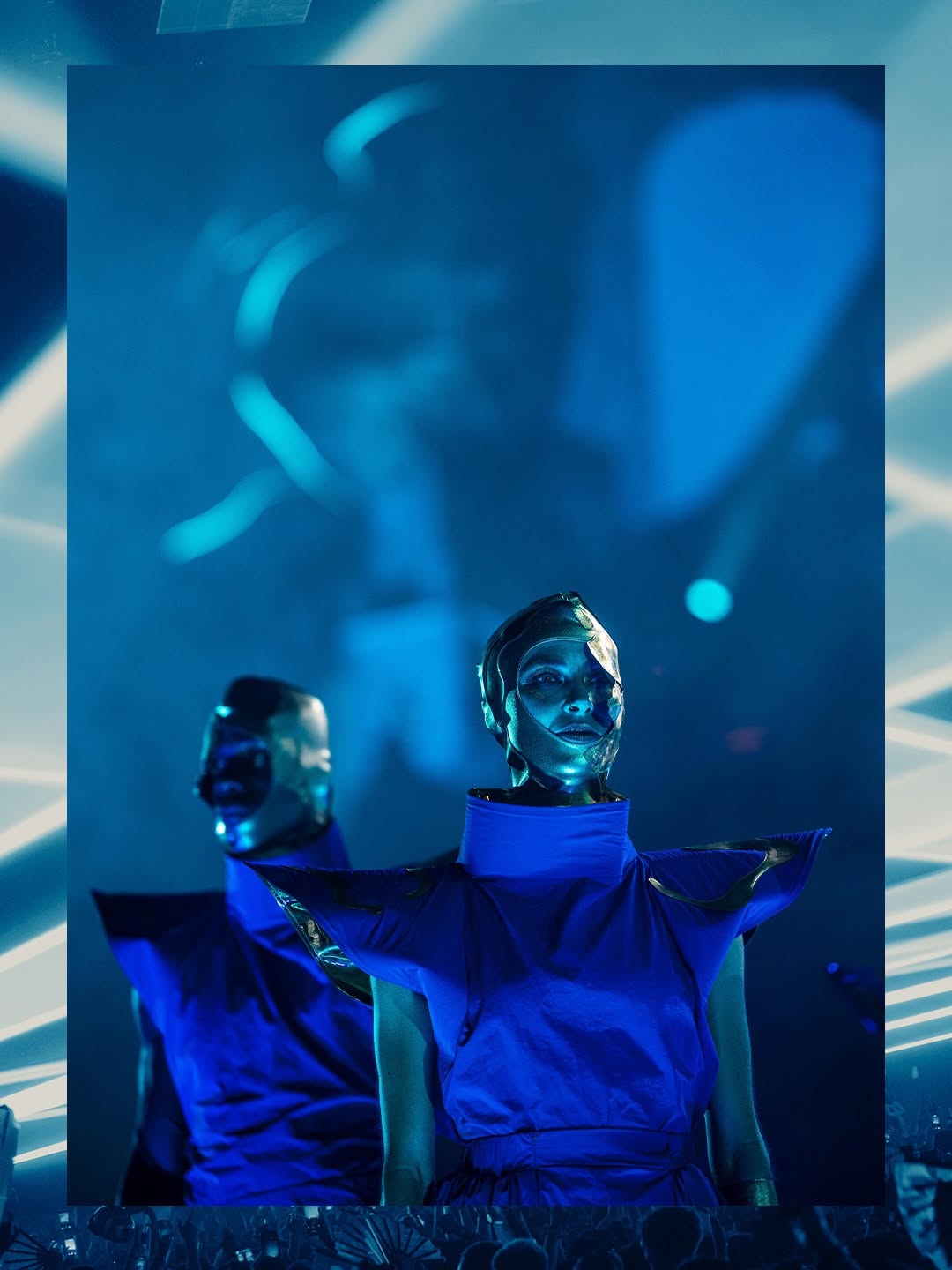
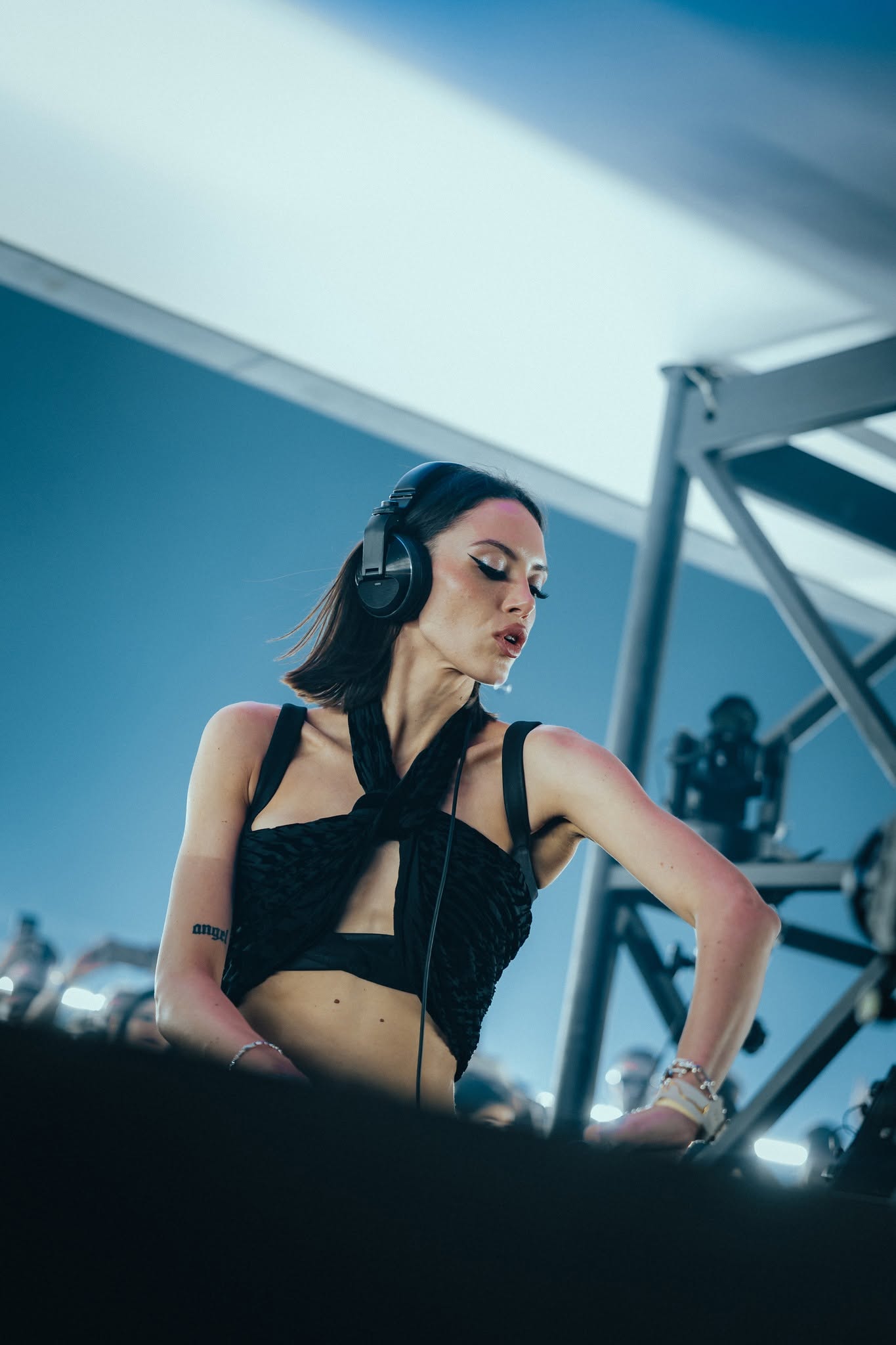
Few artists have experienced a rise as significant, or as deserved, as Amelie Lens. Yet arriving at Tomorrowland this year, it was clear that this wasn’t just another festival appearance. It marked the arrival of AURA, her new audiovisual concept, bringing a fresh creative dimension to one of techno’s most recognisable names.
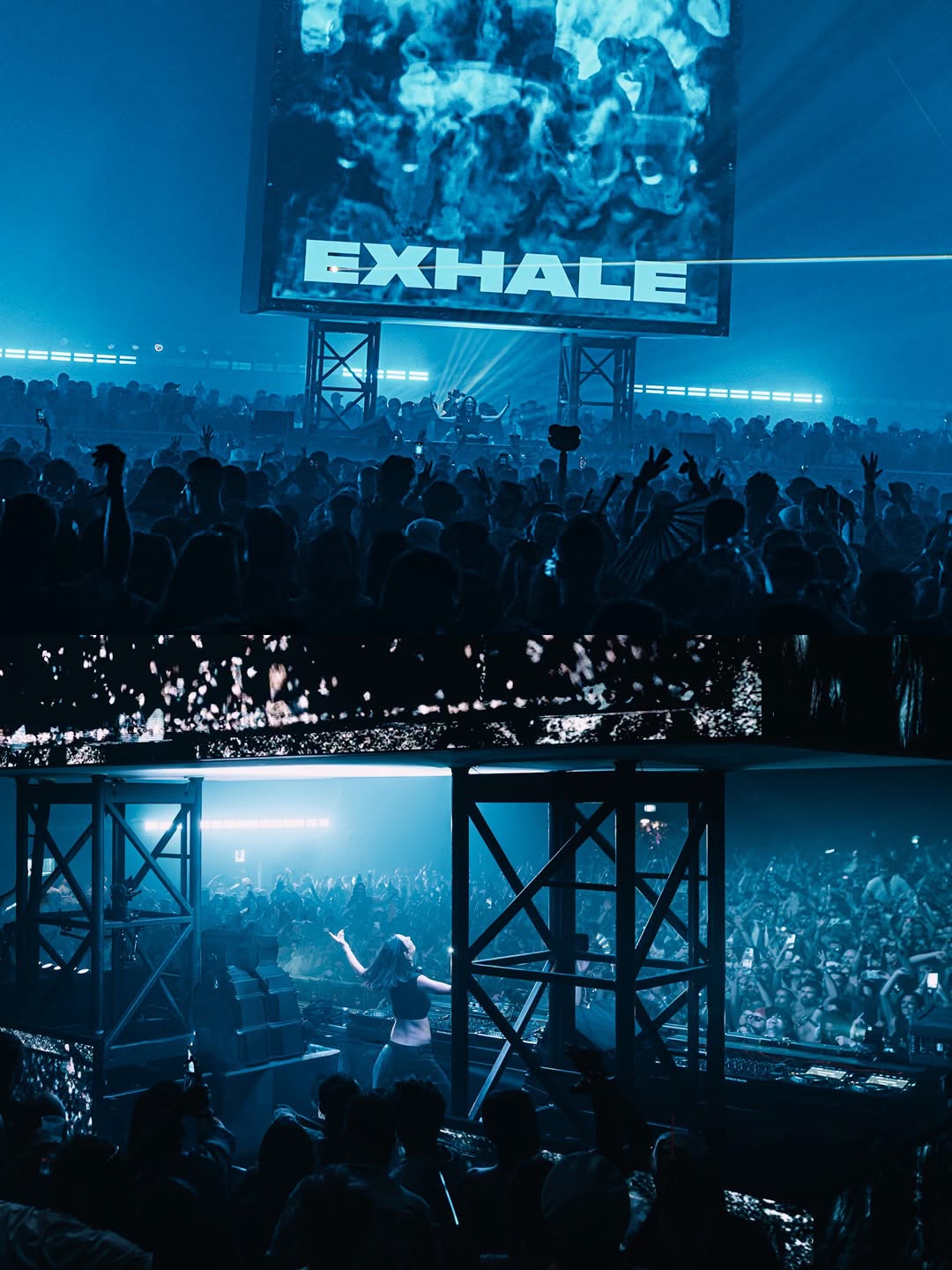
Following the extraordinary growth of EXHALE, which has evolved from a record label into one of the most influential platforms in contemporary techno, AURA feels like the natural next chapter. Rather than simply presenting another DJ set, Lens is expanding the experience into a fully immersive performance where music, visuals and atmosphere become inseparable. It reflects an artist who continues to push forward without losing the hypnotic, high-energy sound that has defined her career.
That evolution was evident throughout the performance.
There was an undeniable confidence behind every selection, reflecting an artist who no longer feels the need to prove anything. Instead, she focused on building sustained momentum, allowing tension to accumulate gradually while the visual production of AURA amplified every transition. The result was a performance that felt carefully choreographed without ever losing its spontaneity, proving that techno can be both emotionally immersive and visually ambitious.
One of the biggest reactions came with Maddix’s Acid For Breakfast, whose relentless acid energy injected fresh intensity into the journey and demonstrated how contemporary techno continues to borrow inspiration from harder festival sounds without sacrificing its underground roots.
The emotional high point arrived with Falling Into Acid Dreams, a production that perfectly captures the direction Lens has embraced in recent years. Driving yet melodic, hypnotic yet deeply emotional, the track has become one of the clearest expressions of her current artistic vision.
Looking around the crowd, one detail stood out.
People weren’t waiting for the next drop.
They were completely immersed in the experience unfolding in front of them.
And perhaps that is the greatest achievement of AURA. Beyond the impressive visual production, it reinforces Amelie Lens’ evolution from one of techno’s biggest names into an artist capable of crafting a truly multidimensional live experience, one that engages not only the dancefloor, but the senses as a whole.
Elegance Without Excess – Fideles
If there is one duo that perfectly embodies the growing maturity of melodic techno, it is Fideles.
The Italian pair have spent the last few years quietly establishing themselves among the scene’s most respected names, releasing consistently through labels such as Afterlife, Innervisions and Impressum while refining a sound that favours atmosphere over immediacy.
Their music rarely demands attention.
Instead, it earns it.
That understated confidence translated beautifully into their Tomorrowland performance.
Every transition felt effortless, every melodic progression carefully measured. Rather than overwhelming the audience with constant peaks, Fideles demonstrated that restraint can often be far more powerful than excess.
One of the defining moments arrived with Eric Prydz’s timeless masterpiece, ‘Opus.’
Nearly a decade after its release, the record continues to unite audiences regardless of nationality, age, or musical background. Fideles allowed its legendary progression to unfold patiently, resisting any temptation to rush the emotional payoff.
The result was unforgettable.
As the melody slowly expanded across the dancefloor, thousands of voices instinctively joined together. There was no countdown, no cue, no fireworks needed to manufacture the moment.
It simply happened.
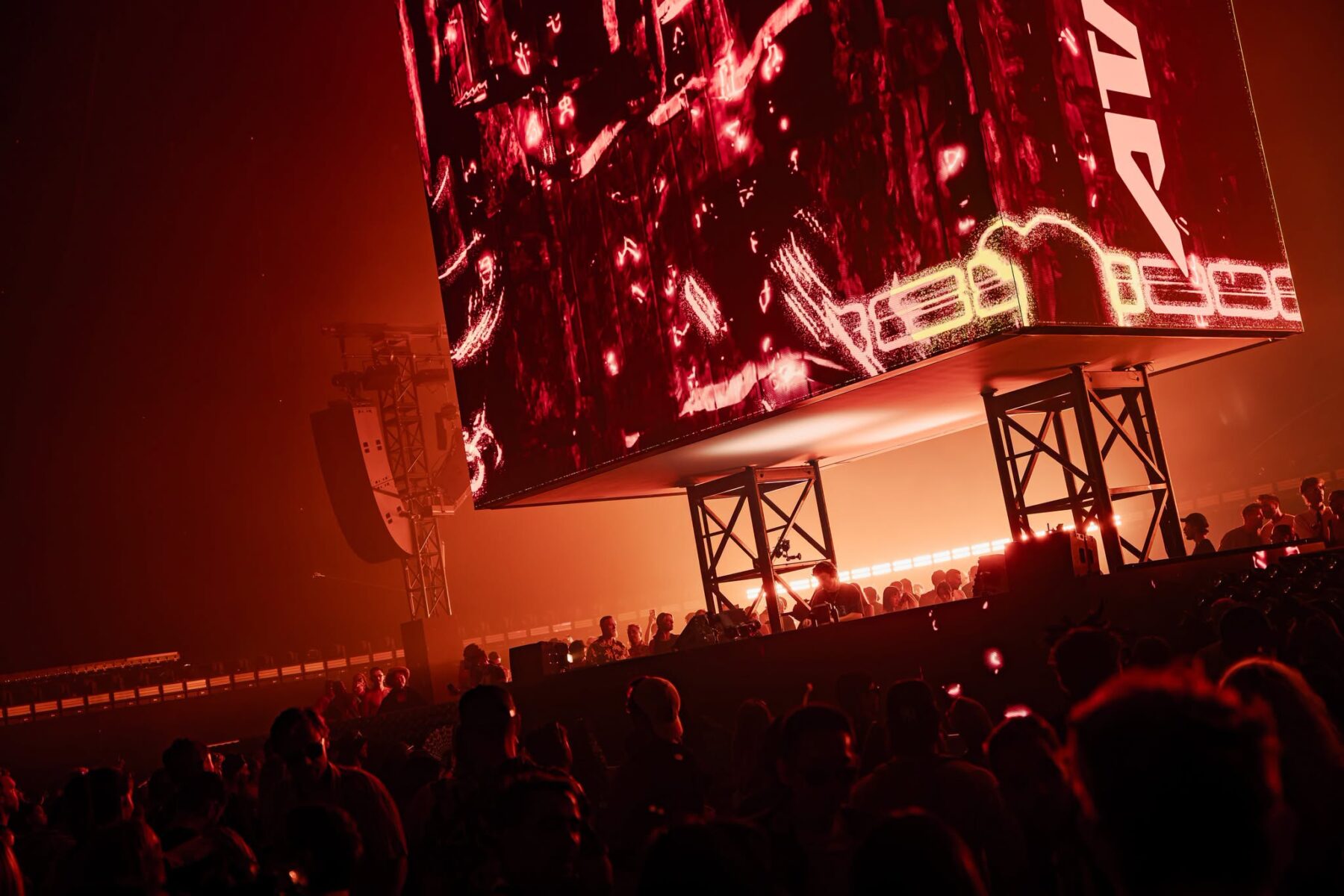
That spontaneity remains one of Tomorrowland’s greatest strengths.
Some of the festival’s most memorable memories aren’t created by visual production.
They’re created by music that allows people to share exactly the same emotion at exactly the same time.
Melodic Storytelling – Mind Against
Few acts have done more to redefine the intersection between melodic house and techno than Mind Against. The Italian duo have spent the last decade developing a sound that refuses to follow trends, drawing inspiration from IDM, progressive house and cinematic composition to create records that feel equally at home in intimate clubs and on the world’s biggest festival stages.
Their recent output continues to reflect that philosophy. Singles such as Late at Night and Overture reinforce the direction they have been pursuing in recent years: emotionally driven, meticulously crafted productions that prioritise atmosphere over instant gratification. Rather than chasing harder tempos, Mind Against continue to prove that subtlety can often have a greater impact than sheer intensity.
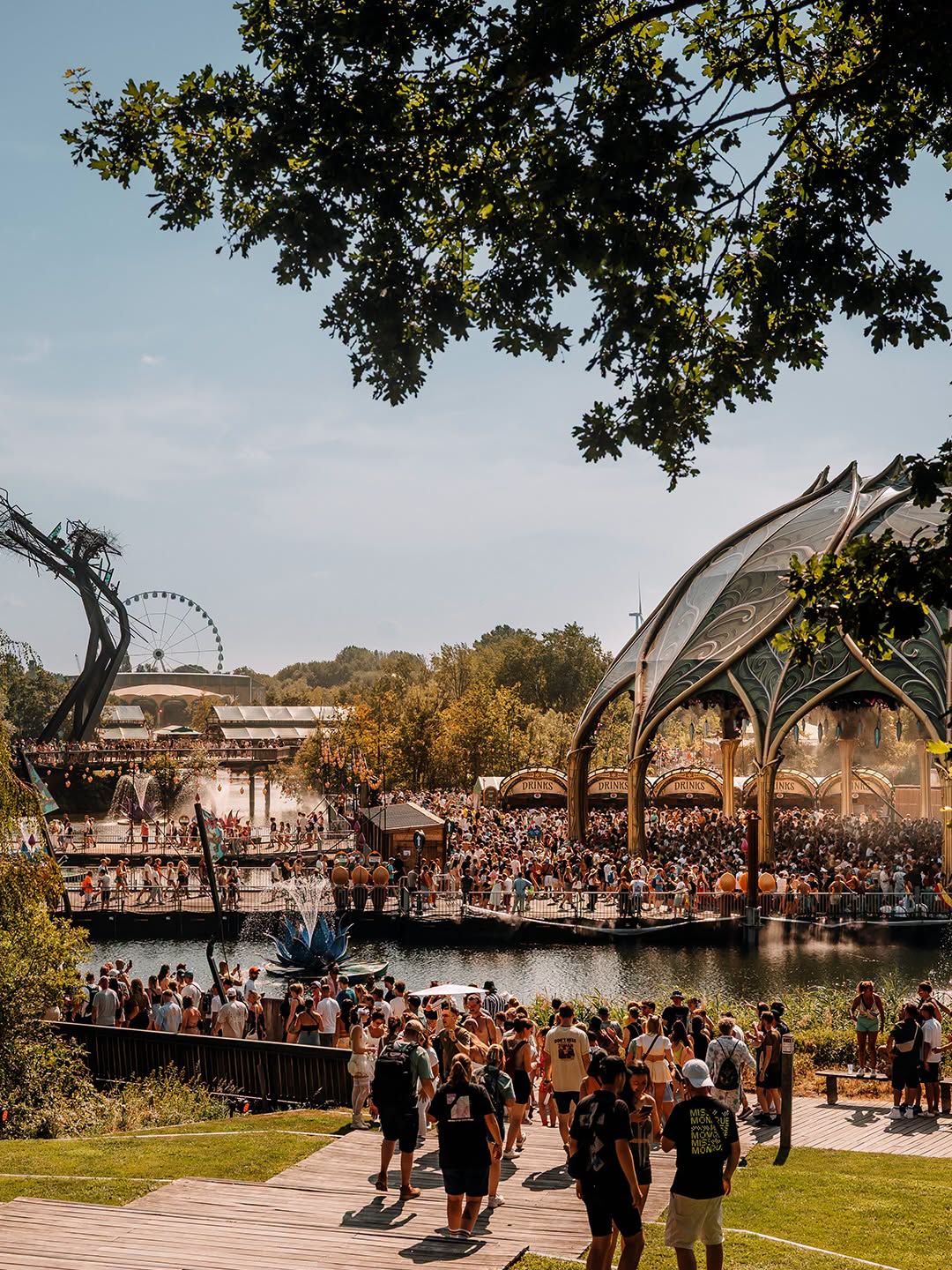
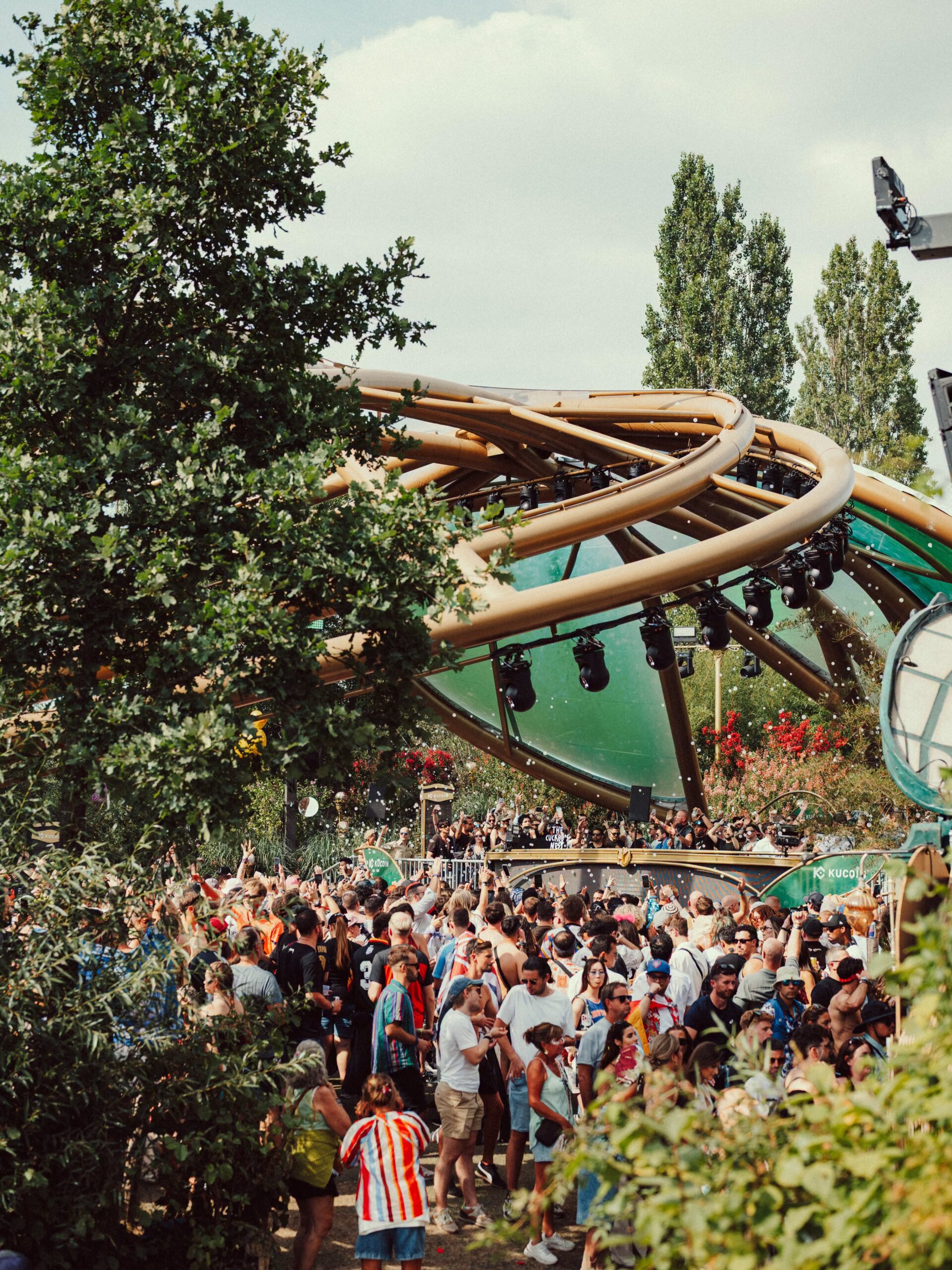
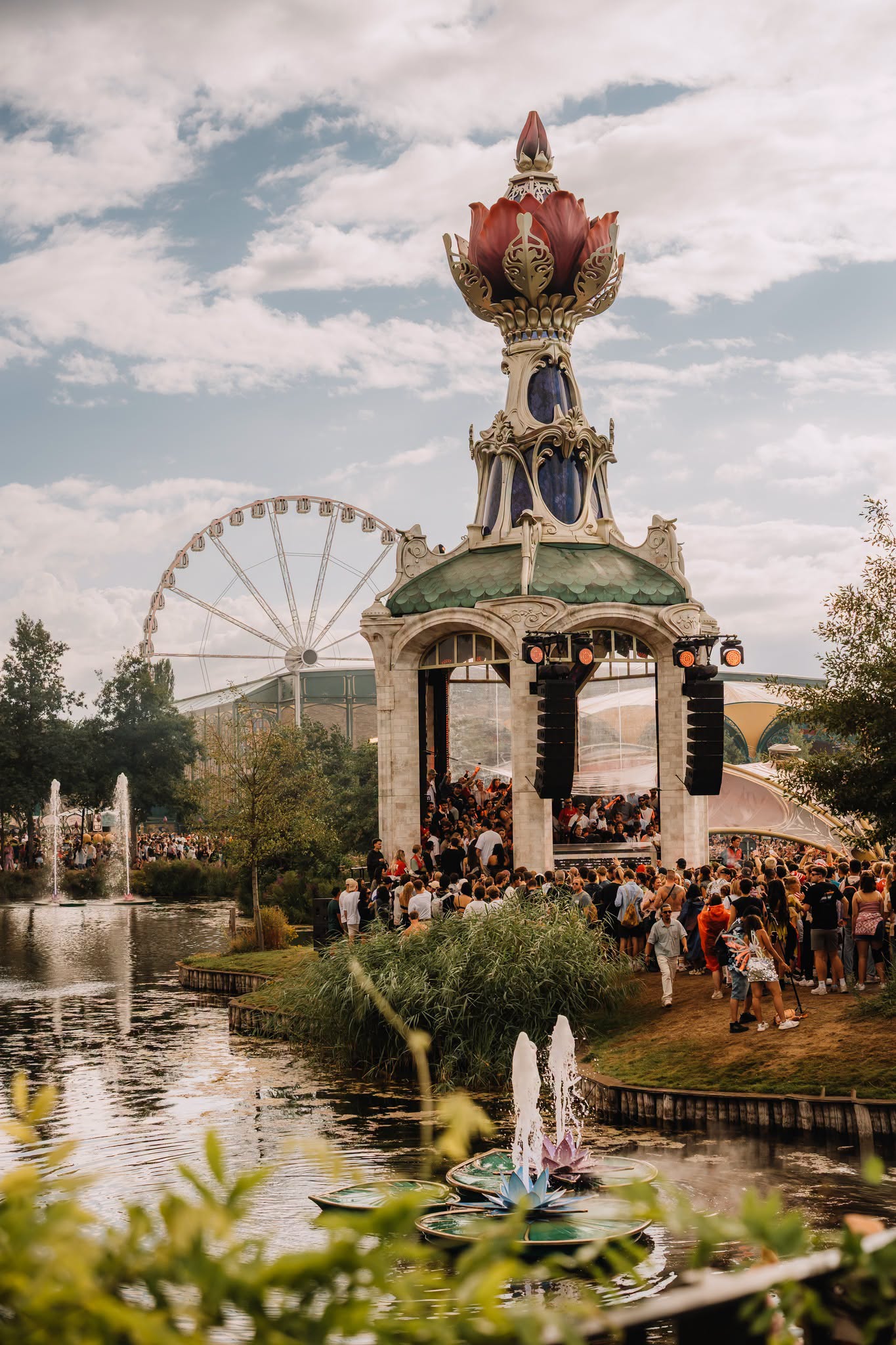
That approach made Crystal Garden feel like the perfect setting for their performance. Surrounded by trees, water and one of Tomorrowland’s most naturally immersive environments, their music seemed to blend seamlessly into the landscape. It was one of those rare occasions where the stage itself became part of the performance, reinforcing the cinematic quality that has become synonymous with the duo.
Among the highlights were ‘Shine On’ and ‘Believe In Me’, two records that perfectly complemented the emotional arc of the set. Neither track relied on explosive drops or obvious crowd reactions. Instead, they slowly unfolded, inviting the audience to become completely immersed in the journey rather than waiting for a single defining moment.
Looking around, it was striking how different the atmosphere felt compared to many of the festival’s larger stages. Conversations faded, phones gradually disappeared, and people simply surrendered to the music. It was less about spectacle and more about connection, a reminder that some of the most memorable performances at Tomorrowland are often the most understated.
Two Minds, One Journey – Joris Voorn b2b Cassian
Back-to-back performances often revolve around contrast, with each artist taking turns to impose their own identity on the dancefloor. Joris Voorn and Cassian, however, approached things differently.
Their set felt like a genuine collaboration, built around shared musical values rather than individual moments in the spotlight.
For Voorn, the performance arrived during another remarkably consistent chapter of his career. Few artists have maintained such a respected position across house, techno and progressive music for so long, continuing to balance club credibility with festival appeal through both his productions and his Spectrum label. Cassian, meanwhile, has become one of the defining figures of the melodic scene, not only through his own releases but also as a producer and collaborator behind some of the genre’s biggest records. Together, they represented two generations of melodic electronic music finding common ground.
Their chemistry became evident almost immediately.
Rather than competing for attention, both artists allowed the music to evolve organically, moving effortlessly between progressive house, melodic techno and deeper club textures. Every transition felt purposeful, giving the impression that the set had been carefully crafted rather than improvised.
One of the standout moments arrived with the Eelke Kleijn remix of ‘Horizon,’ whose soaring melodies perfectly captured the emotional character of the performance. Later, an unreleased remix of ANOTR’s ‘Talk To You’ injected a welcome sense of unpredictability, reminding everyone that some of the most exciting moments in electronic music still come from hearing something entirely new for the first time.
By the end of the performance, one thing had become clear.
This wasn’t simply two acclaimed DJs sharing a booth.
It was a conversation between two artists who understand that the strongest sets aren’t measured by how many tracks people recognize, but by how they make people feel.
In many ways, that philosophy also encapsulates Tomorrowland itself. Long after individual track IDs fade from memory, what remains is the emotion those moments created, and this back-to-back delivered plenty of them.
Conversations That Matter and why we keep coming back
Some of the most memorable moments at Tomorrowland don’t happen in front of a stage.
They happen while queuing for coffee in DreamVille, sitting in the shade between sets, or walking back after hours of dancing.
While waiting for coffee one morning, I asked a Brazilian couple, Lucas and Marina, what had surprised them most about Tomorrowland.
The answer came without hesitation.
“The music brought us here,” Lucas smiled. “The people will make us come back.”
Later, while taking a break near CORE, I met Yuki and Haruto from Japan, attending their second edition together.
“We have incredible festivals back home,” they told me, “but nowhere else have we felt so comfortable talking to strangers. Here, everyone seems genuinely happy that you’re here.”
My final conversation came as the festival slowly emptied.
Emma, from Toronto, had travelled to Belgium alone after her friends cancelled just weeks before departure.
“I thought I was coming alone,” she laughed. “Now I have breakfast plans tomorrow with people from Spain, Germany and Argentina.”
Three completely different stories.
Three remarkably similar conclusions.
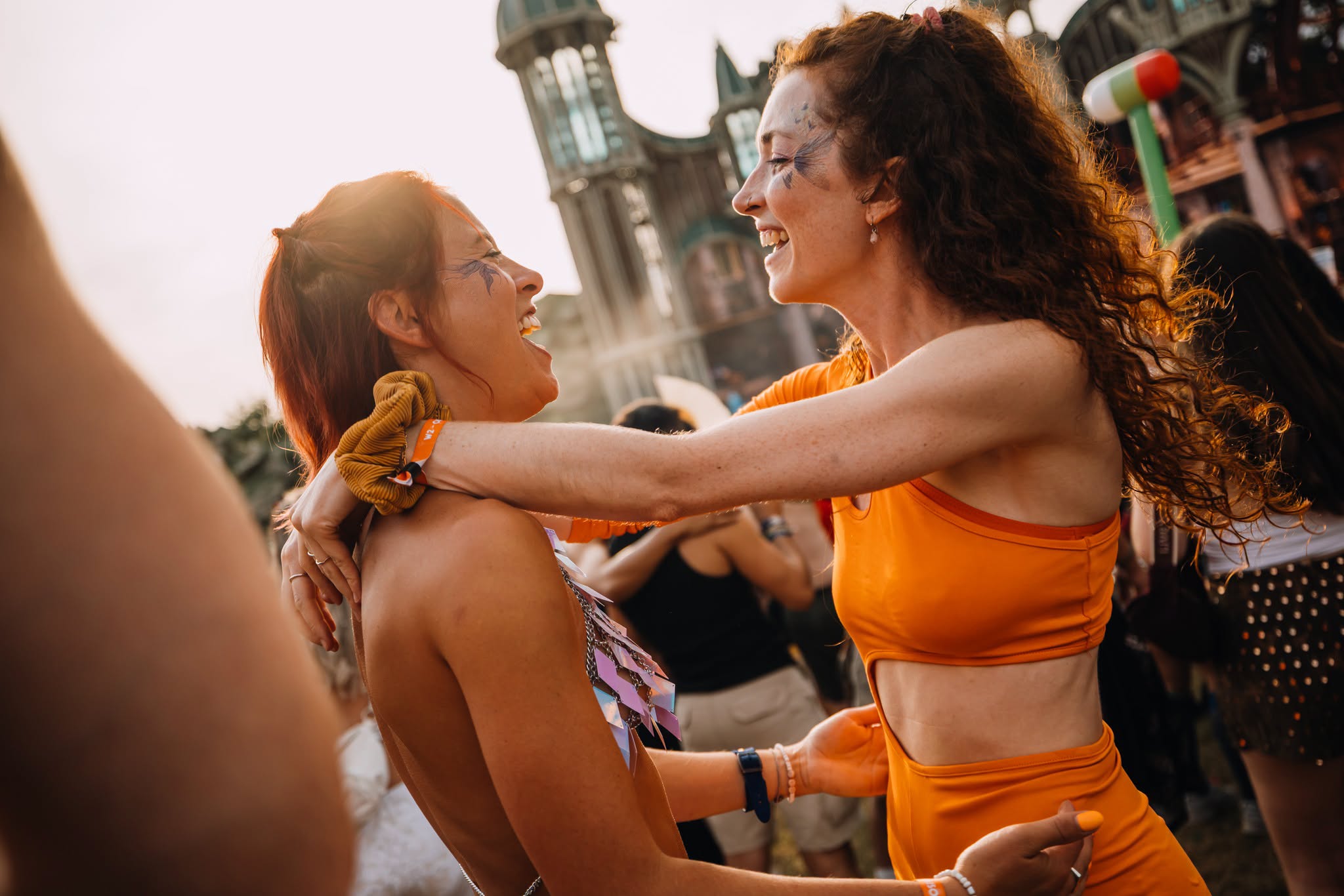
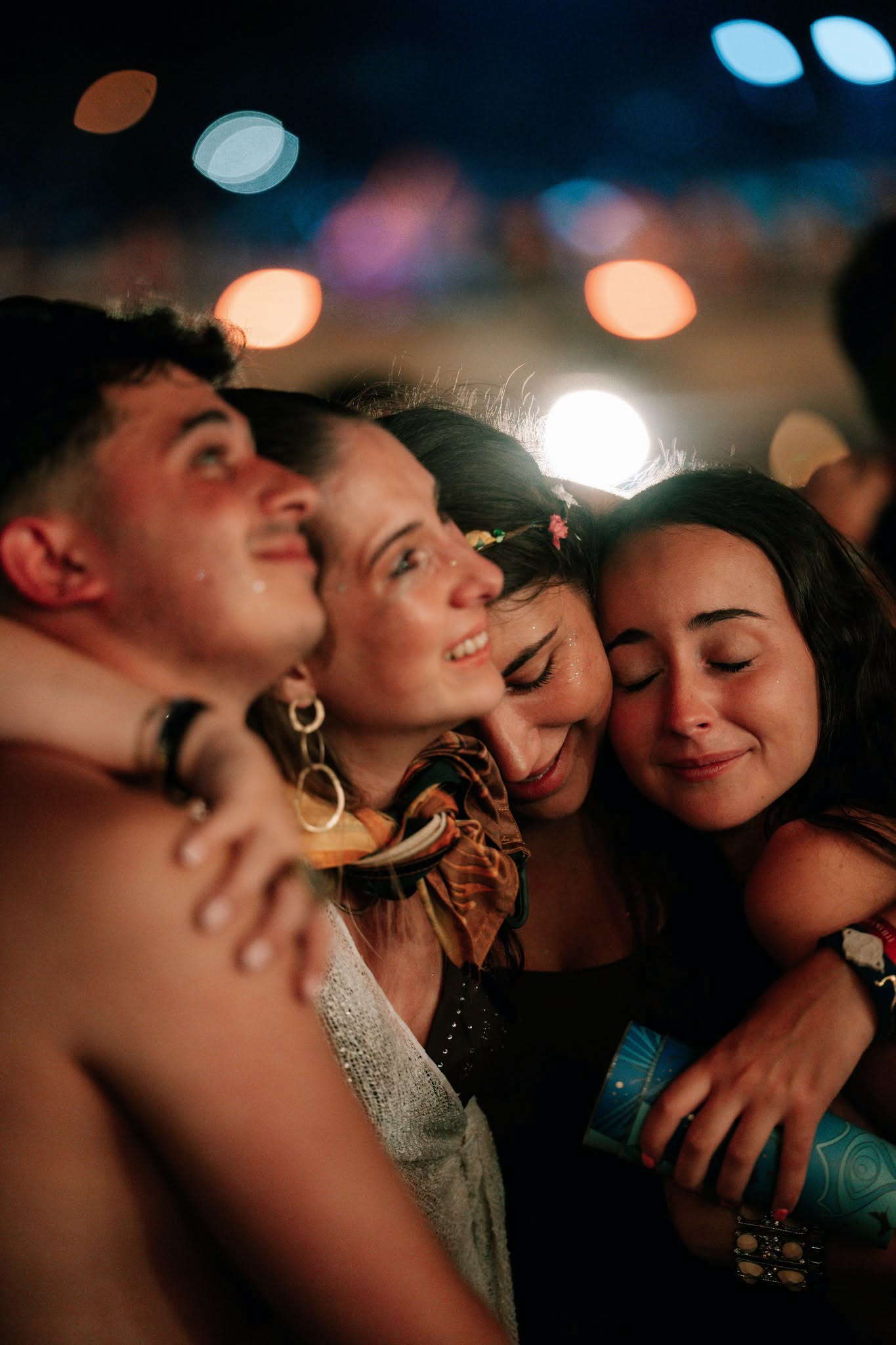
As the final notes faded and thousands of people made their way back towards DreamVille, there was no rush to leave. People walked a little more slowly, stopping for one last photo, one last hug, one last conversation before heading home. The excitement of arriving had quietly given way to something else: gratitude.
Tomorrowland is often defined by numbers: hundreds of thousands of visitors, spectacular stage designs, world-class production and one of the most diverse line-ups in electronic music. Yet none of those figures explain why people return.
The answer was hidden in those conversations.
Not one person spoke first about the biggest stage, the loudest drop or their favourite DJ. They spoke about the people they had met, the unexpected friendships they had formed and the feeling of belonging to something much larger than themselves.
Perhaps that is what Consciencia was really about. Beyond its breathtaking visuals and ambitious storytelling, this year’s theme reminded us that electronic music has always been rooted in emotion—joy, curiosity, nostalgia, connection. The feelings that exist between one track ending and another beginning.
Returning for my fourth Tomorrowland, I realized my own relationship with the event has changed. I no longer arrive with a checklist of artists I need to see. Instead, I leave with a collection of moments I never planned for: an unexpected conversation, a track heard for the first time, a familiar melody shared with complete strangers, or simply the feeling of standing still while everything around me moved.
Tomorrowland isn’t remembered because everyone experiences the same weekend.
It’s remembered because everyone experiences their own.
And perhaps that’s its greatest achievement.
Long after the stages disappear from Boom, those stories, and the people behind them, are what keep calling us back…
With Consciencia love,
Andrea