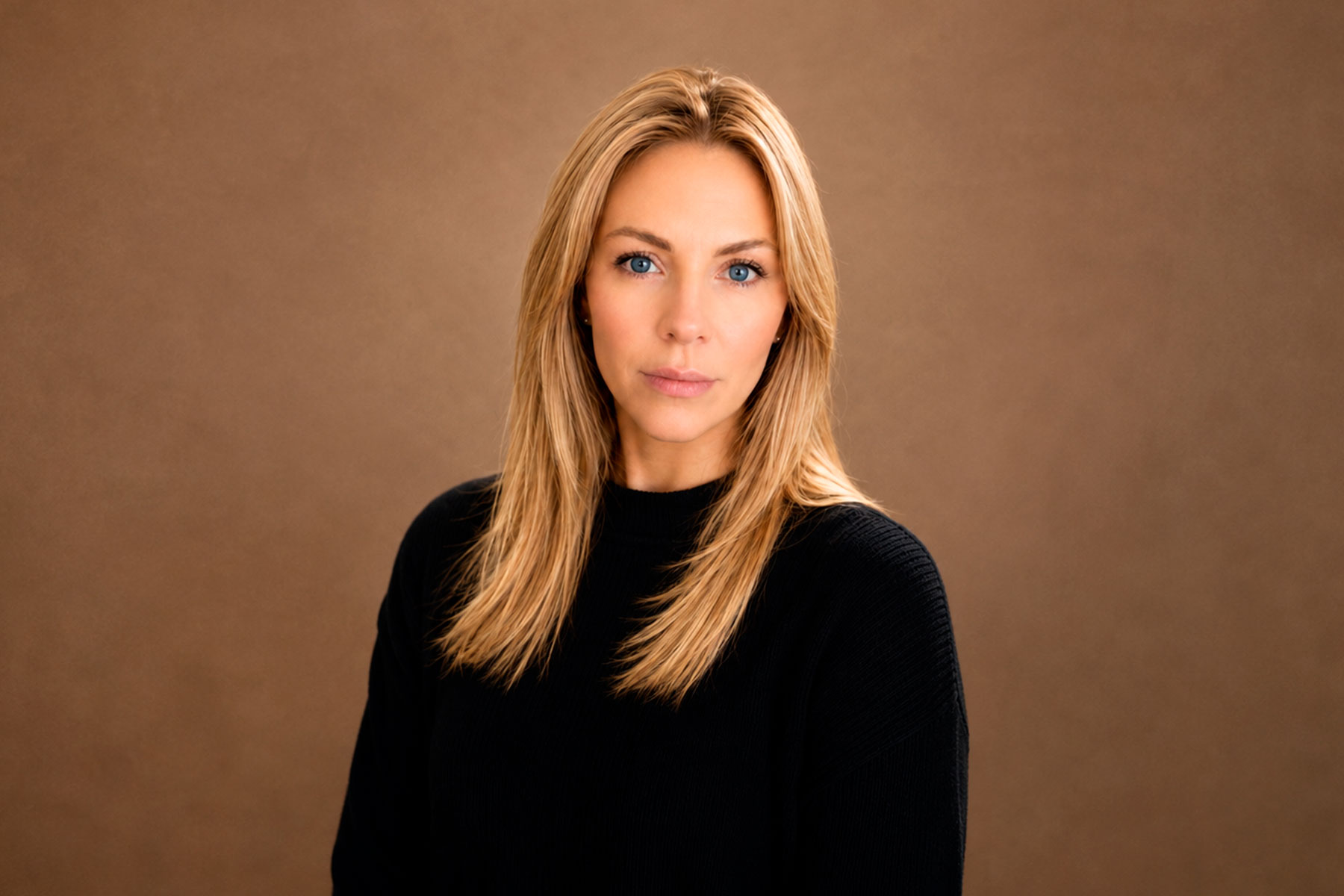
For more than two decades, Mariann Krott has worked across artist and tour management, international touring, events, label relations, and live production within electronic music. Her career began alongside Paul van Dyk and has since included work with artists across trance, progressive, melodic, EDM, and underground electronic music.
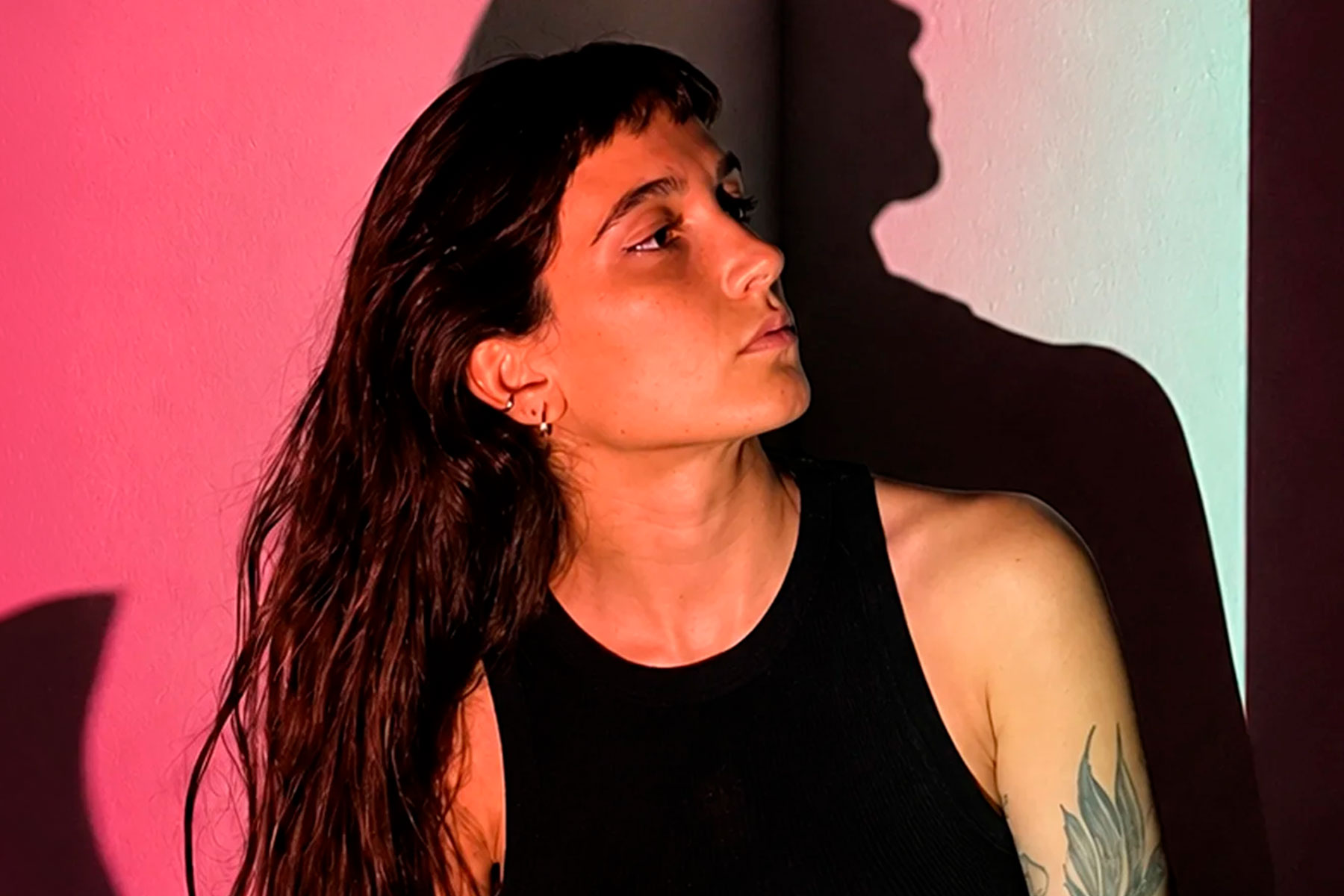
Photo credit: Mariann Krott – Official
Her experience has also extended across agencies, festivals, labels, promoters, and large-scale productions, giving her a view of the music business that stretches well beyond what audiences see on stage. Throughout that time, Krott has remained focused on the structures, relationships, logistics, and problem-solving required to keep international artist careers moving.
In this conversation, Mariann Krott speaks with EG about her early years in the industry, the realities of touring, managing different artist personalities, protecting creative space, and the importance of recognizing the people working behind the scenes.
EG: Hi Mariann, welcome to Electronic Groove. It’s great to have you with us. How have you been lately, and what has been occupying most of your energy these days?
Mariann Krott: Thank you so much for having me and for your interest in my field of work!
It’s nice to see that there actually is quite some interest in what people like me do behind the scenes and, with that, acknowledgement of such. A lot of people in my field of work, who are not just essential to every performance and show, work really hard, yet often go unnoticed and, with that, way too often unvalued, too.
Lately, a lot of energy goes into making touring work and happen. With everything going on in the world right now, the travel aspect of touring has become really challenging, whether it be immigration and visa matters all over or unpredictable weather challenges that do not just impact travel, but especially outdoor events like festivals or beach club events, among others.
EG: You’ve spent more than two decades working behind the scenes of electronic music, across artist management, touring, events, and live production. Looking back, what initially drew you into this side of the industry, and what has kept you committed to it for so long?
Mariann Krott: I studied event management, a rather new job description at the time. And ever since, I have fallen in love with the work surrounding events and tours, including artist management.
I have had the privilege and pleasure to experience a wide variety of the different jobs and work involved with all different kinds of events and tours. From working at a local venue to working for the biggest DJ act in the world at the time, as well as working with some of the biggest rock and pop acts, like Bon Jovi.
Ultimately, knowing I have been a part of making something bigger happen that brings so many people joy and often a once-in-a-lifetime experience is something that is quite addictive and something that definitely got me hooked and committed.
“Building something sustainable over time is more valuable than constantly chasing the next thing”
EG: Your career began alongside Paul van Dyk, at a time when the global electronic music industry was developing into the enormous ecosystem it is today. What did those early years teach you about the business, and about what it really takes to build an international artist career?
Mariann Krott: Those years taught me how much work, detail, and structure actually goes into building an international career. I started at Paul’s office while I was still finishing my event management studies, and I was able to experience artist, booking, and tour management from very different angles very early on.
My first event with Paul was the performance with the Frankfurt HR Orchestra in 2009, which was an incredibly detailed and ambitious production and something that still gives me goosebumps today. Then there were projects such as the VANDIT stage at Tomorrowland, Paul’s performance at the Brandenburg Gate for the 20th anniversary of the fall of the Berlin Wall, VANDIT Label Nights all over the world, and Paul’s infamous We Are One Festival in Berlin.
Experiences like those taught me that an artist’s career is never just about what happens on stage. There are so many people, relationships, logistics, and details behind every single performance, appearance, and single release. Consistency, trust, and having a strong team around an artist are incredibly important, and you also have to be able to adapt quickly when things do not go according to plan.
EG: You’ve since worked with artists across trance, progressive, melodic, EDM and underground electronic music. How do you adapt your approach to the very different personalities, ambitions and working methods of the artists you represent?
Mariann Krott: Aside from loving the job I do, I think when you choose to work with someone, you need to click.
Every artist, as a matter of fact, every person is different, so there can’t really be one management formula that works for everyone. Some artists need more structure, some need more space, and everyone communicates and approaches their career differently. I think a big part of the job is understanding the person behind the artist and figuring out where you can add the most value.
At the same time, trust, consistency, and communication are essential. You spend so much time together and go through so many highs, lows, and stressful situations that the relationship has to work on a human level as well as a professional one.
EG: Artist management is often described in terms of strategy and career development, but so much of the job seems to come down to solving problems that nobody else even knows exist. What does a typical “impossible” situation look like from your side of the table?
Mariann Krott: Oh, this is a hard question to answer, as there are so many these days! And so many different things. I may not even know what will be expected of me tomorrow. But usually this always narrows down to travel logistics and timing. From obtaining visas and travel authorizations on time to flights and travel remaining on schedule. All things that are usually out of your control, but challenges I like to take on, and so far, in most cases, we have been able to successfully solve. It certainly keeps things interesting.
“The people behind the scenes are the most essential part of any small or big scale endeavor in my opinion”
EG: You’ve coordinated everything from international tours to large-scale productions involving major festivals, agencies, and global music brands. What are the biggest challenges involved in making something that looks effortless from the outside actually happen?
Mariann Krott: Anyone who has ever planned a small birthday party probably knows that it takes a village to make things happen. So, the people behind the scenes are the most essential part of any small- or big-scale endeavor, in my opinion. And there are so many no one even knows or thinks about, but without whom nothing would move.
The unknown and unpredictable, I would say, are the biggest challenges, whether it may be for an actual event production, tour, or artist management in general.
Often and usually, this again leads back to weather, travel logistics, and technical parts of a production. Things that happen out of nowhere and don’t leave much time or wiggle room to solve.
EG: Electronic music has changed dramatically since you entered the industry. The rise of streaming, social media, direct-to-fan communication, and increasingly global touring has transformed the way artists build careers. Which changes have genuinely improved the industry, and which have made your job more complicated?
Mariann Krott: The accessibility and global reach artists have today is definitely something positive. Music can reach people all over the world almost instantly, and artists have many more ways to communicate directly with their audience and fans, and with that, build a community around what they do.
At the same time, everything has become much faster. There is a constant expectation to release, post, tour, and stay visible, and that naturally creates more moving parts behind the scenes as well. Rules and regulations around international touring also seem to change faster than ever, so you constantly have to stay on top of things and adapt.
Technology can certainly make parts of the job easier. I am even learning to use AI more these days, although I am still quite old-school and not necessarily its biggest fan yet. But you can’t be oblivious to change. Adaptability has always been essential in this business.
EG: There is also a very different level of pressure surrounding artists today. Everyone is expected to constantly release, tour, post, and remain visible. From your perspective, how important is it to protect an artist’s creative space and long-term development from those pressures?
Mariann Krott: I think it is extremely important. An artist is ultimately a creative person, and if everything becomes about deadlines, numbers, content, and constantly having to be visible, you risk taking away the space they actually need to create and remain their authentic and unique self.
Part of management, in my opinion, is being the balance between those two worlds. The artist has to be able to focus on the music and their vision, while someone on the back end makes sure the business, logistics and opportunities around it make sense.
Of course, there will always be pressure and deadlines in this industry, but not every opportunity has to be taken, and not everything has to happen immediately. Building something sustainable over time is more valuable than constantly chasing the next thing.
EG: As a woman who has built such a substantial career in what has historically been a heavily male-dominated industry, have you seen the landscape change over the years? And what do you think still needs to change?
Mariann Krott: I have definitely seen more women taking on important roles across the industry over the years, which is great to see. But I also think the people behind the scenes in general still do not always receive the acknowledgement or value they deserve, regardless of gender.
For me personally, I have always tried to focus on the work itself: being consistent, staying calm, being reliable, and proving through execution that I can do the job. Those are qualities I think matter in any business.
There is always room for improvement, though. I would like to see an industry where people are valued for their knowledge, experience, capabilities, work ethic, and contribution, and where opportunities are based on what someone brings to the table rather than assumptions about who should be in a certain role based on stereotypes or statistics.
“Consistency, trust and having a strong team around an artist are incredibly important”
EG: You’ve worked across the artist, label, agency, festival and promoter sides of the business, giving you a fairly unique view of the entire ecosystem. Where do you think the biggest opportunities for the next generation of electronic music artists and professionals are emerging?
Mariann Krott: I think one of the biggest opportunities is that there are now so many different ways into the industry.
You do not necessarily have to be the person on stage to build a meaningful career in music.
There are countless roles behind every artist, tour, label, and event, and the industry constantly needs people who are good at connecting the different pieces.
At the same time, technology and the global nature of the business have opened doors that did not exist when I started.
My advice would still be quite old school, though: learn as much as you can, be adaptable, build genuine relationships and connections, and do not give up because something is difficult. If it was easy, everyone would be doing it.
EG: You’ve said that what drives you is “pushing boundaries where others tend to give up.” After more than twenty years in the industry, what still gives you that sense of excitement and purpose?
Mariann Krott: It is still that moment when something that looked almost impossible actually happens.
I consider every booking and every show that we have helped make happen a success. Sometimes you are so focused on where you want to go next that you forget to look back and appreciate how far you have already come.
And then you see people at a show having the time of their lives, sometimes experiencing a once-in-a-lifetime moment, and you know you played a small part in making that happen. That feeling is still extraordinary to me and probably the reason I have never lost the excitement for what I do.
And I think more than ever before, we all need a place to escape into once in a while, and forget the world around us and just be happy. Whether that may be music itself or an event you go to – knowing I can help and contribute to make some of these things happen is one of the best feelings in the world.
EG: Finally, when you look ahead, what are you most interested in building next—for yourself, for the artists you work with, and for the wider electronic music community?
Mariann Krott: I don’t think I have one specific end goal. This industry changes too quickly for that. I want to continue growing with the artists and projects I work with, take on things that challenge me, and keep finding ways to make ideas and visions happen that may initially seem impossible.
For the artists, I want to continue helping create sustainable careers and bringing their visions to life, while protecting the human being behind the artist as much as possible.
And for the wider community, I hope there continues to be more acknowledgement for all of the people behind the scenes who make this industry work. There are so many people involved in creating the moments audiences remember, and I think their work deserves to be seen, acknowledged, and valued, too.
EG: Thank you so much for your time, Mariann. We wish you all the best with everything ahead. Take care!
Mariann Krott: Thank you so much for having me!