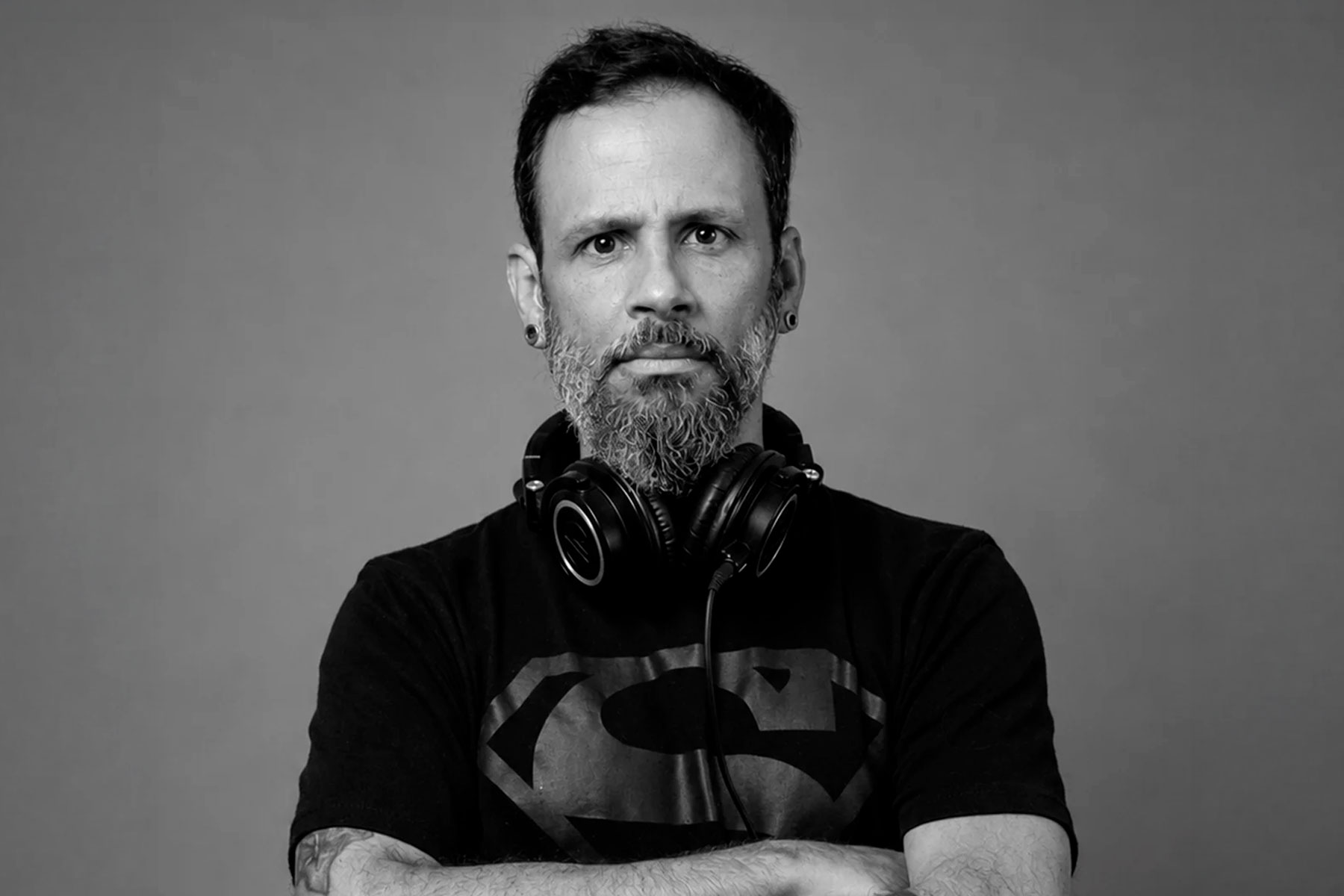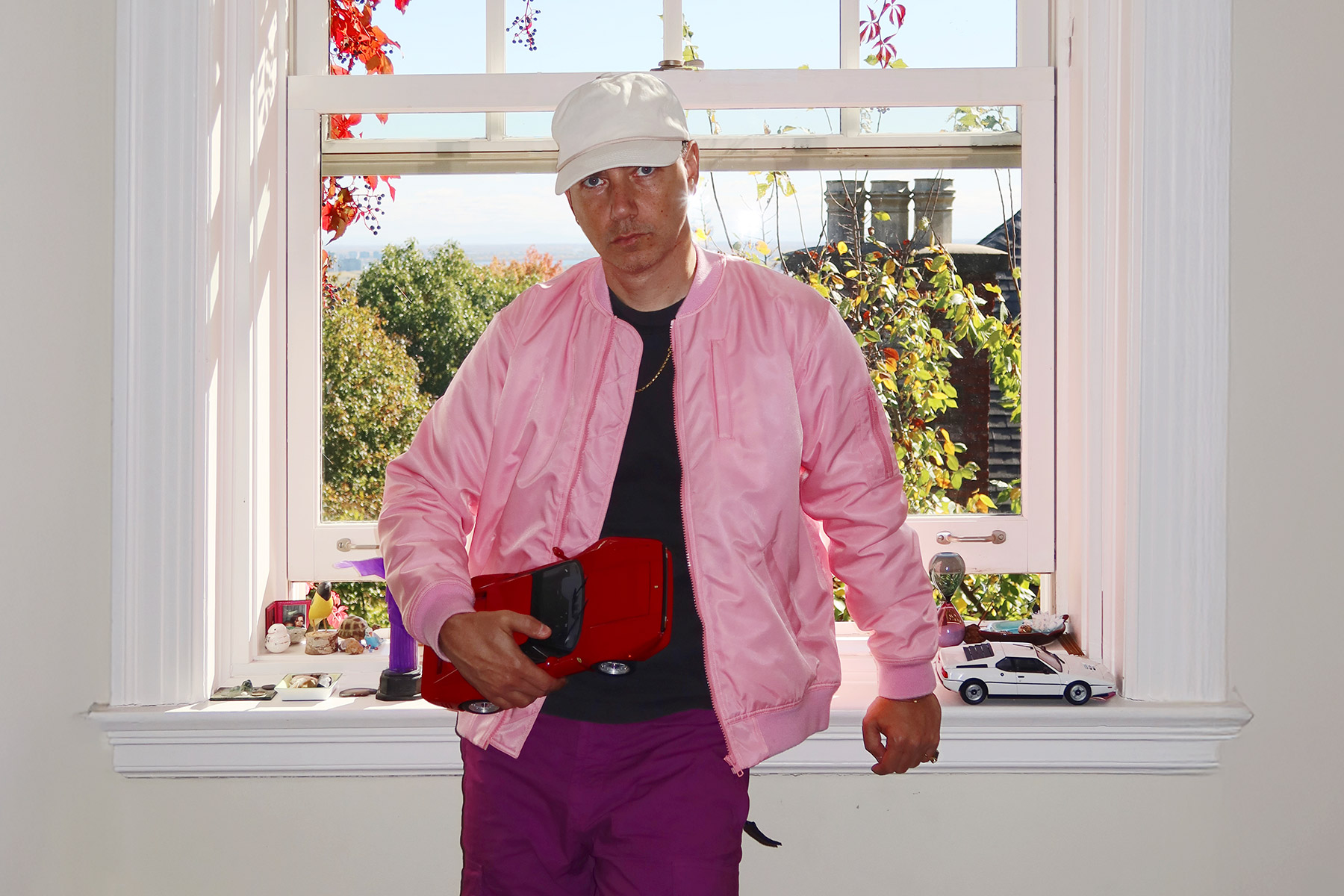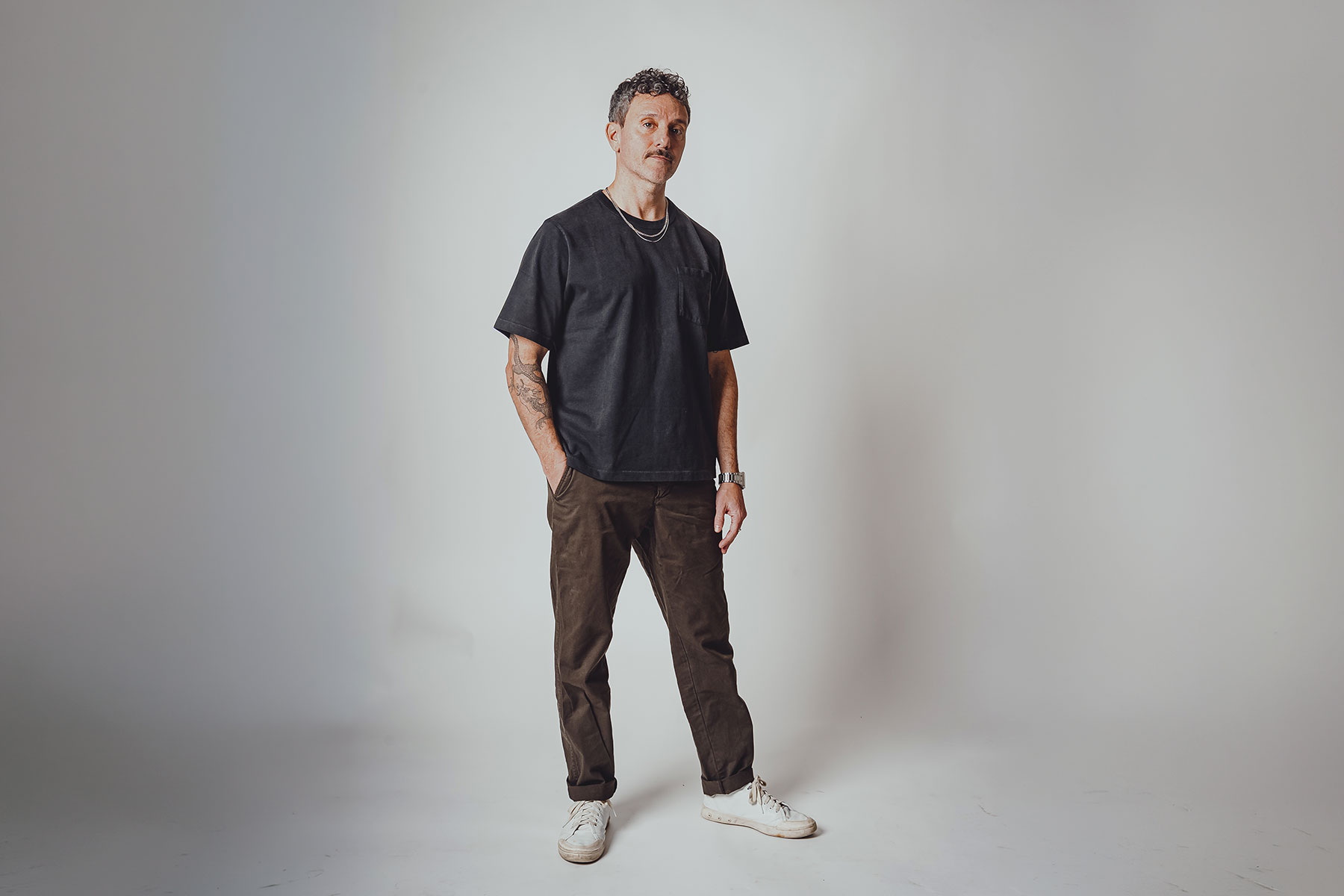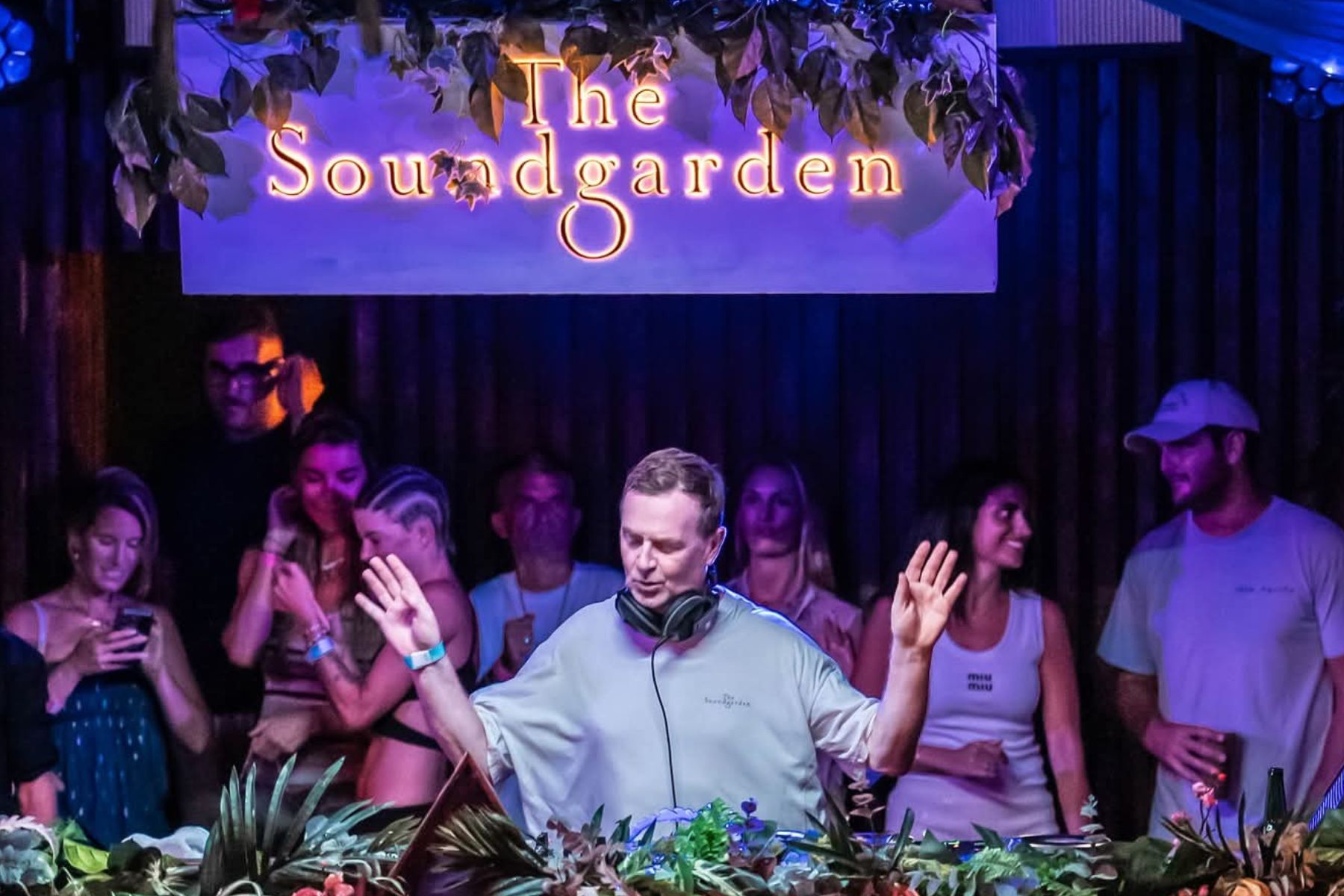

With a sound rooted in hypnotic, dark, and euphoric forms of progressive electronic music, D.J. MacIntyre draws from experiences spanning philosophy, Indian mythology, travel, and winemaking. The Santa Barbara-based DJ and producer has performed internationally, from Burning Man to Amsterdam, Moscow to Playa del Carmen, Sri Lanka to Siberia, New York to Los Angeles.
Photo credit: D.J. MacIntyre – Official
He is the founder of SLC-6 Music, a boutique imprint created to build an artistic community around the producers and collaborators he encounters through his work. His productions and remixes span a catalog of music ten years in the making, including some of progressive’s preeminent labels, including The Soundgarden, Beatfreak, Droid9, and Movement Recordings.
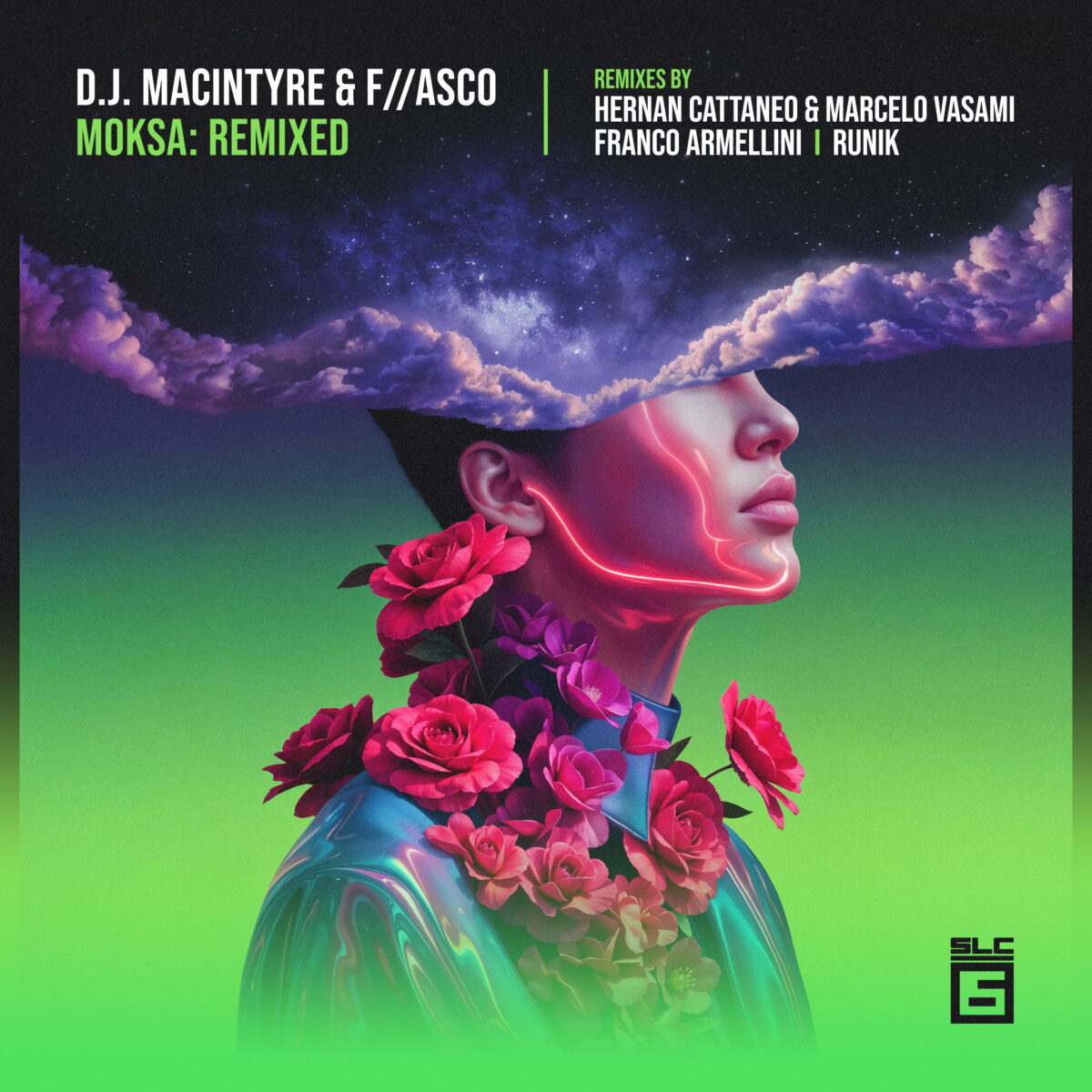
His latest project revisits ‘Moksa Remixed,’ a collaboration with Maltese artist F//asco, through a remix package featuring interpretations by Hernán Cattáneo and Marcelo Vasami, Franco Armellini, and Runik.
In this conversation, D.J. MacIntyre discusses the ideas behind the track, storytelling in electronic music, his evolving creative practice, and the future of SLC-6 Music.
EG: Hi D.J., welcome to Electronic Groove. It’s great to have you with us. How have you been lately, and what has been occupying most of your creative energy these days?
D.J. MacIntyre: Thank you, glad to be here. I’ve been in a multimodal artistic phase. I’m working on music, but I’m also working inside the label to build out the SLC-6 Music world and encourage artists to come play in it. There are some fun projects in the works that leverage art, music, and assets we already have.
Independently, I’ve become interested in perfume and perfume making, and I’ve been pursuing that and learning a ton. I’m looking forward to growing that interest into something that connects with the larger D.J. MacIntyre artistic world.
EG: Your single ‘Moksa’ is now entering a new phase with the upcoming ‘Moksa: Remixed’ package. Congratulations! Before discussing the remixes themselves, what does the original track represent to you, both musically and personally?
D.J. MacIntyre: ‘Moksa’ means a lot to me, as almost all of them do. I was very happy to work on it with F//asco, known as Christian Cassar to his friends. He’s a very good musician, a kind and generous person, and exactly the kind of person I like to work with.
He’s from Malta; we’ve met many times in person, and we started thinking about making music together while hanging out at the Amsterdam Dance Event a few years ago. This track is the creative output of that idea.
He sent me the base track, which had the housey underpinnings, and I took it in a more progressive direction and added the spoken-word vocals. Those come from Wendy Doniger, my thesis advisor in graduate school. She’s a preeminent scholar of Hindu mythology and one of the rock stars in her field, a fantastic lecturer and an amazing mind. I’ve returned to her spoken-word recordings for inspiration several times.
EG: The title ‘Moksa’ immediately evokes ideas of liberation, transcendence, and spiritual release. Was that symbolism intentional, and how did those concepts influence the music?
D.J. MacIntyre: Moksa is the Sanskrit term for “release,” and it’s one of the four goals of ancient Indian life. The others are kama (sensual pleasure), artha (material well-being and power), and dharma (morality, normativity, religion, that which we ought to do). The Buddhist conception of nirvana evolved out of this earlier term, moksa.
There’s a playfulness in the way we’ve used it. The track refers to the original meaning, but in the context of dance and dance music, letting loose and setting yourself free, which is one of the things we often do when we’re out enjoying music.
EG: Are all your creations imbued with “meaning” or emotional significance from the origin point, or do these things reveal themselves during the creation process?
D.J. MacIntyre: Typically, the art is emergent from the process. If I sit down and allow myself to play, the art has a chance to come to life, and it often leads me down a path I wouldn’t have intended.
I don’t usually sit down with a clear vision of the end, although that’s a bit different when I’m doing a DJ mix. Different forms require different approaches. At minimum, the key is having the flexibility to follow a good idea rather than being rigid.
EG: The package features a remix from Hernán Cattáneo and Marcelo Vasami, two artists whose work has become synonymous with emotional depth and progressive storytelling. What drew you to them as the perfect remixers for ‘Moksa’, and what surprised you most when you first heard their version?
D.J. MacIntyre: Hernán has been one of my DJ heroes for many years. I was introduced to his music through the ‘Sequential’ albums, DJ mixes from around 2006 and 2007, and I’ve probably seen him perform live more than any other DJ. His sets are always seamless and hypnotic, exemplifying what I really enjoy about our kind of music, which is rooted in hypnosis and trance.
Marcelo is a producer I’ve also followed and admired for years. Having the two of them team up on a remix for one of our tracks, on my label, is a milestone and an honor.
It’s notable that their interpretation, along with the two other remixes on the release, each has something of a retro housey vibe. None of the three remixers had heard each other’s work, so, interestingly, everyone went in a similar direction, though all three remixes are quite distinct from one another.
It’s a pack where I could personally play any of the tracks in my DJ sets, which makes me very happy.
“I’m much more interested in music that tells an evolving story over time”
EG: Alongside Hernán and Marcelo, Franco Armellini and Runik each bring their own perspective to the project. What were you hoping to hear from the remixers, and how do the different versions complement one another?
D.J. MacIntyre: I met Franco on a trip to Argentina. He was part of a group of producers who welcomed me and were very gracious hosts during my time in Rosario. It was a delight to release his two-track with remixes on SLC-6 some months ago, and bringing him on board for this project was fantastic. I admire his work as a musician and the way he is as a person.
Runik is a duo, Gaspar Zaldivar and Guillermo Corvalan, from Asunción, Paraguay. It was a pleasure to release their debut album, ‘Dawn/Dusk’, a few years ago; it’s a very cool piece of art and one I’m proud to have in our catalog.
Gaspar is a good friend. We’ve visited each other in our homes here in California and in Asunción, and he and I have made music together quite a few times while he was working under his Casper Keys moniker.
All in all, it’s a great group of people: Christian, Gaspar, Franco, Hernán, and Marcelo. It’s a group I’d work with anytime.
EG: Your productions often balance atmosphere, groove, and narrative progression. When you’re building a track, do you usually begin with an emotional idea, a technical concept, or simply a sound that sparks your imagination?
D.J. MacIntyre: When I’m going from the ground up, it usually starts with “play,” which I mean as a frame of mind where there is no clear objective, and then I wait to discover some sort of hook.
The hook can be many things: an interesting vocal, a catchy melody, an unusual sound, a distinctive percussive loop, but a track must have at least one hook that makes it memorable. Otherwise, I don’t see the point.
I’m also a big proponent of trying to tell a story. It’s a bit of an overworn concept, but I do believe our kind of music is like taking a journey, and the journey needs to go somewhere. That’s true on the micro level within an individual track and on the macro level across a DJ set.
I don’t find linear tracks that are basically long loops particularly interesting, and I don’t find DJ sets that don’t go anywhere energetically or emotionally interesting either. I’m much more interested in music that tells an evolving story over time.
When it comes time to arrange a track and figure out whether it’s working, that’s one of the main rubrics I use to decide whether it’s done or worth continuing to work on.
EG: Over the years, progressive and melodic electronic music have evolved significantly, yet audiences continue to connect with tracks that tell a story rather than simply chase peak-time impact. Why do you think that emotional aspect remains so important?
D.J. MacIntyre: There’s something very human and instinctual about being drawn to “story.” This is true in the written word, in music, and frankly in almost anything, including business. The story is often what really connects with us.
When we’ve lived long enough, we can very quickly identify a bad story from a good one, something derivative from something original, something shallow from something deep. Even when we can’t describe exactly which attributes made it good, we know it almost intuitively.
It’s hard for me to say why an amazing piece of music causes an emotional reaction in someone, but I know that’s perhaps the main reason we go back again and again. For many of us, some of the most powerful experiences of our lives involve music, and the ability of an abstract piece of art to evoke intense emotion is mysterious and wonderful.
The music I’m most interested in within our electronic world is trance-inducing or trance-based. That includes music classically categorized as trance, but which is now mostly found in other genres: progressive, melodic techno, and techno.
I’m never one to focus on genre. The tag we put on something is an organizational tool tacked on after the fact, and is an imperfect way of describing our music to people. At the end of the day, the music is what it is, and the genre is only a label.
EG: Looking beyond this release, where do you feel your sound is heading? Are there any new ideas, influences, or creative challenges you’re currently exploring in the studio?
D.J. MacIntyre: Personally, as I mentioned, I’m becoming interested in perfume, and I think that has some very interesting connection points with my other art.
And back to the music, I have a very ambitious concept album that I’m in the middle of working on. I’m excited about its potential, but of course giving birth to the baby is painful, so I’m in the middle of the artistic struggle with that one.
I’m excited about the creativity involved in building out a multimodal SLC-6 Music universe and a D.J. MacIntyre universe. That includes visual art, video, and finding new ways to leverage all the beautiful music we’ve already released on the label, through DJ mixes and other pieces of art.
Right now, my head is more in the place of going deep rather than broad: really digging into what we’ve already done and bringing life back into it. That said, we’re always expanding.
“A track must have at least one hook that makes it memorable. Otherwise, I don’t see the point”
EG: By the way, ‘Moksa’ was released via your own SLC-6 Music imprint. How would you describe the label at the moment? What else can we expect from SLC-6 Music in the next few months? Where do you envision the label in five years?
D.J. MacIntyre: I see the SLC-6 Music universe becoming deeper, with our individual releases being augmented by the continuous mix format, among other things.
One aspect I haven’t mentioned, which is a huge part of the label and the role it’s played in my life, is community. It’s been a vehicle for me to meet people all over the world, and it continues to be a vehicle to meet new artists and go deeper with the relationships I already have. I see that continuing.
As I said, I’m most interested in finding ways to leverage the music in our catalog in new ways. I invite any artists who want to come play in our sandbox to do so and have fun with our themes.
There’s a lot we can do with visual art, DJ mixes, radio, and more. So, if someone reads this and wants to participate, please let me know.
EG: Thank you so much for your time. We wish you all the best with ‘Moksa: Remixed’ and everything ahead. Take care!
D.J. MacIntyre: Thank you!
D.J. MacIntyre and F//asco’s ‘Moksa Remixed’ is out now via SLC-6 Music. Stream and download your copy here.
Follow D.J. MacIntyre: Spotify | SoundCloud | Instagram