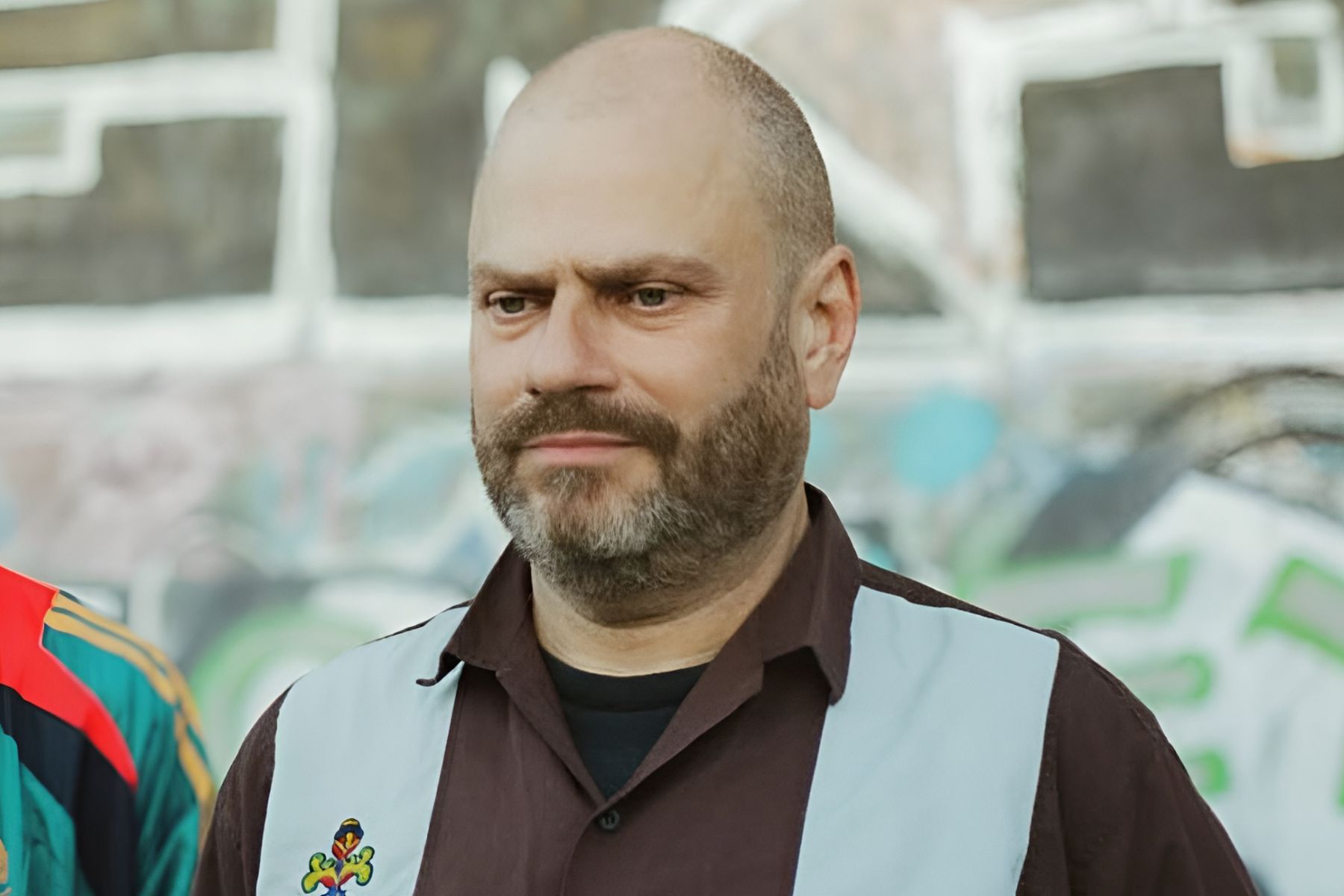
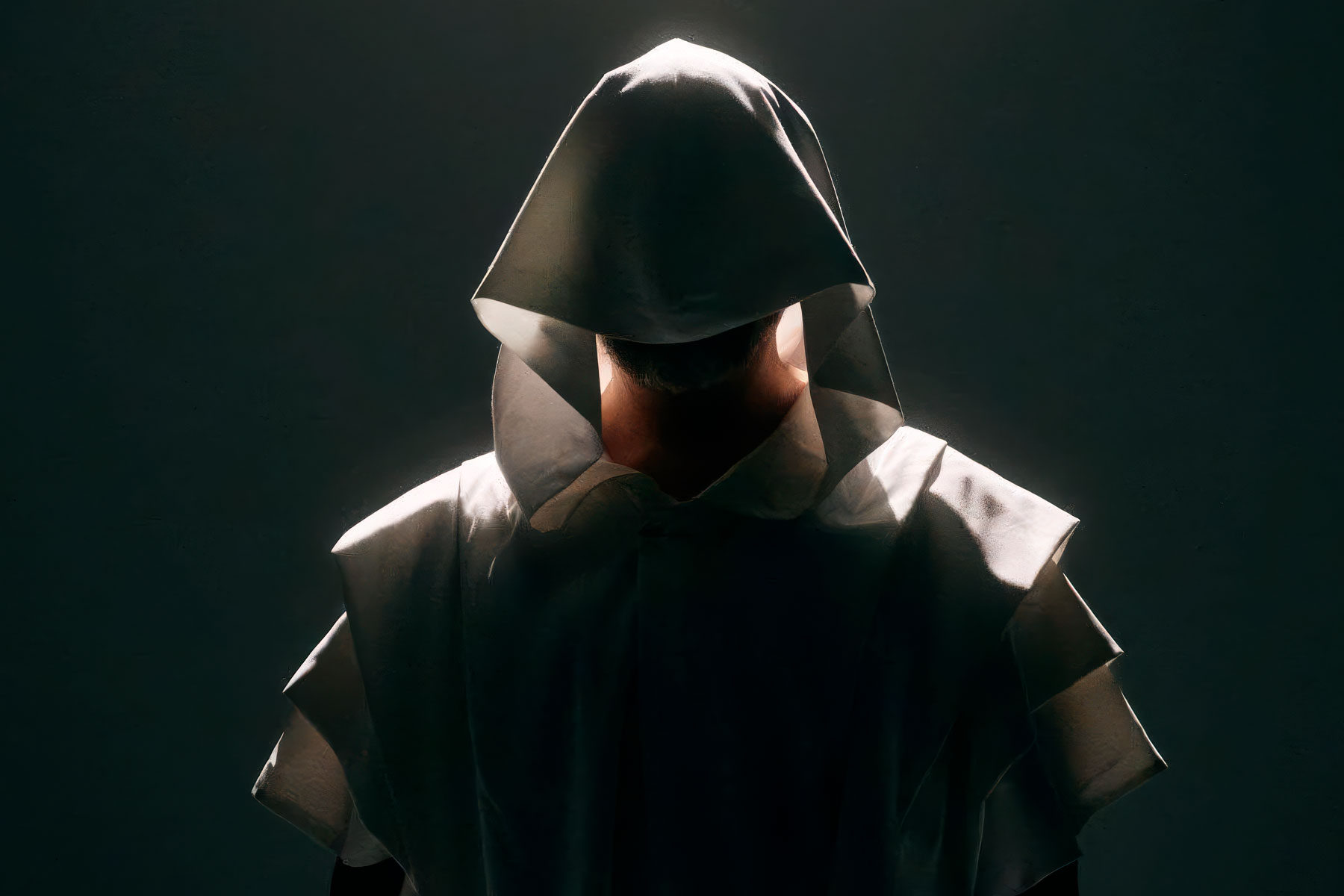
DJ Saint M. Seagull is an electronic artist whose recent work explores the meeting point between club music, sacred traditions, and what he describes as “enigmatic techno.”
Photo credit: DJ Saint M. Seagul – Facebook
His first four releases — ‘Pray’, ‘Confession’, ‘Peace Wanted Just to Be Free’, and ‘Hallelujah’ — form a connected cycle, while his ‘The Mass Transmission’ mix series extends those ideas into the DJ format.
His latest release, ‘Hallelujah’, draws on organ, strings, choral voices, and a sermon-like MC passage while placing a melody associated with sacred music inside a contemporary electronic framework. The release also includes an ‘Enigmatic Techno Remix’, which takes the same material toward a darker and more hypnotic direction.
In this conversation, DJ Saint M. Seagull discusses the ideas behind ‘Hallelujah’, the influence of early-2000s progressive house, the relationship between religious ceremony and dance music, and where the project could move next.
EG: Hi DJ Saint M. Seagull, welcome to Electronic Groove. It’s great to have you with us. How have you been lately?
DJ Saint M. Seagull: Thank you, I’m doing great! The past few months have been very intense. I’ve spent a lot of time working in the studio, launched my own mix series, ‘The Mass Transmission’, and completed a cycle of four releases that began with ‘Pray’ and has now arrived at ‘Hallelujah’. So I’m in an interesting place right now: one chapter has just ended, and I’m already curious about what comes next.
EG: Your new release, ‘Hallelujah’, takes a melody traditionally associated with a sacred setting and places it inside a contemporary electronic framework. What was the original spark behind the track, and what made you want to explore this particular musical idea?
DJ Saint M. Seagull: I’ve been fascinated for a long time by what happens to sacred music when you place it in a completely different context. Not simply putting a church choir over an electronic beat, but taking the musical DNA of that tradition itself and transforming it.
With ‘Hallelujah’, the starting point was the melodic sequence traditionally sung to the word “Hallelujah” by church choirs. It was played on an electric organ, dramatically sped up and processed until it became the foundation of the main drop. At this point it’s almost impossible to recognize, but I love the idea that something very ancient, something divine, is still present in this very contemporary electronic track.
It was also important to me that ‘Hallelujah’ appeared at this particular moment. After ‘Pray’, ‘Confession’, and ‘Peace Wanted Just to Be Free’, I wanted the story to arrive somewhere filled with light, joy, and elevation. It felt like the natural next step.
EG: There’s an interesting tension in the original between dance-pop, electro, gospel house, and something much more ritualistic. How did you approach balancing those different references without allowing one of them to completely define the track?
DJ Saint M. Seagull: I never tried to balance the genres mathematically. In fact, I like it when they clash a little. ‘Hallelujah’ can sound almost like a big dance-pop record at one moment, move into gospel house the next, and then a few minutes later lead you toward organ, strings, and choir.
For me, emotional logic mattered much more than genre purity. If all these elements are taking the listener in the same direction, toward a feeling of elevation and euphoria, then they can come from completely different musical worlds.
Maybe that tension is exactly where what I call enigmatic begins to emerge. I’m still exploring myself just how wide that space can be.
EG: The production incorporates organ, strings, choral voices, and an MC passage that almost resembles a sermon. Did you consciously structure the track around the progression of a religious service, and how important was that sense of ceremony to the final arrangement?
DJ Saint M. Seagull: Yes, but not literally. I didn’t want to create an electronic reconstruction of a church service. What interested me was its dramaturgy: the gradual build, the anticipation, the address to the congregation, the collective response, and ultimately the climax.
That’s also why the track features an MC passage that genuinely resembles a sermon. It gathers everyone’s attention before the final section, where the organ, choir, and strings all come together.
More broadly, I see a lot in common between a Mass and a great DJ set. In both cases, people gather together in one space; there is a certain rhythm and sequence, moments of silence and moments of climax, and most importantly, a shared collective experience emerges. That’s why I think of every Saint M. Seagull performance as a modern musical Mass.
“Music is my meditation”
EG: The second half of the release takes ‘Hallelujah’ somewhere completely different with the ‘Enigmatic Techno Remix’. What made you decide that the track needed such a radically different interpretation rather than a more conventional club remix?
DJ Saint M. Seagull: Because I wasn’t interested in simply making a “club version,” adding a longer intro, a heavier kick, and calling it a remix. I wanted to find out whether the same musical idea could live a completely different life.
For me, the original ‘Hallelujah’ is about light, openness, and almost ecstatic joy. With the remix, I wanted to take the same material into a darker, nocturnal, more hypnotic space. In the end, it moved so far away from the original that I started to think of it almost as a separate track.
I like that contrast. Faith, spirituality, and human beings themselves are never made of light alone. There is always room for mystery, doubt, and darkness. I think these two versions of ‘Hallelujah’ work particularly well because they exist side by side.
EG: The remix draws heavily from the deeper, more enigmatic side of early-2000s progressive house and the Global Underground tradition. What was it about that era and sound that you wanted to bring back into the conversation?
DJ Saint M. Seagull: There was something in that music that I sometimes miss in contemporary electronic music: patience. A track didn’t necessarily have to explain itself within the first thirty seconds. It could unfold slowly, pull you deeper inside, build tension, and only reveal itself later.
I feel very connected to that deep, hypnotic progressive sound associated with John Digweed, Danny Tenaglia, Hernán Cattáneo, and the whole Global Underground culture. But I didn’t want to make a nostalgic track that simply imitates the early 2000s. What interested me more was taking that philosophy: depth, slow development, mystery, and seeing what it could sound like today.
The word enigmatic feels especially appropriate here. I’ve always loved music that doesn’t show you all its cards at once.
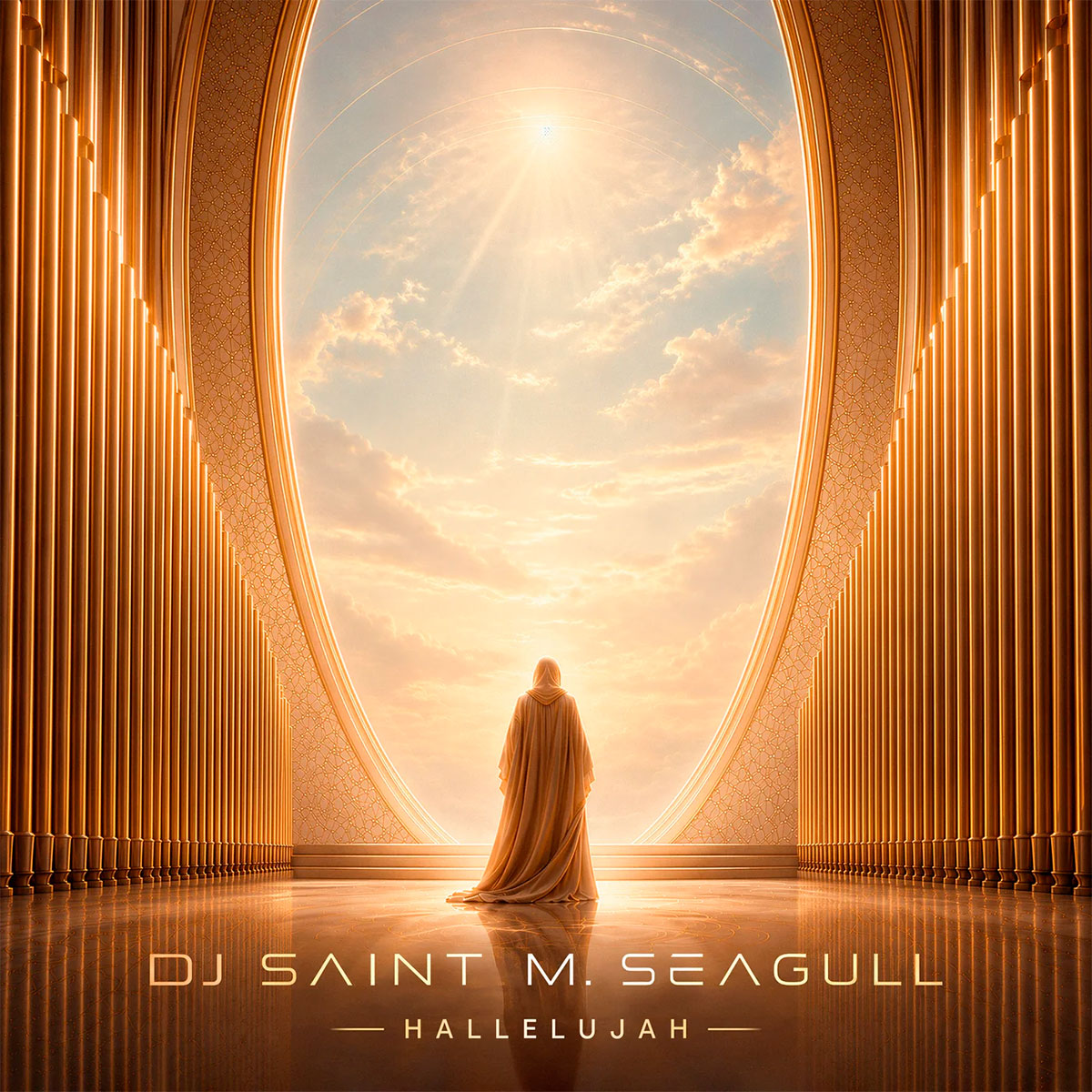
EG: Both versions ultimately come from the same musical material, yet they almost feel like two different worlds. Did you discover anything about the original composition while taking it apart and rebuilding it for the remix?
DJ Saint M. Seagull: I realized that the identity of a composition depends far less on genre than I had assumed. When you remove the dance-pop energy of the original, change the tempo, the rhythmic structure, the atmosphere, and almost the entire sonic environment, certain melodic and emotional codes remain. And suddenly you realize that, despite all those changes, the two versions still feel connected.
For me, it was an interesting experiment, like telling the same story once in daylight and then again in the middle of the night. The words are the same, but somehow the meaning has changed.
EG: Sacred music and electronic dance music have shared a fascination with repetition, collective experience, and altered states for decades. Is that connection something you consciously explore in your work?
DJ Saint M. Seagull: Absolutely. In fact, that connection is one of the main reasons this project exists. I’m deeply interested in the point where a church service and a rave intersect.
At the same time, I don’t want to turn a club into a church or preach from behind the DJ booth. What interests me is creating a space where electronic music can offer something beyond just dancing.
Perhaps the most precise way I’ve ever put it to myself is: Music is my meditation.
“I’m deeply interested in the point where a church service and a rave intersect”
EG: Looking beyond ‘Hallelujah’, where do you feel your sound is heading at the moment? Are there particular ideas, influences, or directions you’re eager to explore next?
DJ Saint M. Seagull: That’s actually the question I keep asking myself at the moment.
The first four releases formed a kind of complete arc: ‘Pray’, ‘Confession’, ‘Peace Wanted Just to Be Free’, and ‘Hallelujah’. At the same time, ‘The Mass Transmission’ emerged, and I began to realize that enigmatic techno, for me, goes far beyond any single genre.
So now I want to go even deeper into that world, combining electronic music with choral, orchestral, and sacred traditions, while continuing to search for new forms and making sure I don’t repeat myself.
And I definitely don’t think the idea of a contemporary musical Mass has been exhausted yet. I’m sure the next step will be something bigger than just another individual track or DJ set. But for now, I’d rather keep that a mystery.
EG: Thank you so much for your time. We wish you all the best with ‘Hallelujah’ and everything ahead. Take care!
DJ Saint M. Seagull: Thank you to Electronic Groove for the invitation and for paying such close attention to my music. For a new independent project, it means a lot to see that people aren’t simply listening to the tracks, but are also noticing the ideas and details behind them.
And to everyone who is already listening to ‘Hallelujah,’ thank you. I hope we’ll meet many more times somewhere between the Mass and the dance floor.
See you at the Mass.
DJ Saint M. Seagull’s ‘Hallelujah’ is out now. Stream and download your copy here.
Follow DJ Saint M. Seagull: Spotify | SoundCloud | Instagram