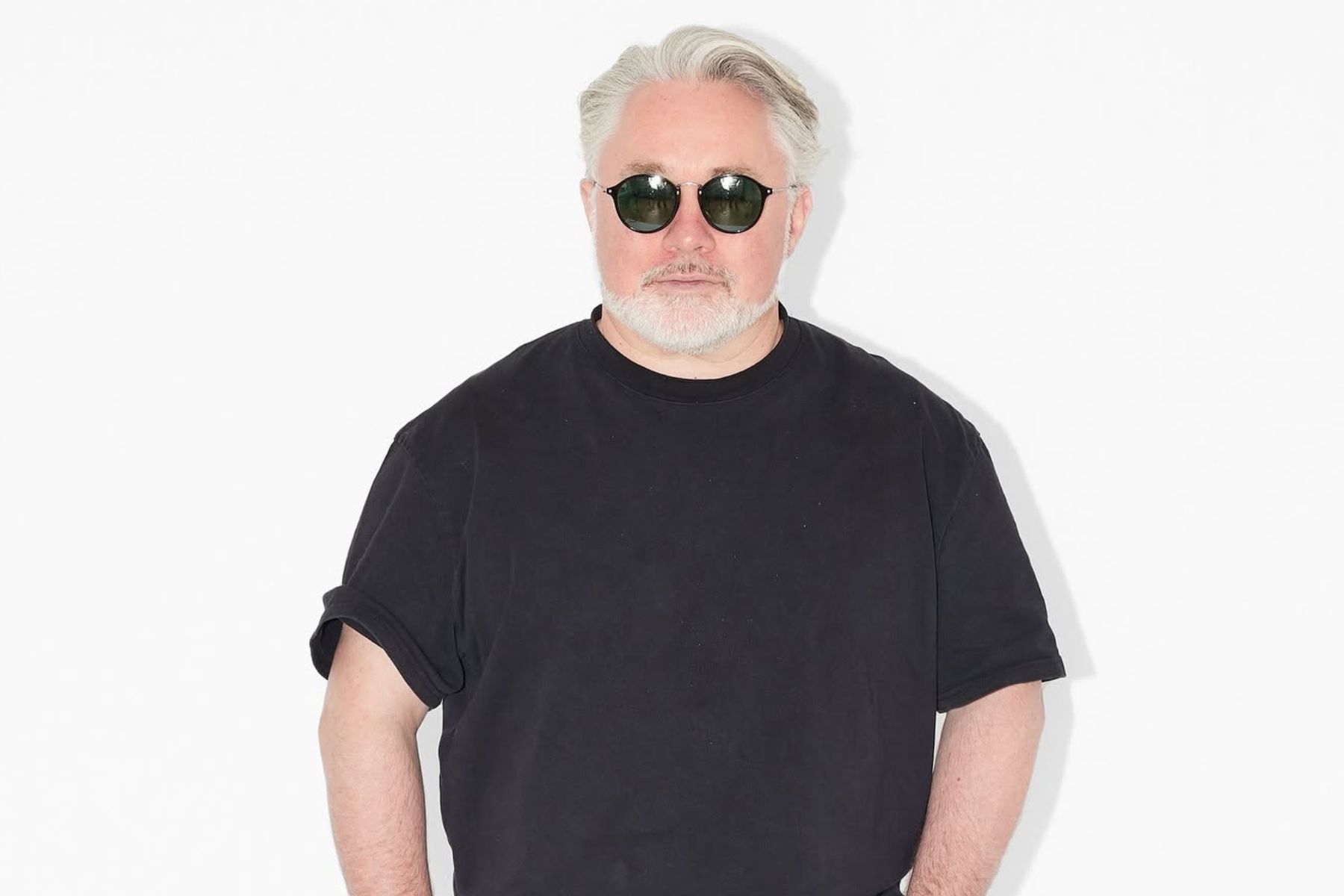
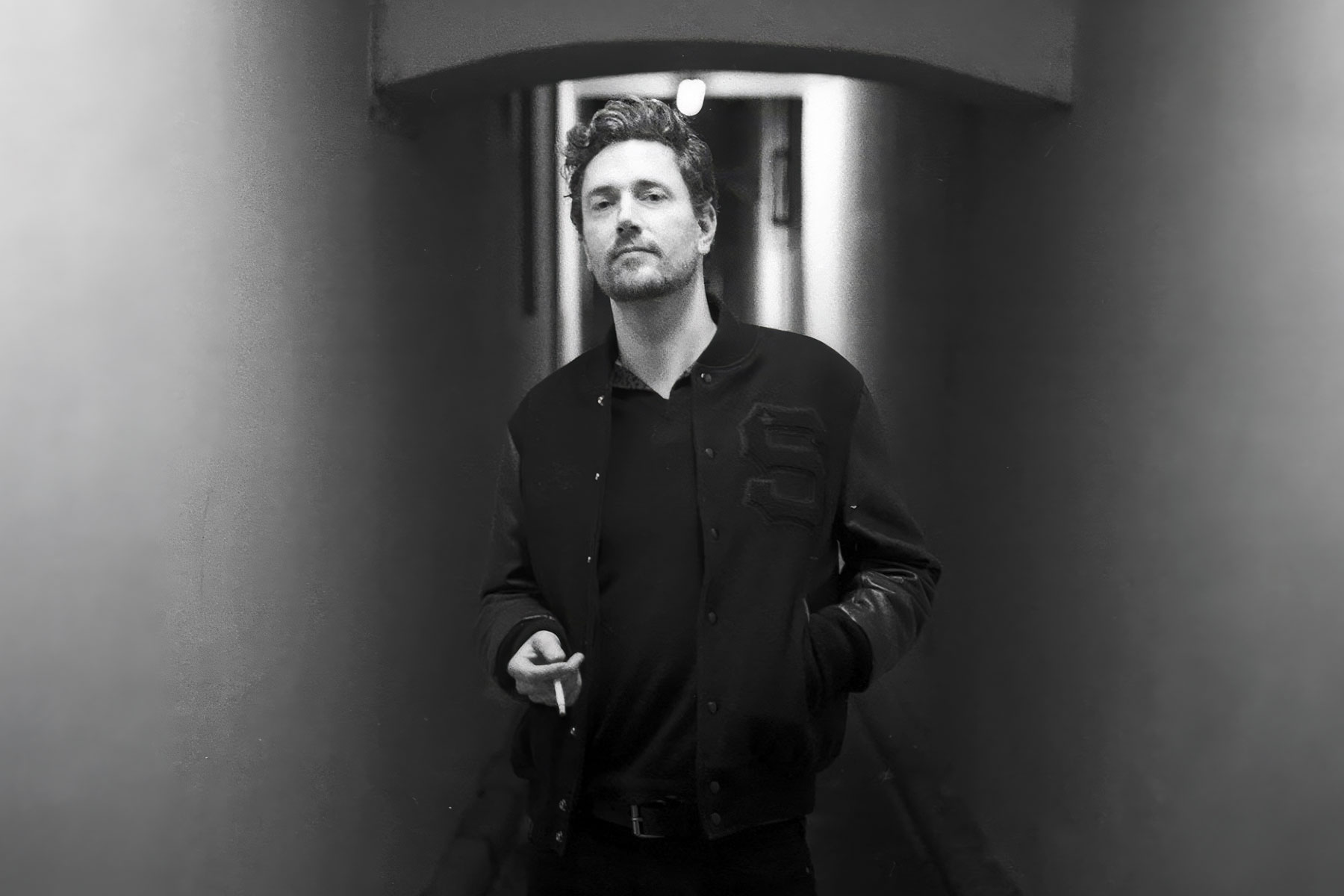
German producer Alex Krüger has spent more than two decades navigating electronic music through a wide range of aliases, projects, and stylistic approaches.
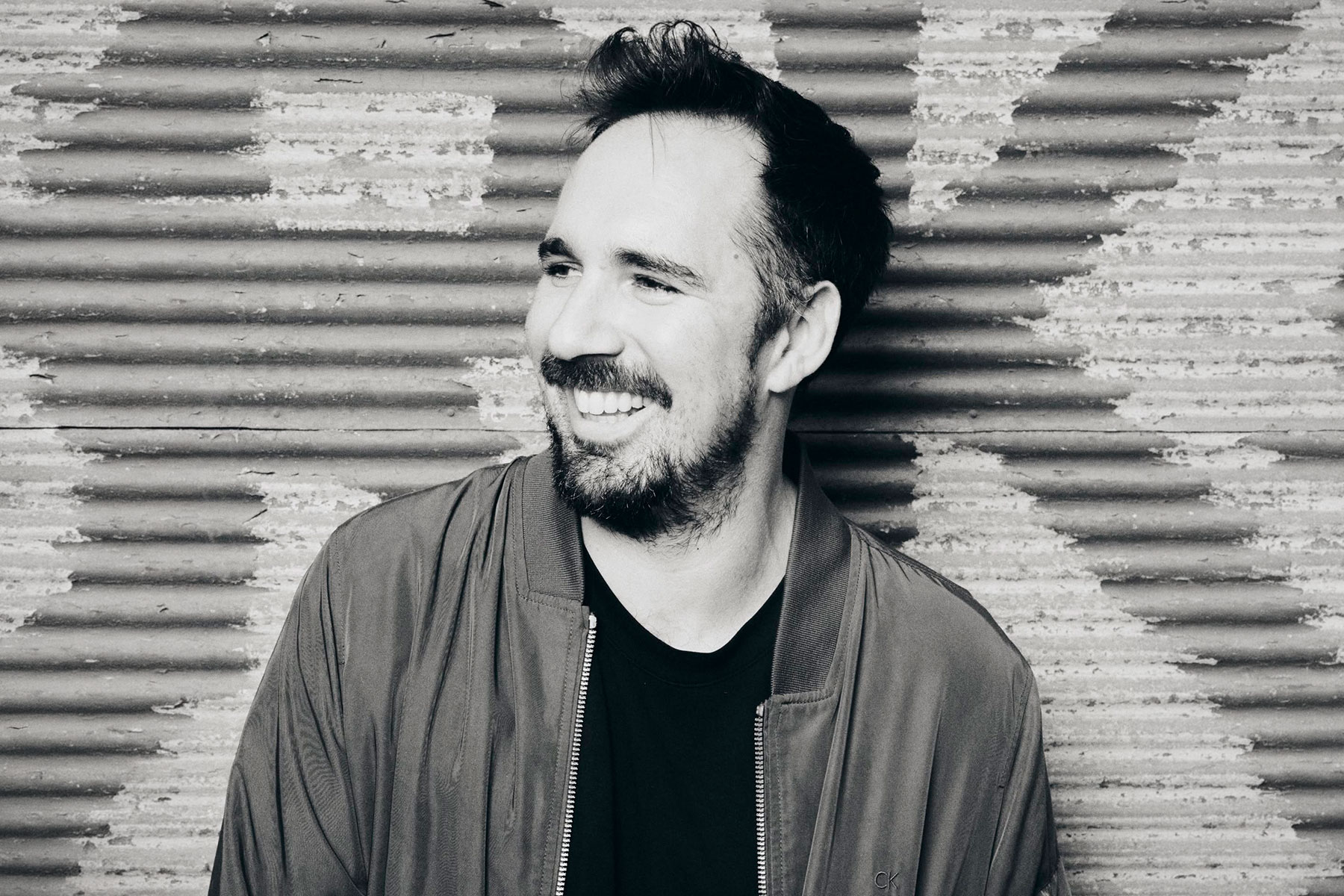
Photo credit: Dub Taylor – Soundcloud
Best known as Dub Taylor, he emerged as one of the defining voices of Germany’s dub-inflected deep house movement in the early 2000s, helping shape a sound that left a lasting mark on dance floors worldwide.
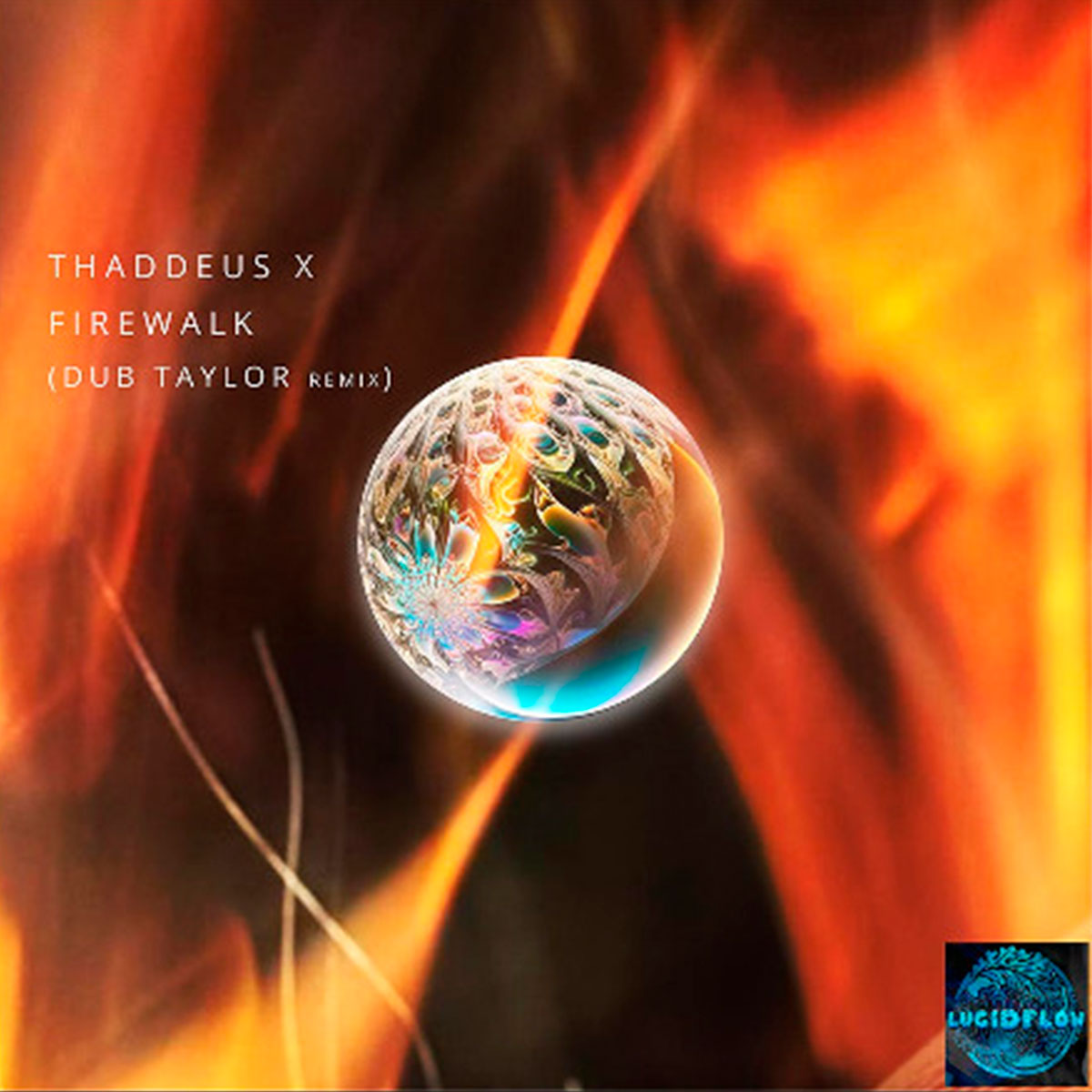
From seminal releases such as ‘I Can’t (Fall in Love With Another One)’ and albums like ‘Forms and Figures’ and ‘Detect’, to his continued work across multiple creative identities, Krüger has maintained a singular perspective rooted in curiosity rather than convention. Most recently, he revisited Thaddeus X’s ‘Firewalk’, delivering a remix that reflects his current approach to production while remaining true to the spirit of the original.
In this conversation, Dub Taylor reflects on longevity, creative freedom, Berlin’s evolution, the role of aliases, and the ideas that continue to guide his work after decades in electronic music.
EG: Hi Alex, welcome to Electronic Groove. Where are you today, and what kind of mood is surrounding you right now?
Dub Taylor: Hey there, thanks for having me. I‘m at the studio, finishing the last bits of my upcoming Tigerskin album. A friend is helping with mixing and mastering, we‘re a bit tipsy.
EG: Your work has moved through several names and identities over the years. When you enter the studio as Dub Taylor, what part of yourself usually takes the lead?
Dub Taylor: It‘s just like playing the same instrument but in a different band. Dub Taylor is my one-man-Dub band.
EG: After such a long and deep discography, what still makes a piece of music feel necessary to you?
Dub Taylor: Artists constantly think about creating something new. When it‘s done, it is what it is. Not always feels fresh. The moment it gets released, it‘s out of your hands and for the audience to decide. Some of my more successful works didn‘t feel special when I had recorded them, but meant the world to others. So I try not to think in terms of necessity. It’s good for me when it feels real. The right people will know.
EG: There is something powerful about artists who do not need to shout to leave a mark. How do you understand longevity in underground music today?
Dub Taylor: I guess if you love the music and don‘t compare your work too much with what‘s top-notch at the time, it‘s a good starting point. In my experience, longevity comes with constantly doing stuff you like in your own way.
EG: When you approach a remix, what is the first thing you listen for: the emotional core, the groove, the tension, or something harder to explain?
Dub Taylor: It‘s different every time and depends on the mood and phase I‘m in at the moment. Ten, twenty, or thirty years ago, I would have approached it completely differently than now. At the moment, I would rather start with melodies, pads, or a sample and then compose everything else around it, but I might use a different approach tomorrow.
“I try not to think too technical or too academic, if it carries my emotion, if it vibes in the moment, it‘s there”
EG: ‘Firewalk’ began as a Thaddeus X track before becoming part of your own world through the remix. When you step into another artist’s idea, how do you decide what to preserve, what to challenge, and where to leave your own fingerprint?
Dub Taylor: In the case of ‘Firewalk,’ I kept most of Thaddeus X‘s general arrangement but took some of the elements that were used to give the original more energy to do the opposite in my version. The ride cymbals bring deepness into my version; in the original, it’s lifting up the break. It‘s not important to me that a tune is an obvious banger or becomes what I plan or expect. My fingerprint is added due to the way I work with the gear I use, paired with the feel of the moment.
EG: What did you hear in Thaddeus X’s original version that made you feel there was another story waiting inside it?
Dub Taylor: We obviously share some taste. It‘s easy when the track you remix could be mixed together with one of your own tunes and be somewhat fitting. I felt I didn’t need to add a big room version because it is already very functional, so I went to make it a bit faster but deeper than the original.
EG: Your music often carries patience, detail, and weight without feeling forced. How do you know when a track has enough, and when it still needs to breathe?
Dub Taylor: A track is done when adding stuff doesn‘t help it anymore, and taking out stuff would take out personality. Sometimes it‘s finished in a few hours, sometimes an idea travels for a few years. Some tracks need a lot of work, others just work with four sounds. I try not to think too technical or too academic; if it carries my emotion, if it vibes in the moment, it‘s there.
EG: Berlin has changed many times since you first became part of its electronic language. What do you think the city has given you that still lives inside your music?
Dub Taylor: What made Berlin special, besides the affordability and all the unused space to occupy, was the exchange of music culture with the world. That already started long before I came to it. Each artist who came over to live and work brought something different. Traditions became obsolete. We were enabled to work completely free of boundaries and without the need of commercial success for an audience that was hungry for everything out of the ordinary. That, of course, totally shaped my personal taste and understanding of music.
EG: You have worked across house, dub techno, deeper club music, and beyond. Do aliases still feel useful as creative borders, or have they become more like different rooms in the same house?
Dub Taylor: Yeah, different rooms, different bands. I never really felt one thing completely. Every music genre has had a few amazing tunes that made it worth following. But I don‘t admire one special style completely and don‘t wish to be admired for only one thing. Everything has its time and value, and then we move on. If I only produce a handful of tunes in a certain vein, just to try things out for fun, I go with a random alias. If it feels like something more personal, I go with one of the more well-known names to hopefully reach a greater audience.
EG: A lot of younger producers are releasing music in a very fast and visible environment. What do you think they risk losing when everything becomes immediate?
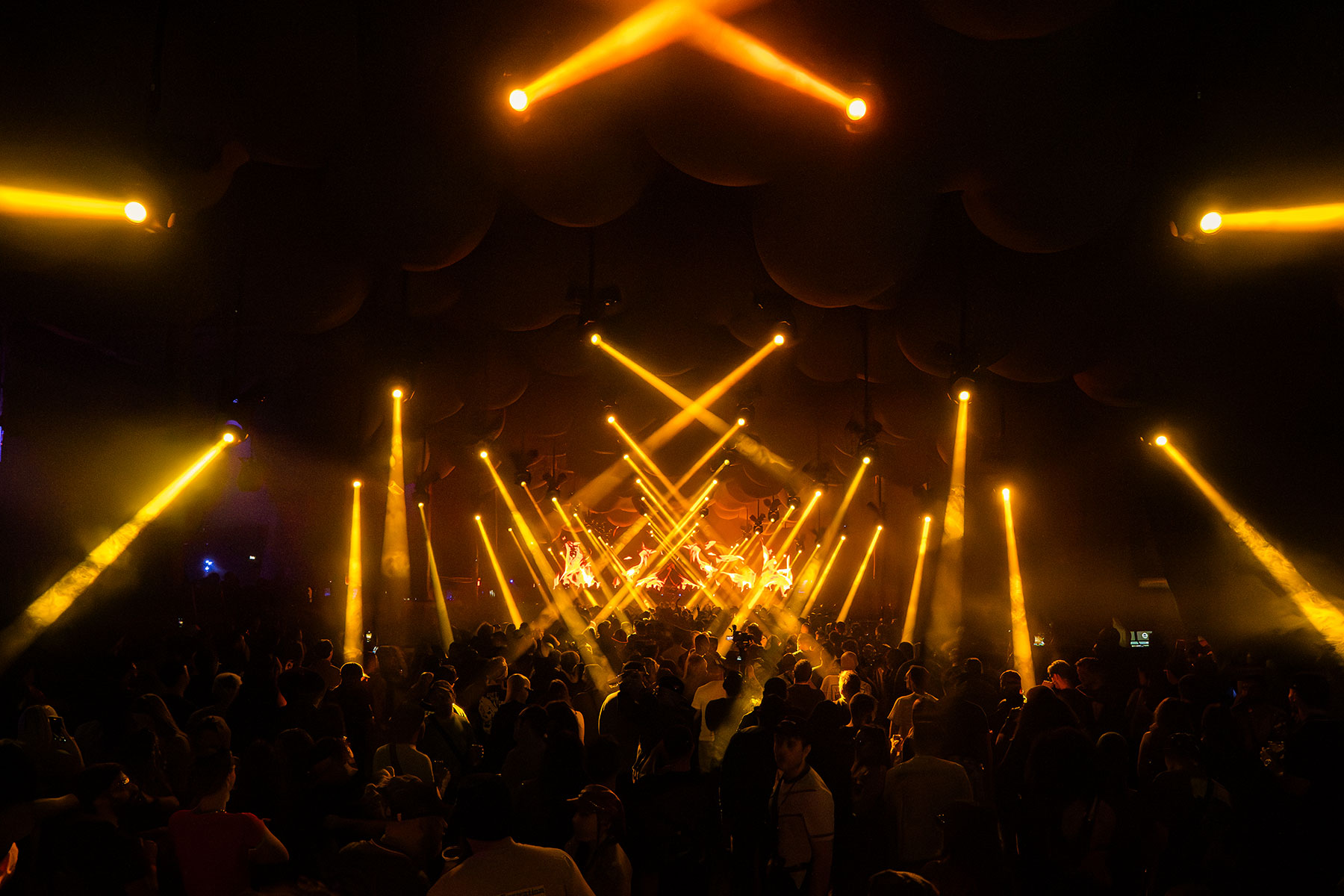
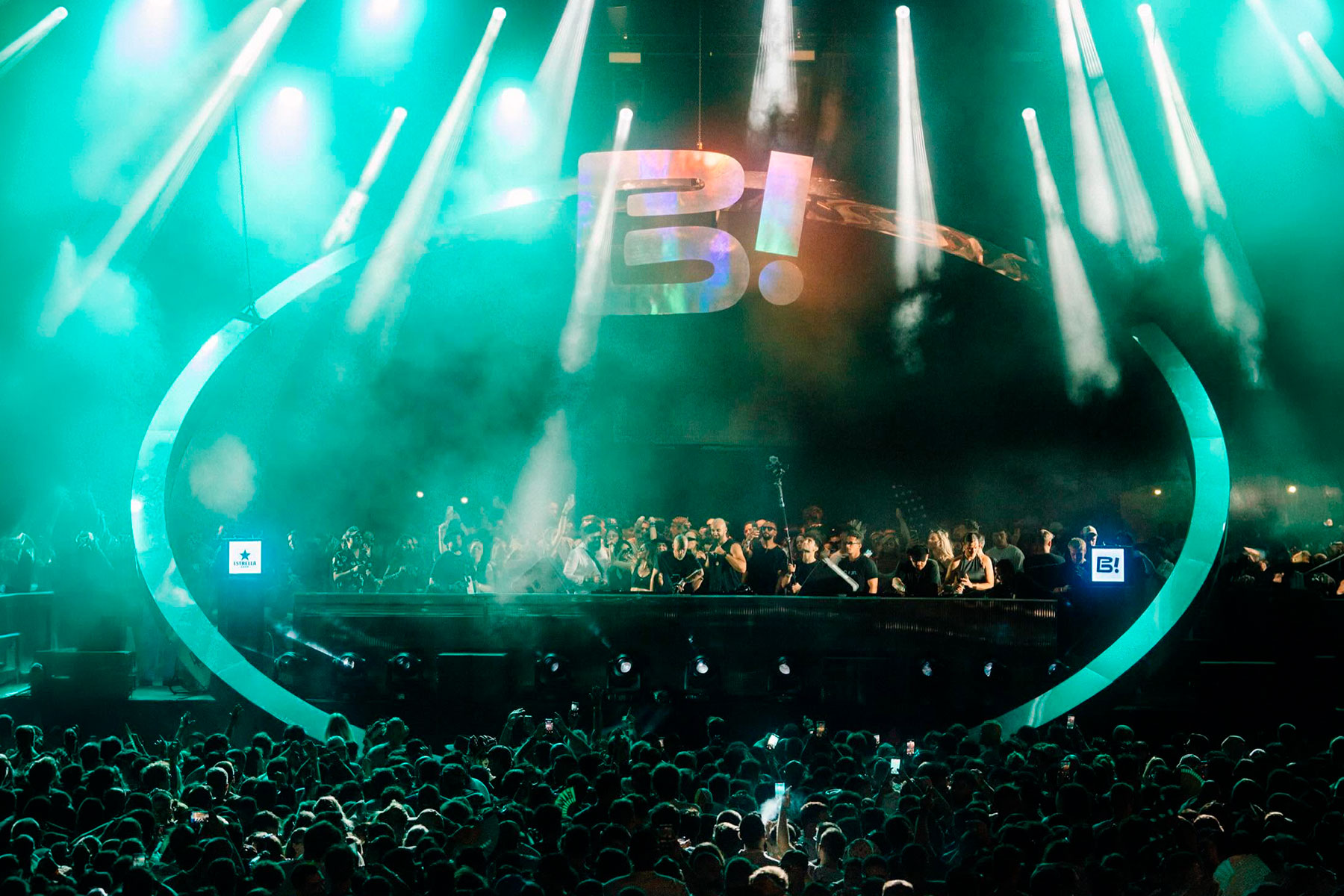
Dub Taylor: There‘s always been and always will be plenty of people who prefer the popular circus arena, get excited by light shows, fireworks & entertainment, follow beloved celebrities, etc., over everything else. It has obviously become a big business. Those who apply for these kinds of jobs, I‘m sure they enjoy themselves, and I hope they‘re having a good time. From what I see, the people over there are dancing. Doesn’t look like losing to me. Going out for a dance is always time well spent.
I personally prefer staying away from cameras, over-advertisement, and too much publicity, though, as far as I can. Ain‘t my party. For me, cameras are killing the vibe. It’s kinda sad to see DJs who didn’t even blink for 20 years behind the decks suddenly giving a veritable choreography because they feel their music isn’t entertaining enough to fill up much too big venues anymore.
Luckily, there‘s always been smaller spaces for like-minded people in my hometown and elsewhere. My personal taste has nothing to do with chart rankings or strong media presence. Some of my most regarded musical influences didn‘t win anything, had often small or no cultural significance in their prime, or sold very little. Doesn’t matter to me; they still give me goose bumps every time I listen to their work.
“Cameras are killing the vibe”
EG: Looking back, was there a moment when you realized that music would not just be something you did, but the way you would move through life?
Dub Taylor: My mother always tells the story, when I was a small kid, I‘d always walk much too slow and way behind everybody, singing to myself and minding my own business. It‘s been with me all the time, I guess.
EG: You have been described as someone people can have a beer with and talk about much more than music. Outside the studio and the club, what keeps you grounded?
Dub Taylor: Besides hanging with friends, I do random outdoor activities that don‘t depend on company and can happen spontaneously. Bike riding, hiking, forest time, stuff like that. I’m a passionate mushroom collector. Clears the head, can be done whenever there’s time, and costs almost nothing. And I do sing and dance like no one is watching.
EG: If you could give one sentence of advice to the younger version of Alex Krüger, before all the aliases, records, remixes, and travels, what would you say?
Dub Taylor: Nothing. I‘d just smile and say: Have a good one! Older folks can keep their advice for themselves. Kids gotta be kids. They’ll come up with unique stuff themselves if you let them be and give them room.
EG: When people listen back to your work ten years from now, what do you hope they hear beyond the production itself?
Dub Taylor: I hope in ten years people will listen to what I do in ten years and not bust my balls over the past too much. I‘m not conservative about music at all. But of course, I‘m happy when some of my stuff lives long, and some 30-year-old tune still has value for people. Gives a nice feeling of accomplishment.
EG: Thanks for the time and all the best!
Dub Taylor: Thank you.
Dub Taylor’s remix of Thaddeus X’s ‘Firewalk’ is out now. Stream and download your copy here.
Follow Dub Taylor: Spotify | SoundCloud | Instagram