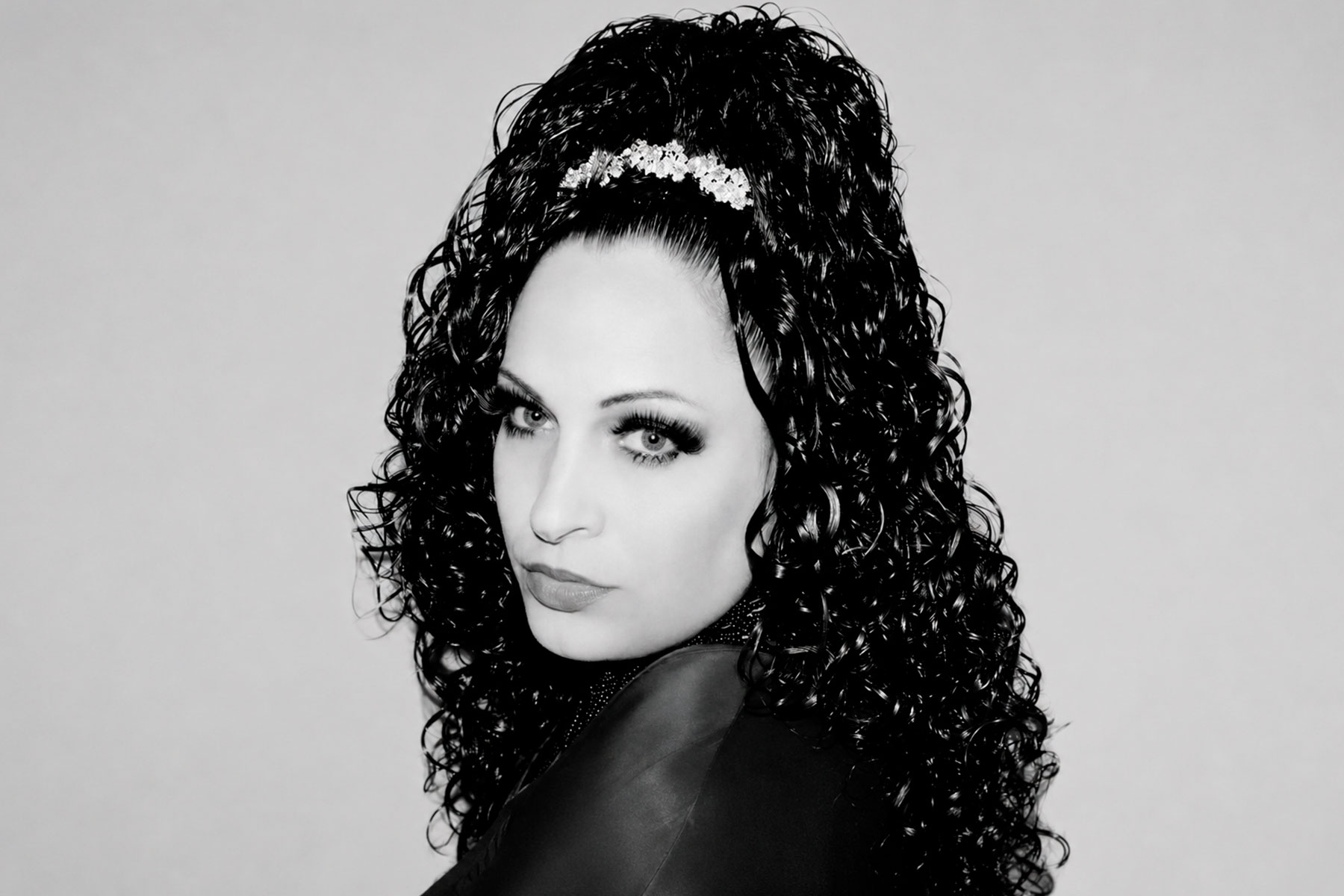
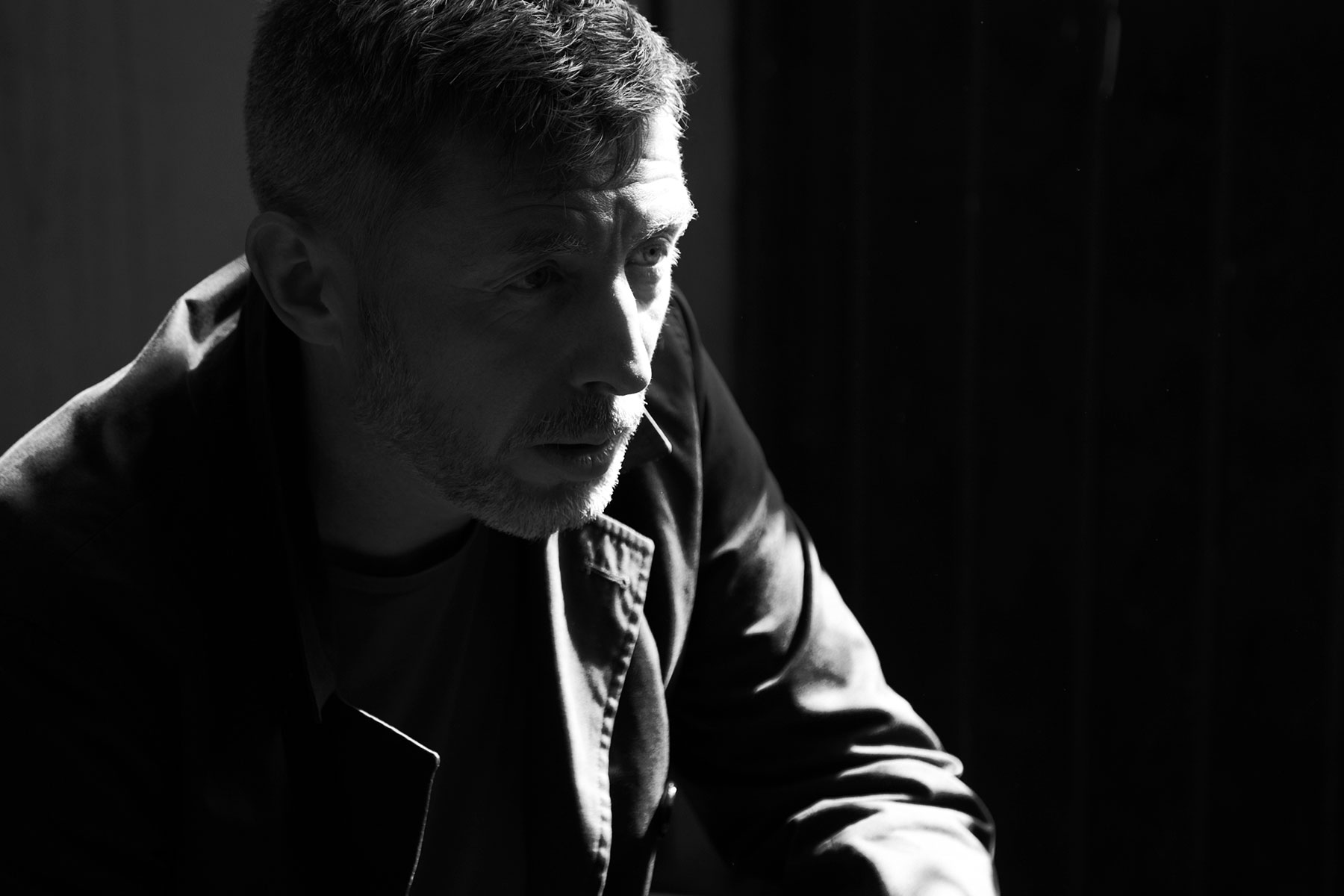
For more than two decades, Ali Gibbs built a distinctive body of work under the Nebraska alias, earning a reputation for warm, groove-led house music shaped by dub, disco, soul, and understated club functionality.
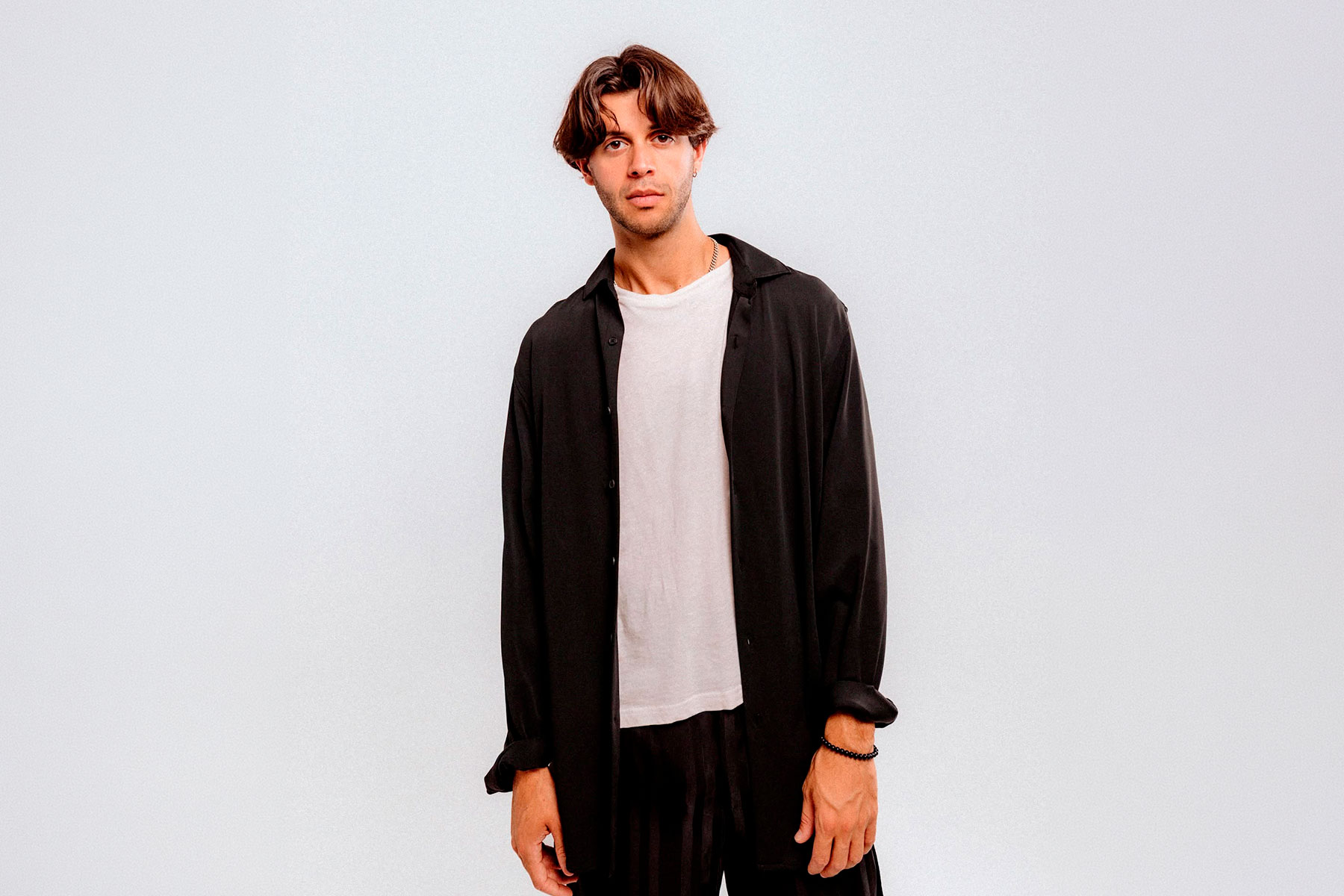
Photo credit: Dubl Drat – Official
Now, with the release of ‘The Alter Alter Ego’ EP on Delusions Of Grandeur, he closes that chapter and introduces a new creative identity: Dubl Drat.
Rather than a complete reinvention, the project marks a subtle shift in perspective. While Nebraska remains rooted in dancefloor-driven house, Dubl Drat opens the door to more abstract, dubbed-out explorations without losing the musical instincts that have defined Gibbs’ work throughout his career.
In this conversation, Dubl Drat reflects on retiring a long-standing alias, the ideas behind ‘The Alter Alter Ego’ EP, his relationship with Delusions Of Grandeur, and why clarity and musical integrity have become more important than following trends.
EG: Hi Ali, welcome to Electronic Groove. It’s a pleasure to have you with us. How have you been lately, and how do you feel as ‘The Alter Alter Ego’ EP finally sees the light of day?
Dubl Drat: Hi, and thanks for having me. I’m delighted that the EP is out. It’s always interesting to see what the wider world makes of the work you’ve been quietly shaping in the background for months.
EG: This EP isn’t simply a new release… It’s also the final chapter of Nebraska and the introduction of Dubl Drat. What led you to the decision to retire an alias that has become so closely associated with your work, and why did now feel like the right moment for that transition?
Dubl Drat: It wasn’t one single reason that informed the choice to move on from Nebraska, but rather a feeling that had been building over recent years. I chose that name intuitively and impulsively for what I assumed was going to be a one-off release back in 2000. The name was chosen purely for the way it sounded and had nothing to do with the state in the US, the ‘Springsteen’ LP, or anything else. It was purely the sound of the word.
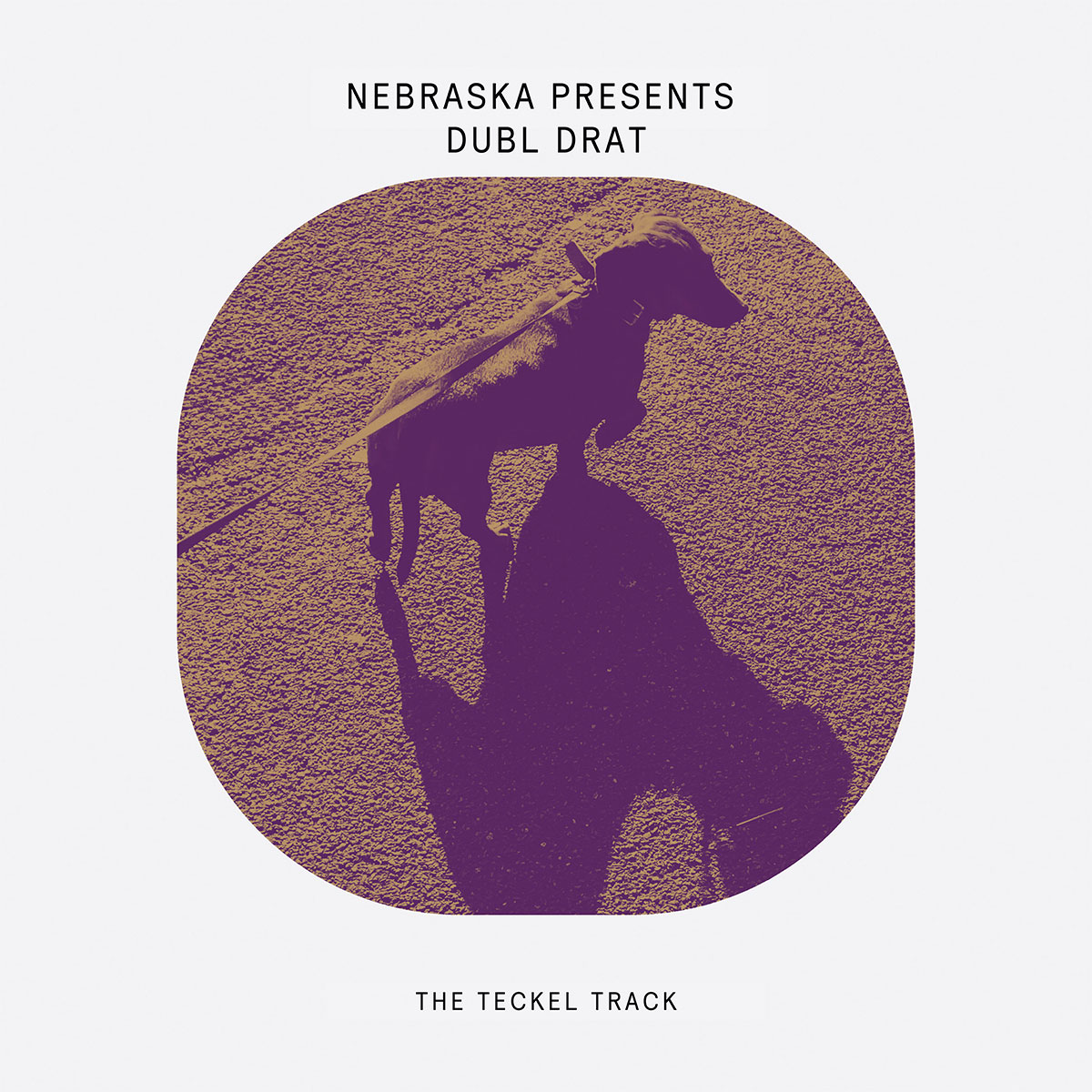
The world we inhabit in 2026 is vastly different from 2000, especially in America, and that, among other more prosaic concerns, somewhat informs the choice. Dubl Drat references cartoon baddie Dick Dastardly and his dog Muttley. “Drat, and double drat” was his catchphrase whenever he was thwarted. The image of a guy and his sidekick dog reminded me of myself and my dog. I used to watch that cartoon with my own dad when I was little, and my dad’s laugh was like Muttley’s raspy snickering. After I chose the name, I also discovered that Catwoman says “Drat, and double drat” in an episode of the 1960s Batman TV series. I spelled it differently to avoid confusion with anything else.
EG: The record feels like a dialogue between two creative identities rather than a straightforward collection of tracks. What does Dubl Drat allow you to express that Nebraska no longer could?
Dubl Drat: That, I suspect, remains to be seen! In some ways, nothing changes because it’s still me, but I’ve noticed that I’m, by turns, revisiting some of the soundscapes of my trip-hop past, my ’90s releases as Headphonauts add colour to this, and also becoming more interested in what makes a piece a clearer musical idea. I’m asking myself, what’s the centre of this track?
EG: You’ve described the EP as existing somewhere between groove-driven house and more dubbed-out, abstract explorations. Do you see these as two separate creative instincts, or have they always been part of the same musical personality?
Dubl Drat: Definitely the latter. I’ve long loved the world of dub in all its forms, and if you look at what classic dub really was, it’s about a hypnotic rhythm, often a melodic bassline, with the original song abstracted into a psychedelic fragmentation. The track is what’s happening to your hips; the trip is what’s happening to your head.
“I hope people find something to connect their heads, hearts, and hips. That’s the imperative of music in a fractured world, to bring us back together. A dancefloor can be a space of agreement and accord”
EG: Tracks like ‘Olive’ exist in two very different forms, each revealing a different side of the same musical idea. What fascinates you about revisiting a composition from completely different perspectives instead of simply moving on to something new?
Dubl Drat: I think it’s a habit of my music-making practice, and it’s kind of pragmatic and economical. It takes a lot of effort to get this material into shape, so you might as well make another version while you’re there – again, taking a lesson from dub producers. Sometimes it’s also about searching for the “right” take. More versions of these tracks haven’t been released.
EG: Throughout your career, your productions have always balanced dancefloor functionality with a deep sense of musicality and texture. When you’re in the studio, how do you decide whether an idea belongs in a club-focused arrangement or something more immersive and introspective?
Dubl Drat: You’re imagining that I get to decide! It’s a much more intuitive process of seeing where the material leads me. I’ve quite often started off intending to make a track that sounds like something else, but ended up with a very different result. In fact, that’s the majority of what I do.
EG: Delusions Of Grandeur has been an important home for your music over the years. How has your relationship with the label evolved, and what made it feel like the right place to close the Nebraska chapter?
Dubl Drat: DoG has always been a good home for my work. I’ve been fortunate enough over the years to release music on some of the most respected labels in our genre, and DoG is 100% up there. In recent years, my association with the label has often been through collaborations with Session Victim, and the three of us spent time at Tom from DoG’s residential studio in Spain. That generous hospitality on Tom’s part reminded me that I should do something more standalone for the label again.
EG: Looking back, what do you think the Nebraska project taught you, not only as a producer but as an artist, and what lessons are you carrying forward into Dubl Drat?
Dubl Drat: That’s a good question. One of the huge upsides of 25 years of Nebraska has been the connections and friendships forged simply by making music and trying to connect it with the outside world. Making music to make friends!
EG: Reinvention can be exciting, but it also comes with uncertainty. As you move into this next phase, what aspects of your music are you most eager to explore without the expectations that naturally accumulate around a long-running alias?
Dubl Drat: I think I’m reaching for that clarity of musical and sonic purpose in each track. And that doesn’t necessarily mean, “Will this work for a dancefloor?” It’s increasingly about integrity over trying to fit in. Not that I’m averse to stumbling across a banger every now and again, but I’m not chasing algorithm-driven trends.
“Making music to make friends!”
EG: Finally, if listeners hear ‘The Alter Alter Ego’ EP years from now, what do you hope they’ll recognize about this moment of transition between Nebraska and Dubl Drat?
Dubl Drat: All of the above, really. I hope people find something to connect their heads, hearts, and hips. That’s the imperative of music in a fractured world, to bring us back together. A dancefloor can be a space of agreement and accord.
EG: Thank you so much for your time. We wish you all the best with ‘The Alter Alter Ego’ EP and everything ahead. Take care!
Dubl Drat: Thanks so much. It’s been a pleasure!
Dubl Drat’s ‘The Alter Alter Ego’ EP is out now via Delusions Of Grandeur. Stream and download your copy here.