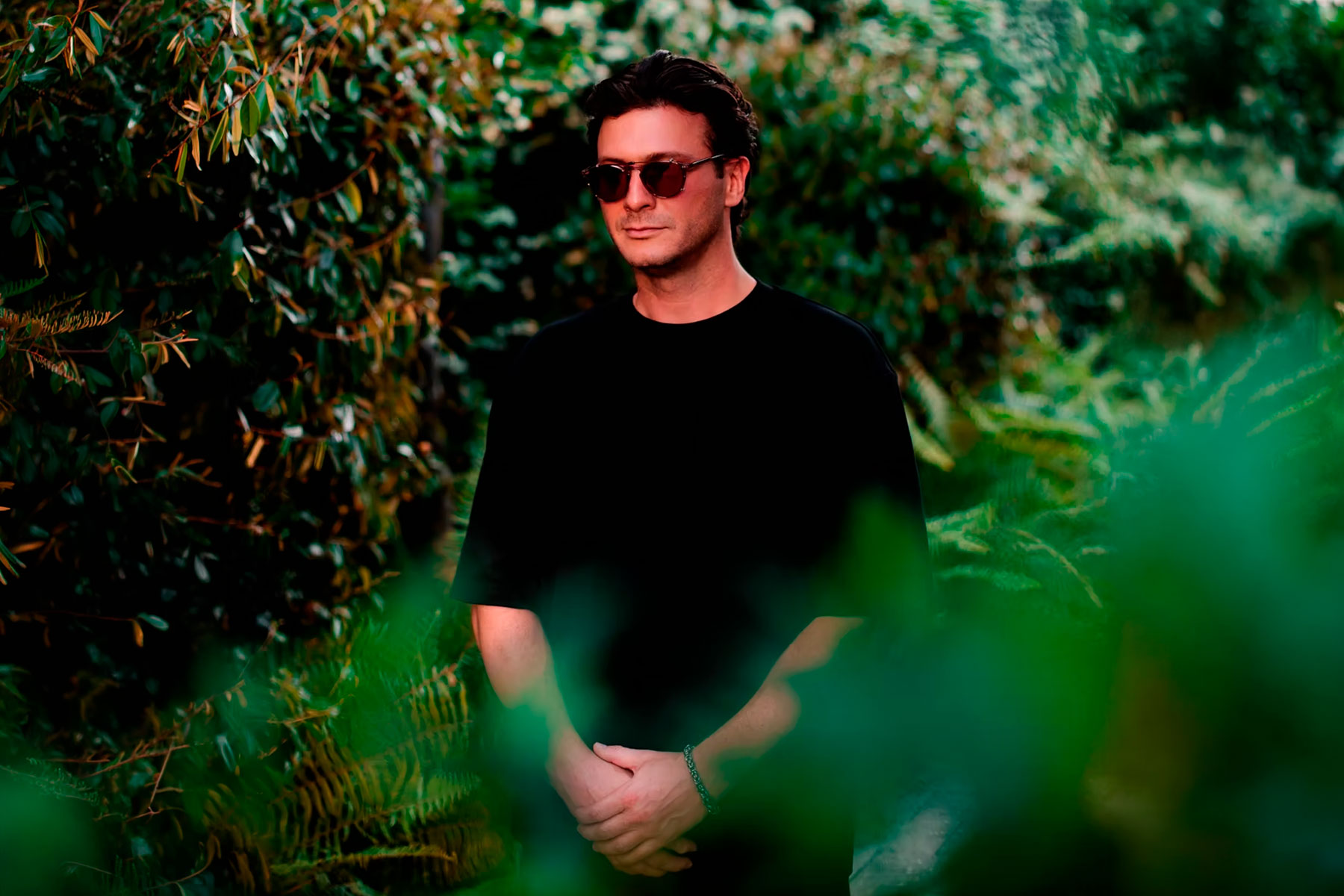
Alex Cecil is a DJ and producer whose path into electronic music began long before he stepped behind the decks.
Photo credit: Alex Cecil – Website
Raised in a musical family and trained as a classical cellist, he performed at venues including Carnegie Hall before finding a new creative outlet in underground dance music. Since then, he has built a reputation through releases on labels such as Lost On You, 925 Music, Rvdiovctive, and Deep Playa, while performing at destinations including Burning Man, Hideout Festival, Floyd at Club Space, House of Yes, and Amsterdam’s A’dam Tower.
With a growing catalog and a sound that moves fluidly between indie dance, house, and techno, Cecil continues to carve out his own space in the underground scene.
In this conversation, he reflects on his musical upbringing, the emotional core of his productions, memorable career milestones, and the next chapter for his NiteLite project.
EG: Hi Alex, welcome to EG. Where are you today?
Alex Cecil: Thanks for the invite. I’m in Miami today. A little sleep-deprived, but feeling good.
EG: You come from a classical background but have found your voice in the electronic world. Do you remember the moment when those two worlds connected for you in a real way?
Alex Cecil: Yeah, it actually happened before I was even DJing, but I only really understood it in retrospect. I was at university and threw a party just because I wanted control of the music. I remember sitting there building the playlist, thinking about how the night should move, where it starts, where it peaks, where it dips, and I specifically remember trying to figure out where to place ‘9 PM (Till I Come)’ by ATB. Looking back, that’s when it clicked. I realized I was chasing the same emotional arc. In classical, it’s tension and release over time. In electronic music, it’s the same thing, just through a system and a dance floor. Different language, same instinct.
EG: Your music carries a strong sense of storytelling on the dancefloor. What are you usually trying to capture when an idea first appears?
Alex Cecil: It’s usually a feeling connected to a moment I’ve lived, before anything else. Some kind of tension or contrast, or a sense of movement. I’ll see it in my head first, and then it becomes about translating that into sound, finding the exact texture that matches it. Whether that’s a female vocal, a banjo loop, or something completely unexpected, it’s really just about chasing that feeling until it locks in.
EG: Having a remix from someone like John Creamer is a meaningful moment for any artist. What did that opportunity represent for you personally?
Alex Cecil: It felt like a bridge moment. Someone with that kind of legacy stepping into your work, it makes everything feel more real. Not just validation, more like being pulled into another dimension. It almost felt like a time machine in a way, because it connected back to those nights I spent at places like Exit, Limelight, and Sound Factory when I was younger. I wasn’t making music yet, but that world stayed with me. At the same time, he’s still very much shaping the present, so to have my music intersect with that is not just revisiting the past; it’s stepping into something that’s still evolving now.
EG: When you heard that remix of ‘Flashlights’ for the first time, what surprised you the most?
Alex Cecil: How much emotion he pulled out of it without losing the core of the track. It still felt like mine, but heavier, deeper. He uncovered something I didn’t fully see yet. And the elements he used really shook me; I was honestly floored the first time I heard it. It felt completely unique, but still somehow true to the original.
EG: You have played in very different environments, from Burning Man to major clubs around the world. How do those spaces shape the way you think about music?
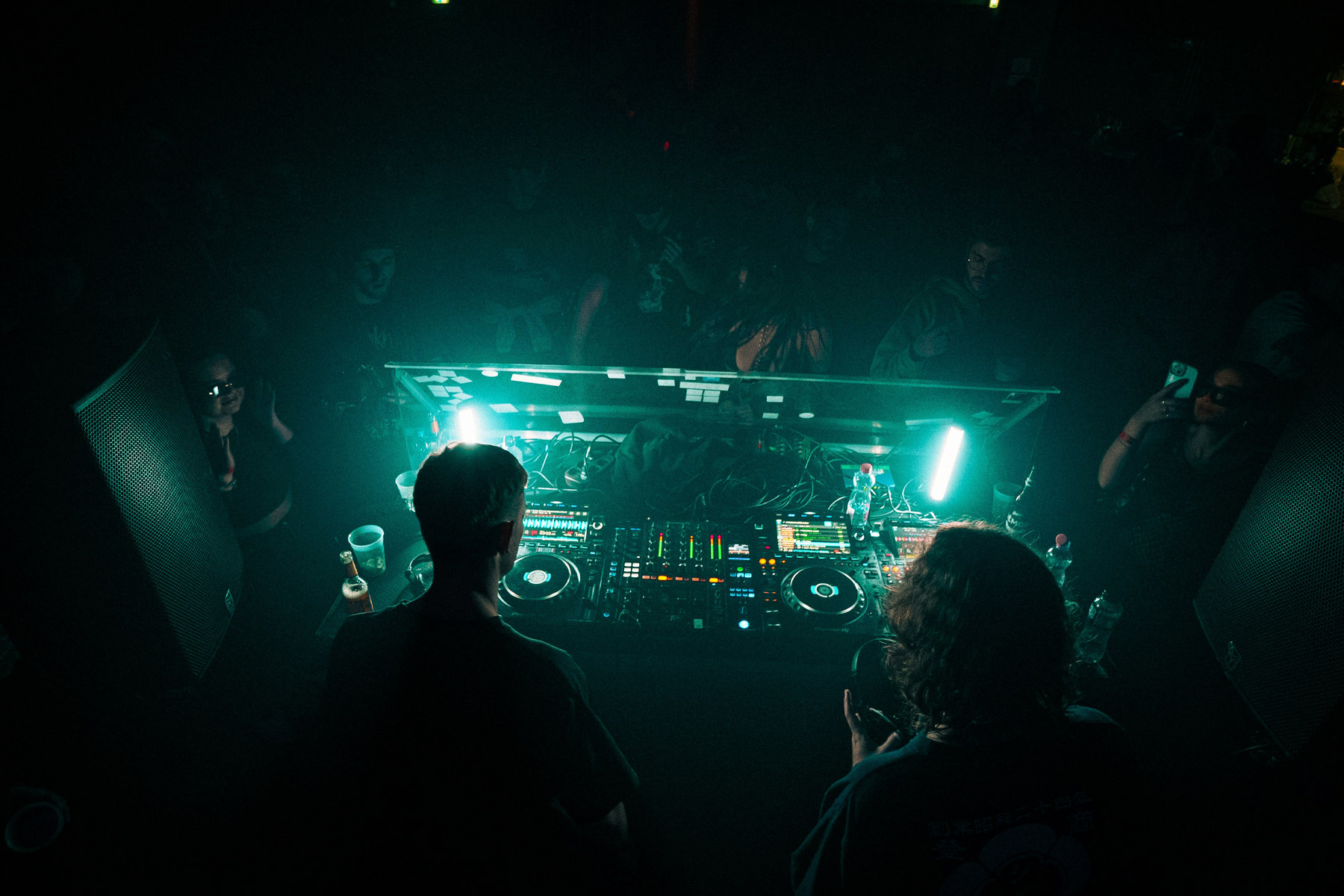
Alex Cecil: They force you to listen differently. The dancefloor is always shifting, no matter where you are. At Burning Man, that’s just amplified; people come and go for a million reasons that have nothing to do with you, so you can’t take anything personally or try to control it. You just respond in real time. In clubs, there’s more structure and expectation, so it becomes about timing and precision. Moving between the two has made me a lot less rigid. I think of music as something flexible, not fixed, but I still rely on certain anchors to ground people as things evolve.
“It’s the intersection of memory, acceptance, and the soft ache of letting go”
EG: Your sound moves between indie dance, house, and techno without feeling forced. What guides you when deciding where a track belongs?
Alex Cecil: I never start with “this is a techno track”. I don’t really think about genre when I’m making something. It’s more about where the track lives, what time of night it feels like, what kind of room it belongs in, what emotional space it sits in. Once that’s clear, the genre kind of reveals itself. I’ve found that when you try to force something into a lane too early, it usually loses what made it interesting in the first place.
EG: Was there a moment when support from another artist made everything feel more real for you?
Alex Cecil: Yes, Miami Music Week. Doorly was playing b2b with Mikey Lion, and I heard my track ‘Chismosa’ on the speakers. That was the moment it left my own world, my laptop, and became something alive and out there. It’s a moment I’ll never forget. Fifteen minutes later in the set, Doorly played another track of mine, ‘Promises’; both were on a USB I handed him the night before. A true testament that anything is possible.
EG: When you are in the studio, how do you recognize that a track has real emotional weight and is not just working technically?
Alex Cecil: There’s a point where it stops feeling like I’m building the track and more like I’m running with it. When it starts making decisions for me, that’s usually a sign there’s something deeper there. And it’s physical too; there’s a certain tension or release where you actually feel it in your body, not just in your head. If it doesn’t hit on that level, I know it’s not there yet.
EG: What has been the most unexpected piece of advice that actually changed how you approach your career or your life?
Alex Cecil: Don’t confuse motion with progress, and trust your instinct earlier. I used to spend a lot of time second-guessing things and thinking that doing more or perfecting something for months meant I was moving forward. Once I started trusting my taste and being more decisive, things became a lot clearer. Not everything needs to be overworked; sometimes it’s better to move on and keep momentum. When you’re grinding night and day, make sure you’re also mindful.
EG: What is something about you that people would never guess just from hearing your music?
Alex Cecil: I’m probably more analytical and detail-oriented than people expect. There’s a lot of structure behind what I do; I can spend a lot of time dialing in small things most people wouldn’t even notice. At the same time, there’s a real split in how I operate. In most areas of my life, I can overthink and be very methodical, but when it comes to music, I try to let go of that and trust my instinct. That balance between control and letting go is a big part of how I work.
EG: If someone discovers your music today for the first time, what do you hope they connect with immediately?
Alex Cecil: The feeling, first and foremost. I want them to feel something right away – my energy in it, whether that’s something deep, powerful, or a bit unsettling. And at the same time, I want it to make them move. That connection between emotion and physical movement is really the core of everything I do. And I want it to feel distinct, not generic, like it’s coming from a specific place.
“It’s the intersection of memory, acceptance, and the soft ache of letting go”
EG: If you had to describe your journey so far in one word, what would it be and why?
Alex Cecil: Rollercoaster. Everything I’ve done has lived between opposites — classical and electronic, structure and instinct, dark and euphoric.
EG: If everything stopped tomorrow and you had to step away from music, what do you think you would miss the most?
Alex Cecil: That physical moment when the energy shifts and you feel it in your body before you even process it. And then when a whole room locks into the same pulse and time disappears, that shared energy is everything. When it happens, you feel it instantly, like everyone’s tapped into the same frequency.
EG: Looking ahead, what kind of ideas or collaborations are you most excited to bring to life?
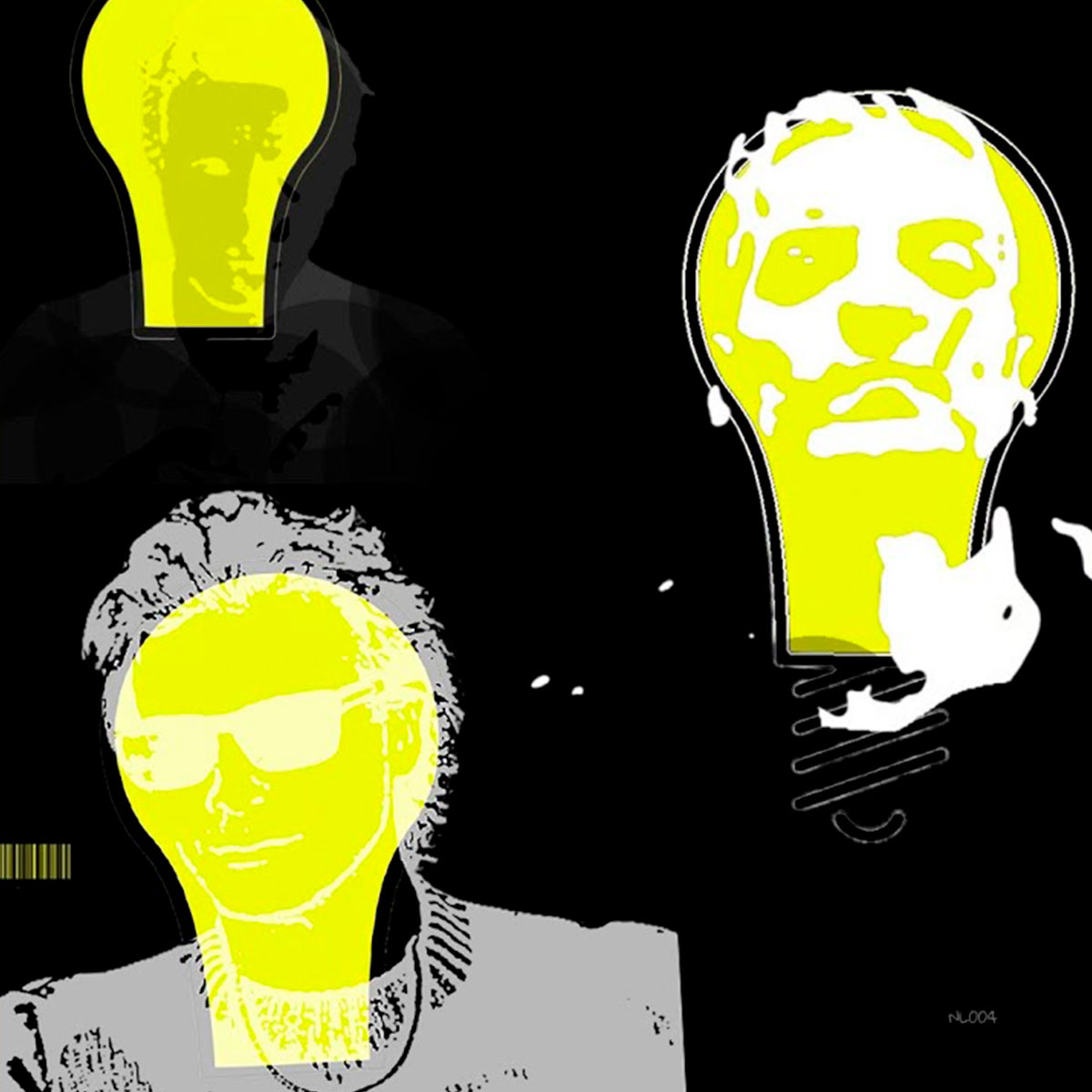
Alex Cecil: I’m really excited about building out the NiteLite world further. I’ve spent a crazy amount of time putting things together, so I’m really excited to present them to the world. I have a series of remixes of my originals coming from artists I really respect, like Biesmans, John Creamer, Nihil Young, and Barry Jamieson. That’s been really inspiring, because it lets the music evolve through different perspectives and become something bigger than what I originally imagined.
EG: Thanks for the time and all the best!
Alex Cecil: Great chat. It’s interesting; you don’t always realize how you think about things until you say it out loud. Appreciate that.
Alex Cecil’s ‘Flashlights’ is out now via [Label]. Stream and download your copy here.
Follow Alex Cecil: Spotify | SoundCloud | Instagram