Beyond the charts and the noise, 2025 gave us some incredibly honest conversations. We went back through every Electronic Groove interview from the last 12 months and realized that artists are asking the same big questions we are. It’s not just about the music anymore; it’s about community, pressure, and keeping the culture alive.
Here we selected some moments from the people behind the decks in 2025 (in alphabetical order), unfiltered, and exactly what we needed to hear this year.
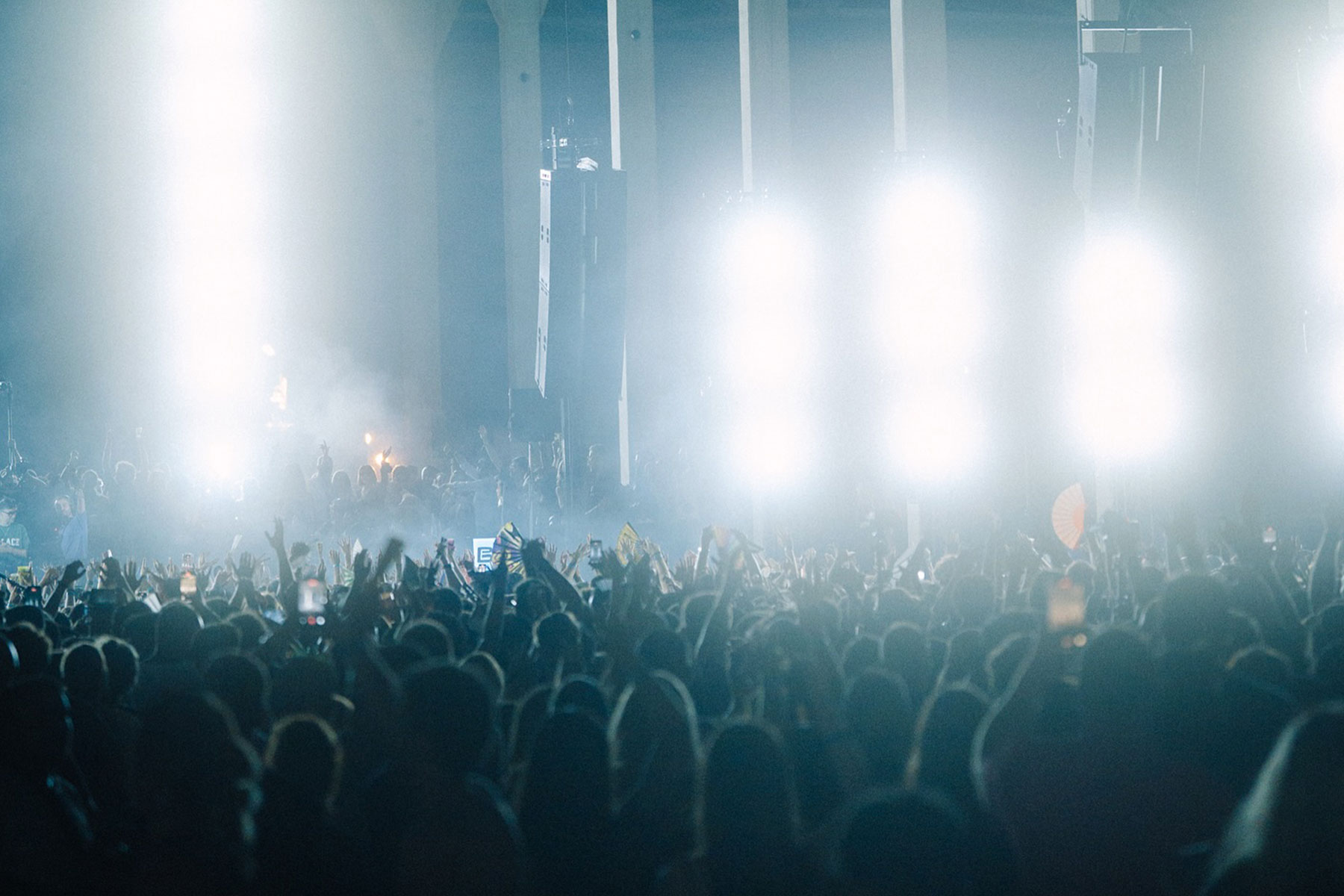
Photo by Mike Hindle on Unsplash
“Mexico is always treating me so nicely, and I am very happy to see my Mexican friends. My gig at Funk was just so loving, it really picked me up. I was struggling a bit to get into it, but the vibe on the floor and all the love and energy I felt from the crowd lifted me up. I feel a special connection to my Mexican peeps. Apart from that, I still feel a bit tired from extensive touring in the past years. Even though I have been doing this for a very long time now, I feel the need to spend more and more time in nature and in my studio. And sometimes this means just sitting with my cables, getting to know the equipment again. And getting overwhelmed by my expectations. At the same time, I know that creativity is my vehicle for feeling connected and at peace.”
“In the world we live in today, we can no longer escape our political responsibility. Of course, it’s difficult to bring politics into clubs. And I really believe that clubs should be a politics-free space—a place where everyone comes together for the music and for dancing. However, I’m still convinced that every person needs to have a stance. What’s important is that we listen to one another and respect different attitudes and opinions. Especially in the techno world, we should be setting an example in that regard. Lately, we’ve neglected this a bit. There’s been too much cancellation and too much pressure within the scene.”
“Visuals are not just background elements—they’re instruments. Light becomes rhythm. Motion adds dynamics. Space gives everything depth. Every beat, drop, or breakdown is echoed in the visuals. It’s all synced, so the crowd doesn’t just hear the music—they see it.”
“I do not use TikTok. I have actually avoided it up until now. However, I am on Instagram and Facebook. It’s a lot of work! It definitely adds an extra layer of stress and steals time from my real passion, which is music. But we have to deal with it, as it helps our careers, so it is what it is. I have stopped hoping or even expecting tracks to chart. It is obviously a great feeling when they do, and it gives me a jolt of confidence to get back in the studio and ride that little wave, but I don’t make tracks just for them to chart. I find the ones that do are usually the ones you least expect.”
“I love my volunteer work (I help with local wildlife groups… pigeons, crows, waterbirds, etc.) and find that having something outside of music to get stuck into means that I’m never bored. It’s also something I can hopefully still do in my retirement. But I’m able to combine the two as a lot of my volunteering involves transporting sick or injured birds around London on my pushbike (the “Danbulance”), and my phone is always loaded with new tunes so that I’m always digging whilst peddling.”
“It depends on where you go. Some scenes like Vegas are bottles and models. And that has spread like a virus all over the States where people want to be seen and it’s not even so much about dancing for them. I can tell you that so many clubs diminished their sound systems in order to have VIP rooms and have the VIP people. So the sound systems went from being stacks to based on the floor and speakers hanging in the ceiling. So there’s just, you know, an open seat, and the music might be more commercial.
But there’s a huge underground scene that’s not into that at all. Look at Ibiza – places like DC-10 or Amnesia, or even Stereo in Montreal. Those are real dance floors, real sound systems, where people go to move, not just pose. Hardly anyone has their camera out but most of them are there to dance.
I might turn down gigs at bottle-service venues because it’s not my style. If people just want pop hits and sparklers, that’s not the vibe I bring. I’m glad people hire me for what I do.”
“Through the years, I’ve learned that reading the crowd is the best thing you have in your toolbox. The scene is constantly changing, and you have to be open-minded at all times. I think that would be my piece of wisdom to a newcomer.”
“We’re facing very difficult times because music and creativity alone are no longer enough to stand out. Even in the underground scene, social media has taken over to the point where many labels first look at follower counts, TikTok likes, and how an artist presents themselves before deciding on a release. Ten years ago, the focus was simply on the quality of the track and the willingness to take risks. Now, financial safety through streaming numbers and sales often takes priority. This creates a spiral where visibility sometimes matters more than artistic quality.”
“The nature of electronic music is rooted in having communal dance floor experiences, to get out of your day-to-day analytical mind and be more connected to your body and your heart center. This alone can wash away the anxiety of our existence and reinvigorate oneself to be more compassionate to the people around you. Not all dance music events or experiences carry this mindset, given how corporate and egoic the global scene can be. But if you focus on the roots of house music, where it came from, and use that as inspiration in your endeavors, it truly can unite and uplift on a grand scale.”
“I asked myself: Why am I still doing this? Do I just keep waving my hands in the air like I just don’t care? Or do I turn this party into something with a deeper purpose? When artists offer their work for a greater good, it taps into the collective consciousness. It becomes more than just music—it becomes medicine for the body and soul. Right now, we’re focused on seeing this through… We proved that DJs and producers can come together to raise awareness and funds for meaningful causes.”
“I feel as I’ve gotten older, I’ve felt less need to try and fit with what’s ‘relevant.’ I think for a few years, I felt the need to bow down and fit in. But now I’m just happy to focus on the music I want to make and not be swayed by any outside influence. As I said, the move back towards what I see as my sound has been at the forefront of everything I’ve made in the last two years, and now the fruits of my labour are coming to fruition.”
“I think back in the day, Miami Music Week was a different world. The music was exclusive. Now, today, with the digital era, you finish a track, and somebody around the world has it in five minutes. It’s a different world, it’s not as special. I think back then, you would come to Music Week, and you wanted to hear that track that was going to be the next phenomenal hit. It’s just a different mentality. And the other thing that I think changed is that you didn’t have a digital camera or a smartphone. And I think everybody knows that it just changed clubbing so much. You used to DJ, you clap, they clap, you jump, they jump. It was like being a puppet master. Today, you’re looking at, you know, 1000 smartphones being held up. It’s strange, to be honest.”
“Gosh, so many things are a challenge. Some I’ve mentioned above, and some I haven’t. It’s strange because people say it’s all about the music, but I feel like that’s far from reality now, and that’s the challenging part. Without social media and large streaming numbers, artists struggle. There is a lot of immense talent out there that don’t do socials or have large streaming numbers, and without this metadata generated from it, it’s hard for them to get booked or noticed, and that’s not about music. It’s been said that, ‘talent doesn’t sell spots at a festival (venue), social media data does.’”
“Recently, I played at Culture Box in Copenhagen, which has a no-phones/no-photos policy. I think it’s great because it enhances the connection between the music, the DJ, and the audience. It was a beautiful experience and made the night even more special. Over time, you start to understand how you want to do things and what’s important for your career. I always try to make sure my music reaches the people — that, to me, is the most important part.”
“I think we’ve been a bit mindless with performance videos. To be honest, it’s just very narcissistic. You upload a video to benefit yourself—to entertain your followers and grow your profile—but you don’t think about the person who’s in that video, now in full 4K, without their permission. People should feel free on the dance floor, not worry about whether their party face is going to end up in some video. I don’t want people focusing on what I look like behind the decks. Besides, I don’t want to look like I’m checking emails while performing—that’s why the laptop had to go.”
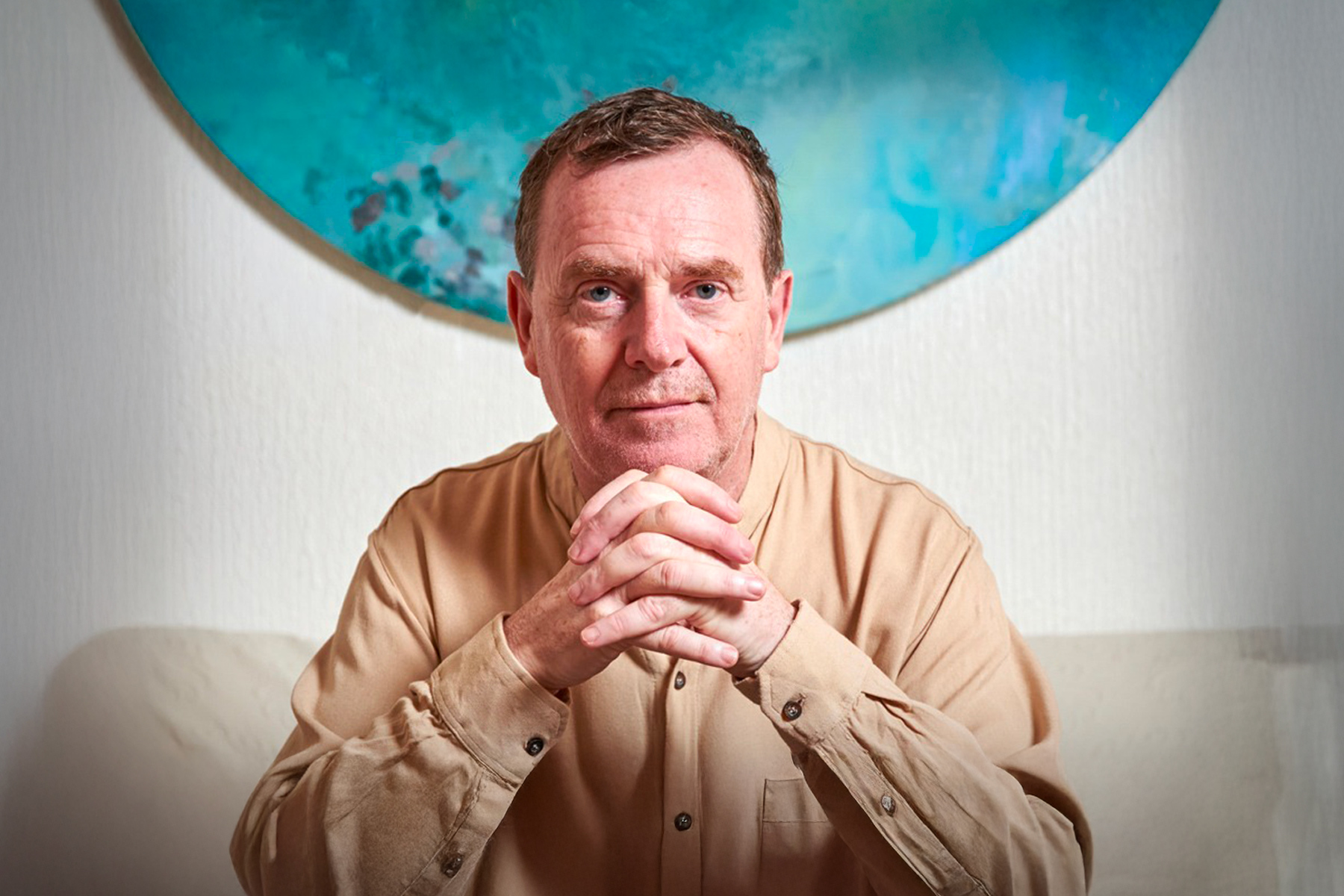
“I tend to just follow my own instinct when producing music; it’s almost a selfish mindset where I really do not care if anyone else likes it. The ideas that either fail or win, you have to be artistic in your thoughts. The Global Underground mixes I produced were always about the journey rather than dancefloor domination. They need to be timeless. The biggest lesson was to try not to be doubtful of your ideas.”
“The paramount question here is ‘how do I get the most out of ME?’. And the truth is that there are some great tools out there, like the ones used for stem separation, or to “suggest” similar samples. These, for example, enable me to sort of “reverse engineer” how some of the reference tracks that my students bring were made. So, if these things are empowering me as a teacher or as a creator…then, welcome. But I’d say that the vast majority of the things AI has to offer, they don’t do that. As soon as they do the work FOR you, then…well, fuck that.”
“It feels miserable because it shouldn’t have happened in the first place. Why don’t the old men responsible deal with it properly? It’s clear that if I had the strength and power, I’d want to help every child in need. All of this shows how terrible the situation is for all of us as human beings. I definitely don’t want to add another ten years to these two unspeakable years. I remain hopeful for a future where humanity thrives among all parties involved.”
“The underground, collectively, has the power to bring about real social change, and there are examples of this throughout the past decades. I think we have to be careful about the whitewashing and commercialization of it for this reason; we lose touch with the ability to bring about change when we allow it to lose its soul.”
“I believe Stereo is special because it was created by a DJ who had a pure love for music and a vision for community. Angel Moraes’s vision and legacy still thrive, even after nearly 25 years. The sound system is world-class, creating an immersive experience with no VIP, no alcohol, no phones on the dance floor, and no dress code—beyond all that, it’s the people, both the staff and the crowd. In long sets, patience is key—creating space, building tension, and introducing peaks keeps things fresh and exciting for everyone. It’s a labor of love.”
“The evolution of club music has taken us to a point where creative freedom is total. Names like Robag Wruhme, DJ Koze, and Herbert have been essential for breaking aesthetic barriers and generating sounds that define the cutting edge today. Each piece began with loops and synth sequences launched just as you would in a live set. That adds a human, unexpected touch—especially when two people share the excitement of seeing the parts unfold. It’s fun, almost like a game, and it breaks away from the usual grid of the genre.”
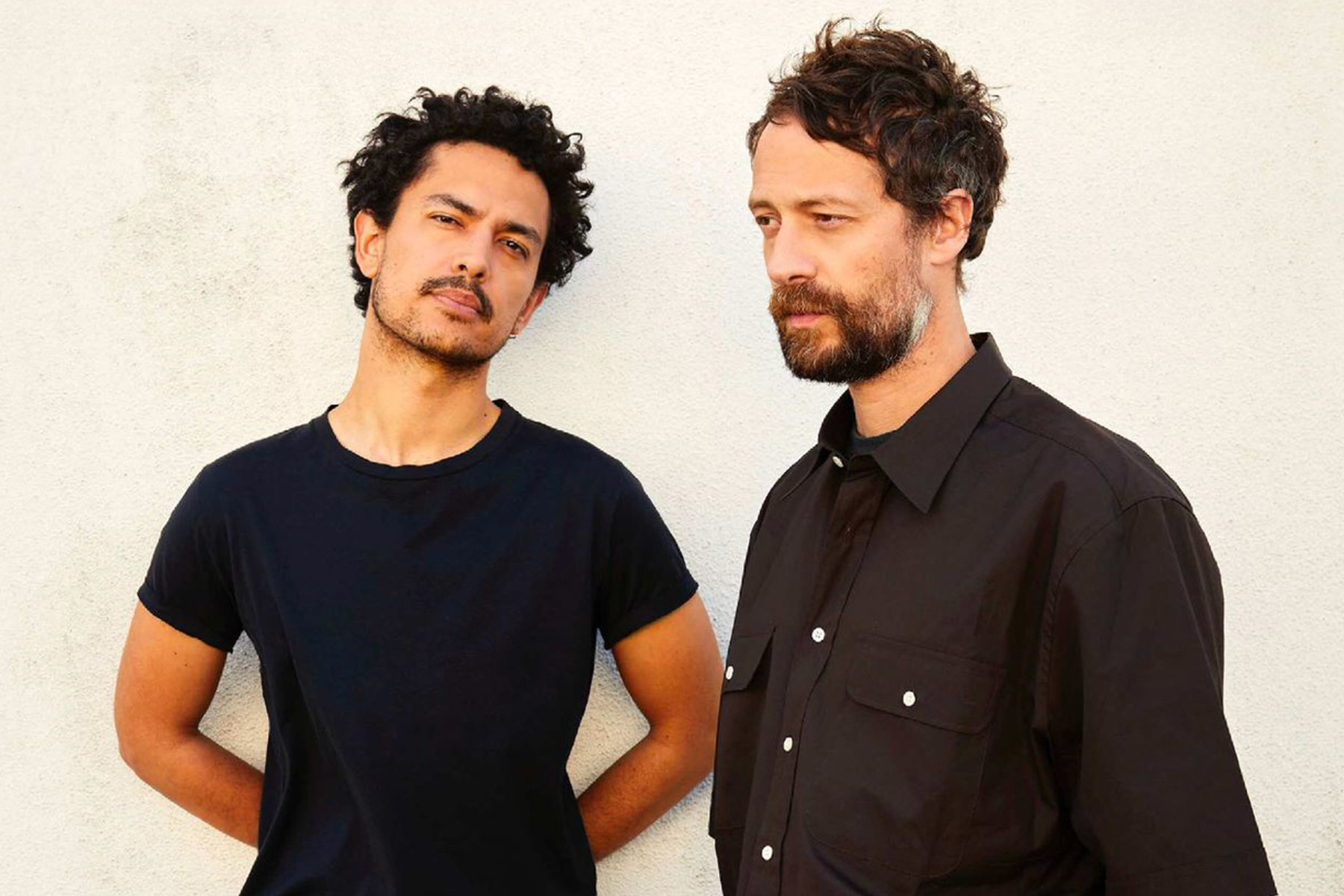
“Turn them off, reconnect with each other and with the present moment. That’s what music is made for. Ordinary heroes carry a poetry and a truth within them that you can’t find anywhere else. Trust with them builds over time, and also through filming them with love and humility. The live concert experience, especially in our time, is something very important that must be preserved. This live album should, above all, remind them how essential it is to go out and see artists perform live. These are unique moments of human connection.”
“I’ve faced my own battles with mental and physical health, and I know how isolating it can feel. There’s an unspoken pressure in this industry to always be ‘on,’ to act like everything is amazing all the time, but that’s just not the reality. I think social media makes everything look perfect, but people crave honesty. This year, I’m reshaping my career to be more local and sustainable, prioritizing balance over constant movement. Stop waiting for permission. Trust your voice, take up space, and don’t overthink whether something is “right”. If it excites you, that’s enough.”