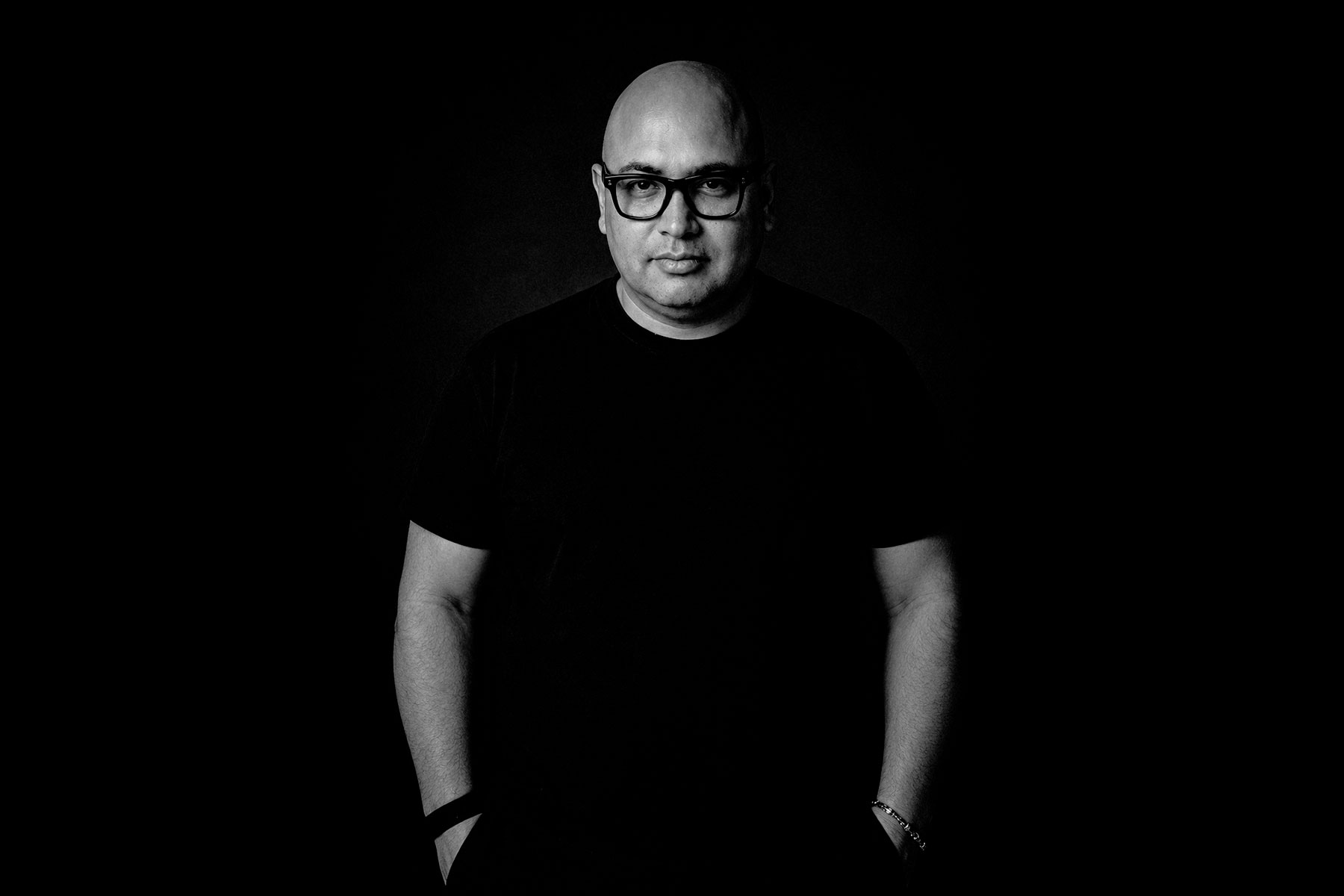
Portuguese-Mexican DJ and producer Oscar Rosmano has been active in electronic music since 1998. Based in Lisbon, he has performed across Europe and Asia, sharing stages with artists including Hernan Cattaneo, Guy J, Dave Seaman, Anthony Pappa, Quivver, and Danny Howells.
Photo credit: Oscar Rosmano – Official
More recently, his focus has shifted increasingly toward production, with releases appearing on labels including Manual Music, Musique de Lune, Polyptych, and Modus Vivendi Records.
Alongside his work as an artist, Rosmano is the owner and curator of Temple Club in Lisbon. His return to a more intensive production schedule has also brought a series of milestones, including the 2026 releases ‘Karyna’ on Manual Music and the ‘Away’ EP on Musique de Lune.
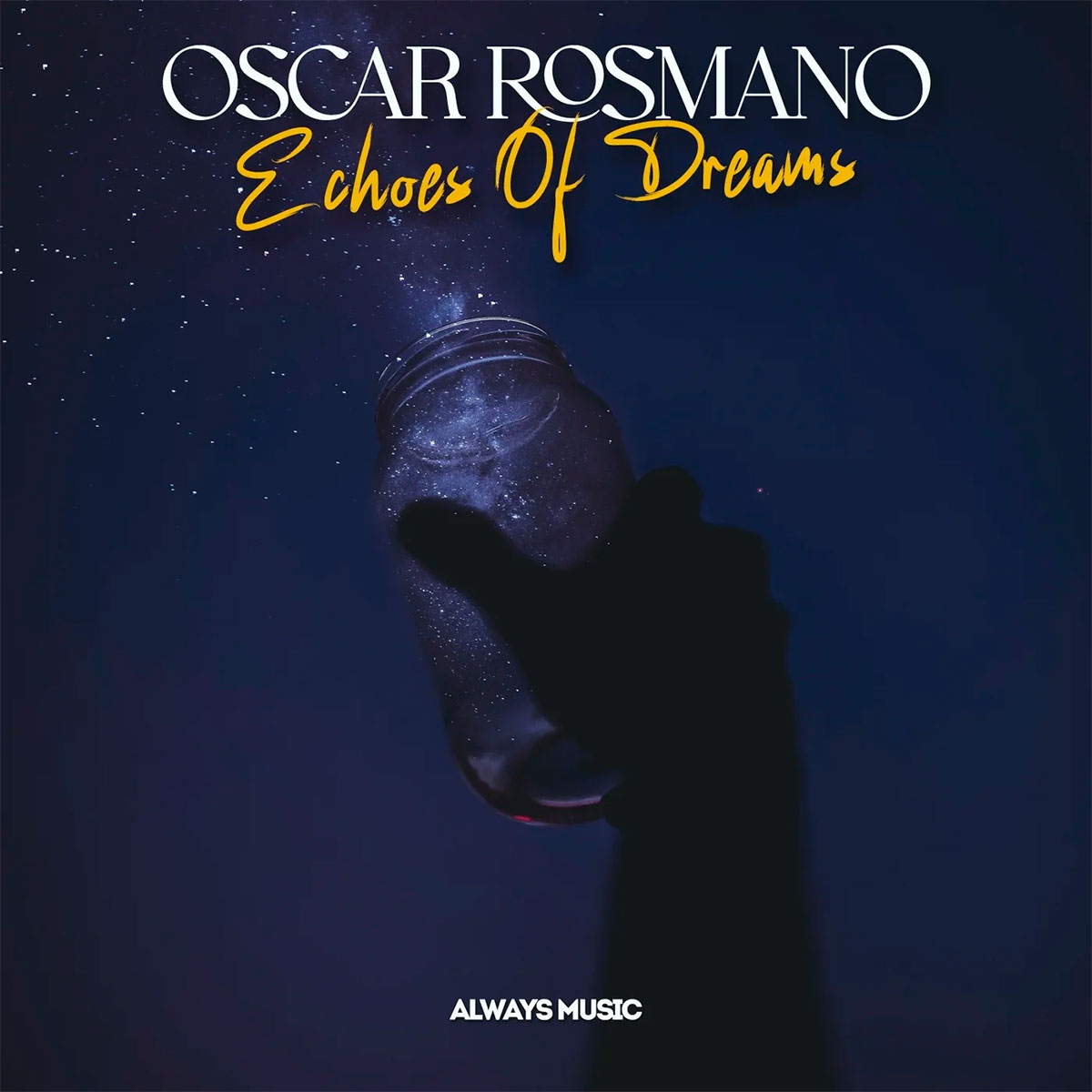
His latest single, ‘Echoes of Dreams’, marks his debut on Always Music and the first of several planned releases with the label.
In this conversation, Rosmano discusses reconnecting with production, the emotional direction behind the track, his relationship with labels, the influence of DJing on his studio work, and the realities of running a club in Lisbon.
EG: Hi Oscar, welcome to Electronic Groove. It’s great to have you with us. How have you been lately, and what has been occupying most of your creative energy these days?
Oscar Rosmano: I’ve been a DJ for many years, but after getting involved in the bar and club business, I became much more focused on managing the venues, and my own music career became a little stagnant. I have quite a few hobbies. I race in the Portuguese national motorsport championship, and I play golf, but music has always been my real passion. When I opened Temple Club, that passion came back very strongly. It actually became a bit of an addiction again. Over the last two years, I’ve put some of those hobbies aside and dedicated much more of my time to producing music. There’s really nothing that gives me more pleasure than seeing people dance to music I’ve created myself.
EG: You’ve been involved in electronic music since 1998, first as a DJ and now increasingly as a producer. What has kept you connected to the scene for so many years, and how has your relationship with electronic music changed along the way?
Oscar Rosmano: Music has always been part of my life. Even when my businesses started taking up most of my time, I never really disconnected from it. I continued going to parties, recording the occasional podcast, and organizing events. There were periods when I was a little outside the circuit and perhaps a bit forgotten as a DJ, but the passion was always there. Opening Temple Club changed that completely. Being surrounded by music, DJs, and that energy again reignited something in me, and ultimately pushed me back into music with much more intensity.
EG: Your new single, ‘Echoes of Dreams’, marks your debut on Always Music and the starting point in a series of releases. What can you tell us about the track and the place it occupies within your current sound?
Oscar Rosmano: I accepted the invitation from Always Music because it’s a Portuguese project, and that was something that genuinely interested me. Sometimes I feel that my musical direction doesn’t completely fit the taste of the Portuguese audience, which is probably why most of my career and connections in music have developed outside Portugal. So, I was genuinely excited about working with a Portuguese label. ‘Echoes of Dreams’ also comes at a moment when I’m producing and releasing much more music than I have in years. I don’t want every release to sound the same or to be easily placed in one box. This track shows a slightly different side of what I’m doing, and I think that’s important for me as a producer.
EG: There’s an interesting balance in ‘Echoes of Dreams’ between organic house rhythms and the richer, more expansive textures associated with melodic house and techno. How did you arrive at that particular combination, and what were you trying to capture emotionally?
Oscar Rosmano: I didn’t really approach the track thinking about genres or trying to combine organic house with melodic house and techno. It came together quite naturally. It’s a melancholic track, one of those pieces of music that makes you close your eyes and travel somewhere, and that feeling was much more important to me than trying to fit it into a particular genre. Interestingly, I didn’t even make it with my dancefloor in mind. But the first time I tested it was at Temple, closing my set on New Year’s Eve. I saw the dancefloor reacting to it and then noticed several people holding up their phones trying to Shazam the track. That was the moment something clicked for me. A track I thought was more about listening and emotion was actually connecting with people on the dancefloor too.
“I don’t want every release to sound the same or to be easily placed in one box”
EG: The ethereal vocals are one of the track’s defining elements, giving the production a sense of nostalgia and emotional weight without overwhelming the groove. How important are vocals and melodic storytelling becoming within your productions?
Oscar Rosmano: Vocals are not something I feel every track needs. Sometimes I send tracks to labels, and they come back asking for more vocals, but personally I see the voice as another part of the music, not necessarily the main focus, unless, of course, the intention is to really showcase the vocalist. When I use vocals, I like them to become part of the atmosphere rather than dominate the track. I’m much more interested in a voice that creates a feeling, a memory, or a certain mood. Melody has always been very important to me. I like music that can tell you something without necessarily needing words, and I think that emotional side is becoming more present in my productions. With ‘Echoes of Dreams’, the vocal works perfectly in that sense: it adds to the melancholic feeling without taking anything away from the groove.
EG: You’ve recently experienced some significant milestones as a producer, including ‘Karyna’ entering several Beatport charts and the release of the ‘Away’ EP, including a vinyl edition. Has that response changed the way you approach your music or the ambitions you have for the project?
Oscar Rosmano: Of course, seeing ‘Karyna’ entering different Beatport charts and having ‘Away’ released on vinyl gives you confidence and makes you feel that you’re moving in the right direction. But I don’t think it has changed the way I make music. If anything, it has made me want to produce even more. Sometimes I look back and regret not having focused more on production earlier in my career. But at the same time, I believe things in life happen when they’re supposed to happen. Maybe ten or fifteen years ago I wouldn’t have had the same sensitivity, experience or musical maturity that I have today. Right now I feel I’m at a point where I can translate what I have in my head into music much better. I’m enjoying the process enormously, things are going well, and naturally that makes me more ambitious about where I can take the project.
EG: Your catalogue now spans labels including Manual Music, Musique de Lune, Polyptych and Modus Vivendi. What do you look for when deciding where a particular track belongs, and how important is the relationship with a label to you?
Oscar Rosmano: The relationship with a label is very important to me. The reality is that once you have a certain name in the market or the right contacts, it becomes much easier to get your music heard. Before that, it can be incredibly frustrating. You can send demo after demo to labels you really respect, and sometimes they don’t even get listened to. That’s why I feel very fortunate with what has been happening recently. Manual Music, Polyptych, and Modus Vivendi all heard my music and approached me, rather than the other way around. For me, that’s priceless. There’s something very rewarding about a label you respect discovering your music and saying, “We want this.” So when deciding where a track belongs, of course I think about the sound and identity of the label, but I also value that personal relationship enormously. I want to work with people who genuinely believe in the music rather than simply finding somewhere to release another track.
EG: Having spent so many years behind the decks, you have a very clear understanding of how music behaves in a room. How much does your experience as a DJ influence the way you produce and arrange your records?
Oscar Rosmano: I still consider myself a much better DJ than a producer. I’ve been behind the decks for so many years that reading a dancefloor and understanding how people react to certain sounds comes much more naturally to me. So when I produce, I try to recreate some of those sounds and moments that I know can infect a dancefloor. For me, people on a dancefloor should almost behave as if they’re part of a ritual. There’s a collective energy, and the sounds are what guide them through it. That experience definitely influences the way I build and arrange my tracks. I’m always thinking about how a certain element will feel in a room, when it should appear, when it should disappear, and how it can change the energy of the dancefloor.
EG: You’re also the owner and curator of Temple Club in Lisbon, where you regularly bring international artists into the city. How has running a club changed your perspective on the local scene and on the kind of music you want to contribute to it?
Oscar Rosmano: Running Temple has given me a completely different perspective on the local scene. You quickly understand that creating a strong club culture is not simply about booking the biggest names. Artist fees and operating costs keep increasing, while audiences have less money to spend and their nightlife habits are changing. We’re seeing clubs closing all over the world, so finding the balance between artistic ambition and financial reality has become a huge challenge. It has also made me think much more about what I actually want Temple to contribute to Lisbon. I don’t want to simply follow whatever is popular at the moment. I want to bring artists and sounds that I genuinely believe in, sometimes introducing the audience to music or DJs they might not otherwise discover. That has influenced me as an artist as well. Being there every week and watching how different sounds connect with people has reinforced my belief in the kind of music I want to make and play. For me, a club should have an identity. Temple has helped me understand that identity much more clearly.
“I believe things in life happen when they’re supposed to happen”
EG: With ‘Echoes of Dreams’ being described as the first of several releases on Always Music, what can you reveal about what’s coming next and the direction you’re taking the project?
Oscar Rosmano: With Always Music, I want to release some of the tracks I’ve made that weren’t necessarily created for the dancefloor. They’re more about creating a feeling, an atmosphere, or taking the listener somewhere. As a DJ, I naturally tend to think a lot about the dancefloor when I produce, but not every piece of music needs to have that purpose. I have several tracks that show a more emotional and introspective side of what I do, and I think Always Music can be a good home for that side of my music. ‘Echoes of Dreams’ is probably the perfect introduction to that direction.
EG: Thank you so much for your time, Oscar. We wish you all the best with ‘Echoes of Dreams’ and everything ahead. Take care!
Oscar Rosmano: Thank you for having me. It’s a real pleasure to be featured on Electronic Groove. I really appreciate the work you’ve been doing for electronic music and the space you continue to give to artists and the culture around it. Thanks again for the support, and hopefully we’ll speak again soon!
Oscar Rosmano’s ‘Echoes of Dreams’ is out now via Always Music. Stream and download your copy here.
Follow Oscar Rosmano: Spotify | SoundCloud | Instagram