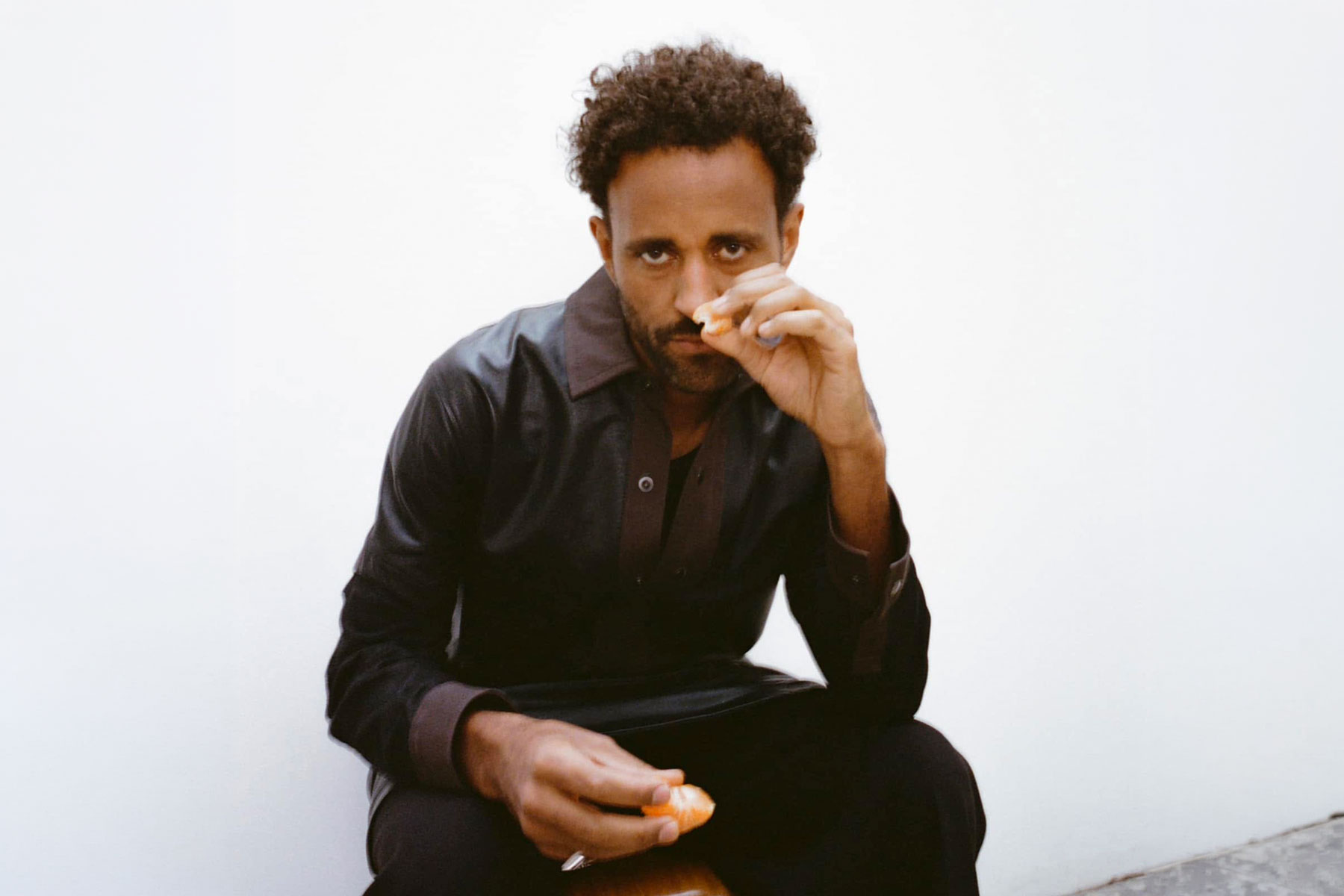

Giorgia Angiuli has released ‘The Conscious DJ’, a new handbook designed to support DJs, tour managers, and music industry professionals navigating the physical and mental demands of touring life.
Photo credit: Giorgia Angiuli – Official
Recently released, the publication combines science-based methods with practical routines developed through Angiuli’s own experience on the road. Created in collaboration with doctors, nutritionists, neuroscientists, and wellness experts, the handbook explores topics such as jet lag, sleep optimisation, stress management, nutrition, breathwork, and recovery techniques, while also addressing the impact touring can have on the female body.
To celebrate the release, Giorgia Angiuli shares 10 conscious touring practices that help her maintain balance, focus, and well-being while traveling and performing.
1. Protecting sleep as a biological reset protocol
“Sleep is the foundation of everything I try to protect on tour. In a lifestyle defined by travel, performance, and constant stimulation, sleep becomes less about duration and more about consistency of ritual. I treat it as a non-negotiable recovery window where the nervous system can re-sync after high-gain environments. Even when schedules shift, I try to keep the same wind-down sequence: low light, minimal stimulation, and no digital noise before bed. Over time, this creates stability for both mood and performance.”
2. Morning light exposure after travel
“One of the most effective ways I reset my system after flights is direct natural light exposure in the morning. Light is the strongest signal for regulating the circadian clock, especially after crossing time zones. I try to get outside within the first hour of waking, even if it’s just a short walk. This helps recalibrate alertness, digestion, and sleep timing for the next days of the tour. It is a simple practice, but it has a disproportionate impact on how fast I adapt.”
3. Hydration with Electrolytes as performance maintenance
“Tour environments are extremely dehydrating due to flights, club heat, and irregular sleep. I focus on hydration before I feel thirsty, not after fatigue appears. Adding electrolytes helps maintain cognitive clarity and reduces the physical crash that often comes mid-tour. I usually start hydrating before the set and continue consistently throughout the night. It is one of the simplest ways to stabilize energy without relying on stimulants.”

4. Pre- and Post-Set Nervous System Reset
“Before I perform, I try to create a short buffer where I disconnect from external input. This helps shift from social stimulation into focused performance mode. After the set, I reverse this process using breathing or silence to bring the nervous system down from high activation. Without this transition, sleep becomes shallow, and recovery is incomplete. Over time, this “before and after” ritual becomes essential for sustainability.”
5. Daily movement to counteract tour stagnation
“Touring creates long periods of sitting followed by intense physical output on stage. To balance this, I aim for daily movement even if it’s minimal. Walking, stretching, or simple mobility work helps regulate circulation and reduce tension accumulation. It also supports mental clarity, especially during long travel days. I don’t treat it as training; I treat it as system maintenance.”
6. Strategic use of caffeine instead of constant intake
“Caffeine is useful on tour, but only when it is intentional. I avoid using it continuously throughout the day, because that creates dependency and destabilises sleep. Instead, I use it as a targeted tool for performance windows where focus is required. Timing matters more than quantity, especially when crossing time zones. The goal is clarity, not stimulation overload.”
7. Simple nutrition to stabilize energy and mood
“Touring doesn’t allow for perfect nutrition, so I focus on simplicity and consistency. I try to eat meals that are easy to digest and familiar to my system. The goal is to reduce inflammation, energy spikes, and decision fatigue. Eating at the local time also helps re-anchor the body’s internal rhythm. It’s not about optimisation; it’s about stability.”

8. Managing social energy and isolation balance
“Touring is highly social, but constant interaction can become draining. I’ve learned to protect moments of solitude during travel days and after shows. This allows my nervous system to reset without external stimulation. I also try to stay connected to a small group of trusted people outside the industry. That balance helps prevent emotional fatigue from building up across long tours.”
9. Weekly reset moments to prevent accumulated stress
“Even short tours accumulate invisible stress layers. I try to create at least one intentional reset moment each week where I slow everything down. This might be journaling, walking without music, or simply doing nothing for a short period. These moments help integrate physical and emotional load from the week. Without them, fatigue compounds silently.”
10. Recovery as active re-synchronization, not rest
“Recovery is not passive; it is an active process of bringing the system back into balance. After sets or long travel days, I focus on lowering stimulation, regulating breathing, and protecting sleep architecture. Small rituals signal to the body that performance mode is over. This helps reduce inflammation, improve sleep quality, and stabilise energy across the tour cycle. In the long run, recovery is what allows performance to continue.”
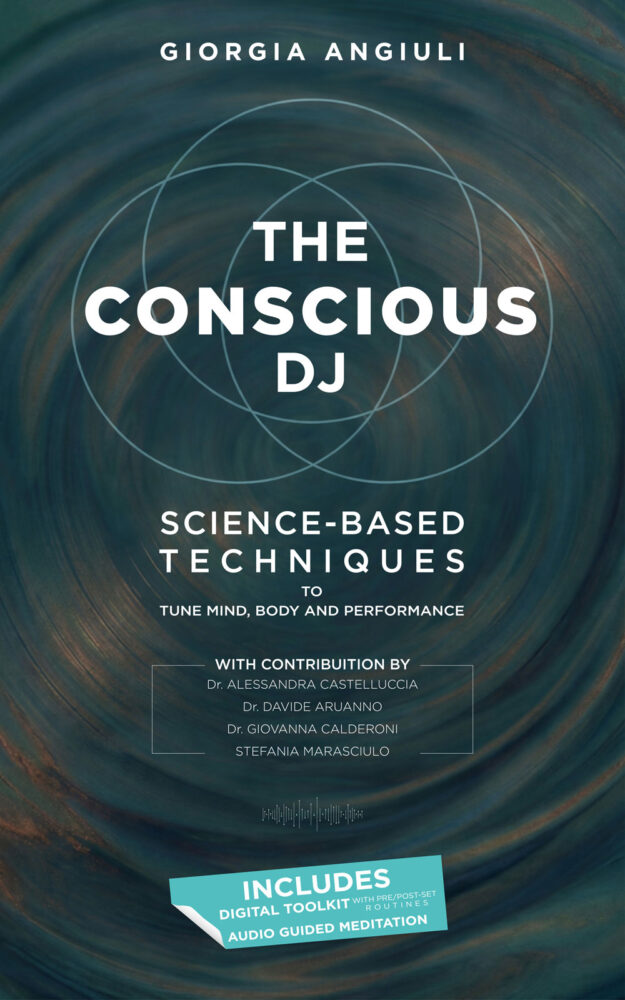
Giorgia Angiuli’s ‘The Conscious DJ’ is out now. Buy your copy here.
Follow Giorgia Angiuli: Spotify | Soundcloud | Instagram