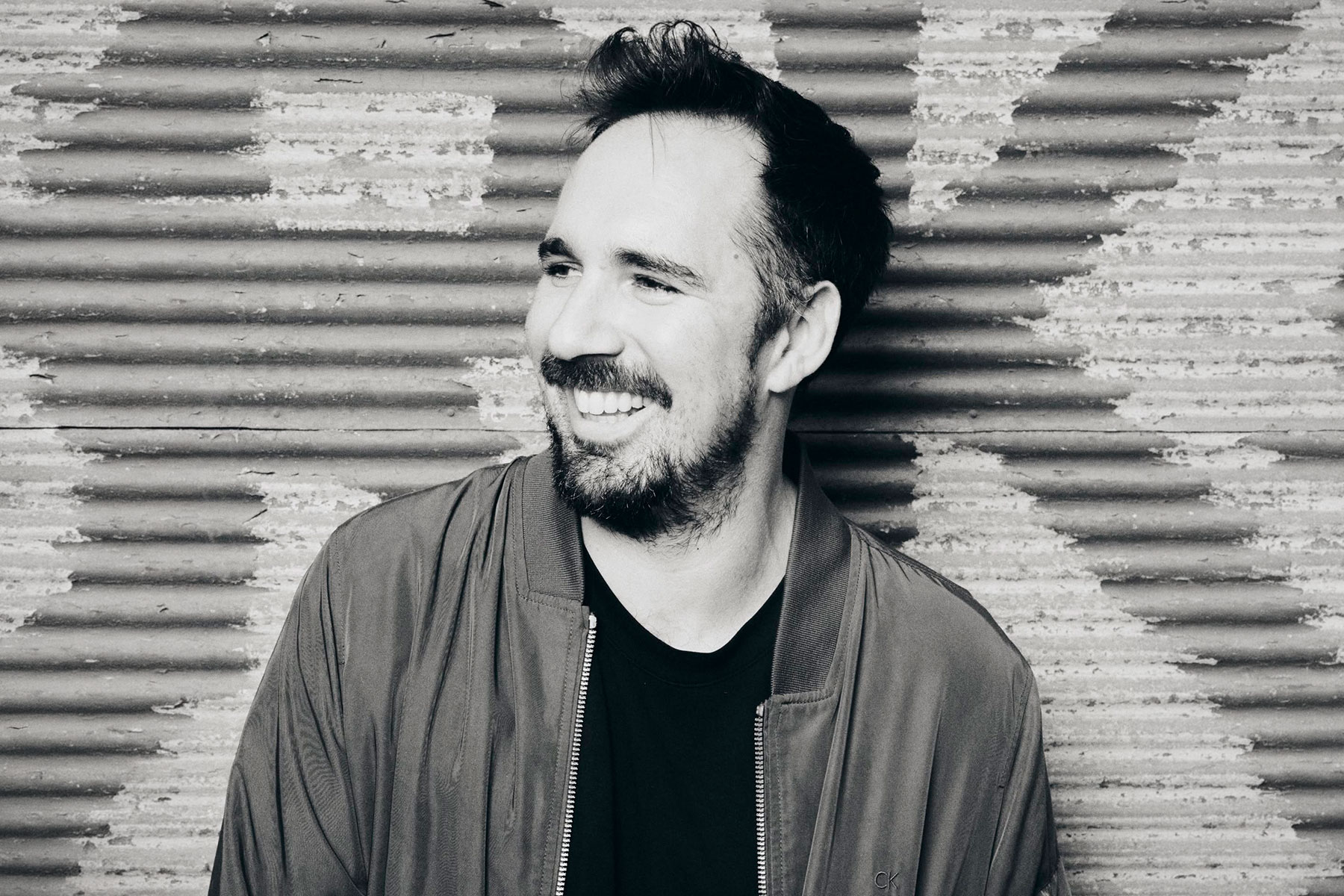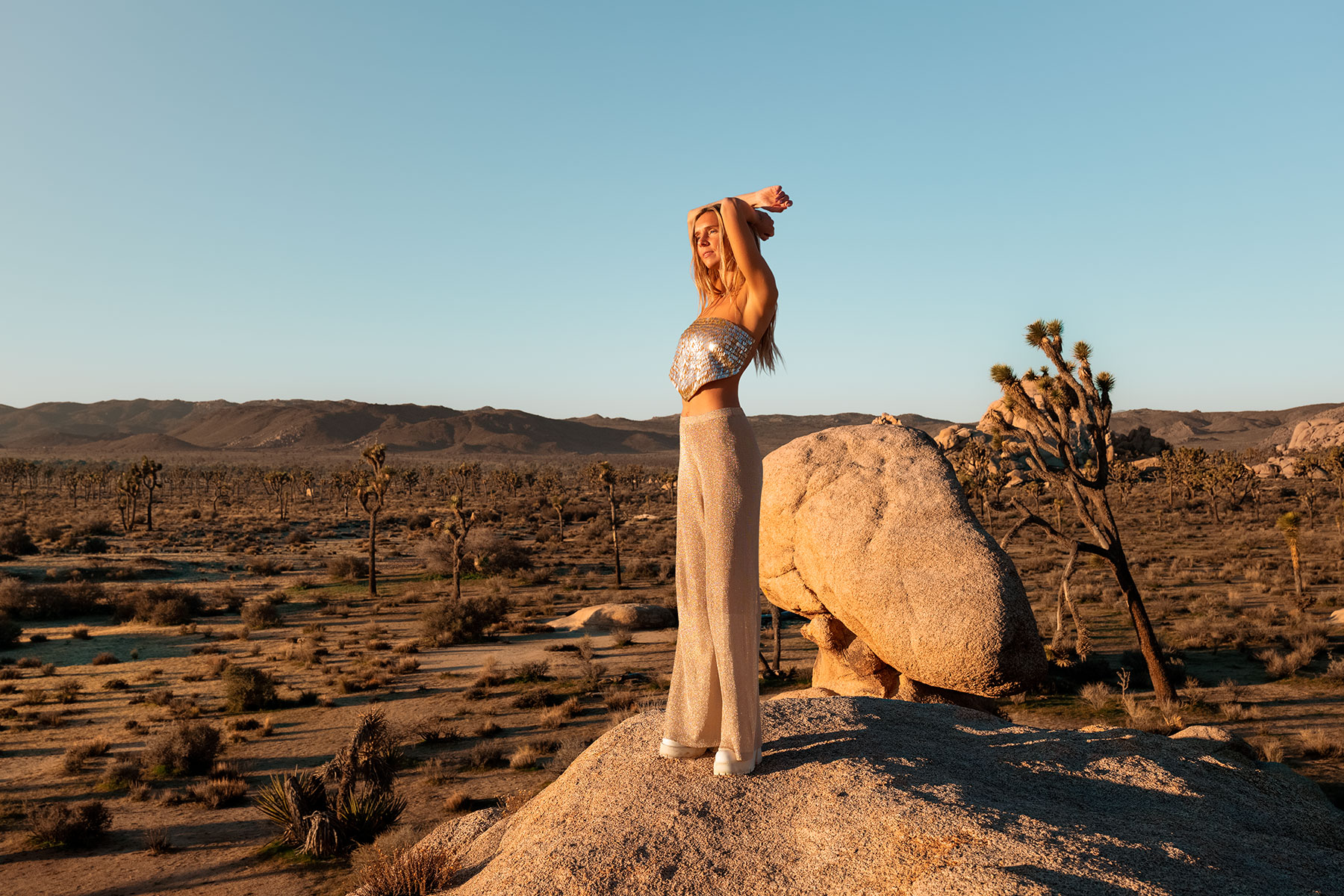
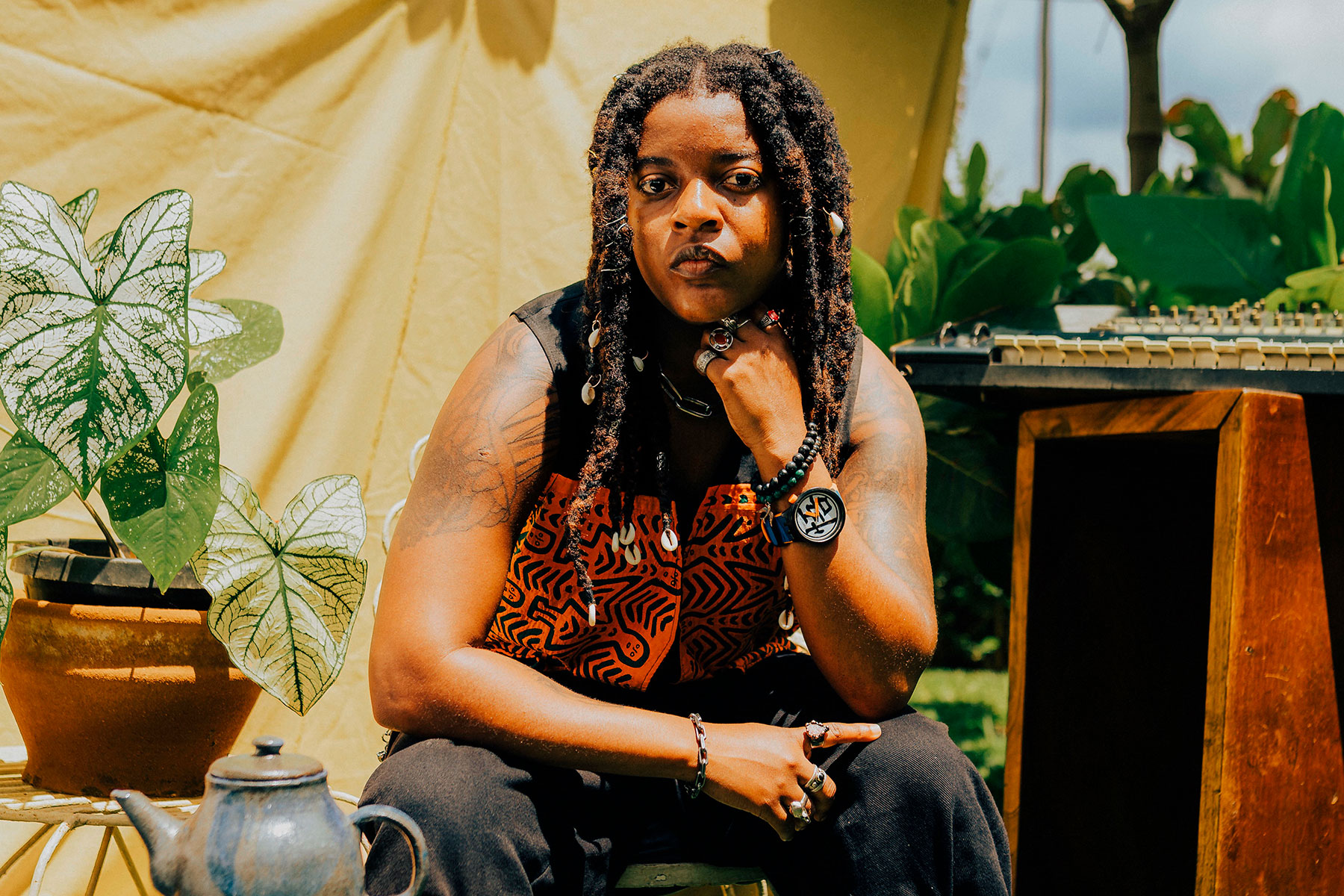
Born in Malawi and guided by a close connection to her roots, Chmba has found a personal place within electronic music. Her work draws from pan-African culture, local memory, and the emotional pull of house music, bringing those elements into records made for the club.
Photo credit: Chmba – Official
For Chmba, heritage is not something fixed in the past. It is something lived in the present.
“We are the heritage,” she says. “I am making present history, carrying our culture forward, while also shaping how it moves from here.”
That idea sits at the centre of her work. Rather than separating tradition from modern club culture, she sees both as part of the same ongoing story. Staying connected to elders, young people, and the changing cultural life around her helps keep that story honest.
“I think a lot about what I invest in myself as a vessel,” she explains. “When I am careful about what I pour into my body and soul, I can be more intentional with what comes out.”
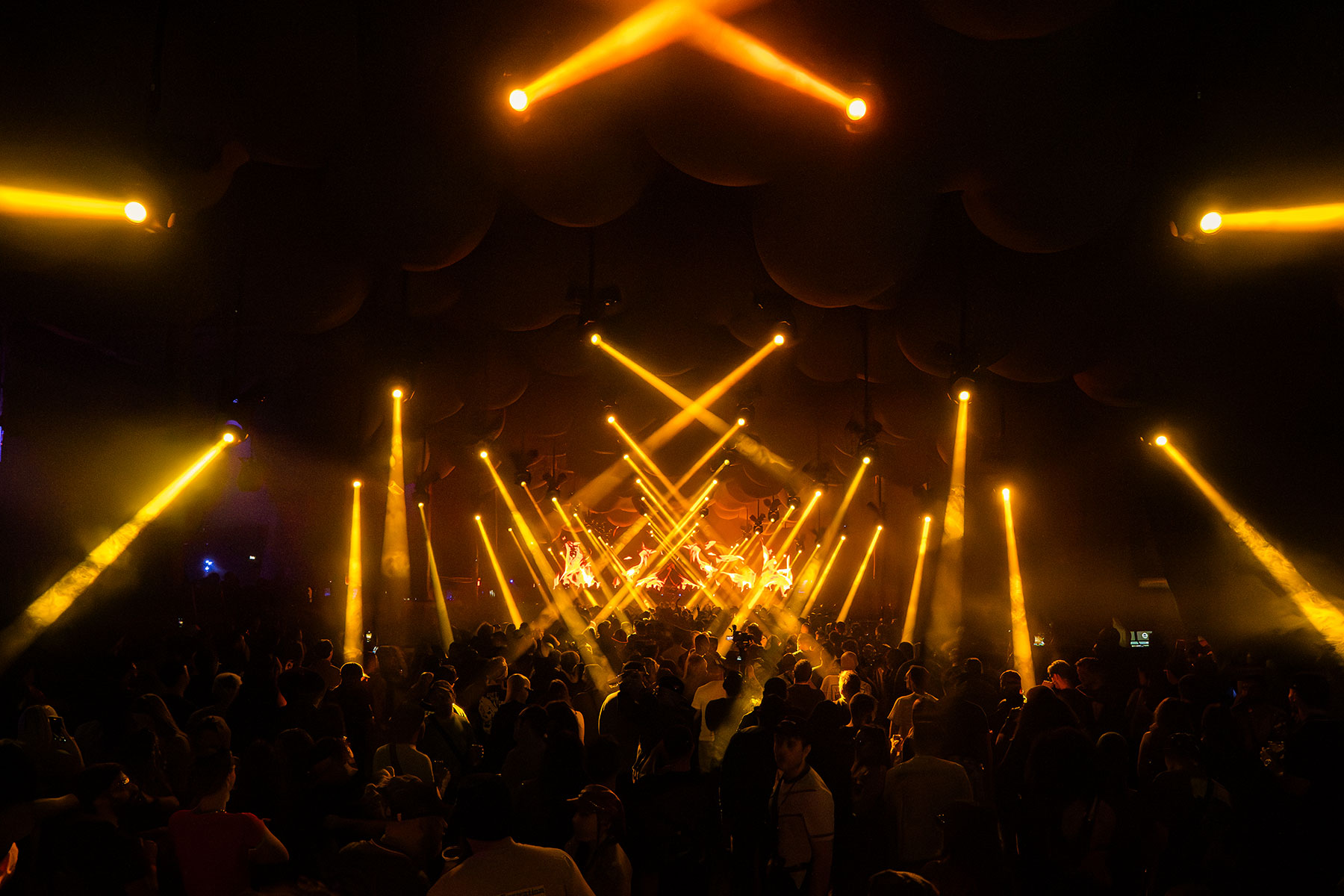
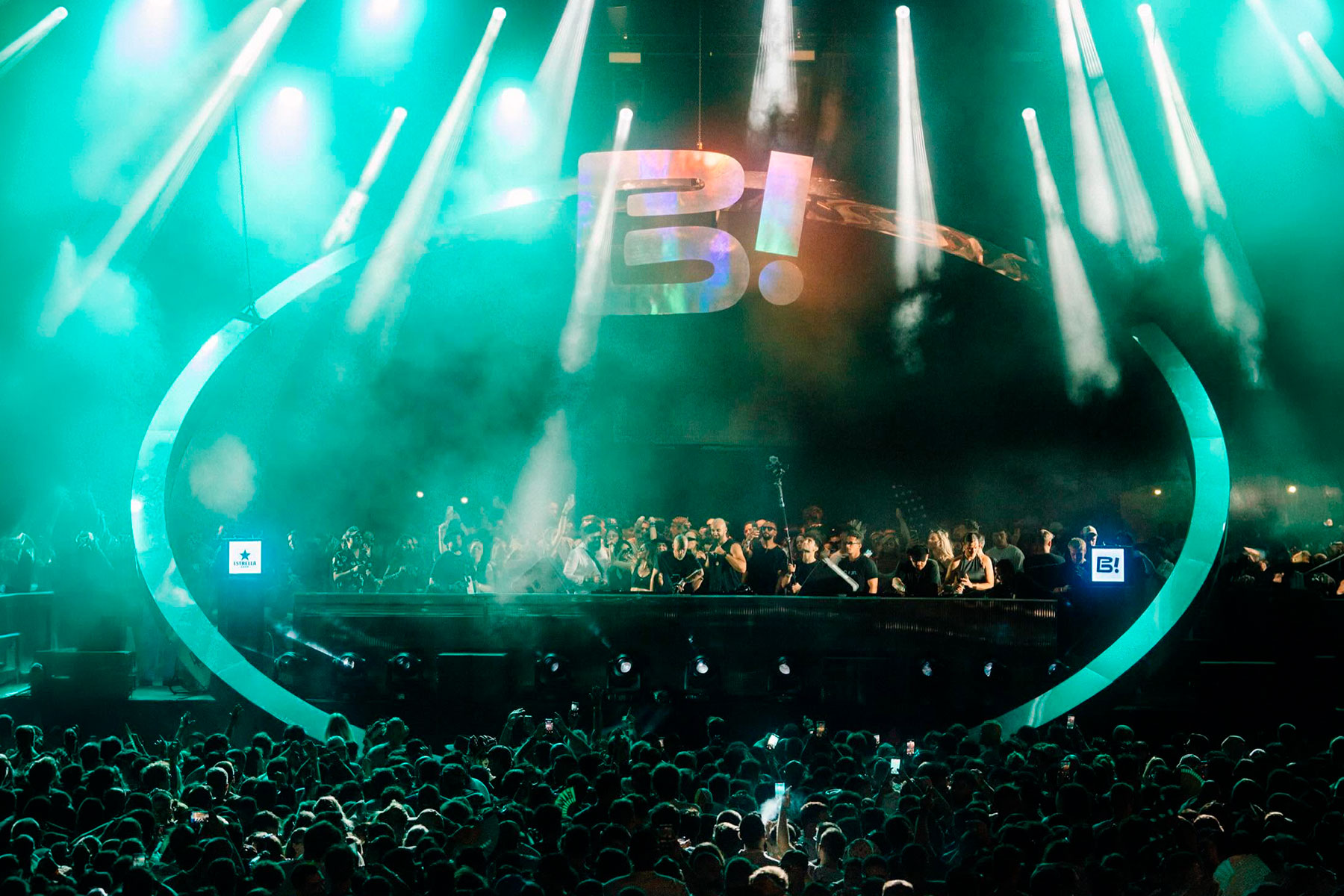
Chmba began experimenting with music at age 7. Since then, her path has taken her from early discoveries in Malawi to stages around the world, including Stockholm’s Avicii Arena. Two moments stand out as turning points.
One came while playing Madonna’s Oscars afterparty, surrounded by figures from film, music, and culture. Seeing artists she admired dancing to her selections gave her a new sense of possibility.
“It felt like I was much closer to where I want to be,” she says.
The other came in Stockholm after meeting Avicii’s father and visiting The Avicii Experience before performing at the Avicii Arena. As a longtime admirer of Avicii, Chmba connected with the producer’s unconventional route into music.
“I am inspired by someone who did not come from a music theory or instrument background, but still found a way to sample, create, and thrive through production,” she says.
Outside the booth and studio, Chmba’s work carries another purpose. She is the founder of Tiwale, an organisation that supports women and gender minorities in Malawi through education and the arts.
Working with young people has become a regular reminder of why music matters to her. Teaching the basics of production brings her back to the foundations.
“Sometimes the best music is simple,” she says. “It can show me where I may be thinking too much.”
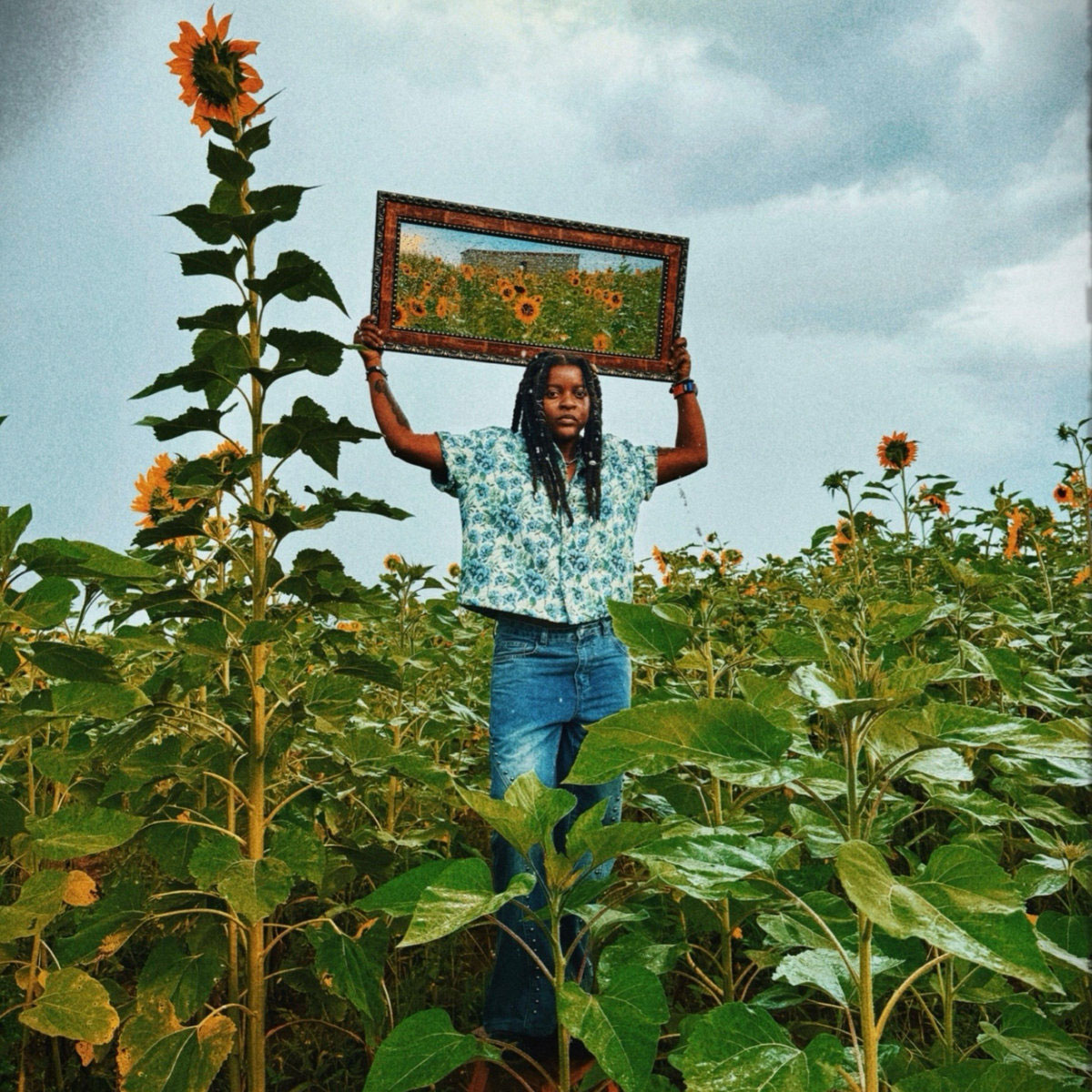
The work has also changed how she views her role as an artist. For Chmba, music is not only a personal expression. It is a shared space.
“Sound is deeply communal,” she says. “Music has always been about gathering, storytelling, healing, and passing things on.”
That belief shapes her ambitions for the future. She hopes to one day create a creative residency and community music space in Malawi, where artists, producers, and young people can learn, collaborate, and build ideas together.
“I hope that whatever success comes my way can become a bridge for others,” she says.
For Chmba, the dancefloor is not separate from home, memory, or community. It is one more place where culture can continue moving forward.
Chmba’s ‘Dream’ is out now. Stream and download your copy here.
Follow Chmba: Spotify | SoundCloud | Instagram