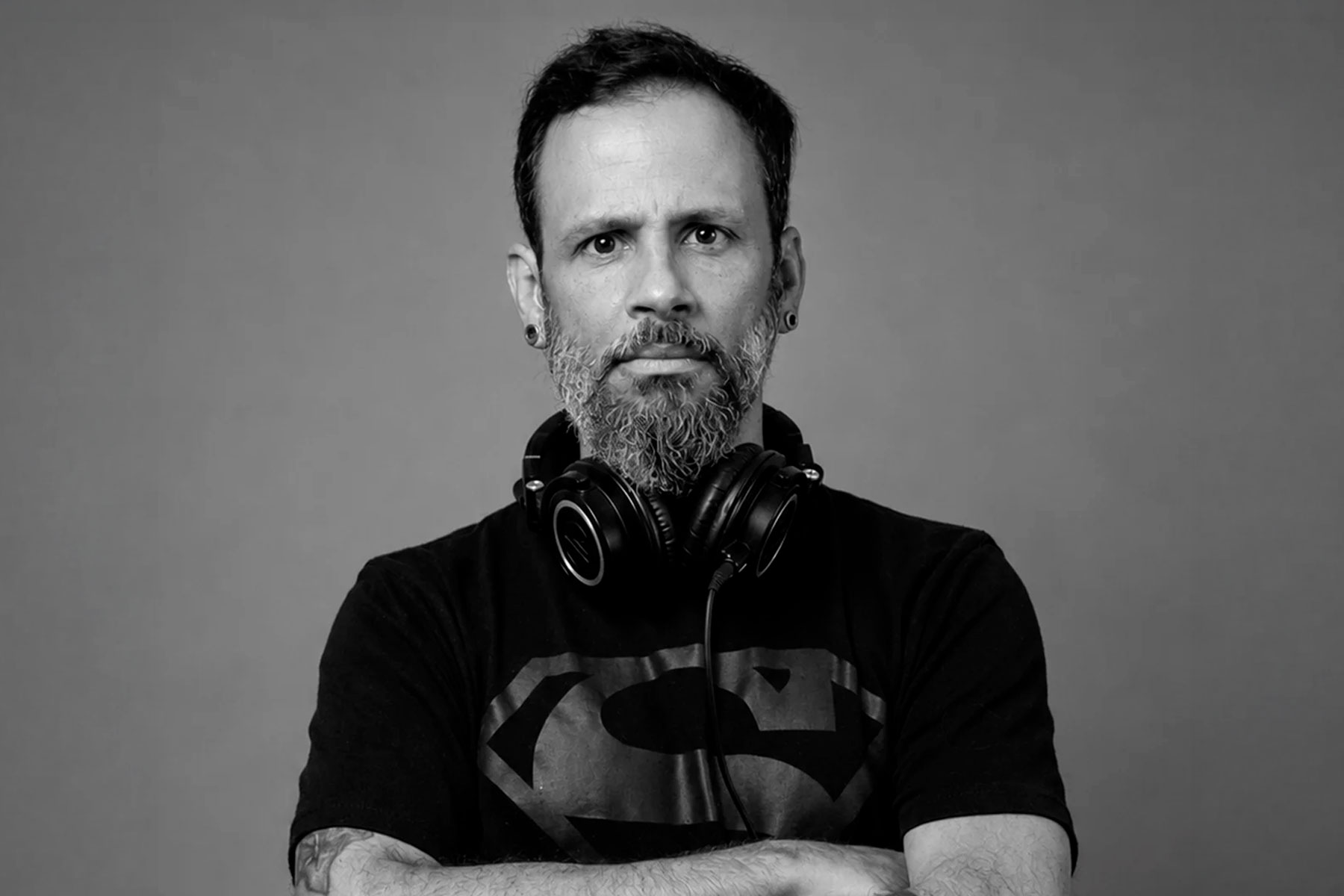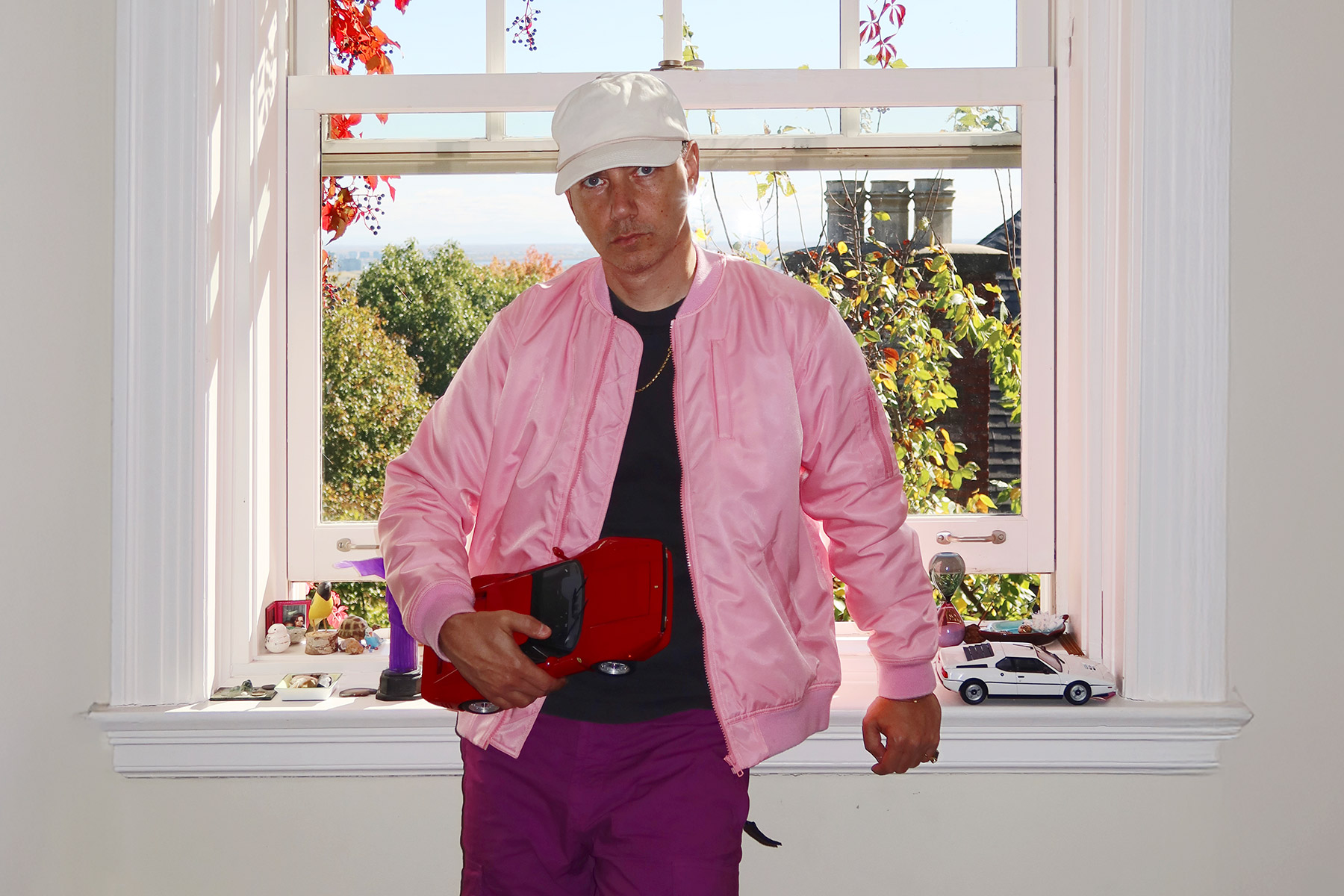

James Juke is one of New York’s most trusted tastemakers—a DJ, curator, and scholar of house music who seamlessly moves between the underground and the spotlight. Born in San Francisco and now based in Brooklyn, he blends disco roots, jackin’ grooves, and garage gold into a sound that honors the past while pushing dancefloors forward.
Photo credit: James Juke – Official
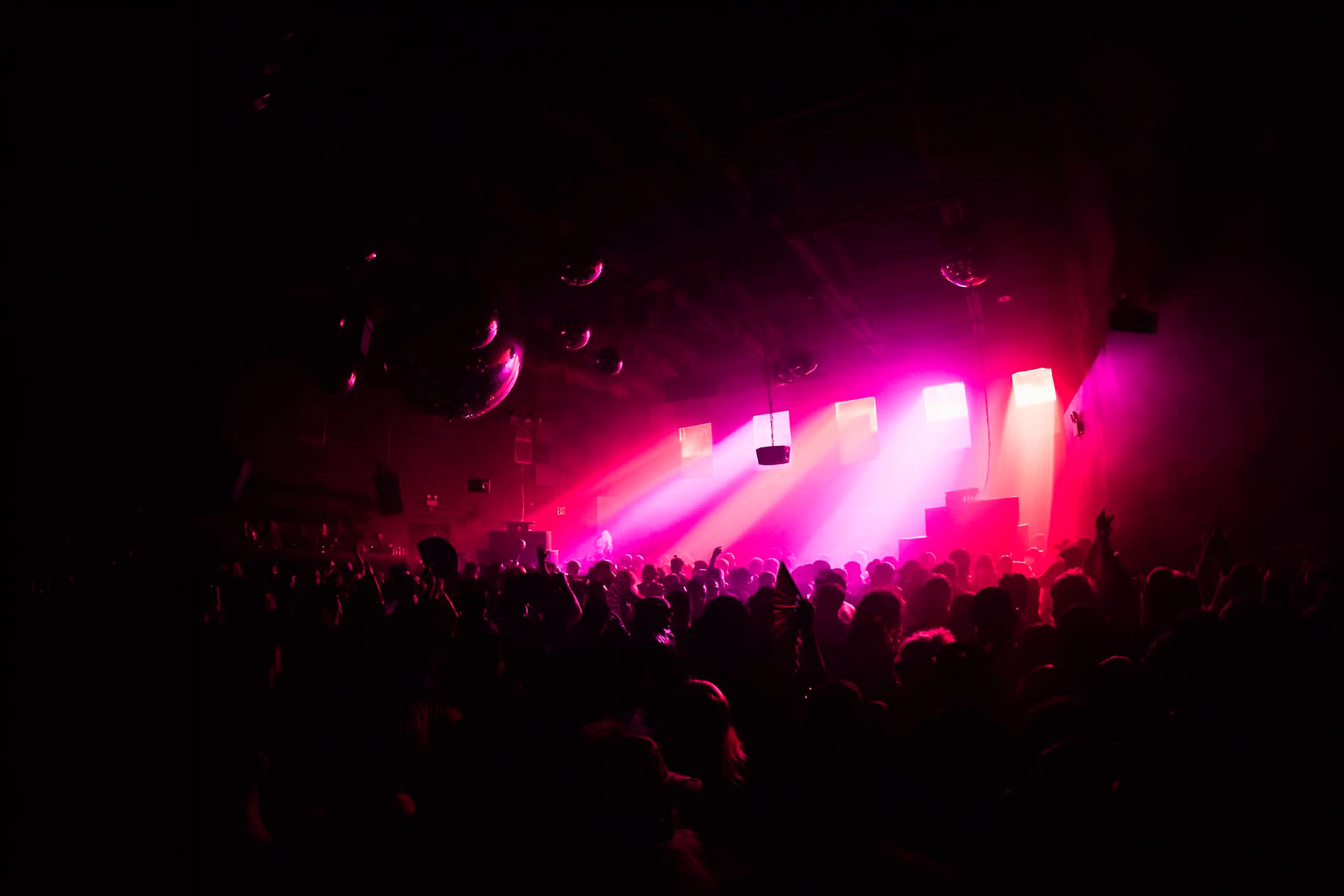
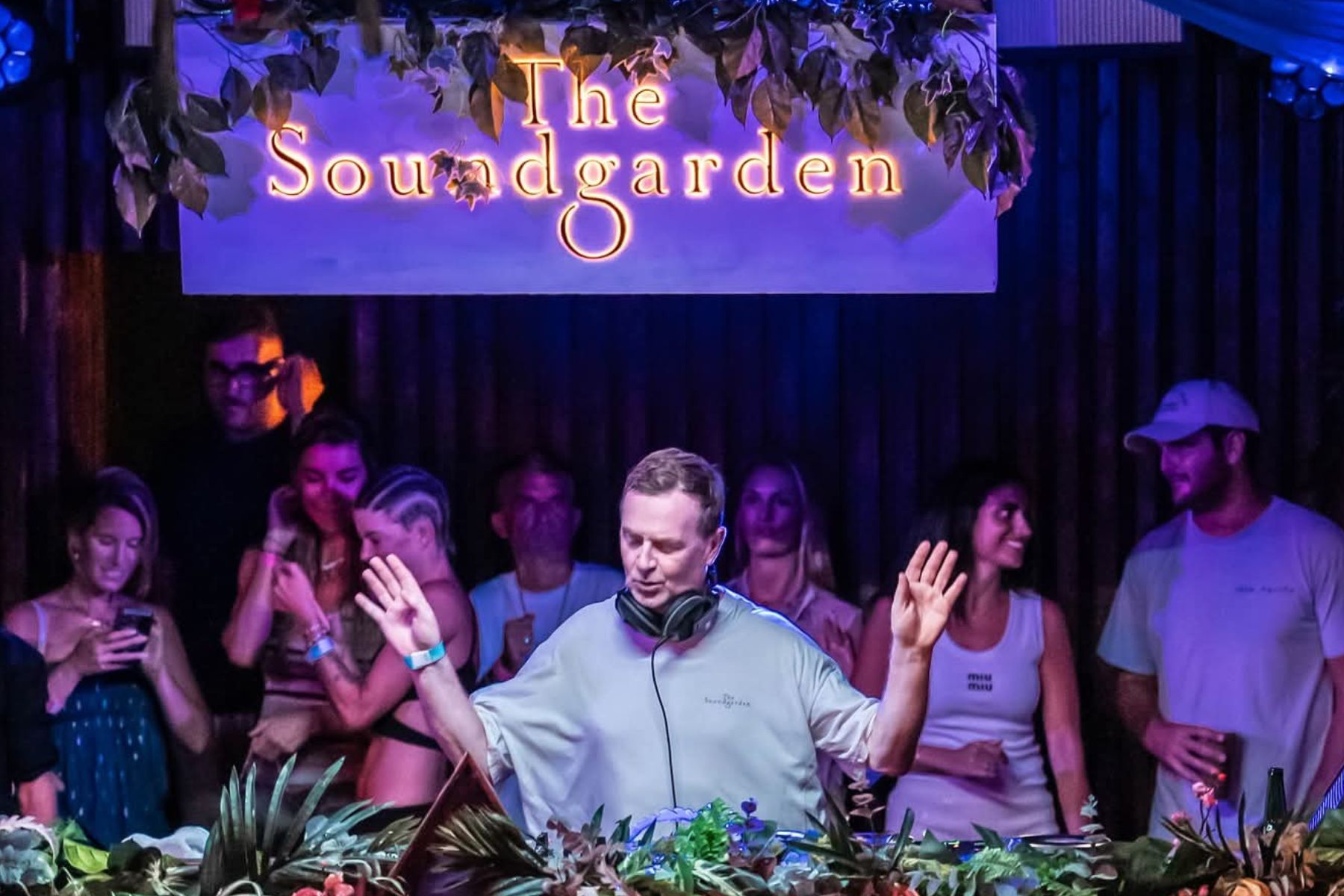
Through his party series The Jukeboxx, as well as appearances at venues including Le Bain, Webster Hall, Brooklyn Mirage, and Bossa Nova Civic Club, Juke has built a reputation as both a selector and community builder. His productions have found support across the dance music spectrum, including ‘Reaching’, his collaboration with LION BABE that became the debut release on A-Trak’s A-Trak & Friends imprint.
Now, with the release of ‘A Little Lost (Deluxxe)’, a remix package that reimagines some of his earliest productions through the lens of trusted collaborators, Juke reflects on artistic identity, dancefloor culture, and the process of finding his own voice.
In this conversation, he opens up about curation, remix culture, New York nightlife, and the next chapter of his journey.
EG: Hi James, welcome to EG. It’s a pleasure to have you here. How have you been, and where are you speaking to us from today?
James Juke: Thanks for the invite. My life has been very full of celebration and milestones. I got married in May and am actually in Puglia, where I’m hanging out for a week after my honeymoon, which was spent in the Dolomites and Sardinia.
EG: Congratulations on the release of ‘A Little Lost (Deluxxe)’. Rather than simply revisiting existing tracks, this project feels like a conversation between different artists and perspectives. What inspired you to approach it as a remix package?
James Juke: As the title suggests, there have been many moments over the past few years where I’ve felt a little lost. I never expected to become a music producer or DJ that anyone would pay attention to, let alone release an EP full of collaborations with other artists I admire. The original tracks were all from my very early days as a producer, and I faced some internal battles over whether they were still “fresh” and represented my current tastes and abilities, which have evolved so much in the last couple of years. A remix pack felt like a great way to reimagine what the source material could sound like, interpreted by other producers. All three of them are artists I’ve played shows with, learned from, and been supported by. Funnily, I probably would’ve included two or three additional remixers who represent other styles if I had to make the decision today; I guess I’m still a little lost.
EG: The artists involved each come from slightly different musical worlds, yet the collection still feels cohesive. What were you looking for when selecting collaborators for this release?
James Juke: I wanted to include artists that represent different parts of the dance music world. I’ve always been intrigued by artists who have mainstream appeal without “selling out” or appealing to the least common denominator. All three of these artists have been quite successful in different lanes and have an uncompromising style and sound. Kitty Ca$h, often on tour with Kaytranada (one of my first musical heroes), is bearing the torch for house-tinged club music heavily influenced by Hip Hop, R&B, and a variety of international genres. Love Language is trailblazing a fresh take on dance-pop, crafting expertly made club tracks with plenty of range, and Supertaste is defining a modern disco sound equally at home on a 10,000-cap festival stage and in a 100-cap room. Equally, all of these artists either currently live or have lived in NYC and carry the torch for the long legacy of New York dance music.
EG: As both a DJ and curator, you’re constantly exposed to new music, scenes, and ideas. Has curating become just as important to your identity as producing?
James Juke: Totally. I’d even say that I’ve increasingly started looking at production as curation, which I understand as the process of digesting a variety of art and then performing, packaging, and/or distributing it as a distillate of your taste. More than ever, there’s an endless library of sounds, samples, and accessible technology I can use to create music. Similarly, there are tens of thousands of tracks released on Beatport and Bandcamp every week. In both instances, I am tasked with sifting through a gargantuan volume of things, guided by my intuition and taste. I’d argue that the latter is becoming the most valuable asset in a world where we are incessantly fed content by algorithms and LLMs. I’m inspired by the artists who continue to do the difficult work of digging extra deep for a never-before-used sample and playing sets where even the biggest house heads in the crowd are Shazaming every track.
EG: Your sound draws from disco, jazz, soul, and house music, all genres with deep histories and strong cultural roots. What first sparked your fascination with those sounds?
James Juke: Although I never dedicated myself to an instrument, I did tap dance from 6 to 17. I grew up in a very musical household. Whether telling me stories about his frequent trips to The Apollo to see acts like Smokey Robinson and Patti LaBelle, or showing me Al Green, Miles Davis, or Amadou & Mariam, my dad nurtured my love of music both intentionally and spontaneously. Similarly, my mom, having been a teenager in the mid-to-late ’70s, exposed me to Earth, Wind & Fire, Tower of Power, and Chaka Khan. Many of my friends who grew up on more of an Eagles, Bon Jovi, and The Police diet would often make fun of the fact that I’d never heard so many of the “classic” hits.
Around the time Kaytranada dropped ‘99.9%’, I was still primarily listening to R&B and rap, although I had started listening to a bit of electronic dance music. I immediately knew I had found something both familiar and groundbreaking. I could hear so many different influences in his sound, yet it still felt completely fresh.
The real breakthrough came when I was studying abroad in Buenos Aires two years later. My first experience listening to the music I loved in a club was a party that took place every Sunday called Afromama, primarily serving up soul, funk, and hip hop. I remember having so much fun being surrounded by other people who also loved getting down to this stuff. Around that time, I also started regularly listening to Glitterbox Radio and discovering an abundance of well-curated music from Melvo Baptiste and guests. I then got to see Folamour, Honey Dijon, and Dusky within one month, and from that moment, I was hooked.
“II’m inspired by the artists who continue to do the difficult work of digging extra deep for a never-before-used sample and playing sets where even the biggest house heads in the crowd are Shazaming every track”
EG: You’ve described yourself as someone who studies, celebrates, and uplifts house music culture. What do you think younger generations sometimes misunderstand about the origins of house music?
James Juke: This is a great question, and I probably can’t do it justice in a few sentences. For one, there are a ton of people, many of whom are 20-something cis white dudes, who don’t understand some very basic history of dance music. For example, that house music was birthed from mainly queer and Black and Brown subcultures, and the club was a refuge where folks could feel safe to be themselves, let loose, and have joyful, spiritual, or otherwise emotional experiences. And that techno is from Detroit.
It’s not like there wasn’t a variety of demographics represented at Paradise Garage or Limelight, but the dance floor remained a sacred place for dancing and self-expression. There’s a pervasive force of people attending clubs without understanding proper club etiquette, like not using your phone or talking on the dance floor. I’ve been to many clubs where it seems most people are just there to be out, socialize, and do drugs rather than dance; it has become unclear to me if anyone is there because they genuinely enjoy the music.
Heck, clubs like Nowadays have to give attendees a lecture to make sure they understand some of these basic principles before they enter the club. Something else I’ve noticed is that many people’s attention spans have diminished, which rewards DJs who play dopamine-inducing drop after drop. Many of the best DJs know how to pace a set, build a room, and create moments of tension and release, yet not every audience rewards that. I hope that more people learn to experience DJ sets as a journey rather than song after song, banger after banger.
EG: Through your party series, The Jukeboxx, you’ve helped create a community around a shared love of music. What have those nights taught you about what people are looking for on the dancefloor today?
James Juke: Throughout the time I’ve been throwing this party, I’ve had many experiences that have reminded me that there are plenty of people who still want well-curated sets of music they’ve never heard and dance floors where you can get lost in the music. I’ve been grateful to book a bunch of artists that I admire, including Dee Diggs, Devoye, Cosmo, Kim Anh, Lovie, Moma Ready, and Rimarkable. Put plainly, these are all artists who know their shit and have unique styles and tastes that come through every time they play.
We live in a time where everyone wants to be a DJ, yet few are willing to do the work to develop their own sound and distinguish themselves. These parties have often given me hope that dancers are craving music that comes from the heart and soul, and more environments where you won’t see a phone because the music is just too damn good.

EG: Having grown up in San Francisco and built your career in Brooklyn, how have those two cities shaped your artistic identity?
James Juke: They are both quite multicultural and have distinct musical histories that I’ve learned from. In San Francisco, I witnessed a city that was at one point full of artists become transformed into a tech monoculture. I’ve been lucky to experience pockets of creativity that still exist in the underground. I think back to Afrobeats parties at Spirithaus in West Oakland and Ge-ology spinning 45s at a warehouse the night before the shelter-in-place order in March 2020.
Shortly before moving to New York, I attended the first Bar Part Time pop-up parties at Mercury Cafe in San Francisco, which felt so exciting and joyful. When I moved to Brooklyn, I knew I’d discover an even wider variety of sounds and musical cultures. On one of my first weekends, I spent Friday at Unter, Saturday at Nightmoves, and Sunday at Soul Summit in Fort Greene. I was hearing experimental techno, rare disco, and soulful house almost every weekend.
Maybe it’s no wonder that after a year of this, I was feeling a little lost. I was in the process of trying to digest this amalgamation of styles and interpret them in my own way. When I eventually move back to San Francisco, I look forward to discovering—and shaping—the dance music community in its current form.
EG: Your sets have taken you from intimate local rooms to internationally respected venues. Does your approach change depending on the setting, or is there a thread that remains constant regardless of where you play?
James Juke: Without a doubt. Frankly, there are some songs that work really well in a dark 100-person room that fall a little flat in a 3,000-person venue, and vice versa. Even so, as I’ve gotten better and grown more confident as a DJ, I’ve learned to find the balance between “playing to the room” and delivering an authentic, uncompromising James Juke set.
I like to play disco as much as hard-hitting house. In the same set, I want to play soulful house and hypnotic early 2000s UK tech house. Increasingly, I’m finding ways to incorporate all of these styles I love into my sets. I’ve also been pushing myself to play more of my original tracks every time I play.
EG: House music has always evolved through reinterpretation, sampling, and remix culture. What do you think makes a truly great remix?
James Juke: I don’t think there’s one way to approach a remix. There are incredible remixes that stay quite true to the original and others that sound like a completely different tune. Many of my personal favorites honor the original by incorporating certain motifs while reimagining the original artist’s vision.
Maybe that means using two different vocal chops rather than the full verse. Or resampling the drum loop. Or writing a new melody with the original instrumentation. Or replaying the original melody with a new synth. The possibilities are endless, yes, but I actually think the confines of having to use the source material allow for more creativity. Limitations often precipitate the most interesting art.
“Everyone wants to be a DJ, yet few are willing to do the work to develop their own sound and distinguish themselves”
EG: Looking beyond this release, what excites you most about the current chapter of your journey as an artist?
James Juke: For a while, I’ve been in a process of self-reflection and figuring out who I am as an artist. Only recently has it become clearer than ever before. I spent the first five years of my artistry experimenting in real time, trying out different styles and genres on almost every release. I produced a bunch of music for LION BABE and remixed some of my favorite artists like Channel Tres.
Even though I had these major achievements, over time I realized that the wide variety of music I made, artists I collaborated with, and labels I released on was probably confusing to the public perception of “James Juke”. It was hard for people, and even myself, to give a one-sentence description of who I was as an artist.
Now that I’m much clearer on the labels I want to release on, the parties I want to play, and the artists I want to collaborate with, I feel a renewed sense of excitement about what the next chapter of my career looks like. I’ll always continue to experiment and shapeshift a bit, but I hope who I am as an artist and person becomes clearer over the next year.
EG: Finally, if someone discovers your music for the first time through ‘A Little Lost (Deluxxe)’, what do you hope they understand about who James Juke is?
James Juke: This is something I’ve thought a lot about, as you can tell from my previous answer. I’d probably want them to understand that I am inspired by many styles and that every track I release is an authentic expression of my taste and abilities at that particular time. Above all, I want people to know that I’m figuring it out in real time and that even though I’m a little lost, I’m a little less so each day.
EG: Thank you so much for your time. We wish you all the best with the release and everything ahead. Take care!
James Juke’s ‘A Little Lost (Deluxxe)’ is out now. Stream and download your copy here.
Follow James Juke: Spotify | SoundCloud | Instagram