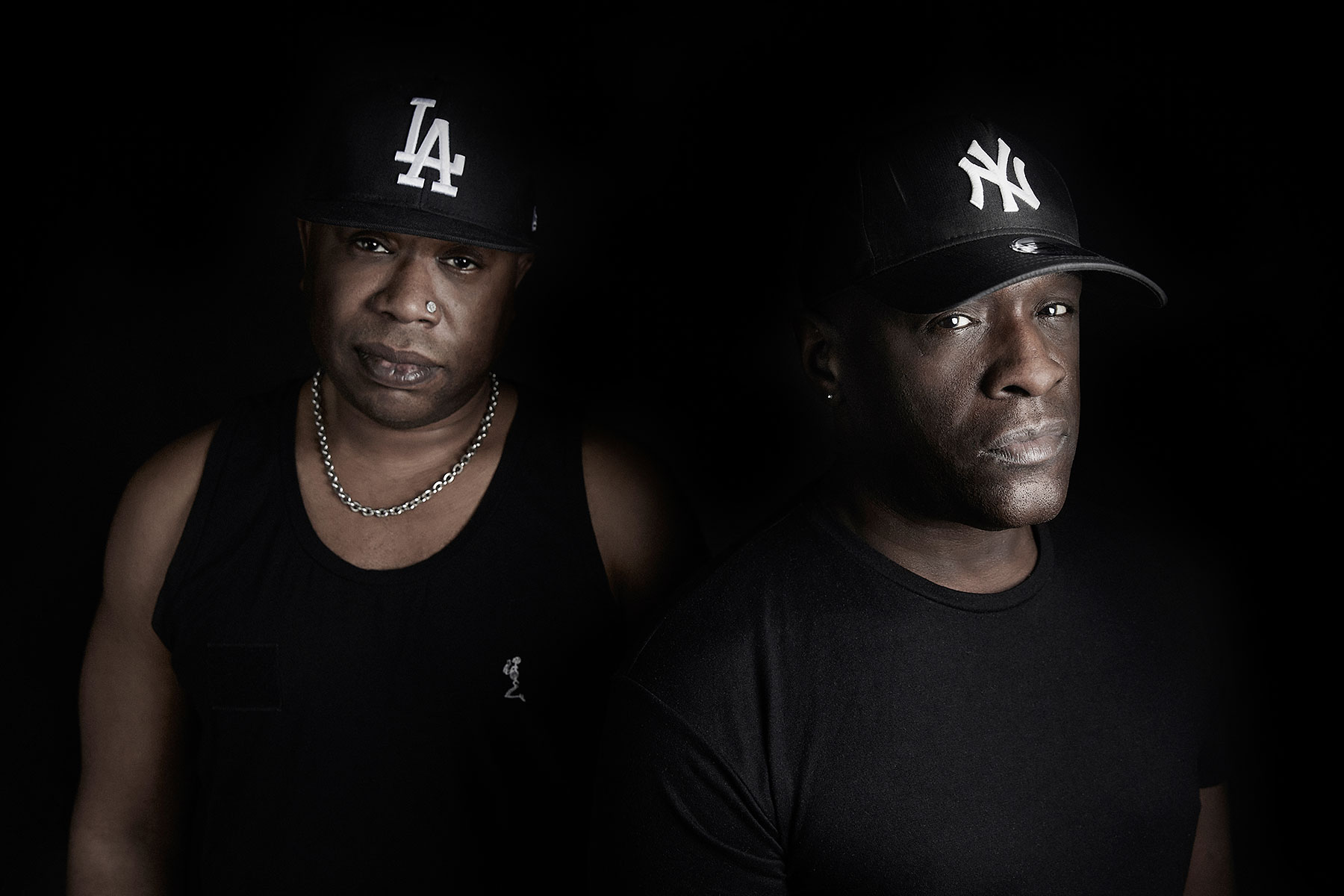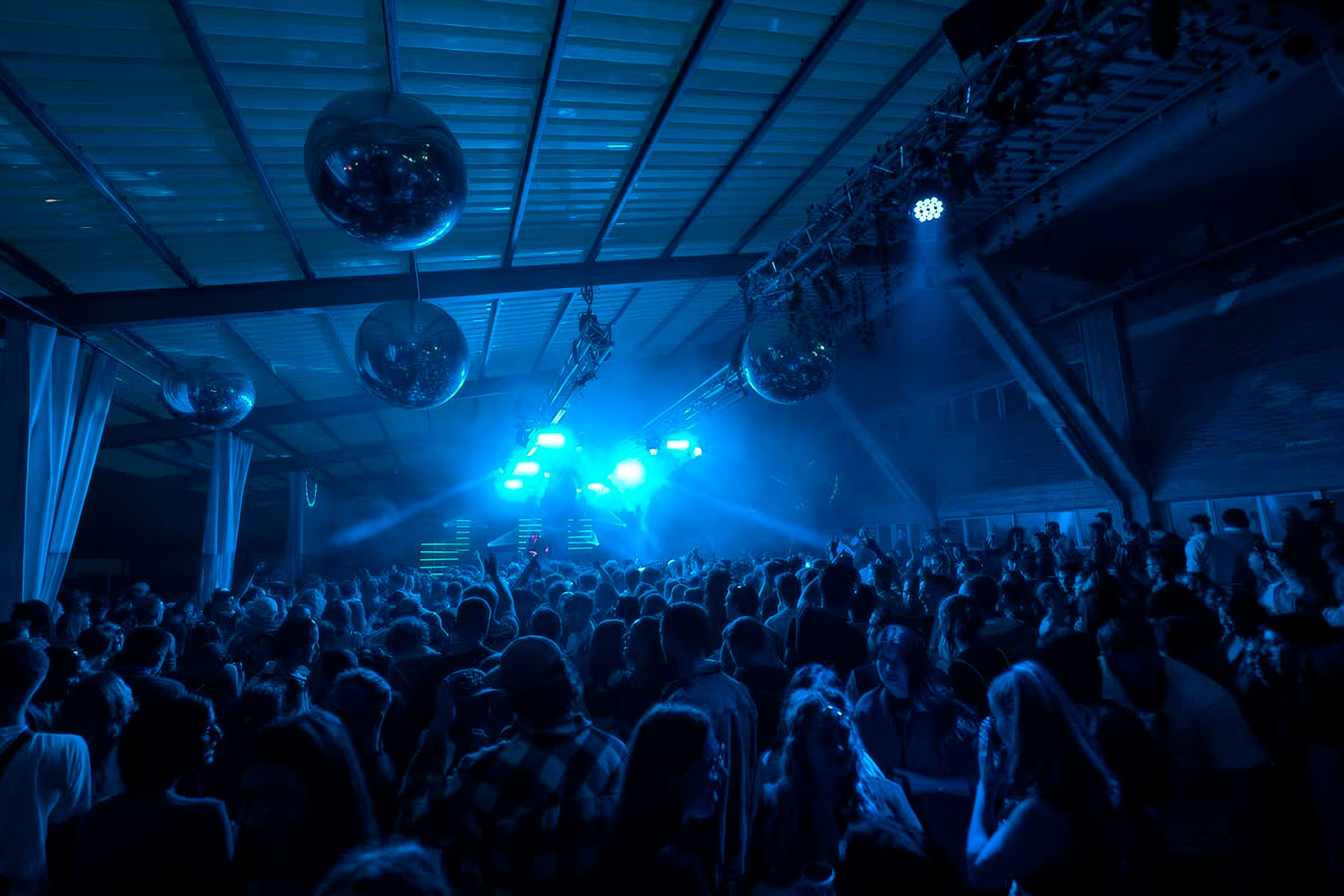
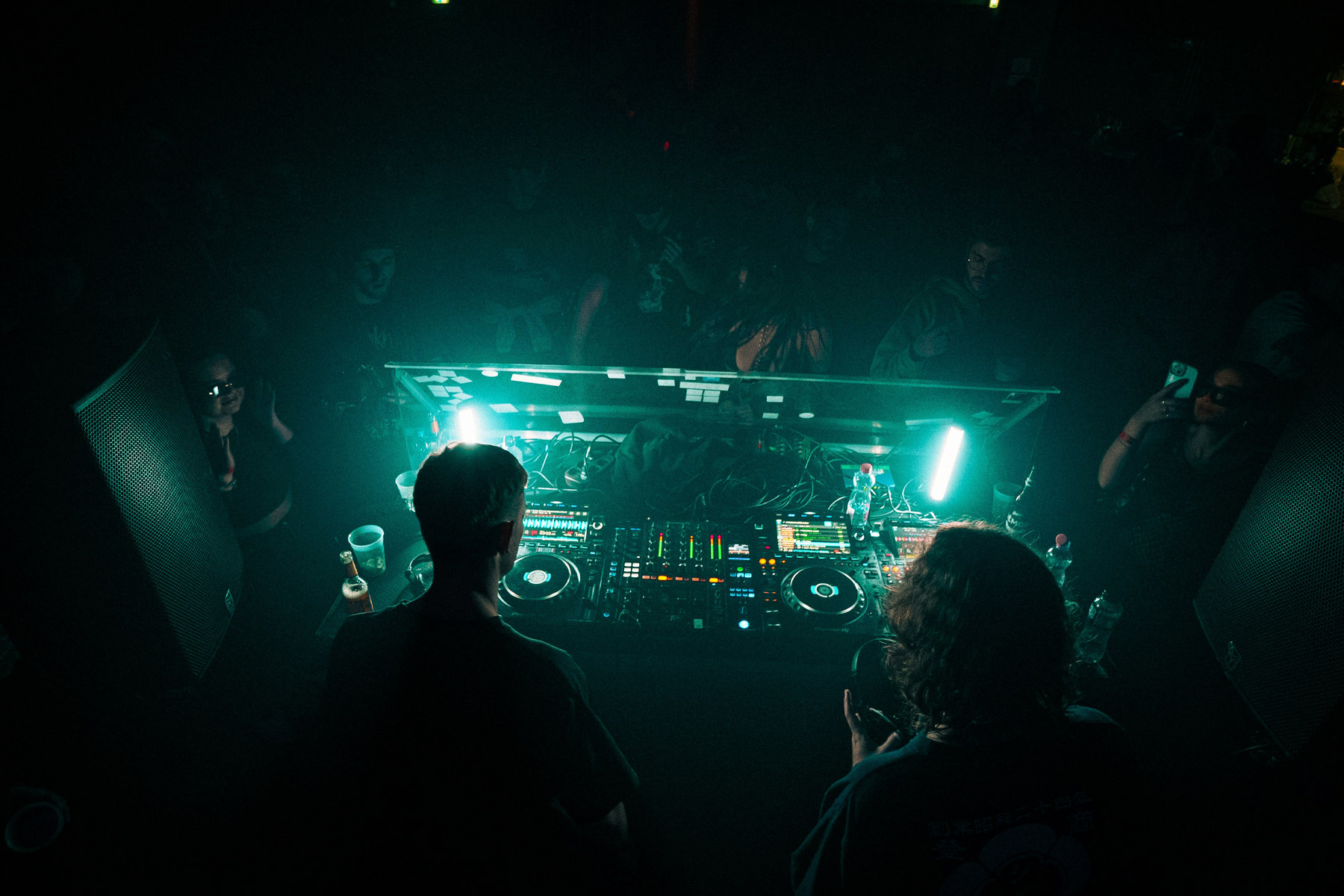
Before the first record, there is a moment of listening. Not only to the music already playing, but to the room itself. The way people move. The temperature on the floor. The sound of the system. The confidence of the opener. The tension in the crowd. The space between attention and release.
Cover photo by Laszlo Barta on Unsplash. Artist photos are official press images.
For an artist, the beginning of a set is rarely just the beginning of a set. It is a decision made inside a living situation. A room has already been moving before the headliner arrives. People have already arrived with their own mood, their own expectations, and their own version of the night.
That is where the fourth edition of DJ Rituals enters: the act of reading the room.
The first edition looked at the quiet hours before the show. The second explored the things artists carry on the road. The third turned toward the hour after the booth. This one focuses on the first decision of the night, and the invisible work that happens before a record is chosen.
For Sven Väth, the preparation starts before he reaches the club, but the real reading begins once he enters the room.
“It really depends on what time I am starting,” he says. “If my set begins after one o’clock in the morning, or even later, I usually try to have an early dinner and then rest for an hour or two before heading to the club. Arriving with fresh energy is important to me, especially when I know I am about to play for many hours.”
That sense of energy matters because Väth is not entering the booth with a fixed script. He is entering a room that already has a pulse.
“Once I arrive, I take my time to absorb what is happening in the room,” he says. “Every crowd is different; every night has its own personality. I observe the people, the atmosphere, the sound, and the energy on the dance floor. From there, I can quickly adapt and find the right starting point.”
The line says a lot about the difference between selection and response. A first record is not only pulled from a folder. It is pulled from the room.
“DJing has never been about following a fixed script for me,” Väth says. “It is about responding to the moment.”
His view of the rider follows the same idea. The right setting is not about excess. It is about creating the conditions for presence.
“A rider is often misunderstood,” he says. “For me, it has never been about demands. It is simply about creating a comfortable atmosphere, not only for myself, but also for the people around me.”
For Väth, that atmosphere can include water, wine, beer, champagne, or tequila, but not as a display of indulgence. It is part of a social space around the night.
“There are often friends, artists, and members of my inner circle around me, and I enjoy sharing a moment together before or after the night,” he says. “Personally, I keep it very simple. Water is essential, and over the years I have found that a few glasses of rosé wine are usually the perfect companion throughout a long evening.”
More than any single item, Väth points toward a state of being: relaxed, surrounded by good people, and mentally present before stepping behind the decks.
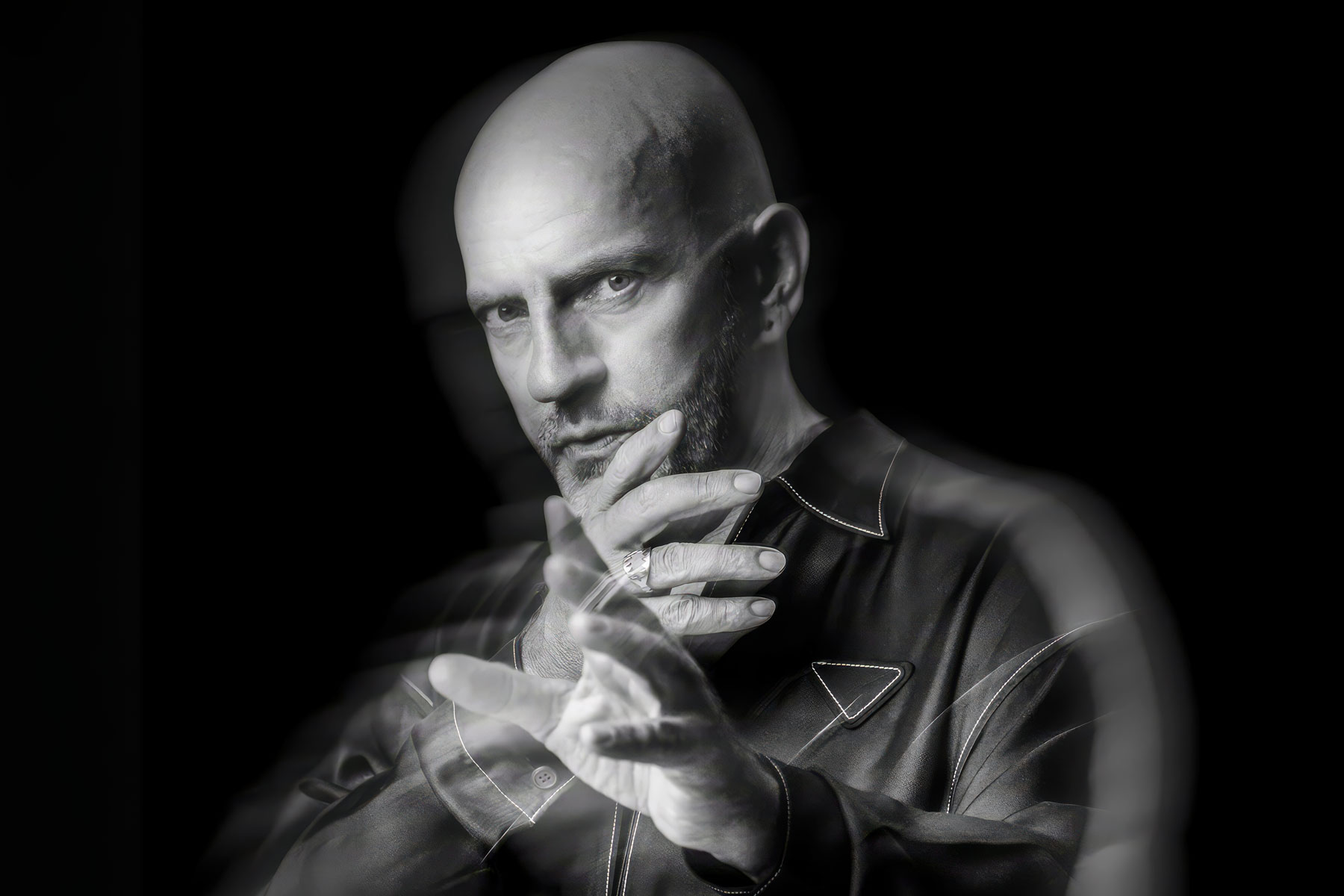
For Nicole Moudaber, reading the room begins before she plays a single record.
“The support DJ tells me a lot,” she says. “I’m always watching the crowd and seeing what they’re responding to and where the energy is sitting.”
That answer gives weight to something people outside the booth often miss. A night does not begin with the headliner. It is built by the people who shape the room before that moment. The support DJ can make the floor open, tense, patient, rushed, ready, or confused.
Moudaber listens to that foundation before deciding how to enter.
“Of course, sometimes I’ll bypass what’s being played before me and take it somewhere completely different, but that’s rare,” she says. “I usually make sure the night is built properly from a musical point of view so there’s a natural flow. When that foundation is right, I can come in and take the room where it needs to go.”
Her first record is not locked in advance.
“I never know what my first record will be because I don’t plan my sets,” Moudaber says. “I follow my gut and read the room in real time.”
For Moudaber, preparation is not a fixed order. It is a body of music, a sharp instinct, and the trust that the right choice will become clear once she is inside the room.
“I have tons of records to pull from, so it’s really about watching the crowd, feeling their reactions, and knowing instinctively what they’ll respond to next,” she says. “That’s what keeps every set different and unique.”

If Väth speaks about the personality of the night, and Moudaber about instinct inside the flow, Brina Knauss brings the focus back to texture: how a room feels before it is redirected.
“It’s the energy in the room, how people move, how they connect, how much tension or freedom there is,” she says. “I like to feel what’s already there and then gently take it somewhere unexpected.”
That answer carries a different kind of force. Reading the room does not always mean taking control immediately. Sometimes it means sensing what is already alive and understanding how far it can move without breaking the trust on the floor.
For Knauss, the first record depends on the setting.
“It depends a lot on the place,” she says. “In some venues I know exactly how I want to open, while in others I need to feel the room first. The crowd, the space, even the time of night can completely change what feels like the right first record.”
That flexibility is part of the craft. A track that feels perfect in one city, at one hour, in one room, can feel wrong somewhere else. Context decides more than people think.

What connects these answers is the refusal to treat the set as a closed object.
A DJ can prepare music, organize folders, study the bill, and think through possible directions. But the room has its own say. The opener matters. The hour matters. The crowd matters. The system matters. The mood of the night matters.
The first record is not only a beginning. It is a negotiation.
It can confirm what is already happening. It can reset the room. It can calm the floor, sharpen it, lift it, or pull it into a stranger place. But for that decision to work, the artist has to listen before acting.
That is the part people rarely see. Reading the room is not a mystical trick. It is attention. It is patience. It is the discipline to arrive with music, but without closing the door on what the night is asking for.
The booth may look like the place where the artist leads.
But before the artist leads, the room speaks.