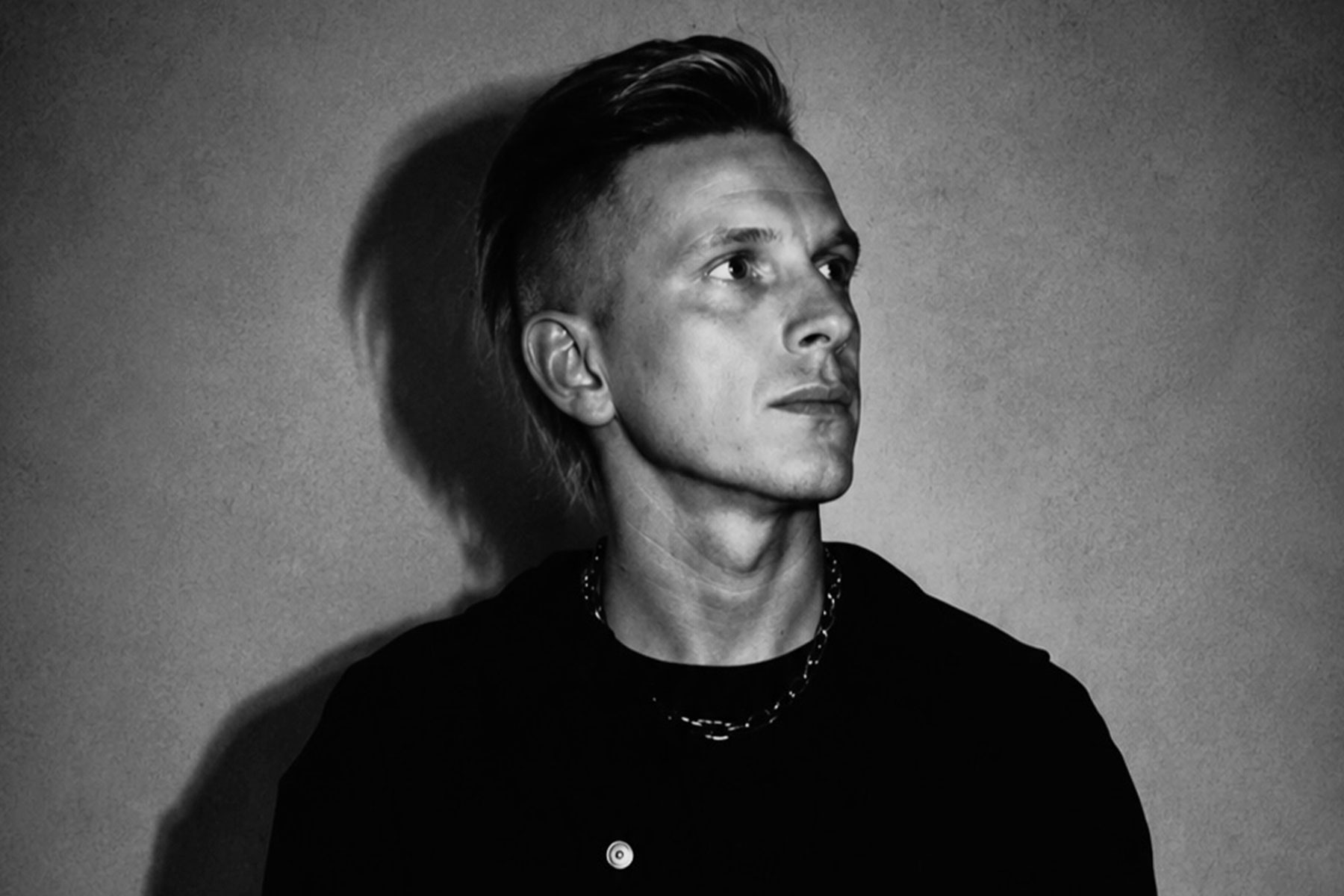
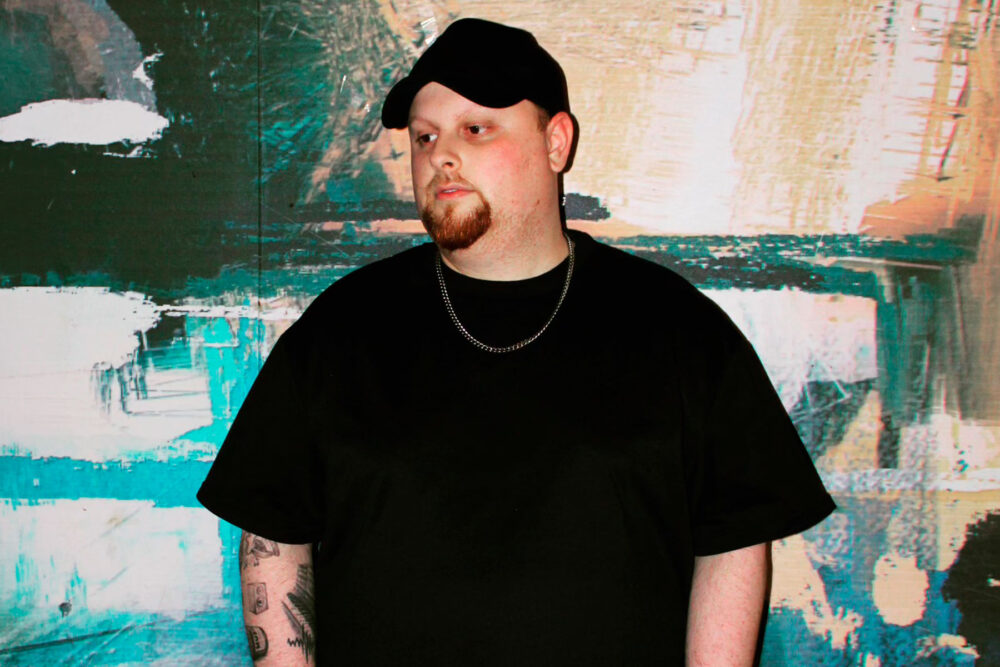
Fleanger, the Tel Aviv-born producer now shaping his artistic identity between Israel and Berlin, has steadily carved out a space within the worlds of progressive, organic, and deep house through emotionally driven productions and atmospheric storytelling.
Photo credit: Fleanger – Facebook
Drawing inspiration from visual art, human connection, and the tension between movement and vulnerability, his music balances dancefloor functionality with cinematic depth.
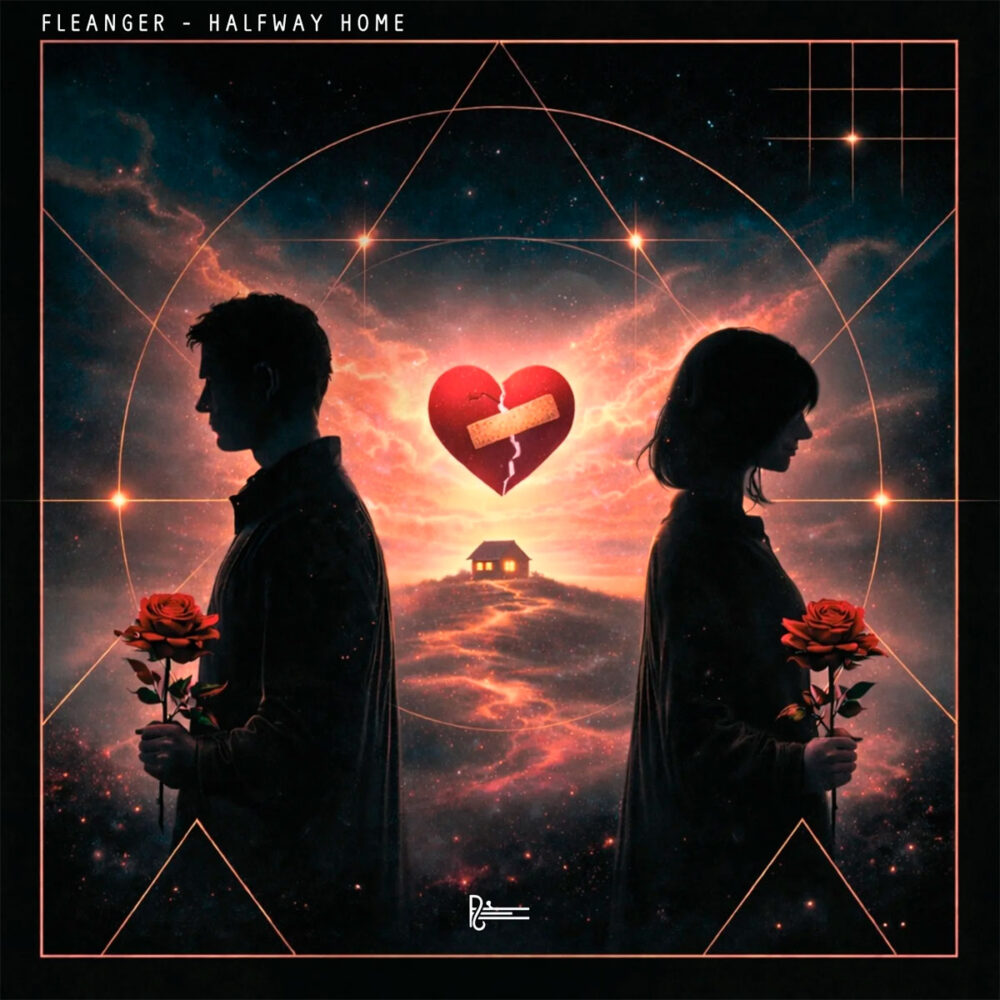
Alongside his growing catalog of releases, Fleanger has also been developing Tiefe Resonanz Records, a label focused on emotionally resonant electronic music and artists with a clear creative identity. His latest single, ‘Halfway Home’, continues that vision with a melodic and introspective progressive house journey shaped by themes of separation, memory, and release.
In this conversation, Fleanger reflects on his creative evolution, the influence of Berlin, the emotional contrasts that shape his sound, and the philosophy behind Tiefe Resonanz Records.
EG: Hi Mor, welcome to EG. Great to have you here. How have you been? Where are you speaking to us from today?
Fleanger: Hi, thank you for having me. I’m doing well, staying busy with music, releases, label work, and a lot of new ideas for the future. I’m speaking to you from Israel at the moment, but creatively I feel very connected to Berlin. It has become a big part of my artistic world and the direction I’m building around Fleanger and Tiefe Resonanz Records.
EG: Let’s kick this one off…Your journey has taken you from Tel Aviv into very different corners of the electronic music world. Reflecting, what do you think those early years gave you that still shapes your sound today?
Fleanger: The early years gave me a lot of emotional honesty. I started from a very visual place, drawing, graffiti, colors, textures, and later that slowly moved into piano and music production. I think that visual background still affects the way I hear music today. I don’t only think in terms of drums, bass, or melody. I think in scenes, colors, movement, and atmosphere.
Tel Aviv also shaped me a lot. It has this contrast between intensity, warmth, chaos, nightlife, and emotion. There is always movement, but also a certain melancholy underneath. I think that combination stayed with me. Even when I make progressive, organic, or deep house, I always try to keep something human inside the track.
EG: Your music often feels deeply emotional without losing its connection to the dancefloor. When you’re creating, how do personal memories or experiences find their way into the music?
Fleanger: For me, music usually starts from a feeling rather than a technical idea. Sometimes it can be a memory, a person, a place, or even just a mood I carry for a long time. I don’t always know exactly what I’m trying to say when I begin, but I can feel the emotional direction.
A melody can feel like a sentence I never said out loud. A chord progression can hold a memory better than words sometimes. But at the same time, I come from electronic music, and I love the dancefloor, so I always try to find the balance between emotion and movement. I want the music to make people feel something, but also to keep them moving.
EG: Berlin seems to have become an important part of your creative identity. What is it about the city that inspires you? Was the move to Berlin motivated by music?
Fleanger: Berlin inspires me because it feels very honest. It’s not always beautiful in the obvious way, but it has a lot of soul. The streets, the late nights, Kreuzberg, the Spree, the underground culture, the feeling that people are allowed to be themselves, all of that gives me a lot of creativity.
The move, or the connection to Berlin, was definitely motivated by music, but not only in a career sense. It was also about identity. I felt that Berlin permitted me to go deeper into who I am as an artist. There is something about the city that accepts darkness, vulnerability, imperfection, and freedom, and I think that connects strongly with the sound I’m building.
“I don’t only think in terms of drums, bass, or melody. I think in scenes, colors, movement, and atmosphere”
EG: A lot of your music carries this feeling of tension between darkness and warmth, intimacy and movement. Is that emotional contrast something you consciously explore?
Fleanger: Yes, very much. I’m naturally drawn to contrasts. I don’t like music that feels only happy or only dark. Life is usually somewhere in between, and that is the space I like to explore.
I love when a track has a warm bassline but a melancholic melody, or when the groove feels strong but the atmosphere feels fragile. That tension creates emotion for me. It feels more real. I think the most interesting moments in music happen when two opposite feelings exist at the same time.
EG: There’s also a cinematic quality running through your work alongside influences from progressive, organic, and deep house. What draws you toward that more atmospheric and narrative-driven approach? What is it that you are chasing?
Fleanger: I think I’m always chasing a story. Not necessarily a story with a beginning and an end, but a feeling of a journey. I want the listener to enter a space and slowly move through it.
Cinematic music gives me that sense of depth. Progressive house gives me movement and evolution. Organic and deep house bring warmth, texture, and intimacy. I try to combine those worlds in a way that feels emotional but still functional for a set.
What I’m chasing is that moment when a track feels bigger than the arrangement. When it becomes a memory, or a place, or something you can return to emotionally. That is what excites me most.
EG: You are also the founder of Tiefe Resonanz Records. What pushed you to start the label, and what kind of artistic space did you want it to become? How would you describe the state of the label at the moment?
Fleanger: Tiefe Resonanz started from a need to create a home for the kind of music I believe in. I wanted to build a space for artists who care about emotion, atmosphere, and depth, not only trends or fast numbers.
The name means “deep resonance,” and that is really the heart of the label. I wanted it to be a platform for music that stays with you, music that has a story and a certain emotional weight. The label focuses on progressive house, organic house, deep house, downtempo, and melodic electronic music, but more than genre, I care about identity.
At the moment, the label is still growing, but it already feels like it has a clear sound and direction. We are building a catalog, working with different artists, developing our visual language, and trying to create something consistent and meaningful. For me, it’s not just a label. It’s an extension of my artistic world.
EG: Balancing life as an artist, producer, label owner, and A&R can pull you in many directions at once. How do you protect your own creative voice while carrying those different responsibilities?
Fleanger: It’s not always easy. There are days when I’m dealing with release schedules, feedback, artwork, promos, contracts, artists, and then I need to sit in the studio and still be emotionally open. That can be challenging.
But I think all these roles also feed each other. Being an A&R helps me listen more carefully. Running a label helps me understand the bigger picture. Producing for myself keeps me connected to the reason I started everything.
To protect my creative voice, I try to return to emotion. When things become too technical or business-focused, I remind myself that the music has to feel honest first. If I lose that, then nothing else really matters.
“What I’m chasing is that moment when a track feels bigger than the arrangement. When it becomes a memory, or a place, or something you can return to emotionally”
EG: Looking at the current landscape, what do you think artists sometimes lose sight of while trying to grow their careers?
Fleanger: I think sometimes artists lose sight of the actual relationship with the music. Today, everything moves very fast. There is pressure to release constantly, post constantly, grow numbers, build content, and stay visible. All of that is important, but it can also become very distracting.
Sometimes artists start asking, “Will this work?” before asking, “Is this true to me?” I understand why, because the industry is difficult, but I think long-term identity is more powerful than short-term attention.
For me, the challenge is to grow without losing depth. To be strategic, but still human. To build a career, but not forget why the music started in the first place.
EG: With new releases, collaborations, and plans around Europe and ADE ahead, what feels most exciting to you about this next chapter?
Fleanger: What excites me most is that everything feels like it is slowly connecting. The music, the label, the collaborations, the Berlin influence, the European direction, it all feels like part of one bigger story now.
I’m excited to release more music that represents where I am emotionally and artistically today, and also to keep developing Tiefe Resonanz Records as a real platform for artists and deep electronic music. ADE is also something I’m really looking forward to, because it’s a place where conversations, opportunities, and creative connections can happen naturally.
This next chapter feels less about proving something and more about building something with intention. I want to keep growing, but in a way that feels honest, deep, and connected to the sound I truly believe in.
EG: Thank you so much for your time, Mor. We wish you all the best with everything ahead and the continued growth of Tiefe Resonanz. Take care!
Fleanger: Thank you so much for having me. I really appreciate the space to share a bit more of the story behind the music. Much love to Electronic Groove, and I’m excited for everything that’s coming next.
Fleanger’s ‘Halfway Home’ is out now. Stream and download your copy here.
Follow Fleanger: Spotify | Soundcloud | Instagram